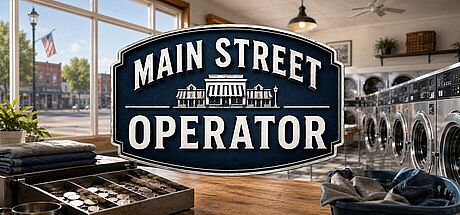


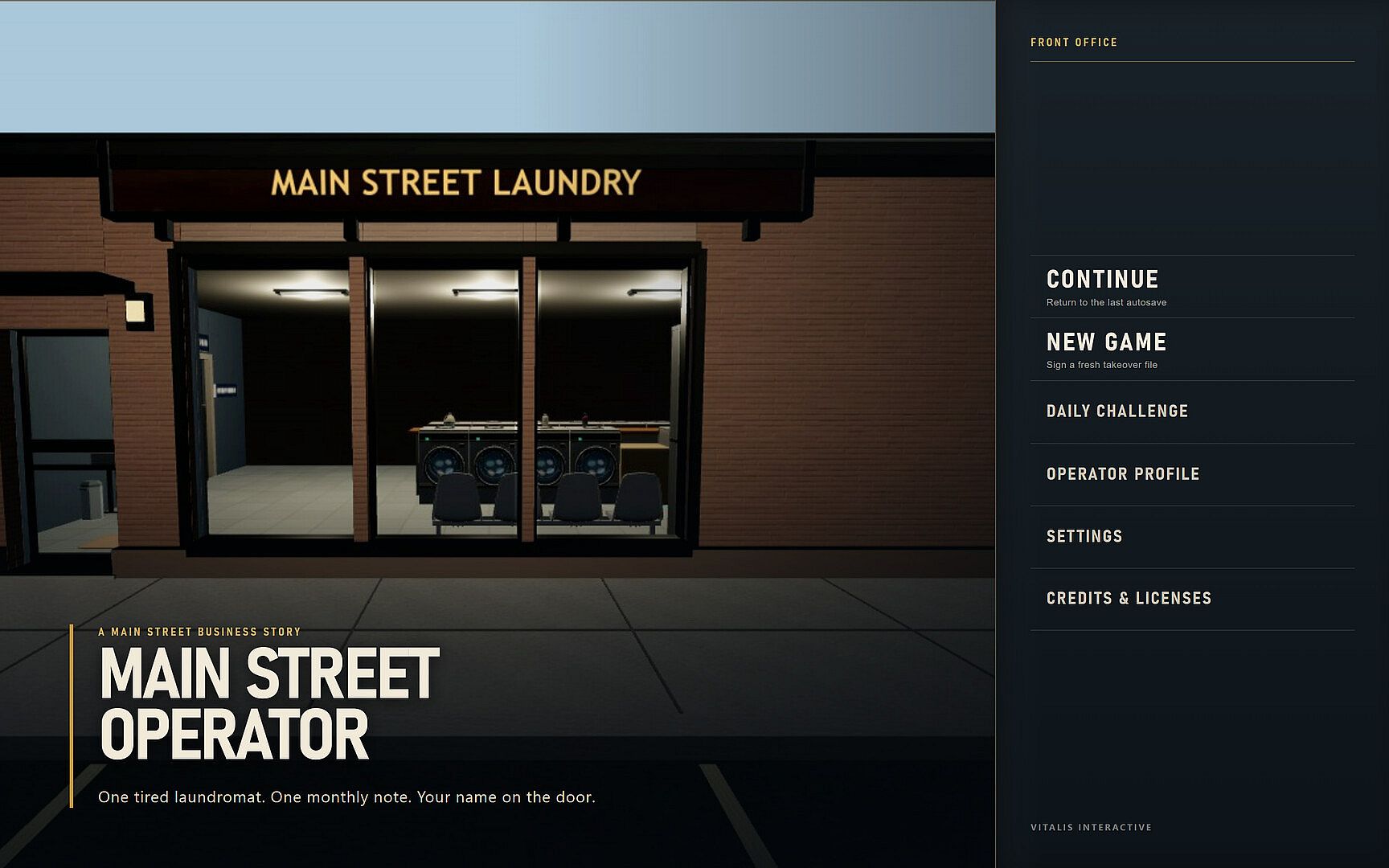
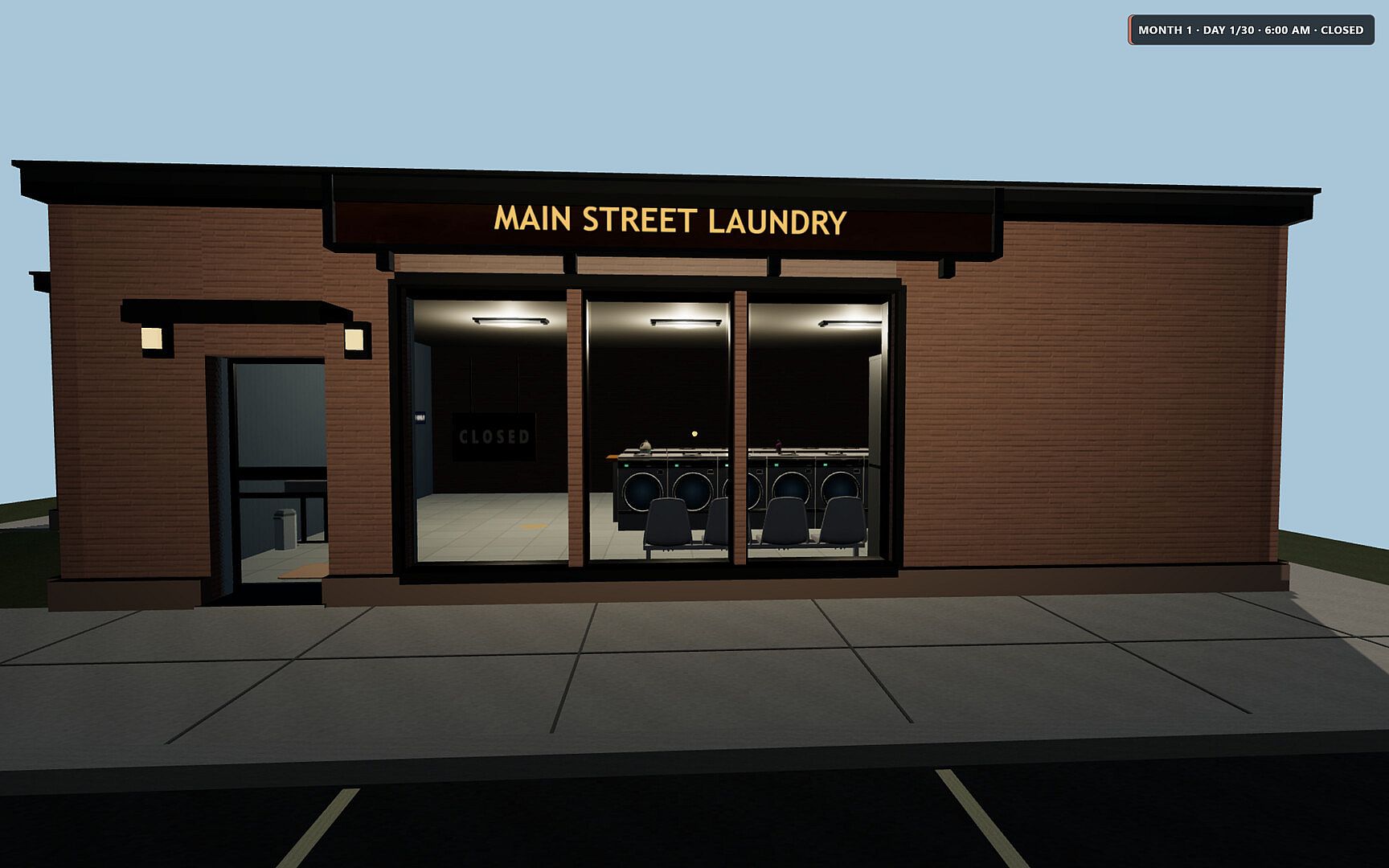
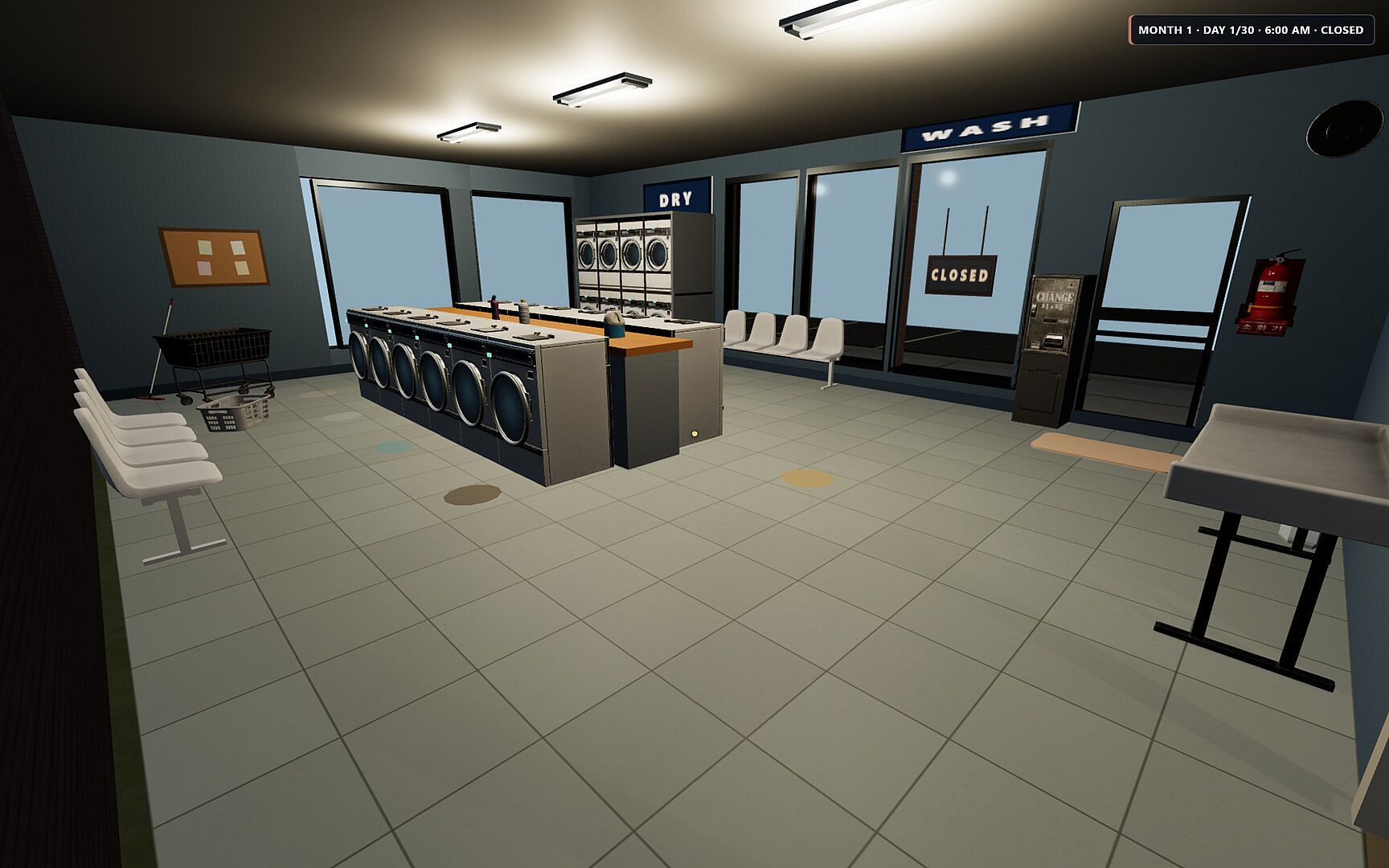
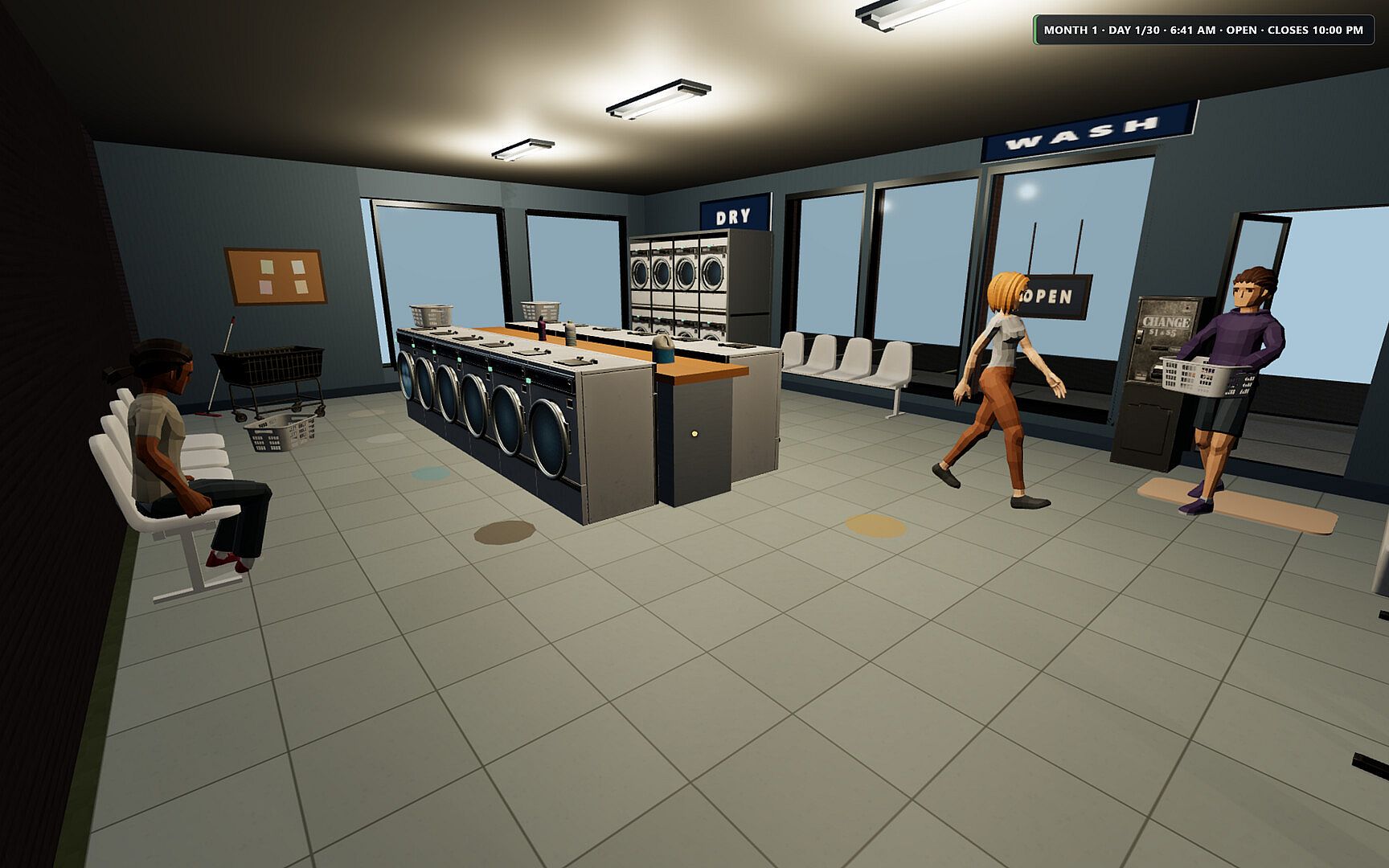

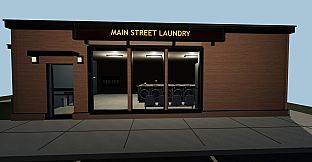

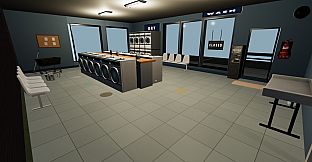

Main Street Operator is a first-person business management simulation in the strategy and indie genres. Players take ownership of a single struggling laundromat on PC and work to restore its operations through direct interaction and careful financial decisions.
Gameplay
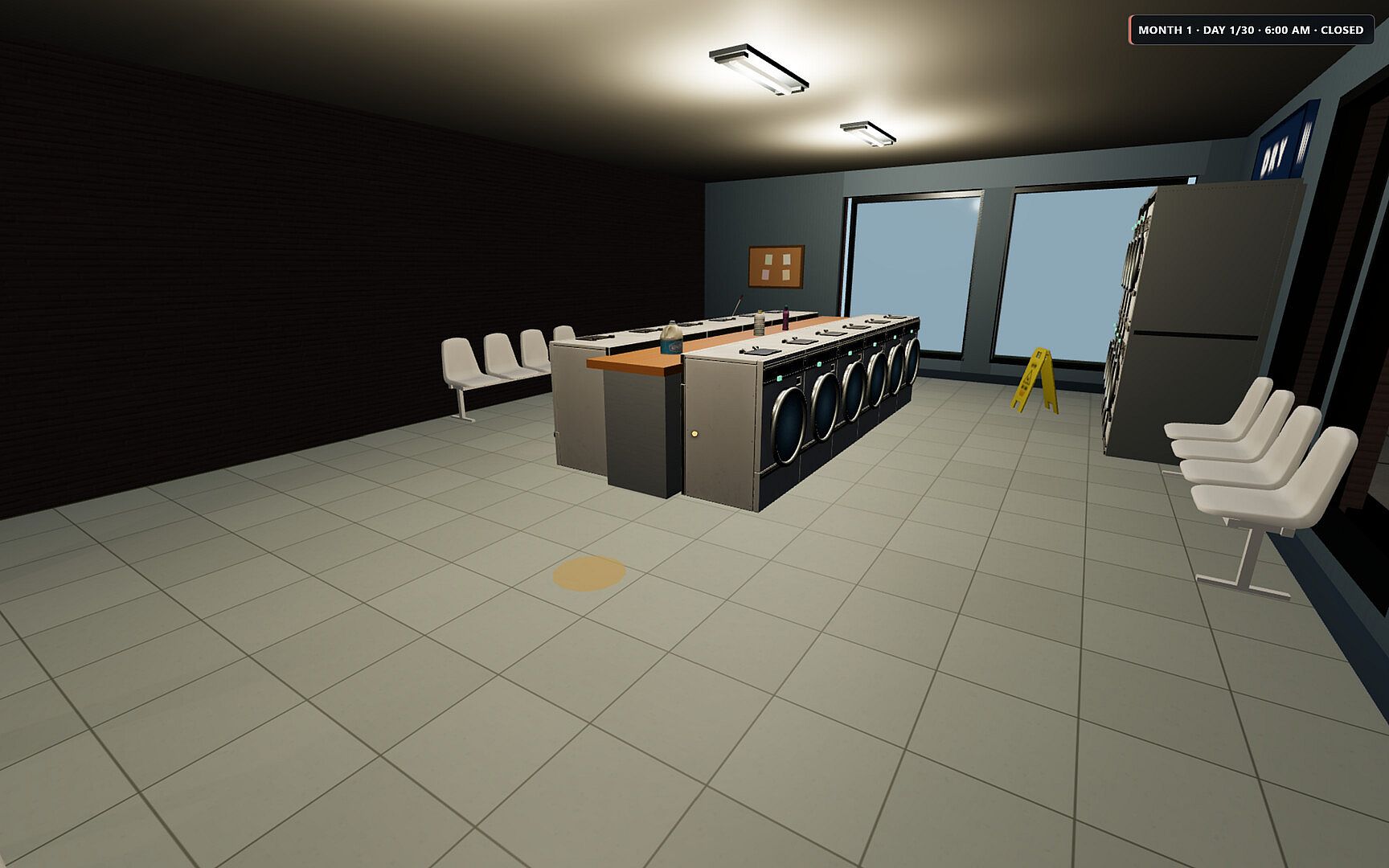
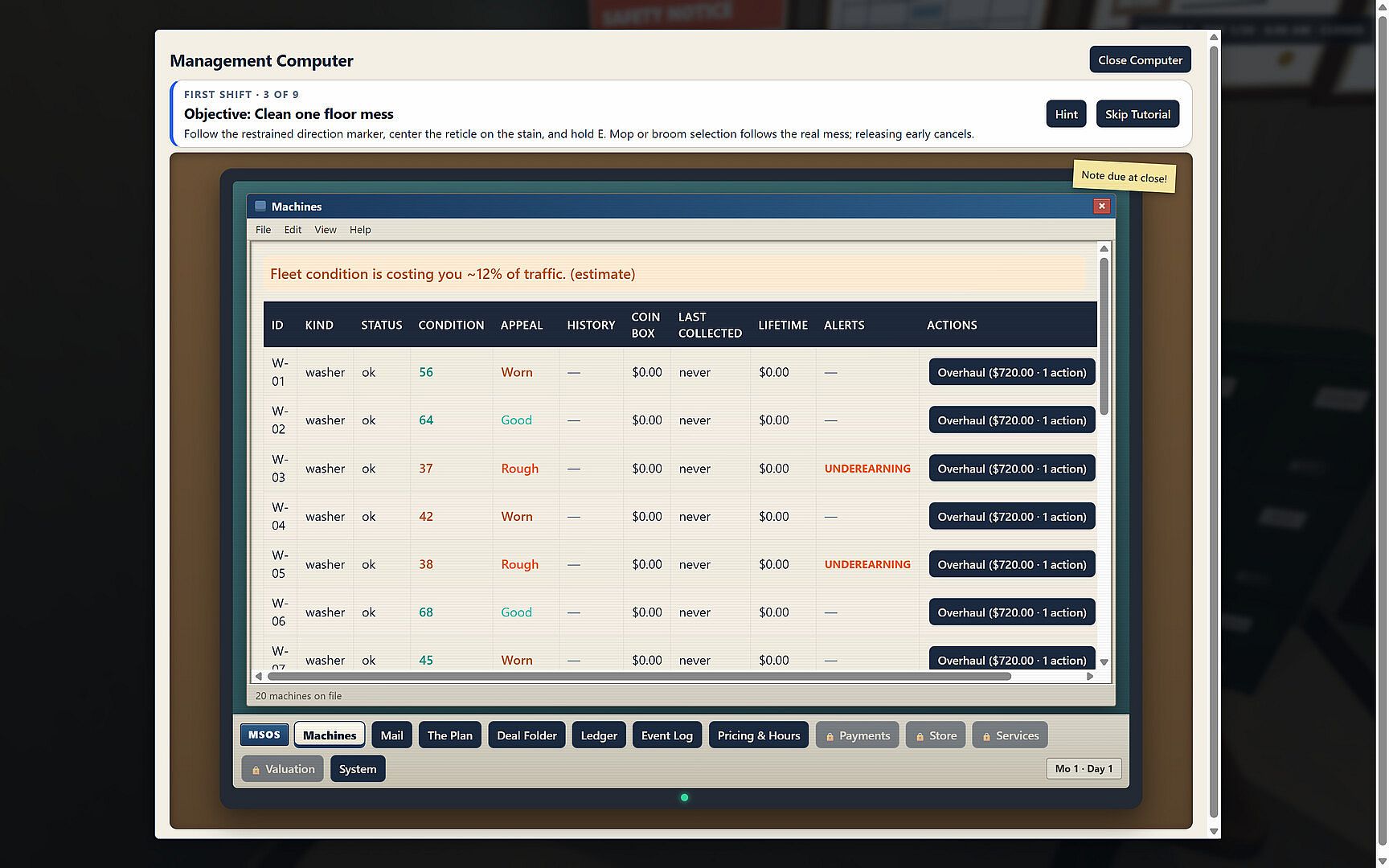
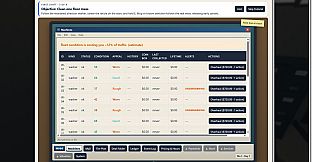
The core loop centers on hands-on management of the laundromat floor. Players walk through the space in first person to clean surfaces, inspect and repair washers and dryers, collect coins from machines, and observe customer behavior in real time. Equipment breaks down over time, requiring symptom checks, fault diagnosis, and either personal repairs or paid professional service to restore earning capacity.
Financial oversight runs alongside physical tasks. Rent, utilities, supplies, and a seller-financed note create ongoing obligations that must be balanced against revenue from pricing decisions and customer volume. Cash reserves require protection while upgrades gradually transform the store's appearance and appeal. Improvements to payment systems, amenities, and equipment visibly alter the environment as the business evolves.
Reputation builds through consistent machine uptime, cleanliness, and fair pricing. Higher traffic follows better operations, which in turn introduces new demands on resources and attention. The single focused business means every choice affects the final value of the laundromat when the seller note is paid down or an exit opportunity appears.
Game Modes
Main Street Operator delivers its experience through a single-player simulation focused on one laundromat. There are no separate competitive or multiplayer modes. The entire progression unfolds within this dedicated management scenario, where players handle daily operations, monthly financial closes, and long-term modernization until the business reaches a stable point for continued ownership or sale.
Business Systems and Progression
Progression ties directly to the physical state of the store and its financial health. Early stages involve basic maintenance and coin collection on aging coin-operated machines. Later stages open options for payment upgrades, added seating or folding areas, and equipment replacement that changes how customers interact with the space. The neighborhood responds to these changes, increasing foot traffic while raising expectations around reliability and service quality.
Decision points appear around spending priorities. Funds can go toward immediate repairs, long-term upgrades, or debt reduction. Personal financial needs must also be considered without draining the business reserves needed for survival. The simulation tracks these choices through visible customer flow and the accumulating equity in the property.
Is It Worth Playing?
Main Street Operator suits players who enjoy detailed simulation and strategy titles centered on small-business management. The first-person perspective and emphasis on walking the floor distinguish it from spreadsheet-only approaches, rewarding attention to both mechanical upkeep and customer satisfaction. Because the game remains in development with a coming-soon release date and no user reviews available yet, interested players should monitor official updates for the final release. Those drawn to focused indie simulations that combine physical interaction with economic decision-making will find the described systems align closely with that preference. The single-business scope keeps the experience contained rather than expansive, which may appeal to those seeking a complete arc with a clear finish line rather than open-ended empire building.