




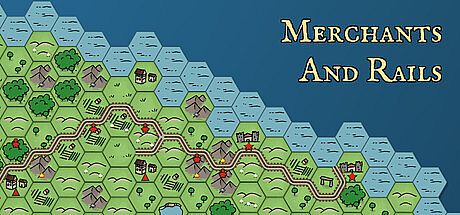


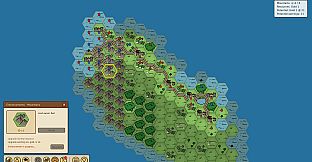
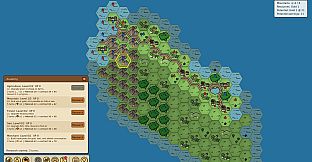
Merchants and Rails is a strategy, indie, and simulation game built around constructing and managing a railway network in a competitive economic environment. Players develop rail lines across a shared map, linking settlements and resource sites while responding to fluctuating markets and rival actions. The focus rests on long-term planning, resource allocation, and adapting to changing conditions rather than direct combat or fast reflexes.
Gameplay
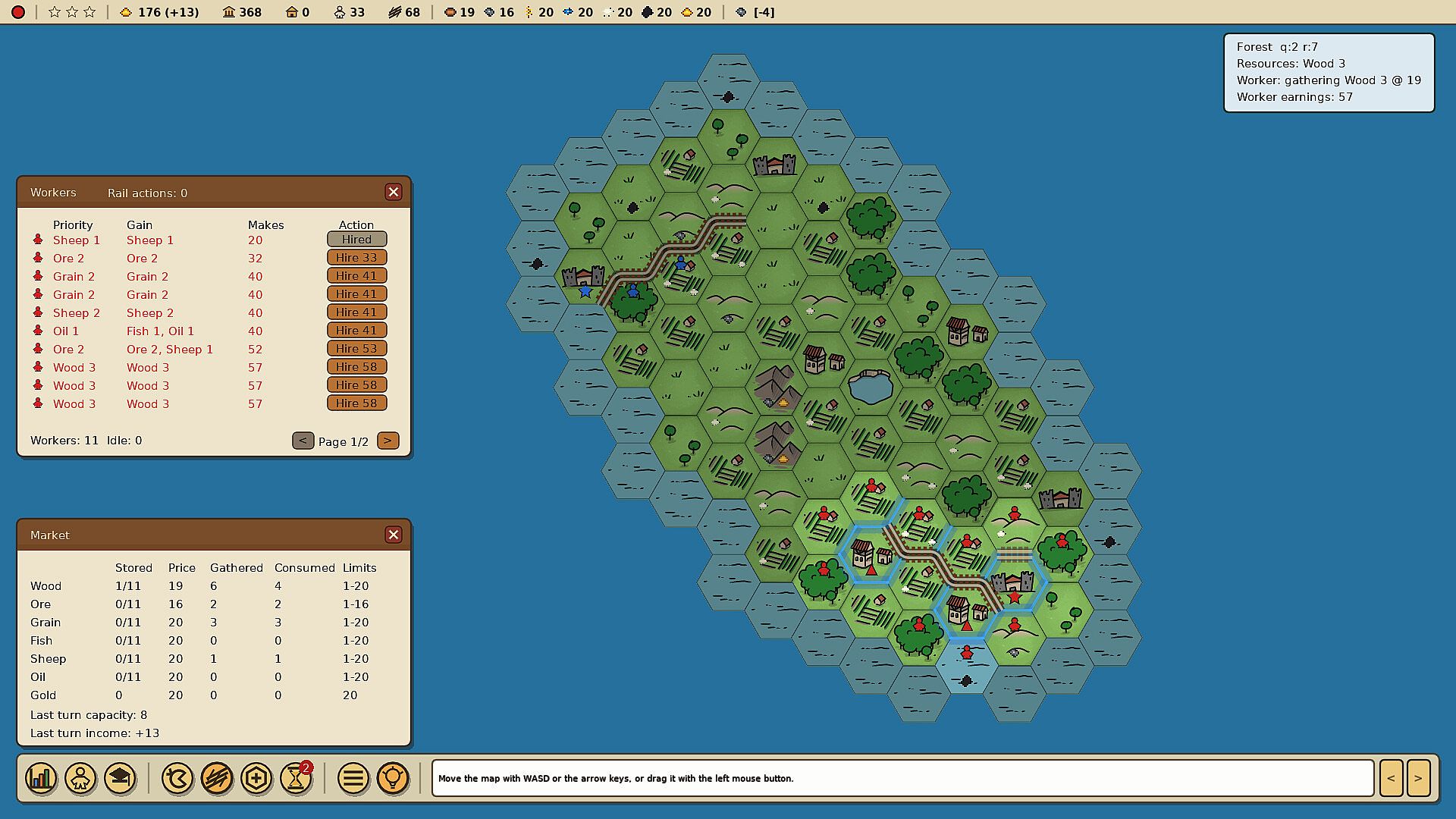
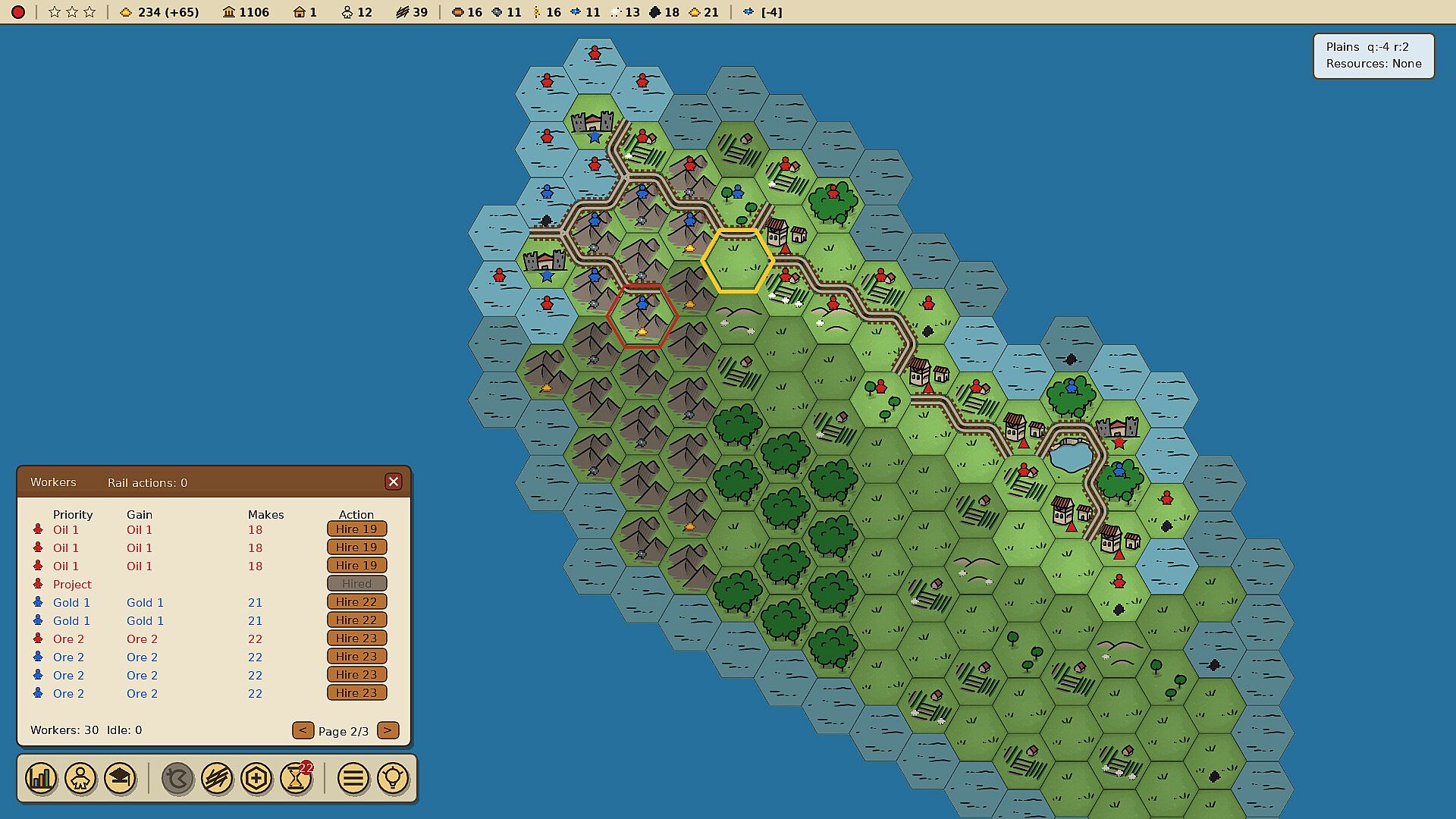
The core loop centers on turn-based decisions where each player reviews current resource prices and worker availability before committing funds. Construction requires wood and ore to lay tracks, while hiring workers expands capacity for both building and later production. Networks grow by reaching cities for progress toward objectives, villages for population growth, and resource deposits for output. Budget management becomes critical because rapid expansion can claim key areas, yet high labor costs or poor market timing can favor a slower approach.
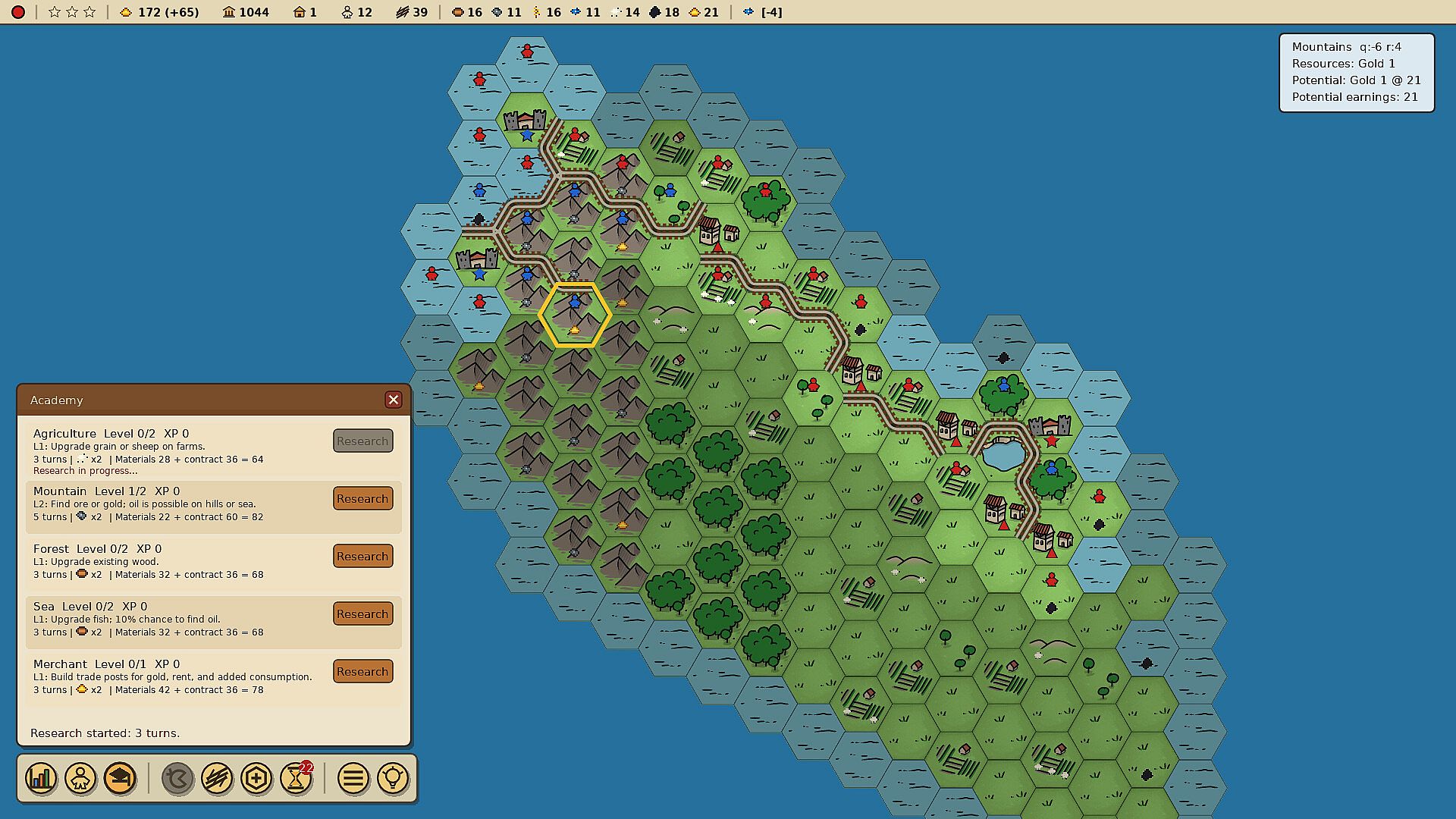
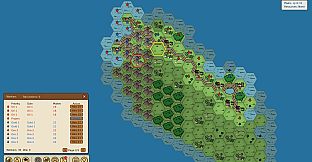
Land auctions introduce direct competition as companies bid for properties that yield rent once connected workers extract resources. Shared tracks allow multiple operators to use the same lines, which creates both cooperative efficiencies and competitive pressure on markets. After each turn resolves, workers generate goods, settlements consume materials, prices shift based on supply and demand, and random events alter the board state. These outcomes feed directly into the next planning phase, where research through academy trees can unlock new options or improvements to terrain and infrastructure.
Game Modes
Players begin with a guided tutorial that introduces the systems step by step. Campaign scenarios present structured challenges with specific victory conditions tied to connected cities and company capital. Distinct bot opponents offer single-player practice with varied decision-making styles. Local hot-seat support allows multiple participants to take turns on the same device. Custom map creation and sharing extend replayability beyond the included content.
Key Mechanics and Systems
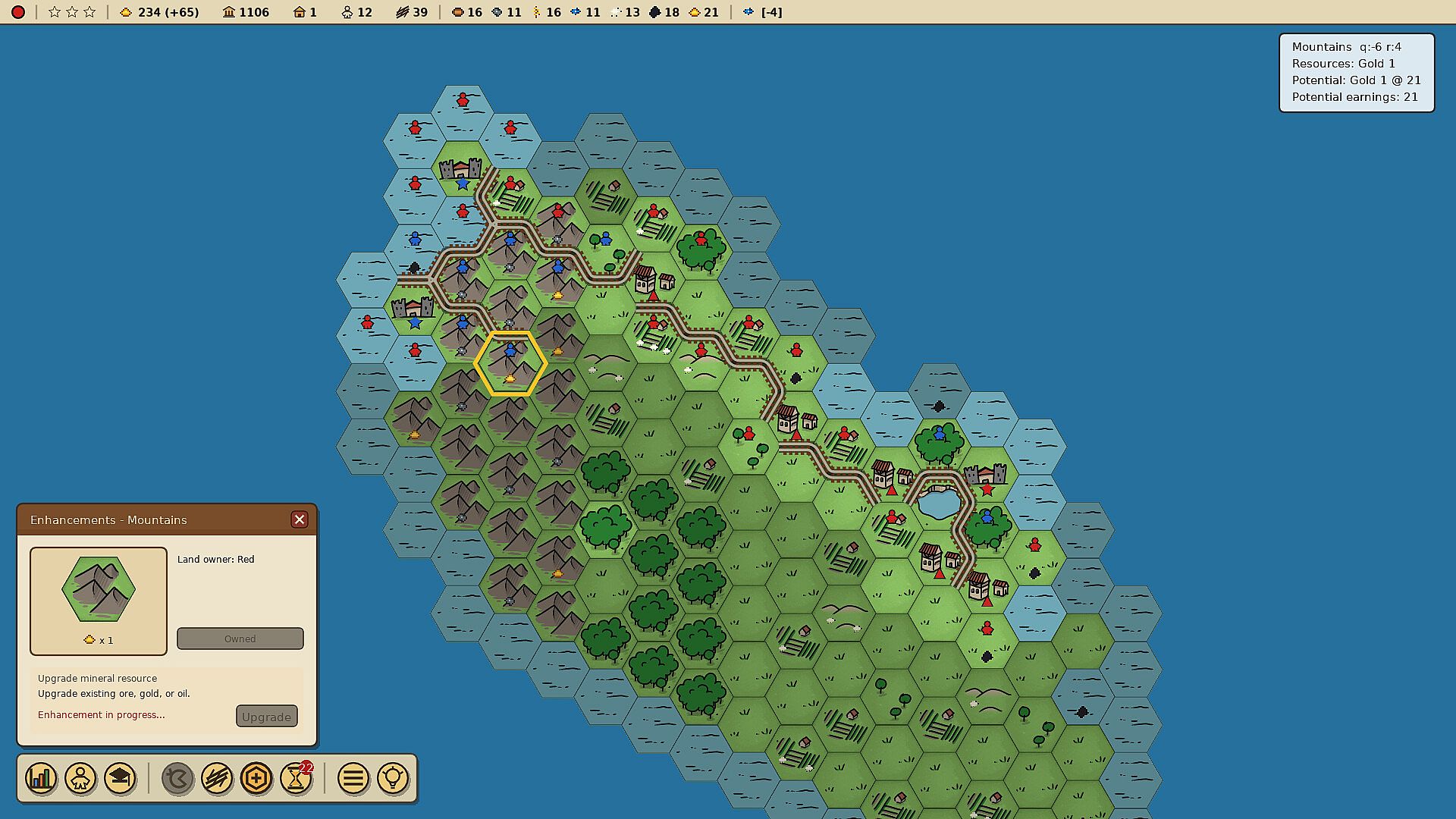
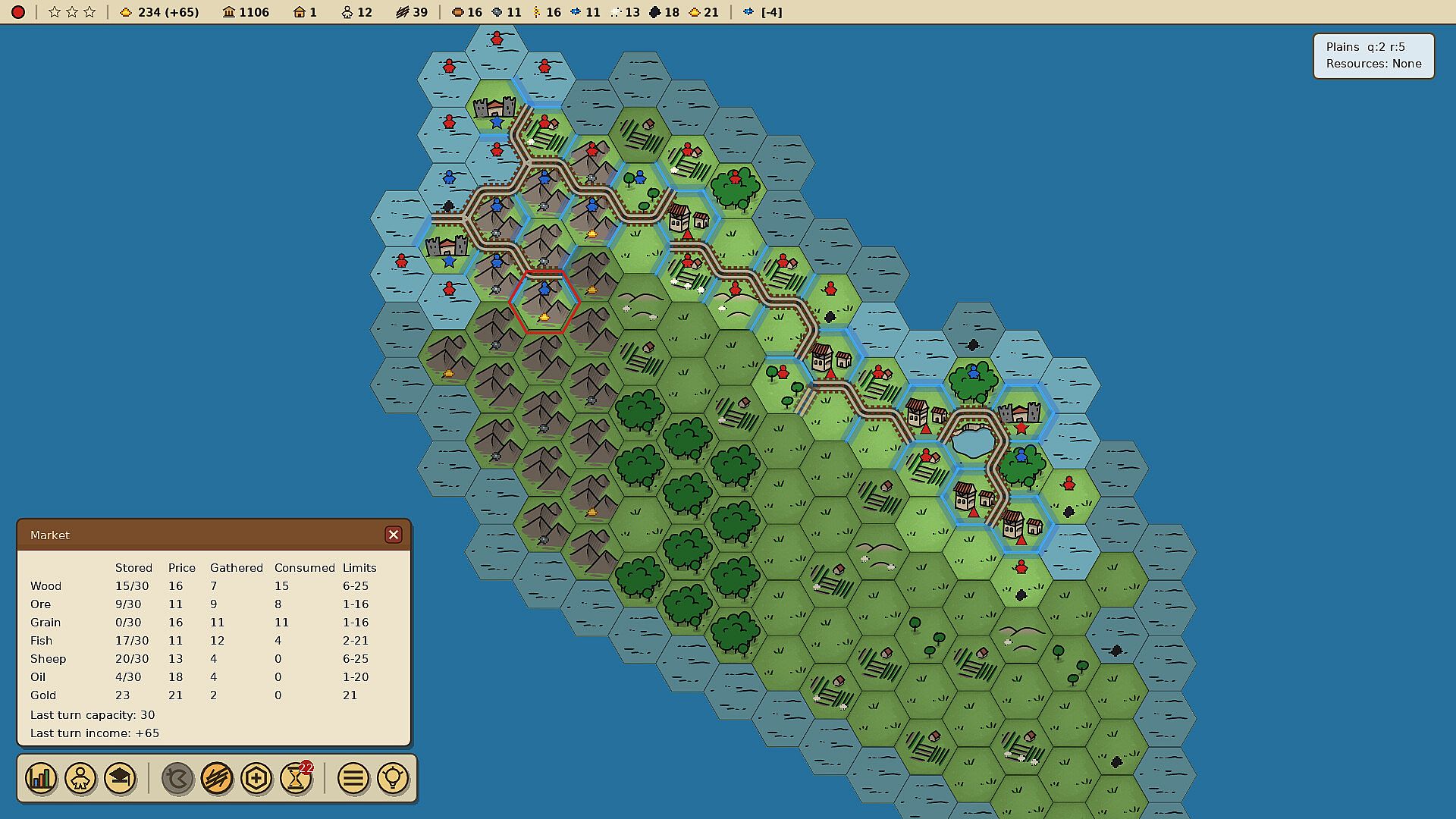
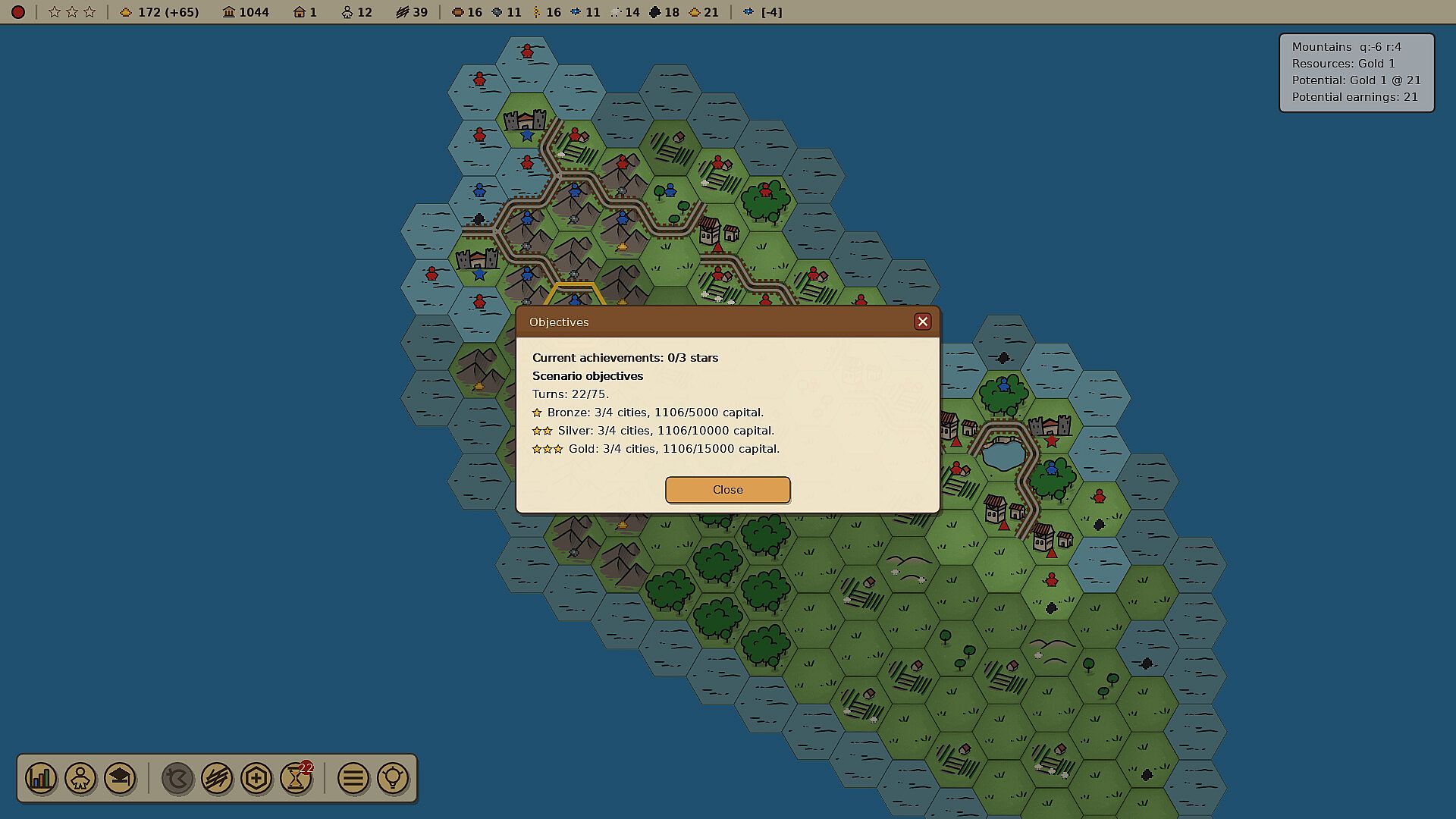
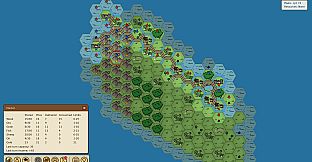
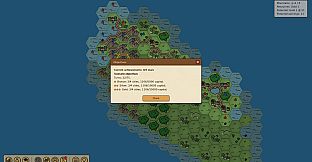
Dynamic markets respond continuously to production levels, consumption patterns, and external events, so prices never remain static. Land ownership adds another layer through auctions and purchases that generate ongoing income from connected sites. Population growth from expanded settlements supplies more workers, while upgrades to resources or terrain improve yields over time. Unpredictable events such as supply shifts or migrations force adjustments to routes and investments. Victory in scenarios combines network reach with capital accumulation, measured through bronze, silver, and gold stars.
Is It Worth Playing?
Merchants and Rails targets players who enjoy deliberate economic strategy and network building in a simulation framework. The interplay between shared infrastructure, market forces, and competitive land control creates meaningful choices each turn. Because the game remains unreleased with a date to be announced and no player reviews available yet, any assessment rests on the described systems. Those drawn to turn-based management titles with auction mechanics, research progression, and adaptable AI or local multiplayer options may find the approach rewarding once it launches. The emphasis on adapting to living markets and rival bids distinguishes it from simpler rail construction experiences.











