


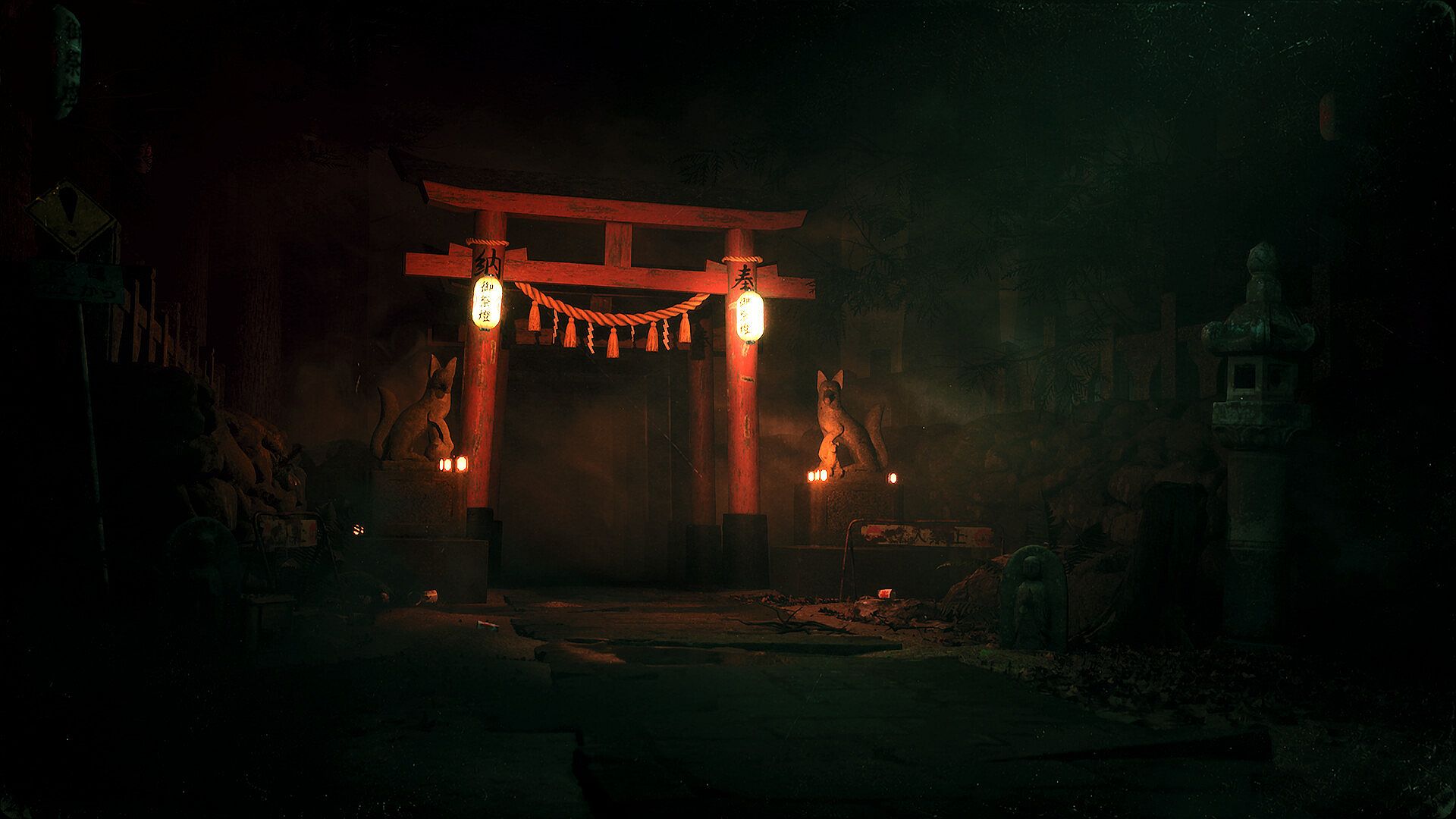
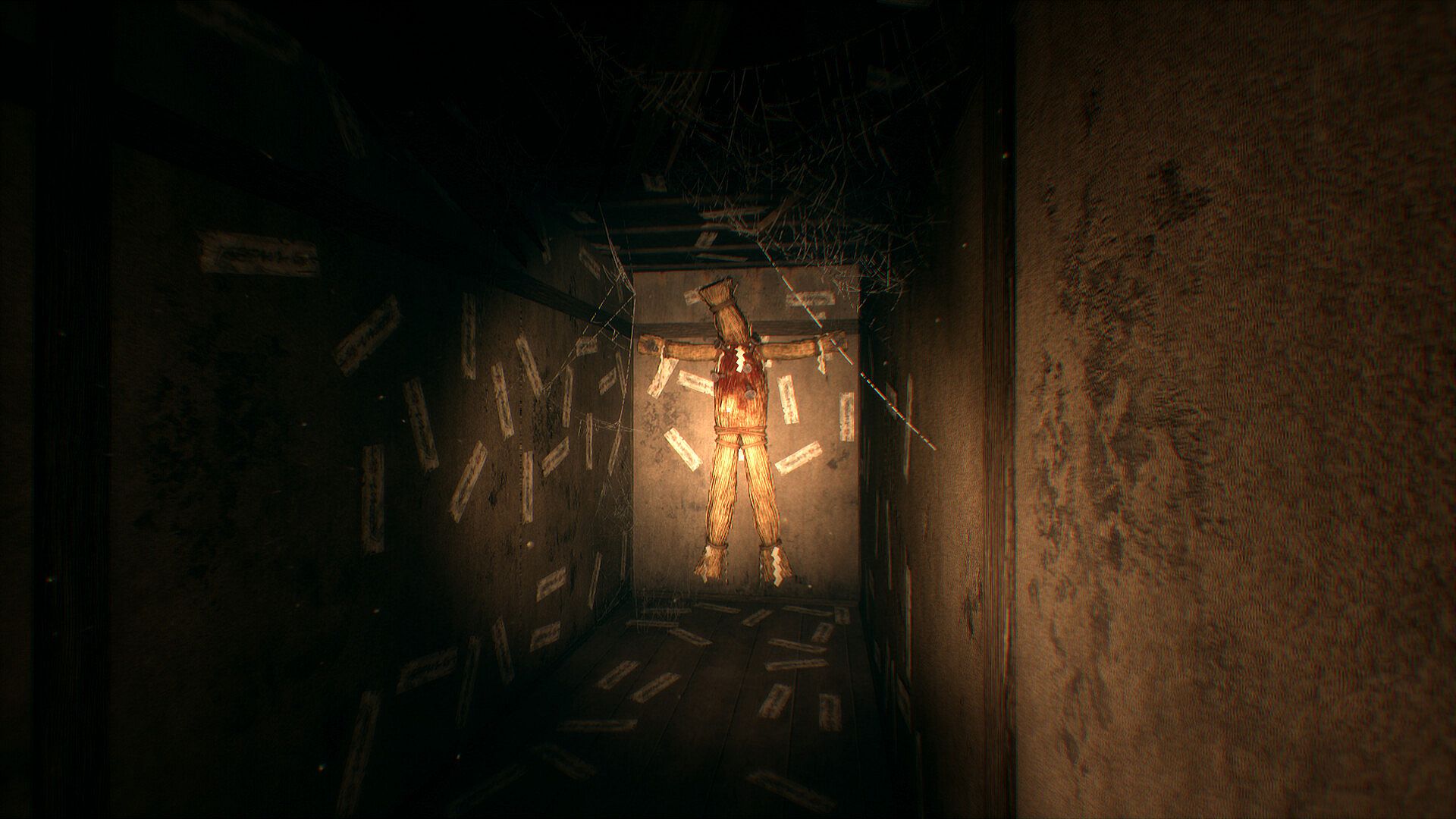
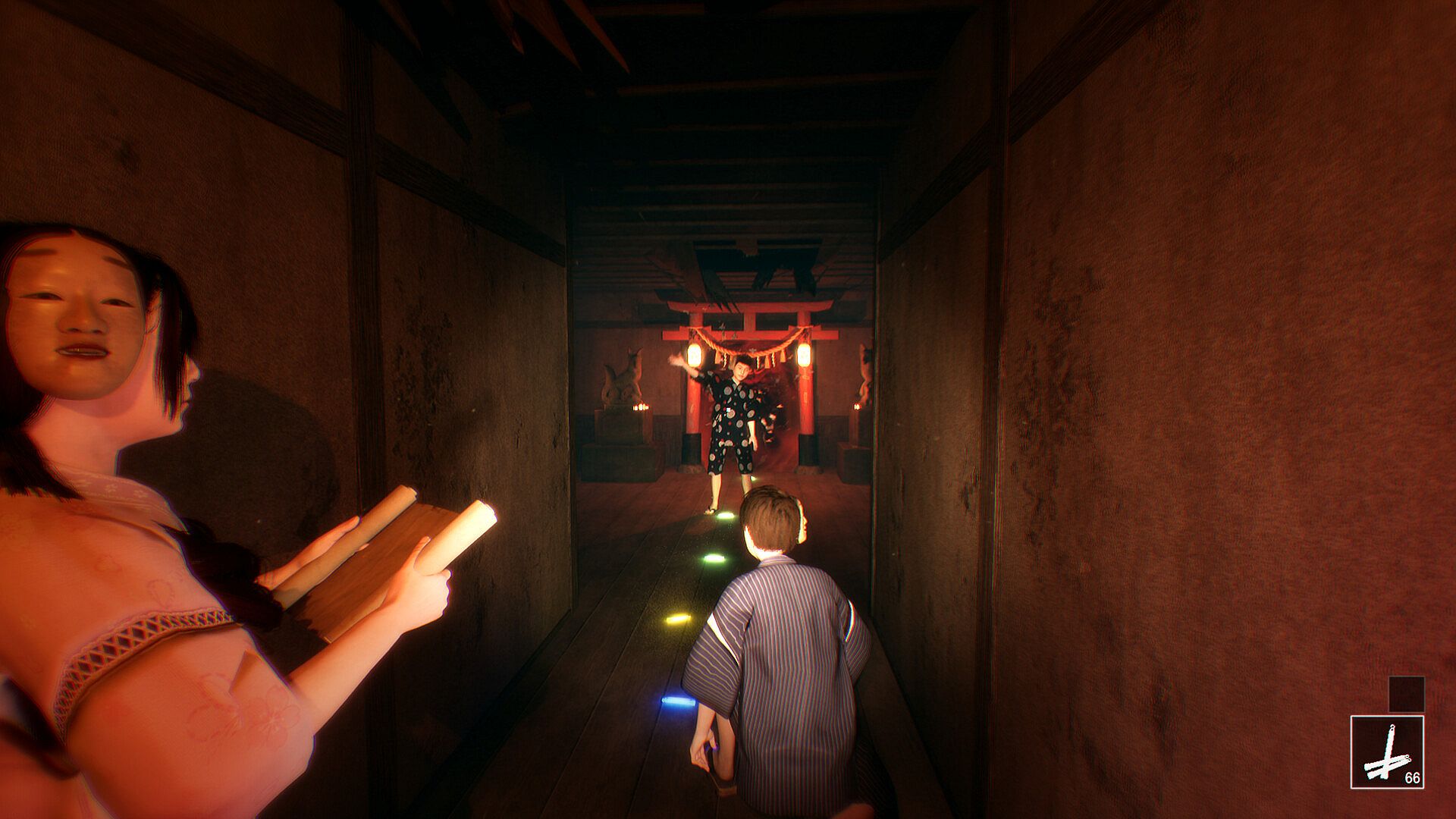
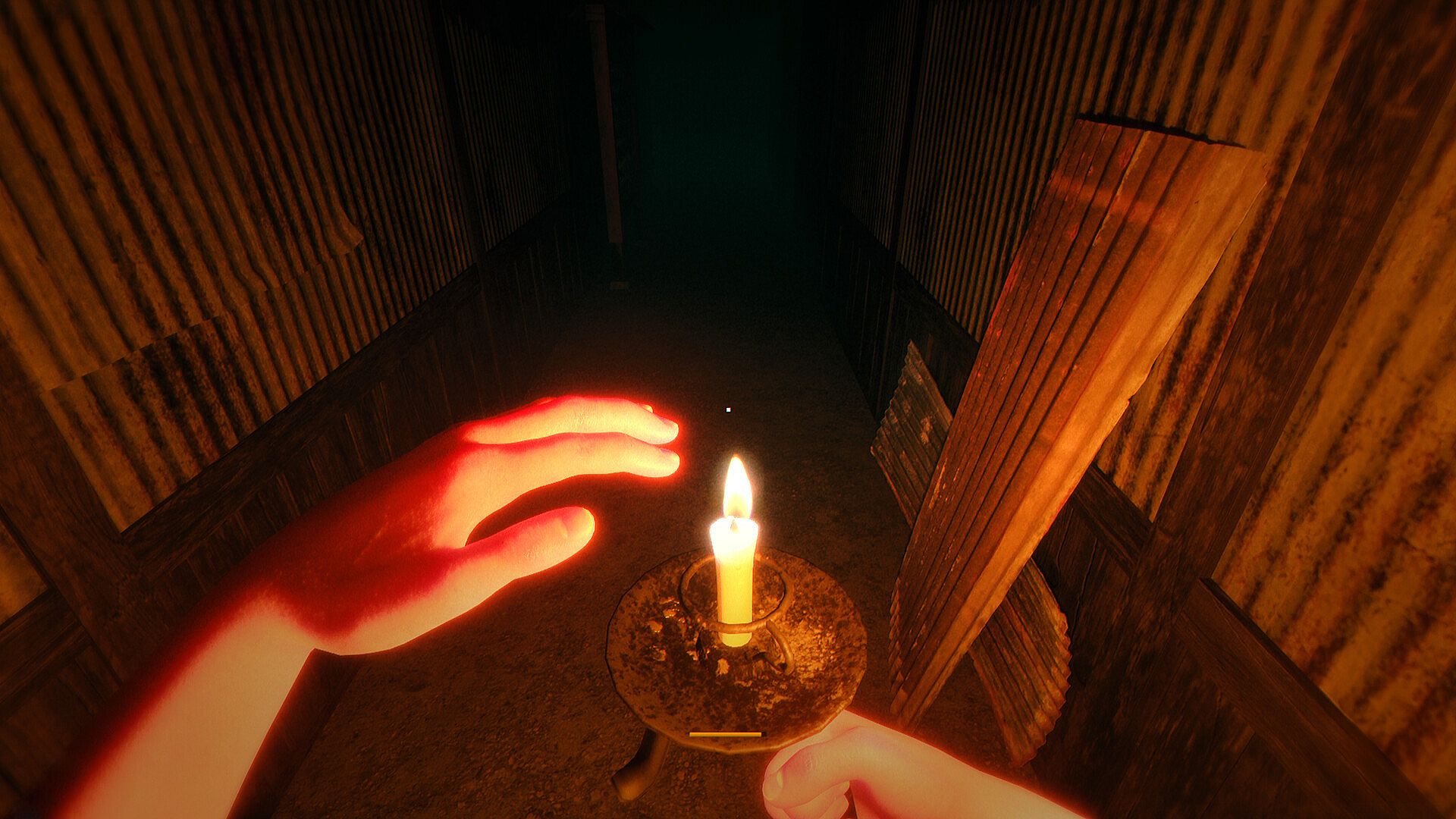

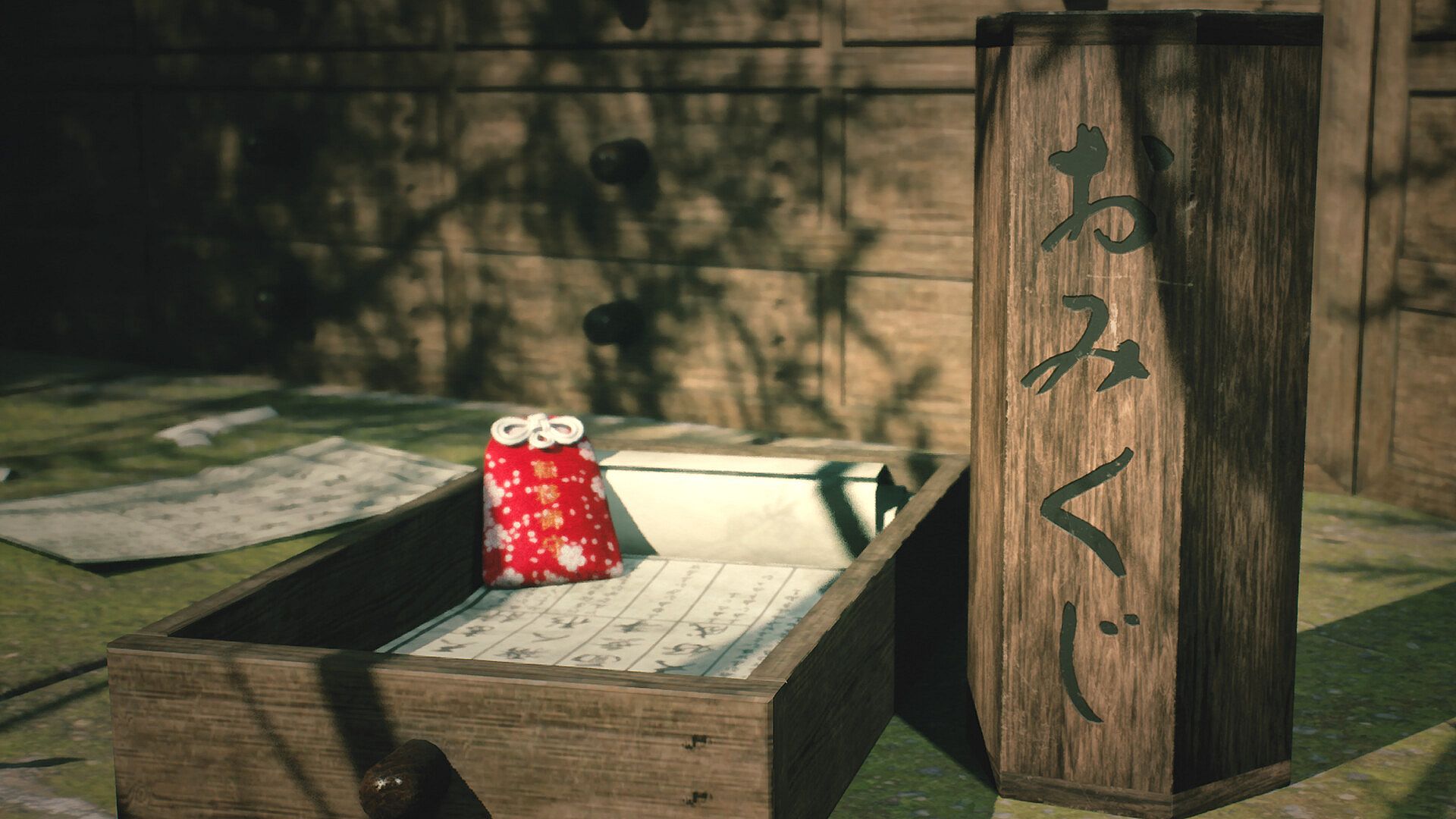
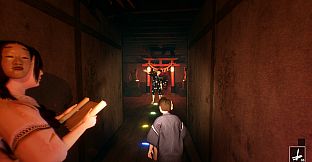

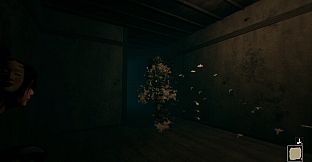
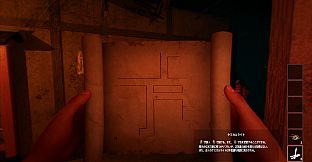

Shrine Labyrinth is a Japanese-style horror action game developed for PC that blends procedural exploration with tense co-op survival. Players work together in groups of one to four to escape shifting labyrinths filled with supernatural threats, relying on stealth, quick decisions, and teamwork to survive each run.
Gameplay
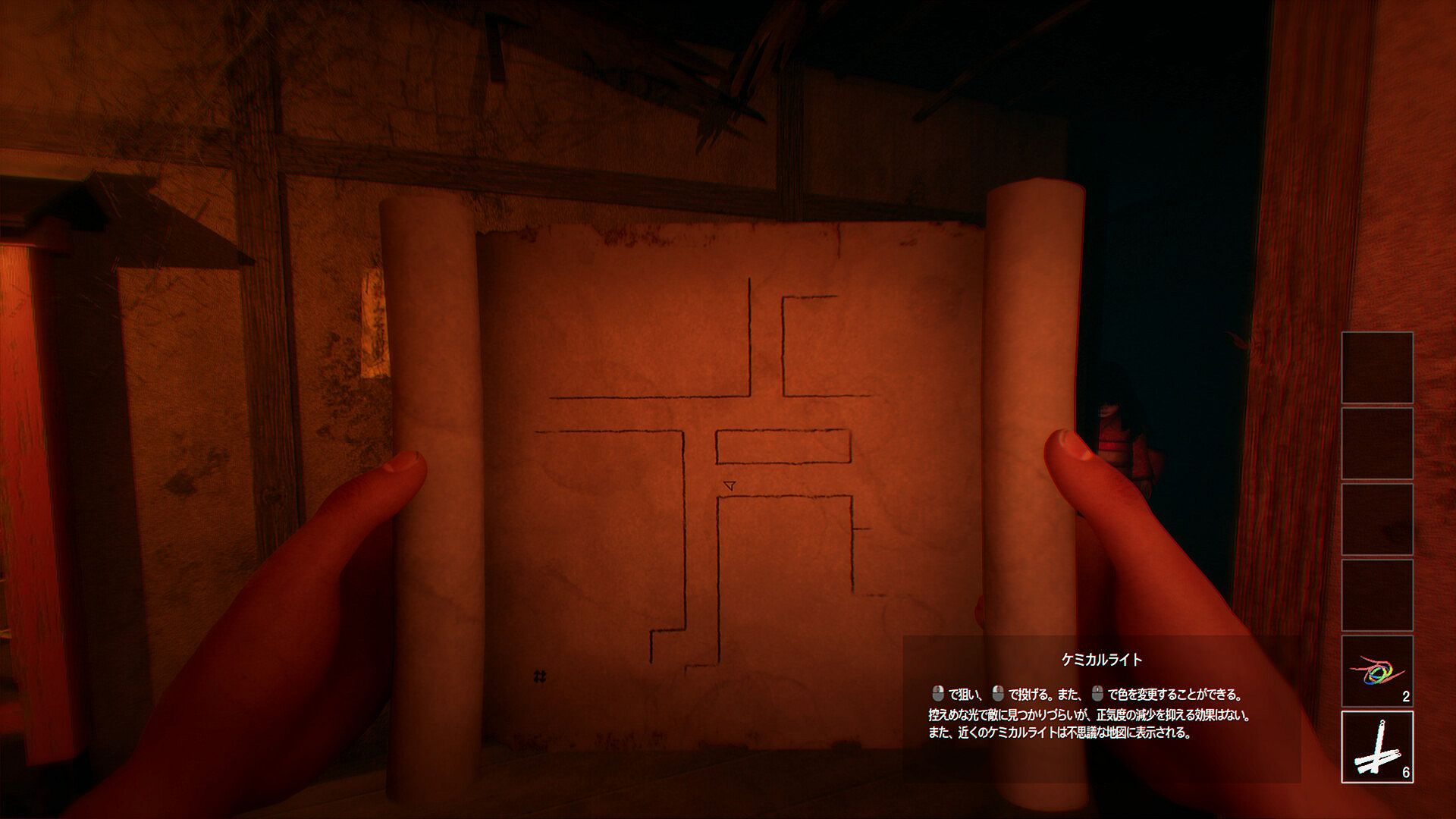
The core loop centers on navigating procedurally generated labyrinths where every session presents a new layout, item distribution, and set of environmental mechanisms. These changes extend to the supernatural entities that appear, ensuring no two escapes follow the same path. Movement generates noise with each step, forcing players to choose between crouching for quieter progress or risking detection by running when speed becomes necessary. Entities possess distinct sensory traits, such as heightened vision or acute hearing, which demand tailored responses to avoid confrontation or escape pursuit.
When spotted, survival options include using carried items to repel threats or sprinting toward the nearest hiding spot. The system creates sustained pressure through realistic audio cues and reactive enemy behaviors, turning simple traversal into a constant balance of caution and urgency. Environmental interactions add further layers, as certain mechanisms and creatures respond directly to player actions and sounds within the maze.
Game Modes
The primary experience unfolds in online co-op sessions supporting up to four participants, whether joining friends in private groups or entering public lobbies to match with others. Proximity voice chat integrates seamlessly, with audio fading based on distance and simulated echoes or barriers blocking sound, mirroring real-world acoustics. This feature heightens immersion because select enemies and mechanisms react to spoken words, making voice communication both a tool and a potential risk.
Difficulty adjustments provide four tiers from Easy to Oni. The Easy setting prioritizes accessibility for those preferring less intense action elements, while Oni delivers the highest challenge for skilled players seeking maximum tension. These options allow groups to tailor the experience without altering the fundamental escape objective or procedural structure.
Is It Worth Playing?
Shrine Labyrinth suits players who enjoy cooperative horror focused on stealth, audio awareness, and adaptive problem-solving rather than direct combat. The procedural maps and variable entity behaviors deliver replayability across multiple sessions, while the proximity voice system encourages natural coordination that feels organic in multiplayer. Those comfortable with action-oriented moments will find the higher difficulty tiers rewarding, whereas the lower settings open the game to broader audiences seeking atmospheric tension over constant pressure.
The combination of Japanese horror aesthetics with practical co-op mechanics creates a focused experience that emphasizes survival through awareness and teamwork. Groups that value fresh layouts and reactive threats each playthrough will likely appreciate the consistent emphasis on these systems.