




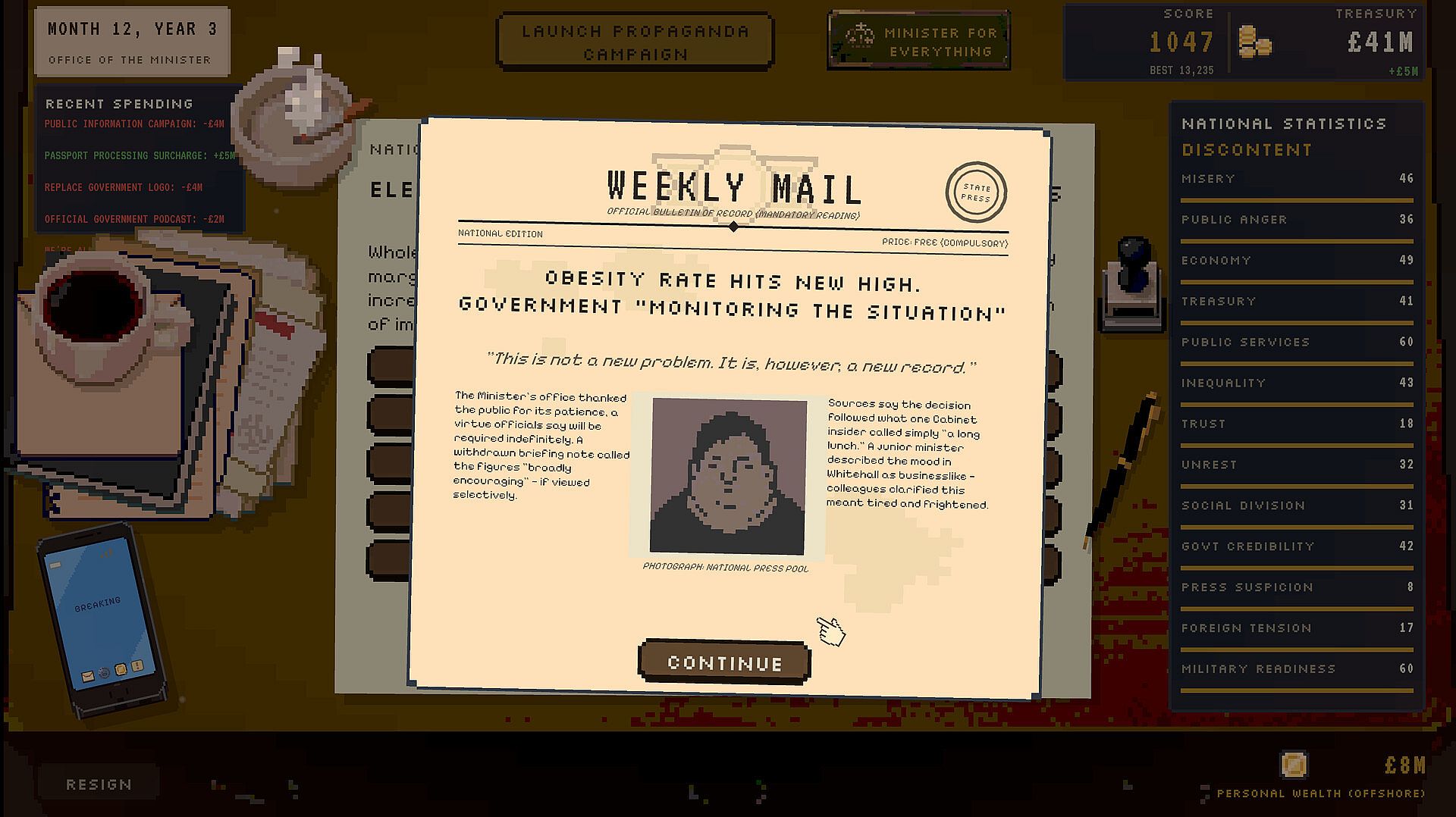
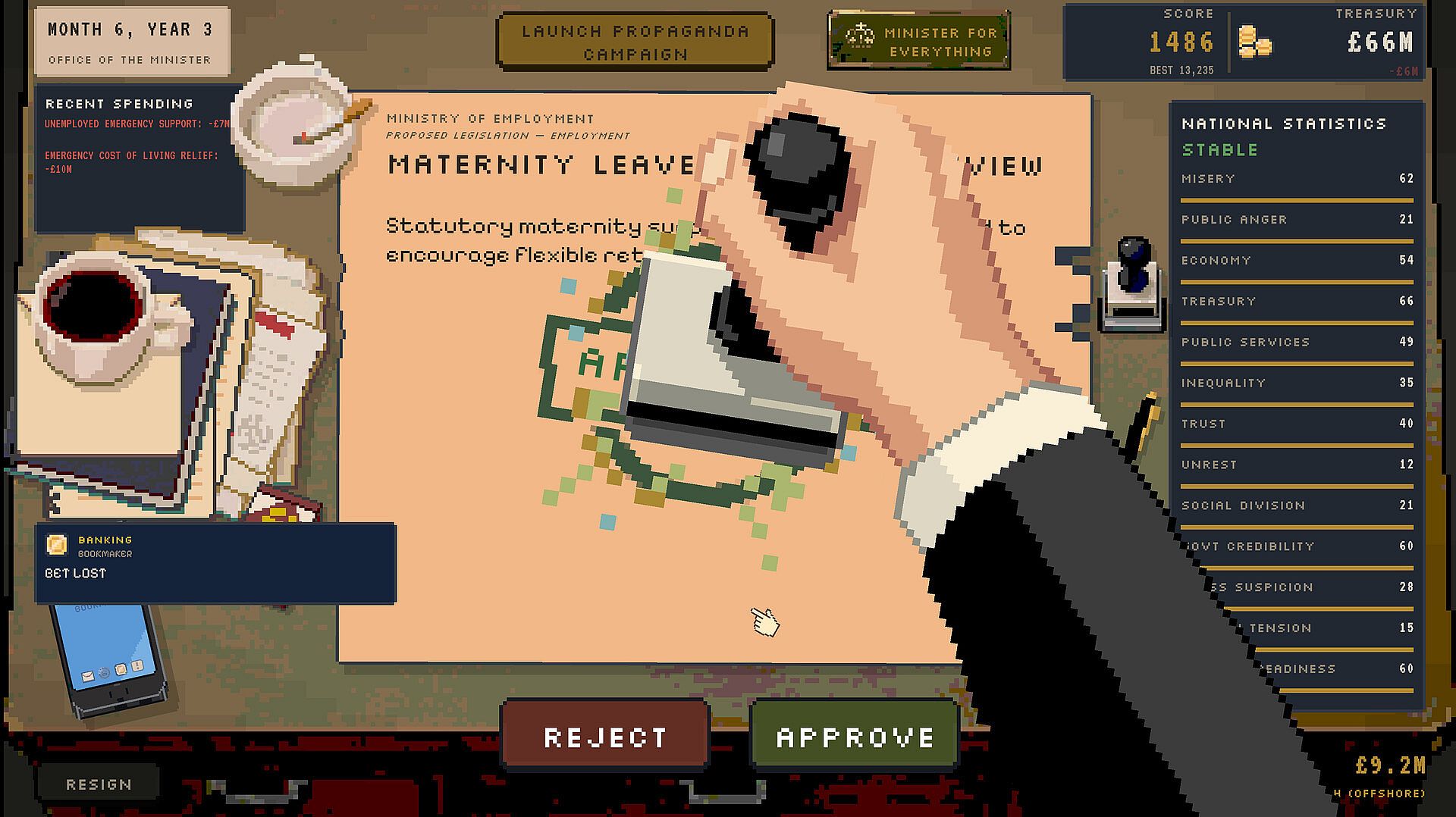
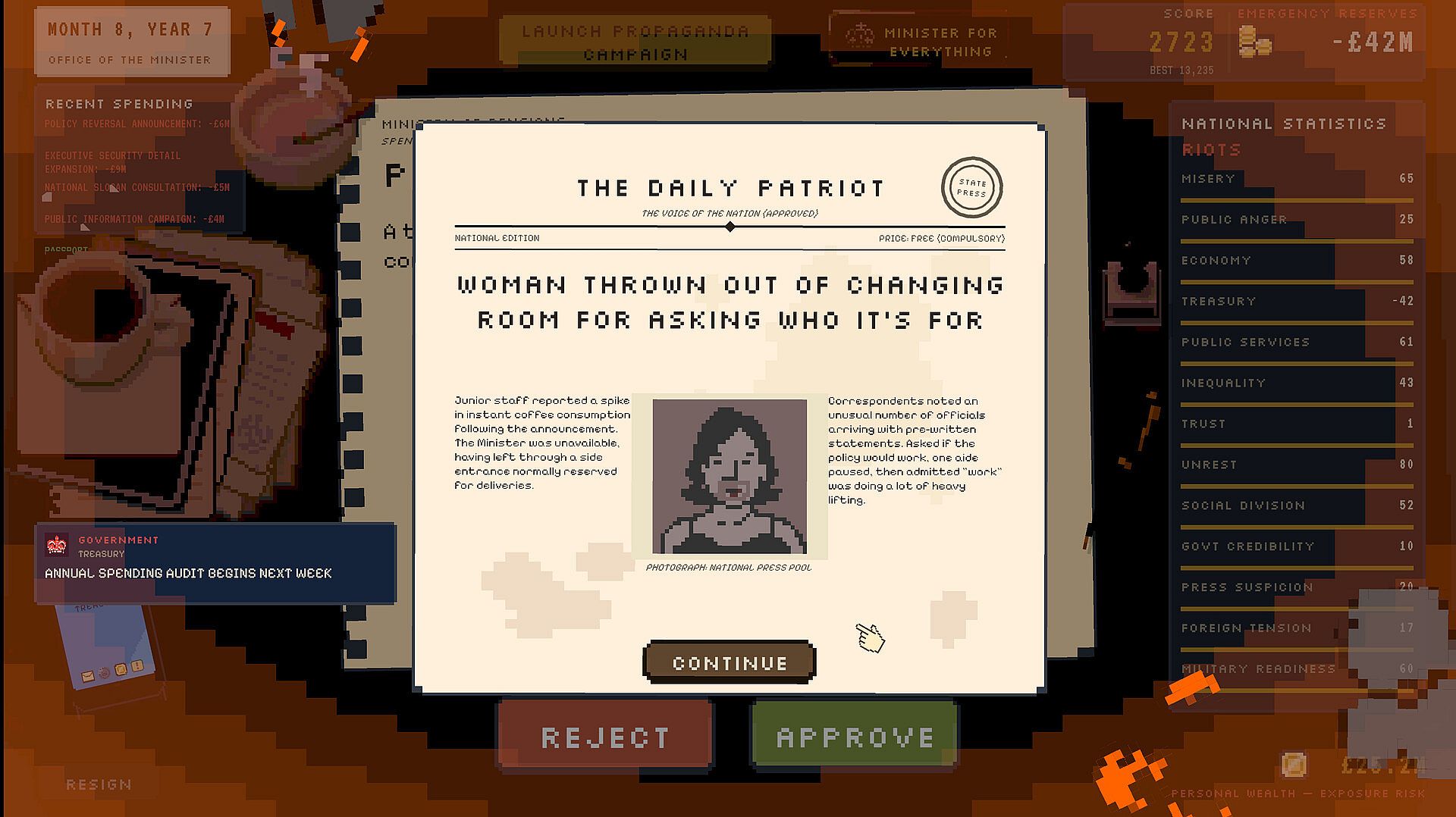
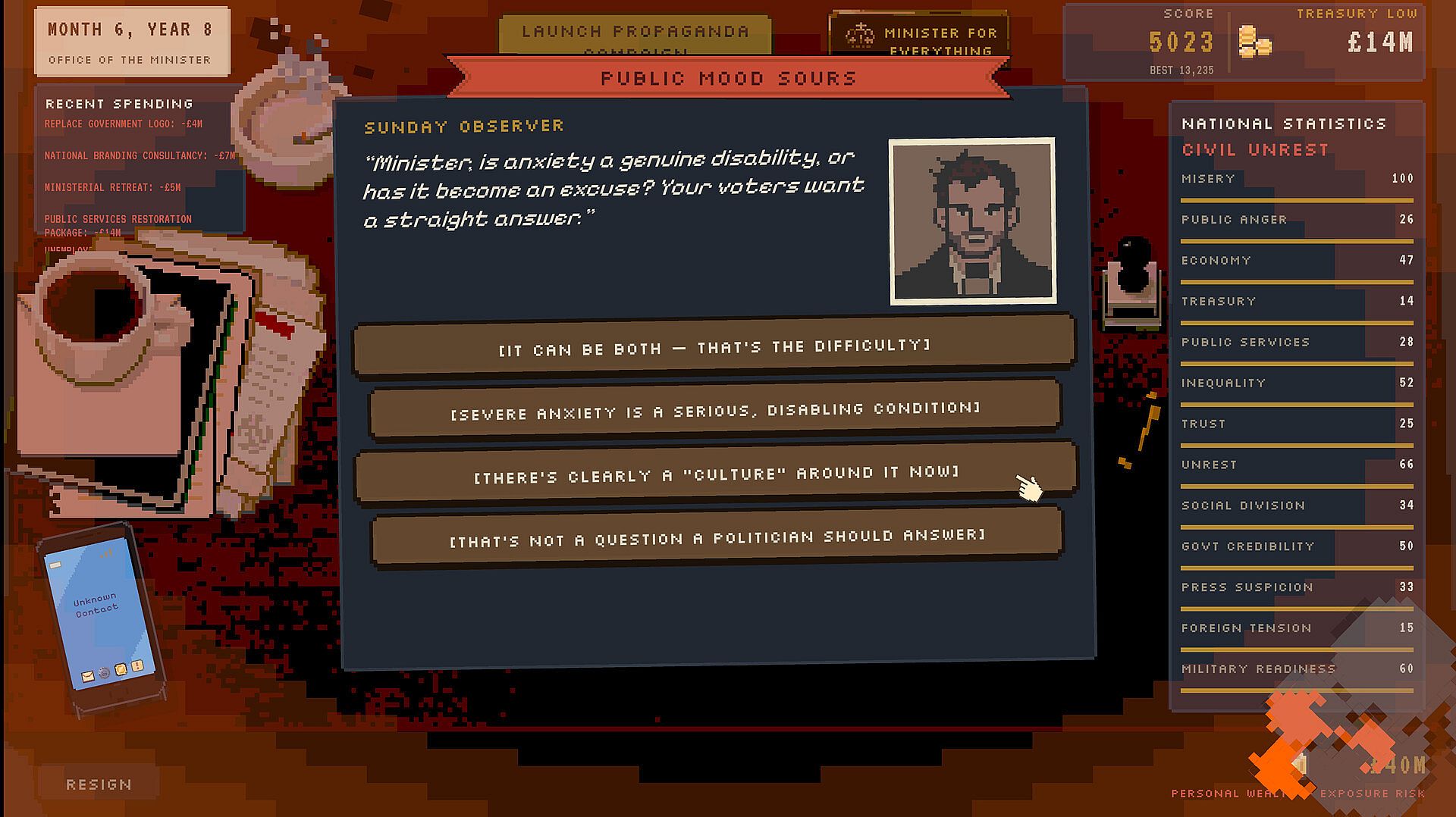
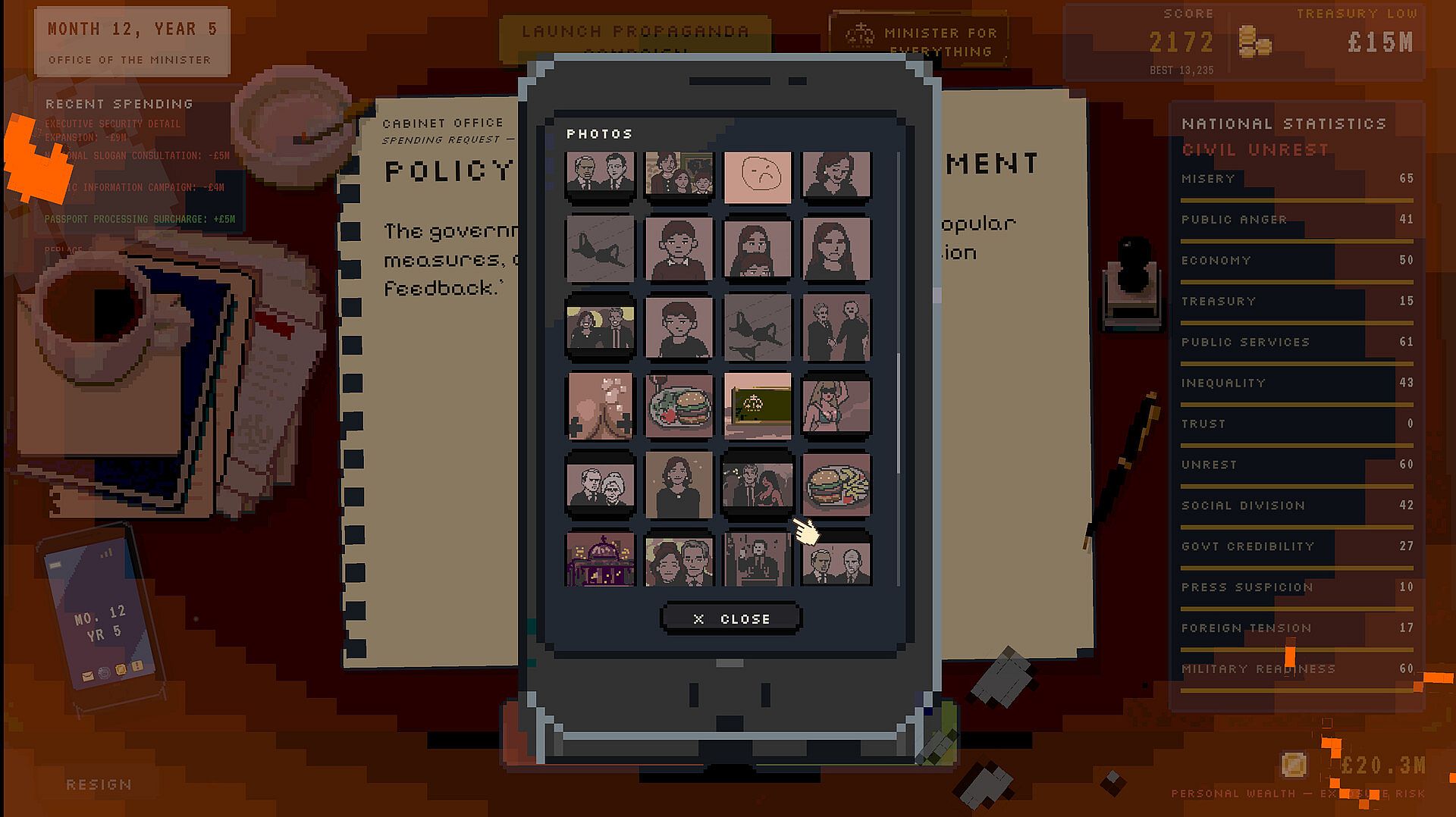
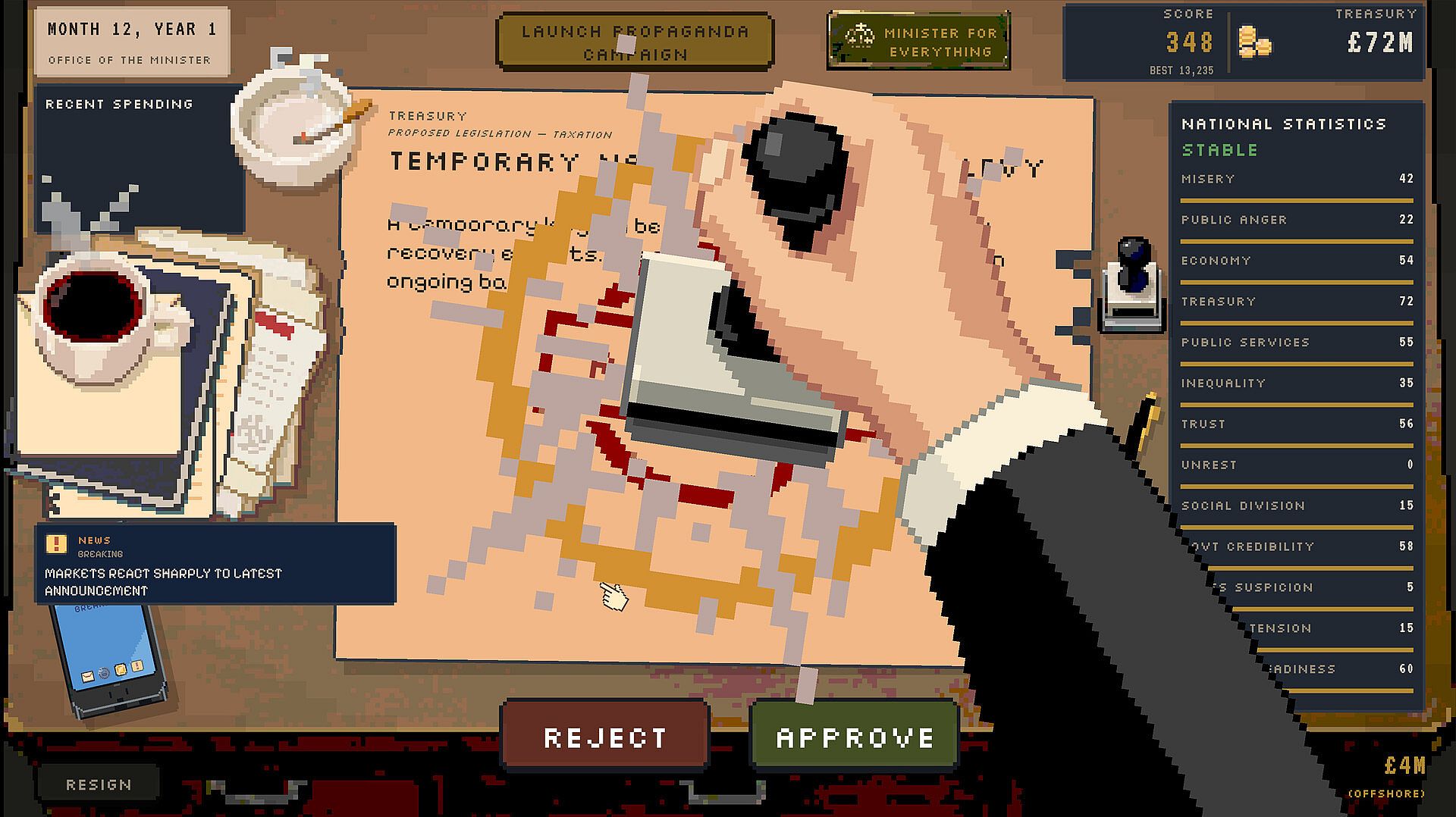
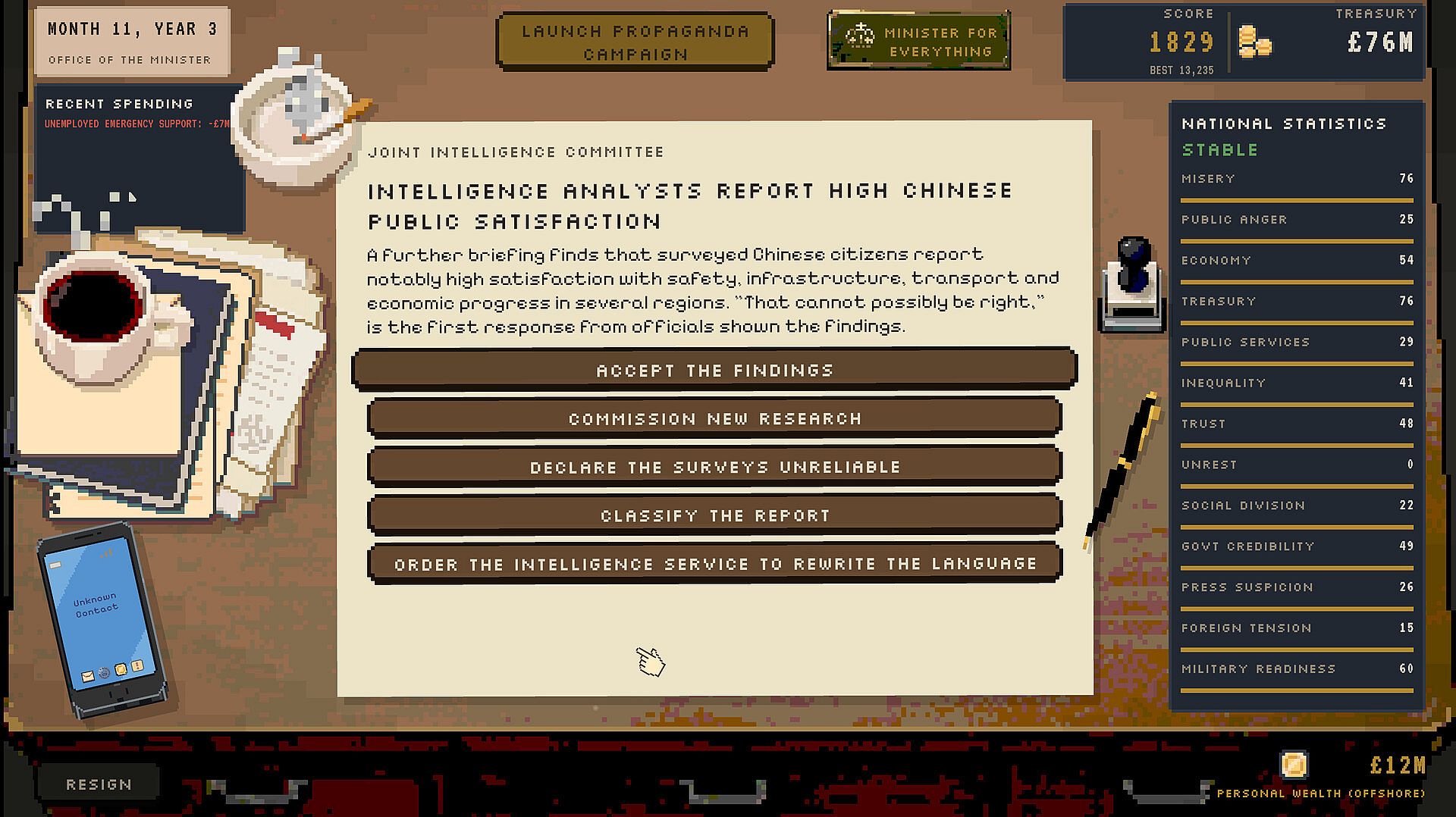

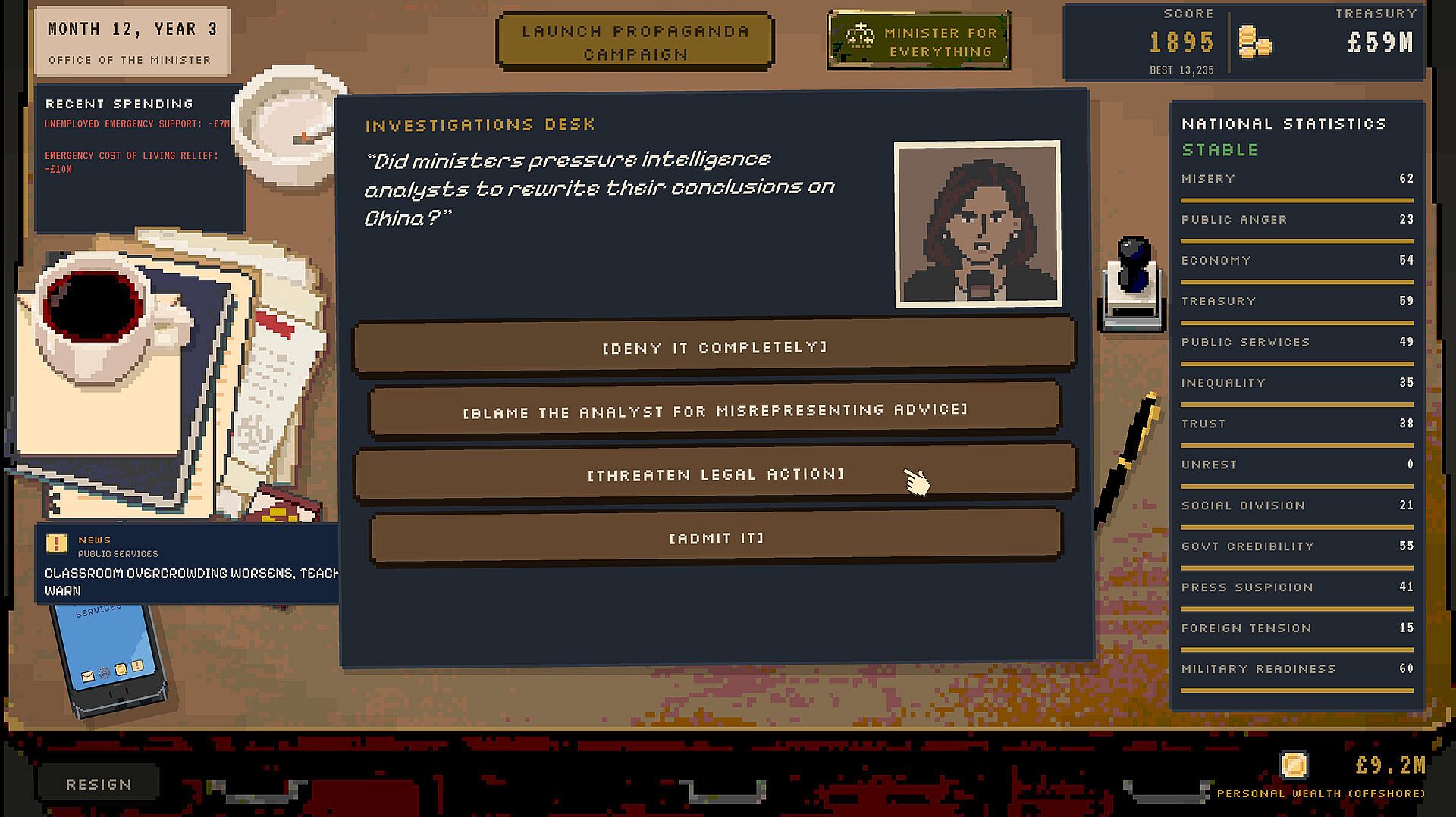




Ministry of Misery is a strategy, indie, and simulation game for PC in which players step into the role of the Minister of Everything and run a country through layers of paperwork, policy decisions, and political maneuvering. The experience centers on a satirical take on bureaucracy, where the goal is to approve or reject policies, manage crises, and stay in power while the nation edges toward dysfunction. Choices shape metrics such as public anger, trust, unrest, the economy, public services, government credibility, foreign tension, and the Treasury, with effects that can appear immediately or surface weeks later as fresh complications.
Gameplay
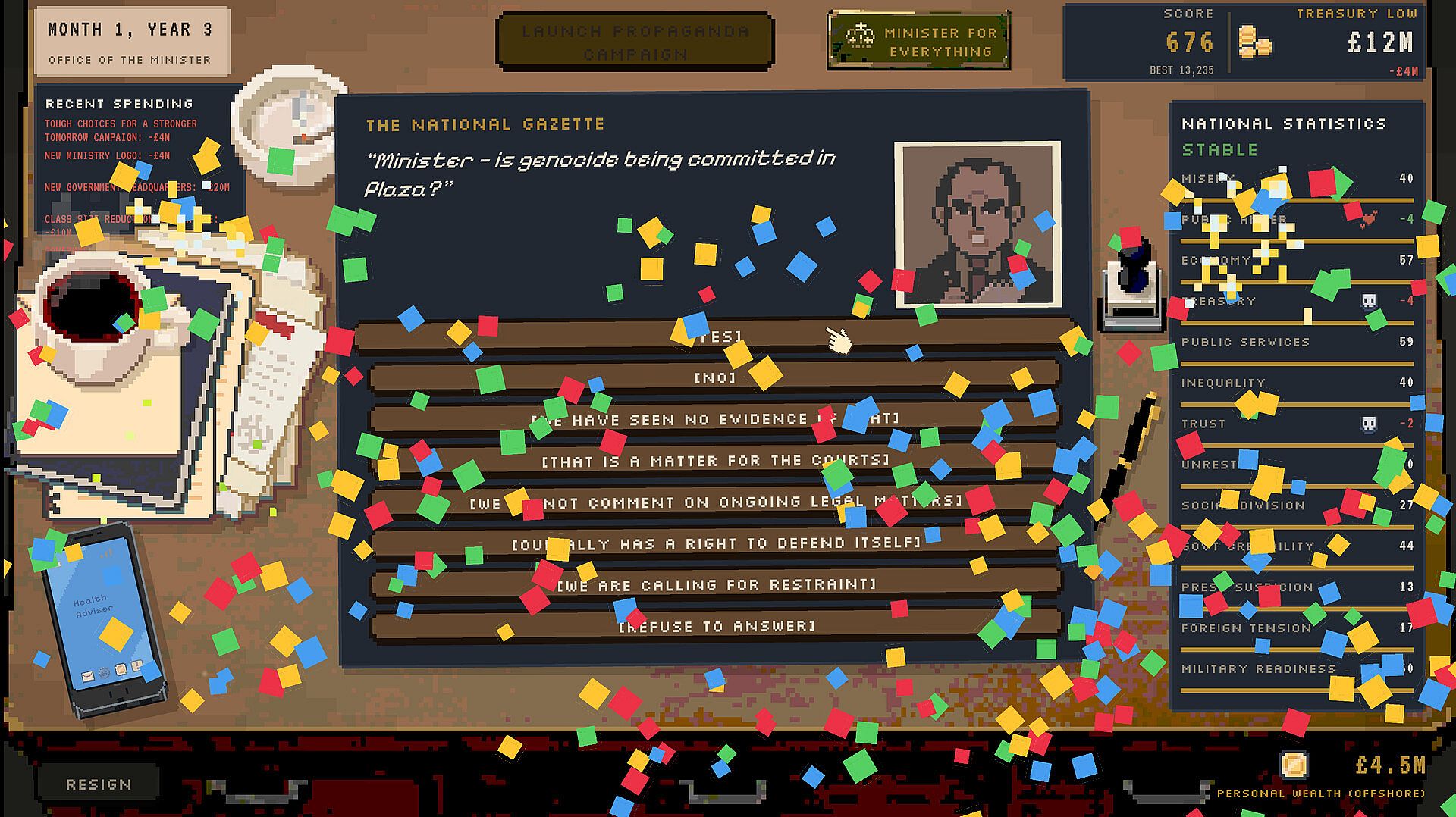
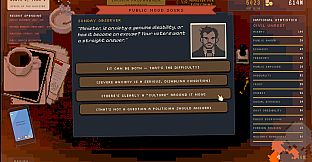
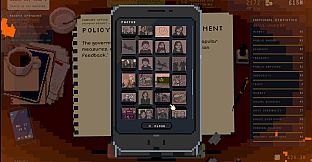
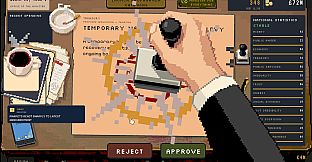
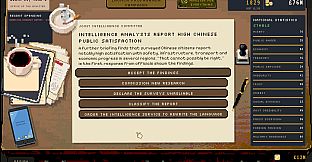
Players sit at a desk and handle one decision at a time. This includes approving or rejecting government policies, responding to unfolding crises, managing relations with ministers, and dealing with the press through leaks, investigations, and propaganda efforts. Suppressing inconvenient information and redirecting public anger by assigning blame form key parts of the loop. Bribes can be accepted and hidden in an offshore account, provided they remain undiscovered, while sacking ministers helps navigate cabinet crises. Scandals and corruption add further layers of risk.
Consequences rarely resolve cleanly. Reporters retain memories of past actions, investigations persist across sessions, and earlier policies generate new problems down the line. The safest move often involves shifting responsibility onto someone else. Public unrest can spiral if left unchecked, forcing constant balancing of short-term survival against long-term stability. The core loop rewards careful tracking of multiple overlapping systems rather than any single victory condition.
Game Modes
The game operates through repeated runs that vary based on random events, crises, and the cumulative impact of prior choices. Each attempt ends when the player loses power, which can occur through resignation, political collapse, or more severe outcomes tied to the state of the country. Different endings become available depending on how unrest, credibility, and other factors evolve. Replay value comes from these shifting events and the ability to test alternative approaches to the same crises, producing fresh sequences of problems and opportunities without fixed campaign structures.
Key Mechanics and Systems
Policy management sits at the center, with options to approve, reject, or reverse measures that affect every tracked national statistic. Press interactions require ongoing attention to leaks and investigations, while propaganda campaigns serve as tools to redirect anger. Cabinet management involves hiring, firing, and responding to internal power struggles. Corruption elements, such as bribe handling, introduce personal risk that can undermine government credibility if exposed. Delayed consequences ensure that decisions made early in a run continue to influence later stages, creating chains of cause and effect that reward foresight.
The simulation tracks a wide range of interconnected values. Public anger and unrest can escalate quickly, while trust and credibility erode under sustained pressure. Economic and service-related metrics shift with policy choices, and foreign tension adds an external dimension. The Treasury serves as a practical resource that must be protected amid all other demands. These systems interact in ways that make isolated fixes rare; addressing one area often creates ripple effects elsewhere.
Is It Worth Playing?
Ministry of Misery suits players who enjoy deliberate, systems-driven strategy simulations with a satirical edge. The single-player focus on repeated runs and branching consequences provides a clear structure for those interested in political management and consequence tracking. The emphasis on blame-shifting, press manipulation, and hidden corruption creates a distinct tone that rewards experimentation across multiple attempts. Anyone drawn to games about navigating bureaucracy and power structures will find the core loop consistent with the provided description, though the experience demands patience with layered mechanics rather than fast action. The variety of possible endings and event combinations supports repeated play without requiring additional content beyond the base systems.












