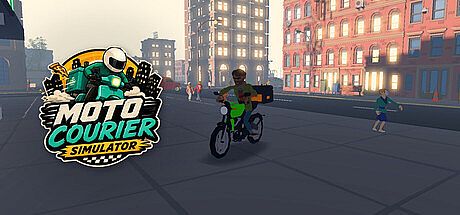


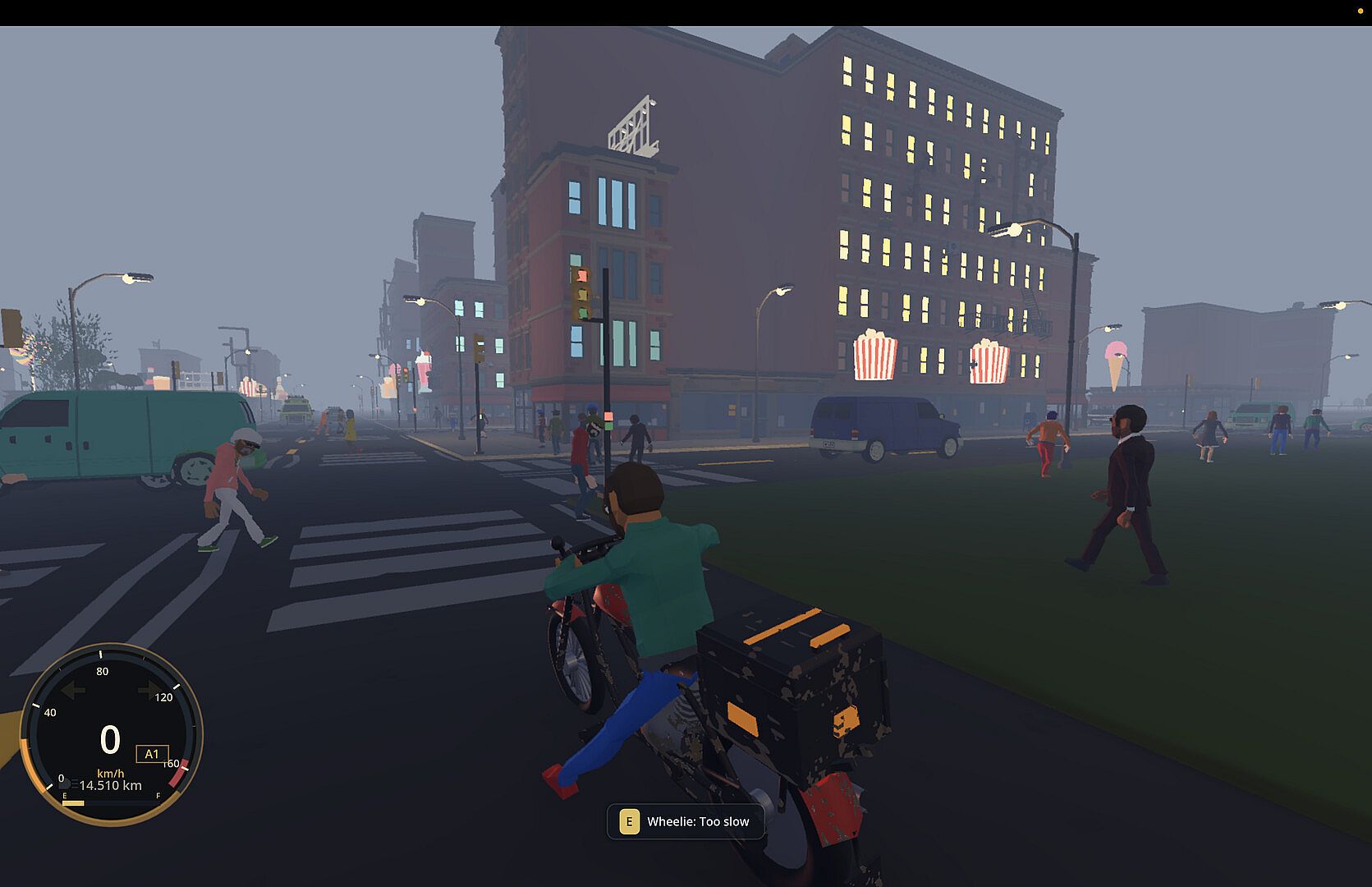
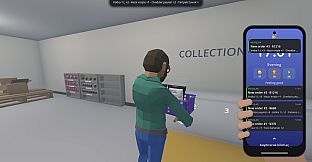
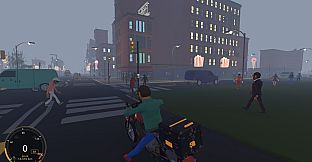
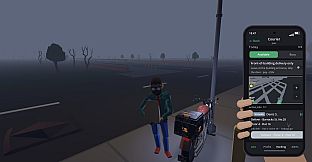
Moto Courier Simulator is an indie simulation game focused on the daily grind of package delivery in a bustling island city. Players begin with limited resources and work their way up through a realistic career progression system that emphasizes careful planning, vehicle management, and financial decisions.
Gameplay
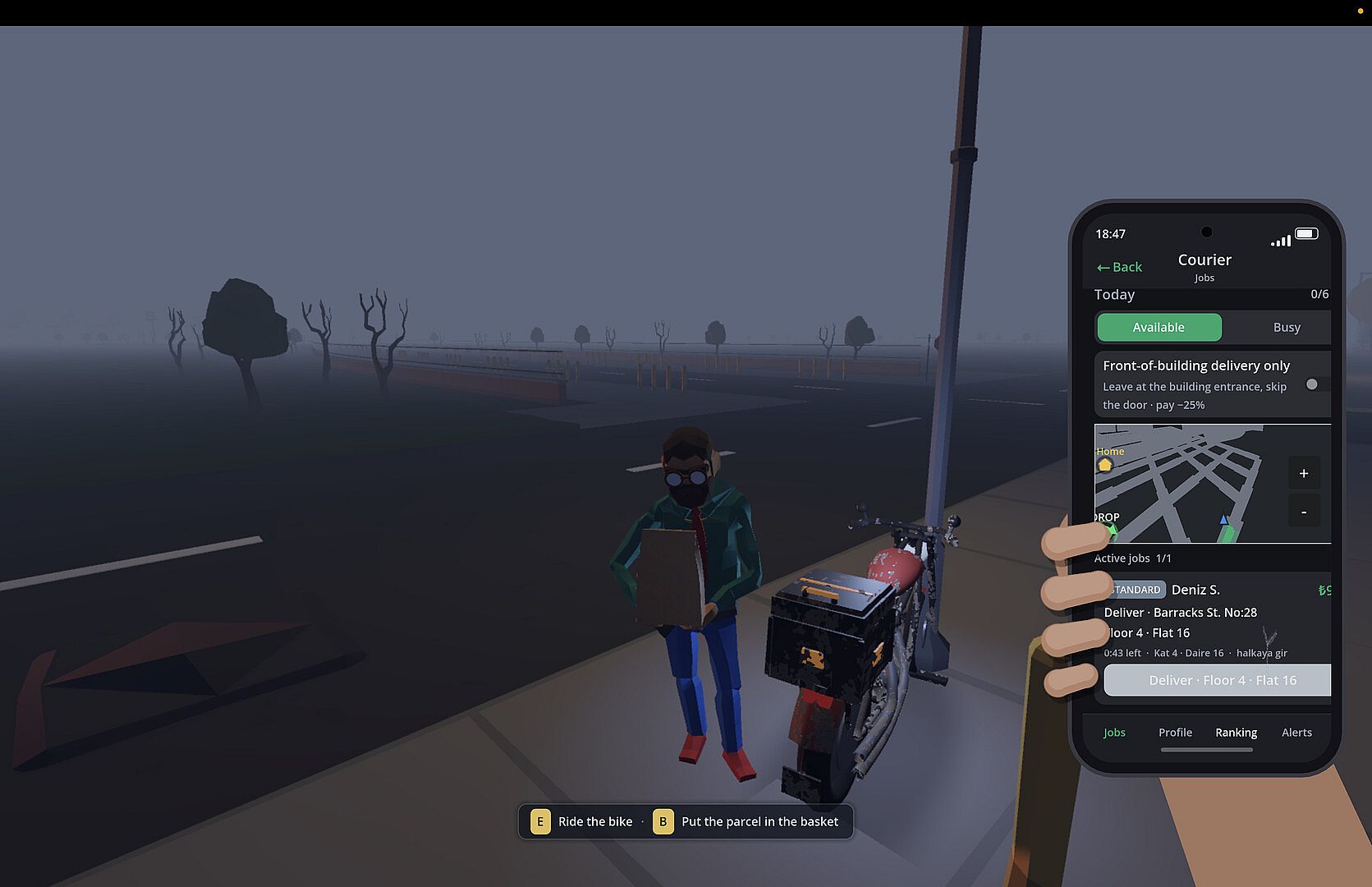
The core loop centers on accepting jobs through an in-game phone, navigating traffic on a bicycle or motorcycle, and completing deliveries without damaging the cargo. Ranks earned from consistent performance unlock higher-paying routes and larger loads, while missing targets leaves players responsible for ongoing expenses like rent and bills. Vehicle ownership adds depth, as players browse second-hand listings that include details on mileage, existing damage, and mechanical faults. Haggling, trade-ins, and loans factor into purchases, after which maintenance, upgrades, and secure parking become ongoing concerns to avoid theft or breakdowns.
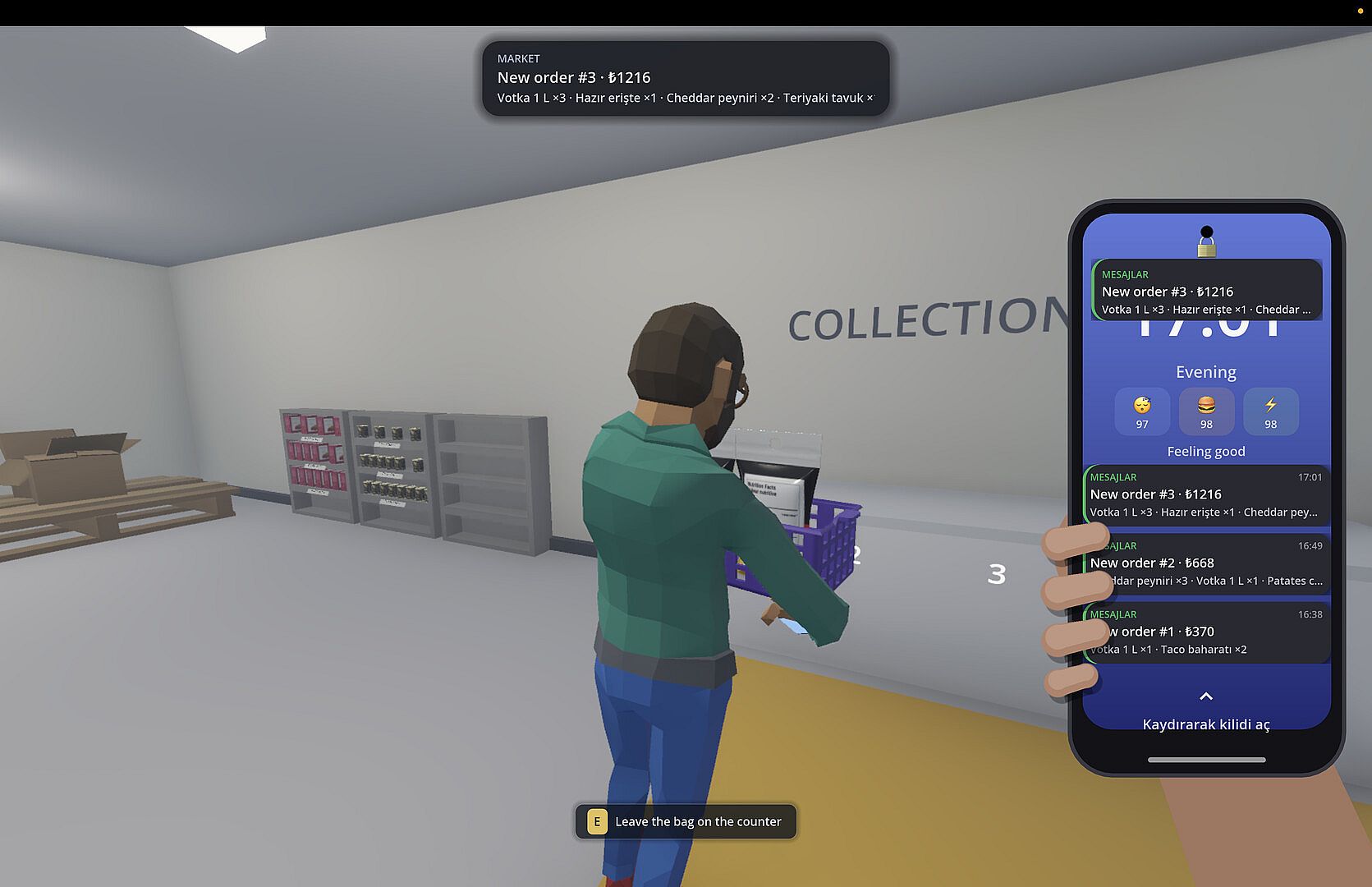
The phone serves as a central hub with multiple functions, including mapping routes, handling banking, browsing job listings, managing contacts, and accessing a camera for a photo feed. Additional options allow players to sit for a motorcycle licence exam, sign contracts with repeat clients, or stream rides for supplementary income. A day-night cycle, variable weather, and dynamic traffic with pedestrians create a living environment where timing and route choices directly affect success.
Game Modes
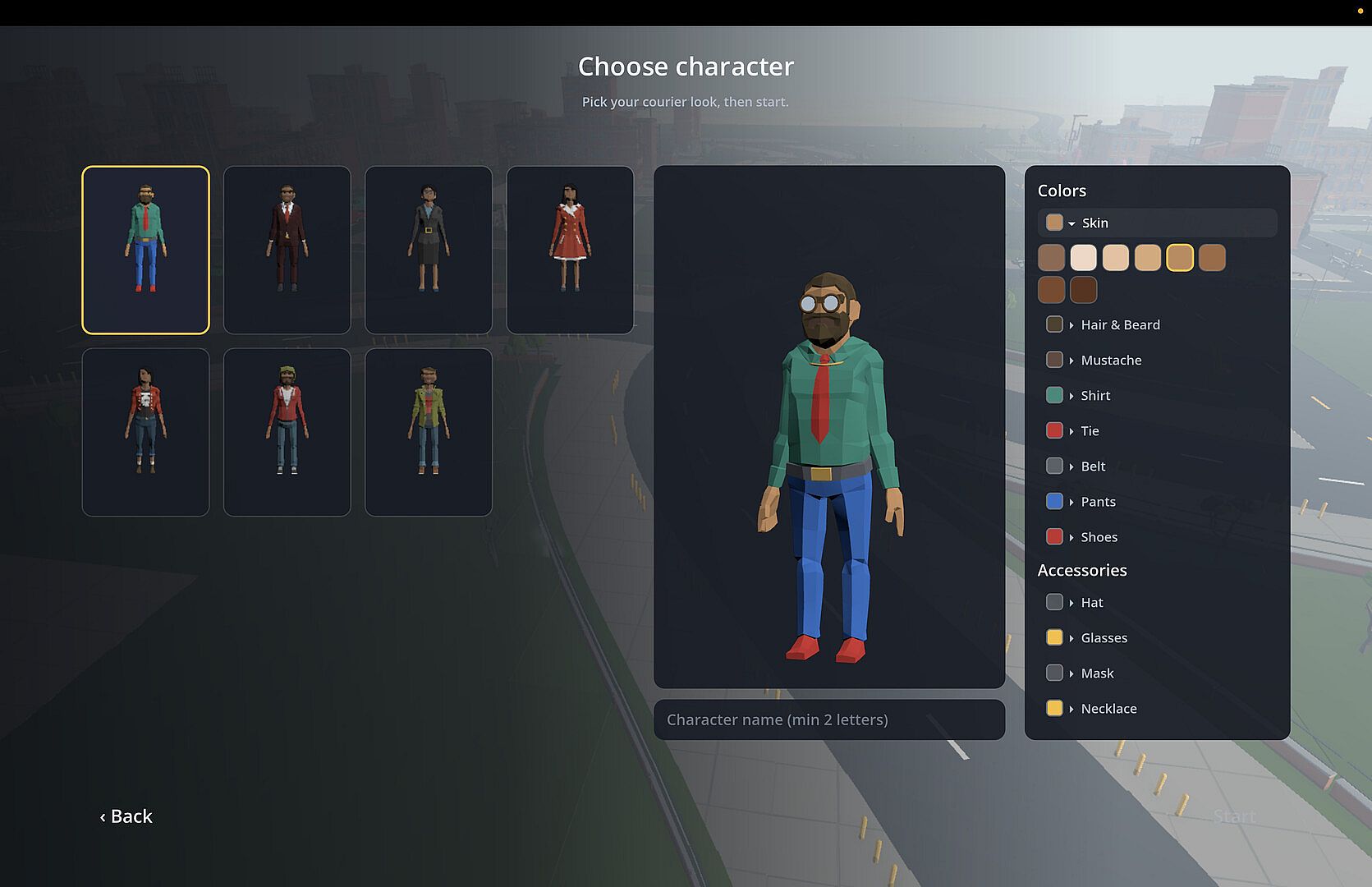
Single-player career mode forms the foundation, guiding players from entry-level bicycle deliveries through vehicle upgrades and eventual business ownership. Progression involves climbing ranks, managing daily goals and streaks, and eventually acquiring the shop where deliveries once started. This leads to overseeing employees, margins, and expansion into additional branches, shifting focus from mandatory rides to managerial decisions.
Co-op support accommodates two to four players in a shared city instance. Participants join via room code or direct IP connection, retaining individual finances, jobs, and career progress while riding together. In-game chat enables coordination during free-roam sessions amid the same traffic, weather, and clock that affect everyone.
Progression and Systems
Advancement ties directly to financial management and risk assessment. Players handle repairs, custom paint jobs, and part replacements as wear accumulates, with the bike's condition visibly affecting performance. Housing choices add another layer, where parking location influences security and costs. Police interactions, traffic fines, and a full licence process introduce consequences for reckless riding. The second-hand market and loan system encourage strategic spending rather than instant upgrades.
Is It Worth Playing?
This title suits players who enjoy methodical simulation experiences with strong emphasis on resource management and incremental growth. The combination of delivery routes, vehicle customization through realistic wear, and optional co-op creates a focused loop without unnecessary distractions. Those drawn to casual indie simulations that reward patience and planning will find the systems rewarding, particularly the transition from solo rider to business owner. Availability on PC supports straightforward access for those matching the described playstyle.