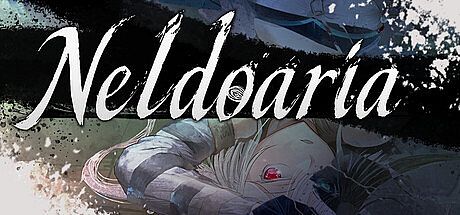


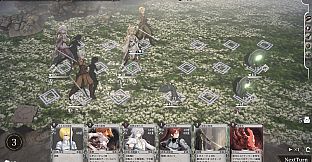
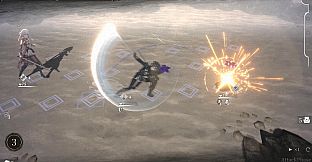
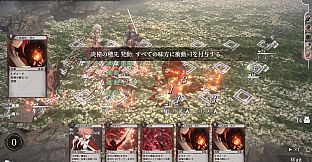
Neldoaria is an indie roguelike deckbuilder for PC that combines card collection and upgrades with auto-battler combat on a 3x3 grid. Players guide protagonist Lushelria across a world turning to ash, building decks and positioning units to reach the edge of that world and end its consumption. The game emphasizes resource management, unit synergy, and repeated runs that reward careful planning over raw power.
Gameplay
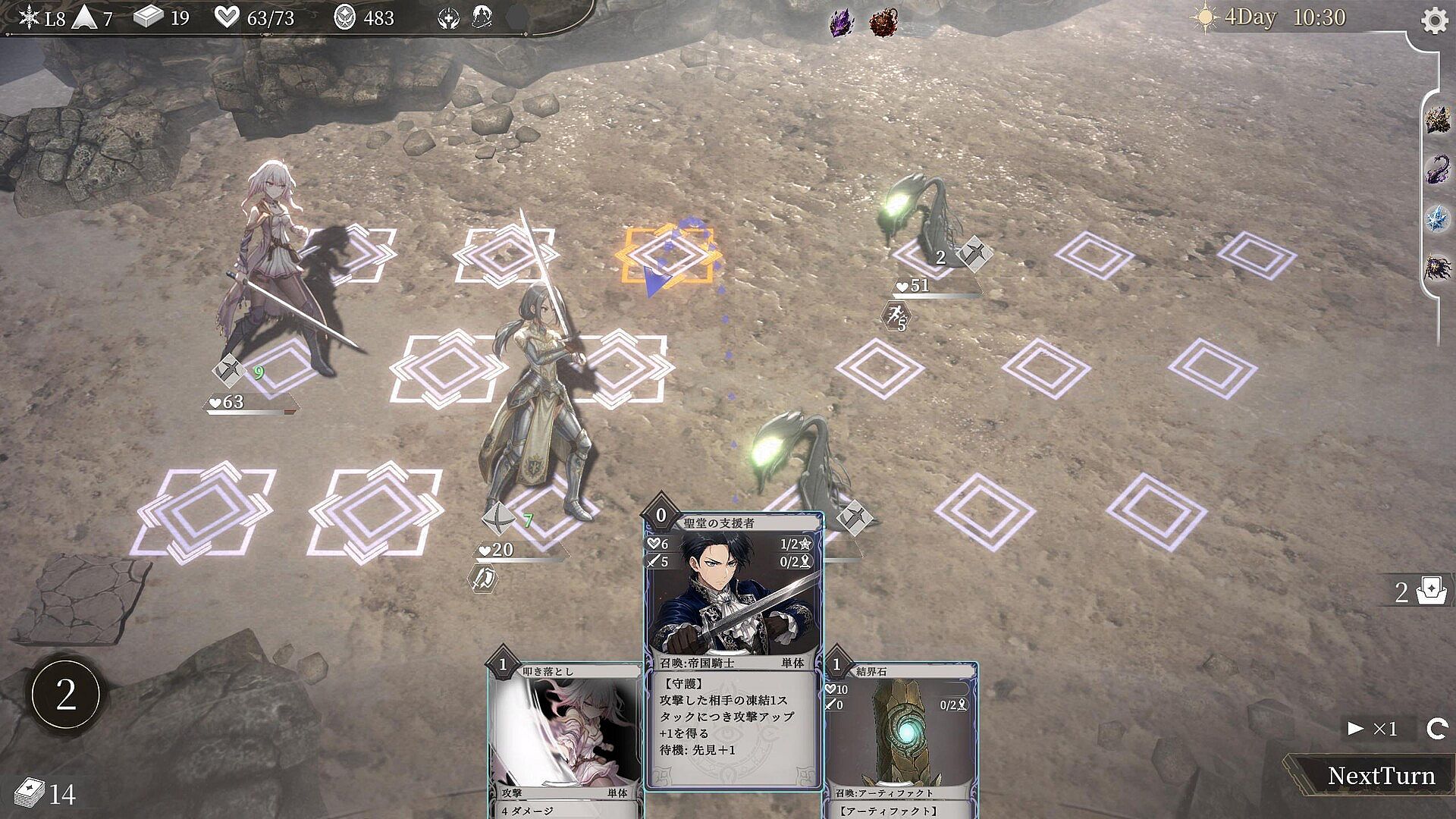
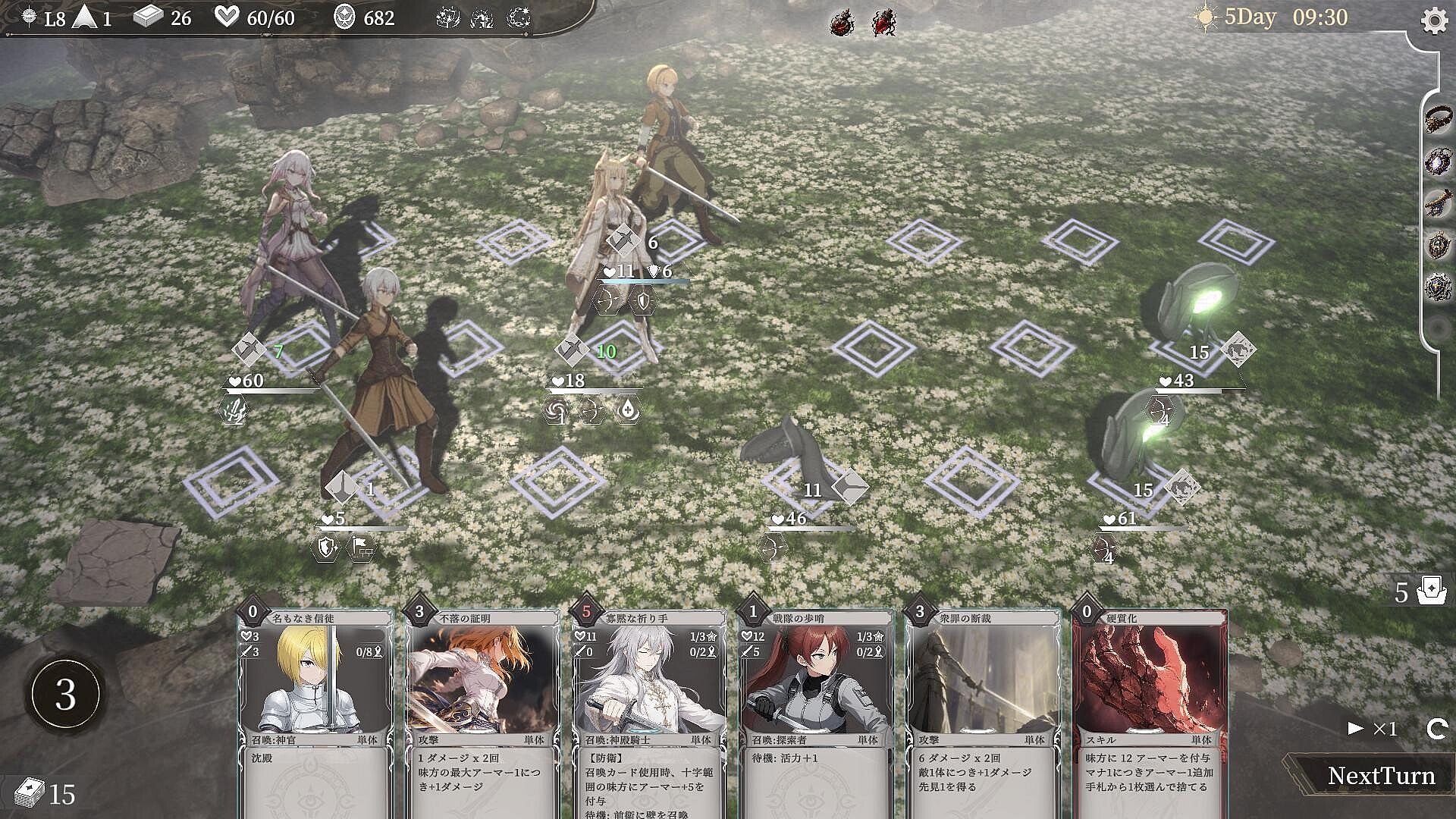
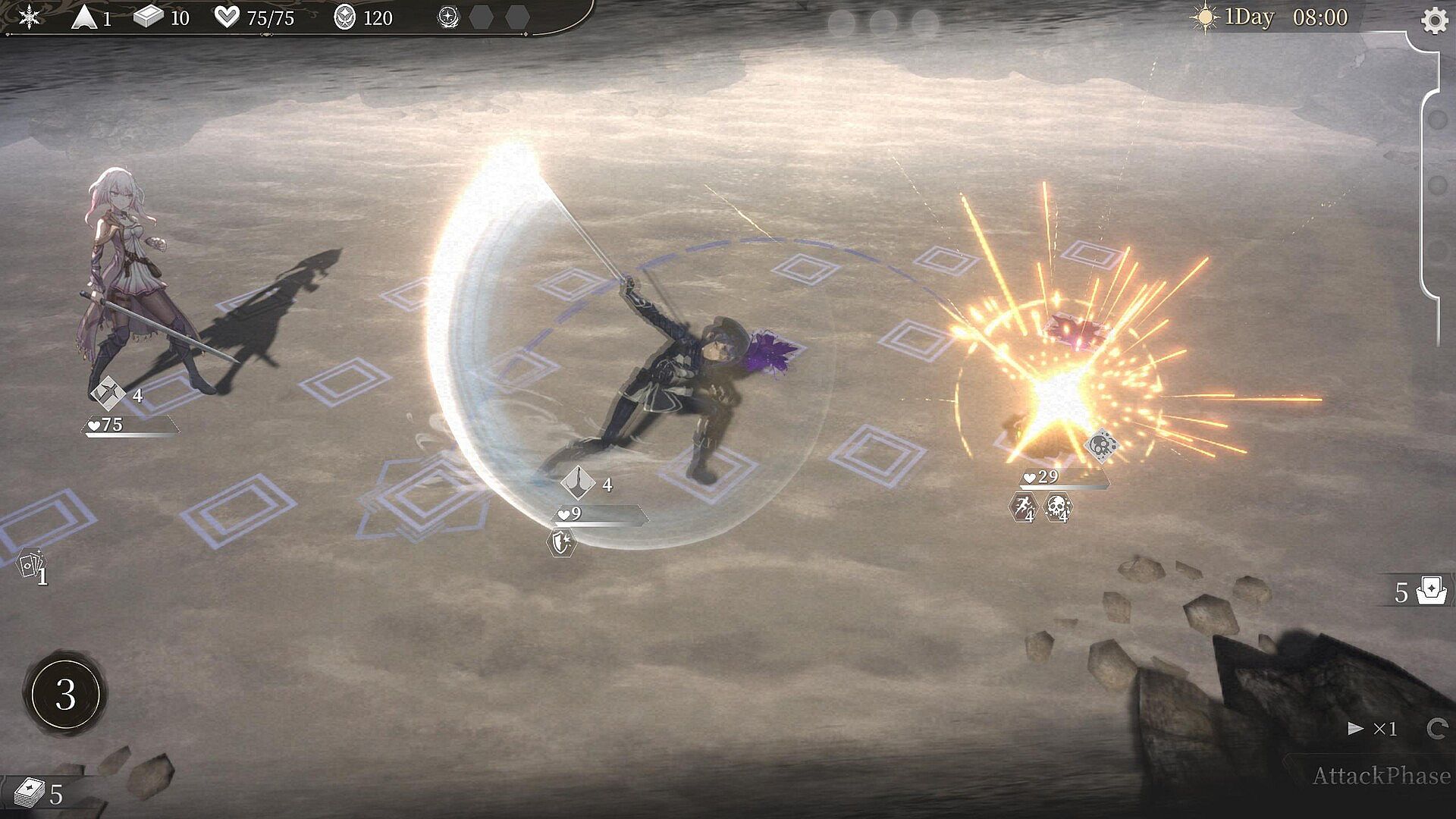
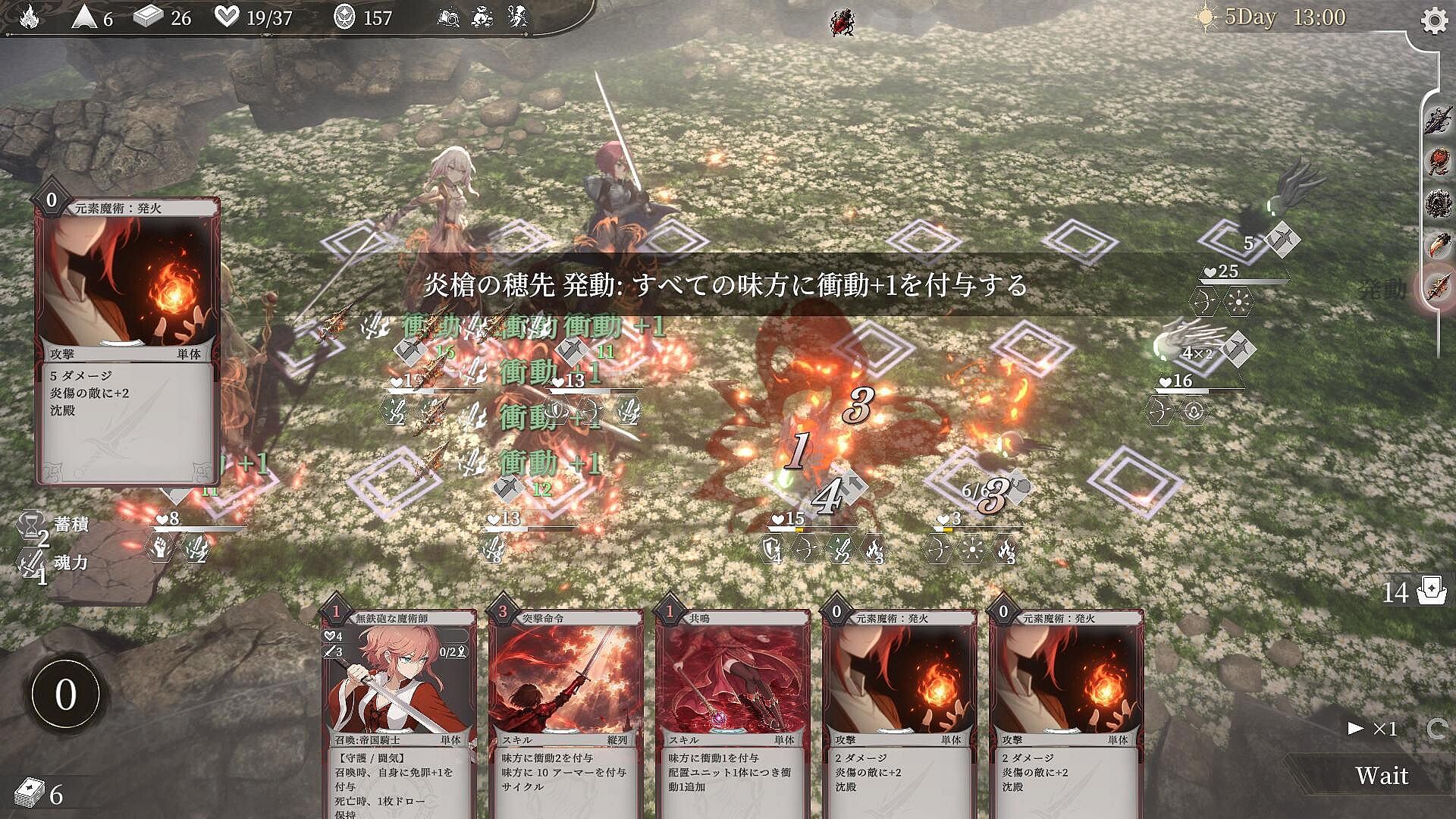
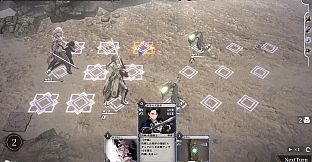
Each battle unfolds on a 3x3 grid where summoned units occupy spaces and exchange attacks with enemies directly ahead of them. Placement determines which lanes see action and how abilities interact across the front line. Players summon units freely within the grid and can later rank them up by playing a matching summon card on an existing unit. This choice forces a constant trade-off between spreading forces to cover more ground or concentrating strength in fewer, stronger positions.
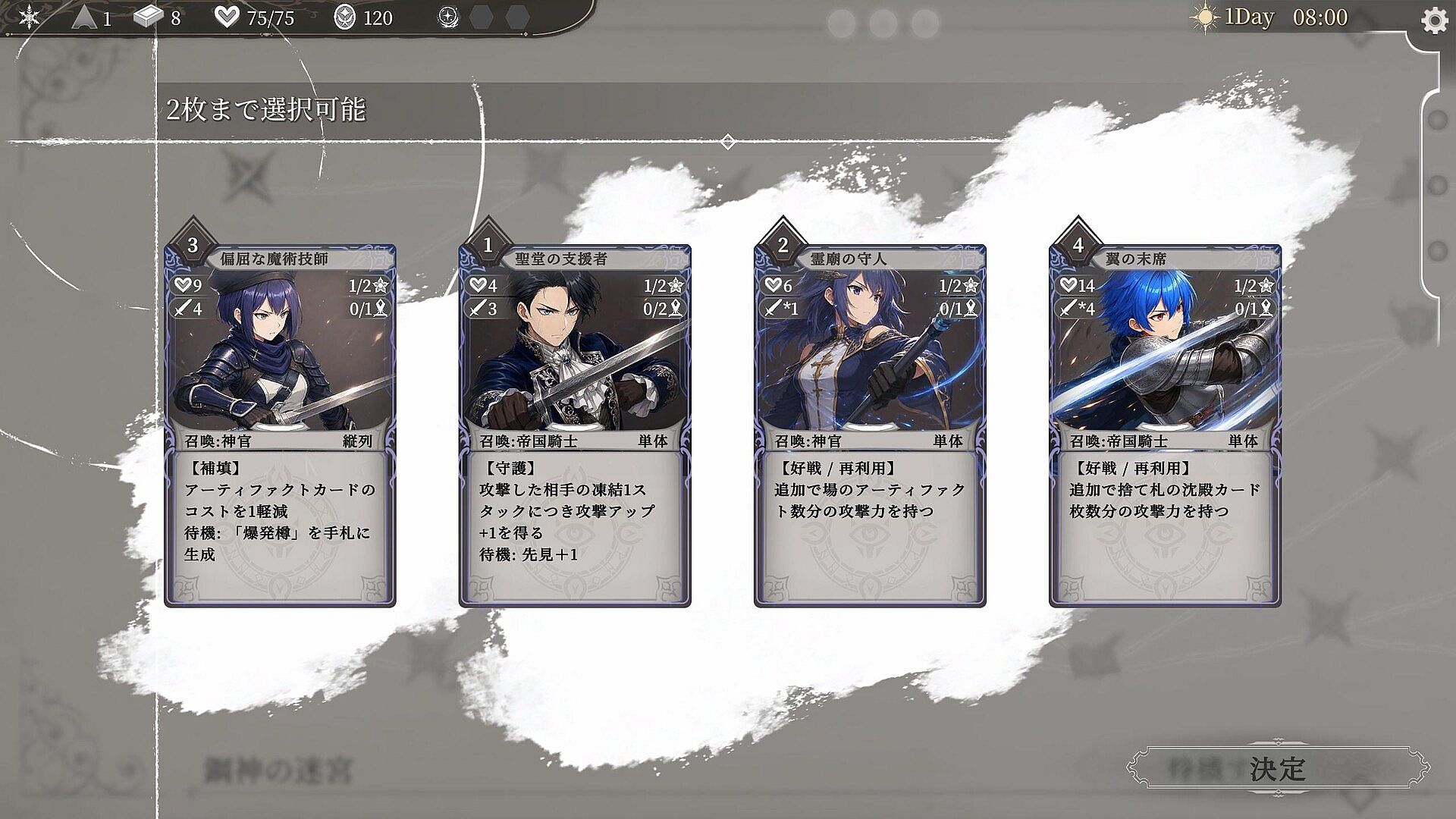
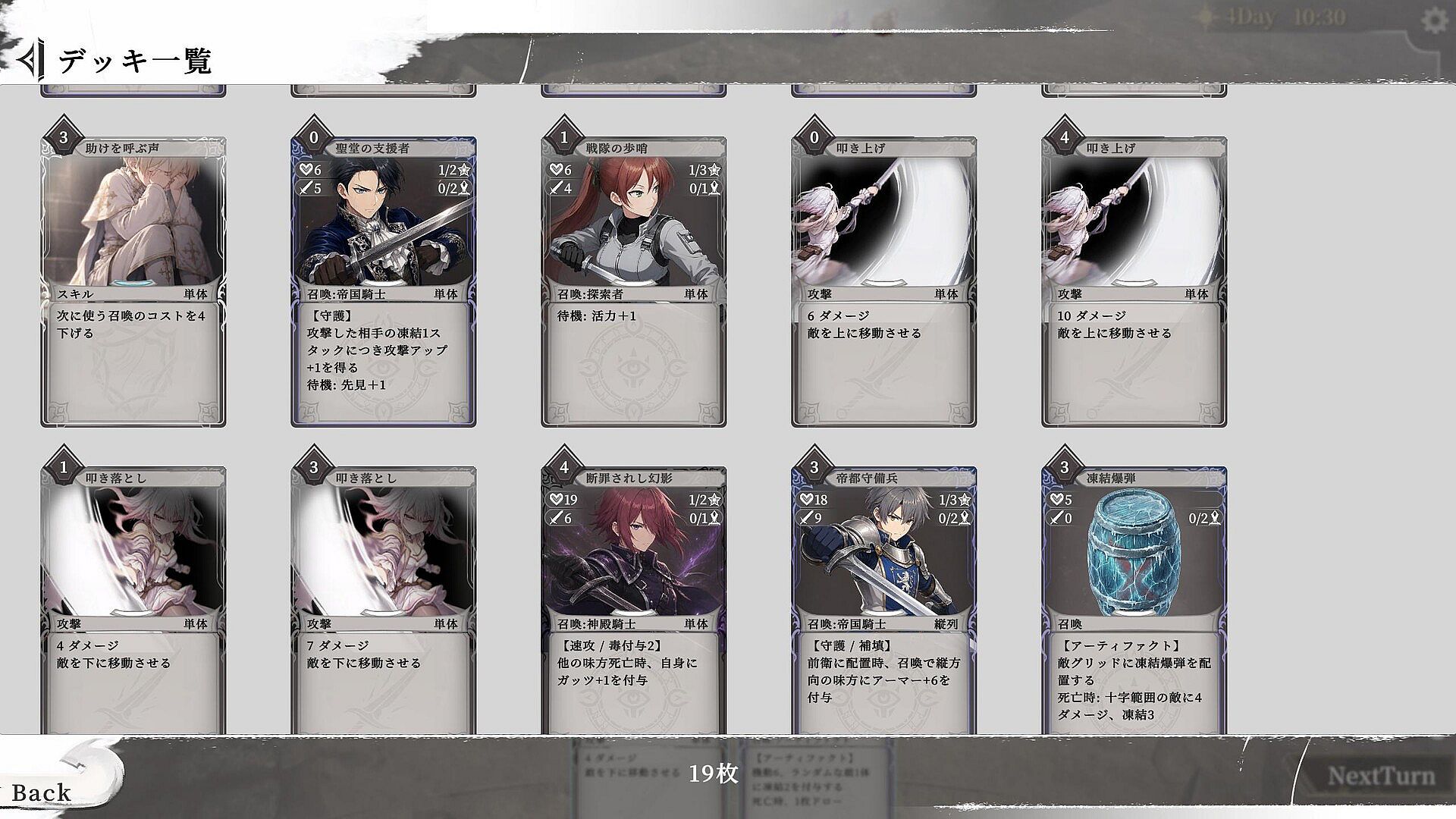
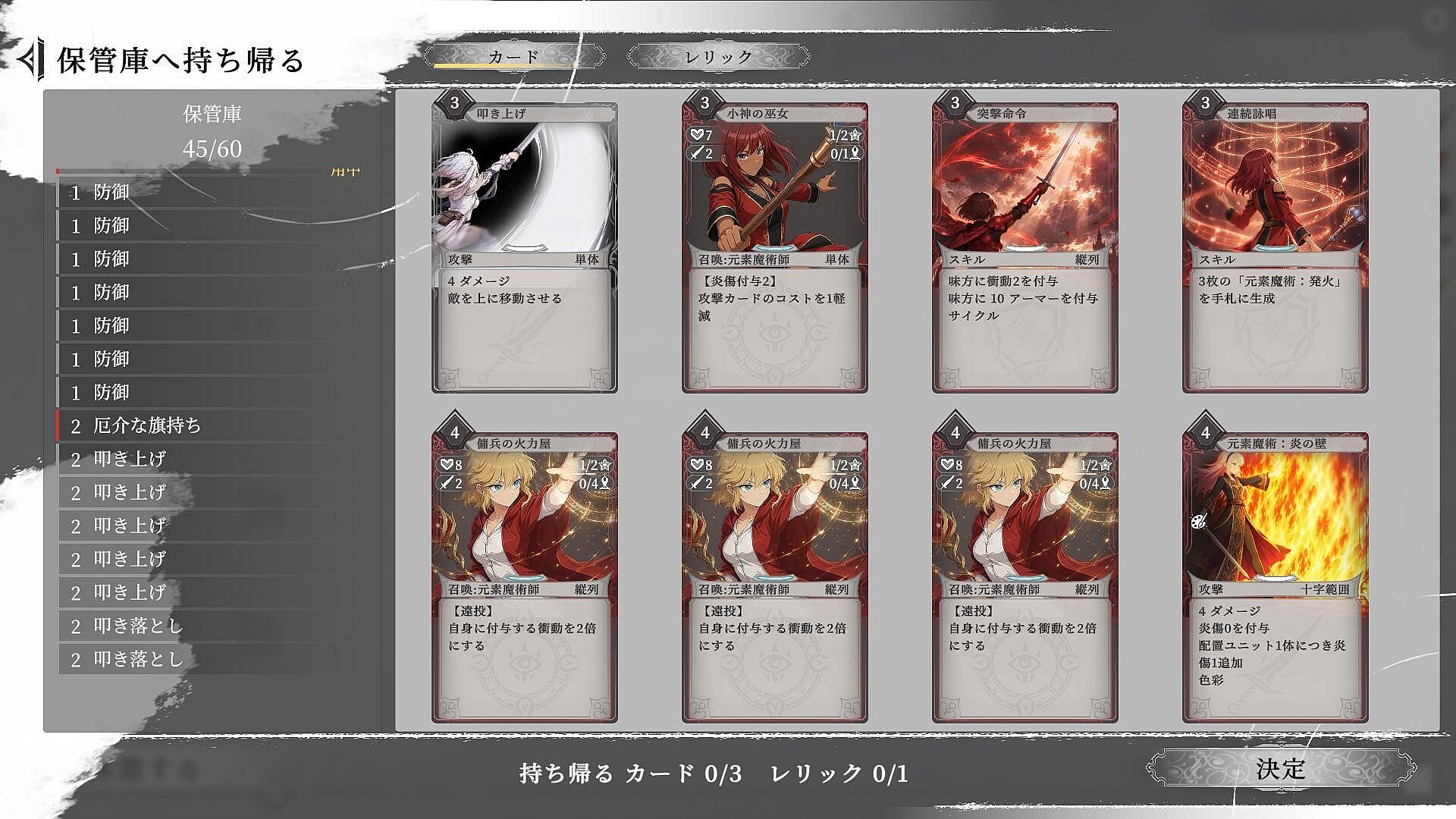
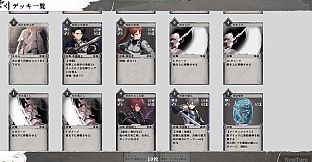
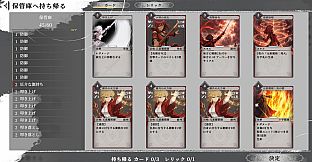
Cards serve dual purposes. They can be played for their effects or discarded to generate mana for higher-cost options. Decks built around expensive, high-impact cards produce burst damage, while those favoring cheaper cards deliver sustained pressure through volume. After battles, cards receive permanent improvements to attack, health, or damage output, allowing individual pieces to scale dramatically over the course of a run. Recognizing which cards merit investment becomes central to long-term success.
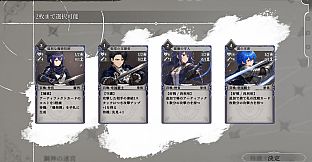
Four starting blessings, one each in Red, Blue, White, and Black, set the tone for a playthrough. Each blessing alters event options and grants distinct abilities that steer both combat strategy and narrative branches. The protagonist's personality and the story's conclusion shift accordingly, giving runs meaningful divergence without requiring separate campaigns.
Game Modes
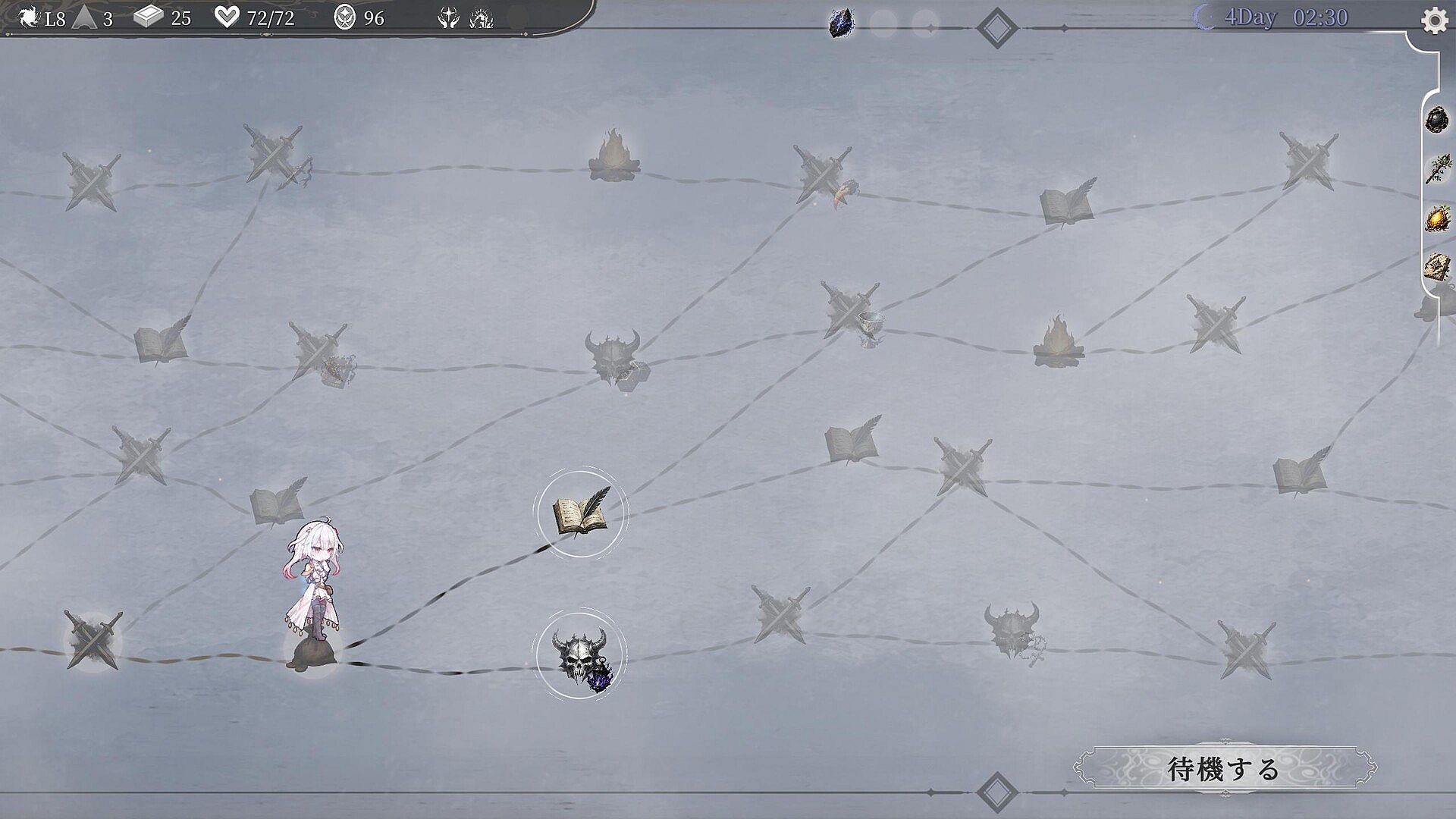
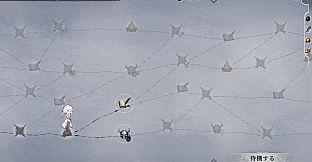
Neldoaria centers on a single-player roguelike structure built around successive runs. Players begin with a blessing choice, assemble and refine a deck across battles, and push toward Neldoaria while the world deteriorates. Each attempt resets progress but carries forward lessons from prior failures and card growth patterns. The loop rewards experimentation with different blessings and deck archetypes rather than competitive ladders or cooperative sessions.
Strategic depth arises from the interplay of placement, mana conversion, and post-battle upgrades within these runs. No separate multiplayer or versus modes exist; the focus remains on mastering the core systems through repeated, self-contained journeys.
Core Mechanics and Progression
Resource tension defines every decision. Limited hand size, mana generation, and grid space mean that overcommitting to one approach often leaves another lane vulnerable. Successful players learn to read enemy formations and adapt unit placement on the fly while deciding whether to invest mana now or bank it for later turns. Card growth adds another layer, turning early weak draws into late-run powerhouses when nurtured correctly.
The four blessings provide the primary axis for replayability. Red might favor aggressive direct damage, Blue could emphasize control and positioning tricks, White might support defensive lines, and Black could lean into sacrifice or attrition. These differences influence not only combat but also the random events encountered between battles, creating distinct strategic identities for each color.
Is It Worth Playing?
Neldoaria suits players who enjoy roguelike deckbuilders and auto-battlers that reward spatial awareness and incremental optimization. The 3x3 grid and ranking system add a layer of tactical positioning rarely found in pure deckbuilders, while the mana-or-play choice and card growth create meaningful long-term decisions within each run. Those who appreciate theorycrafting around synergies and adapting to limited resources will find consistent depth here.
The game remains in active development following its recent Steam store page launch, with no released version or player reviews available yet. Interest in the described systems of unit placement, blessing-based branching, and post-battle card improvement suggests strong potential for fans of the genre once the title reaches a playable state. Players seeking polished, released experiences may prefer to wait for further updates, while those drawn to emerging indie titles with clear strategic hooks can follow its progress closely.