






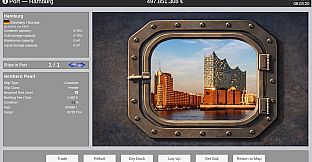

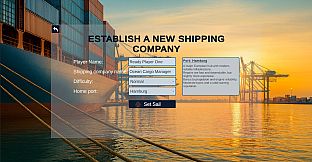
Ocean Cargo Manager is a maritime business simulation game for PC that puts players in charge of building and expanding a shipping company through careful route planning, commodity trading, and fleet management. Set in an Early Access release focused on realistic economic decisions, the title emphasizes long-term strategy over quick wins, drawing from classic business sim traditions with attention to ship specifications and market differences across ports and regions.
Gameplay
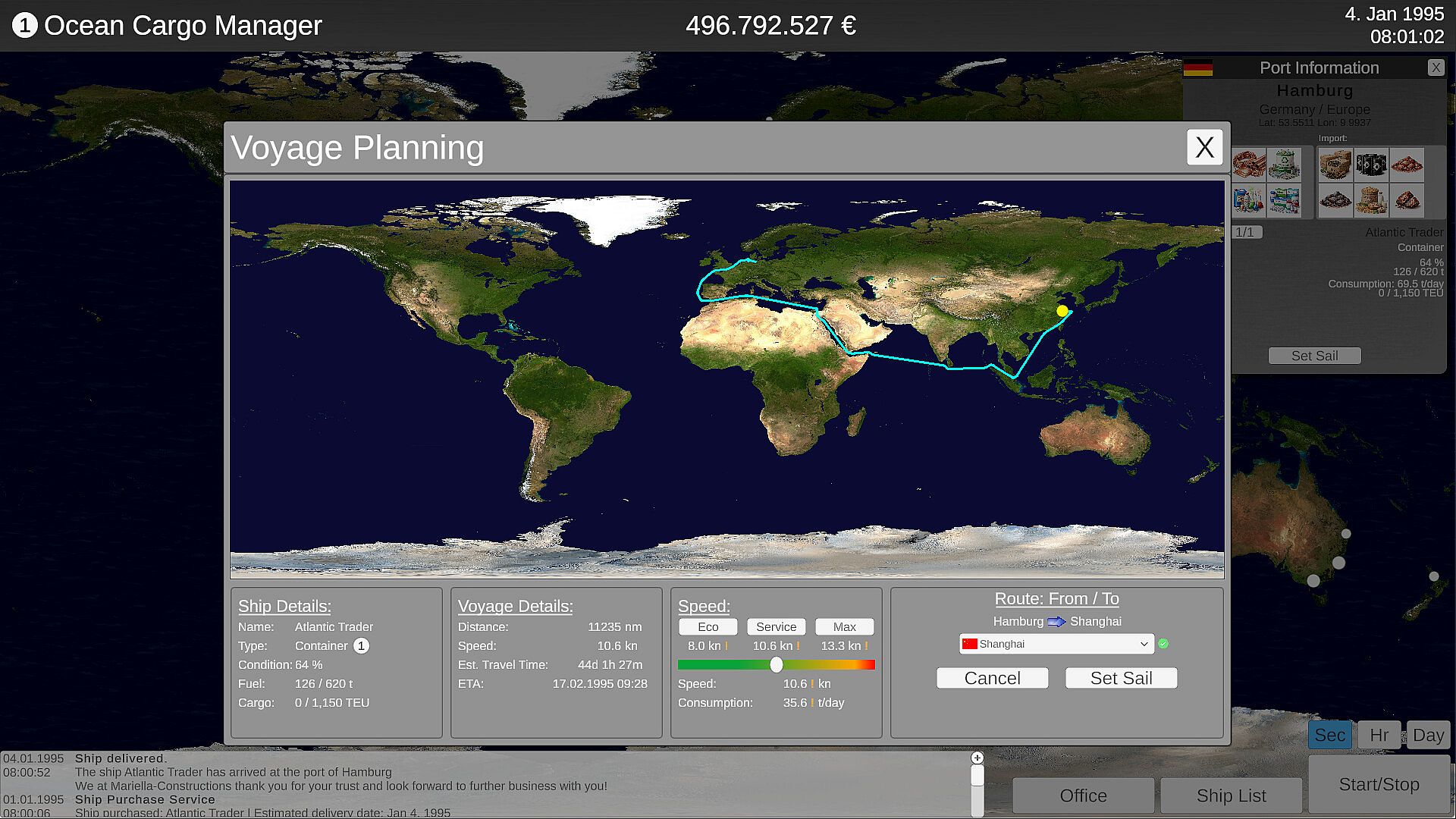
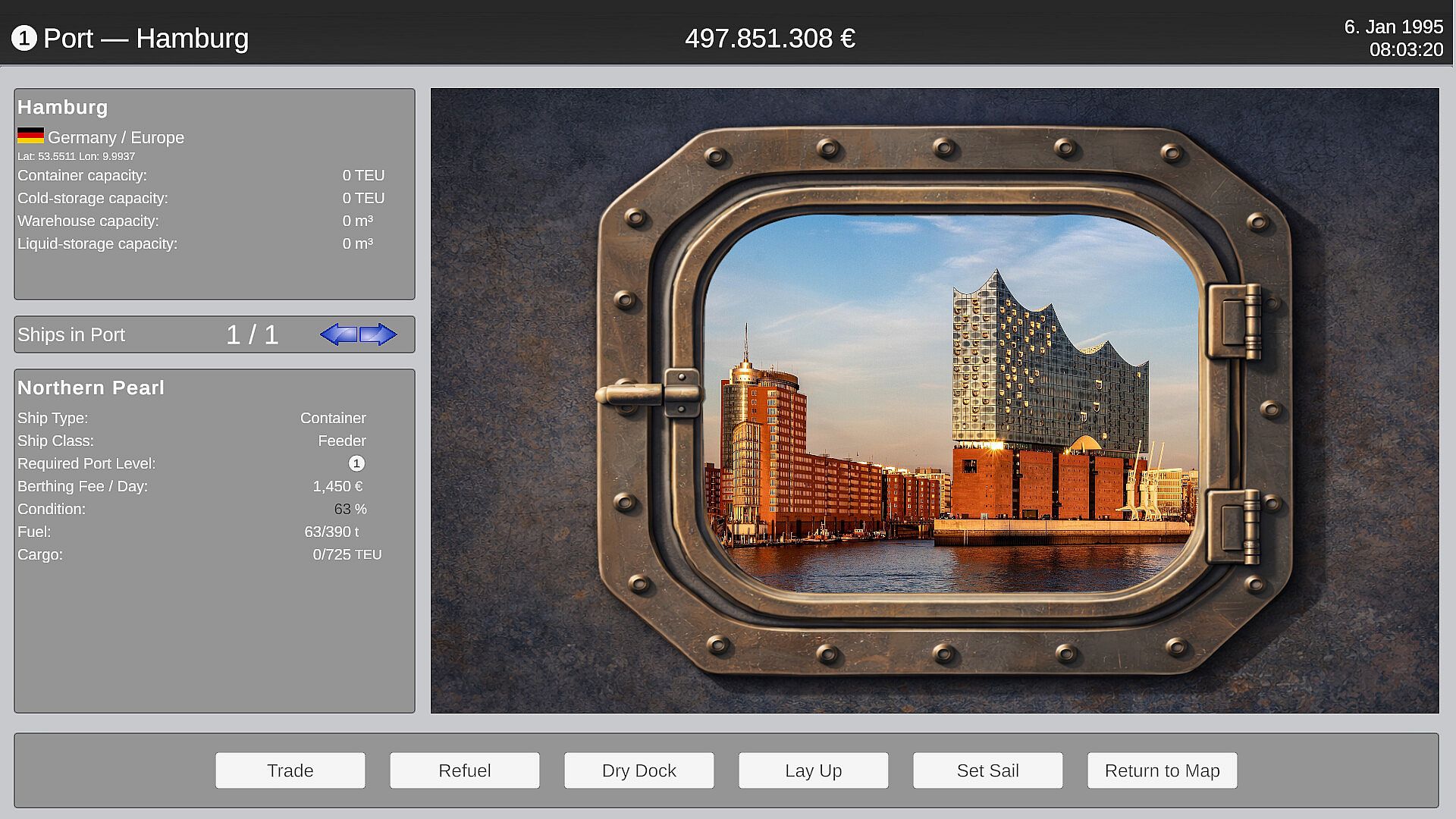
Players start by acquiring cargo ships that each carry unique technical details including construction year, dimensions like length, beam, and draft, speed, fuel consumption rates, cargo capacity, overall condition, and purchase price. These attributes directly influence which ports a vessel can access and how profitable a given voyage becomes. Larger ships handle more cargo but incur higher operating costs and face restrictions at smaller facilities or through canals with transit limits.
Commodity trading forms the core loop. Ports reflect distinct economic profiles inspired by real-world import and export patterns, creating believable price variations rather than arbitrary fluctuations. An oil port behaves differently from a container hub or raw materials exporter, encouraging players to match supply sources with demand destinations while factoring in fuel use, port fees, travel times, and trade margins. Short routes may seem efficient but often yield lower returns once all costs are tallied, pushing players toward optimized voyages that balance capacity, distance, and market conditions.
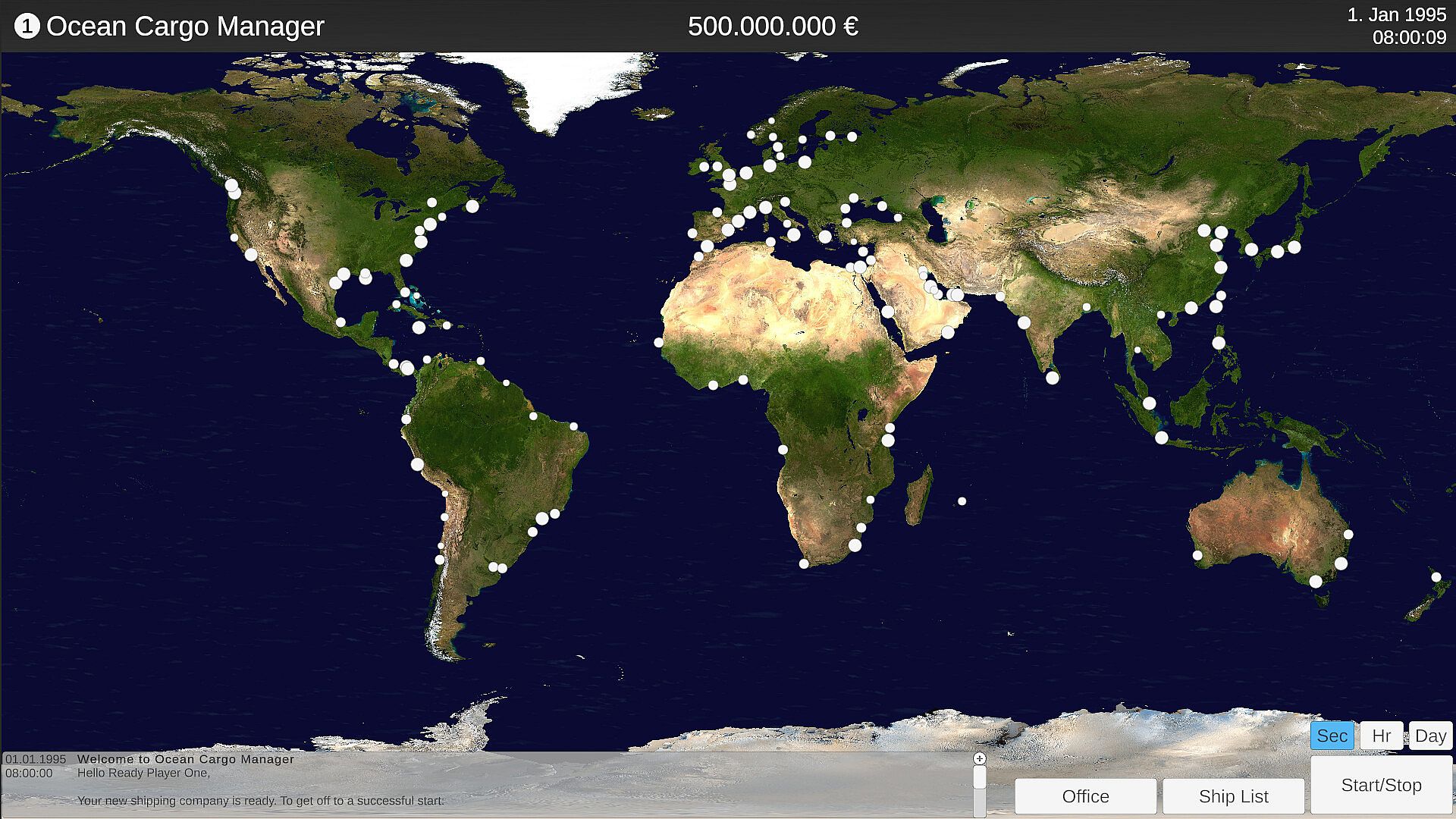
A financial booking system tracks every income and expense, supporting decisions that prioritize fleet optimization and sustained growth. Ship condition degrades over time, requiring maintenance considerations alongside new acquisitions. The world map serves as the planning interface where routes are plotted around port levels, ship classes, and canal restrictions to ensure viable operations.
Game Modes
The experience centers on a single-player management simulation without separate named modes. Players engage in ongoing company building by purchasing vessels, selecting commodities, and executing voyages that generate profits for expansion. Progression emerges naturally from successful trading runs and cost control rather than through distinct campaigns or competitive scenarios. The focus remains on iterative decision-making across multiple trips, with each choice affecting cash flow and available options for future planning.
Key Mechanics and Systems
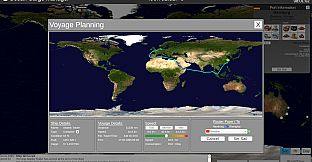
Route planning integrates multiple constraints at once. Draft and beam measurements determine access to certain harbors, while speed and fuel efficiency affect overall trip economics. Players must weigh whether a high-capacity vessel justifies its limitations or if a smaller, more versatile ship better suits frequent shorter hauls. Commodity selection adds another layer, as buying low only pays off when the destination market offers sufficient margins after deducting all operational expenses.
Port profiles add depth by simulating regional strengths. Industrial locations, raw material exporters, and major hubs each present different trading opportunities that feel grounded in plausible supply and demand dynamics. This setup rewards observation of market trends and strategic fleet composition over time. The retro-inspired presentation supports clear information displays for technical ship data and financial tracking without unnecessary complexity.
Is It Worth Playing?
Ocean Cargo Manager suits players who enjoy methodical business simulations centered on resource allocation, route optimization, and economic trade-offs. Its emphasis on individual ship statistics and believable market structures provides a focused experience for those interested in maritime logistics and long-term company growth. As an Early Access title, the current build delivers the core systems of fleet acquisition, voyage planning, and profit calculation described in the design. Fans of classic management games that prioritize understandable decisions over fast-paced action will find the most value here, particularly if they appreciate gradual expansion through careful observation rather than immediate high-stakes challenges.











