






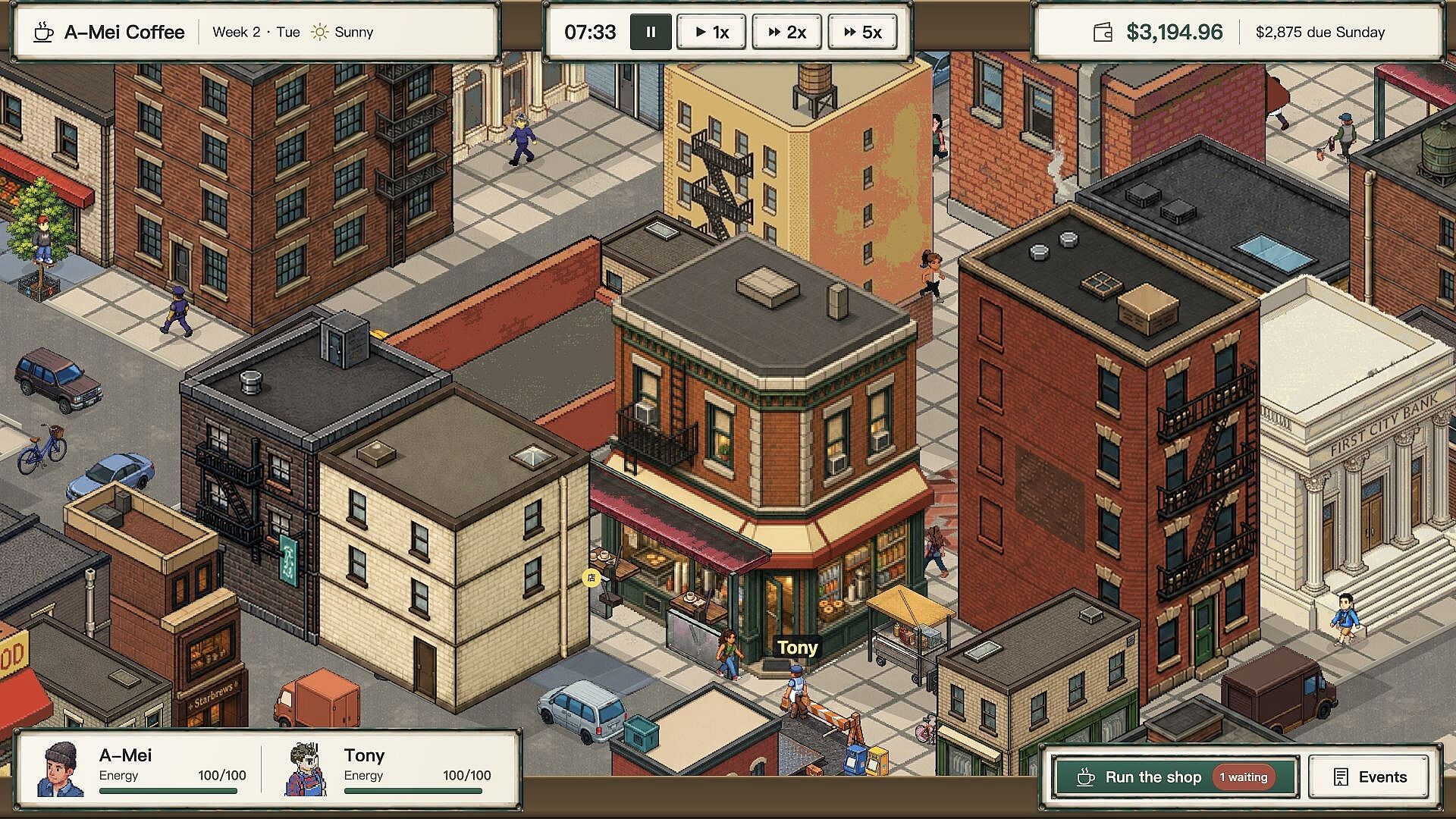
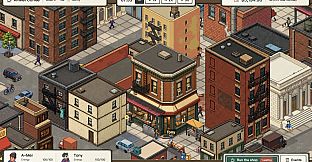
Open Daily in NYC is a shop-management and life-sim game set in a corner deli in New York City. Players take over daily operations after the previous owner steps away to care for family, leaving decisions about the menu, staffing, customer base, and long-term direction entirely in their hands.
Gameplay
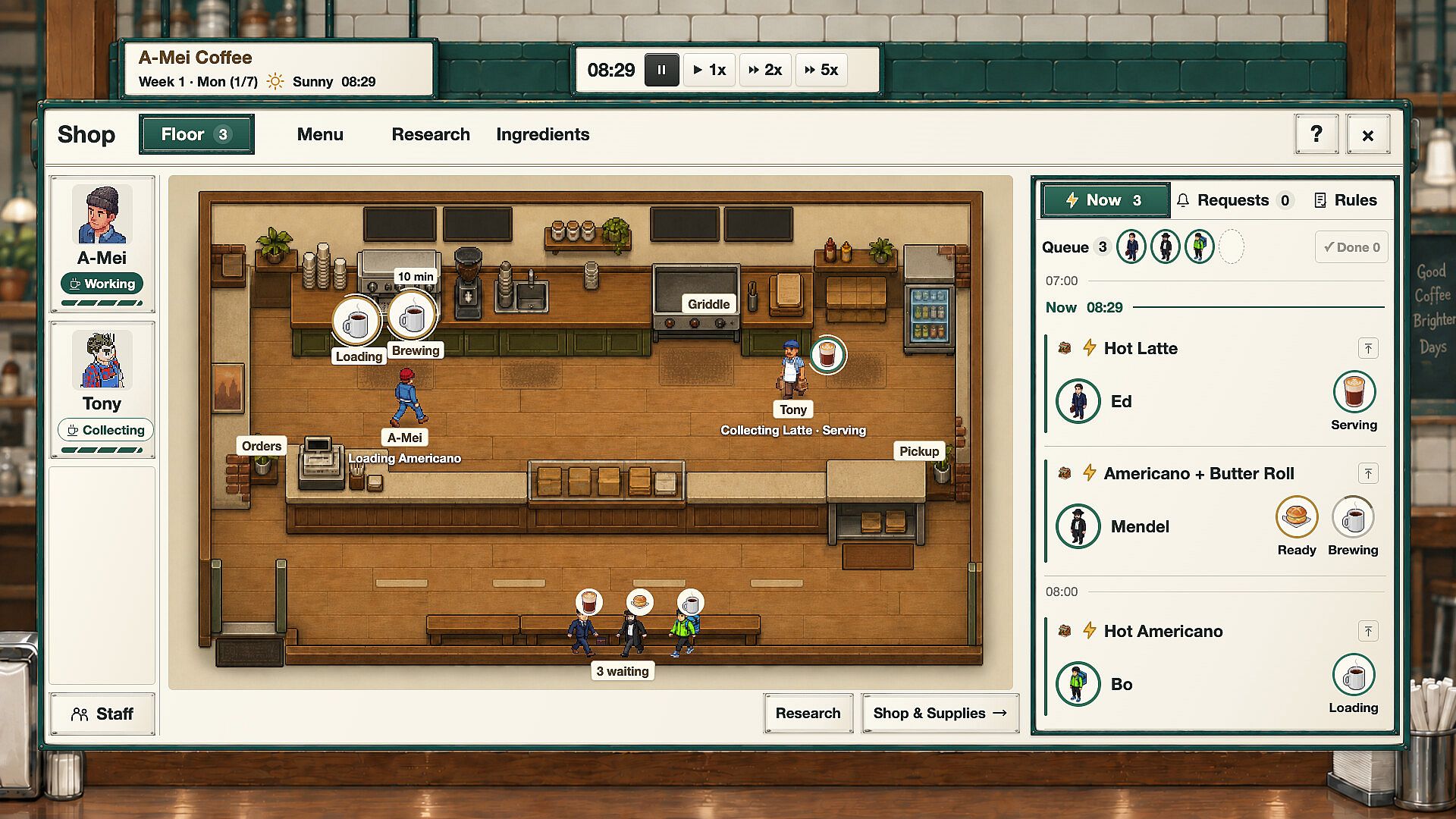
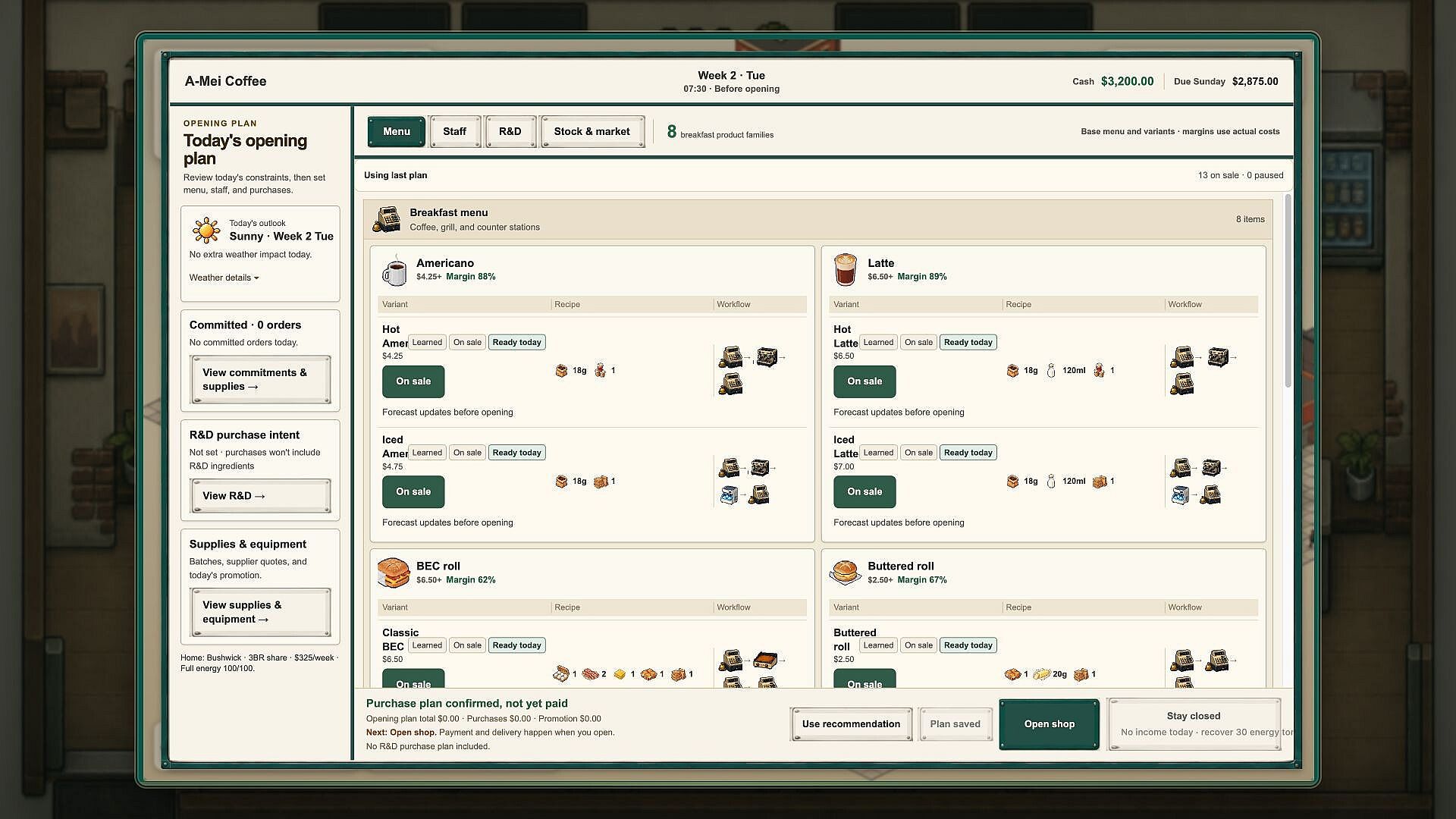
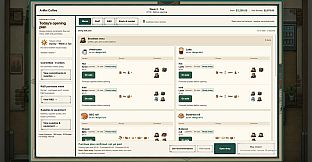
The core loop centers on running the deli from morning prep through closing. Players set the menu and adjust prices while assigning staff members Amei and Tony to specific stations such as the counter, coffee station, or grill. Coverage and shift assignments matter because the player does not handle every order personally. Rules determine order priority, work intensity, and which requests the shop accepts during busy periods. When issues arise, adjusting those rules keeps operations smooth instead of requiring direct intervention. Stock levels, staff availability, and weekly rent create ongoing tradeoffs that shape daily choices.
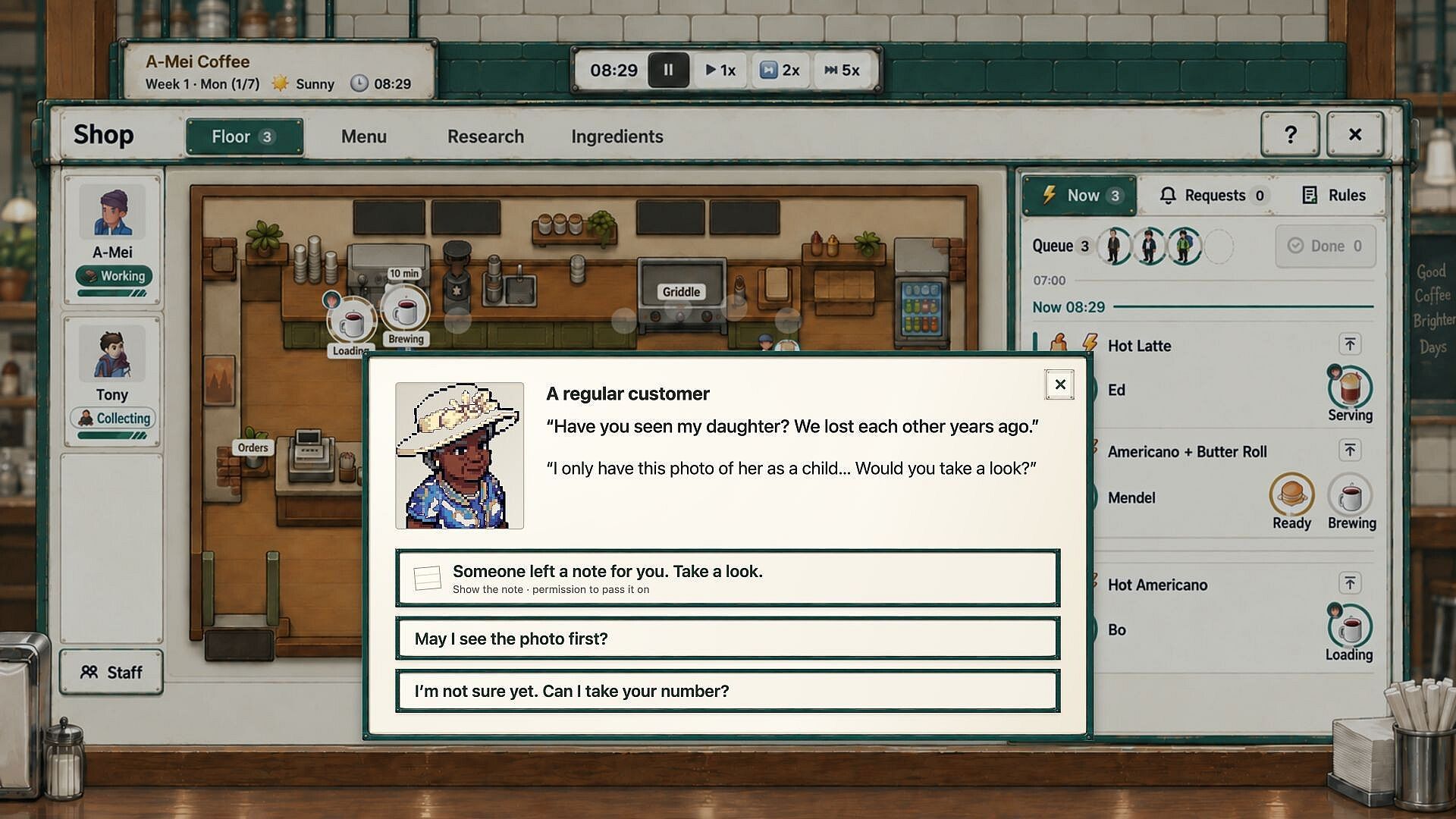
Customer interactions extend beyond transactions. Menu decisions and service style influence who enters the shop, turning one-time visitors into regulars. These regulars return, request favors, or extend invitations after hours, gradually revealing details about their lives as ordinary New Yorkers. Accepting or declining requests carries consequences for both the business and personal relationships, such as leaving the counter short-staffed or sending an employee in the player's place.
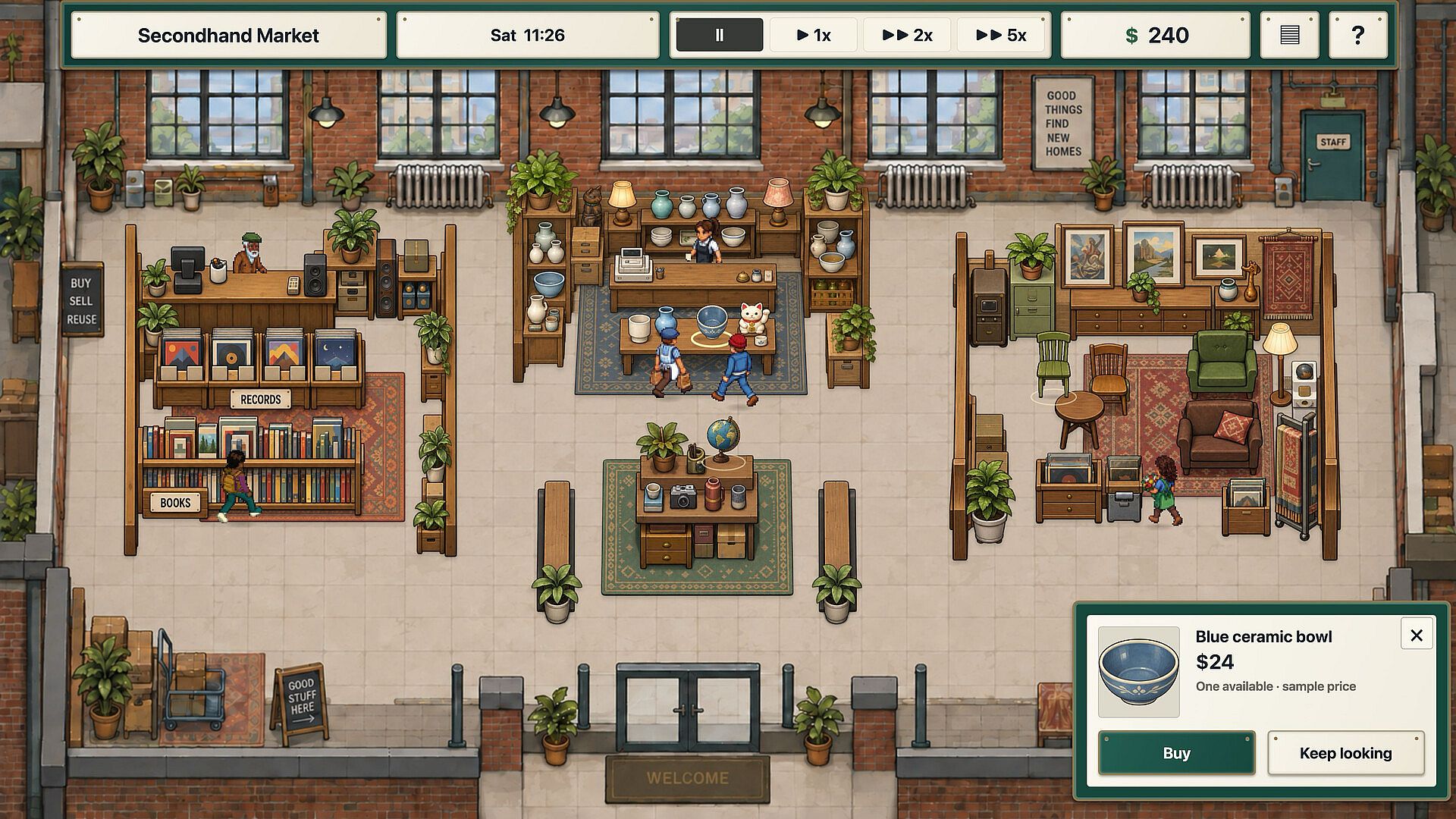
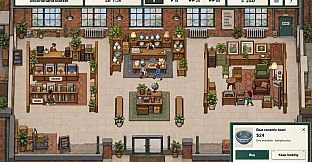
Outside the shop, earnings support more than rent and supplies. Time spent away from work allows exploration of nearby secondhand shops for furniture and collectibles, adding personal items that reflect life beyond the counter.
Game Modes
Open Daily in NYC operates as a single-player experience with no separate multiplayer or competitive modes. The game presents one continuous management simulation where progression unfolds through daily operations, customer relationships, and business decisions. Players shape the deli's identity over time without switching between distinct game types or scenarios.
Business Paths and Neighborhood Impact
Three broad directions emerge from player choices. One path restores a neighborhood staple that locals rely on. Another builds the deli into a citywide destination that draws long lines. A third expands operations into a chain. Each route attracts different customers and affects which staff and regulars remain involved. Stock management, pricing, and staffing rules all feed into these outcomes, creating distinct long-term results based on consistent decisions.
Is It Worth Playing?
This title suits players who enjoy deliberate shop-management simulations combined with light life-sim elements. The focus on rule-setting, staff assignments, and customer relationship building rewards careful planning and observation of cause-and-effect outcomes. Those who prefer fast-paced action or multiplayer competition will find the single-player pace slower and more reflective. With a 2027 release date and no reviews available yet, interest depends on appetite for indie casual simulation games centered on everyday business and personal tradeoffs in a New York setting. The mechanics described emphasize strategic choices over direct control, making it a fit for fans of thoughtful management titles on PC.











