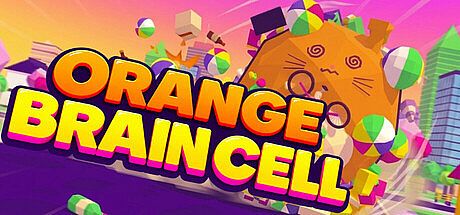


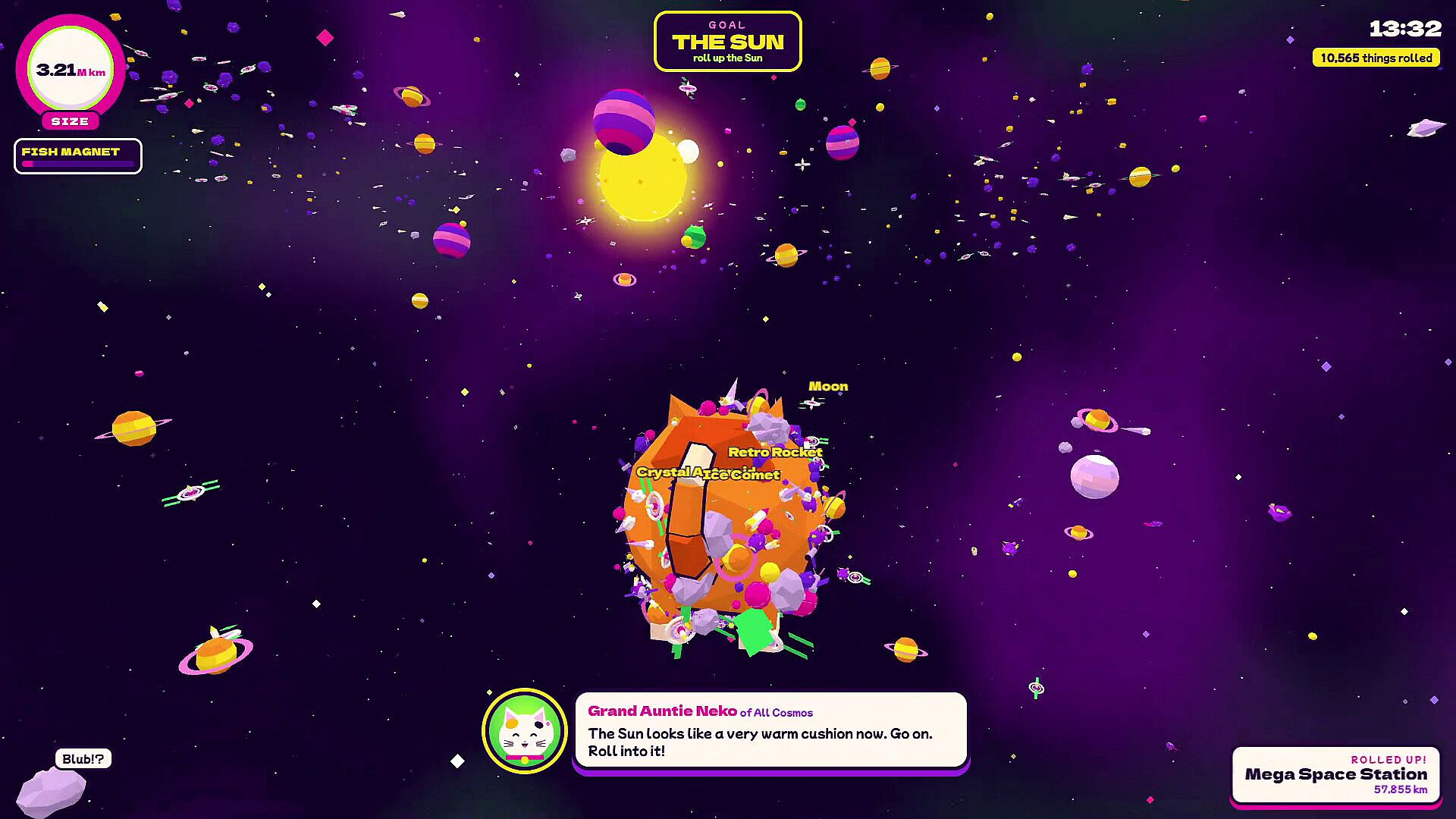
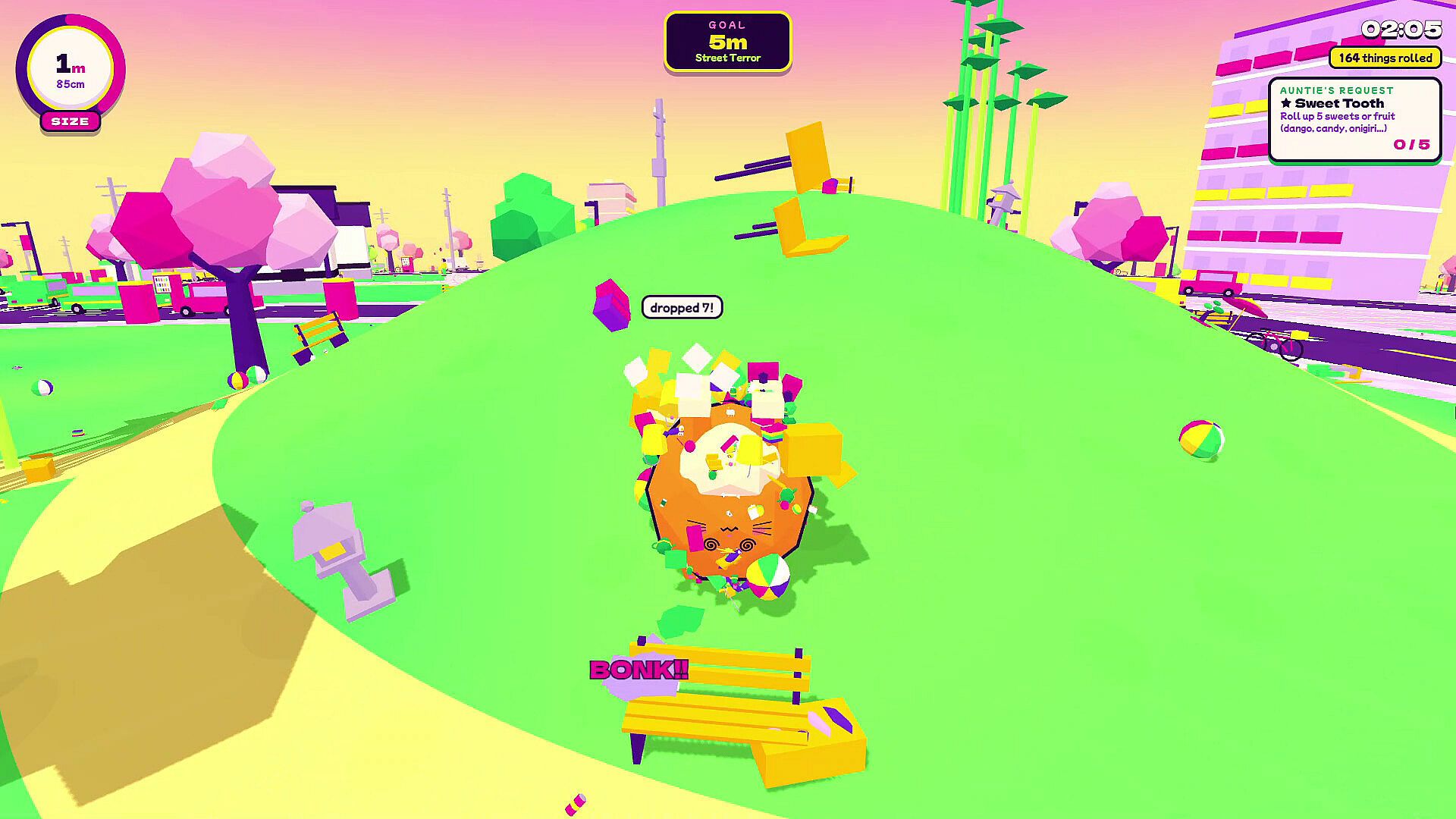
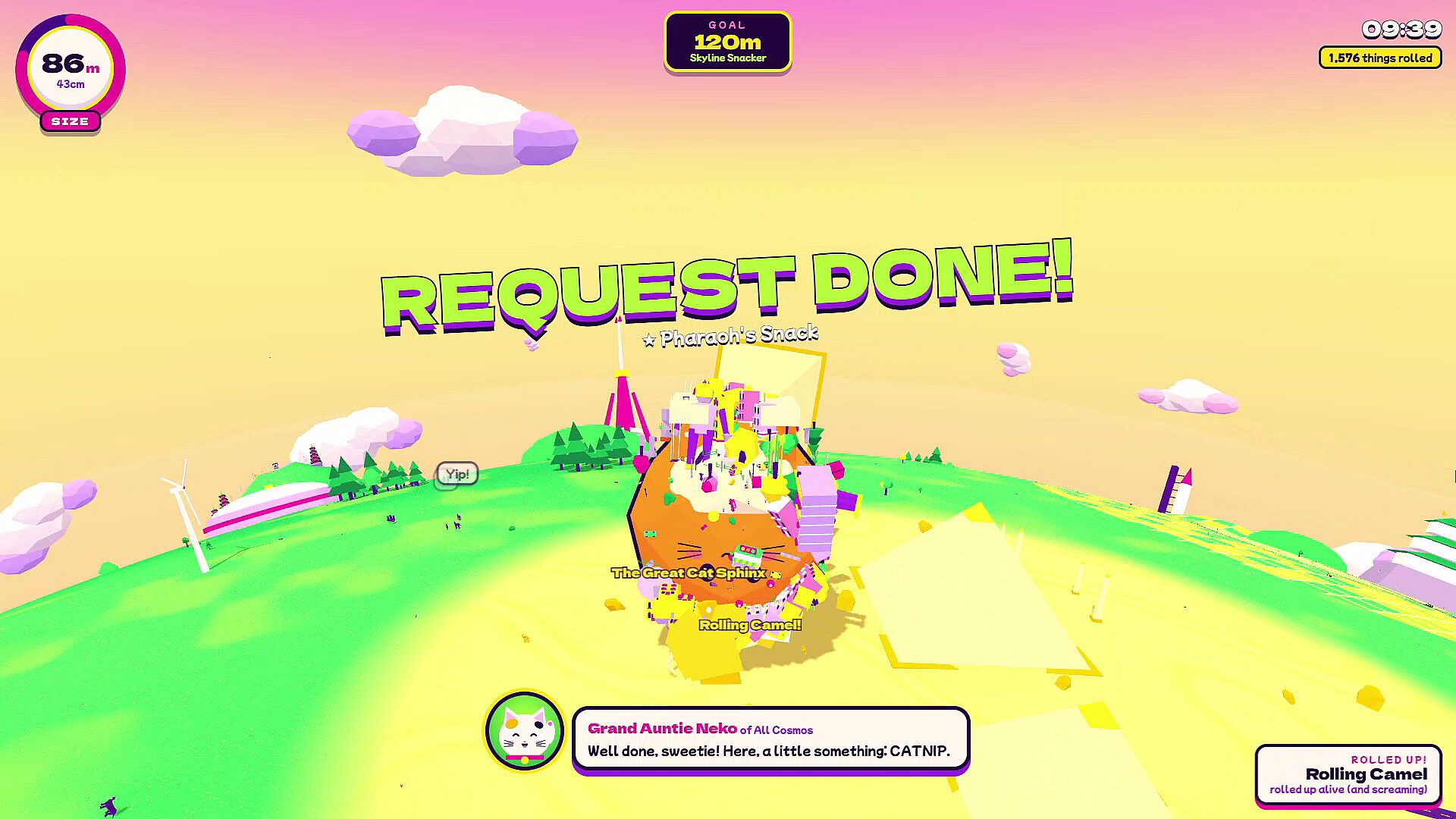
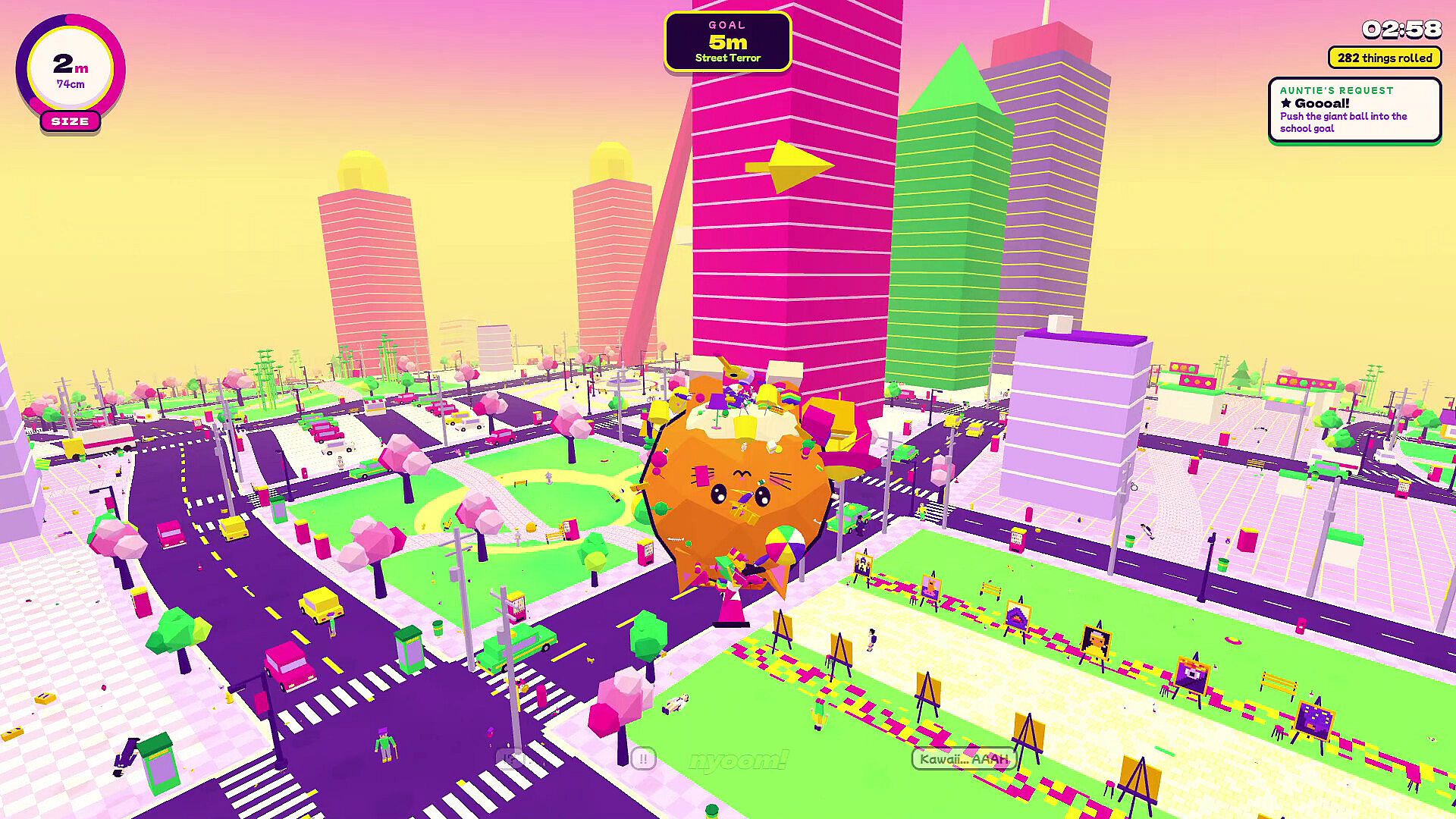
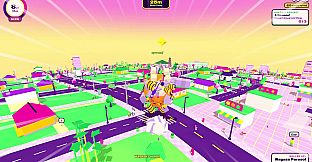
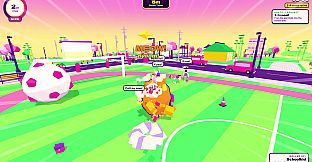
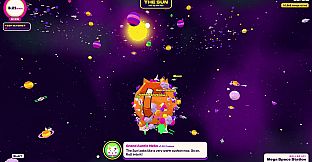
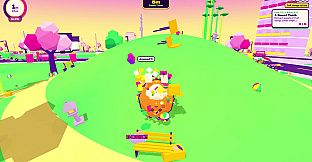
Orange Braincell is an indie single-player physics game on PC in which players control a small orange cat with one braincell. The core loop centers on rolling into smaller objects that stick to the growing ball of fur, gradually expanding until the cat can consume larger and larger elements of its surroundings.
Gameplay
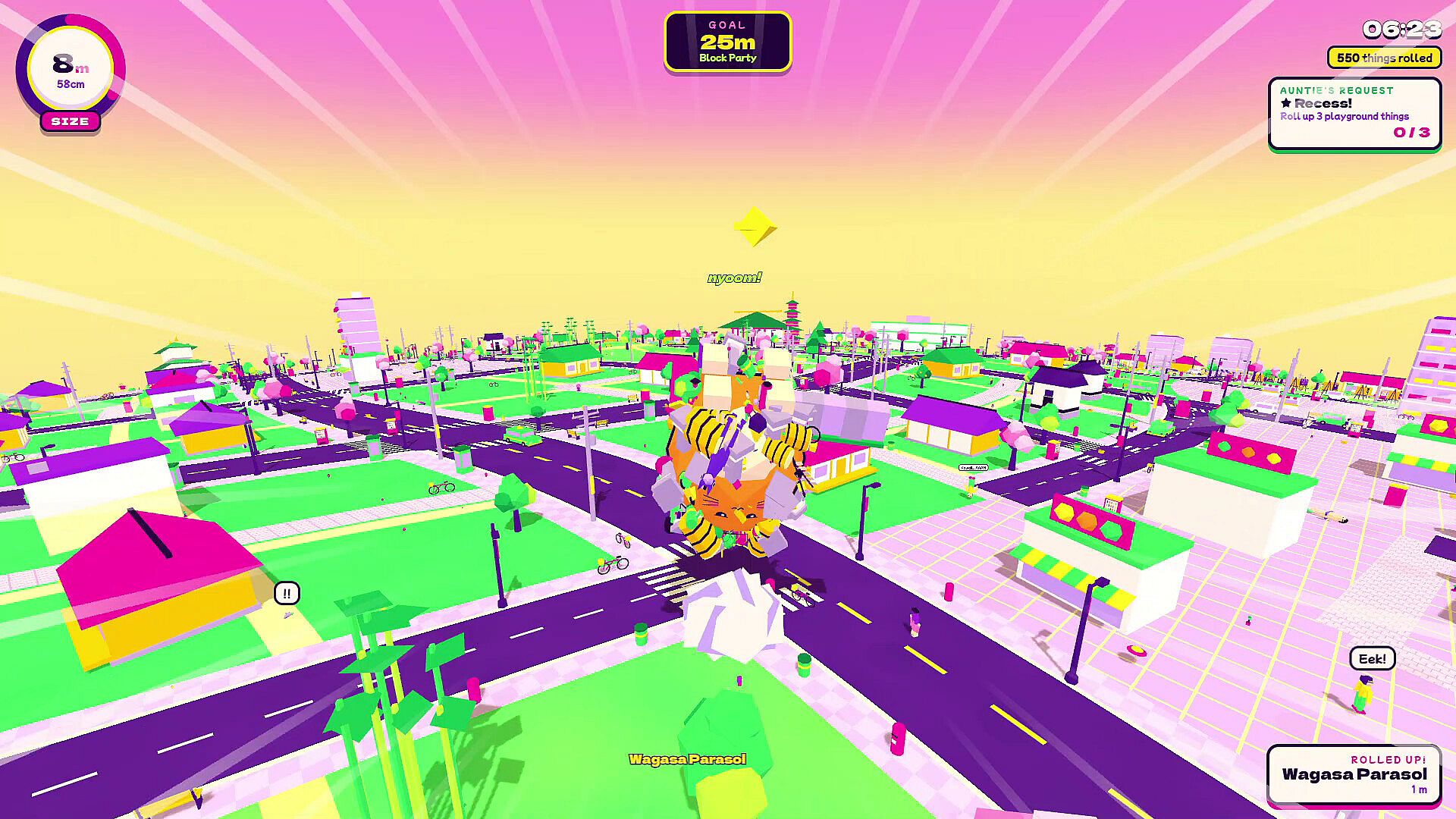
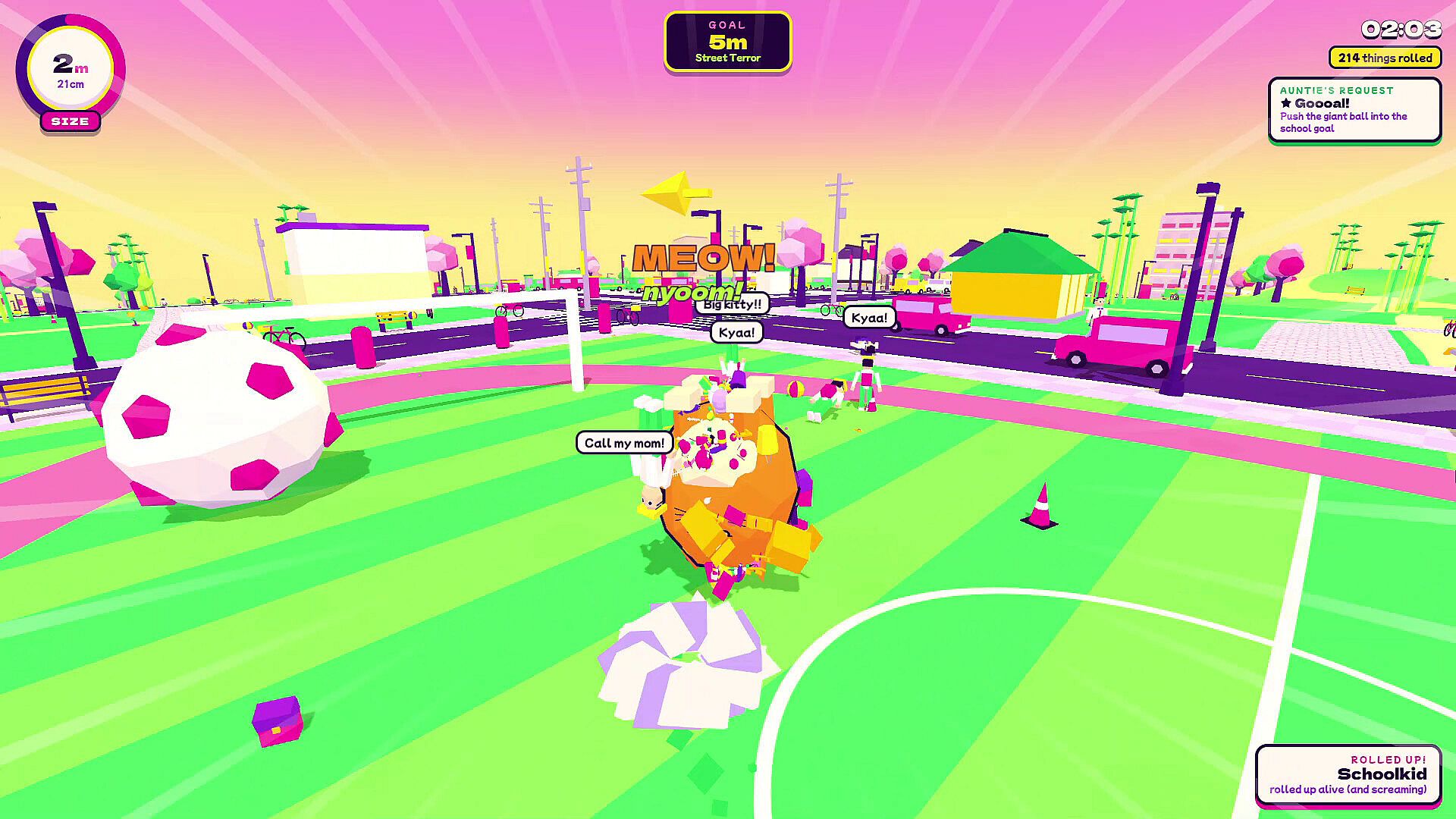
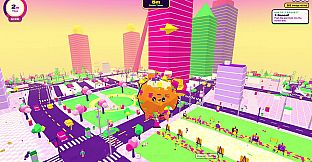
The central mechanic involves rolling the cat into items smaller than its current size. Objects attach on contact and remain stuck as the ball expands. This process begins with small items such as sushi and progresses to schoolkids, cars, houses, and eventually mountains or kaiju. Exploration takes place on a compact planet filled with scattered surprises that players encounter while moving.
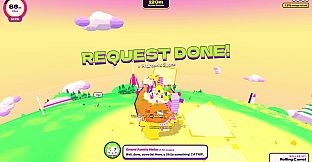
Additional actions include meowing to startle nearby characters and cause them to scatter, followed by dashes or mega dashes to pursue them. Requests from Grand Auntie Neko of All Cosmos change over time and direct the player toward specific targets or behaviors. New cat appearances become available through play, and a clock-based challenge allows competition on a global leaderboard by devouring as much as possible within the time limit.
Game Modes
Orange Braincell operates entirely in single-player. The experience revolves around the rolling growth loop combined with timed leaderboard runs. Players complete tasks for the cosmic aunt character while exploring the planet and collecting items. No separate multiplayer or co-op options exist, keeping the focus on individual sessions of chaotic accumulation and request fulfillment.
The structure encourages repeated attempts at higher scores through efficient rolling paths and quick reactions to panicked characters. Exploration elements appear alongside the main growth objective, allowing players to discover additional objects or areas on the small world before the session ends.
Is It Worth Playing?
Orange Braincell targets players who enjoy simple, repetitive growth mechanics wrapped in a lighthearted cat theme. The single-player format suits short sessions or longer attempts at leaderboard placement. With a planned release in Q4 2026 and no reviews available yet, the game remains untested by the public.
Those drawn to cozy yet chaotic accumulation gameplay may find the described systems appealing once it launches. The emphasis on exploration, request completion, and timed challenges provides clear goals without complex systems. Availability will be limited to PC at launch, with family sharing noted as a feature.