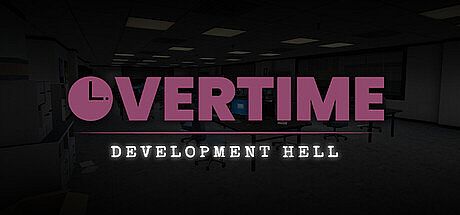


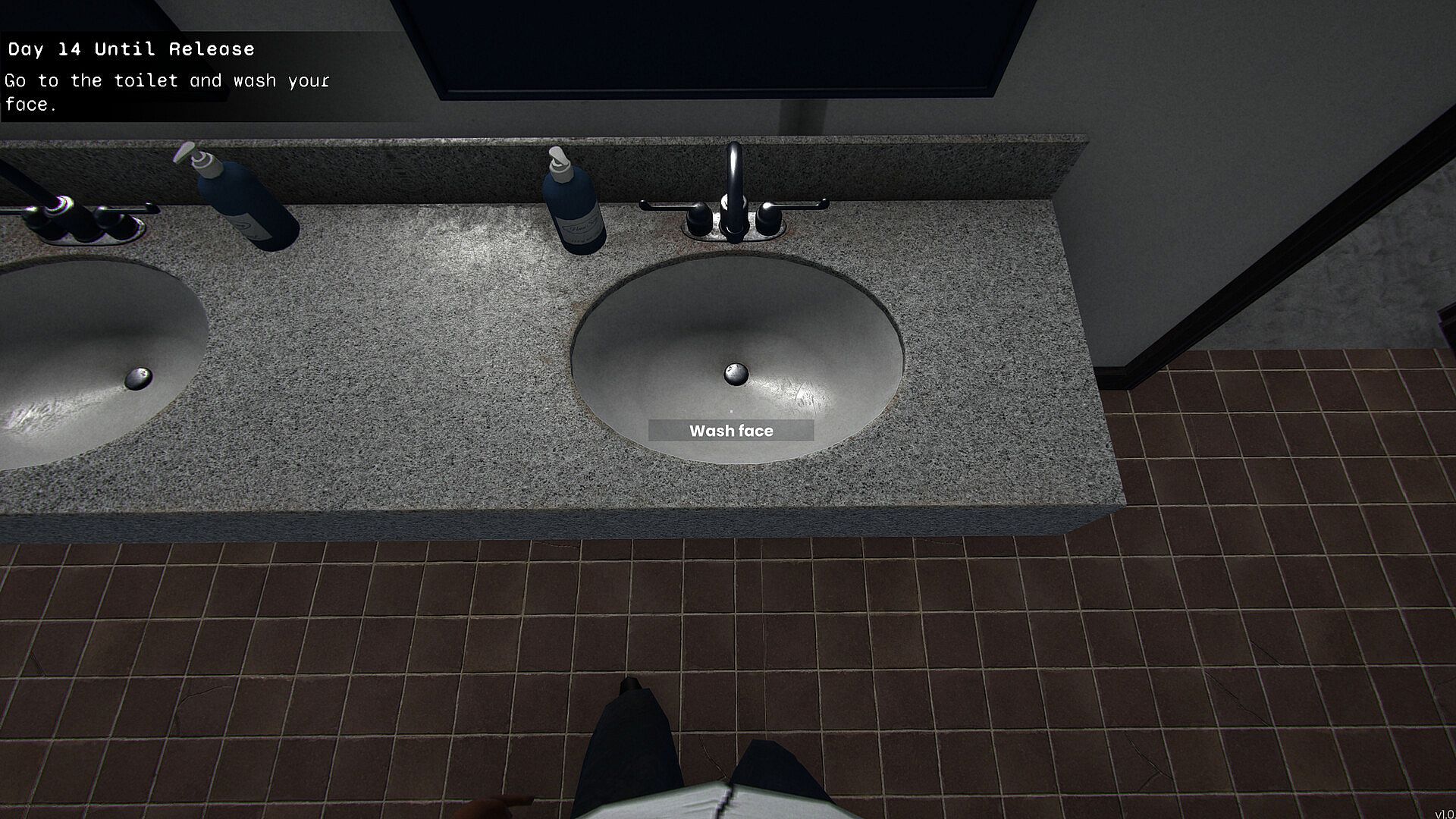
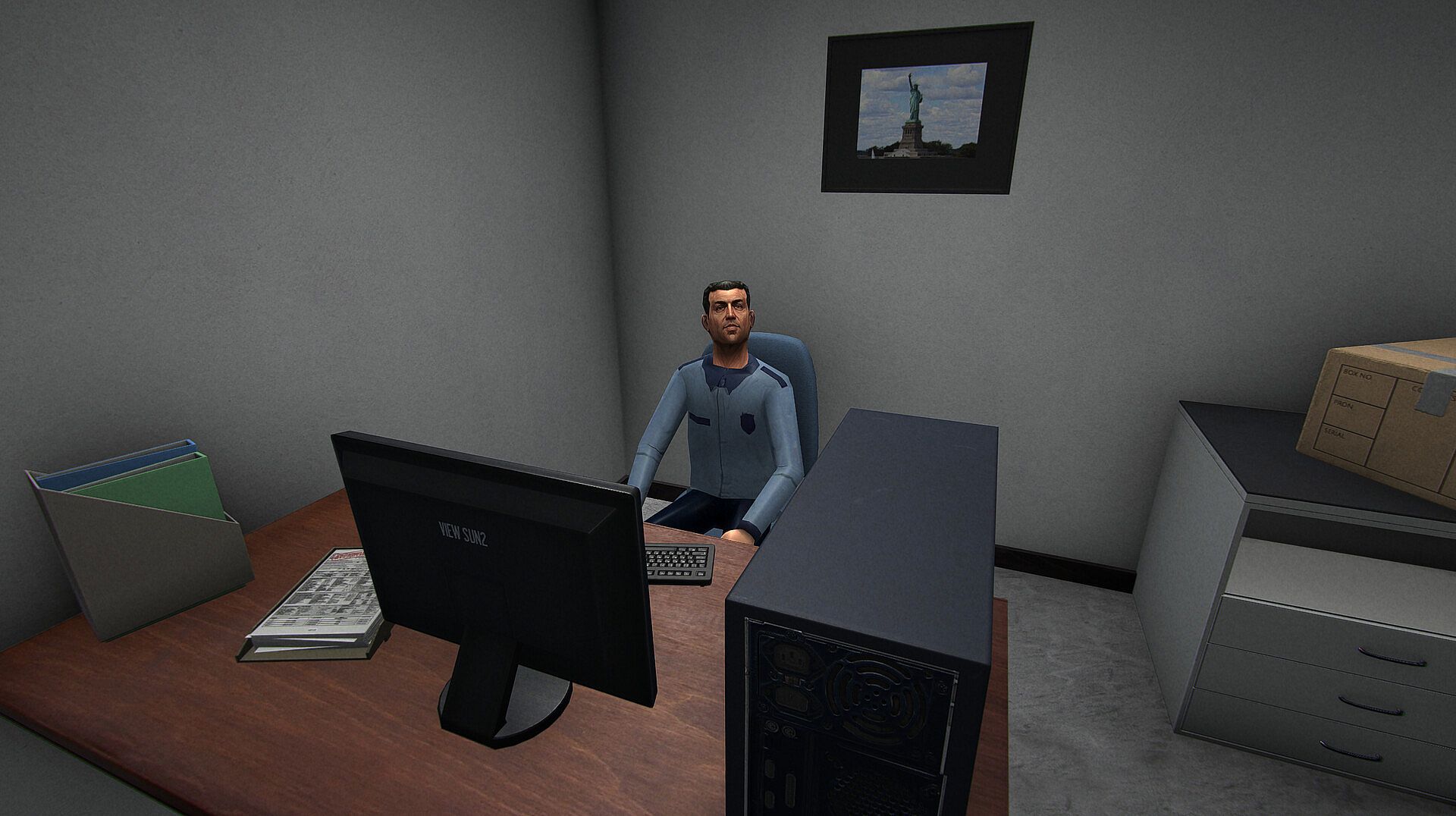
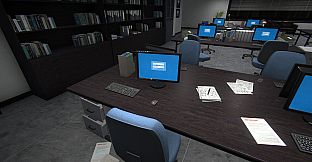
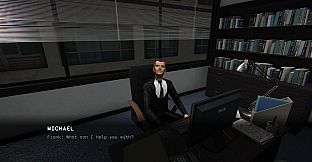
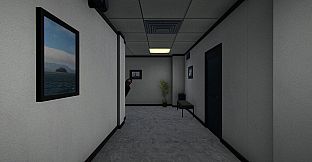
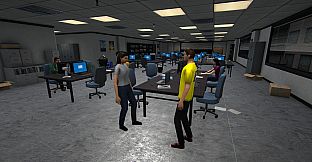
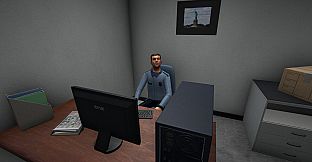
Overtime : Development Hell is an indie psychological horror game set on PC. Players step into the role of Frank, a core developer at a game studio racing toward a looming release deadline. The experience unfolds over five increasingly tense nights spent completing routine development tasks while the office environment grows emptier and more unsettling.
Gameplay
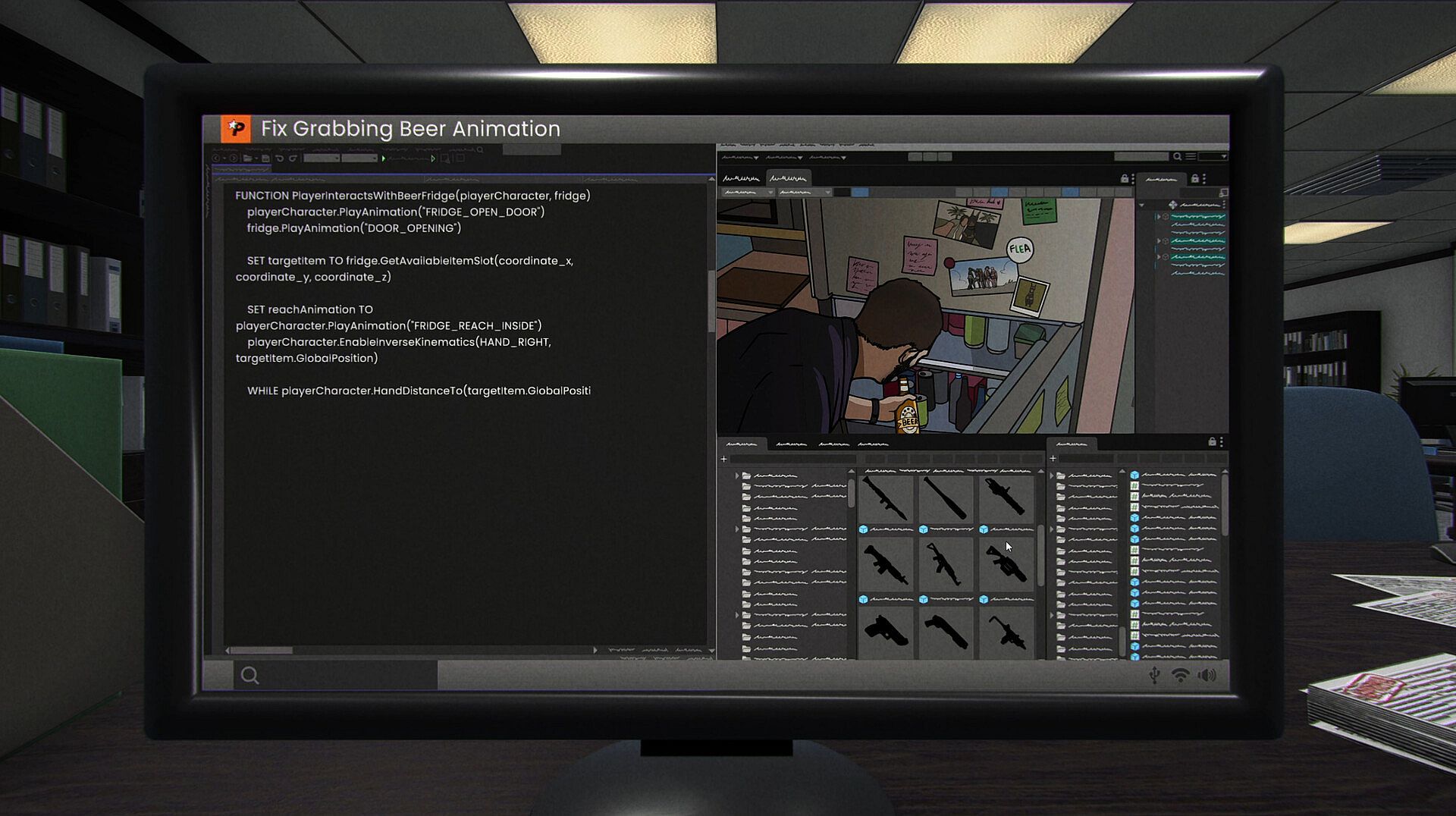
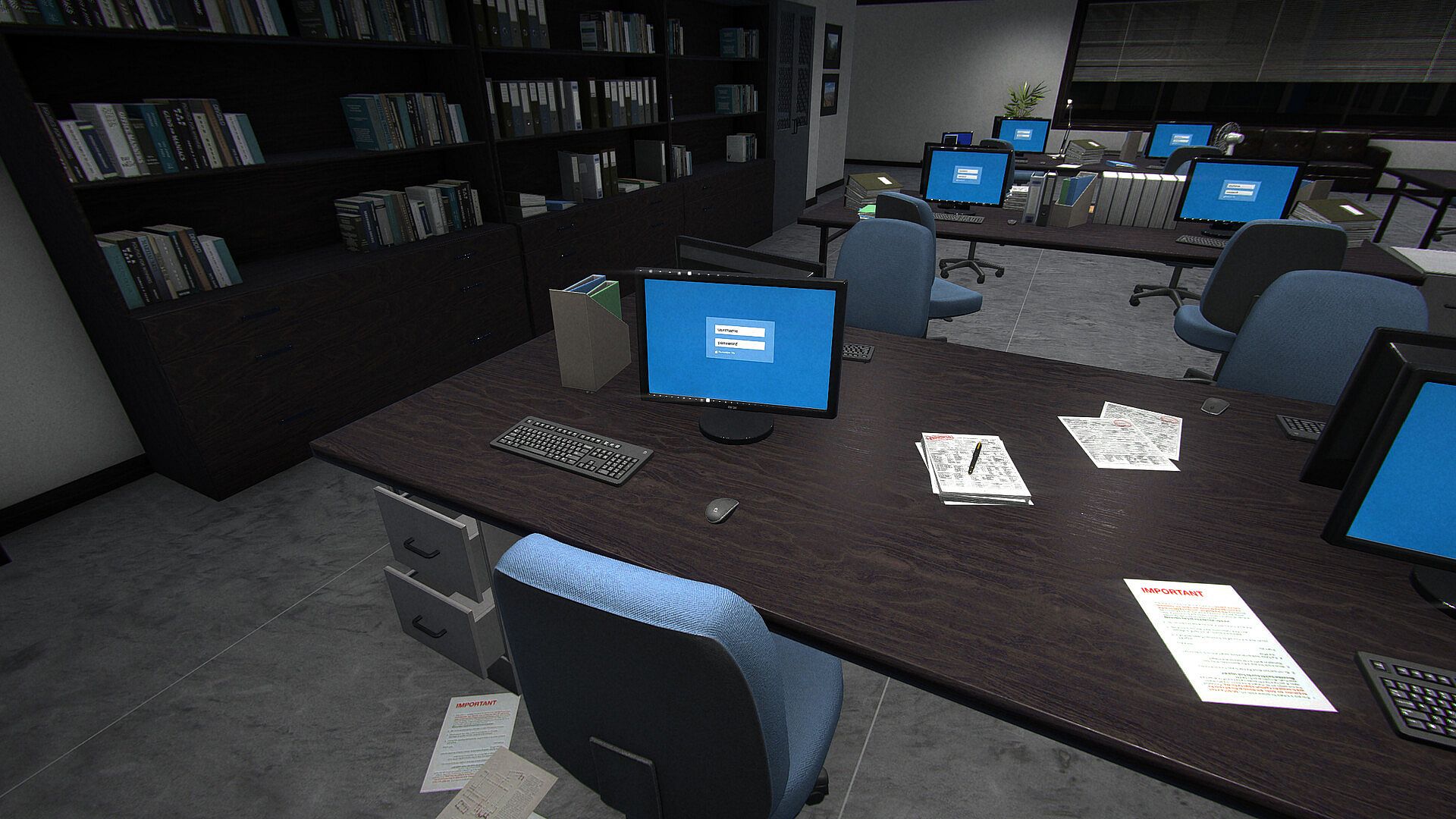
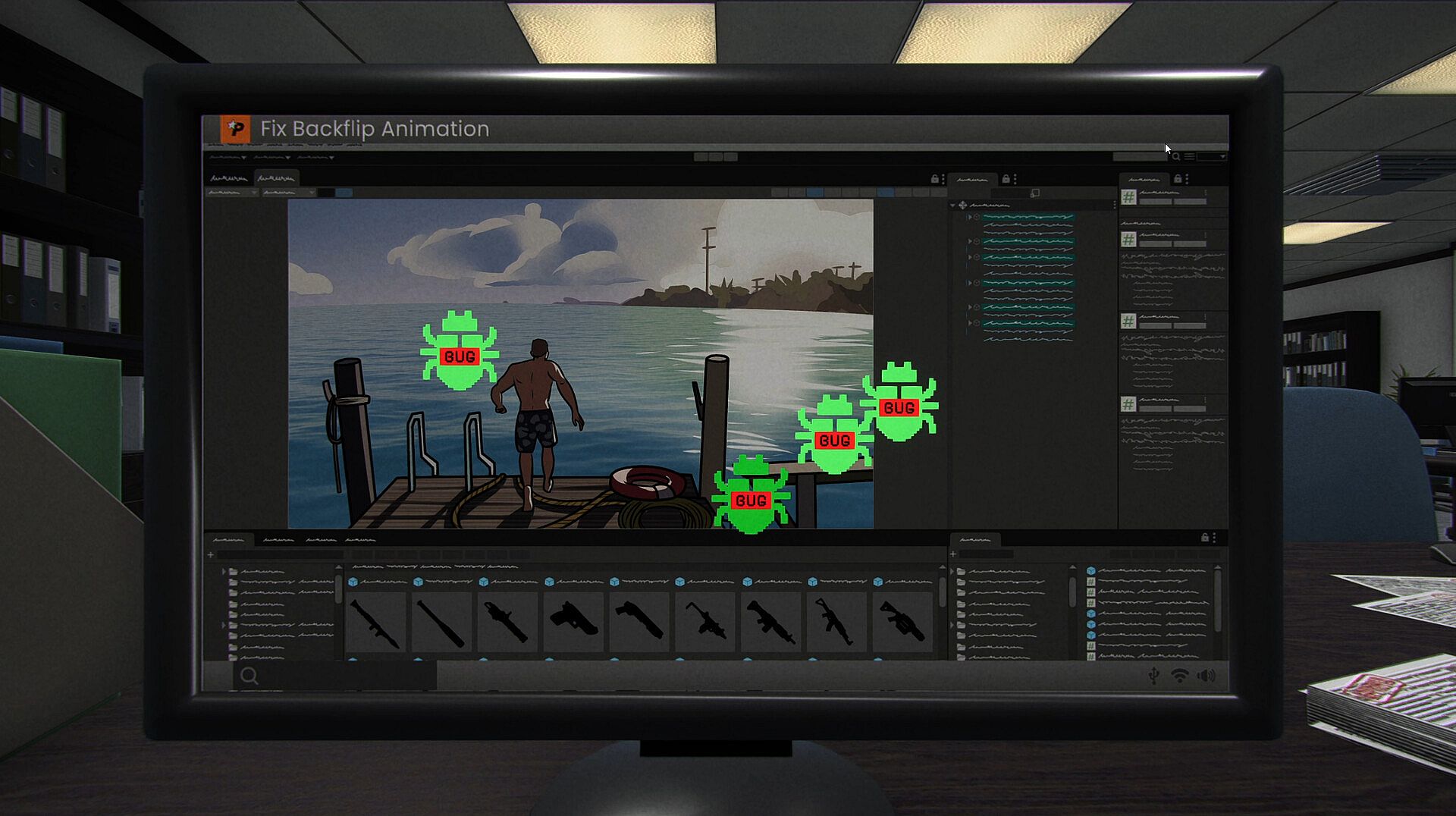
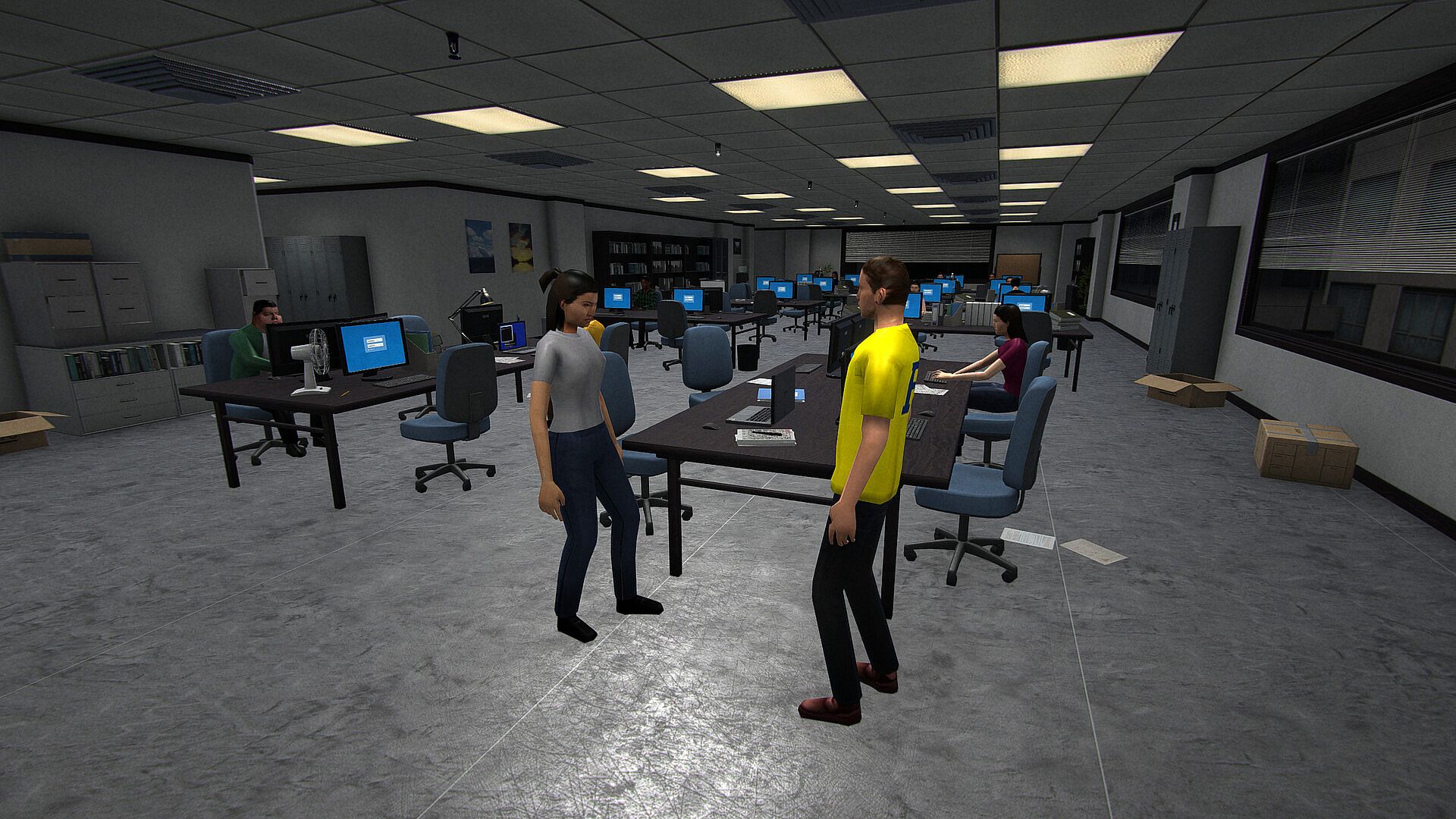
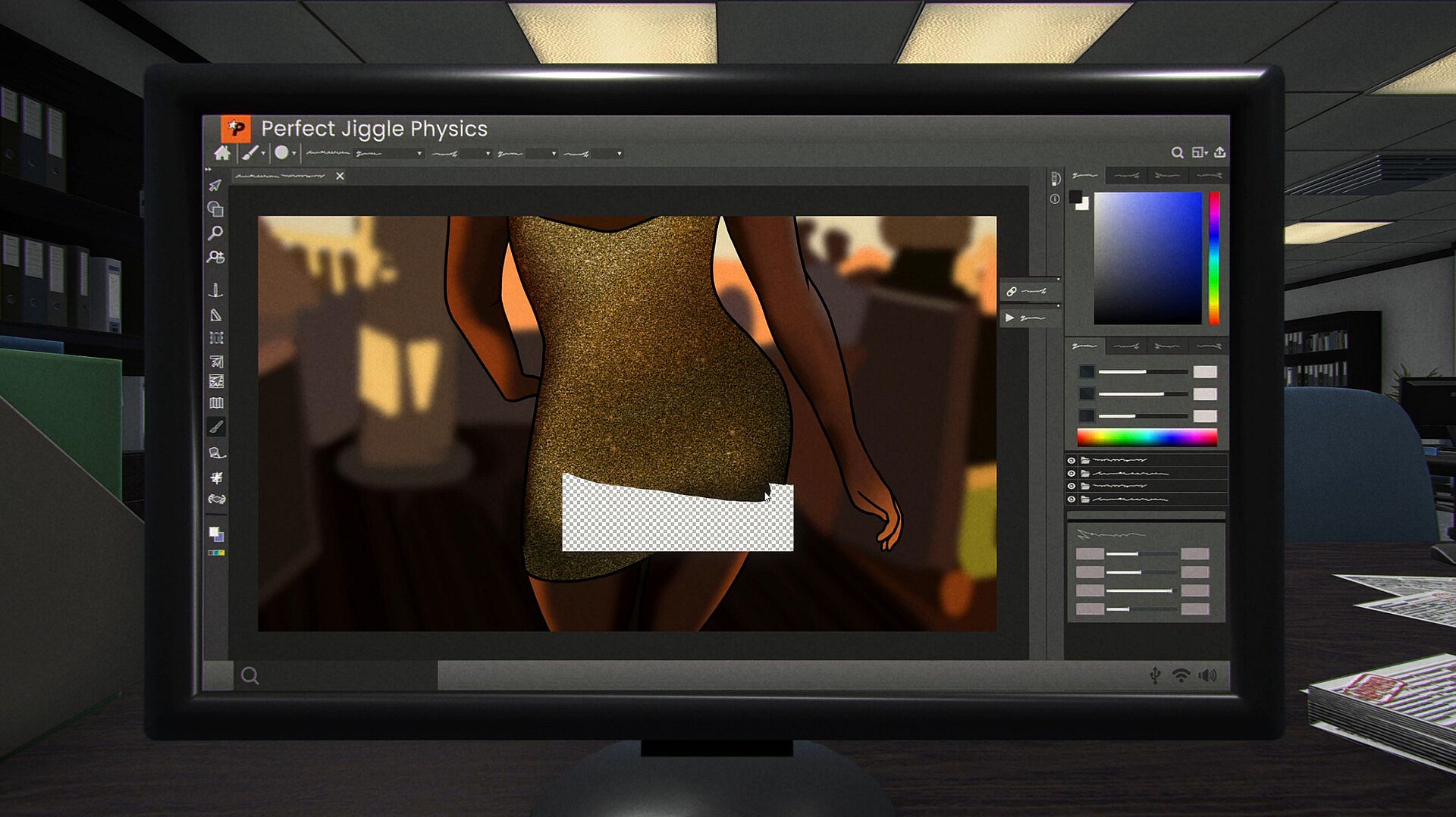
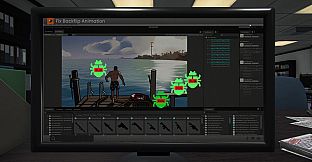
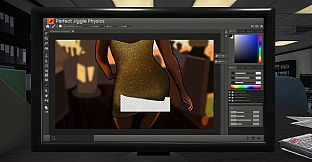
The core loop centers on sitting at a desk each night and cycling through familiar work activities. These include writing code, fixing bugs, encrypting files, and generating cover art. None of the tasks require complex skill checks or puzzle solving. Instead, the repetition itself builds pressure as the surrounding office quiets with each passing night. Co-workers gradually stop appearing due to growing fears of being stalked, leaving Frank increasingly isolated under the glow of the monitor.
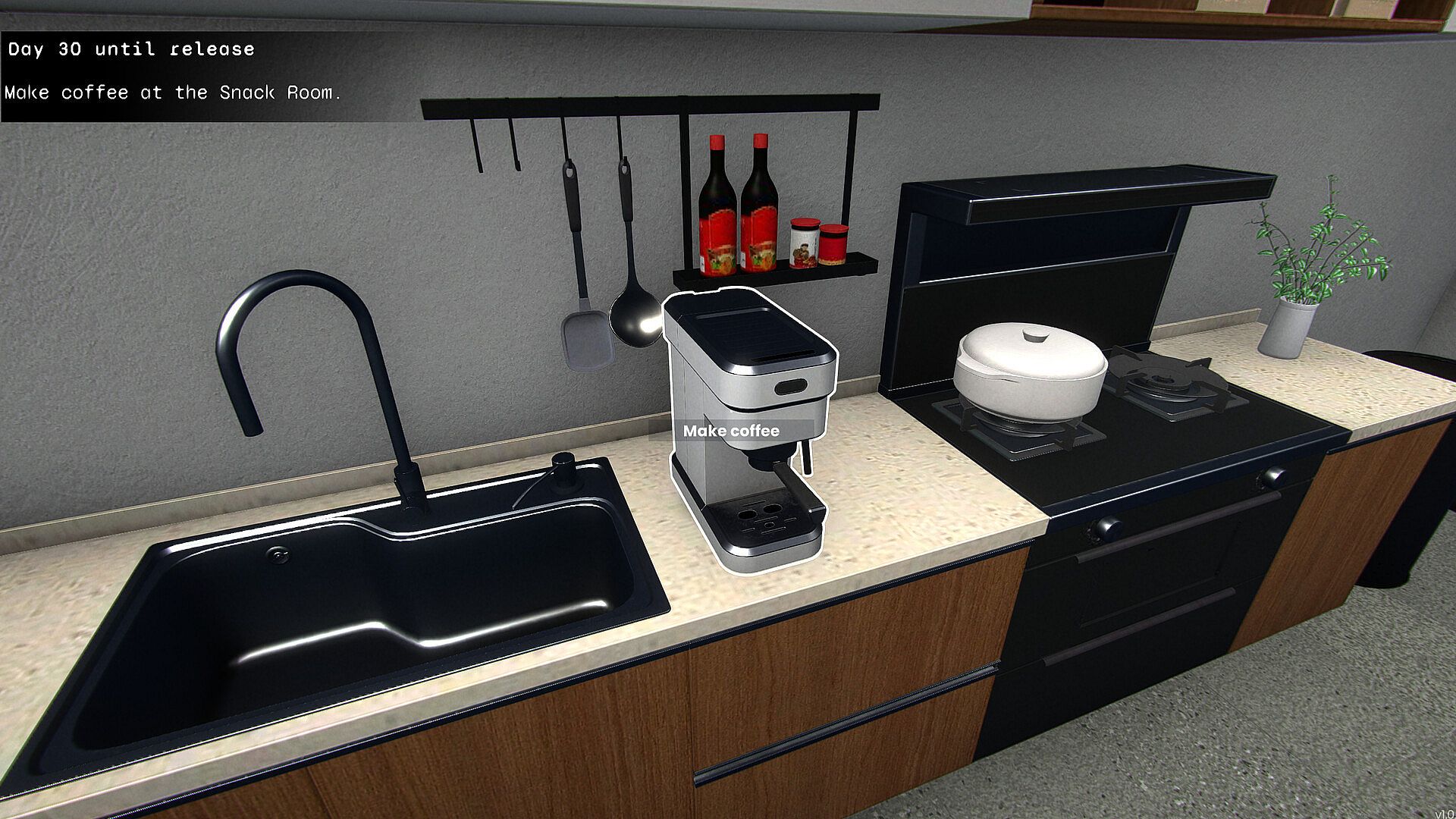
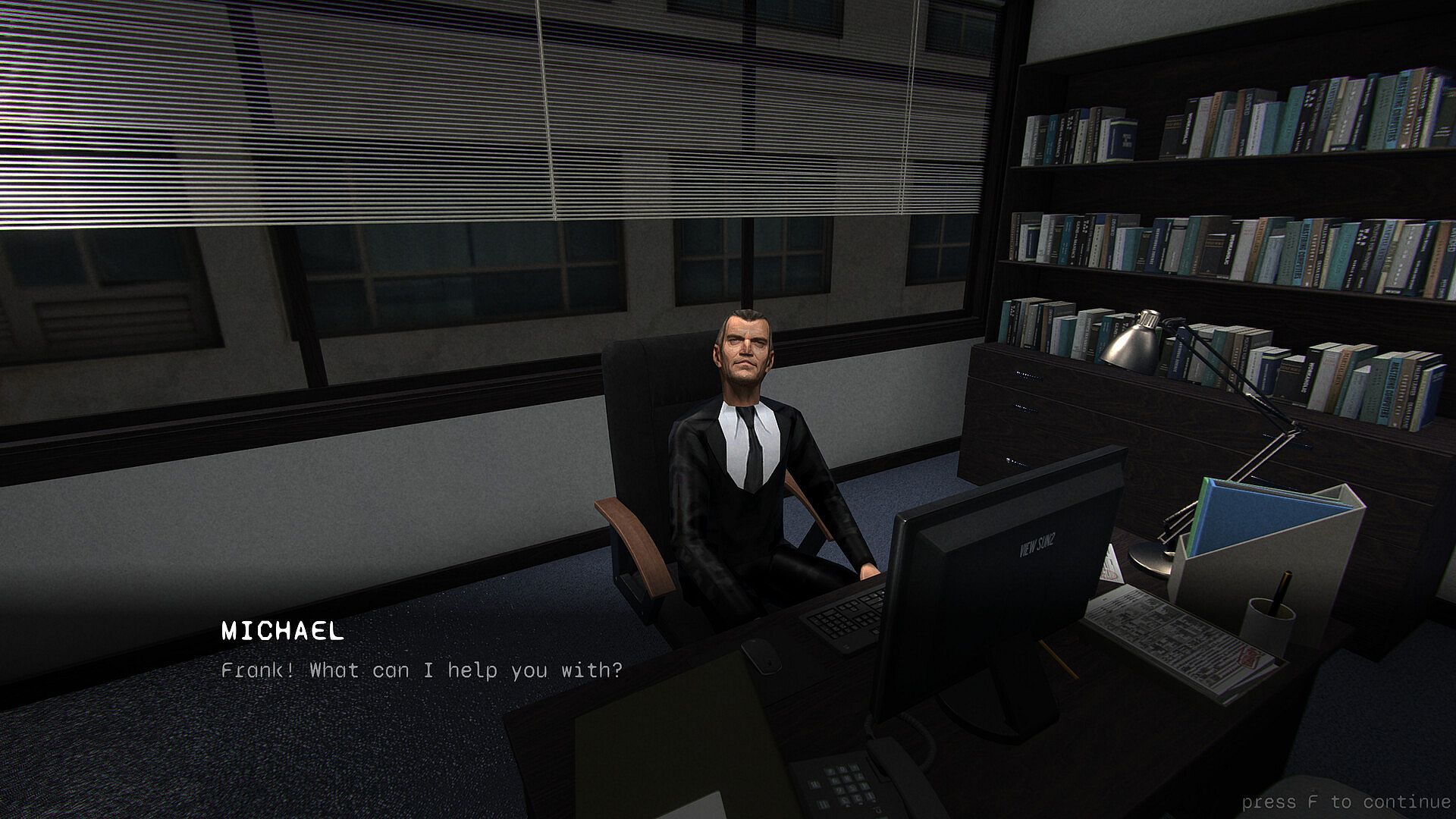
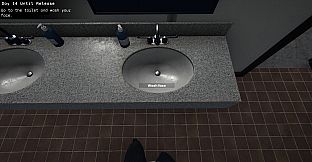
Breaks offer brief opportunities to interact with anyone still present. Conversations reveal differing reactions to the situation, from dismissive laughter to claims of sightings in the parking lot. These exchanges provide context and subtle reminders that the team is shrinking night by night. The boss continues to call with the same deadline demands regardless of external events, reinforcing the sense that the build must be finished no matter what unfolds outside the desk lamp's reach.
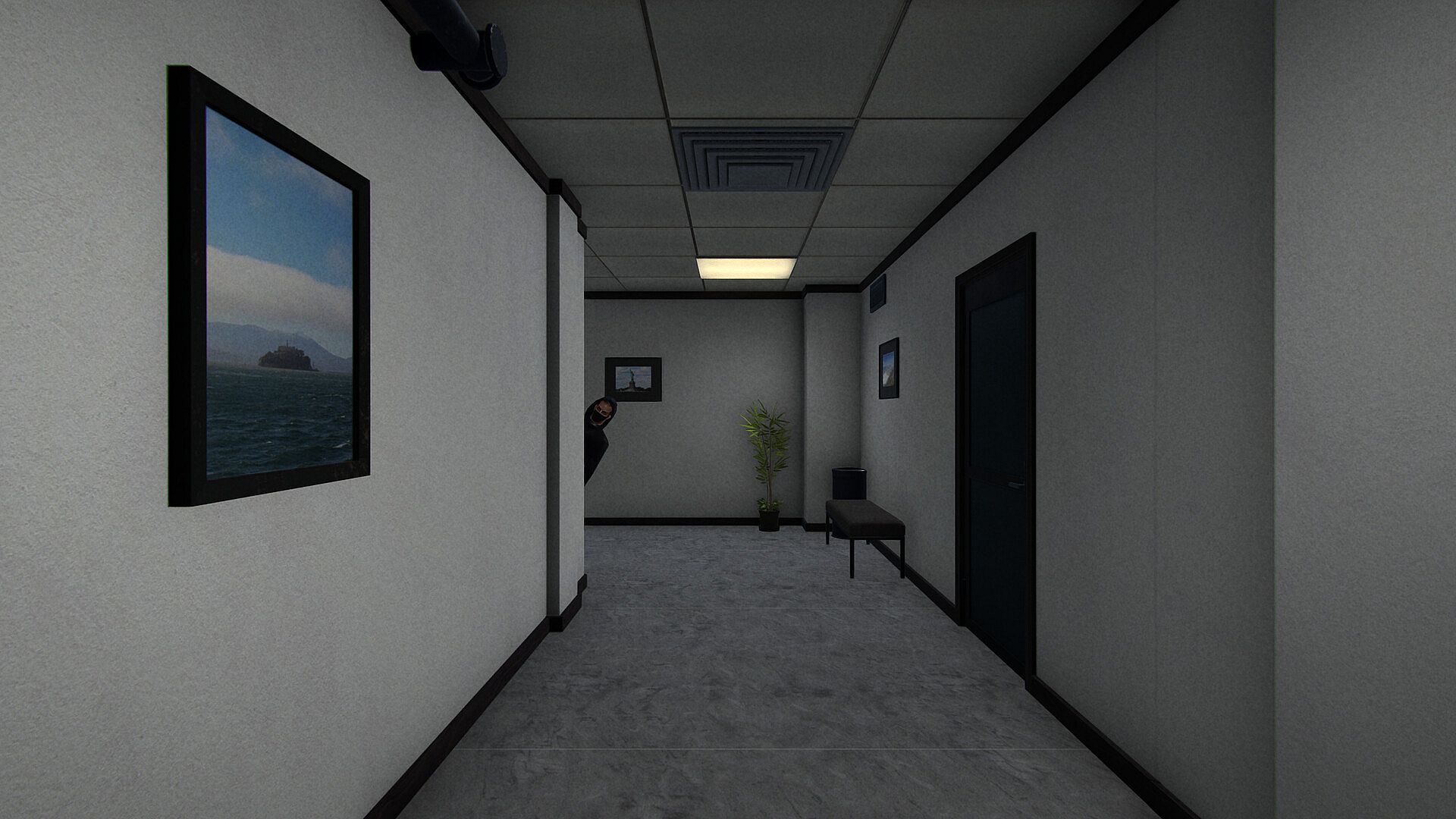
Subtle anomalies accumulate around the workspace. A hidden microphone near the boss's desk, a tracking device under a car, and occasional glimpses of movement just beyond the monitor light heighten the atmosphere without interrupting the workflow. Players must decide whether to report observations or keep them private, with each decision carrying forward into subsequent nights.
Game Modes
The game operates as a single-player narrative experience structured around five distinct nights. Each night follows the same basic routine of task completion and limited social interaction, yet the cumulative effects of prior choices alter the available conversations, the level of isolation, and the intensity of surrounding events. There are no separate multiplayer components or alternate play styles. The structure emphasizes persistence through the work cycle while external threats build in the background.
Progression relies on completing the nightly workload before sunrise. Players can choose to stay until the shift ends or leave early, and these selections influence the overall trajectory. The stalker element frames the tension differently from typical pursuit mechanics. The pursuer views the situation as proximity to something beloved rather than outright malice, which shifts the psychological focus toward unease and obsession rather than direct confrontation.
Narrative and Choices
Story elements emerge through overheard details, phone calls, and the dwindling office population. The central conflict pits the unyielding deadline against mounting evidence of external interference. Every reported sighting or withheld concern contributes to the branching paths. The game features multiple endings determined by the cumulative weight of these small decisions across the five nights. No single choice dominates, but patterns of behavior shape the final outcome and the degree of personal risk Frank accepts to meet the release target.
The narrative avoids traditional horror set pieces in favor of gradual erosion of normalcy. Routine errands and coding sessions continue even as the environment signals that something is wrong. This contrast between mundane work and creeping dread forms the primary tension driver.
Is It Worth Playing?
Overtime : Development Hell suits players who enjoy slow-burn psychological horror centered on workplace isolation and choice-driven narratives. The emphasis on repetitive tasks paired with escalating atmosphere creates a focused experience that rewards attention to small details and long-term consequences. Those seeking fast-paced action or complex systems may find the routine elements too understated. The multiple endings encourage replay to explore different approaches to the same nightly workload. Availability on PC makes it accessible for those interested in short, focused sessions that build across a handful of nights rather than extended campaigns.