




PC Market Simulator is a first-person indie simulation game focused on running and expanding a technology retail store. Players handle inventory, customer service, repairs, and auctions to grow a small shop into a larger operation selling computer components, peripherals, and other tech products.
Gameplay
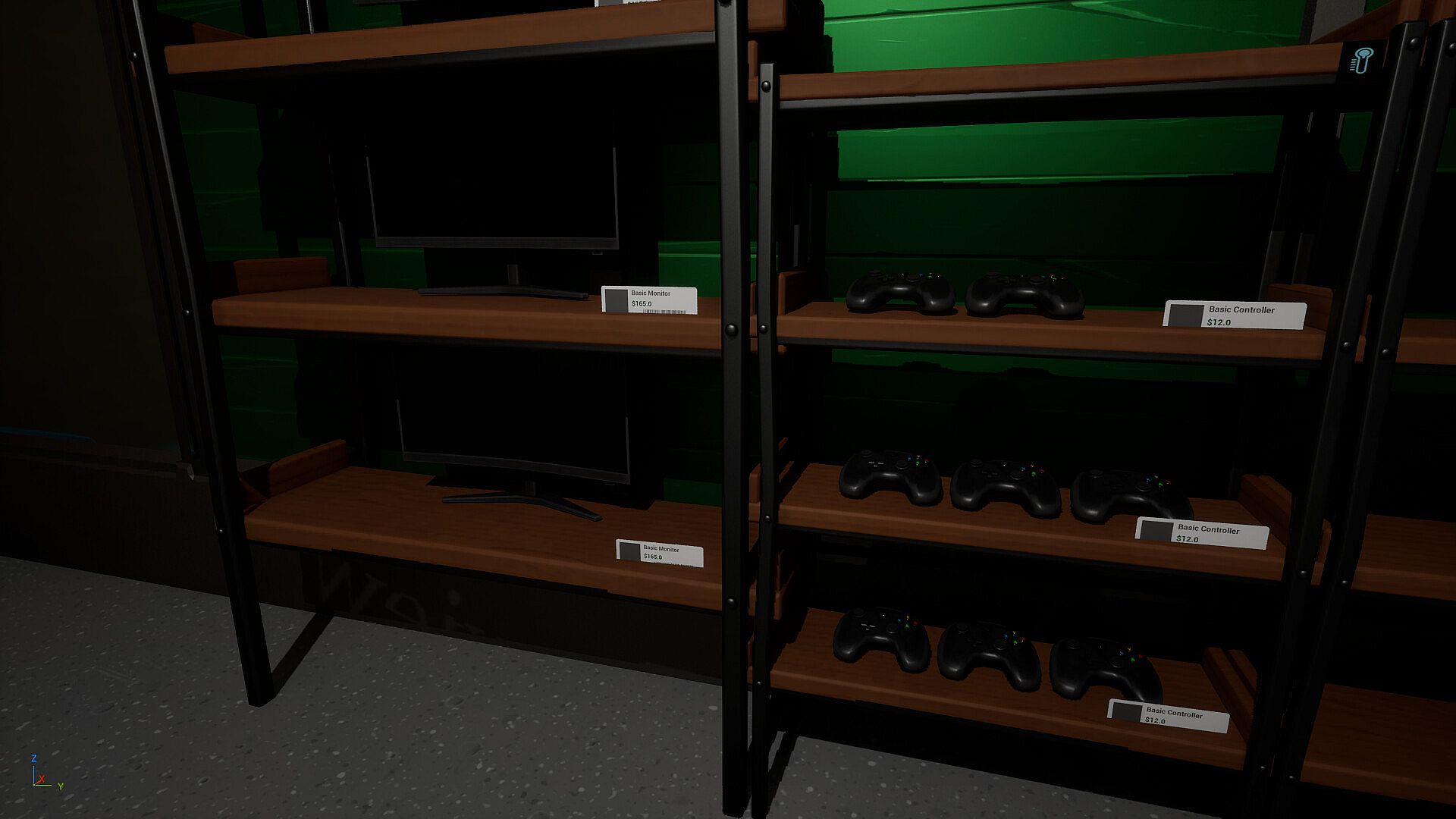
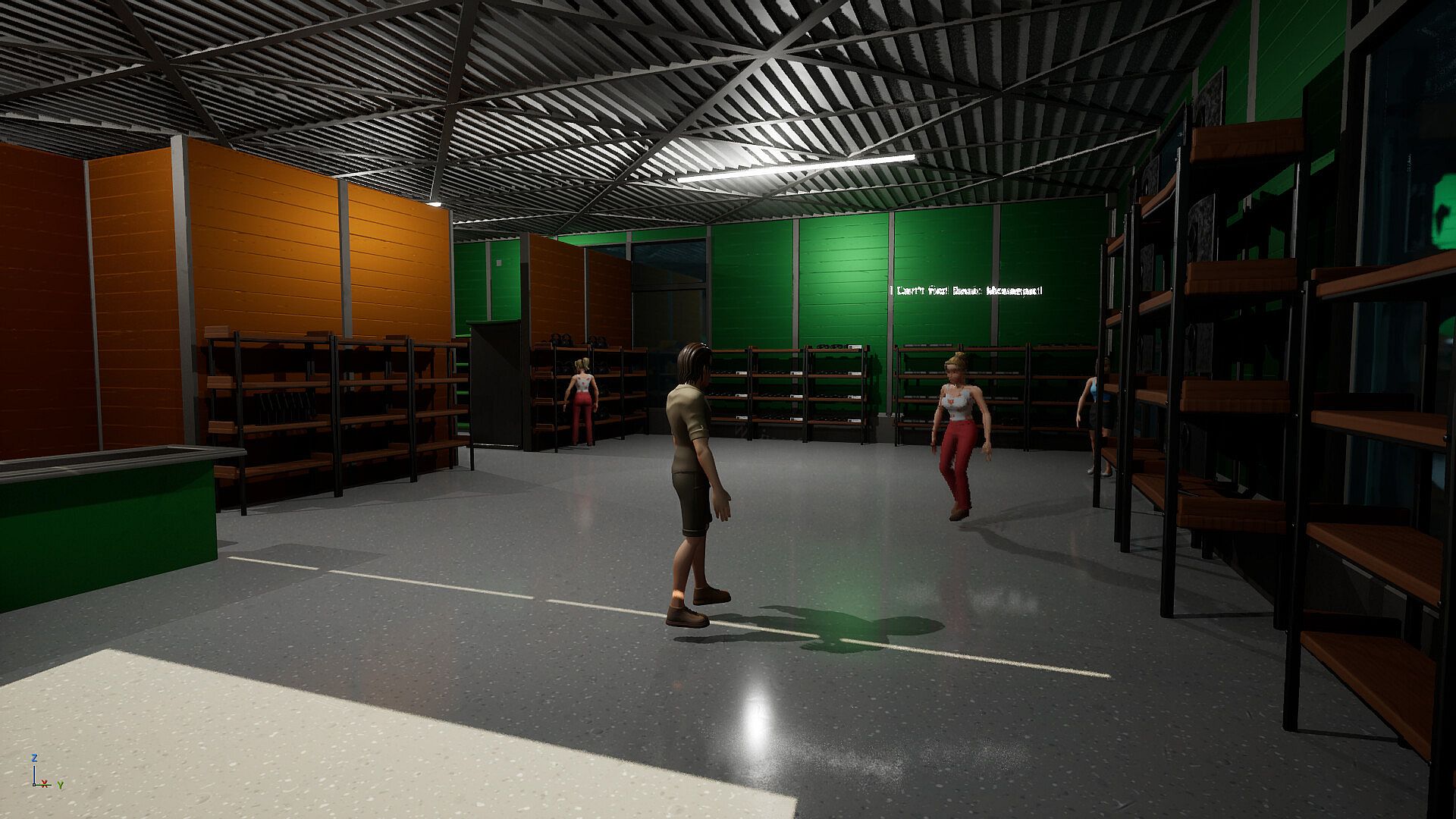
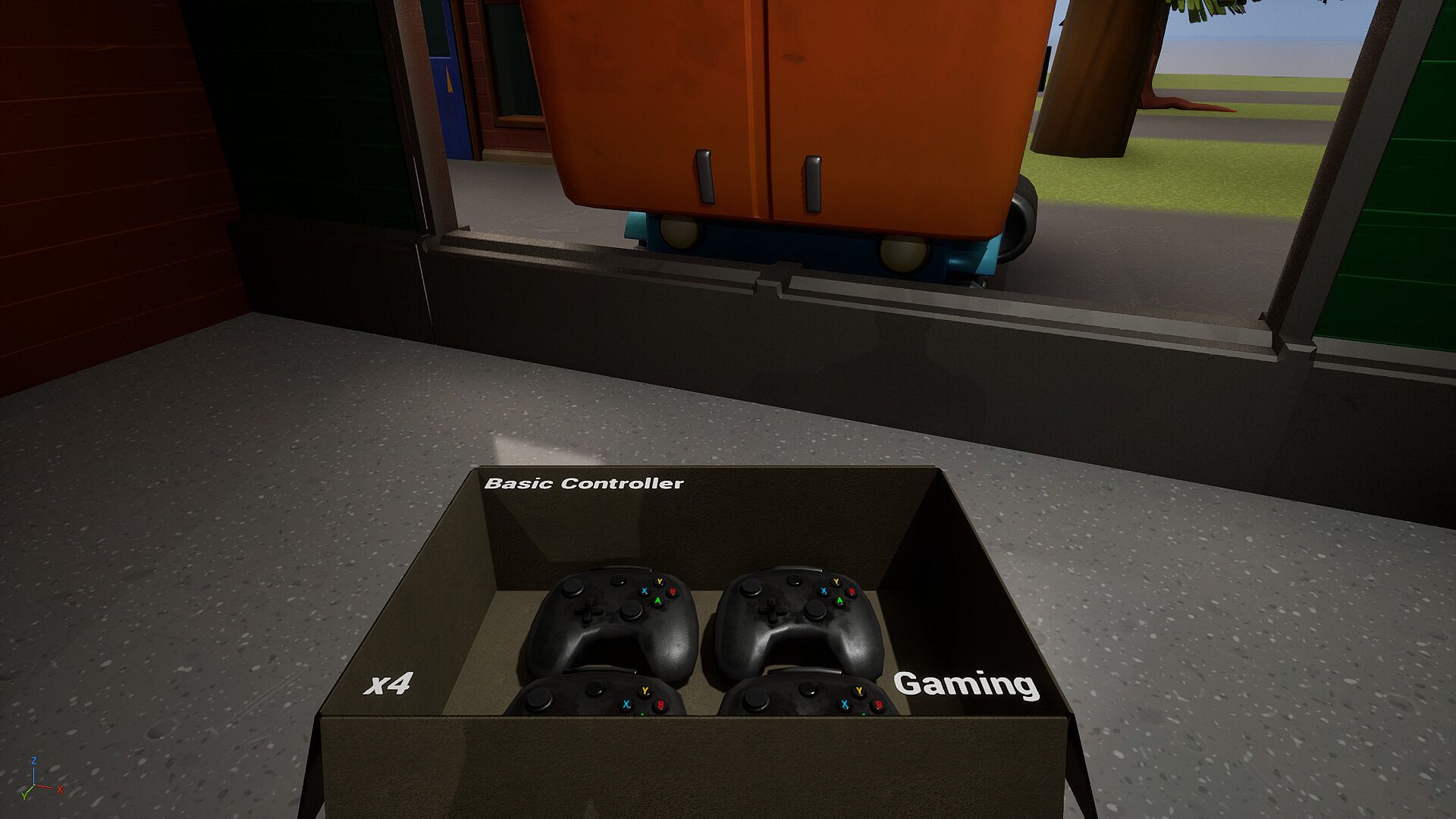
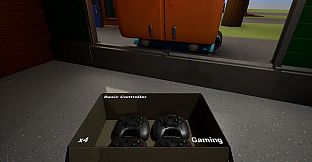
The core loop centers on daily store operations. Players order stock for basic, mid-range, and high-end tiers, unpack deliveries, and arrange items on shelves to meet customer demand. Managing cash flow remains essential, as overspending can limit future upgrades and expansions.
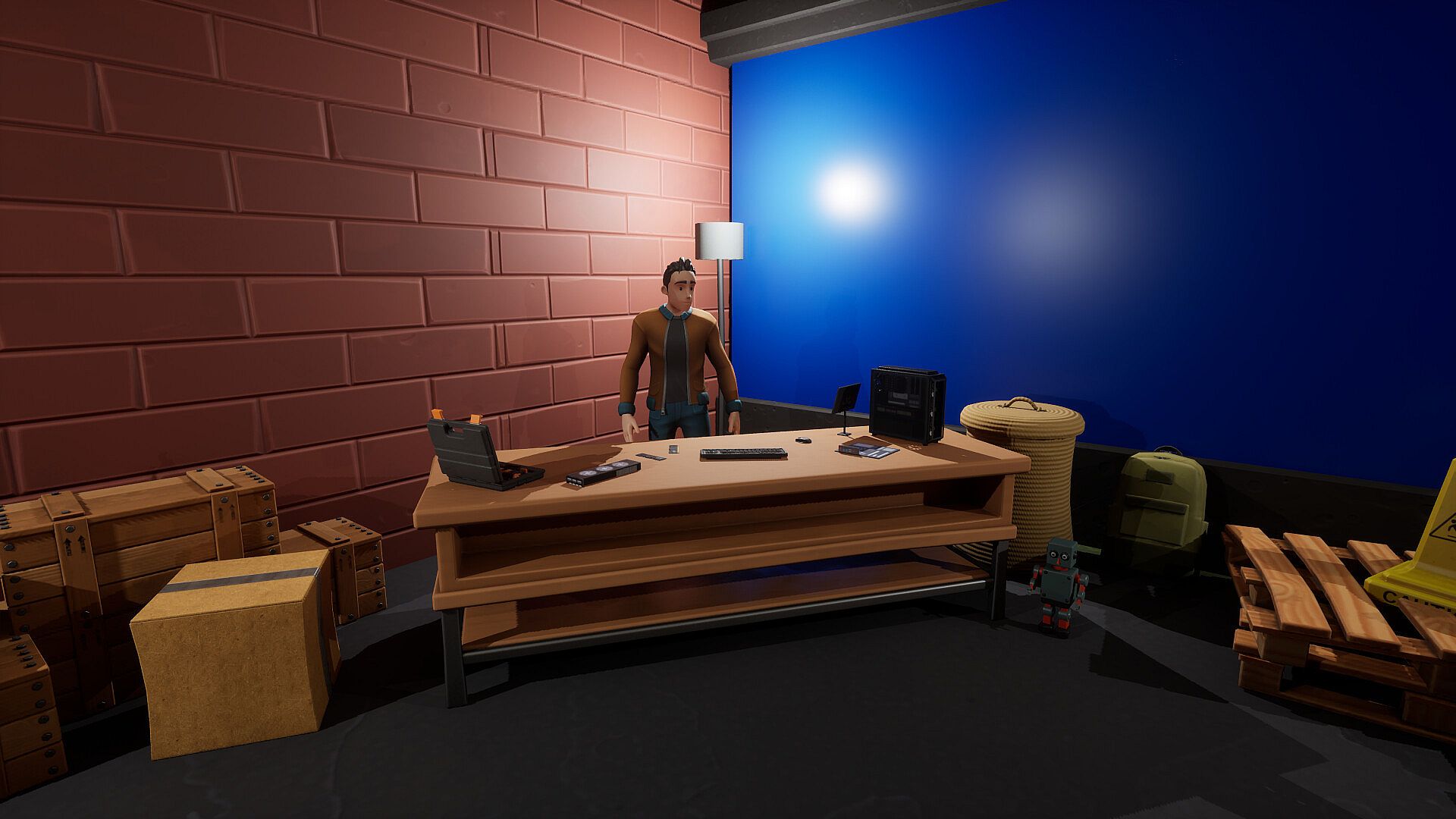
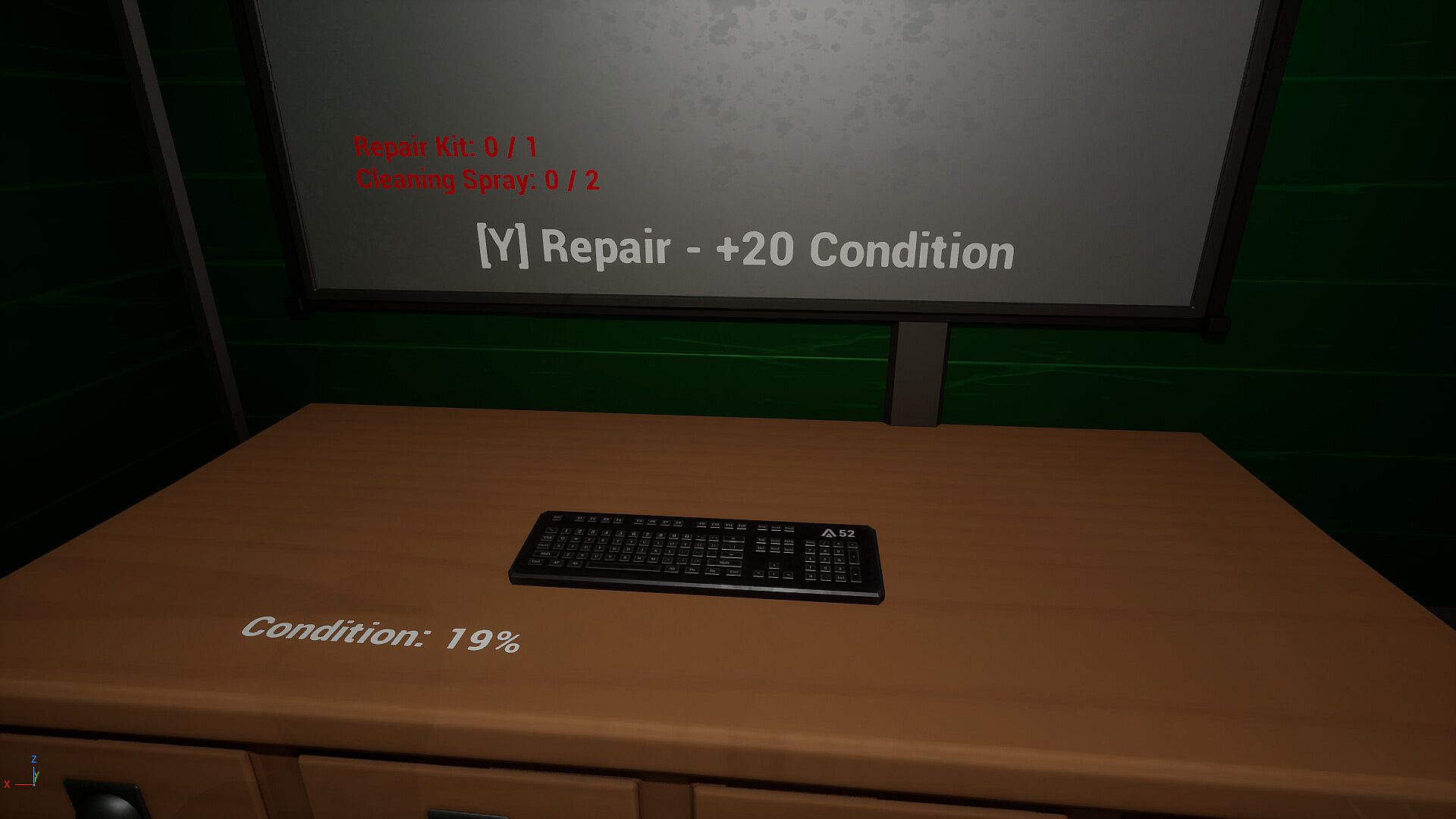
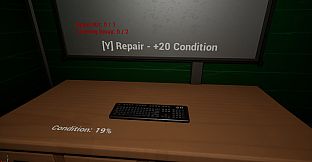
Restoration adds another layer. Damaged goods purchased from the junk dealer can be fixed at the workbench using repair supplies. Each successful repair improves condition and resale value, turning low-cost finds into profitable inventory.
Carrying capacity upgrades, such as a backpack, allow efficient movement of goods between storage, the sales floor, and the workbench. Store expansion unlocks additional space for more products and better organization.
A day and night cycle influences routines. The store opens for customers during the day, while evenings and nights create time for supply runs or other tasks around town. The junk dealer refreshes stock daily, encouraging regular visits for new repair opportunities.
Game Modes
PC Market Simulator operates as a single-player experience without separate named modes. Progression unfolds through the business simulation itself, where players balance ordering, stocking, selling, repairing, and bidding in one continuous loop.
Warehouse auctions introduce risk and reward elements. Players compete for lots of random products, then open the purchased space to claim boxed goods. Outcomes vary, sometimes yielding high-value stock and other times resulting in overpayment for less desirable items.
Overall flow emphasizes hands-on management rather than automated systems. Players personally handle most tasks early on, with growth coming from careful planning across the store, workbench, and external vendors.
Business Progression and Expansion
Starting small requires tight control over purchases and sales to build capital. Successful days lead to store upgrades that increase display space and carrying options.
Product variety grows with tiers, allowing the shop to appeal to different customer segments. High-end components demand more careful stocking and pricing to maintain margins.
Repairs and auctions provide alternative paths to inventory. These systems reward exploration of the junk dealer and auction bids, diversifying income sources beyond standard retail sales.
Is It Worth Playing?
PC Market Simulator suits players who enjoy methodical retail and business simulations with a tech focus. The first-person perspective and direct interaction with stock, repairs, and auctions create a tangible sense of running the store.
Those drawn to steady progression through inventory management, customer service, and incremental upgrades will find the loop engaging. The mix of ordering, repairing damaged goods, and auction bidding adds variety within the single-player format.
Expect a deliberate pace centered on daily routines and long-term growth rather than fast action or competition. The game appeals most to fans of simulation titles who appreciate detailed shopkeeping without heavy automation in the early stages.