

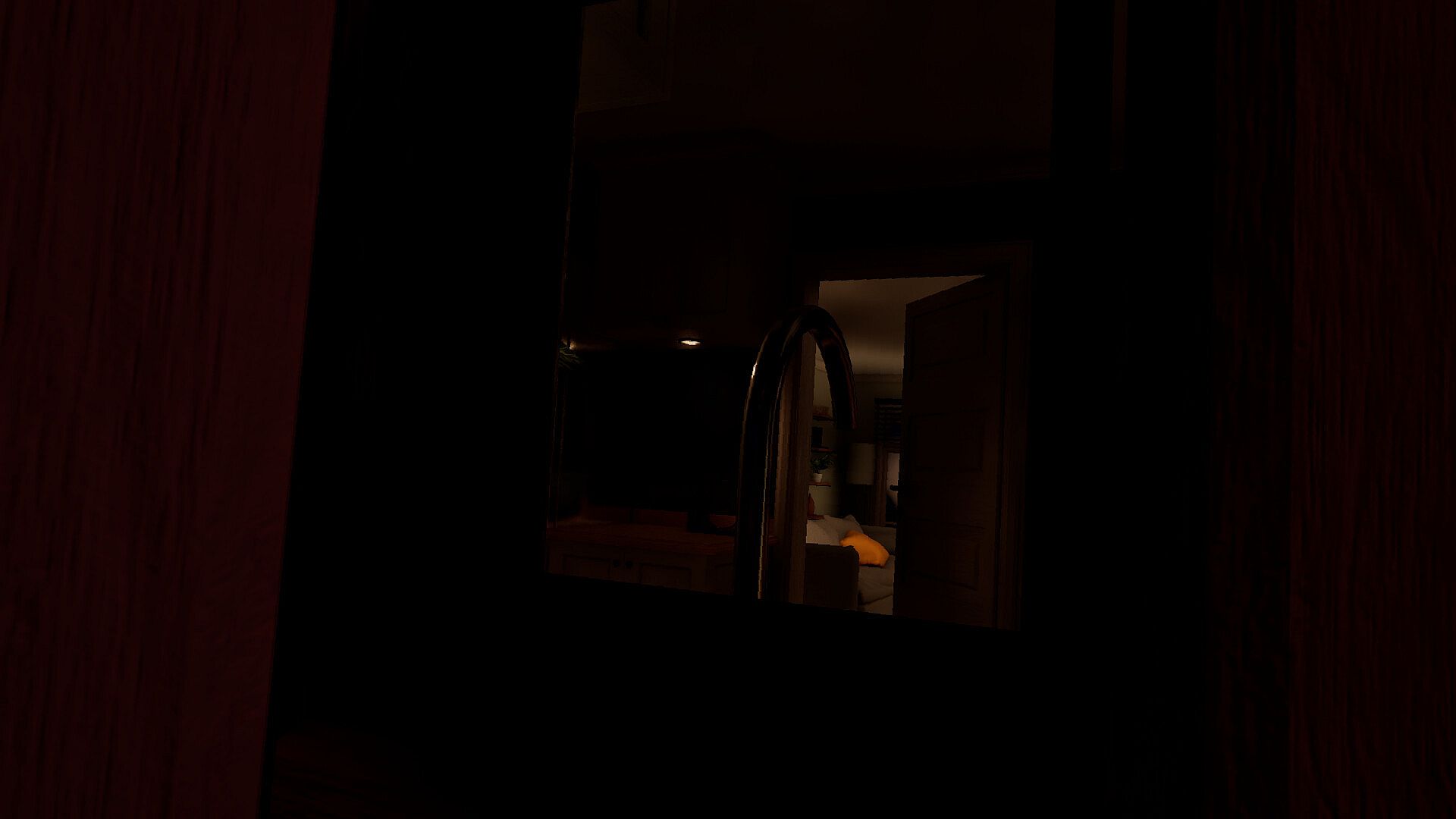
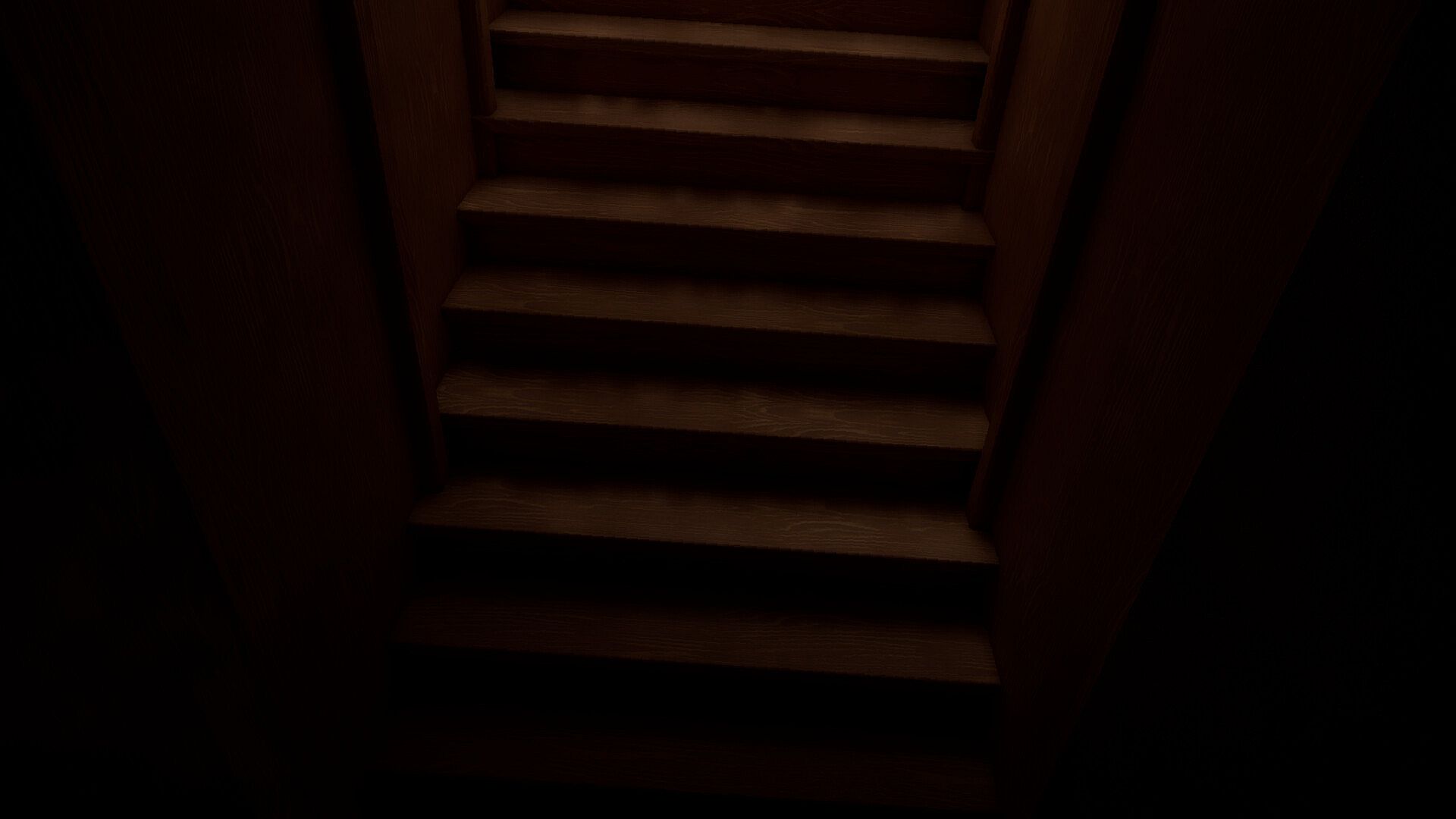
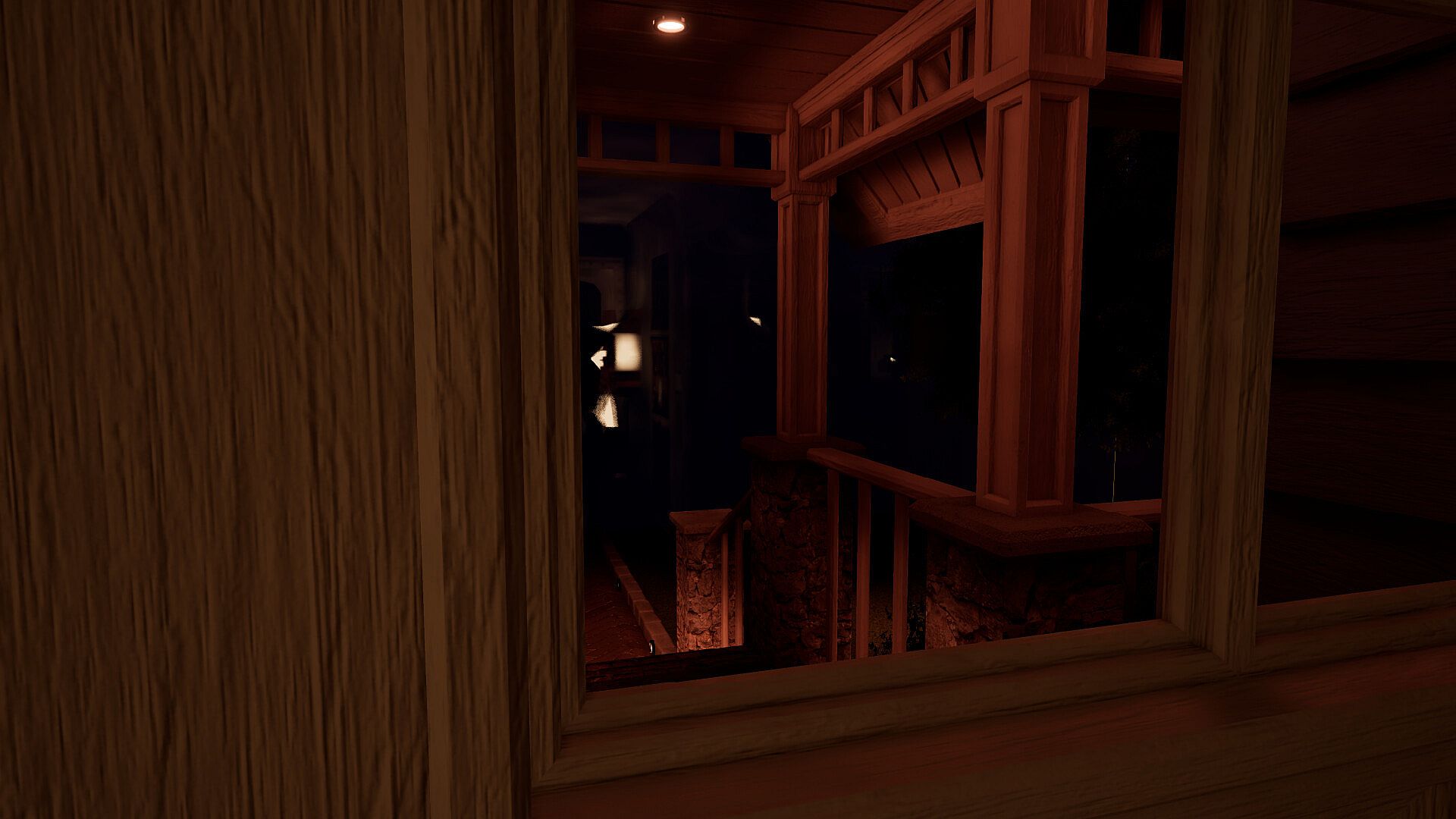
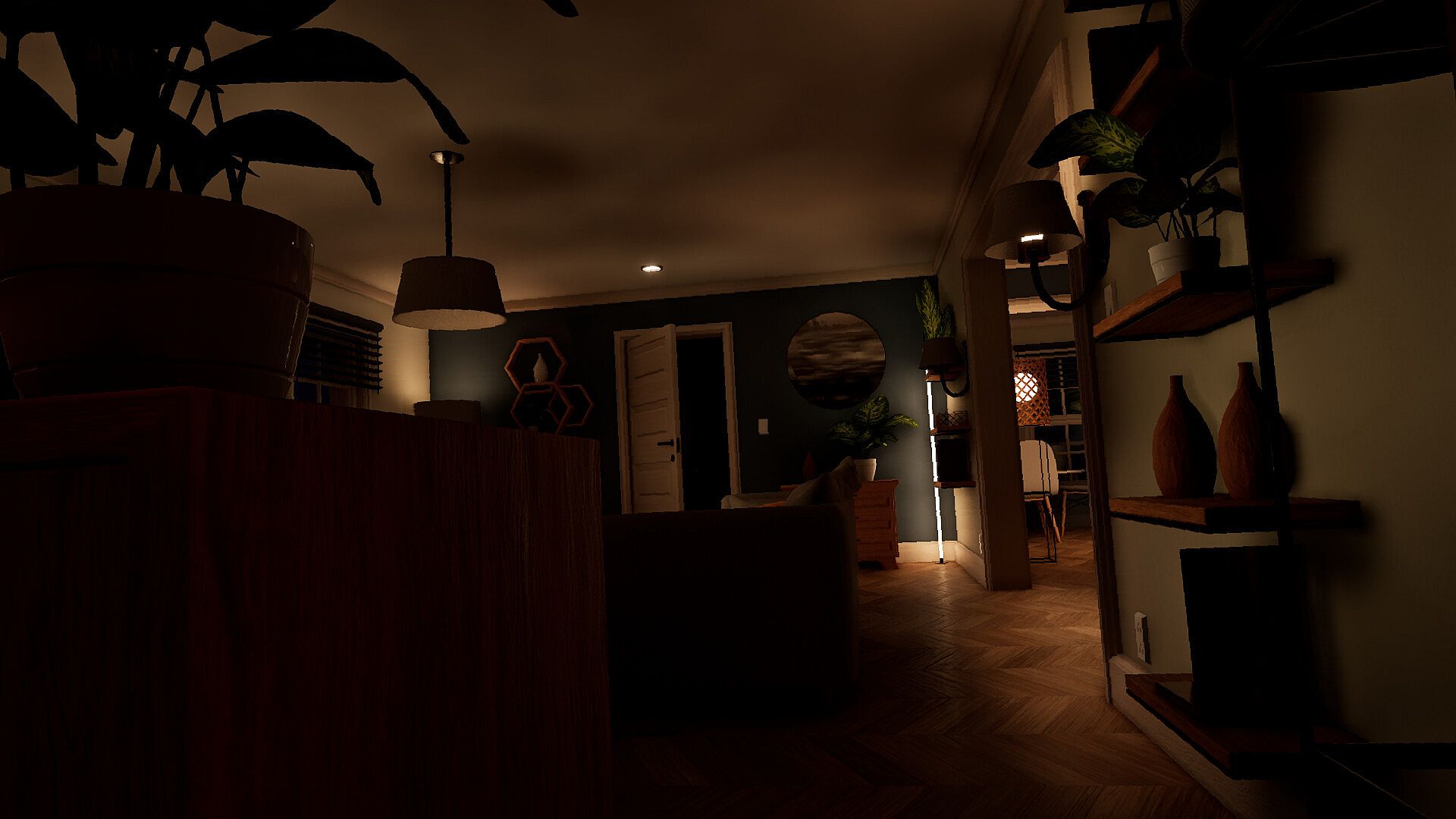
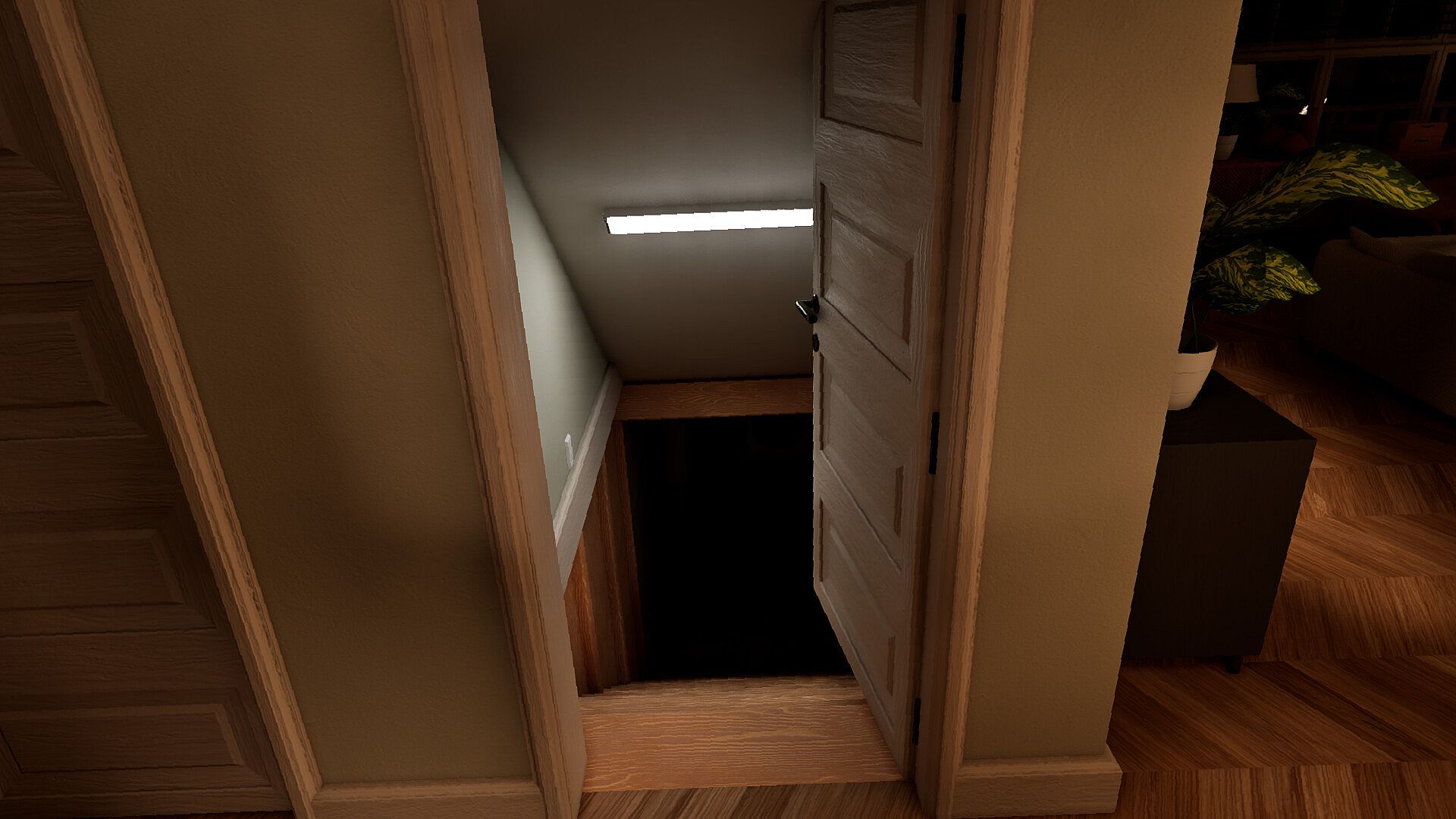


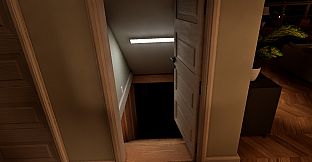
Peephole Talk is an indie first-person psychological horror thriller available on PC. The game places players in the role of Ellie during what begins as an ordinary evening at home but quickly shifts into a night of mounting tension and uncertainty. After returning from a long day, Ellie encounters a series of unexpected visitors at her door, leading to strange encounters and events that blur the line between reality and something more unsettling.
Gameplay
The core experience unfolds entirely from a first-person perspective, allowing players to see and interact with the environment through Ellie's eyes. The setting remains focused on a quiet home that grows increasingly ominous as the night progresses. Players explore rooms, examine objects, and respond to arrivals at the door by checking the peephole or deciding whether to engage with visitors. Interaction centers on careful observation and measured choices rather than combat or fast-paced action. The pacing builds suspense through anticipation, with events that can shift unexpectedly based on player decisions and timing. This approach emphasizes immersion in the psychological elements, where the fear stems from uncertainty about motives and outcomes rather than overt threats.
Game Modes
Peephole Talk operates as a single-player narrative experience without separate multiplayer components or named game modes. The structure follows a story-driven sequence centered on the events of one night, guiding players through exploration, dialogue with visitors, and responses to unfolding situations. Progression relies on interacting with the home environment and handling each new arrival in sequence, maintaining a consistent focus on tension and decision-making throughout the session. No additional modes such as survival challenges or alternative scenarios appear in the game's design.
Atmosphere and Narrative
The title creates its unsettling tone through a confined domestic space that transforms under pressure. Ordinary details like the doorbell or a knock gain weight as the night advances, with visitors introducing layers of doubt and unease. The narrative unfolds through these encounters, encouraging players to question intentions and piece together what is truly occurring. Sound design and visual cues heighten the sense of isolation, making the home feel both familiar and increasingly unsafe. This setup rewards patient engagement, where small observations and choices contribute to the overall sense of dread without relying on jump scares or constant movement.
Who the Game Appeals To
Peephole Talk targets players who prefer atmospheric psychological horror over action-heavy titles. Those drawn to story-focused experiences with emphasis on tension, exploration, and moral ambiguity will find the deliberate pacing engaging. The indie scale keeps the scope intimate, centering on personal interactions and internal conflict rather than large-scale threats. It suits sessions where players can take time to examine details and consider responses carefully, appealing to fans of slow-burn thrillers that prioritize mood and uncertainty.
Is It Worth Playing?
Peephole Talk delivers a focused psychological horror experience built around observation and choice within a single night at home. Its strength lies in the first-person immersion and the way it turns routine interactions into sources of suspense. Players who value anticipation and narrative subtlety over intense action or complex systems will likely appreciate the approach. The game remains a straightforward single-player title with no confirmed updates or additional content layers at this stage, making it a contained option for those seeking a shorter, tension-driven session. If the described mechanics of checking the peephole, managing visitors, and navigating unpredictable events align with your preferences for horror, it offers a solid match for that style of play.