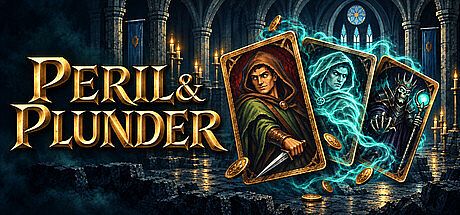


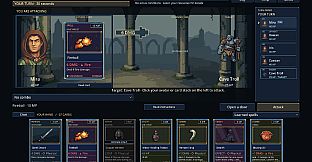
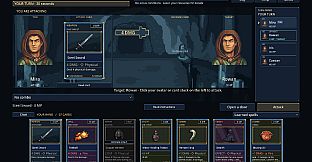
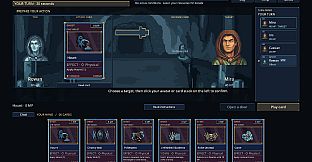
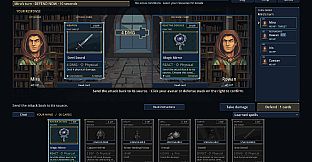
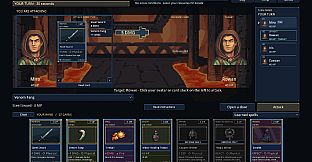
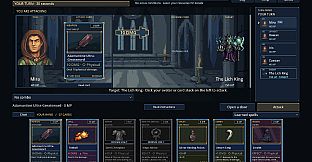
Peril and Plunder is a turn-based strategy card game set in a dangerous dungeon environment. Players form temporary groups of two to eight adventurers who explore procedurally shifting rooms while managing limited resources and unpredictable alliances. The core experience centers on drawing cards that represent weapons, spells, armor, and tools encountered during descent, then using those cards to battle monsters, secure loot, or disrupt fellow players.
Gameplay
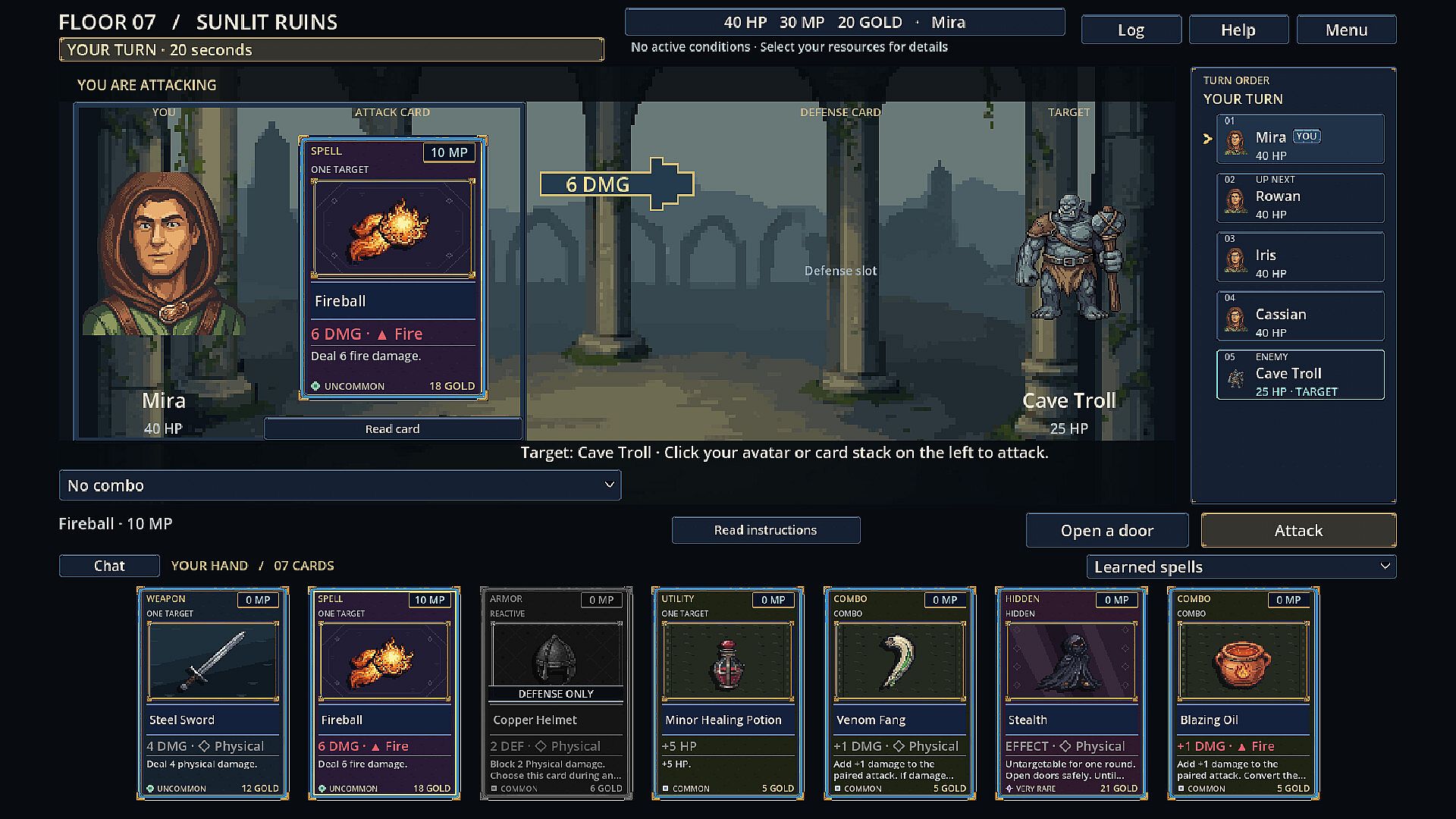
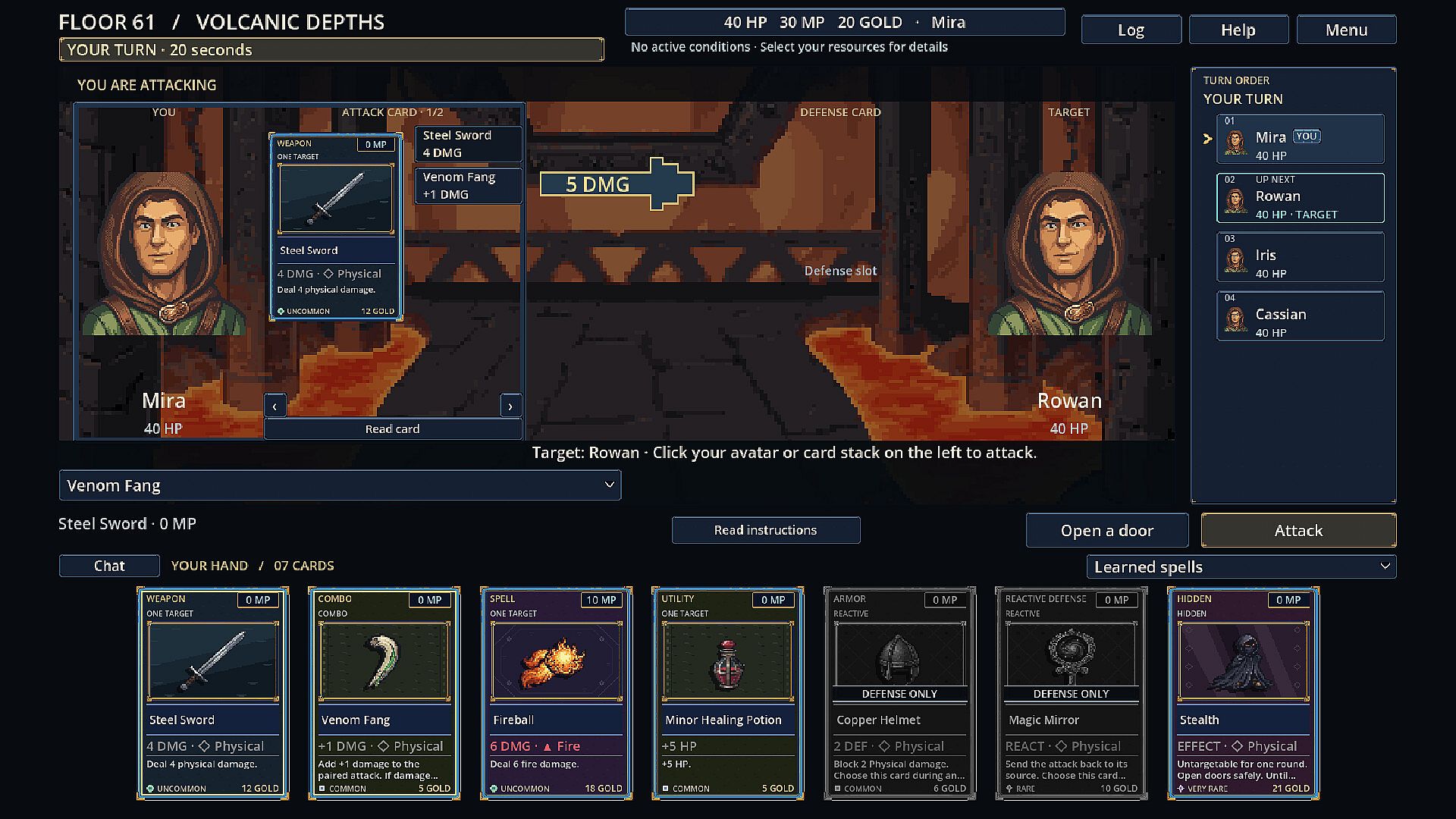
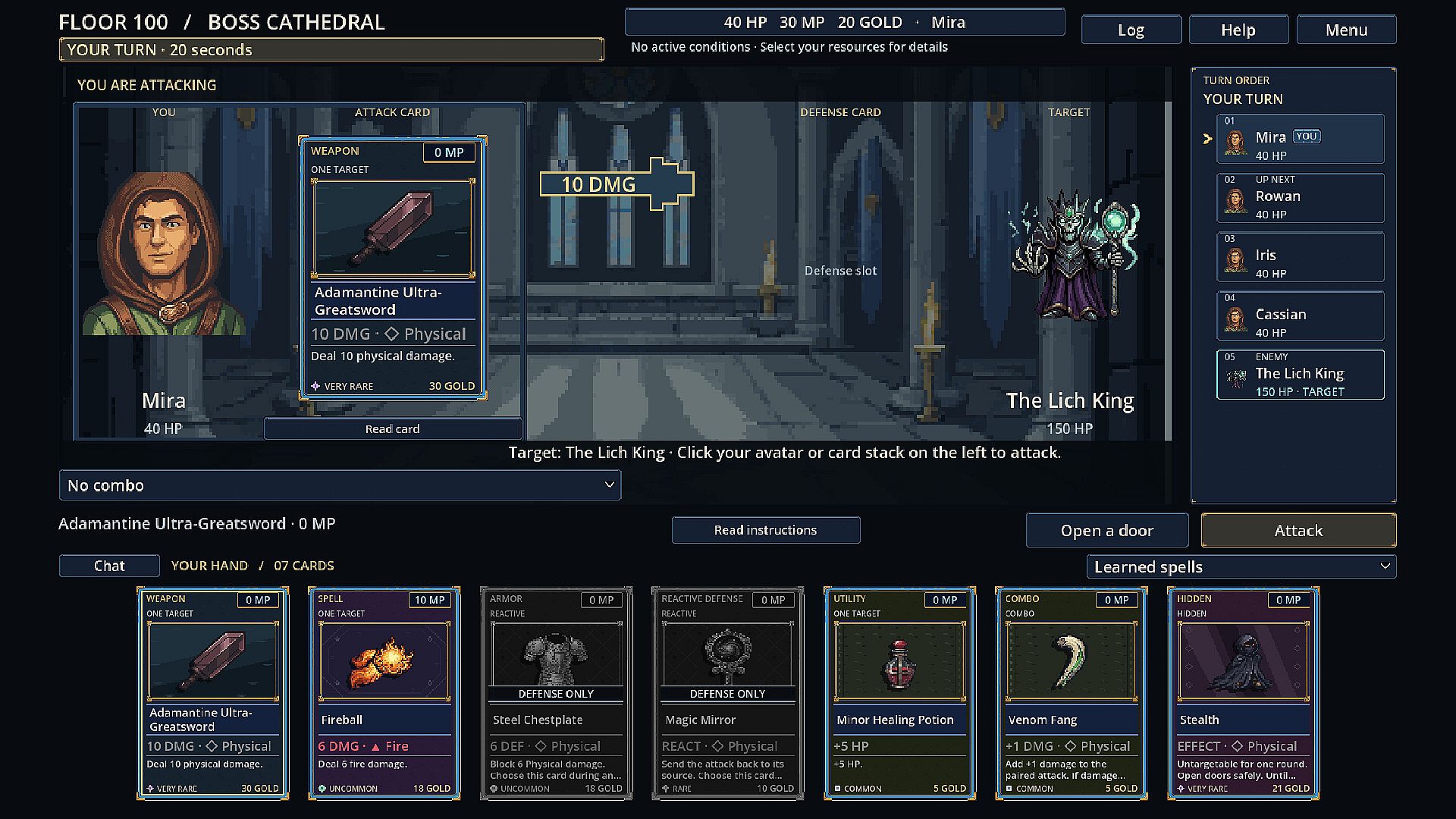
The game begins with no pre-built deck. Participants enter the dungeon and draw from a shared pool of cards that appear as they progress through rooms. Each turn offers a choice between playing a card from hand or opening a new door to reveal fresh challenges and opportunities. Combat against monsters escalates in difficulty the deeper the group travels, requiring careful management of offensive and defensive options drawn on the fly.
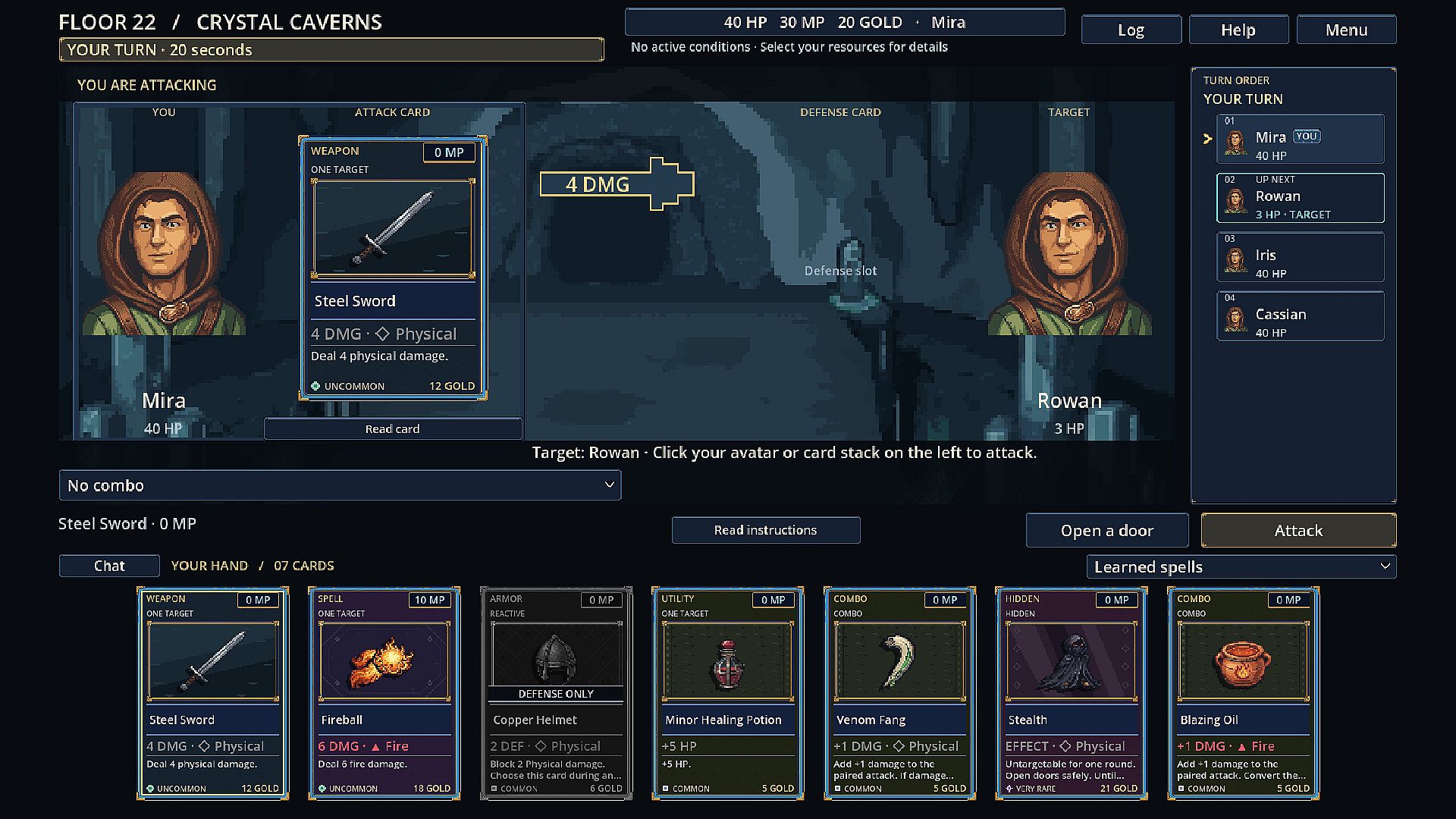
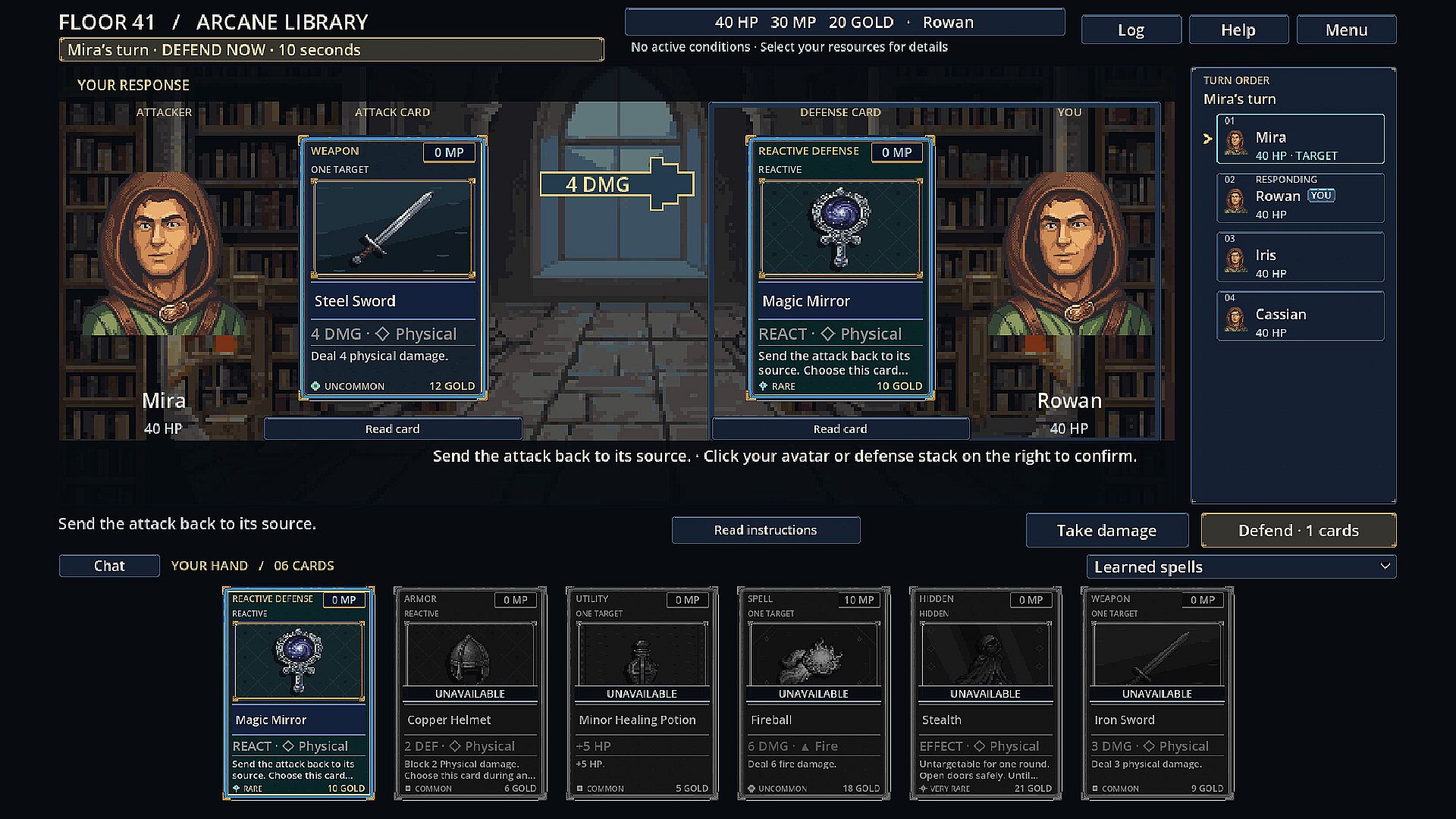
Betrayal forms a central tension. Cards spent to assist another player cannot be used for personal survival or attacks, creating constant calculations about when cooperation serves long-term interests. Direct attacks on rivals are possible at any time, and defensive cards can be held in reserve to counter such moves. The system rewards timing and observation, as a single powerful card can shift momentum dramatically for the entire group.
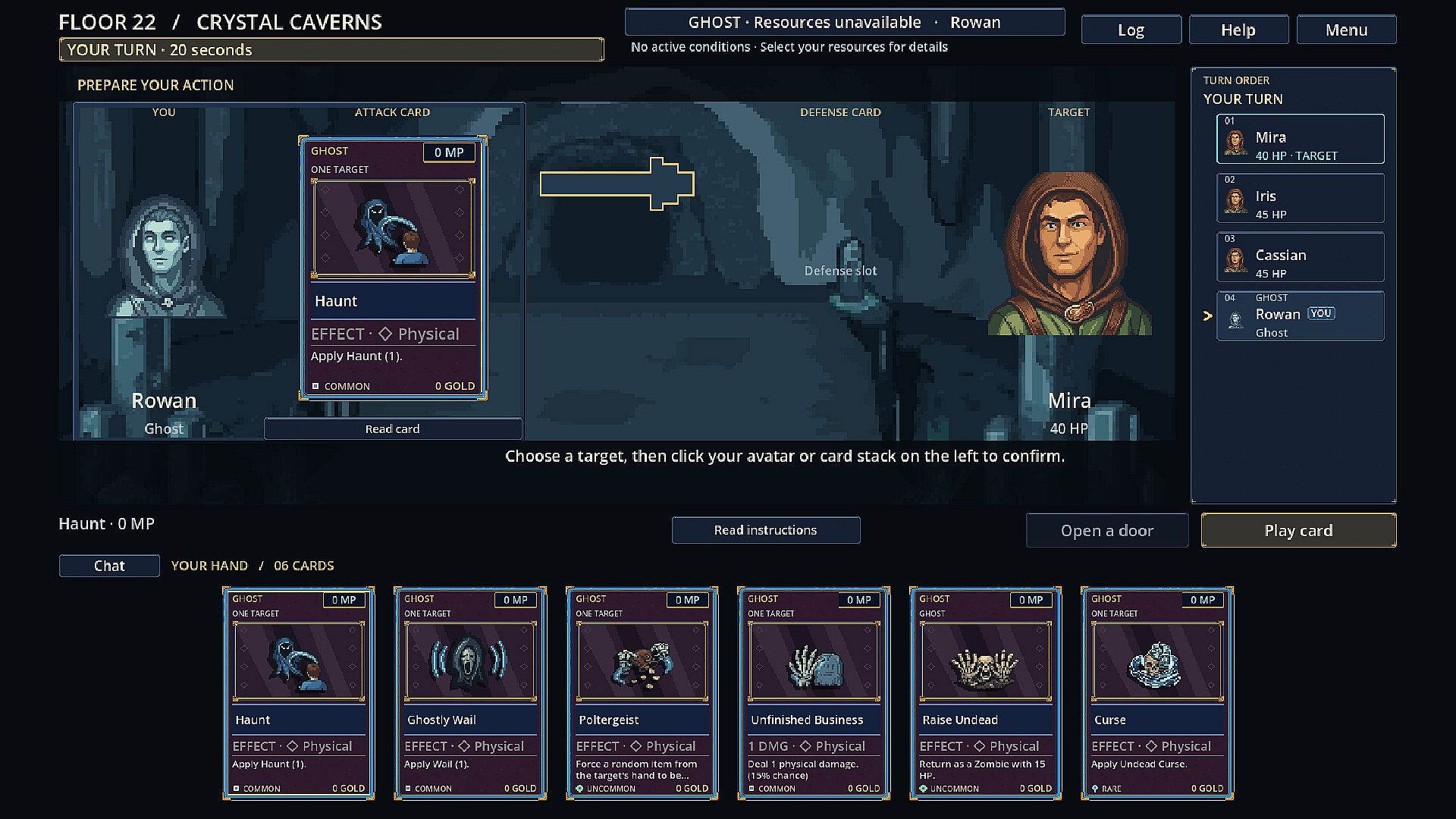
Death does not end participation. A fallen adventurer returns immediately as a ghost equipped with new abilities focused on interference. Ghosts can haunt remaining players, spread additional hazards, or attempt to possess bodies to re-enter the living game. The player responsible for the kill must still complete the dungeon run, adding layers of consequence to aggressive plays.
Game Modes
Peril and Plunder supports sessions for two to eight participants in a shared dungeon environment. The format emphasizes free-form interaction where alliances form and dissolve organically based on card draws and room layouts. No separate competitive ladders or cooperative-only variants are detailed beyond the standard multiplayer structure that blends exploration, combat, and player-versus-player elements within the same descent.
Progression through changing dungeon rooms drives the session length and tension. Groups decide collectively how far to push, balancing the risk of stronger monsters against the potential for greater rewards. The absence of pre-match preparation means every run begins on equal footing, with outcomes determined by draws, decisions, and interpersonal dynamics rather than external deck building.
Key Mechanics
Card combination serves as the primary strategic layer. Players experiment with synergies between weapons, spells, and tools drawn during play, adapting strategies as the dungeon reveals new threats. Room changes introduce variability, preventing repetitive patterns across multiple sessions.
Ghost mechanics extend the game state after elimination. These spectral abilities focus on disruption rather than direct victory conditions, allowing eliminated players to influence the final outcome without returning to full adventurer status. The design keeps all participants engaged until the dungeon run concludes.
Is It Worth Playing?
Peril and Plunder targets players who enjoy strategy card games with strong social and betrayal elements. The turn-based structure and lack of pre-built decks lower barriers for newcomers while rewarding quick adaptation and reading opponents. Its focus on 2-8 player groups makes it suitable for regular game nights where interaction and unexpected reversals matter more than polished solo campaigns.
The game remains unreleased with a planned launch in November 2026 and currently carries no user reviews. Its solo development origin and emphasis on core systems over extensive features suggest a focused experience centered on the described dungeon descent and ghost interference loop. Those drawn to indie strategy titles that mix exploration with direct player conflict may find the mechanics compelling once available on PC.