

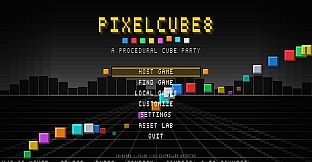
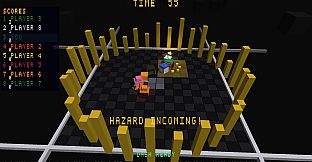
PixelCube8 is an indie casual party game developed for PC that centers on chaotic cube competitions for groups of up to eight players. The experience revolves around quick sessions of mini-games mixed with board-style progression, all built around procedurally generated geometry and runtime-synthesized audio.
Gameplay
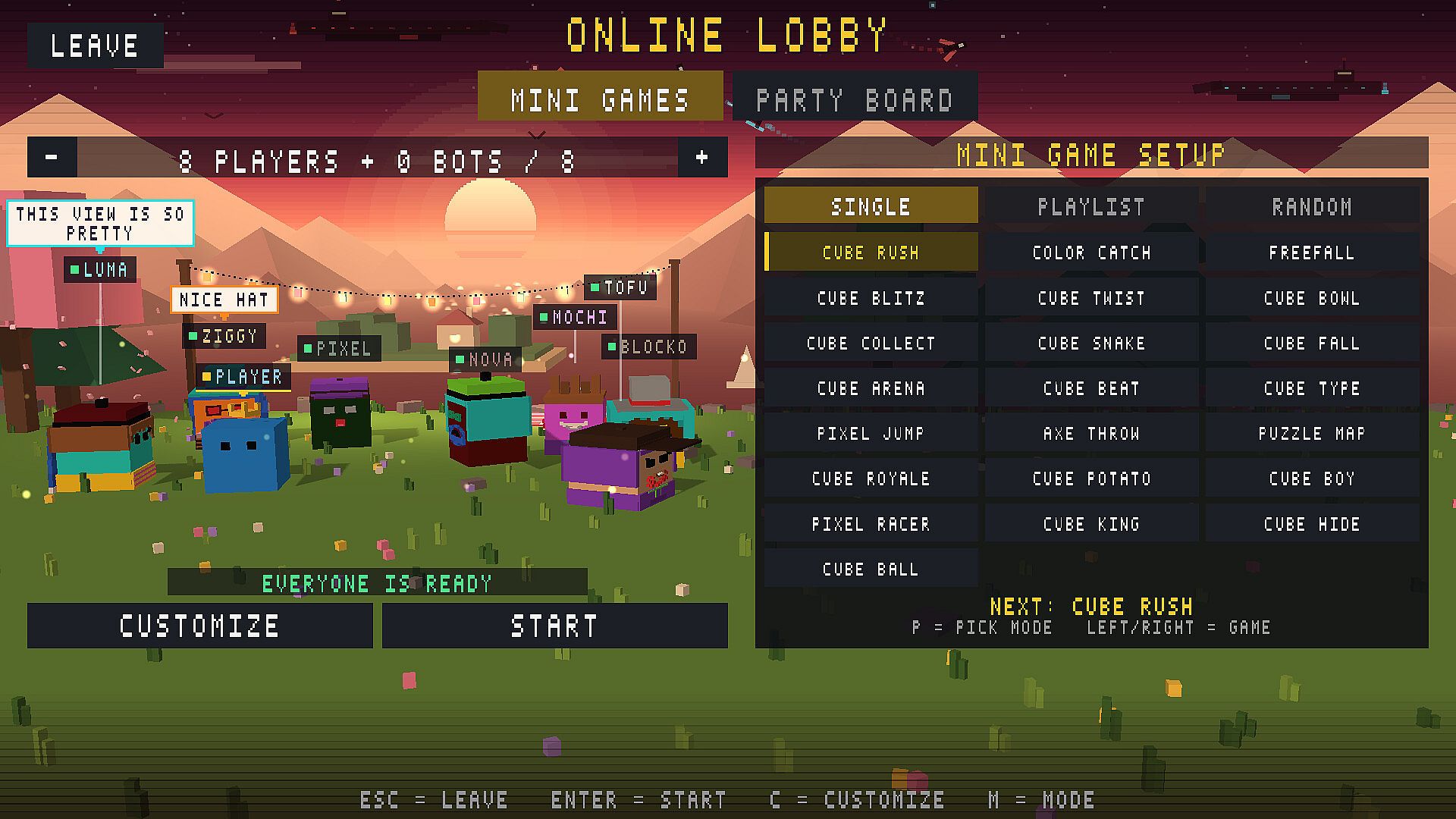
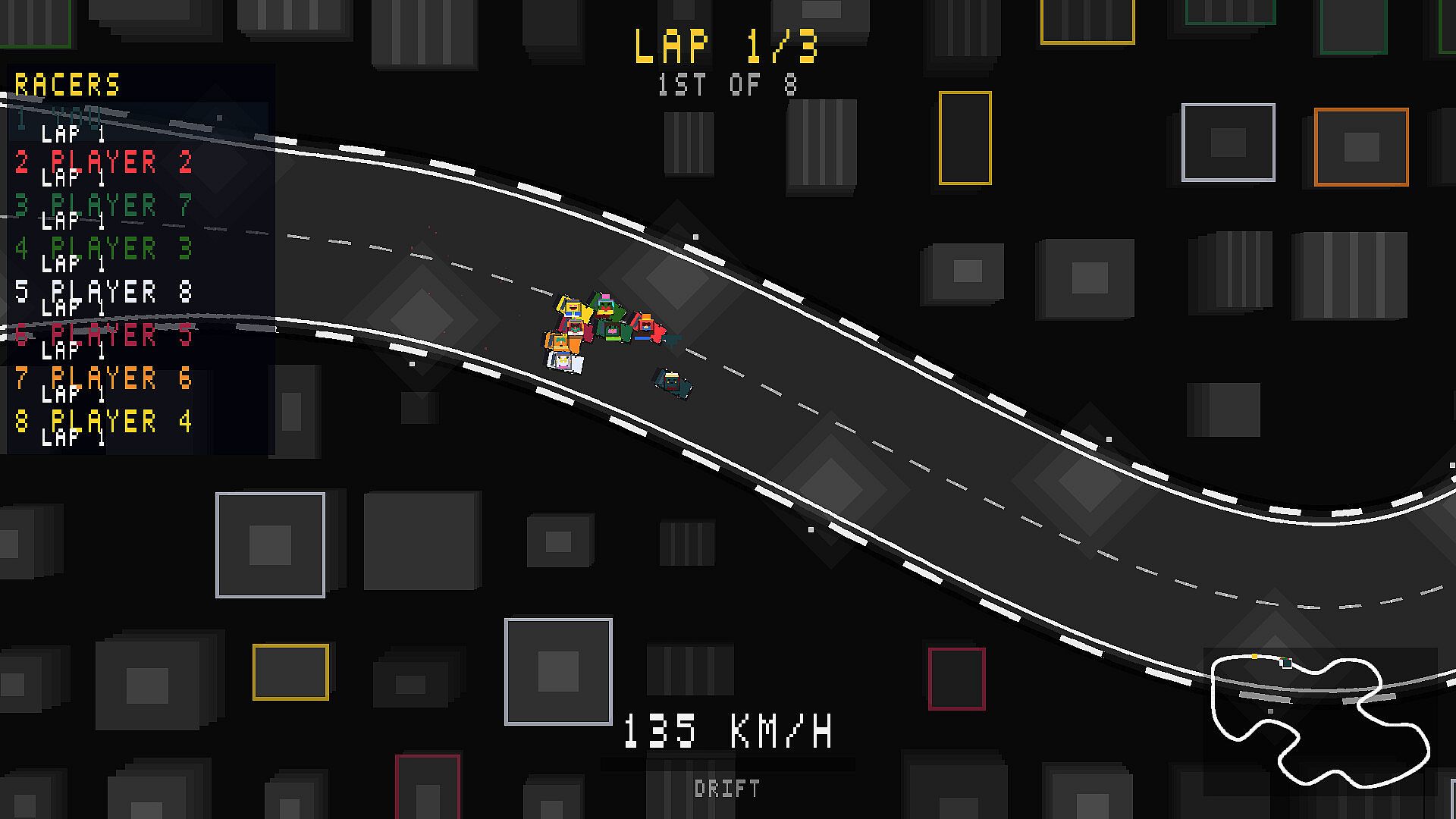
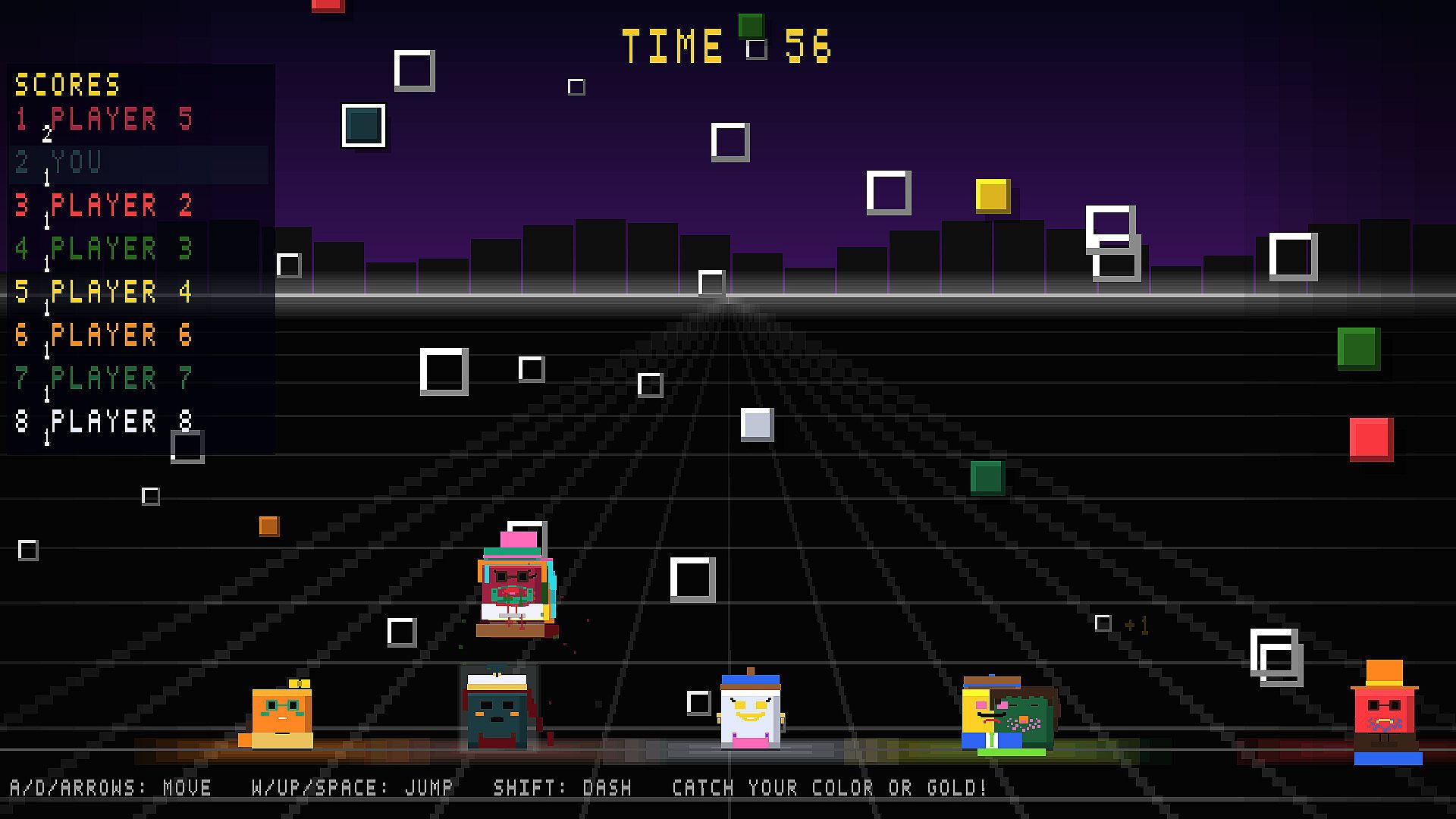
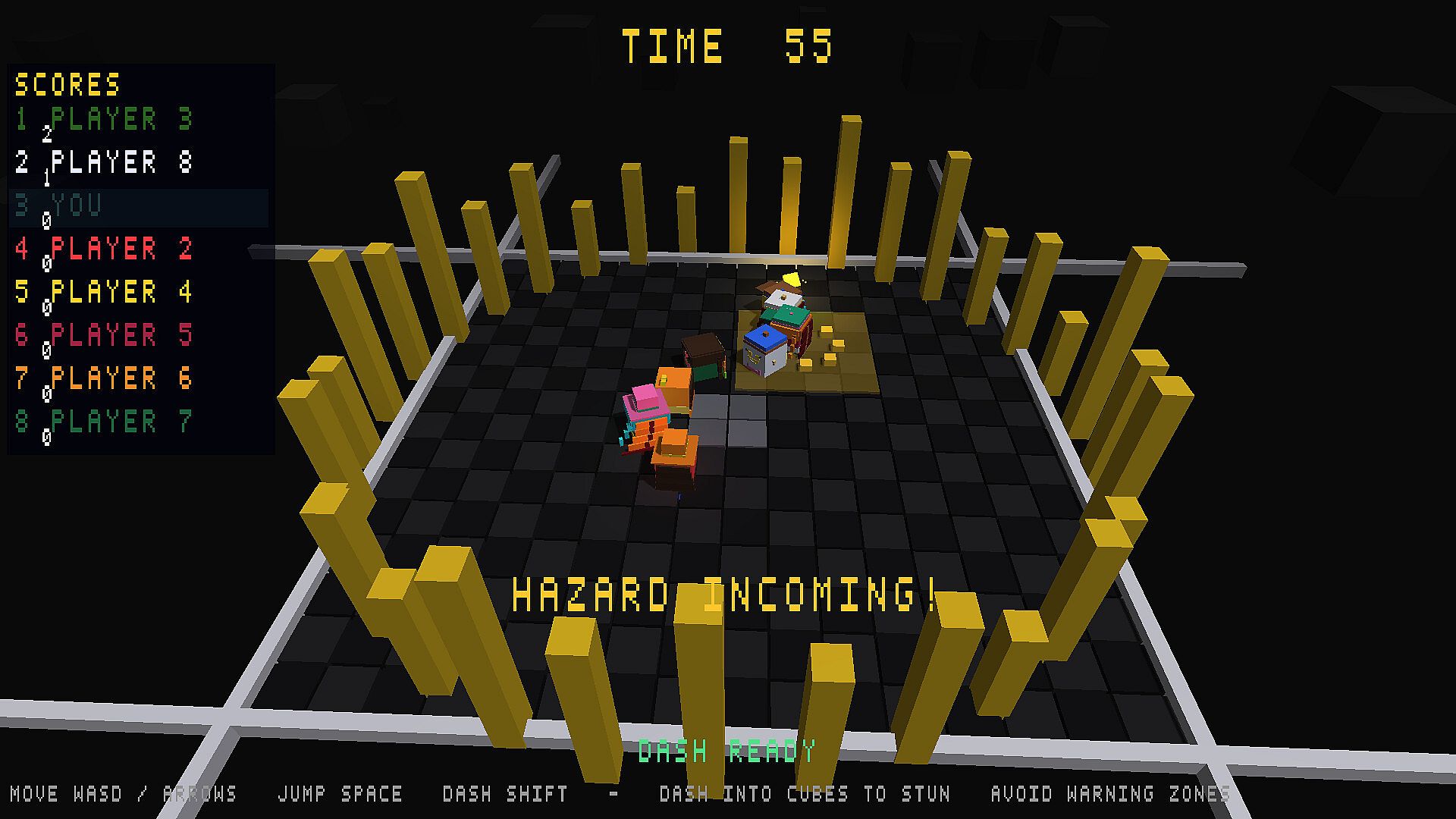
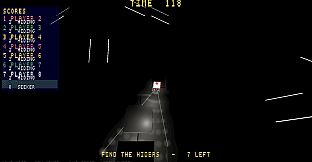
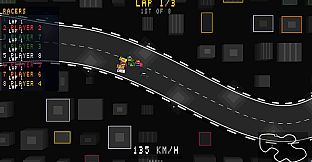
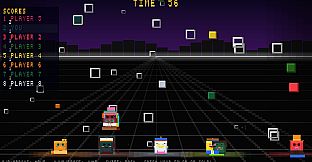
Core play involves selecting from a large selection of mini-games that test different skills in short bursts. Participants race through neon environments, navigate collapsing paths, match rhythms, out-type opponents, evade detection in low-light conditions, or compete in shrinking arenas. Each round emphasizes reaction time, positioning, and direct competition rather than long-term strategy. Procedural geometry ensures that layouts shift between sessions, while sound effects and music generate on the fly to match the action. Players customize their cube appearance in a dedicated screen before matches begin, carrying that visual identity into every round.
Game Modes
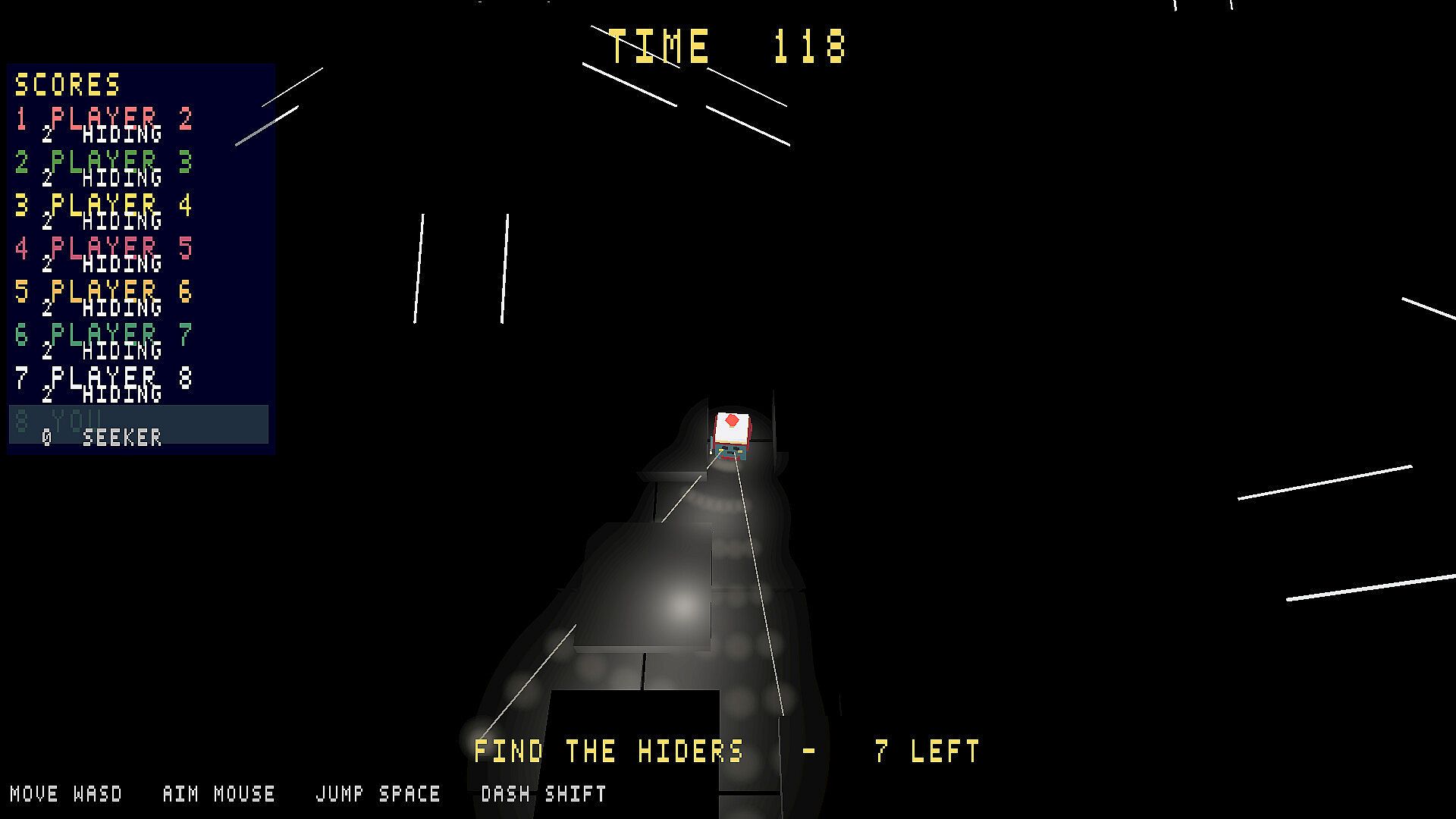
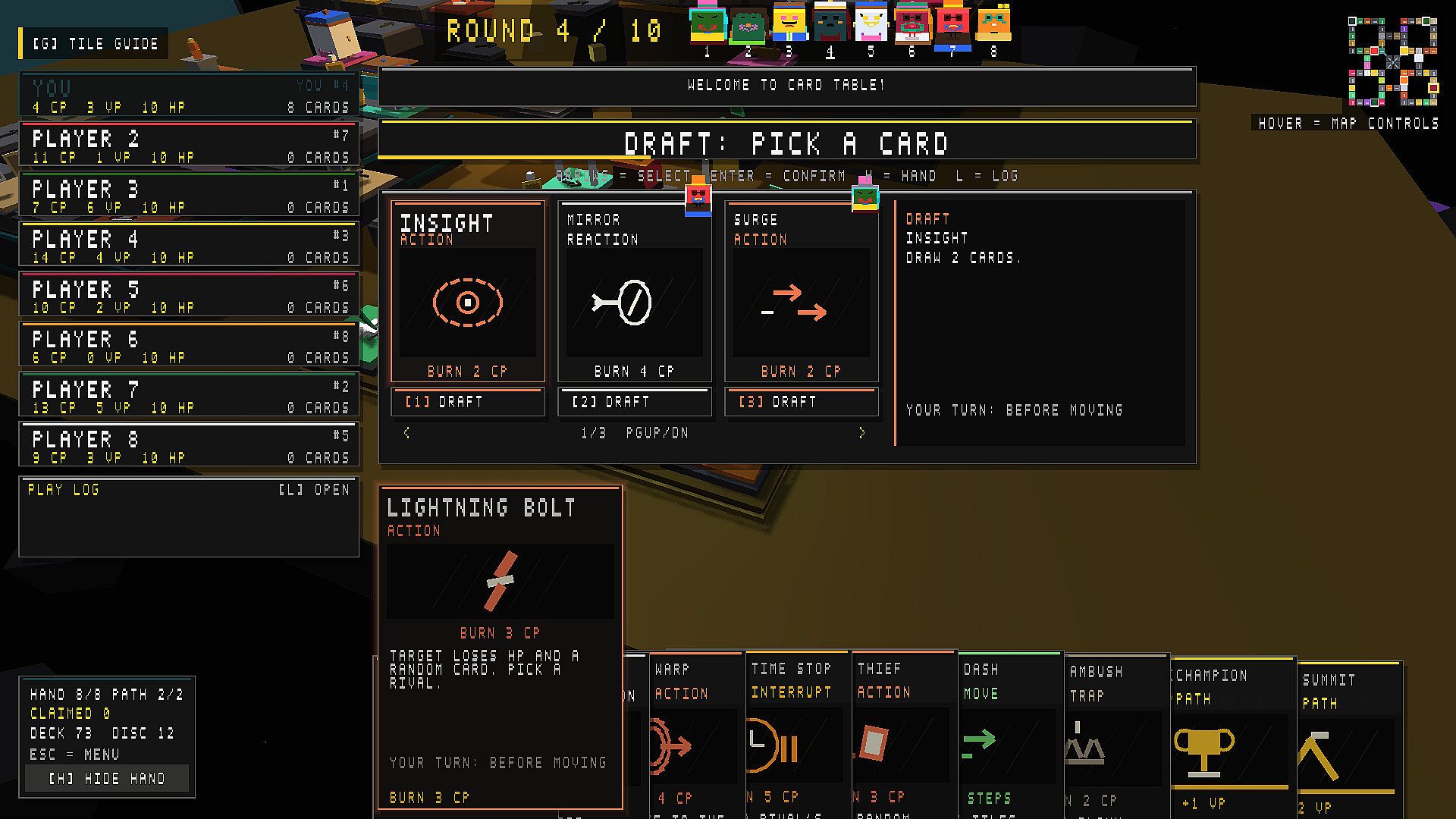
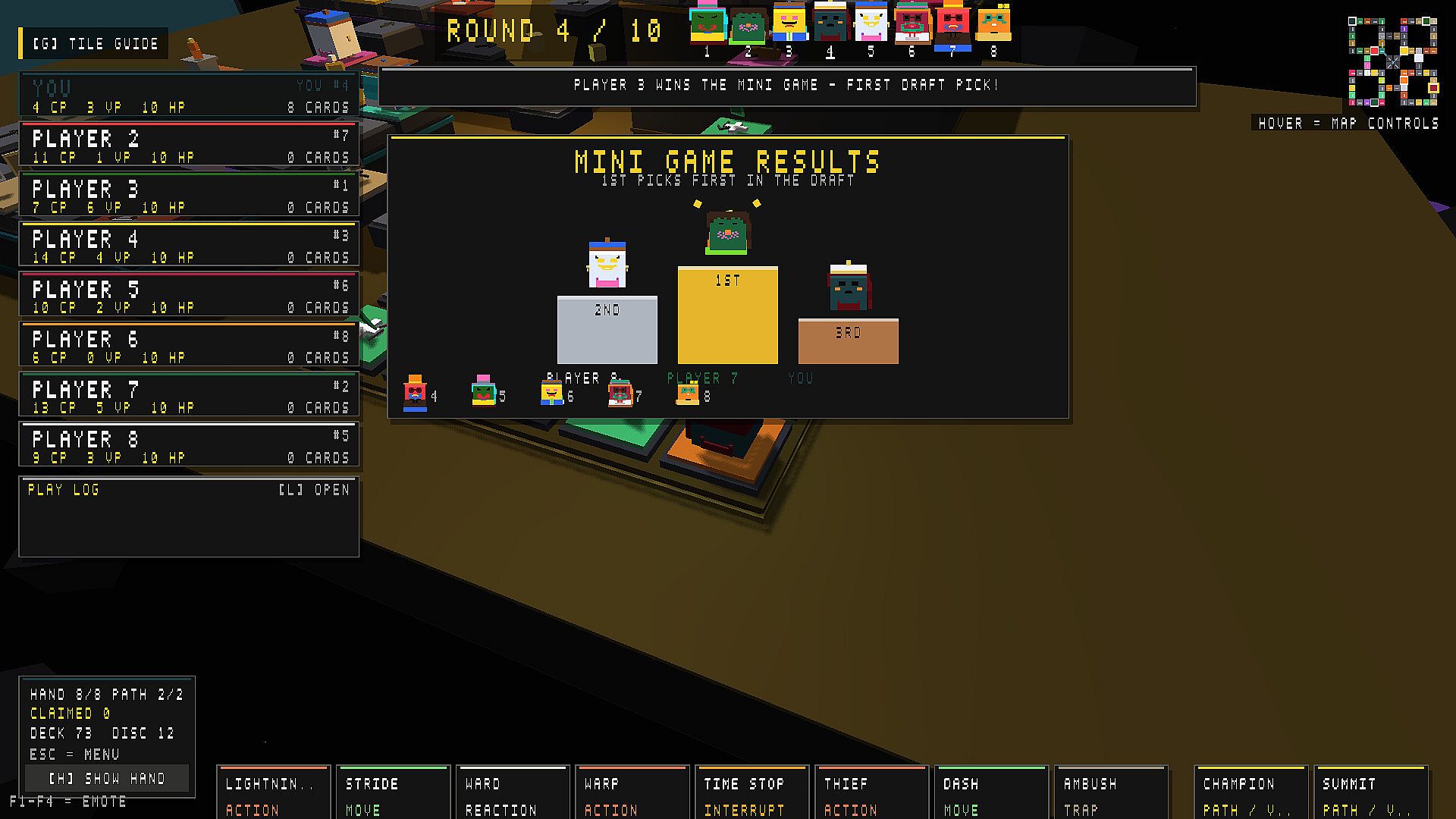
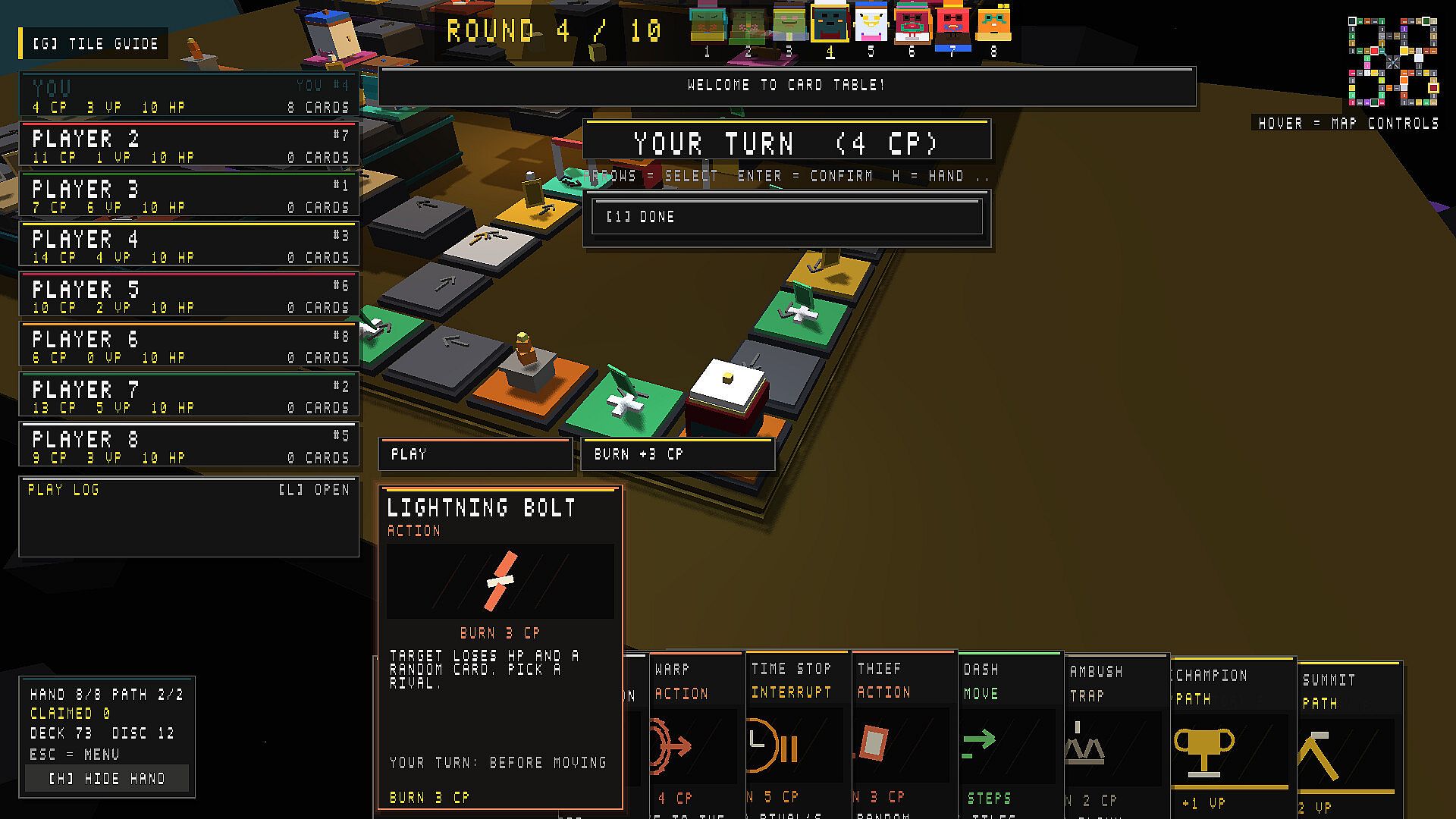
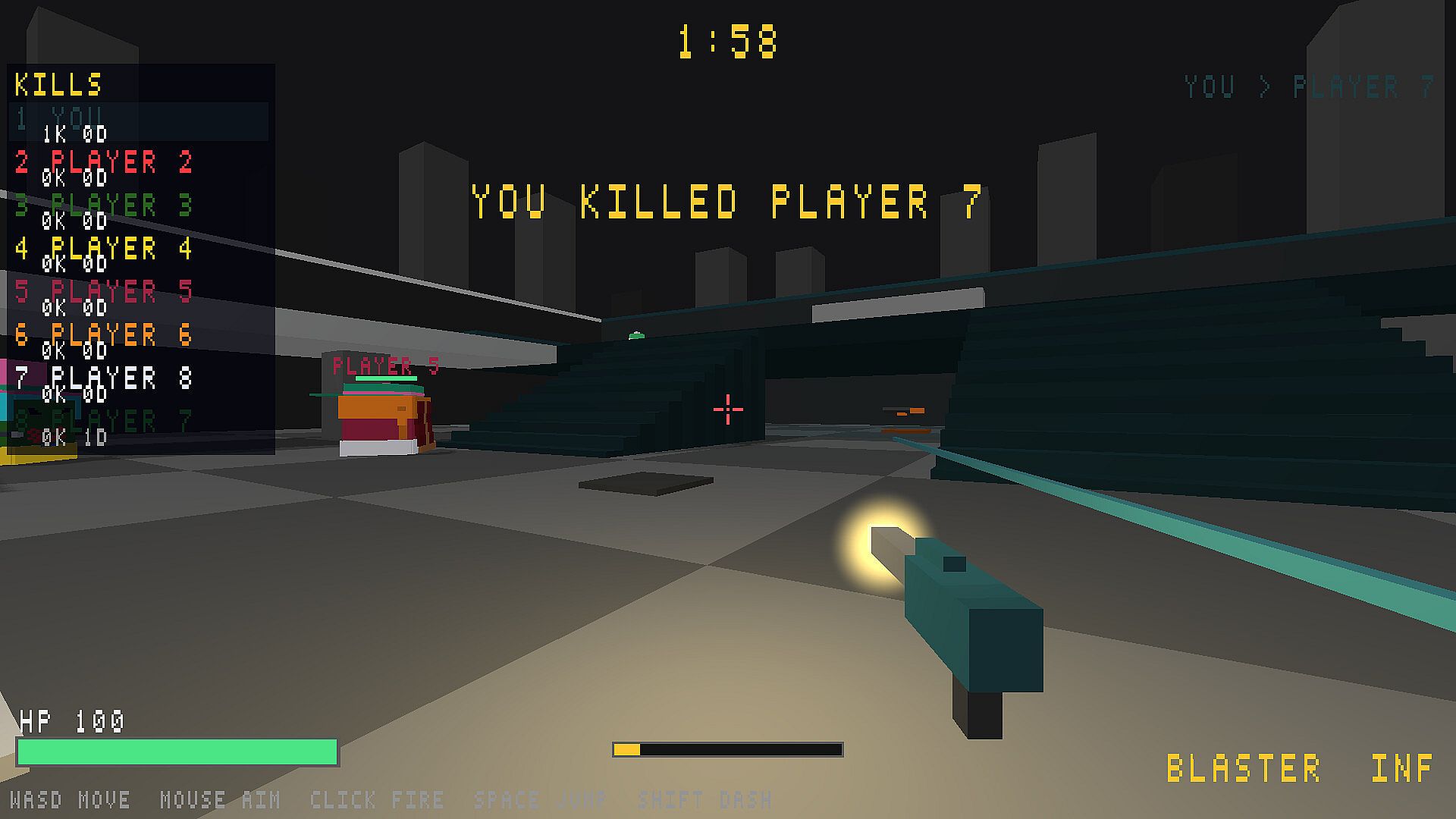
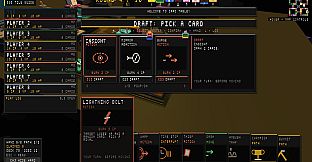
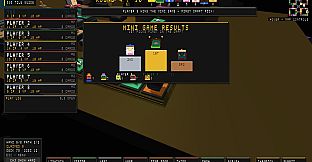
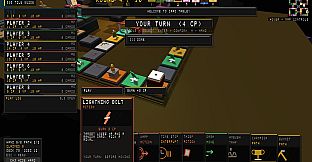
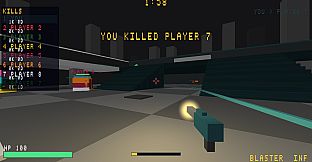
Direct mini-game selection lets groups cycle through challenges or repeat favorites for focused competition. Cube Royale shifts the focus to elimination, where armed cubes battle until one remains standing. Team-based arena clashes add coordination elements, and flashlight hunts turn the tables into asymmetric seeker-versus-hider scenarios. The Party Board introduces a separate layer of structure. In card mode, participants build hands, play cards to influence turn order or events, and convert extras into resources while accumulating victory points. Dice mode offers a more traditional board feel, with rolls determining movement, coin collection, and purchases that lead toward crowns. Both board variants incorporate items and multi-level maps, with occasional interruptions from bonus mini-games.
Customization and Presentation
Every cube receives unique visual treatment through the customization tools, allowing players to differentiate themselves across rounds. The underlying systems rely on procedural generation for geometry during gameplay and real-time synthesis for music and effects. This approach keeps each session visually and audibly distinct without relying on pre-authored assets. Offline bots fill out lobbies when needed, with adjustable difficulty settings that scale from basic to challenging opponents.
Practice and Multiplayer Setup
Players can run solo sessions against bots to learn the timing and tactics of individual mini-games before entering online lobbies. Difficulty options range from easy introductions to harder simulations that demand precise execution. Online play supports hosting or joining sessions for up to eight participants through standard PC multiplayer connections.
Is It Worth Playing?
PixelCube8 appeals most to groups that enjoy short, varied party sessions with friends rather than deep single-player campaigns. The mix of direct mini-game competition and optional board progression provides flexibility for different group sizes and session lengths. Offline bot practice lowers the barrier for newcomers, while procedural elements and runtime audio keep repeated play from feeling identical. Those seeking consistent updates or large-scale competitive ladders will find less emphasis here, but the core loop supports repeated casual gatherings focused on quick reactions and light strategy. The title fits players who value accessible multiplayer chaos over complex progression systems.