





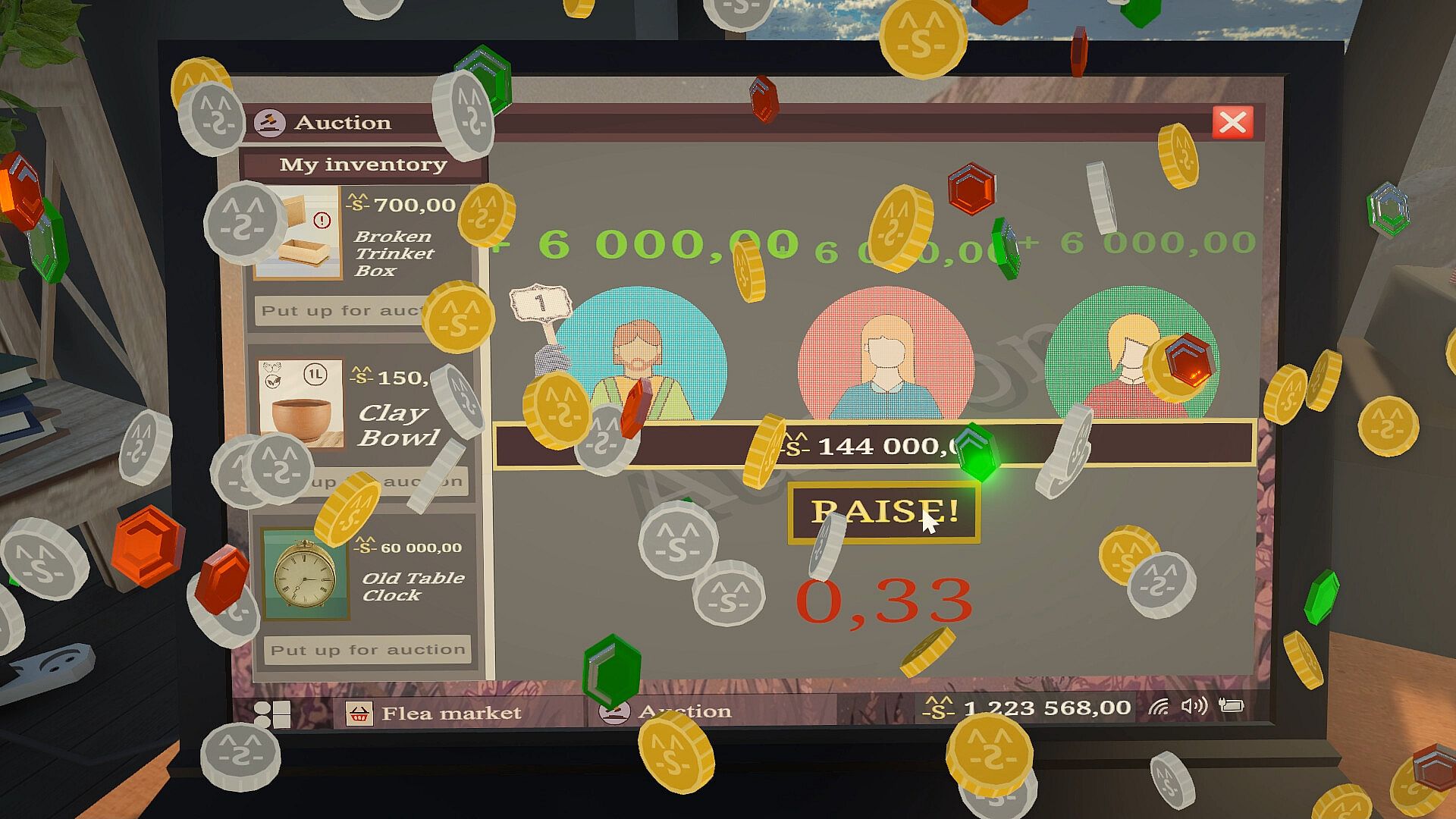
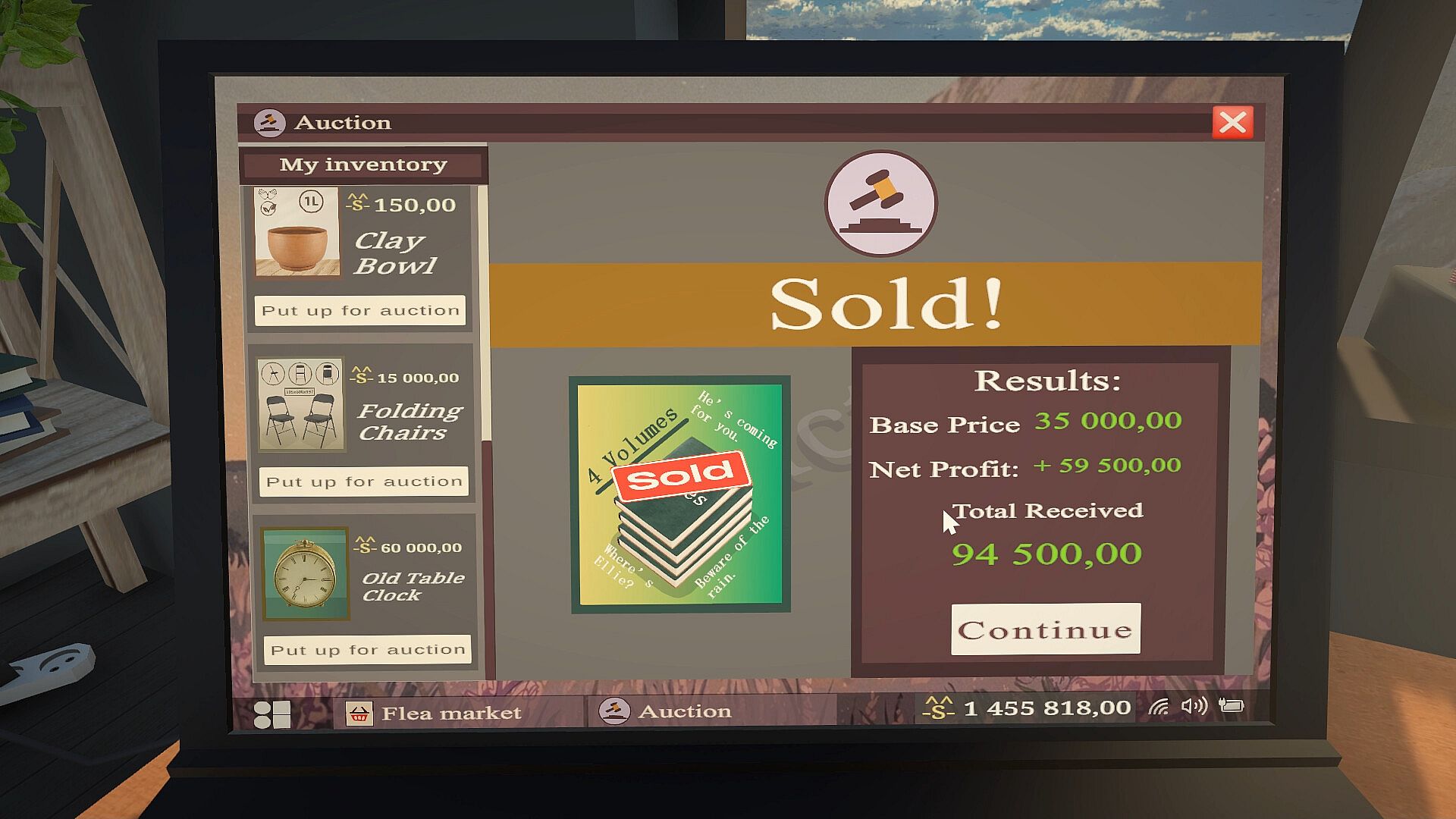
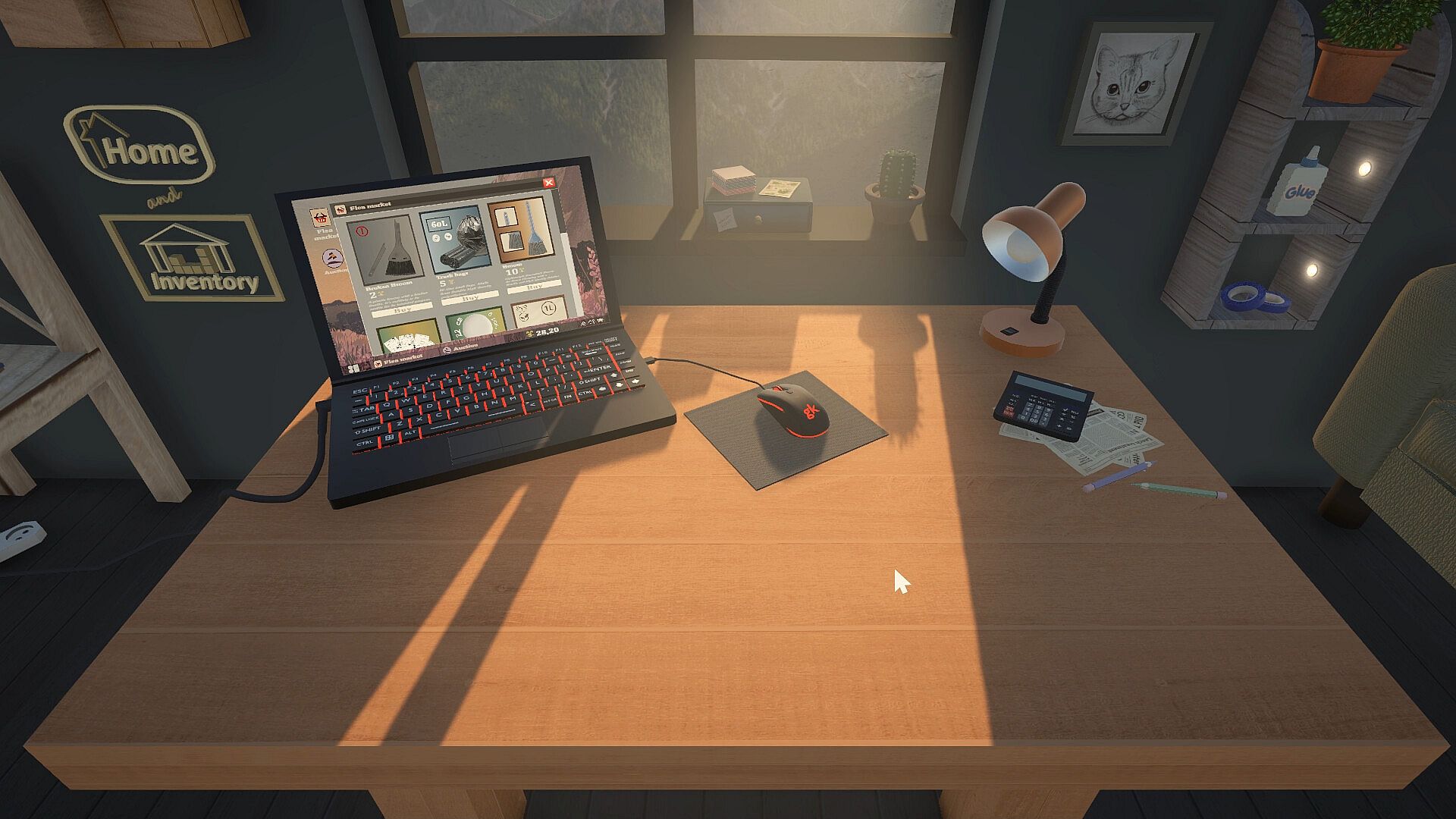
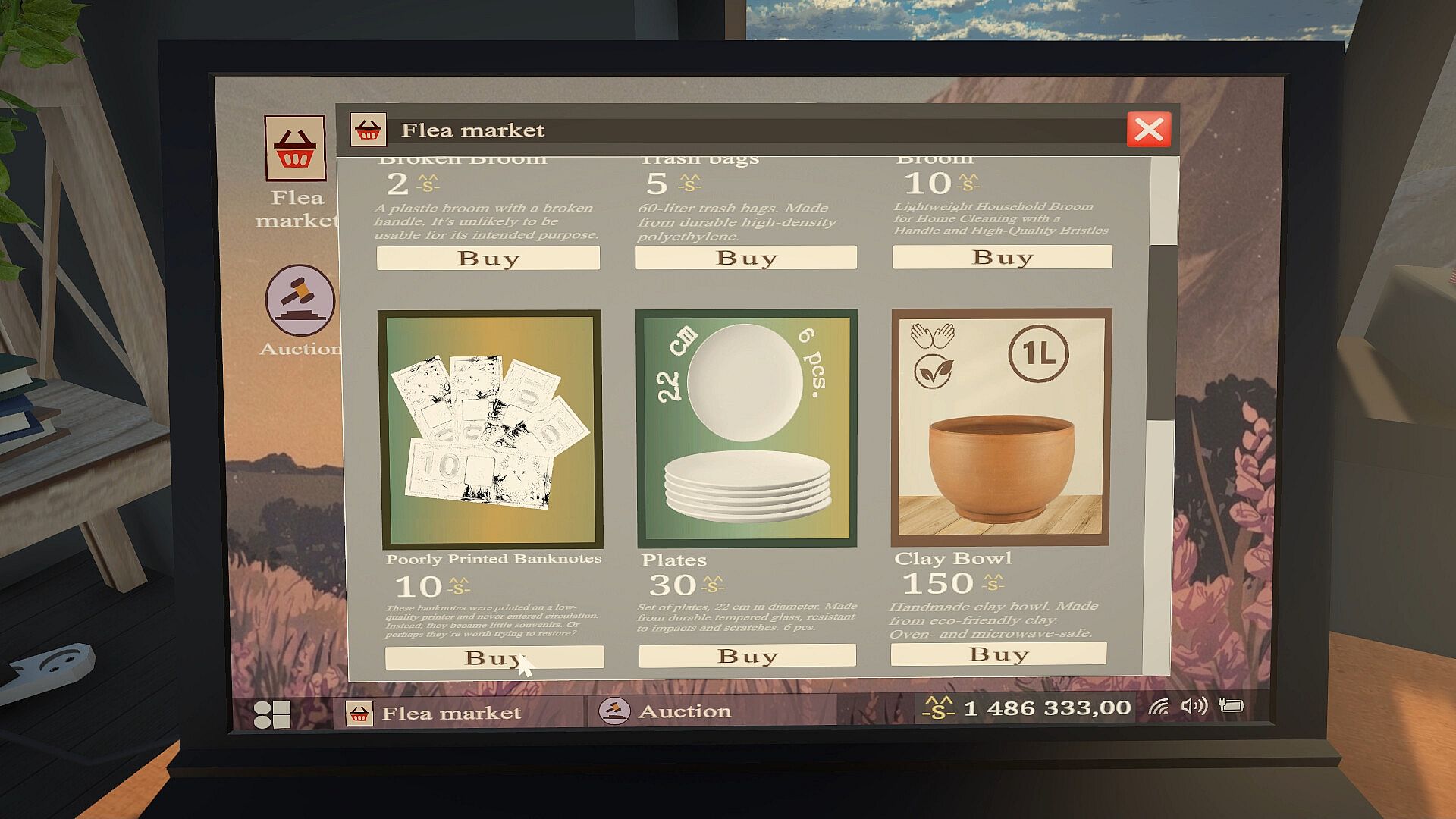
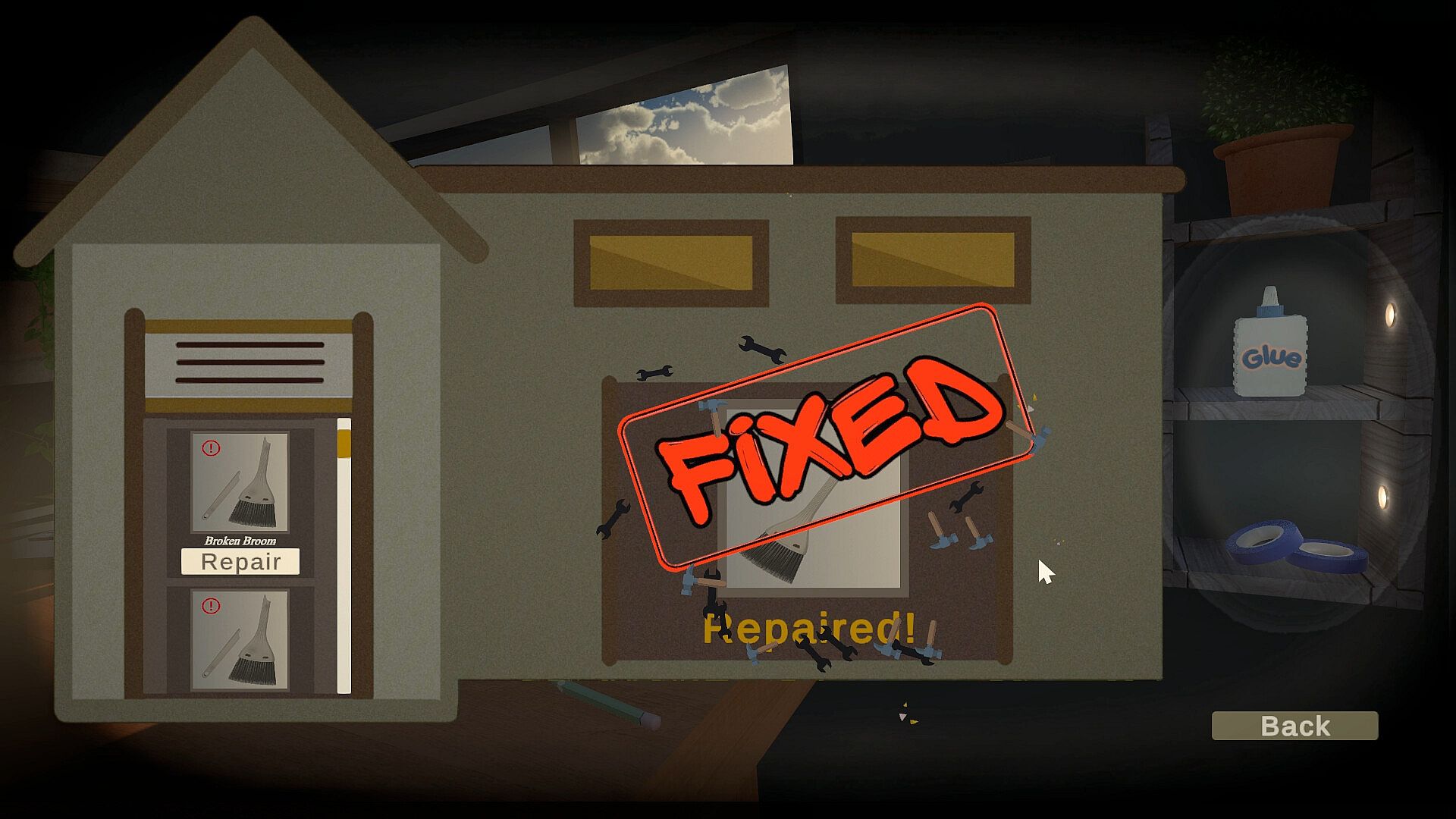
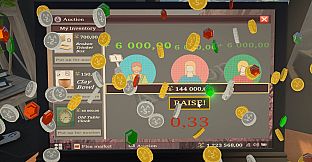
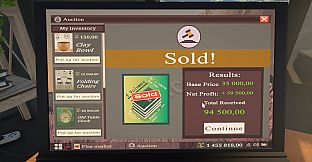
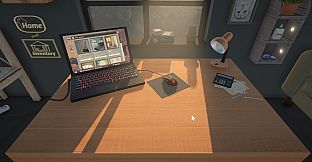
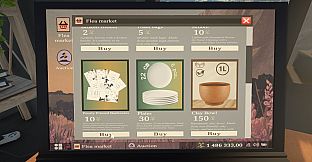
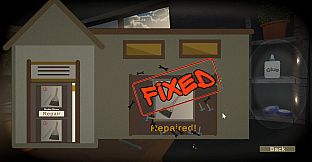
Prove Him Wrong is a casual simulation game that centers on a straightforward cycle of buying, repairing, and selling household items. Players start by purchasing broken brooms or similar goods at a flea market, then repair them using basic tools like glue before putting them to practical use around the house. The cleaned items are taken to an auction where they fetch higher prices based on their condition and the player's performance in related tasks. This loop forms the foundation of progression, with earnings funding further purchases of more valuable items from the market.
Gameplay
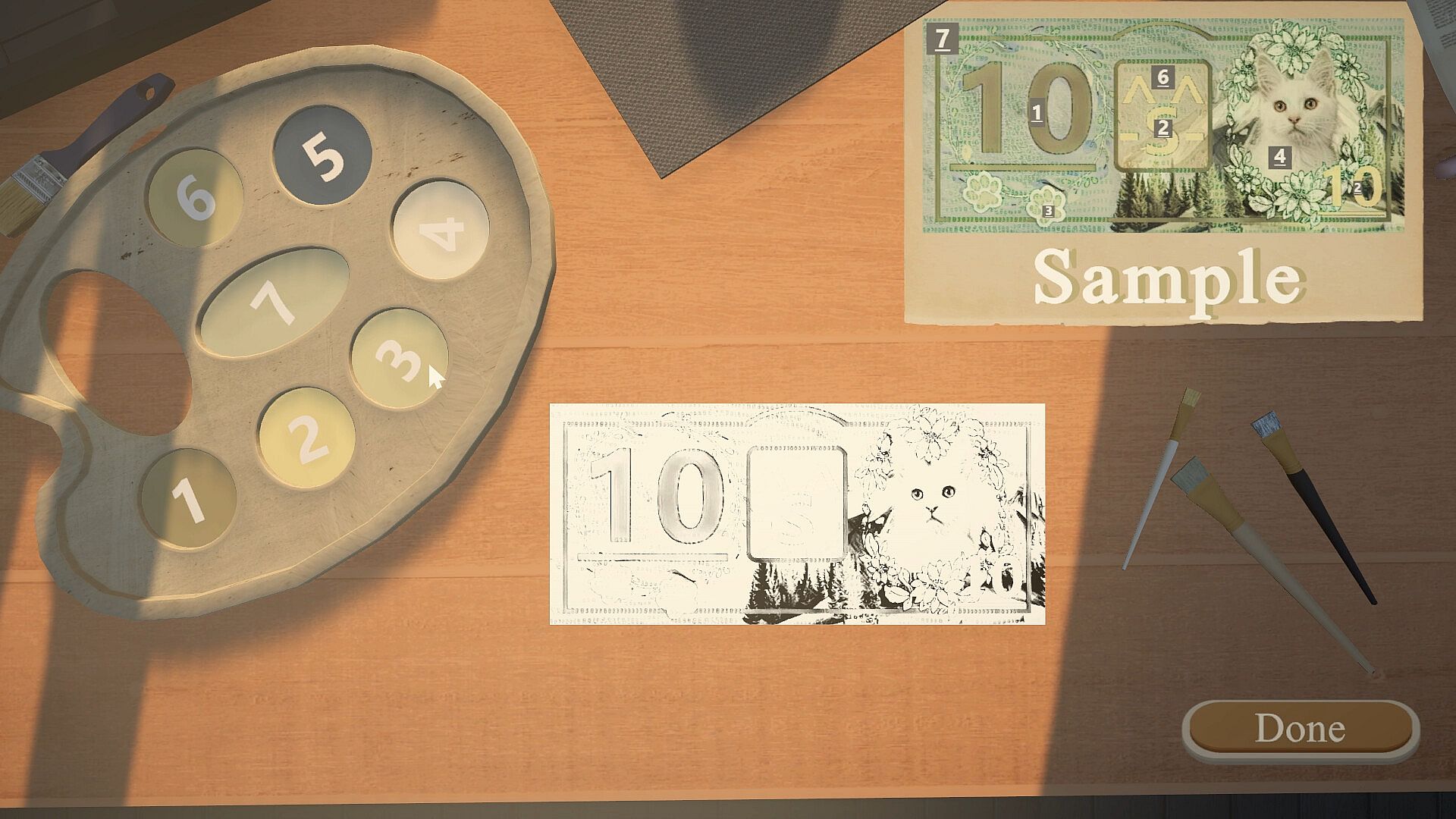
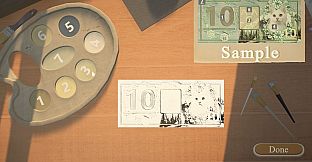
The core loop revolves around resource management and incremental improvement. Players acquire damaged goods at low cost, perform simple repairs, and then apply the items in cleaning activities to increase their worth. Earnings from auctions allow access to pricier inventory at the flea market, creating a steady path toward greater profits. A key mechanic involves coloring banknotes with precision, where higher accuracy directly translates to increased money received. This encourages careful attention during that phase of play.
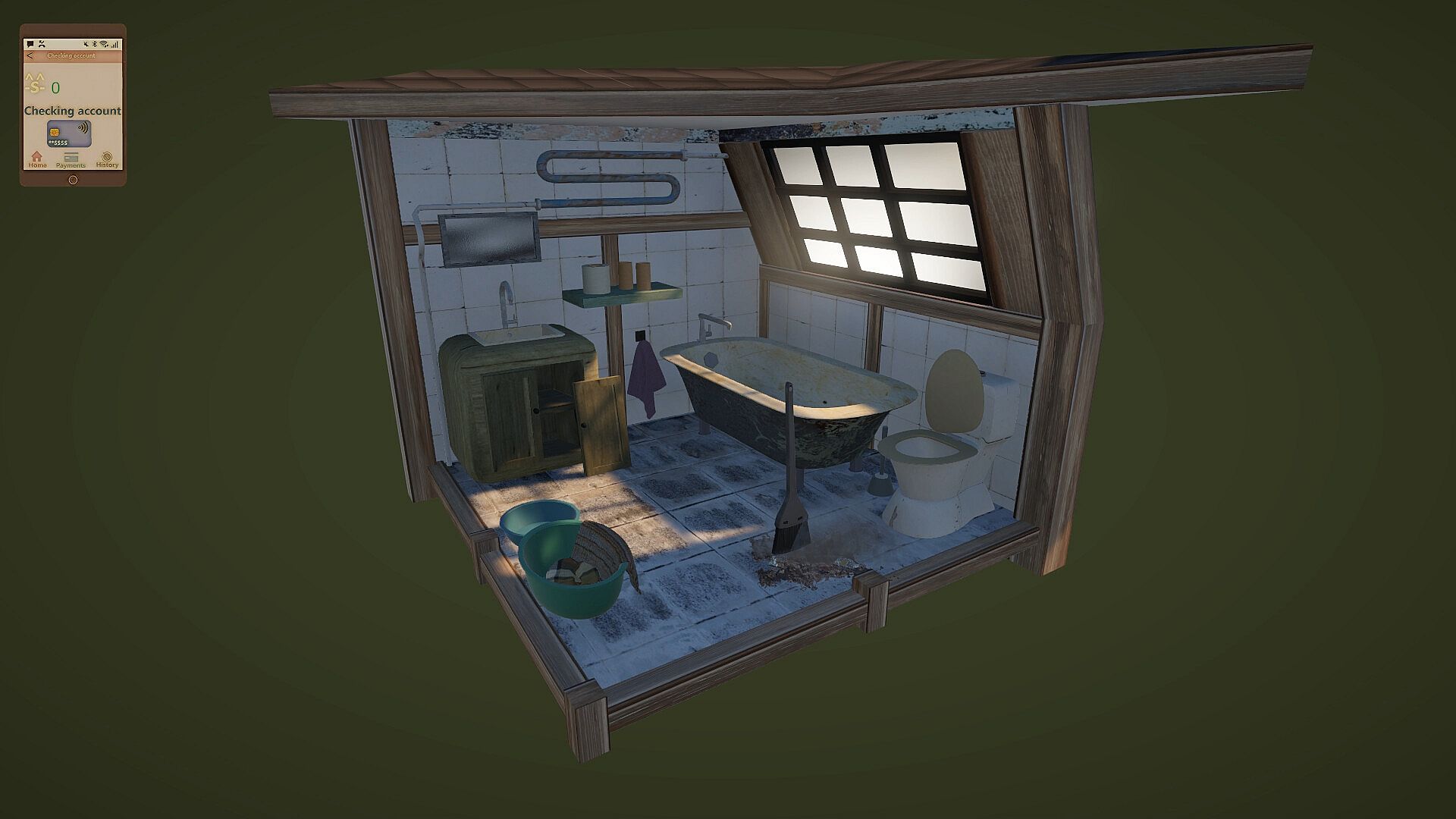
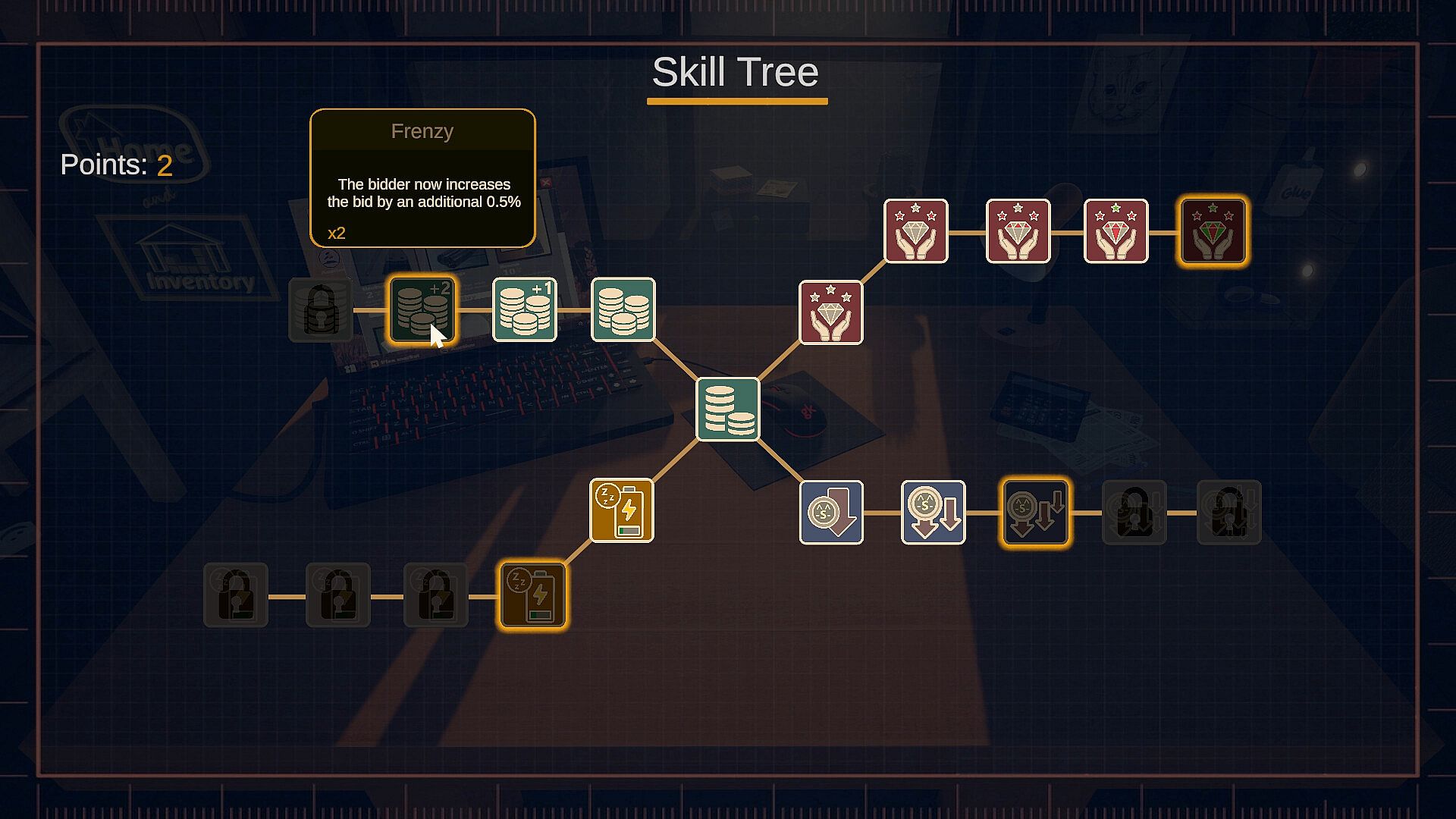
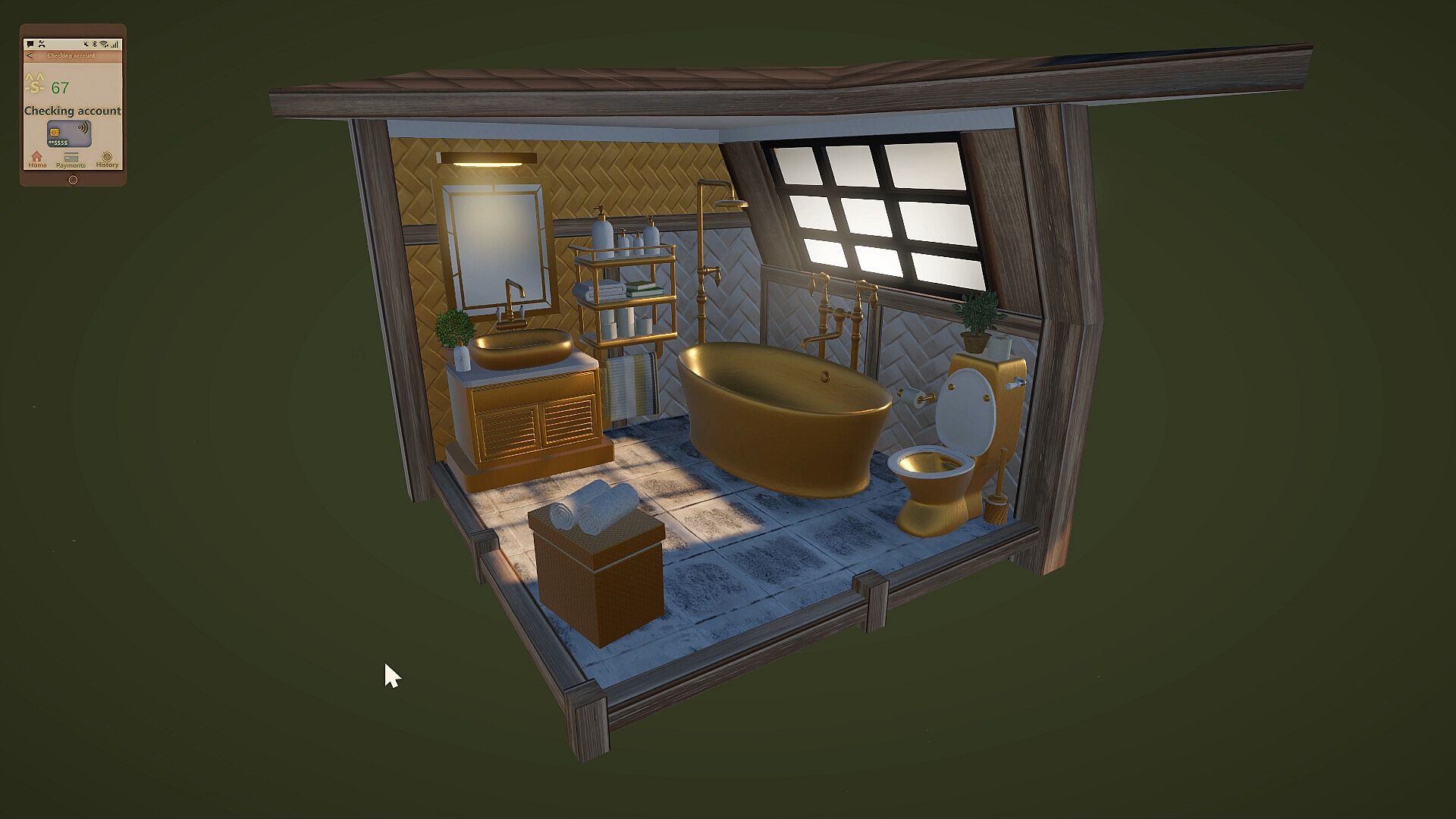
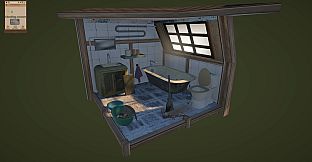
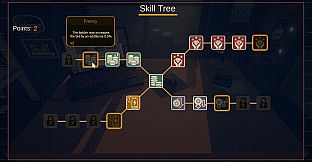
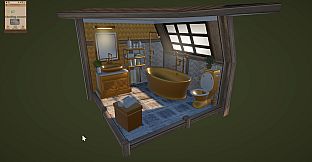
Skill development adds depth through a tree system. Leveling up abilities speeds up the overall process and boosts income potential across buying, fixing, and selling stages. House upgrades serve as a tangible goal, turning accumulated funds into visible improvements that tie back to the central motivation of proving a friend wrong. The simulation emphasizes patience and repetition over complex controls, fitting its indie casual classification on PC.
Game Modes
Prove Him Wrong operates as a singleplayer experience focused on the described progression cycle. There are no separate multiplayer or competitive modes confirmed in available details. The gameplay remains consistent across sessions, with players repeating and refining the buy-fix-clean-sell sequence while unlocking higher-tier items and advancing through skill improvements. This structure supports relaxed, ongoing play without branching scenarios or alternate formats.
Progression and Upgrades
Advancement comes from consistent earnings and skill tree investments that reduce time spent on tasks and amplify returns. Unlocking expensive flea market stock expands options for bigger profits, while accurate money-coloring sessions provide direct bonuses. House upgrades represent the long-term objective, offering a sense of accomplishment as the space improves with each successful cycle. The system rewards steady effort rather than one-time achievements.
Is It Worth Playing?
This title suits players who enjoy methodical simulation loops centered on incremental gains and light management. The combination of repair work, auction sales, and precision tasks creates a relaxing yet purposeful routine. Skill progression and house improvements provide clear direction without overwhelming complexity. Those drawn to casual indie simulations on PC may find the straightforward mechanics engaging for short or extended sessions. No specific review scores or update history appear in verified sources, so expectations should align with the core flea market and cleaning cycle described.












