

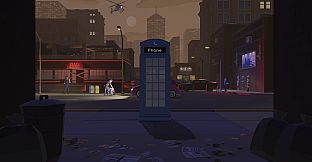
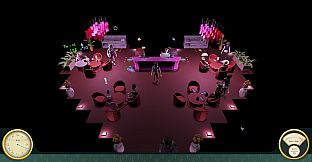
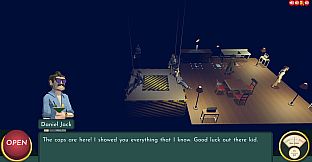
Quiet Hour is a single-player indie simulation game set in a prohibition-era underground speakeasy. Players take on the role of owner and operator, focusing on construction, customer service, staff management, and strict noise control to avoid detection by authorities.
Gameplay
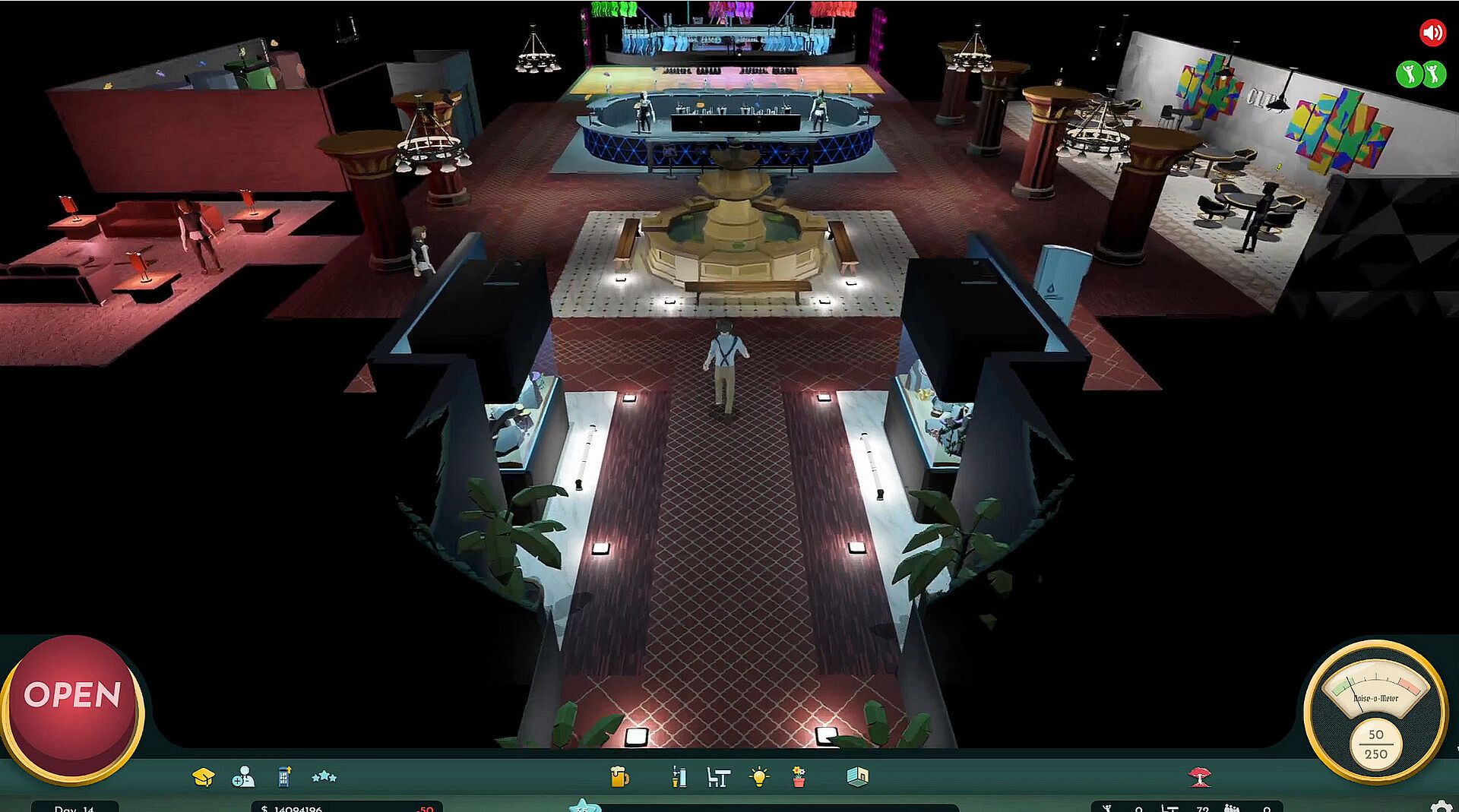
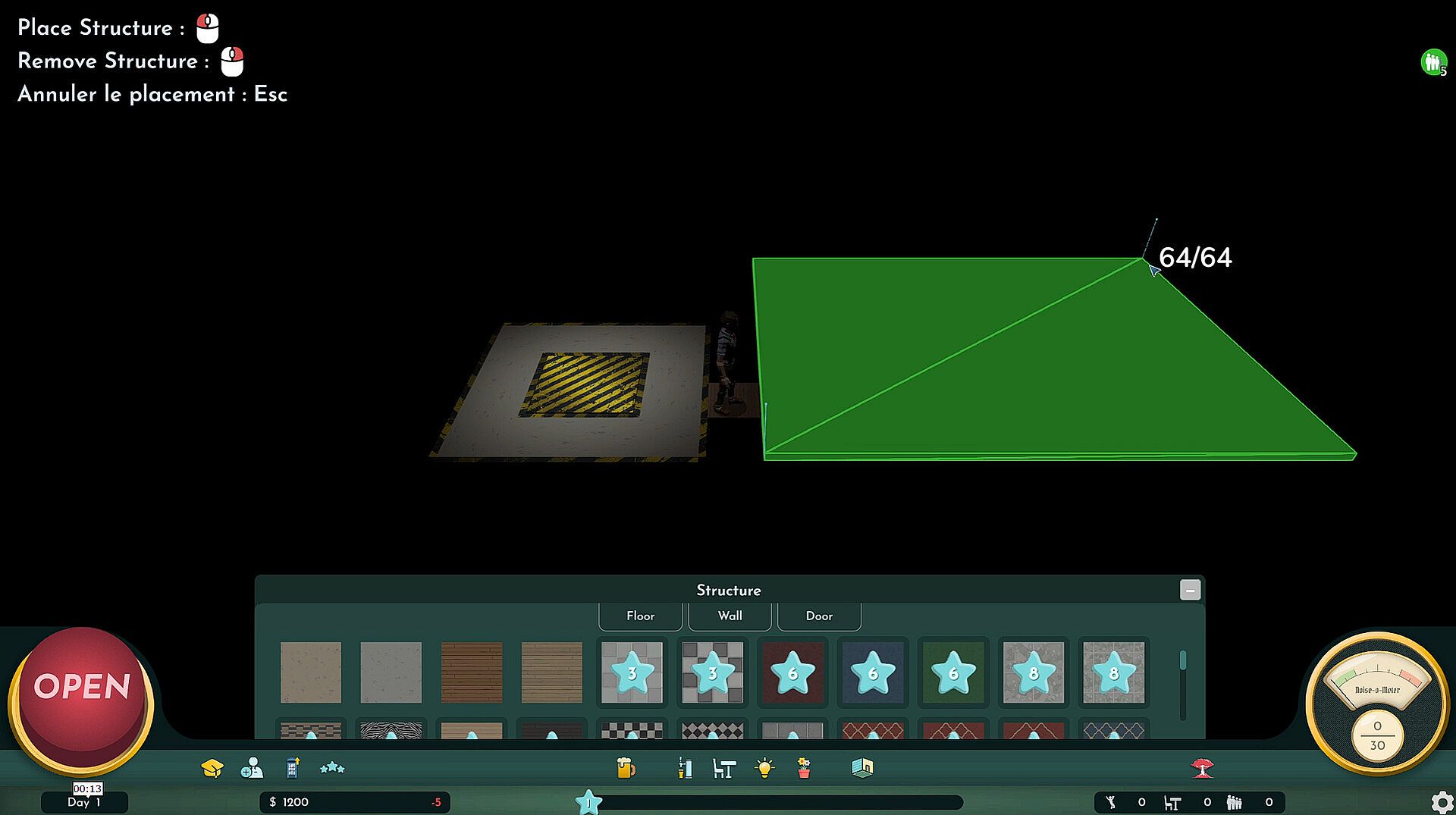
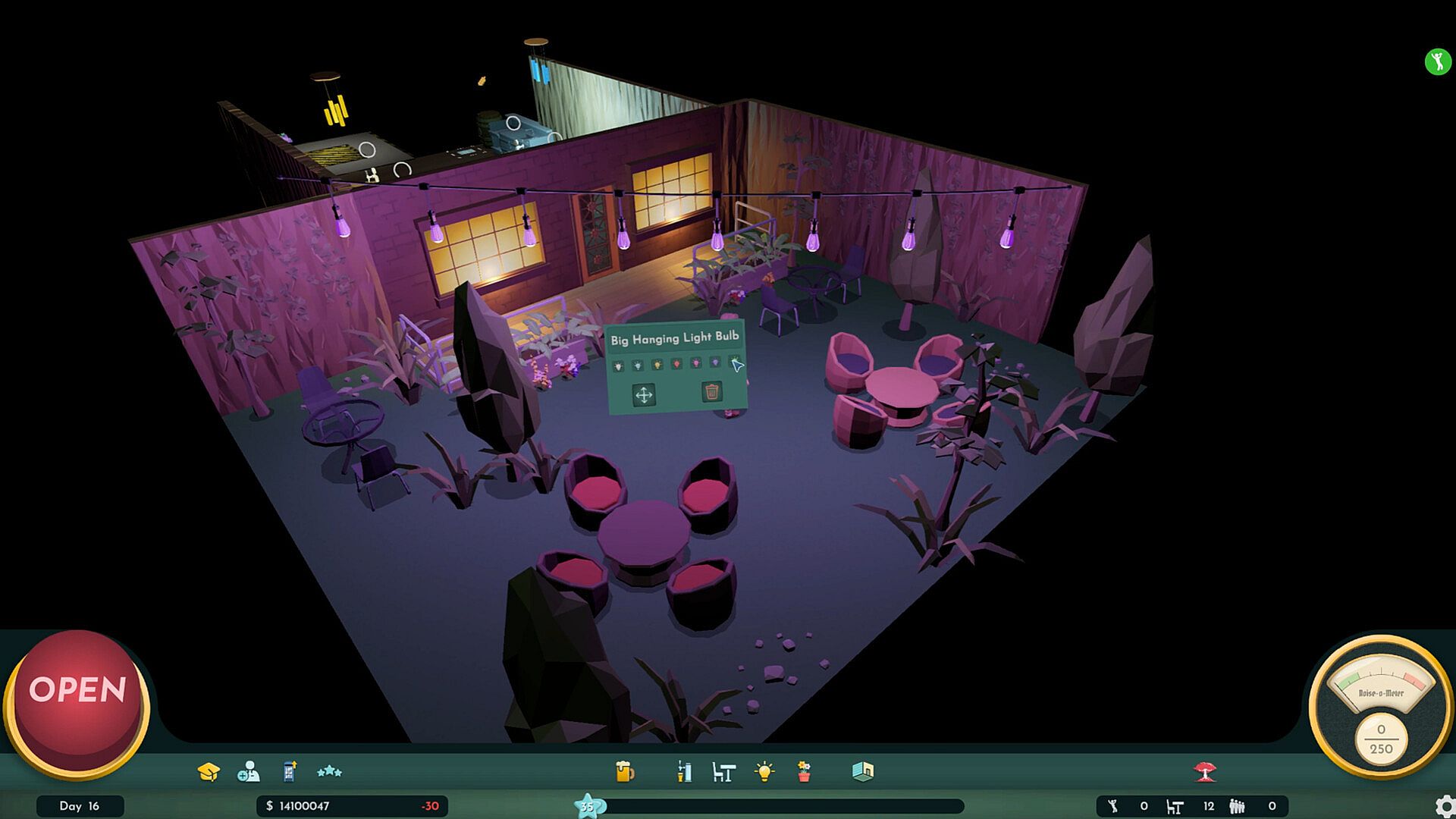
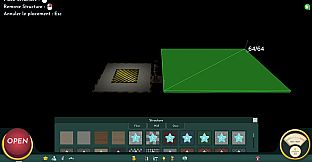
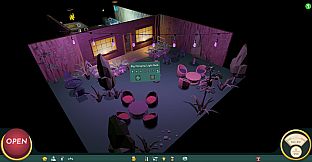
The core loop centers on designing and expanding a hidden bar space. Walls and floors can be placed freely to shape the layout, after which furniture, decorations, and equipment fill the area. Most items come in multiple color options, allowing precise visual customization. Certain pieces draw in more patrons or encourage longer visits, directly influencing revenue and atmosphere.
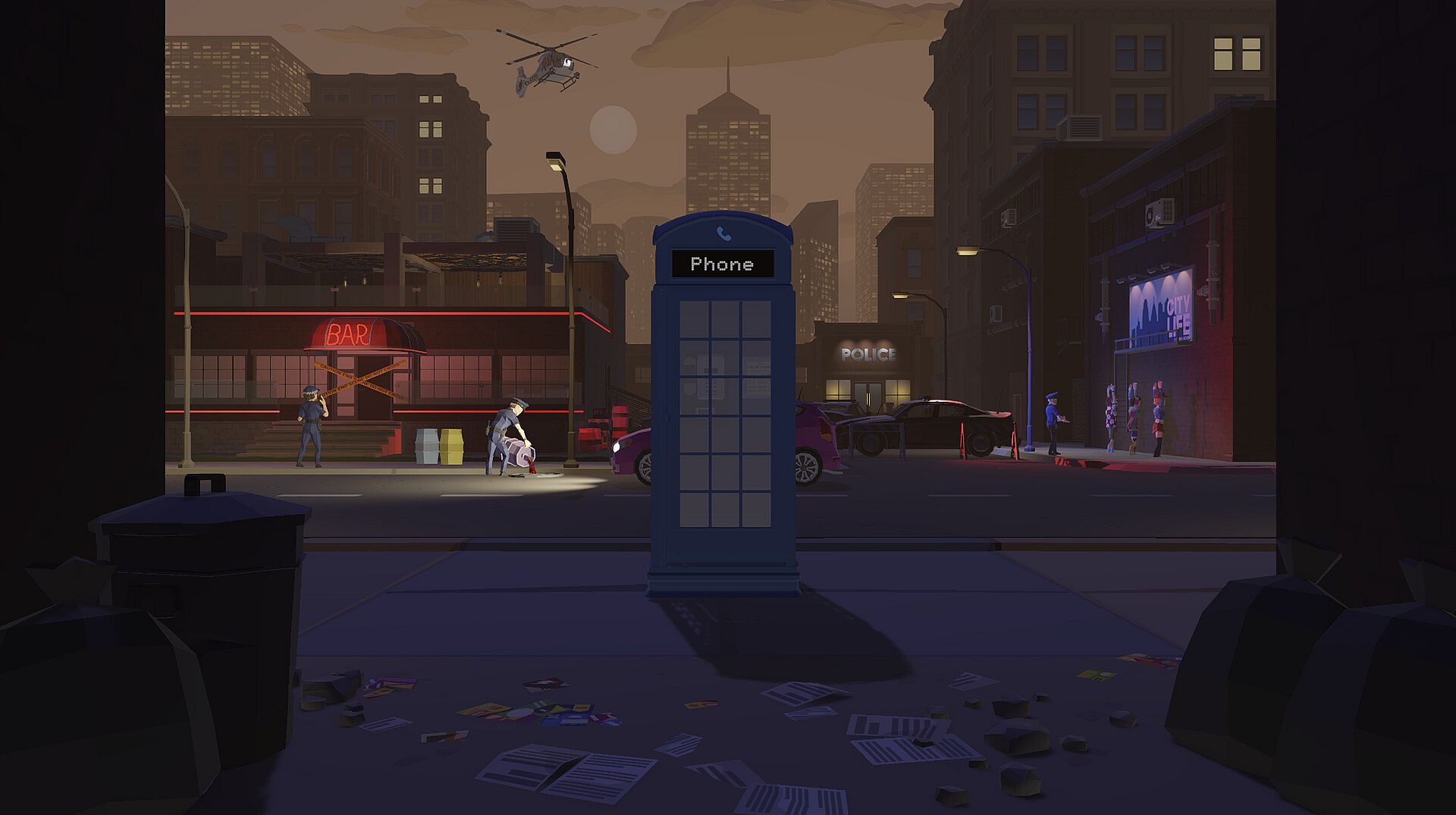
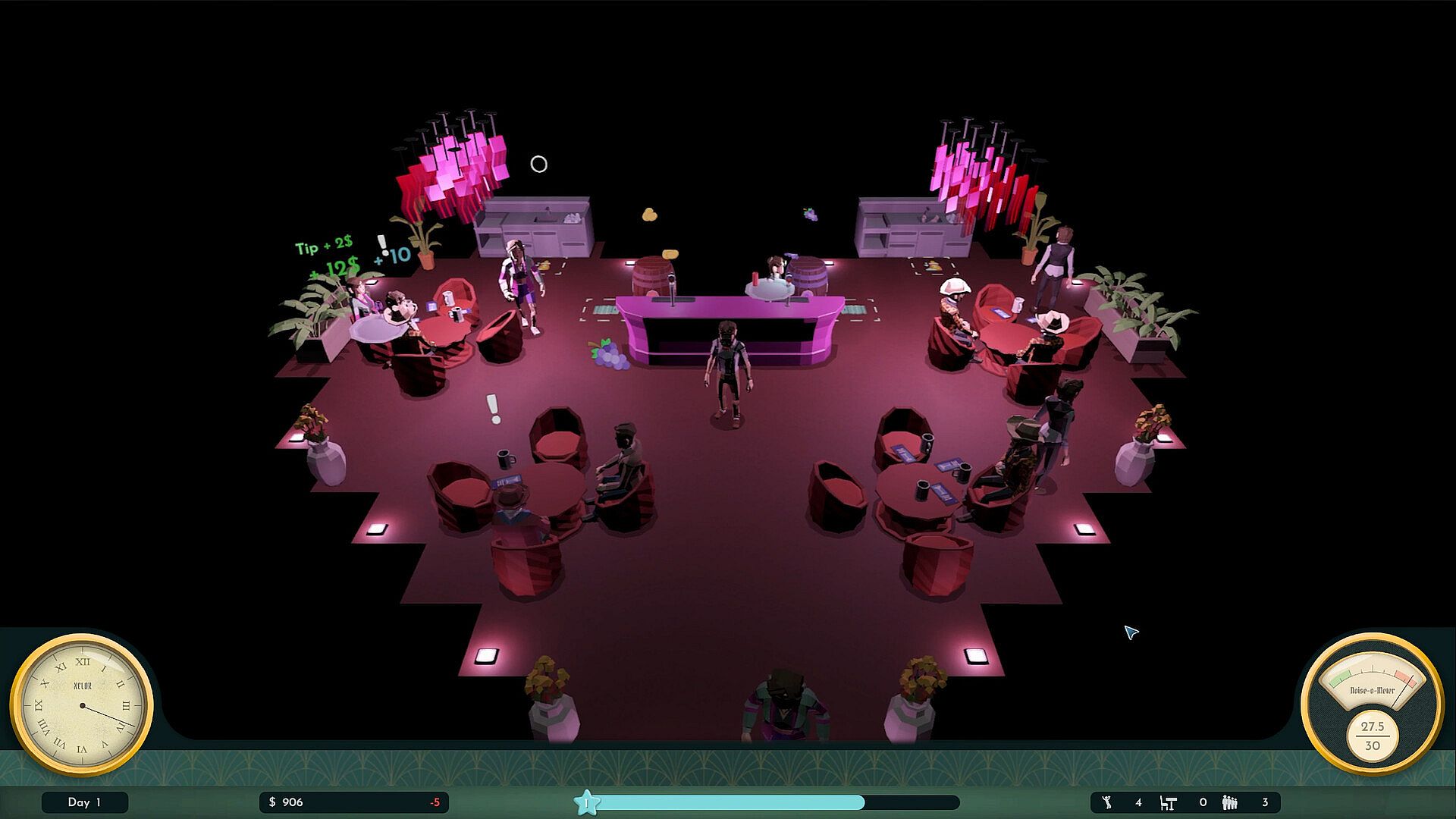
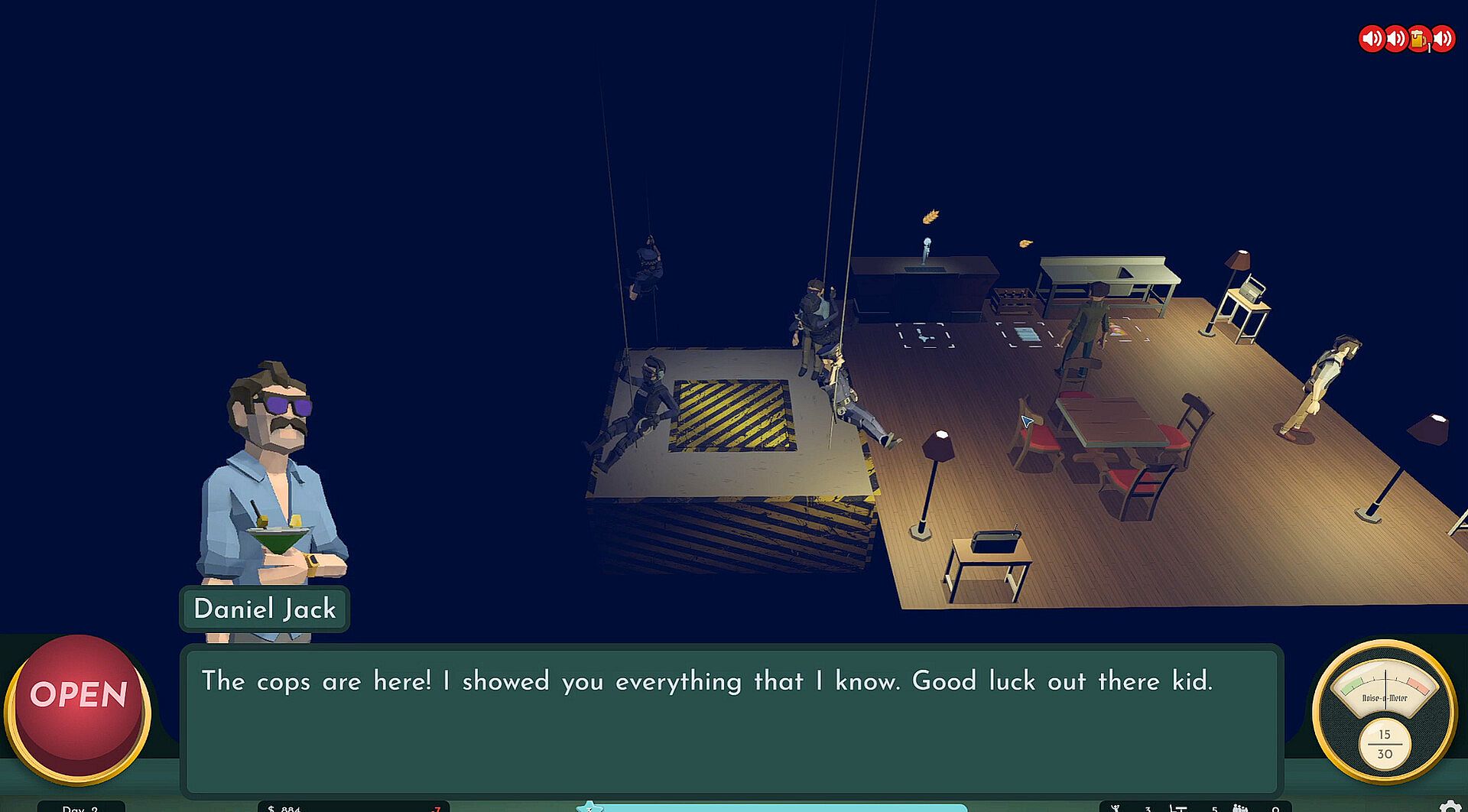
Daily operations involve serving drinks while monitoring volume levels. As customers consume more, their conversations and behavior grow louder. Equipment choices add to the overall sound output, requiring constant attention to decibel thresholds. When noise risks detection, the option exists to remove disruptive individuals from the premises to restore calm.
Staff hiring forms a key progression element. Employees handle specific bar roles, freeing the owner to oversee broader decisions. Each hire increases operational costs, so balancing payroll against income remains essential for long-term stability. Reputation grows through consistent service and careful expansion, unlocking further customization and efficiency gains.
Game Modes
Quiet Hour operates as a continuous single-player management experience without separate modes or campaigns. The entire session revolves around iterative building, staffing, and noise regulation in one persistent speakeasy environment. Progress unfolds through repeated days of operation, where early focus on basic layout and minimal staff gives way to larger, more profitable setups that demand tighter control over sound and expenses.
Success depends on adapting to rising customer numbers and equipment demands while keeping the entire operation below the threshold that would end the night in legal trouble. The simulation rewards methodical planning over speed, with each session building on prior choices in furniture placement, color schemes, and personnel assignments.
Building and Customization
Construction tools allow complete freedom in room shaping and item placement. Players experiment with layouts that maximize customer flow while minimizing sound travel. Color variations on furniture and fixtures support thematic consistency, and strategic item selection can boost dwell time or attract specific patron types.
Equipment decisions carry dual impact: they enable service but contribute to noise. Thoughtful placement and upgrades help offset these risks. The system encourages trial and error within the safety of the underground setting, where every adjustment affects both aesthetics and functionality.
Is It Worth Playing?
Quiet Hour suits players who enjoy casual simulation titles centered on resource management, creative building, and steady progression. The noise mechanic adds a distinctive layer of tension to standard bar operations, turning routine service into a careful balancing act. Those drawn to indie games with strong emphasis on customization and staff oversight will find the systems align closely with the described loop.
Because the game remains in development ahead of its September 2026 release, current details rest on the core features outlined by the developer. Fans of relaxed yet detail-oriented management experiences should monitor updates for confirmation on final polish and additional systems. The single-player focus makes it accessible for solo sessions without requiring coordination or competitive elements.