

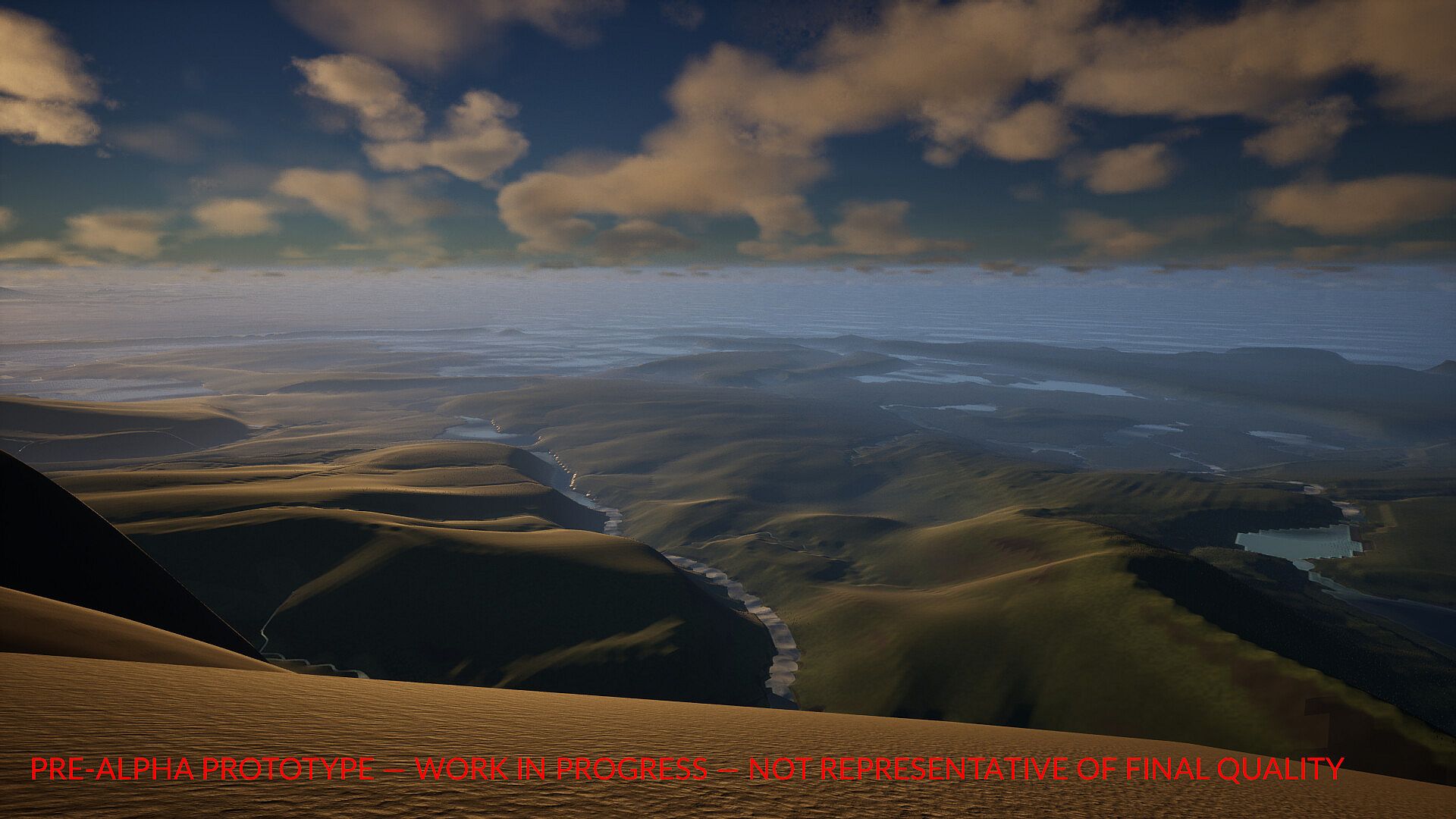
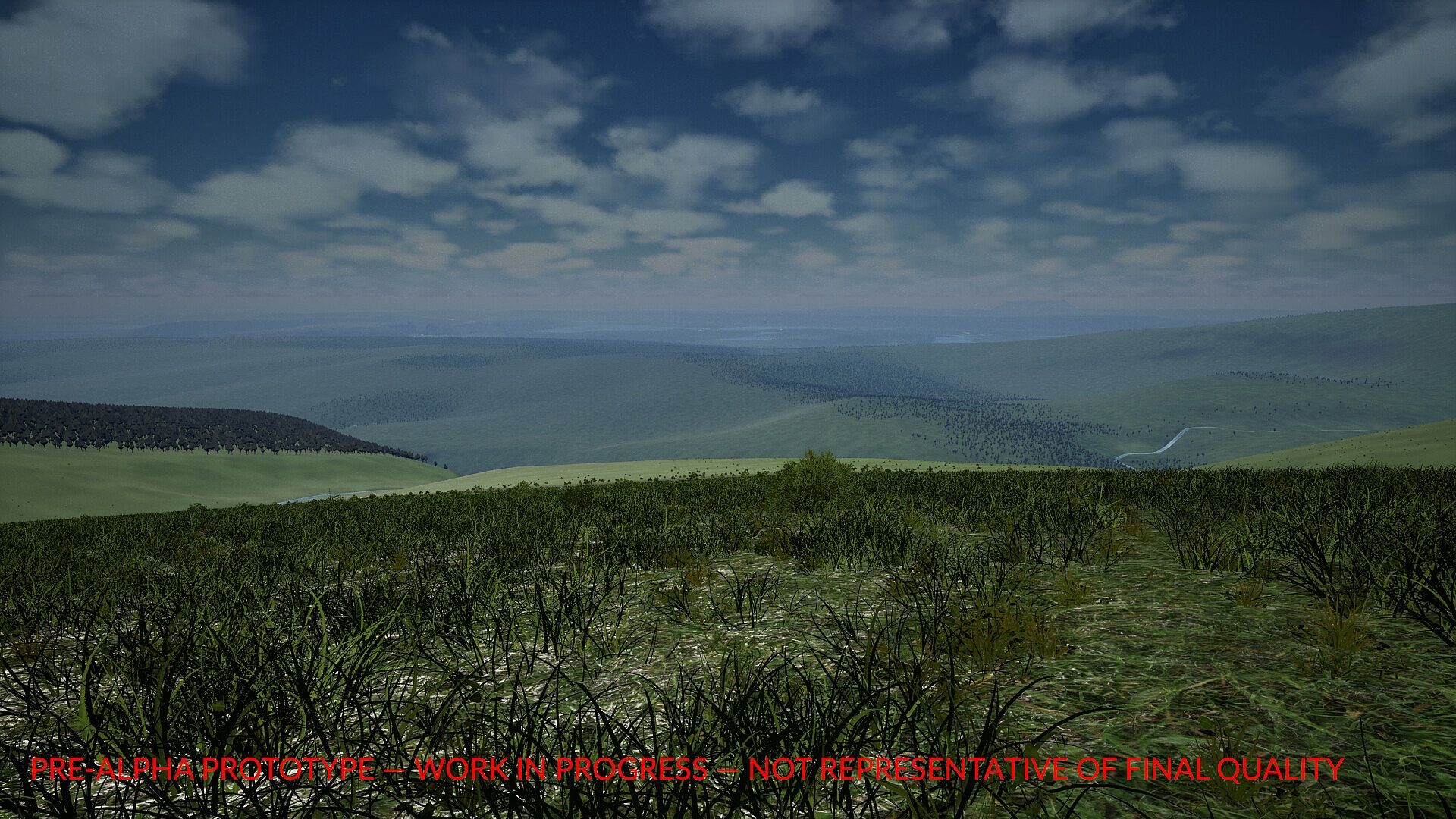
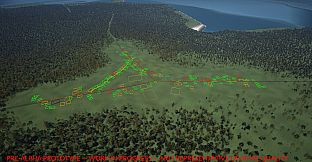
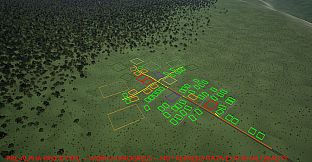

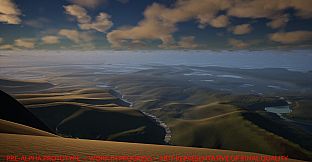
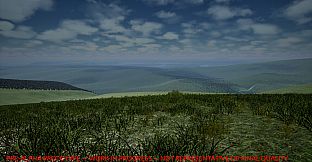
Regent is an open-world medieval sandbox RPG and simulation title for PC in which players begin as ordinary individuals seeking survival rather than destined heroes. The experience centers on carving out a personal role through trade, labor, construction, and social maneuvering in a world that operates independently of any single character.
Gameplay
Core activities revolve around practical survival and gradual advancement. Players travel between settlements to buy and sell goods, hunt for resources, or accept risky contracts that range from protection work to outright theft. The economy responds to supply and demand, with local markets shifting prices based on harvests, transport disruptions, or new workshops opening elsewhere. A dangerous road can cut off food deliveries and drive up costs, while a successful trade route can create new opportunities for those positioned to exploit them.
Construction forms another major pillar. Starting with basic shelters, players expand holdings into workshops, storage facilities, and productive businesses that employ workers and generate ongoing value. As properties grow, delegation becomes possible so that routine tasks no longer demand constant attention. Combat arises naturally through ambushes, hired muscle, or defensive needs, though the focus remains on personal choices rather than scripted heroics. The world persists after a character dies, preserving buildings, wealth, and settlement changes for future playthroughs or successors.
Game Modes
Regent supports both singleplayer and multiplayer as core experiences. In singleplayer, individuals shape their own path through the sandbox without external interference. Multiplayer allows shared worlds where participants can cooperate on trade networks or construction projects, compete for the same land and resources, or simply coexist and observe how their separate stories intersect. Both approaches draw from the same underlying systems of economy, building, and politics.
World and Economy
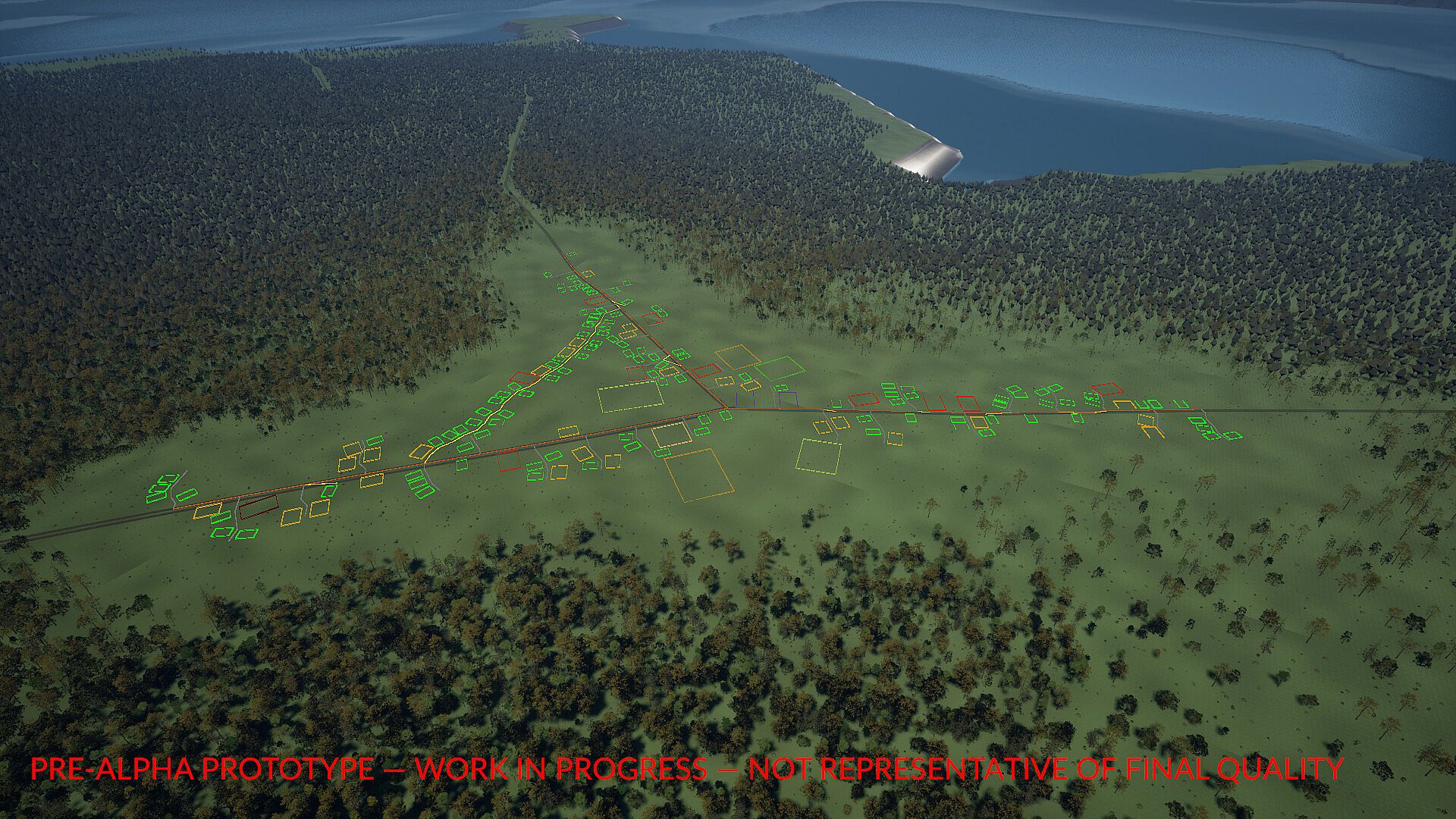
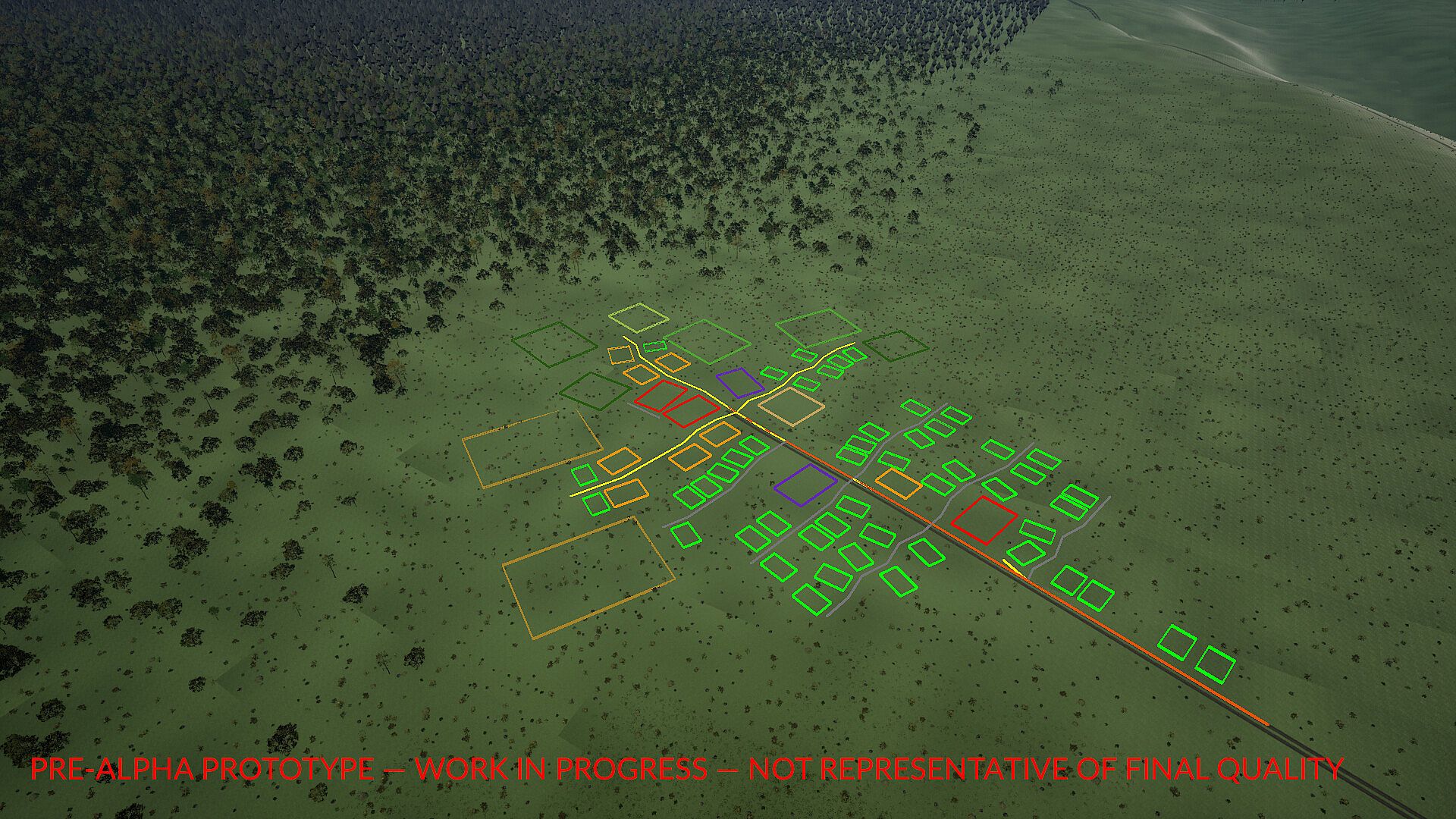
Settlements function as living entities that require steady inputs of food, materials, and security. Production chains span distances, with raw goods moving along roads to workshops and then to consumers. Shortages and surpluses arise organically from weather, bandit activity, or player decisions, creating shifting incentives for traders and landowners. Information spreads through travelers rather than instant global updates, so local knowledge carries real weight. This setup rewards observation and timing over direct control.
Legacy and Mortality
Characters remain mortal, and death ends one narrative without resetting the broader world. Constructed buildings, accumulated wealth, and established relationships continue forward. Players may pass assets or influence to a successor, allowing continuation through family lines, or start fresh as an unrelated newcomer who encounters the lasting effects of prior actions. The design emphasizes lasting impact over any single immortal protagonist.
Is It Worth Playing?
Regent remains in pre-alpha development ahead of its planned Early Access launch, with a projected Early Access period of two to three years focused on iterative expansion of simulation depth, content variety, and multiplayer stability. No player reviews or ratings exist yet because the title has not reached public release. The game suits players who value open-ended sandbox freedom, interconnected economic and social systems, and the ability to pursue quiet homesteads, commercial empires, or political influence on their own terms. Those seeking a completed story campaign or polished release should monitor progress through Early Access rather than jumping in immediately. The emphasis on a persistent, reactive world without a central hero narrative sets it apart for fans of simulation and role-playing sandboxes.