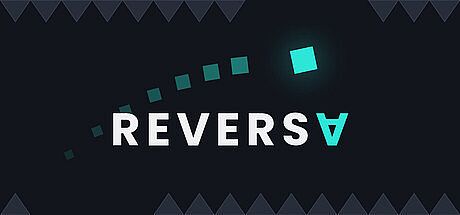



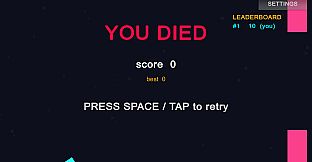
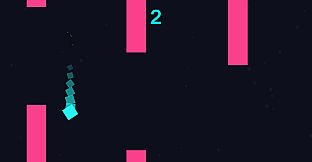
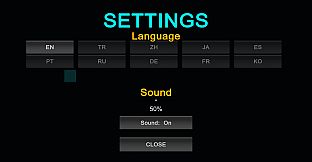
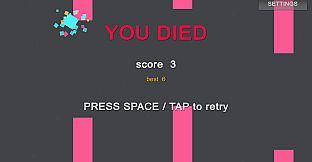
REVERSA est un jeu de simulation casual sur PC qui repose sur un seul contrôle : l'inversion de gravité. Le joueur guide un cube turquoise à travers une succession infinie d'obstacles, en se concentrant sur le timing plutôt que sur des commandes complexes. L'expérience met à l'épreuve les réflexes et la perception de l'espace dans un univers minimaliste où le mouvement dépend entièrement de l'élan.
Gameplay
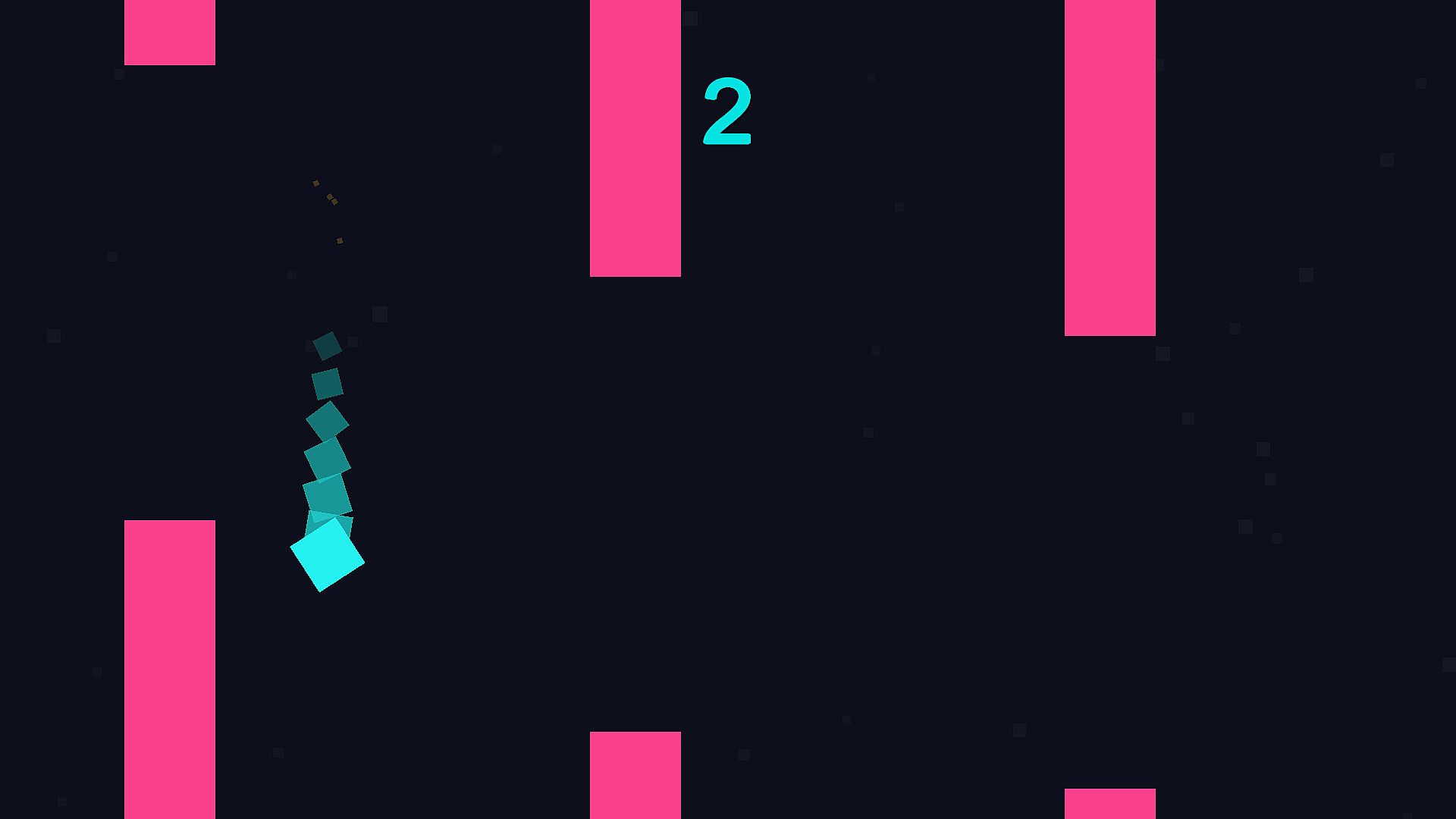
Le principe est simple : une seule touche permet d'inverser la gravité et de faire glisser le cube entre des piques qui surgissent du sol et du plafond. Le cube avance constamment, obligeant le joueur à anticiper les trajectoires plutôt qu'à diriger directement. Les premières sections restent accessibles grâce à des espaces larges et une vitesse modérée. Au fil du parcours, le rythme s'accélère et les passages se resserrent, exigeant des réactions plus précises et un meilleur sens du rythme.
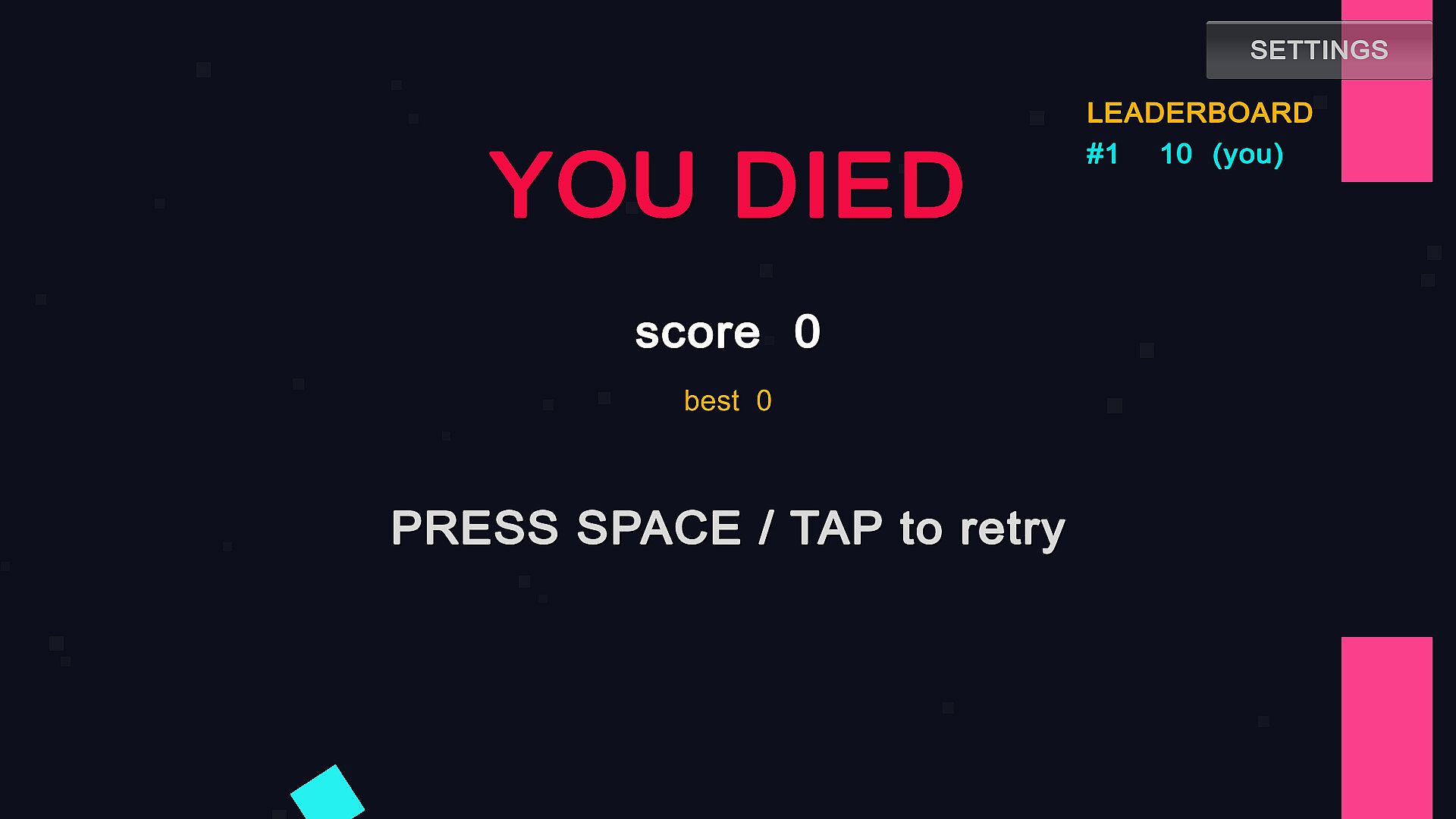
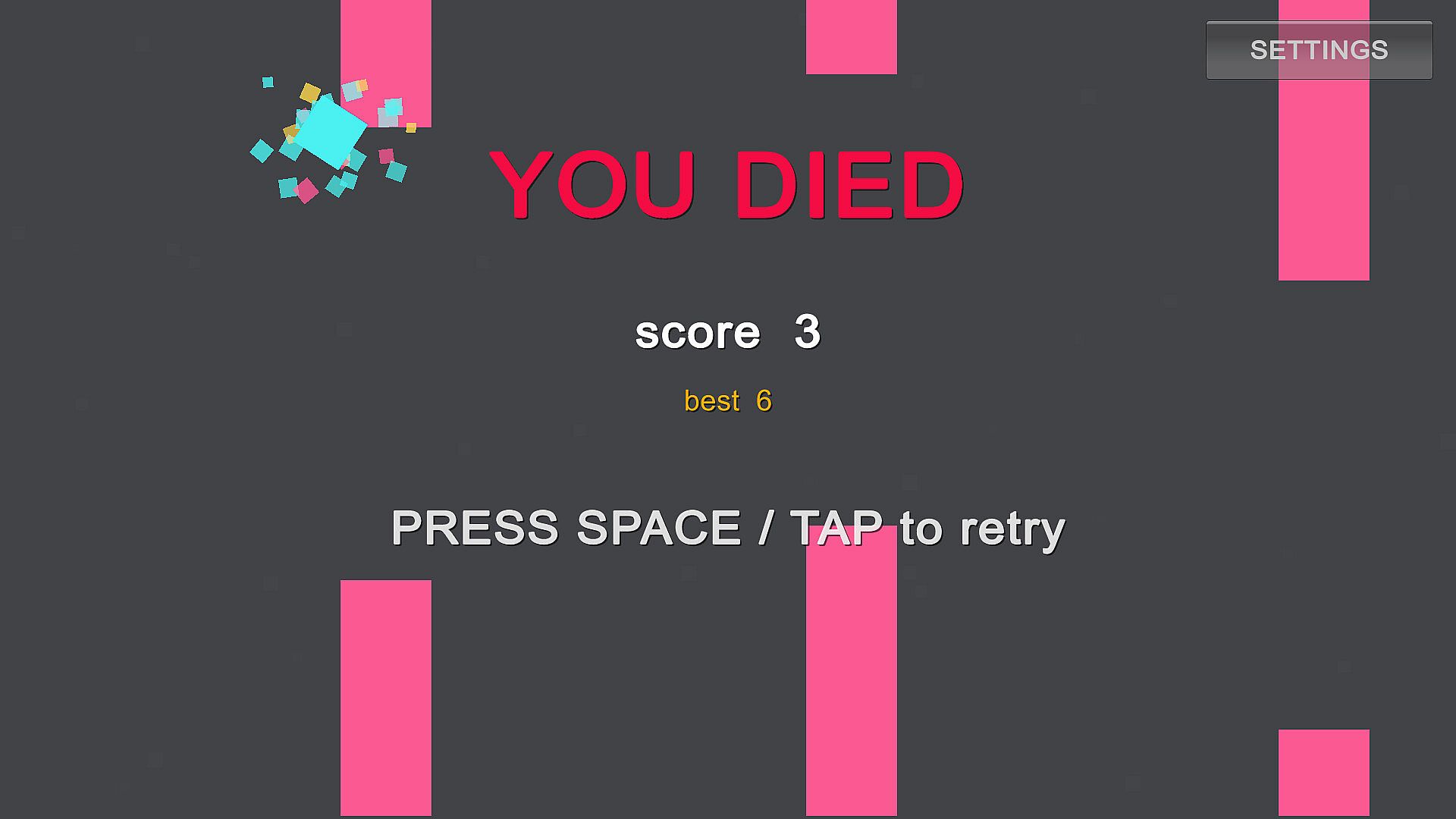
Chaque interaction est soulignée par des retours visuels et sonores. Un effet de secousse accompagne les impacts, un léger ralentissement marque les collisions, et les explosions de mort laissent une traînée lumineuse. Le son se génère de façon procédurale à chaque tentative, créant des couches audio variées qui évitent la répétition. L'ensemble forme un défi physique où la réussite repose sur la lecture des motifs et l'ajustement du timing en temps réel.
Game Modes
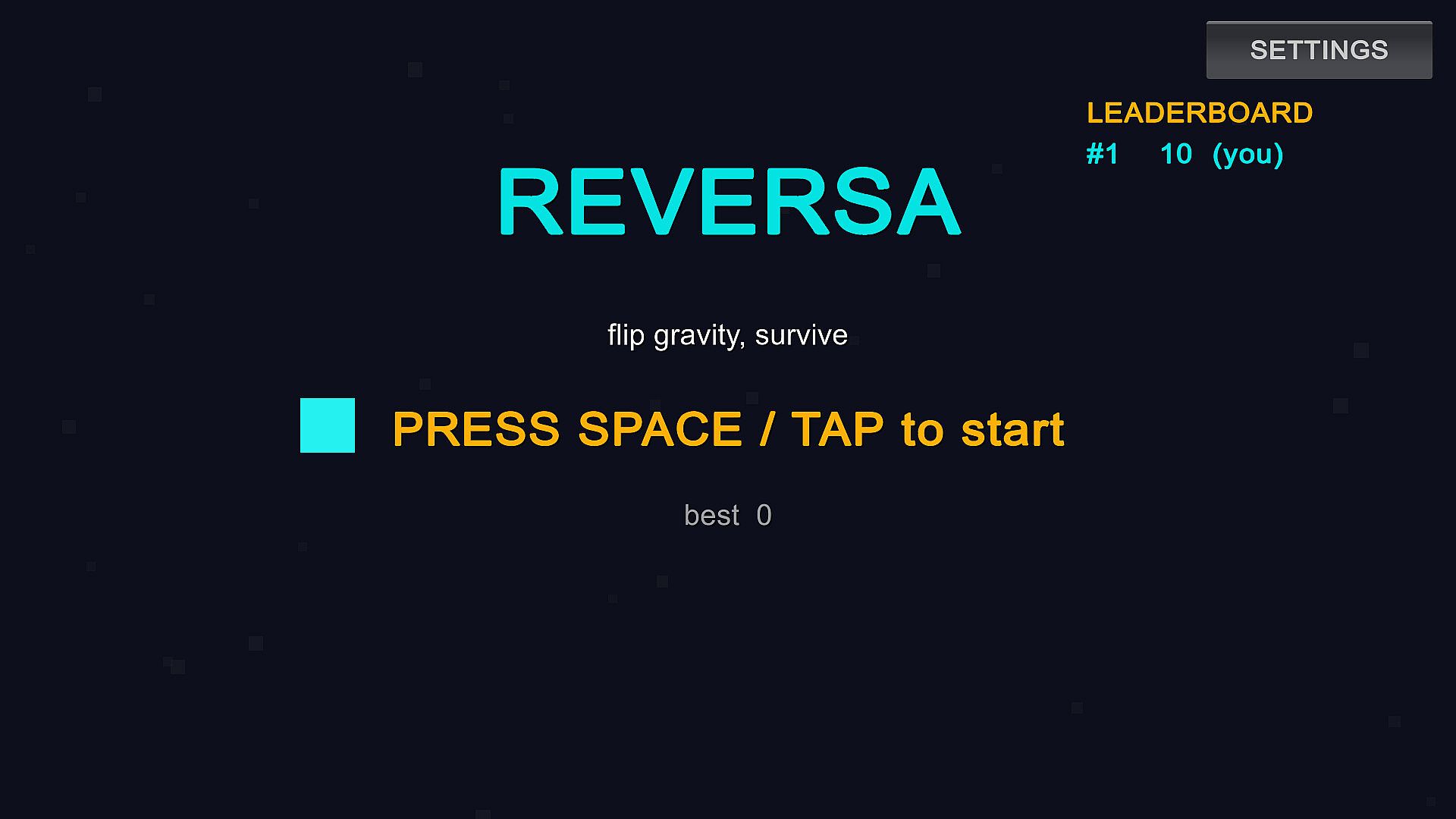
REVERSA propose un mode solo sans fin, accompagné de classements en ligne. Chaque partie commence sur la même base et s'intensifie sans niveaux ni embranchements. L'objectif est de survivre le plus longtemps possible tout en accumulant le meilleur score. Les classements permettent de comparer ses performances avec celles des autres joueurs.
Aucune autre variante n'existe en dehors de ce format principal. La progression se fait par l'amélioration personnelle et non par des déblocages ou des campagnes séparées. Le design reste volontairement épuré pour inciter à multiplier les tentatives et à affiner sa technique face à des vitesses plus élevées et des marges d'erreur réduites.
Visual and Audio Design
L'esthétique reste sobre et fonctionnelle pour servir les mécaniques. Le cube turquoise se détache nettement sur des fonds sombres, tandis que les piques définissent clairement les limites à franchir. Les effets de traînée et les animations d'impact offrent des repères visuels immédiats sans surcharger l'écran. Cette sobriété s'accorde avec le principe d'un seul bouton en éliminant toute distraction.
Le design sonore mise sur la génération procédurale pour conserver une sensation de fraîcheur d'une partie à l'autre. Chaque session construit sa propre texture audio, qui réagit au mouvement et à la vitesse du cube. Les effets dynamiques et la musique évolutive renforcent la tension croissante sans recourir à des pistes préenregistrées susceptibles de lasser.
Is It Worth Playing?
REVERSA s'adresse aux joueurs qui apprécient les défis purs de réflexes et les formats de score sans fin. La simplicité du contrôle facilite l'accès, tandis que l'intensification progressive et la physique de l'élan apportent une profondeur qui récompense l'entraînement. Chaque mort résulte directement d'une erreur de timing ou de positionnement, ce qui incite à retenter immédiatement plutôt qu'à s'irriter de facteurs externes.
Les classements Steam offrent une motivation à long terme pour ceux qui suivent leur progression ou comparent leurs résultats. Le jeu est encore en phase de pré-sortie, avec un lancement prévu au troisième trimestre 2026. Les informations actuelles reposent sur les mécaniques confirmées : inversion de gravité, retours procéduraux et progression infinie. Les amateurs d'expériences minimalistes centrées sur la maîtrise trouveront dans cette boucle un concept qui correspond à leurs attentes.