

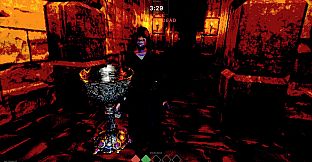
Ritual Disorder is an indie social deduction game for PC that blends cosmic horror with tense multiplayer deception. Players form a circle of cultists in an ancient castle, working together to complete arcane rituals while one hidden traitor works to sabotage them from within. The experience centers on information asymmetry, careful observation, and public voting that can end matches early through sacrifice.
Gameplay
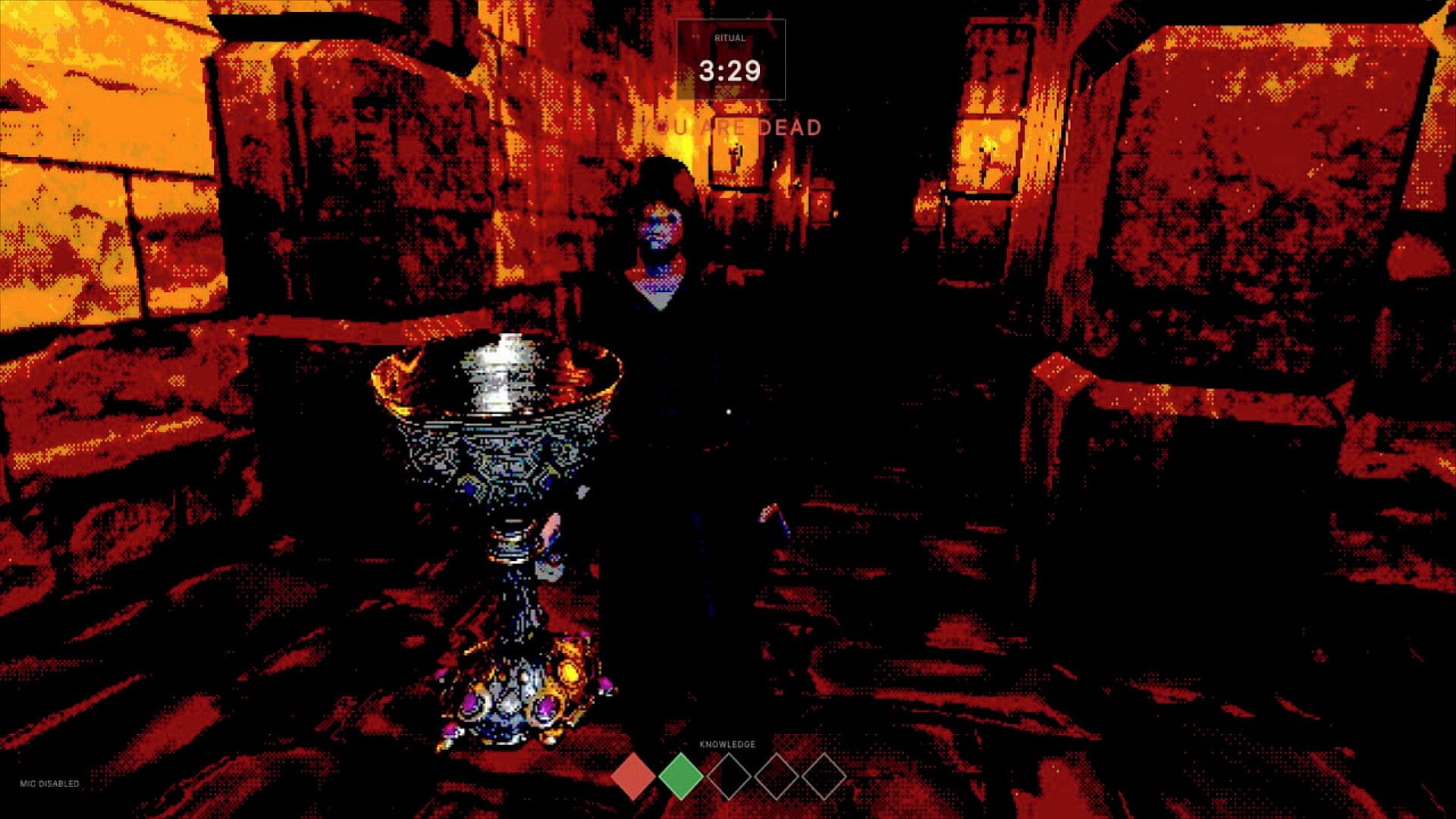
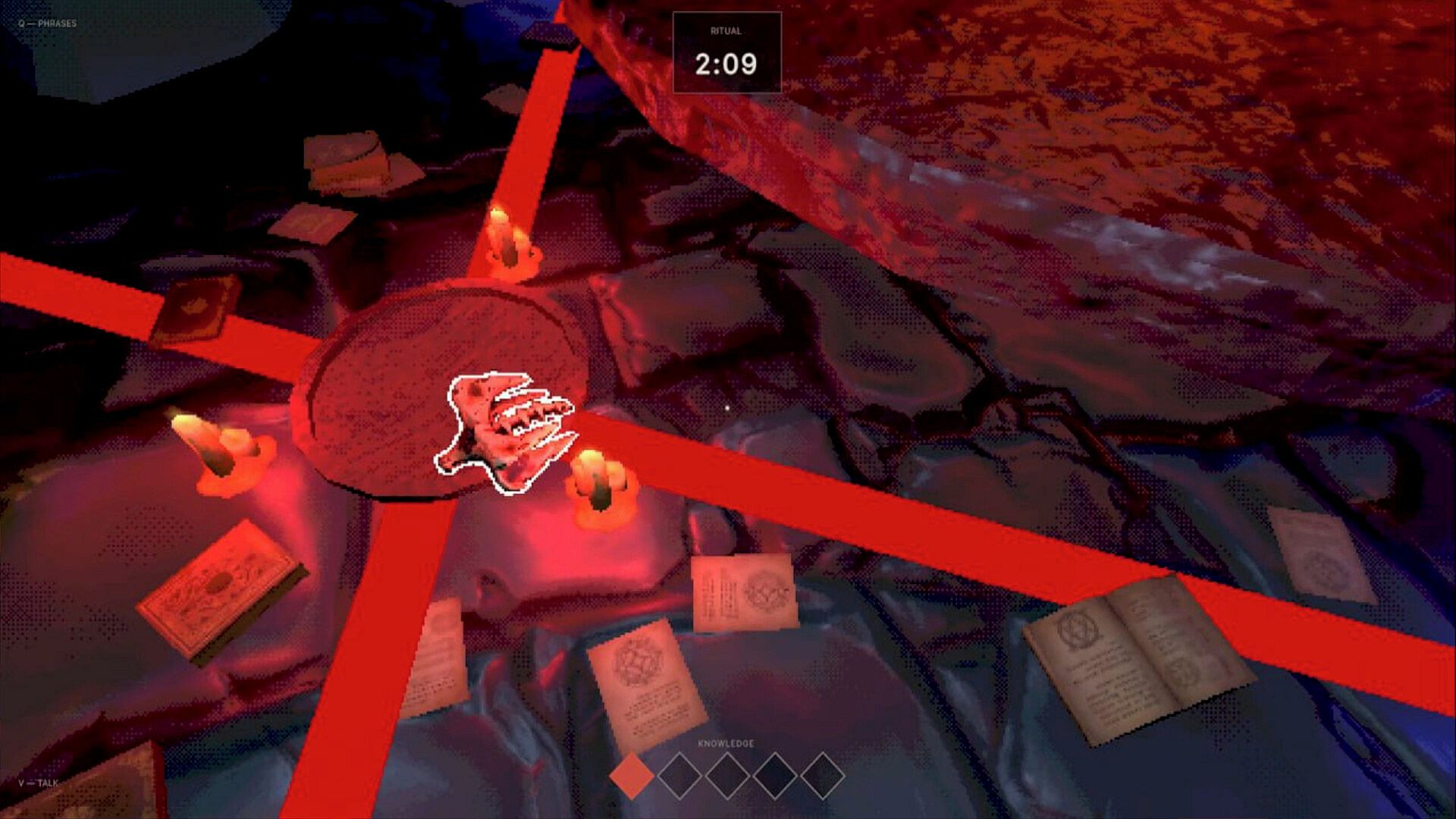
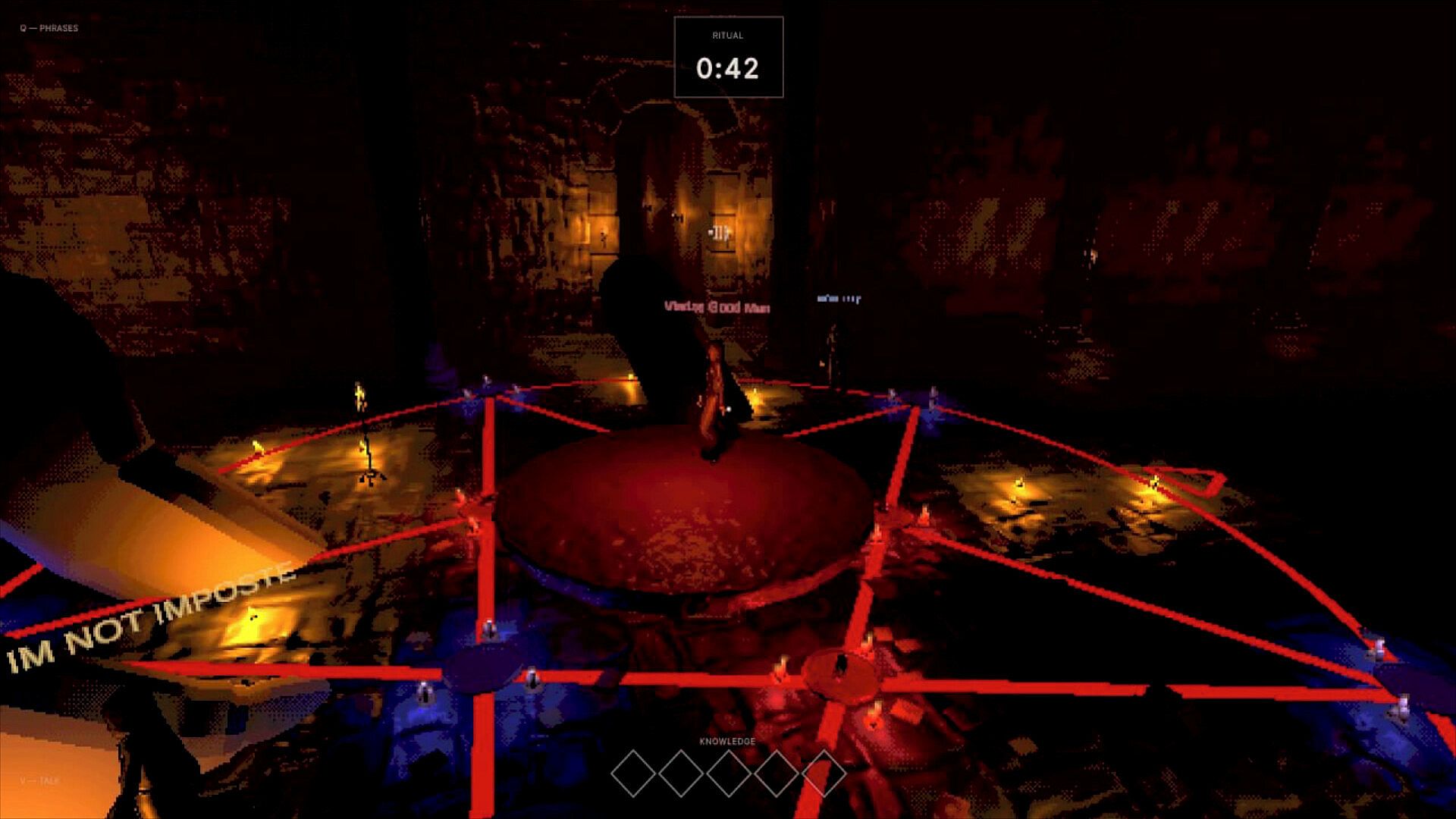
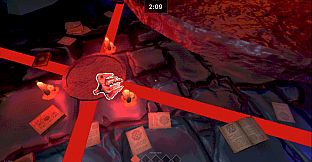
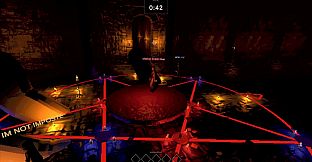
Each ritual begins with a secret schema that dictates the correct placement of objects on a pentagram. Every cultist receives only a partial view of this schema through their notebook, while the traitor sees the full picture. The group must search the castle, locate the required items, and position them accurately before a timer expires. A single misplaced object fails the entire ritual and triggers a vote.
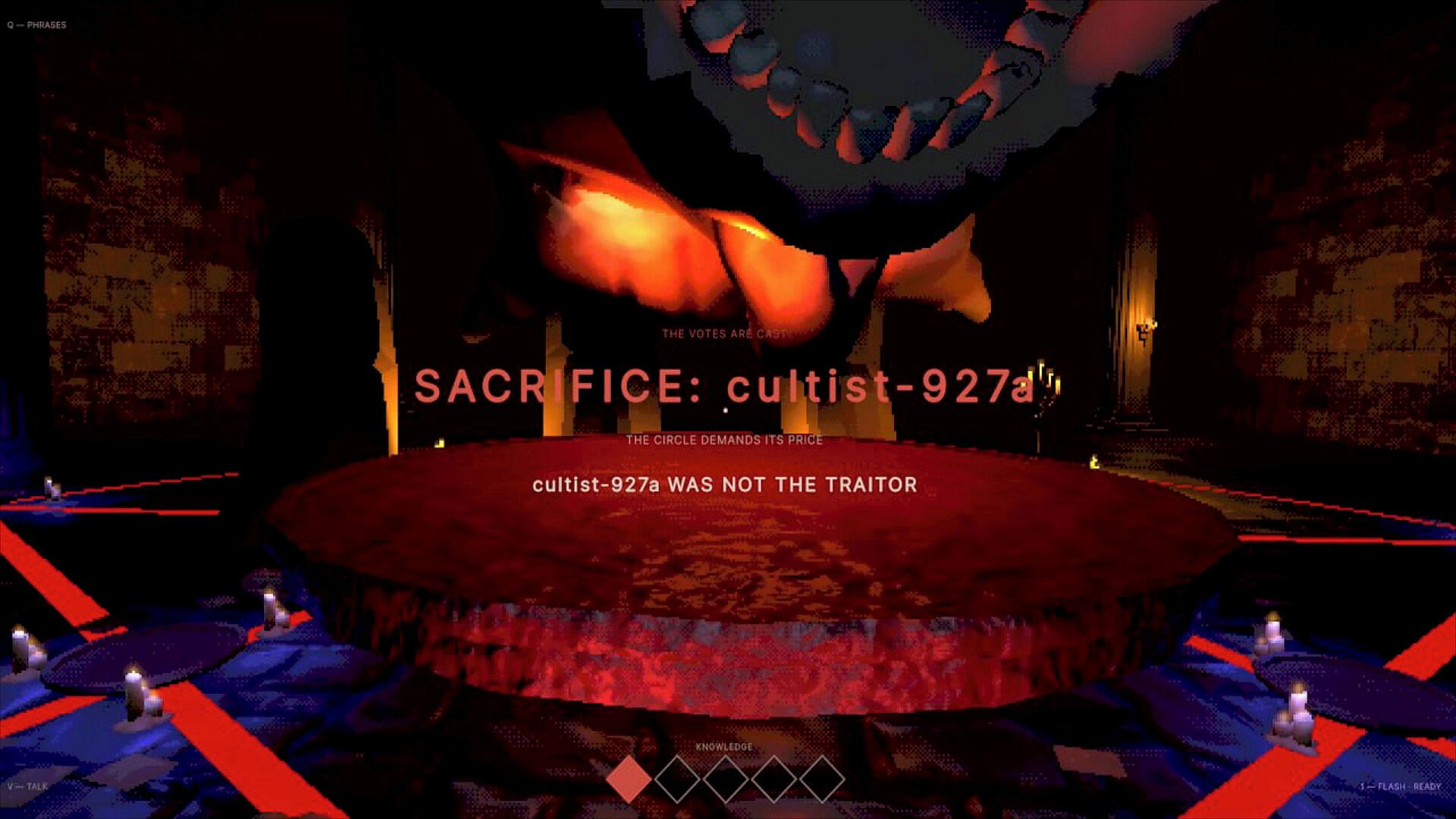
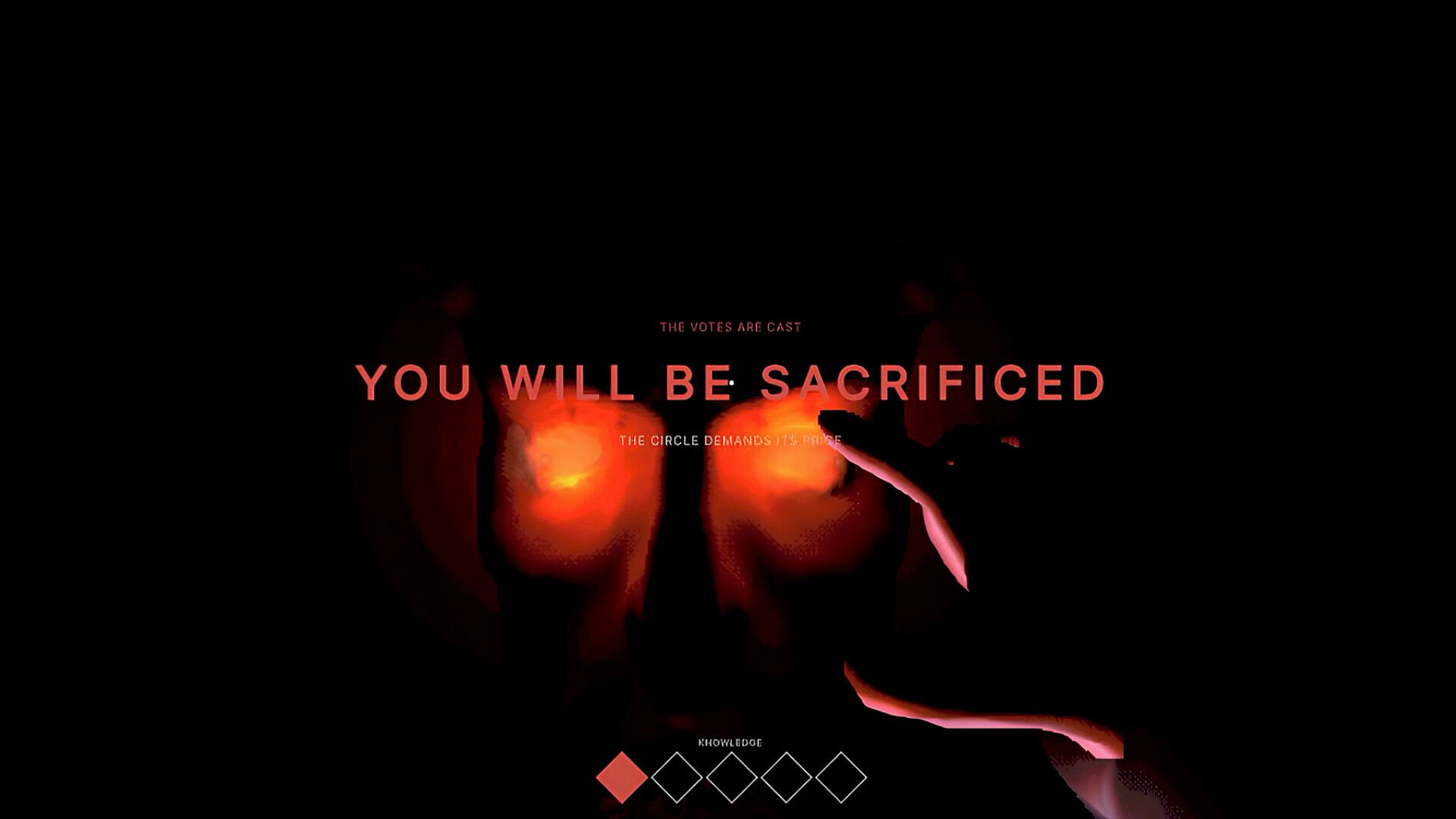
Voting occurs in public view, with each player raising a hand to indicate their chosen target for sacrifice. Three successful rituals let the cultists triumph, while three failures allow the darkness to prevail. Eliminating the traitor through a correct vote ends the match immediately. The traitor operates under the same constraints as everyone else, relying on knowledge, misdirection, and subtle sabotage rather than direct confrontation.
Proximity voice chat encourages private conversations that others might overhear, adding layers of suspicion. A quick-select wheel provides twelve preset phrases and gestures for non-verbal accusations. After death, players continue as ghosts that roam freely, observe the living, and converse among themselves in a channel the survivors cannot access.
Game Modes
The core experience revolves around the ritual performance loop in matches supporting two to eight players over Steam or LAN connections. Full deduction rules require at least three participants to maintain meaningful tension and information gaps. Smaller groups emphasize tighter coordination, while larger circles increase opportunities for deception and misdirection.
Matches progress through repeated ritual attempts until one side achieves victory conditions. The traitor role rotates or is assigned per session, keeping every participant alert across rounds. Ghost interactions provide post-elimination engagement without removing players from the social fabric of the game.
Key Mechanics and Atmosphere
Object carrying and placement form the physical backbone of each round, with the traitor able to hex items for disruptive effects such as flashes or scrambled controls on the next player to pick them up. Misplacing objects in visible locations or delivering convincing lies during discussion phases become primary tools for sowing disorder. The castle setting supports exploration and positioning that rewards awareness of who stands where during critical moments.
Cosmic horror elements emerge through the forbidden knowledge theme and the escalating stakes of failed rituals. The combination of limited information, time pressure, and irreversible votes creates constant paranoia without requiring complex equipment or additional systems.
Is It Worth Playing?
Ritual Disorder suits players who enjoy social deduction titles focused on deduction, bluffing, and group dynamics rather than action or resource management. The emphasis on proximity chat and ghost communication rewards groups comfortable with voice interaction and repeated sessions to refine strategies. Availability on PC through standard multiplayer options makes it accessible for small gatherings or larger online circles seeking a compact, rules-light experience centered on betrayal and ritual failure. Those preferring structured progression or single-player content may find the loop repetitive after initial matches, while fans of traitor mechanics and public voting systems will appreciate the direct implementation here.