






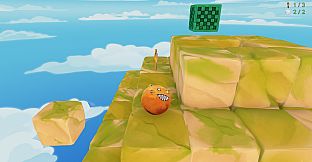




Rolitori is a strategy indie casual 3D platformer developed for PC that challenges players to navigate minimalist environments through clever use of perspective and gravity. The core experience centers on learning how one-sided surfaces and shifting viewpoints alter movement and interaction in a world where traditional platforming rules bend in unexpected ways.
Gameplay
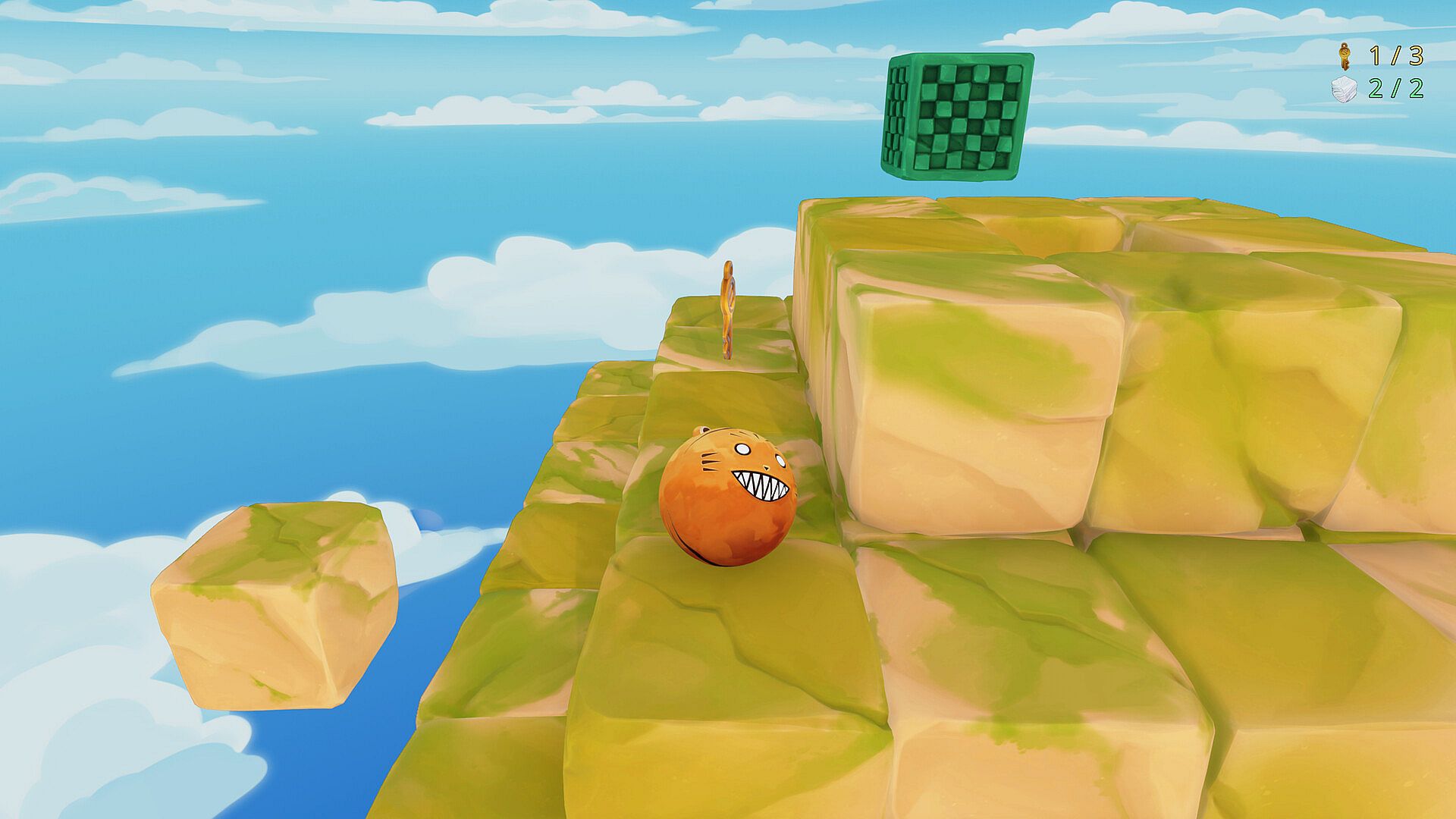
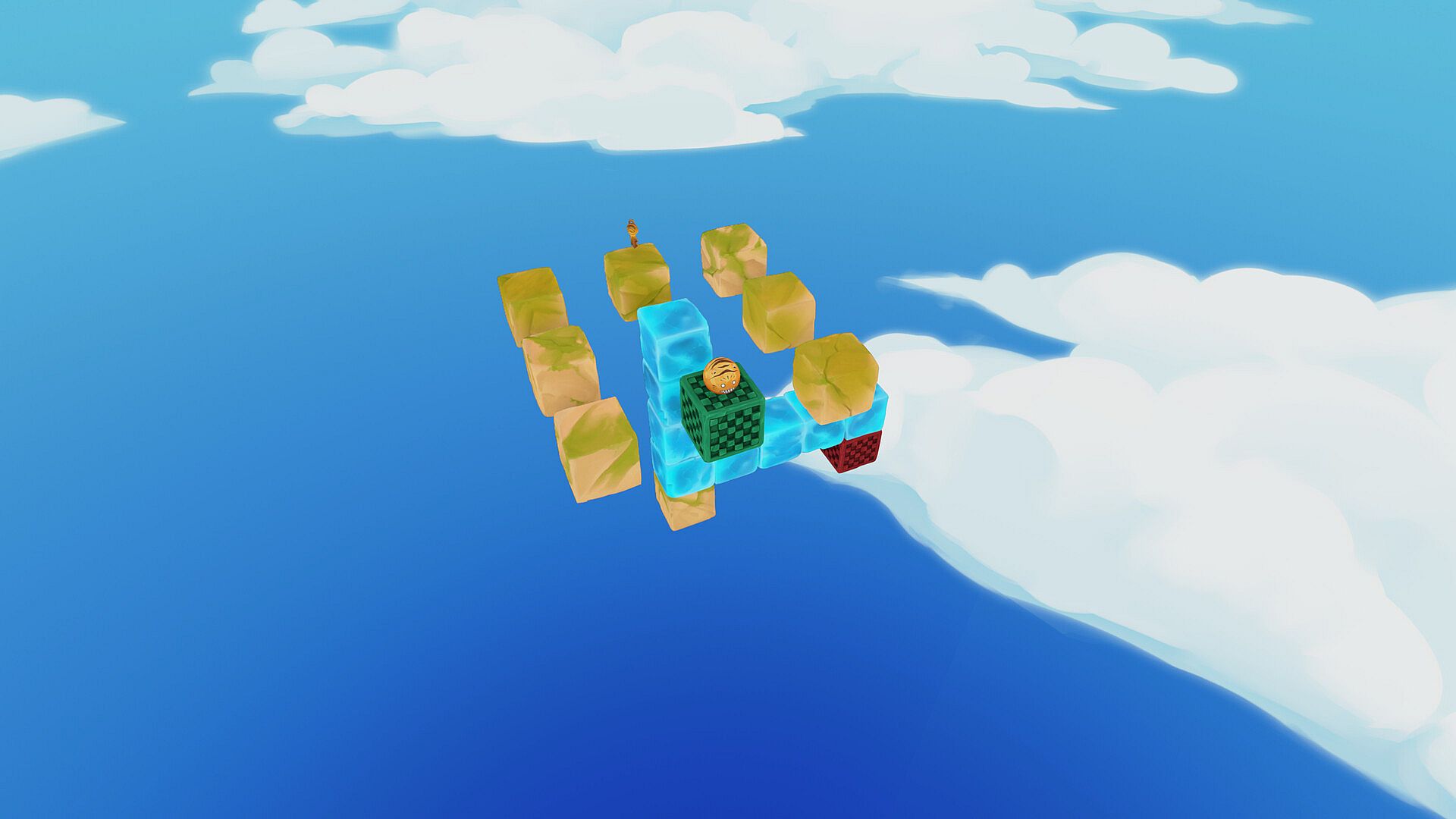
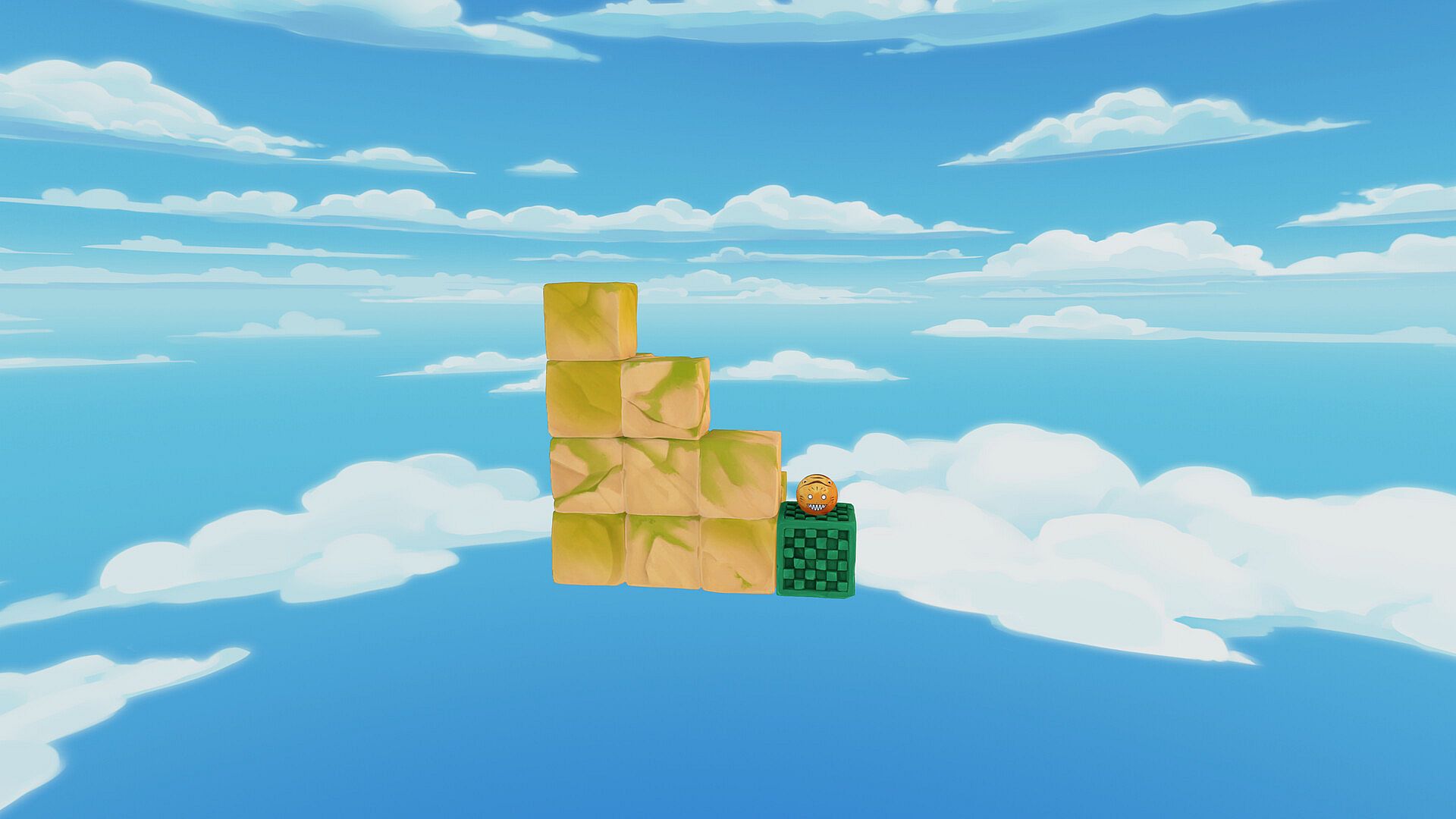
The gameplay loop revolves around mastering gravity and perspective shifts to solve spatial puzzles across handcrafted stages. Players control a character or object that interacts with surfaces in ways that depend on the current viewpoint, requiring careful observation of how walls, floors, and ceilings function differently based on orientation. Each stage builds on previous lessons by introducing new mechanics that layer complexity without relying on timed challenges or precise reflexes.
Progression encourages experimentation, as many puzzles support multiple valid solutions. Players fail quickly, observe what went wrong, and retry with adjusted approaches. This design keeps sessions focused on understanding the world's rules rather than memorizing sequences or executing flawless inputs. The minimalist aesthetic strips away distractions, directing attention squarely to the spatial relationships and gravity manipulation at the heart of every challenge.
Game Modes
Rolitori operates as a single-player experience with no separate multiplayer or competitive modes. All content unfolds through a linear yet flexible sequence of stages that players tackle at their own pace. The emphasis remains on solo puzzle solving, where the absence of time limits or external pressures allows full focus on discovering how perspective and gravity interact within each environment.
Stages number more than eighty and increase in complexity gradually. Early levels introduce core concepts such as one-sided surfaces and viewpoint changes, while later ones combine multiple mechanics into intricate arrangements. This structure supports repeated playthroughs, as different solutions often emerge on subsequent attempts once players internalize the underlying systems.
Puzzle Design and Progression
Handcrafted stages form the backbone of progression, each presenting a self-contained challenge that teaches through direct interaction rather than explicit instructions. Gravity serves as both obstacle and tool, allowing players to reorient entire sections of a level by changing perspective. One-sided surfaces add another layer, where certain faces block movement while others permit passage depending on the current view.
Experimentation drives discovery. A single stage might reveal several paths once players test how gravity affects momentum or how shifting the camera exposes hidden routes. The design avoids punishing failure, instead treating each attempt as an opportunity to refine understanding of the mechanics.
Accessibility Features
The game supports full playthroughs using only a keyboard or gamepad, with no quick-time events or time-sensitive inputs required at any point. This setup accommodates players who prefer deliberate pacing or have varying motor control needs. Visual and spatial cues carry all necessary information, making the experience fully accessible to deaf and hard-of-hearing players without reliance on audio prompts.
These choices broaden the appeal to a wide range of players seeking thoughtful puzzle platforming without barriers related to reaction speed or sensory requirements.
Is It Worth Playing?
Rolitori suits players who enjoy minimalist puzzle platformers built around spatial reasoning and gravity manipulation. Its focus on handcrafted stages and multiple solution paths rewards careful observation and iterative learning. The accessibility options further extend its reach to those who value inclusive design in single-player experiences.
With the game still upcoming and no player reviews available yet, interest hinges on appreciation for deliberate, perspective-driven challenges rather than fast action or narrative elements. Those drawn to indie strategy titles that emphasize rule discovery over reflex tests will find a strong match in its core loop and stage variety.












