


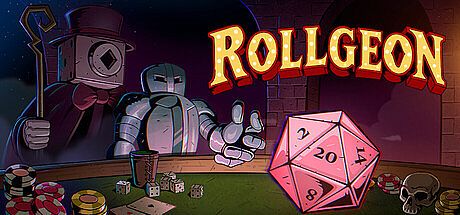





Rollgeon stands out as a strategy indie RPG that fuses roguelike progression with a distinctive dice-building system. Players assemble and refine a bag of dice to navigate procedural dungeon runs set inside an abandoned casino. Every decision revolves around probability, positioning, and long-term build planning rather than traditional card draws or character classes.
Gameplay
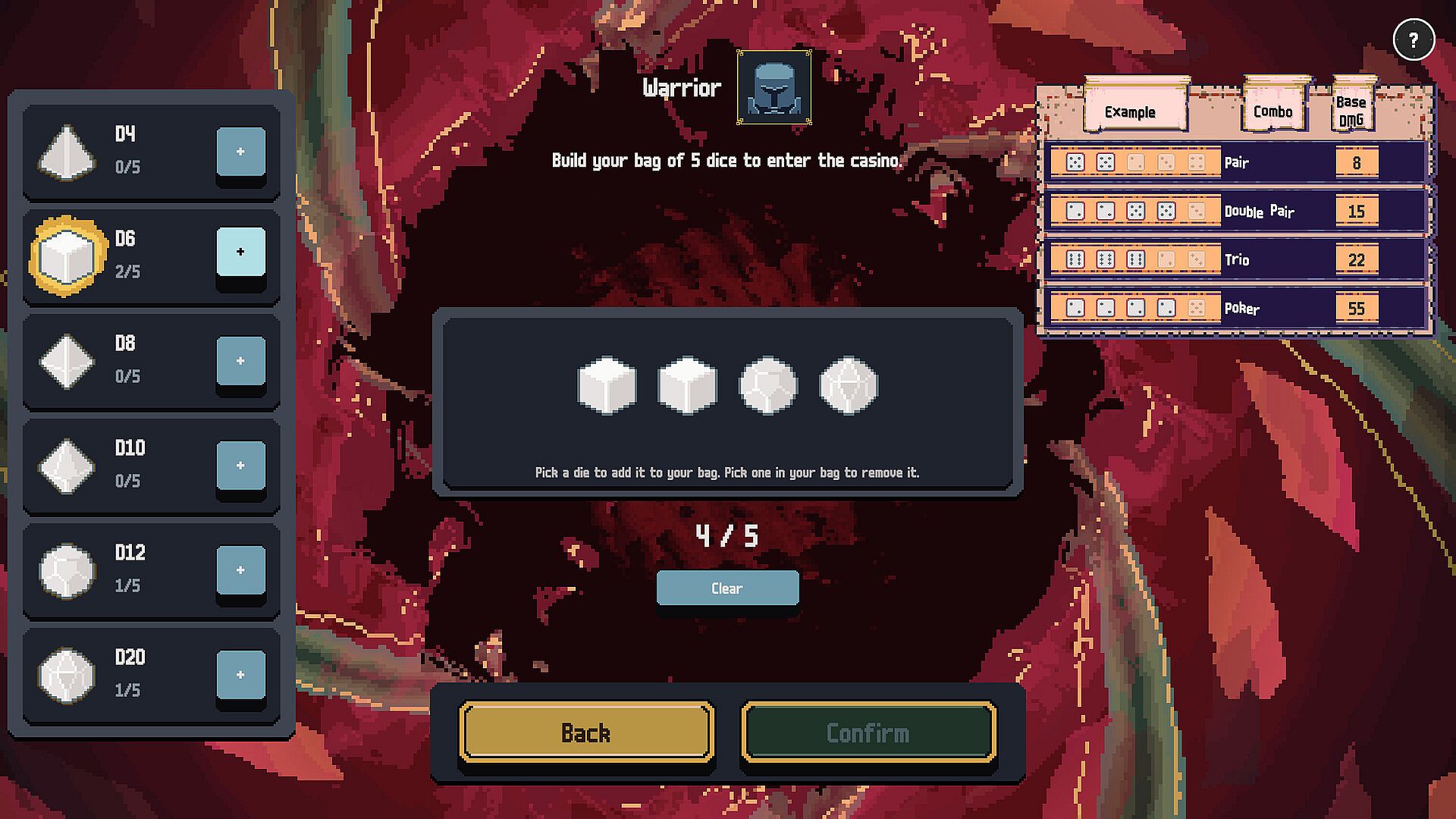
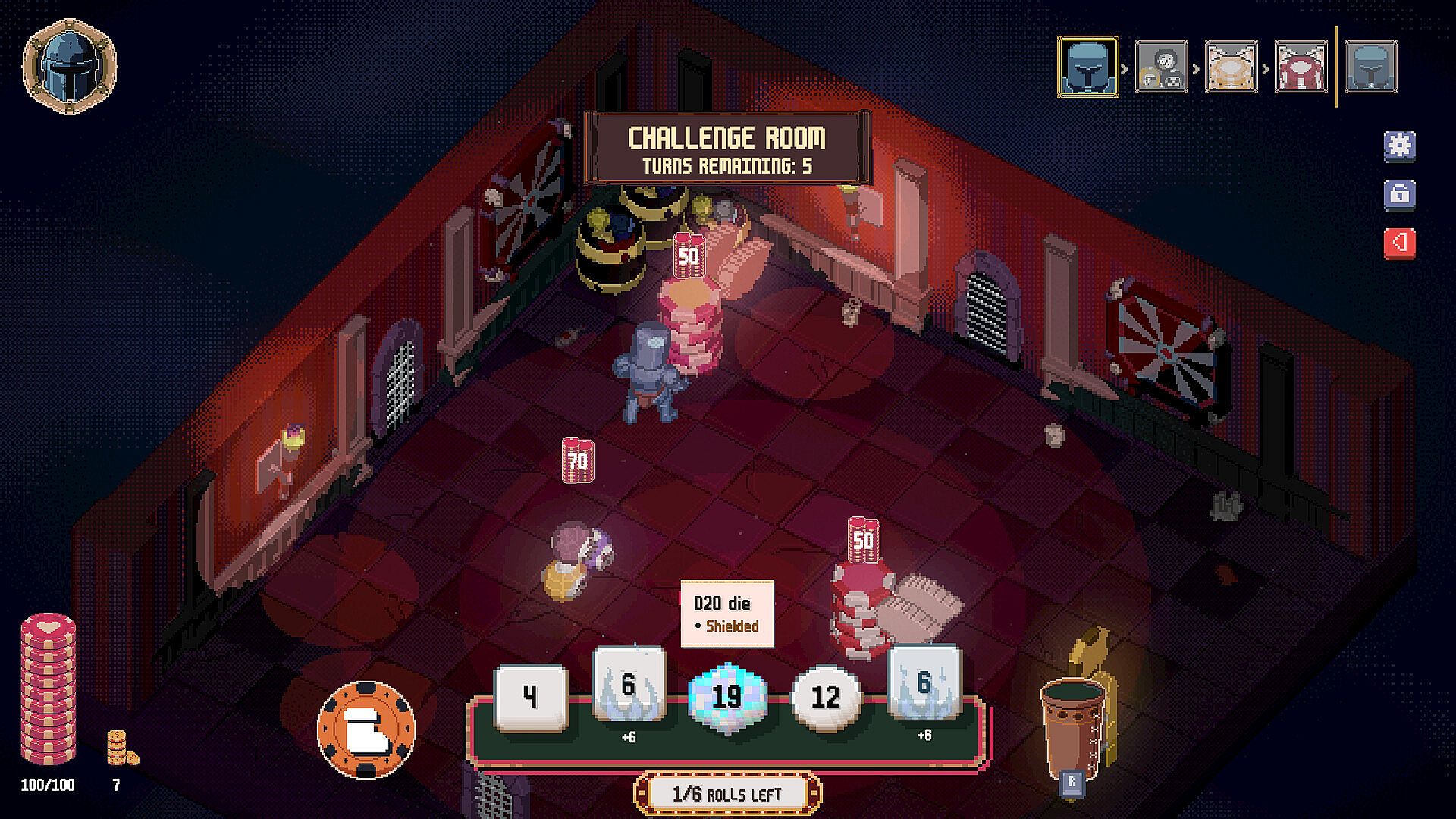
Combat draws directly from Generala, a traditional dice game popular in Argentina and the Rio de la Plata region. Each turn involves rolling up to five dice, choosing which results to keep, and rerolling the rest up to two additional times to form scoring combinations such as pairs, straights, full houses, or the rare five-of-a-kind Generala. These combos determine damage output and other effects, with the underlying dice values influencing final results.
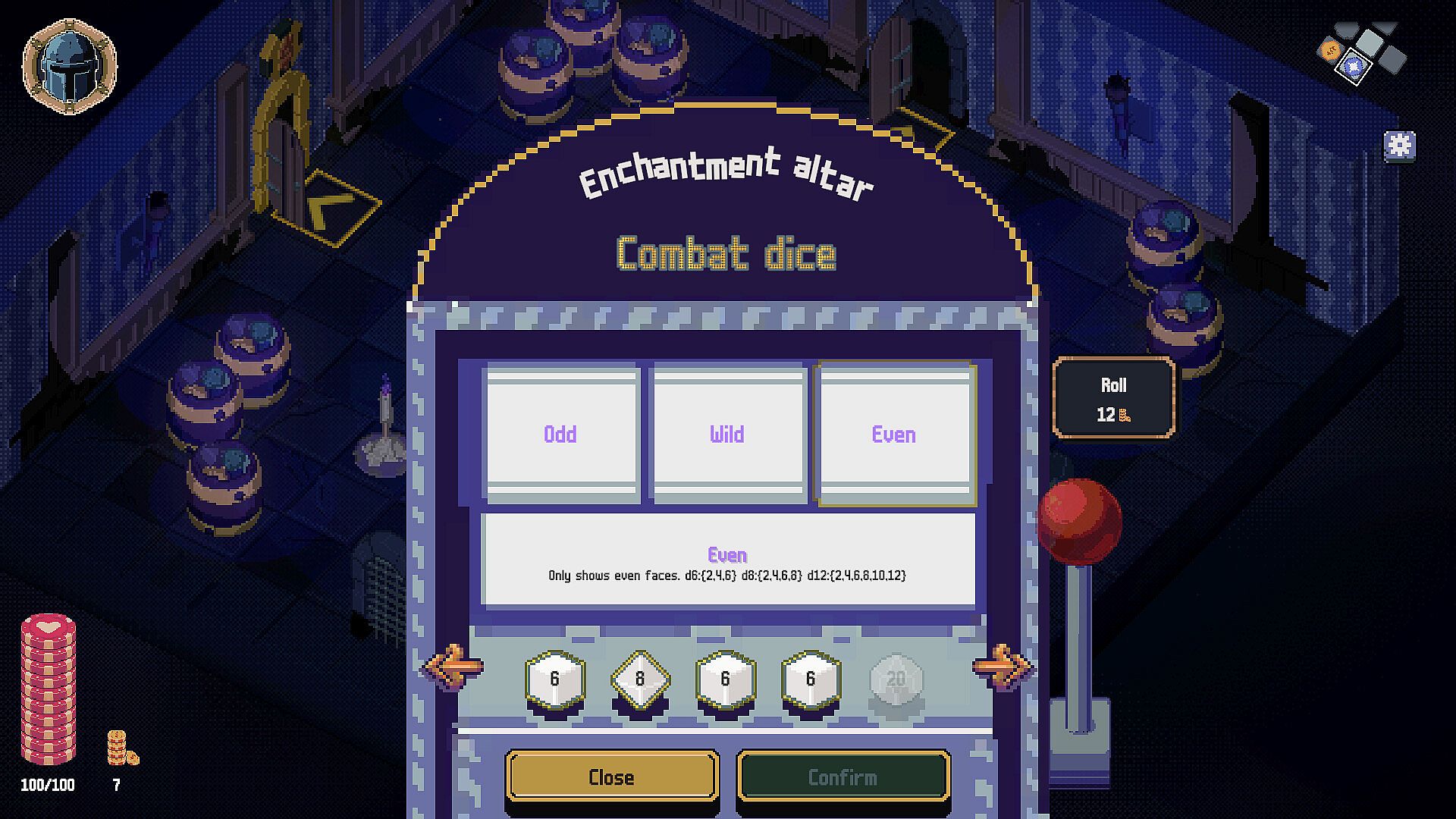
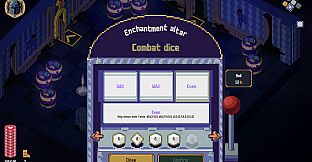
The tactical layer places fights on a grid where positioning matters. Enemy attacks telegraph their target tiles in advance, allowing players to avoid damage through movement. Different dice types alter how combos perform, and larger dice faces can multiply damage compared to smaller ones. Enchantment rooms and shops provide ways to modify dice by adding effects, removing faces, or adjusting numbers, expanding build variety across runs.
Resource management and probability reading form the core loop. Players must weigh risk versus consistency when selecting which dice to carry forward, knowing that no two runs produce identical outcomes due to procedural generation and the open-ended nature of dice upgrades.
Game Modes
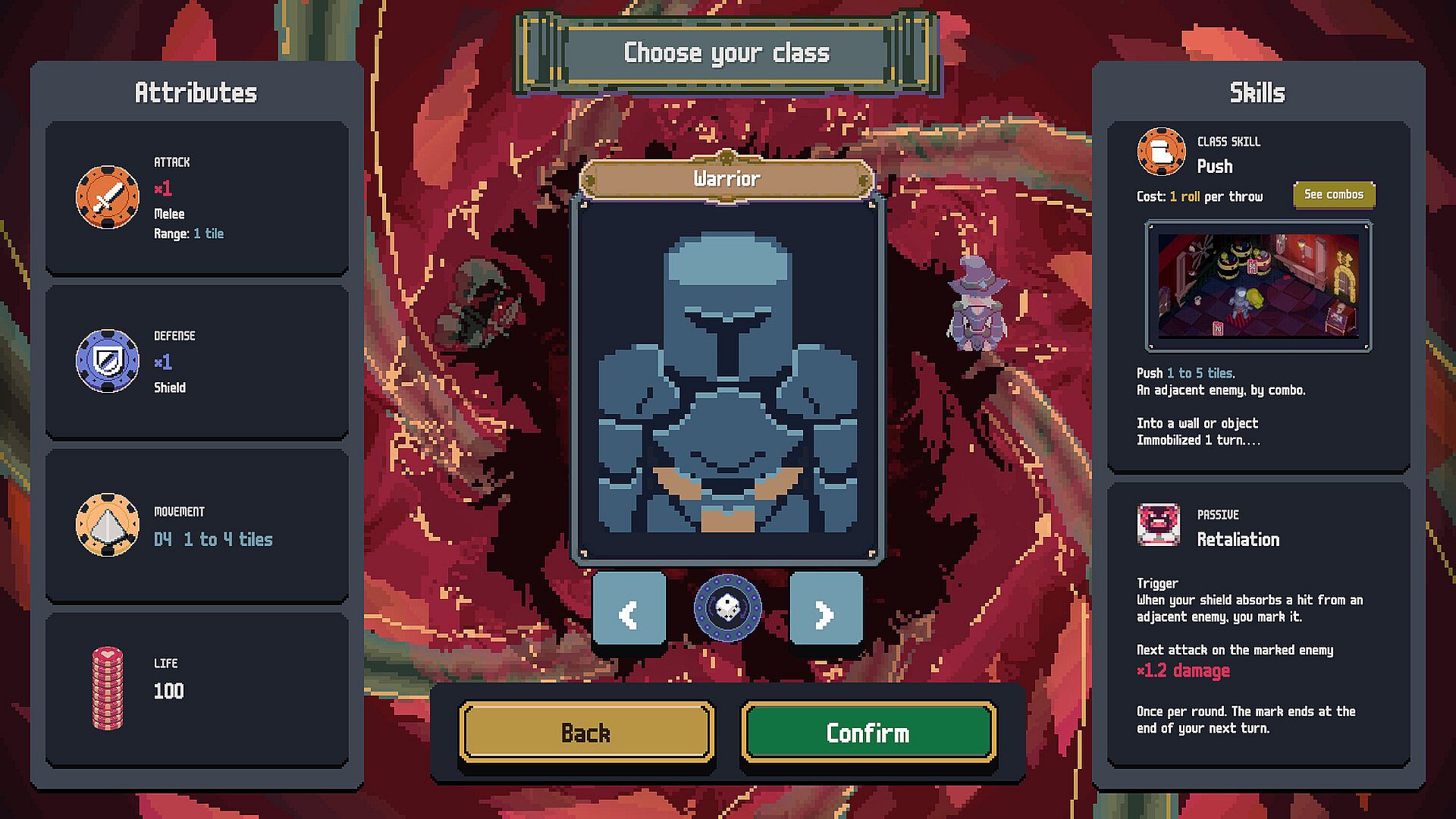
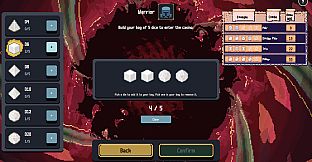
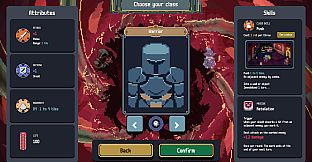
Rollgeon centers on roguelike runs that emphasize replayability through procedural layouts and randomized encounters. Each attempt begins with the selection of a starting bag of five dice, followed by exploration and combat encounters that reward successful combo formation and survival. Progression occurs through accumulated loot that funds permanent modifications between attempts, though the focus remains on adapting to what each run offers.
Turn-based tactical combat integrates with the dice system at every step, turning what could be simple rolls into layered decisions about positioning, reroll timing, and combo prioritization. The structure supports short sessions while encouraging multiple attempts to refine strategies and discover new synergies.
Core Mechanics and Progression
Build crafting revolves around the five-dice limit, which forces deliberate choices about consistency versus high-variance options. Enchantments can grant resources on successful combos or rewrite die faces entirely, while shops allow targeted adjustments to existing dice. These systems reward players who study odds and plan around the Generala hand rankings rather than relying on luck alone.
The setting in a long-abandoned casino adds thematic flavor, with remnants of the house staff serving as opponents. Combat remains strictly single-player and turn-based, with no multiplayer components confirmed at this stage of development.
Is It Worth Playing?
Early player feedback on available builds highlights the fresh combination of Generala rules with roguelike structure and tactical grid combat. Reviewers note the engaging mix of probability calculation and build experimentation, along with consistent developer updates that add features over time. The game appeals particularly to those who enjoy turn-based tactics, dice-driven systems, and high-replayability roguelikes where outcomes depend on smart decisions more than raw chance.
With a planned PC release in 2027 and active development by a small Argentine studio, the title remains in a pre-release state focused on wishlist growth and community input. Those drawn to strategic depth in compact sessions will find the current direction promising, especially if they appreciate games that turn familiar dice mechanics into a full combat framework. Continued support and feature additions make it one to watch for fans of the genre.












