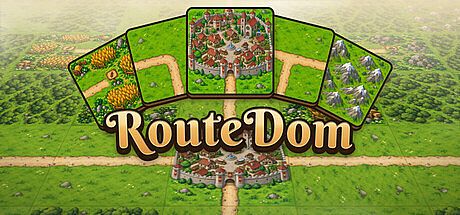


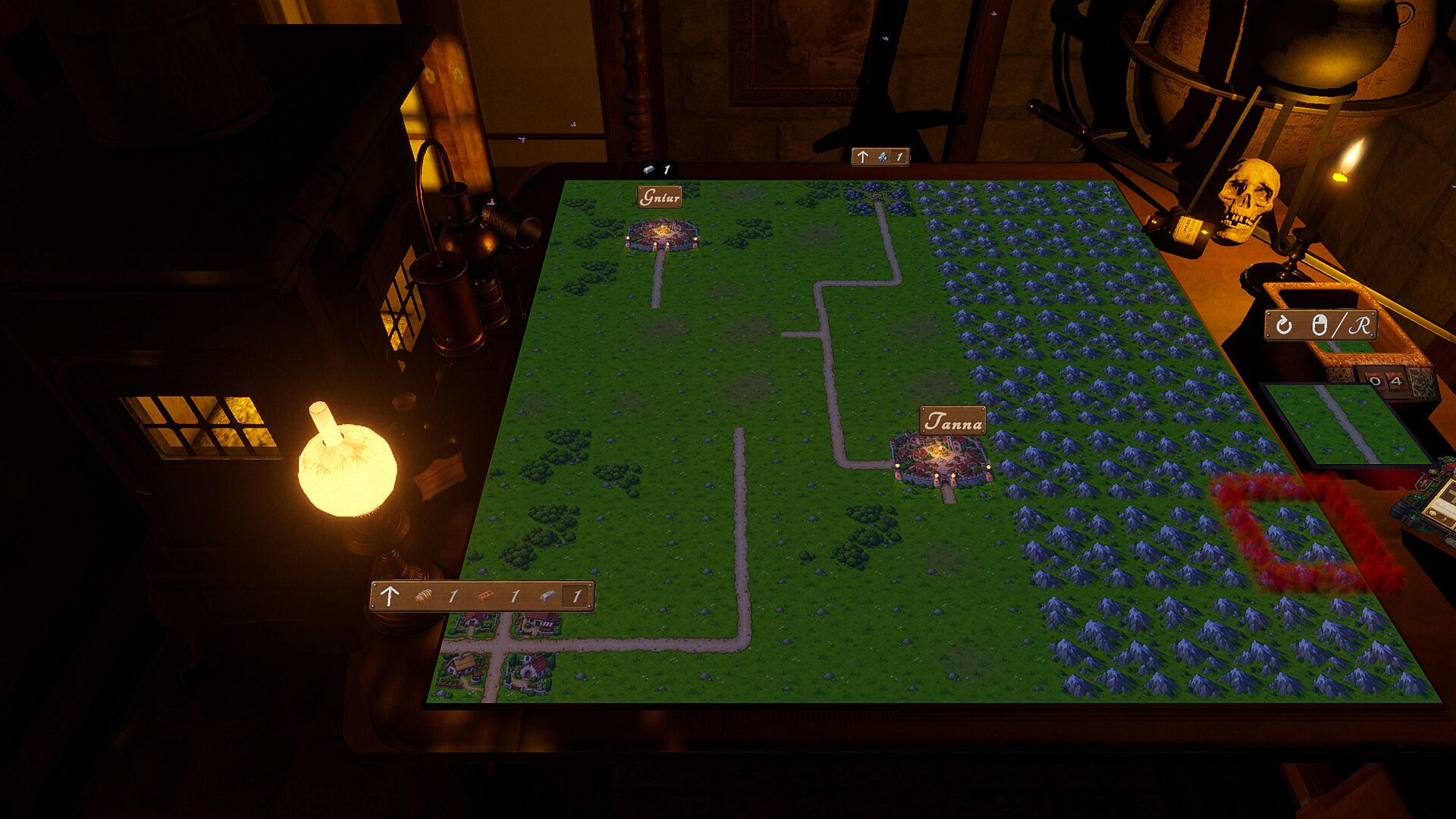
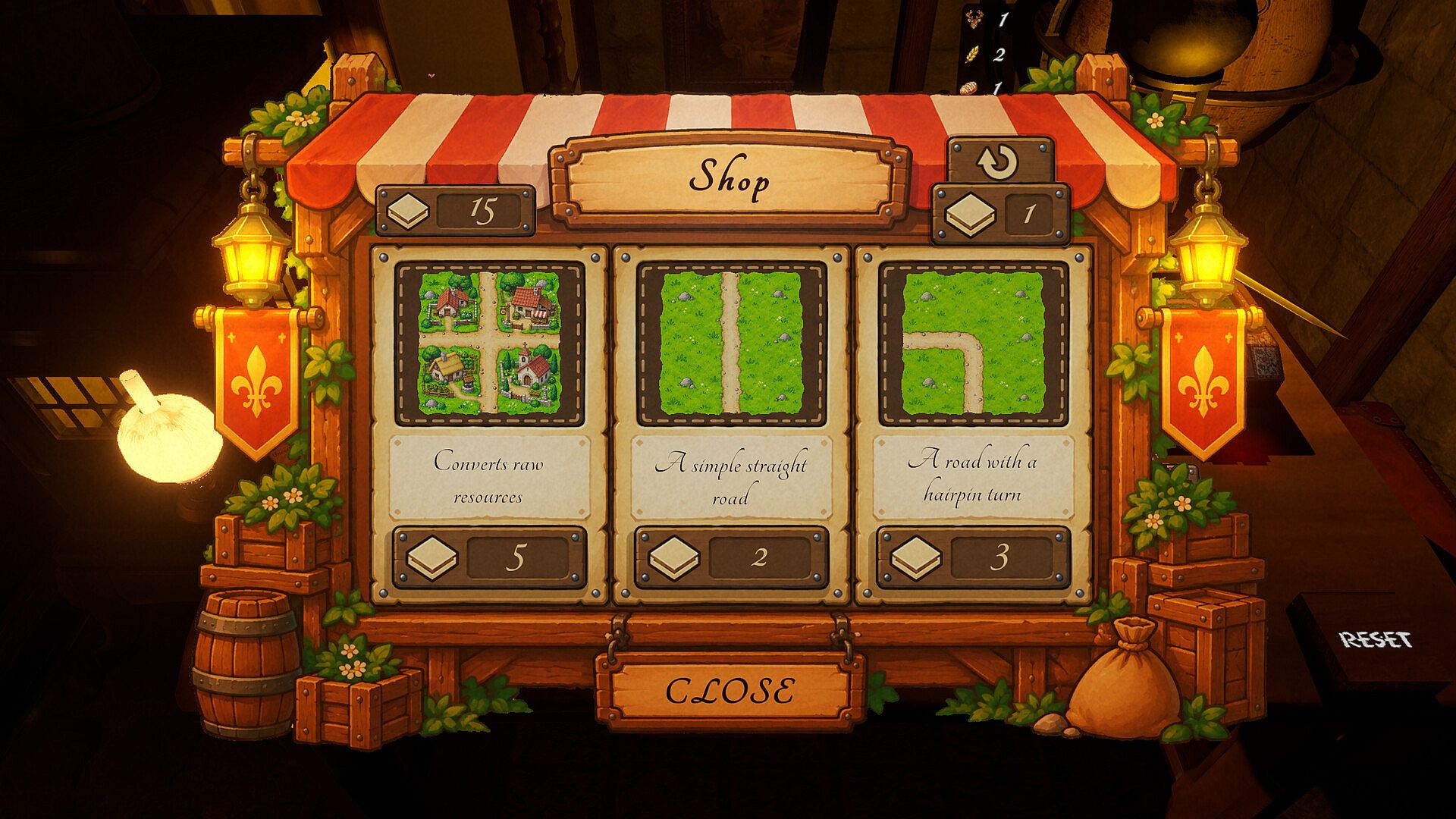
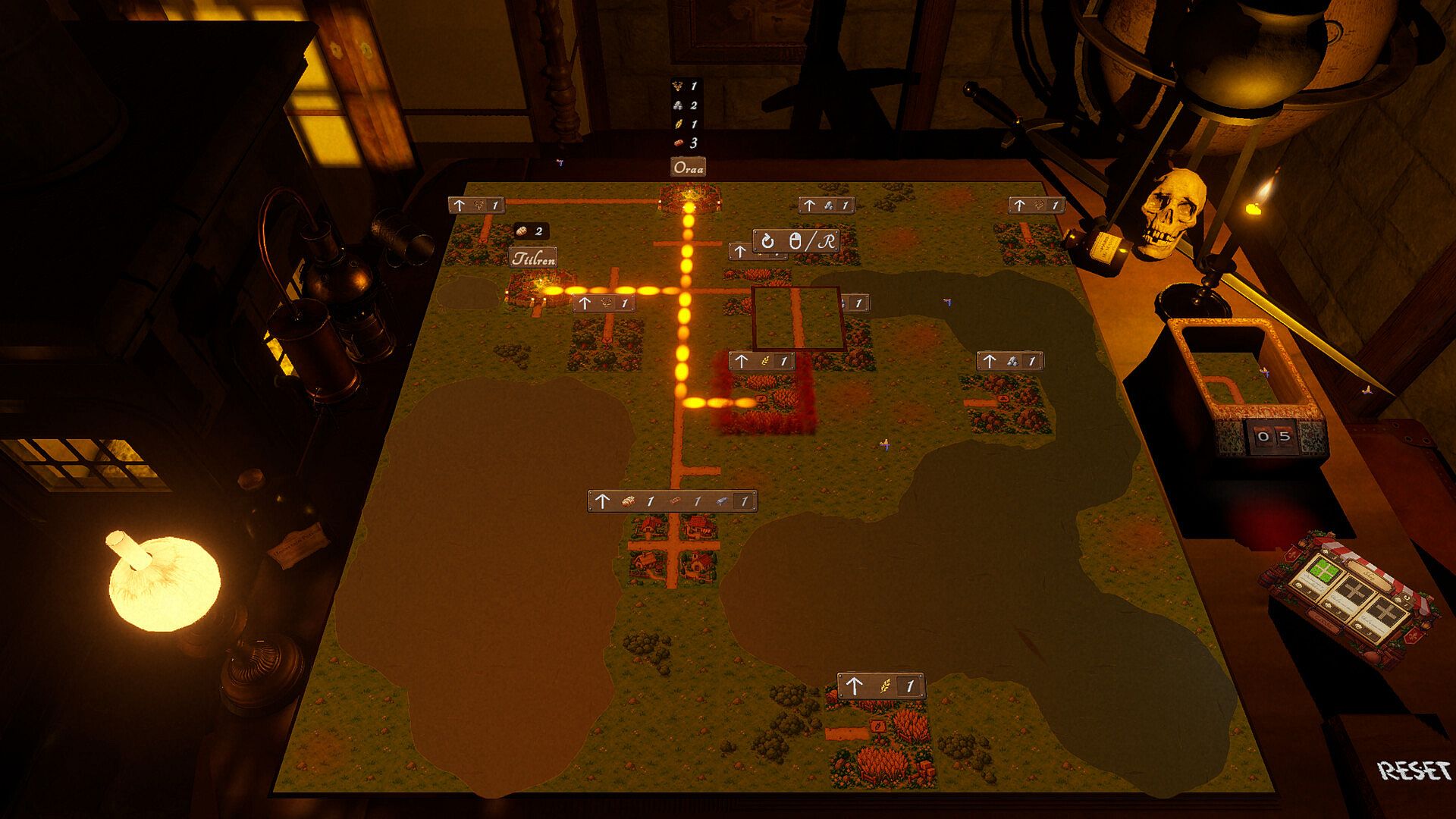
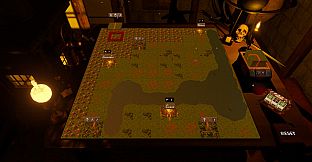
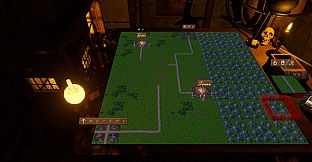
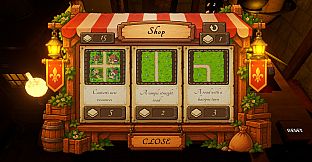
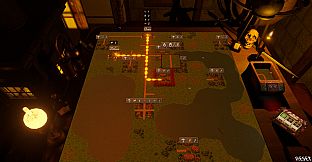
RouteDom is a strategy and casual tile-laying game for PC in which players build roads across a growing landscape to connect scattered resources to a central city. The core loop revolves around drawing tiles and placing them so that edges align properly, turning random draws into deliberate paths that score points through efficient connections. Every placement influences both personal progress and the options available to others at the table or screen.
Gameplay
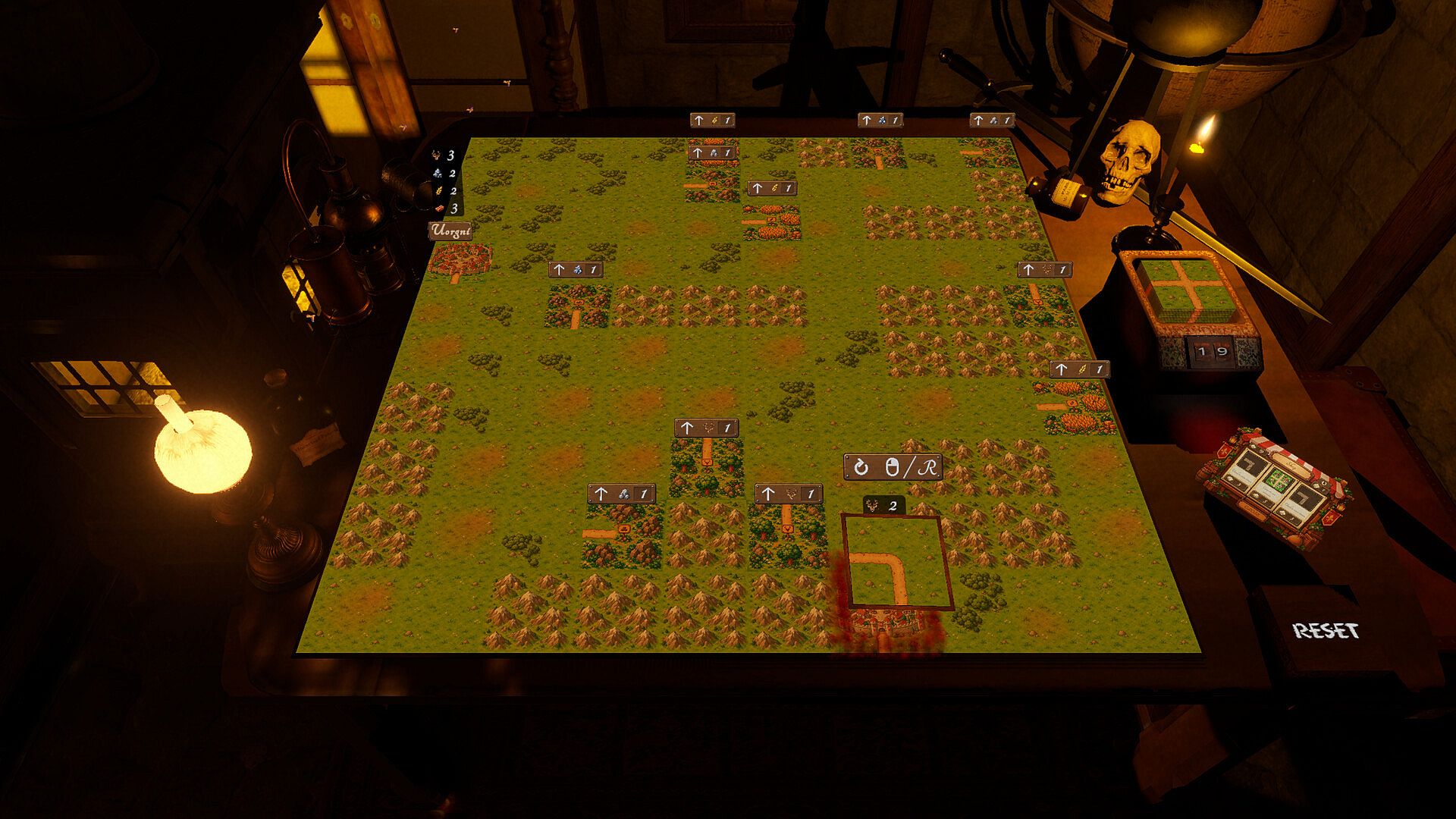
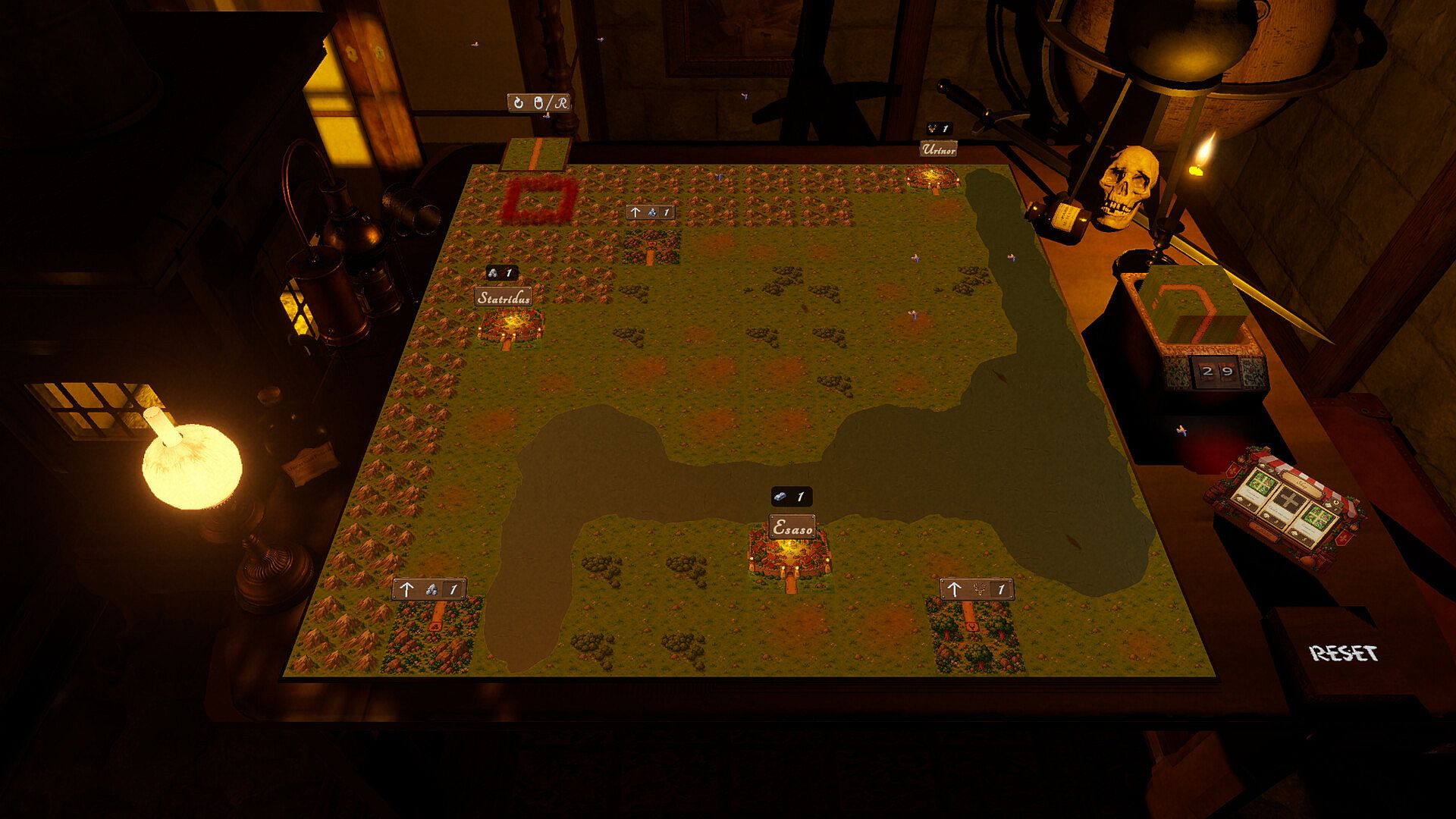
Each turn begins with drawing a tile from the shared supply. The player then positions it adjacent to existing tiles, ensuring roads meet roads, fields meet fields, and city sections meet city walls. Mismatched edges block future placements and can isolate valuable areas. Resources such as farms, mines, forests, and markets appear on the map, and the objective centers on linking them to the city via continuous road networks. Longer, uninterrupted routes yield higher rewards, while incomplete or severed connections reduce the final score. The random order of tiles ensures that no two sessions follow the same sequence, forcing constant adaptation rather than reliance on memorized layouts.
Strategic decisions arise at every step. A player might extend a long route to claim multiple resources at once or insert a tile that cuts off an opponent's path. The medieval kingdom artwork keeps the board clear and readable, with distinct icons for roads, fields, and resource types. Rules require only a few minutes to grasp, yet the interplay of placement choices and resource scoring creates layers of tactics that reward foresight and opportunistic blocking.
Game Modes
RouteDom supports flexible play sessions that scale from individual practice to group competition. Solo sessions allow focused experimentation with different placement strategies and route-planning approaches without external pressure. When playing with family or friends, participants alternate turns around a shared board, turning each game into a light contest of efficient building and subtle interference. The absence of complex setup or hidden information makes the experience accessible for mixed skill levels, while the variable tile draws keep repeated matches fresh for experienced groups.
Strategic Depth and Replayability
The game rewards careful observation of the emerging map. Early placements can open wide corridors for multiple resources, but they also risk creating bottlenecks if opponents claim key junctions first. Later tiles often force trade-offs between completing a personal route and denying an opponent a critical connection. Because tiles are drawn randomly each game, players develop general principles rather than fixed patterns: prioritize high-value resource clusters, maintain flexibility for future draws, and watch for opportunities to fragment rival networks. This combination of simple mechanics and branching consequences produces sessions that feel distinct even after many plays.
Is It Worth Playing?
RouteDom suits players who enjoy thoughtful tile placement without heavy rules overhead. Its intuitive matching system and resource-connection scoring deliver immediate engagement, while the random tile order and opponent interaction provide ongoing challenge. The game works equally well for short solo sessions or longer shared evenings, and the clear visual design reduces confusion during play. Those seeking a casual strategy experience centered on route building and city growth will find consistent satisfaction in its core loop. With a November 2026 release on PC, the title remains in preparation, yet the described systems already point to strong replay value for fans of tabletop-inspired puzzles.