






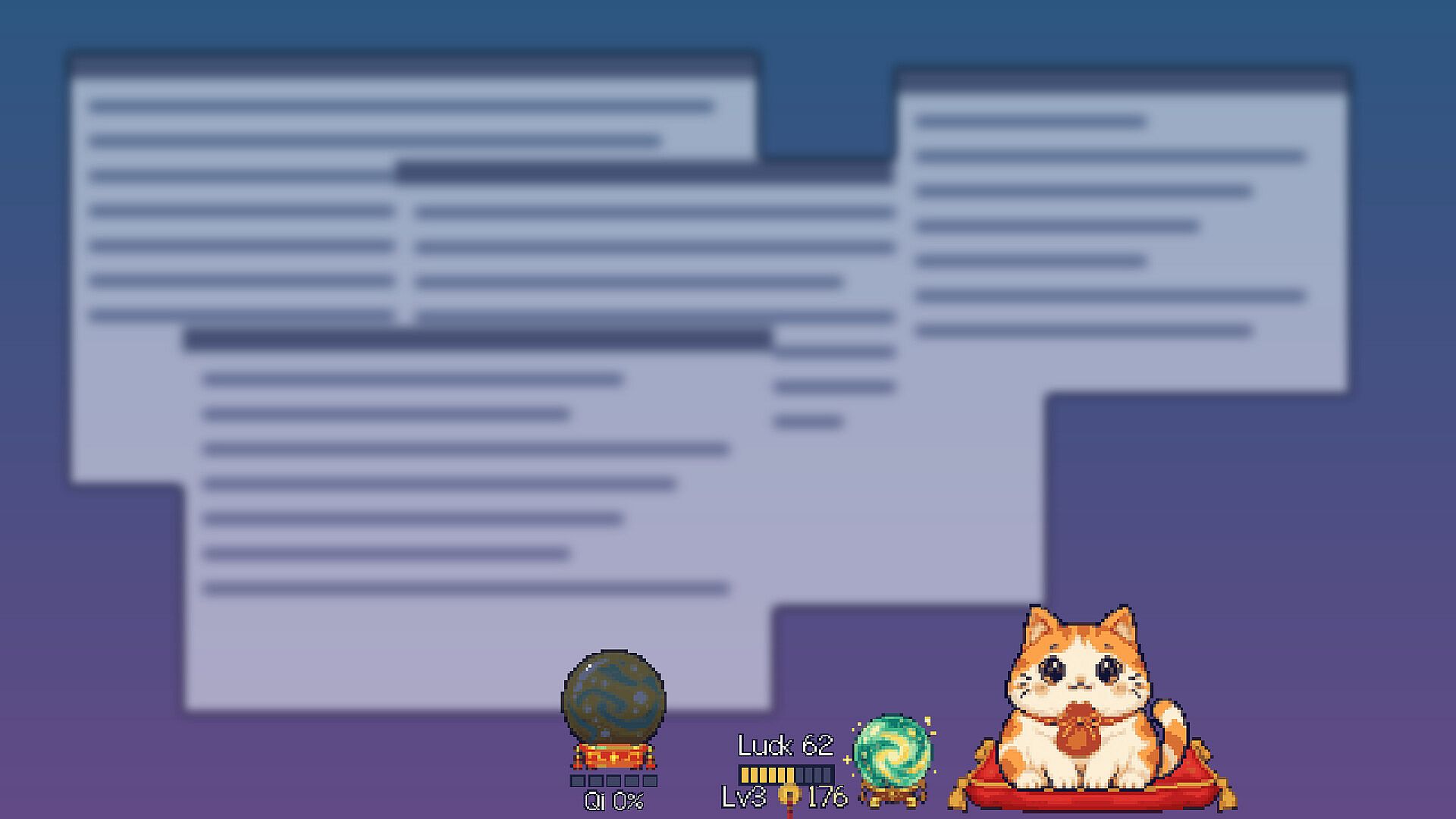
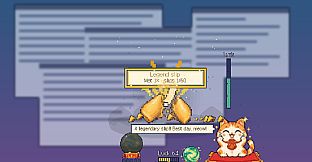
Saju Friend is an indie casual simulation game for PC that places a small pixel art cat named Bokmeow on your desktop as a persistent companion. The cat rests on a cushion in the corner of the screen, remains visible over other windows during work or browsing, and adds light interactive elements tied to luck and fortune themes. Players interact by clicking to open a menu or dragging the window to reposition it, with resizing available through the right-click options. All content stays local to the user's computer, with birth dates and play records never transmitted elsewhere.
Gameplay
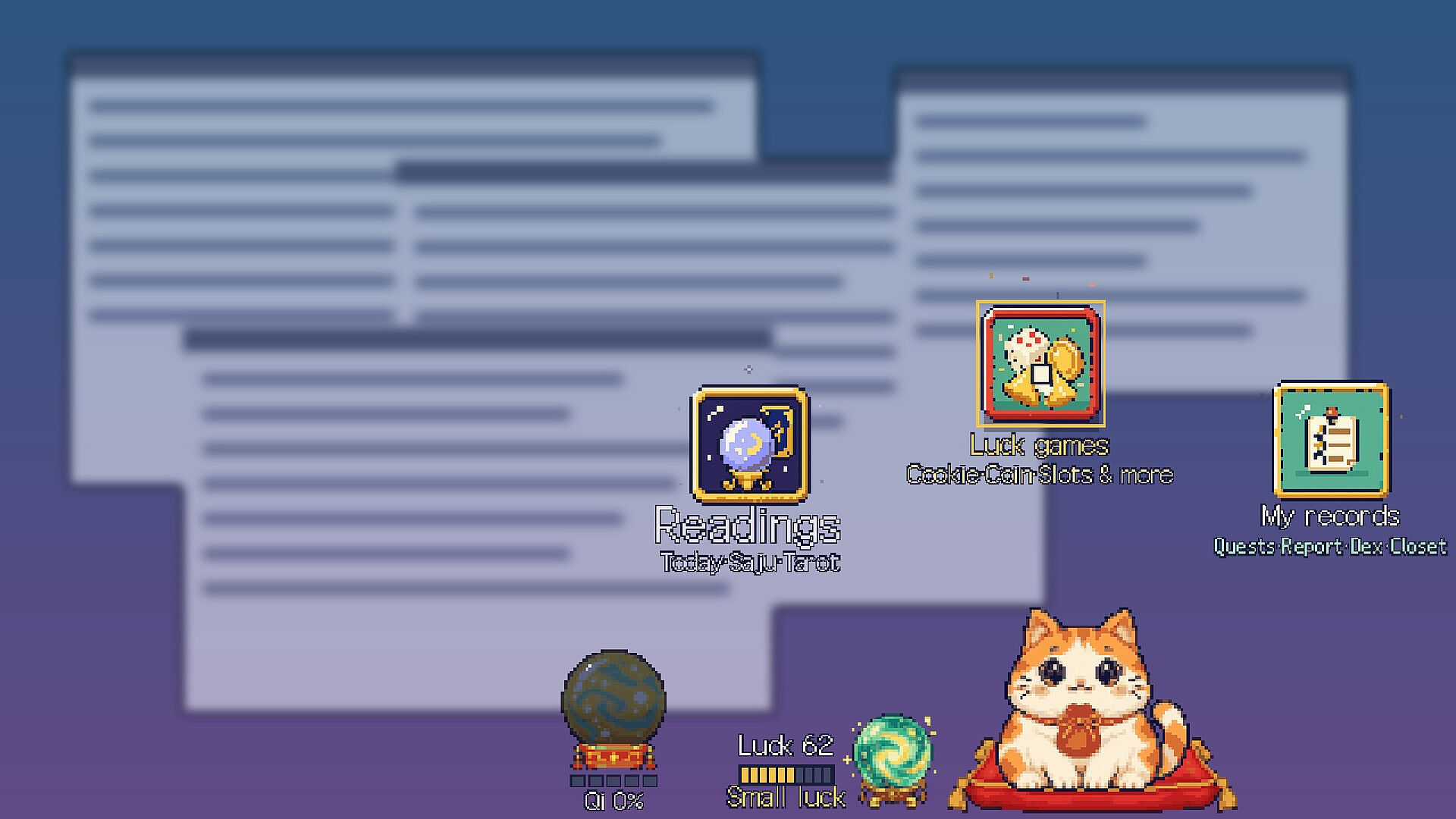
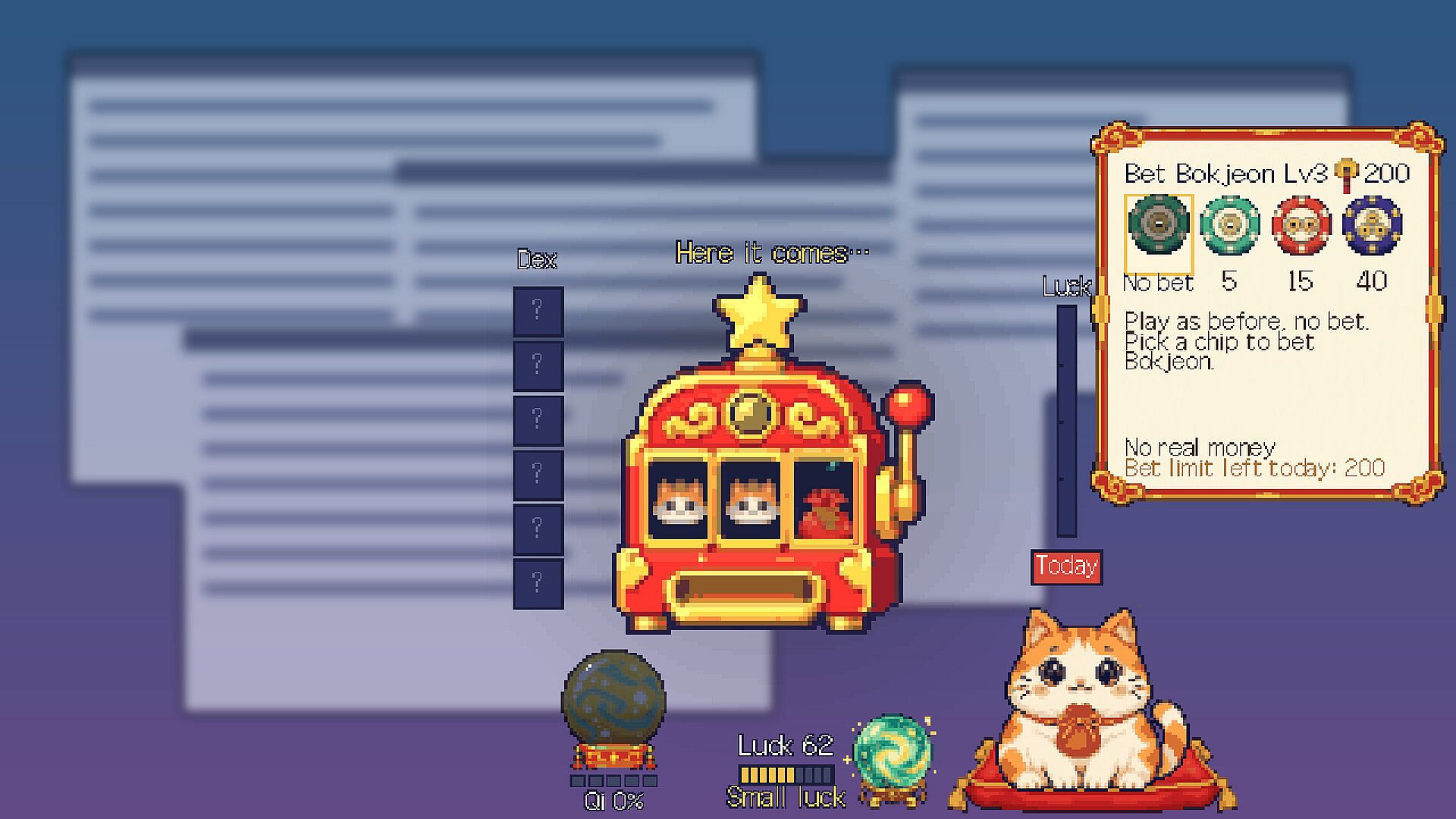
The core loop centers on brief, self-contained interactions that fit around daily computer use. The cat serves as the central hub, and clicking it brings up options for various luck-related activities. Each activity features short animations and sound effects, with positive outcomes triggering small celebratory visuals. Poor results can be addressed by tying them to a virtual tree branch and shaking them away. The application runs with low resource demands, dropping frame rates when idle and avoiding any keyboard input capture. A Luck Orb fills gradually while the program stays open, supporting progression without active play.
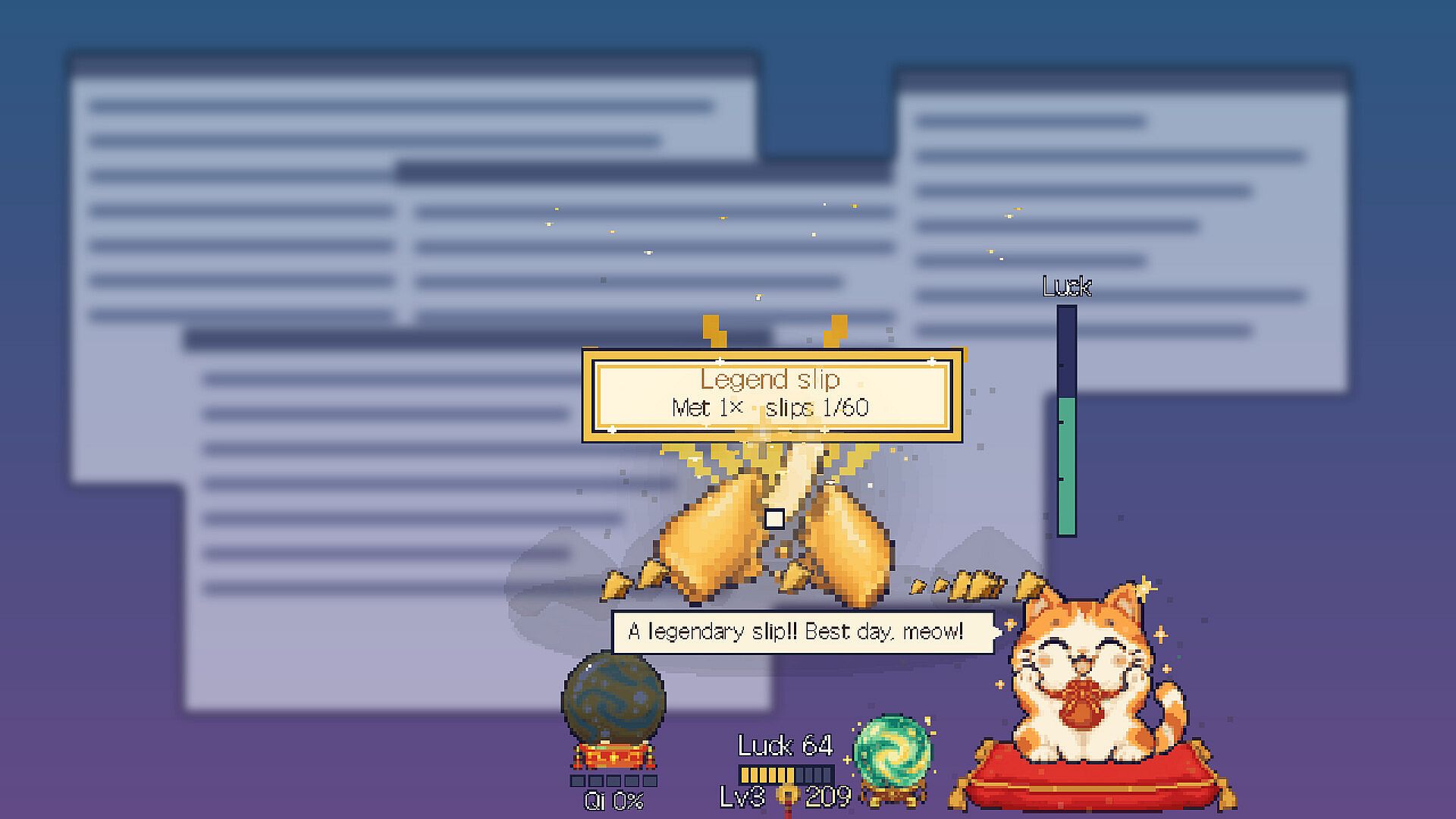
Progression involves earning in-game coins through repeated use of the luck features. These coins unlock new cat skins in the wardrobe system, with additional skins tied to overall levels gained from participation. No real-world purchases or value attach to the coins. Collection elements track fortune cookie notes, slot symbols, and entries in a luck-play book that categorizes items by rarity levels from common to legendary.
Game Modes
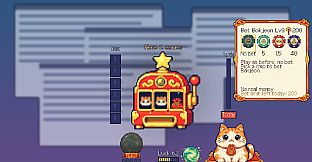
Luck play forms the main set of activities, including fortune cookie selection from a plate, coin toss, dice rolls, slots, scratch tickets, and a ten-toss luck experiment. Each carries its own animation and audio. Name compatibility lets users enter two names to generate a compatibility score, with the calculation method adapting automatically to the scripts used, such as Korean stroke counts, Japanese kana and kanji, or the FLAMES system for English names. Mixed scripts within a single name are supported, and no names are stored or shared.
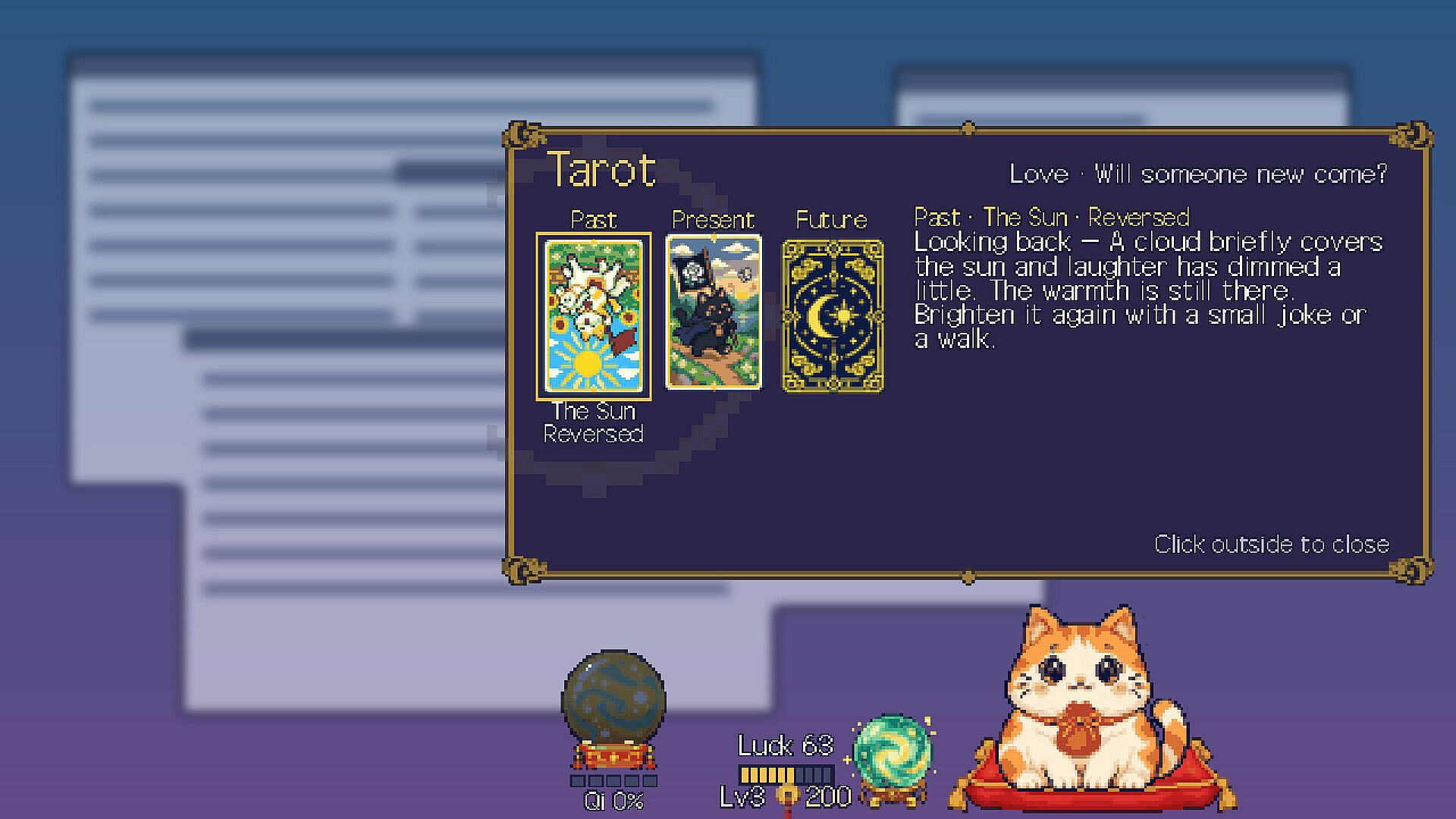
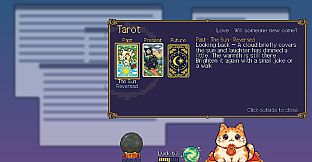
Additional activities draw from global traditions, each accessible via dedicated icons. These cover Western zodiac signs, Chinese zodiac, numerology, omikuji involving shaking a box until a stick emerges, Celtic tree associations, and Maya day signs known as nawal. Daily options include a luck line, a one-line saju reading generated from a birth date, and a tarot spread limited to two cards drawn once per day from face-down selections. All results remain strictly for entertainment purposes and carry no predictive or advisory weight regarding real events, finances, health, work, or relationships.
Visuals and Atmosphere
Pixel art defines the cat and interface elements, with some initial assets assisted by AI image tools before manual editing and conversion by the developer. Sound effects generate directly from the game's code rather than external files. The overall presentation stays calm and minimal, using small window sizes that avoid distraction during other tasks. Multiple languages appear in the interface, including Korean, English, and Japanese.
Privacy measures keep all personal data on the local PC. The design emphasizes light entertainment without real stakes, as coin, dice, slots, and scratch activities rely solely on in-game currency with fixed results shown through animation. Odds and payouts display on screen for transparency.
Is It Worth Playing?
Saju Friend suits players seeking a low-pressure desktop presence that offers occasional short diversions through luck-themed mini activities and cultural fortune elements. Its simulation focus keeps the experience contained to a single persistent window that overlays other applications without demanding full attention. The wardrobe and collection systems provide light goals for repeated short sessions, while the variety of luck features and daily tarot or saju options give structure for those who enjoy thematic consistency. Because the game runs locally with no online components or purchases required, it appeals to users who value privacy and simplicity in casual software. Those looking for deeper narrative, competitive elements, or extended play sessions may find the scope limited, yet the calm integration with everyday computer use makes it a fitting choice for background entertainment. The pixel cat companion remains available at any time without interrupting workflow.











