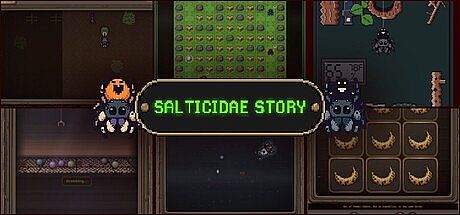






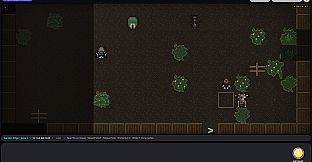




Salticidae Story is a free to play indie casual simulation game on PC centered on the care, breeding and observation of jumping spiders. Players manage enclosures, track moults and develop lines through realistic genetics rather than random cosmetics. The experience blends detailed husbandry with optional live elements and light arcade distractions, all built around heritable traits that carry across generations.
Gameplay
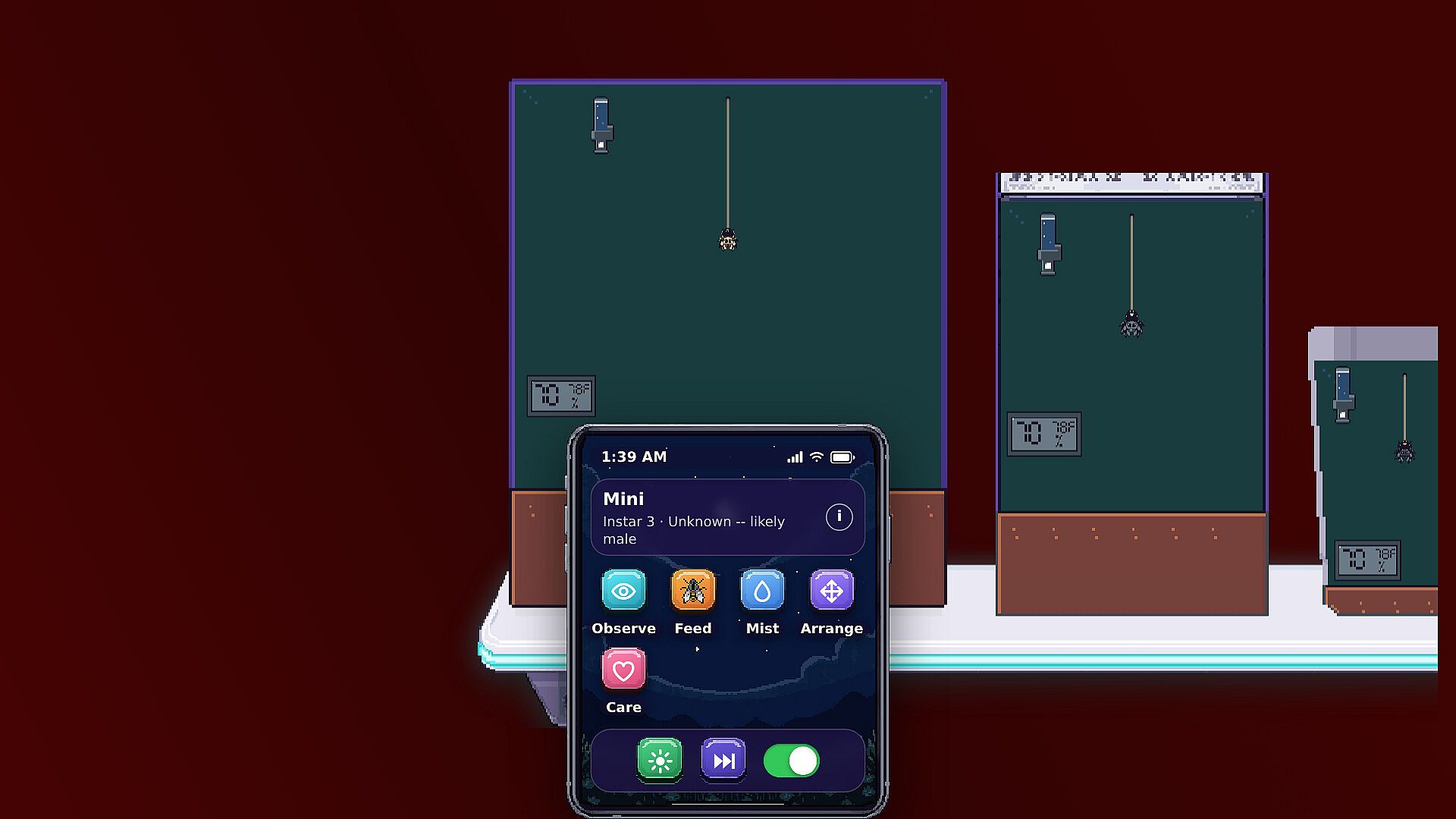
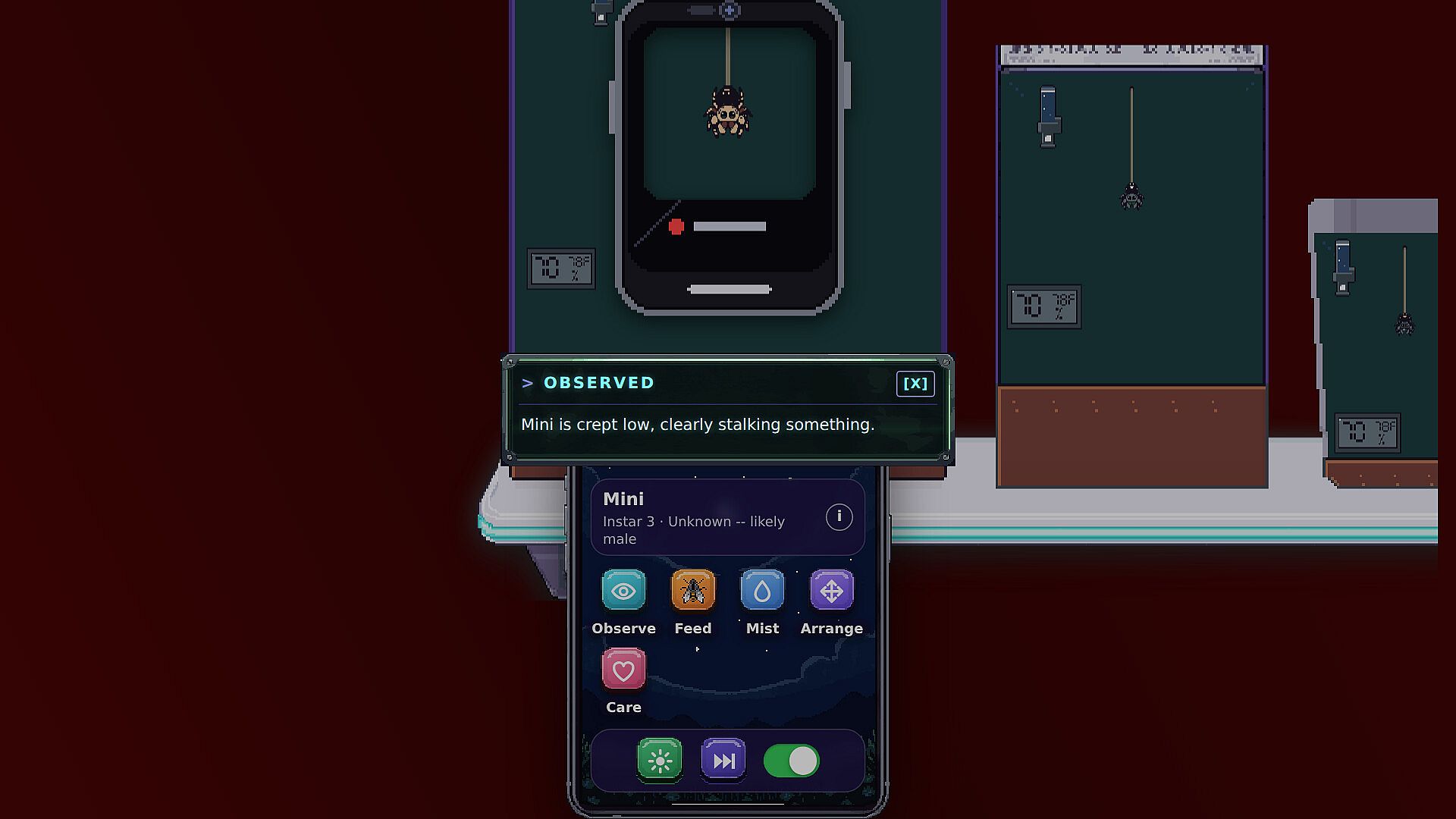
The core loop revolves around raising spiders from slings through multiple instars. Feeding, misting and monitoring appetite become essential because a spider that stops eating often signals an upcoming moult, the most vulnerable stage. Successful keepers guide their charges through these periods to unlock larger sizes and new traits. The first spiders belong to the fictional species Phidippus imaginarius, modeled directly on the real Phidippus regius in both scale and behavior.
Genetics form the foundation of progression. One hundred twenty traits influence colour, morph, markings, chelicerae and behaviour through dominant and recessive alleles. Fourteen base colours, forty primary morphs, twenty five marking patterns and fifteen chelicera types combine with ten special traits and sixteen compound traits that only express when specific alleles align. Head masks and leg colour follow the same inheritance rules, allowing dedicated breeders to fix facial patterns over generations. Players can draw custom abdominal, head and leg markings that breed true and receive a line name once established.
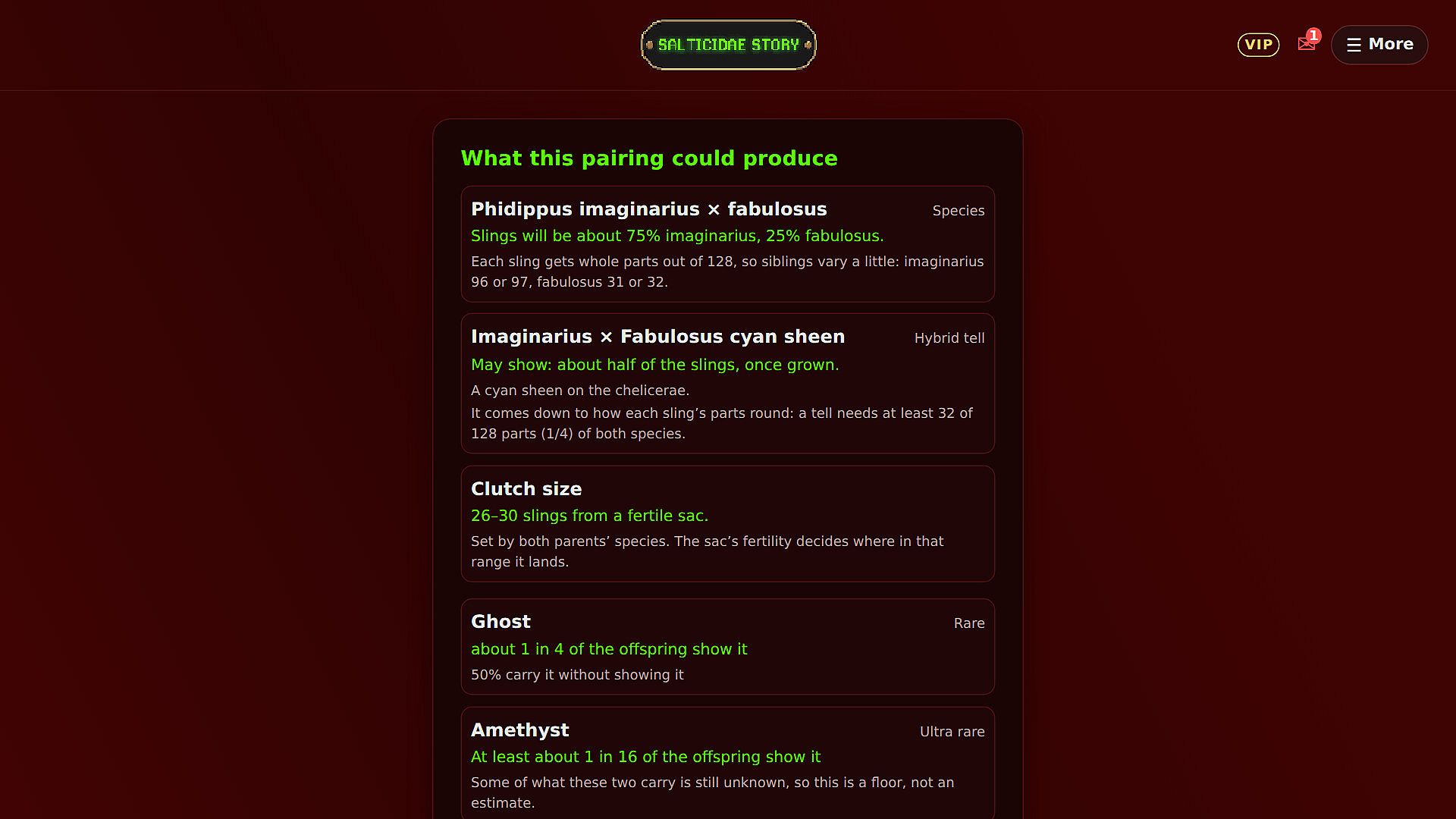
The Genetic Lab uses orbs to edit genes directly. Every modification is heritable, and some changes create hidden carriers instead of visible effects. Crossing six available species produces fifteen possible hybrid combinations, each carrying a distinct colour tell visible only in offspring. A pairing preview displays expected species mix, hybrid indicators and clutch size before any commitment. From each clutch keepers select three slings to raise, shaping future lines.
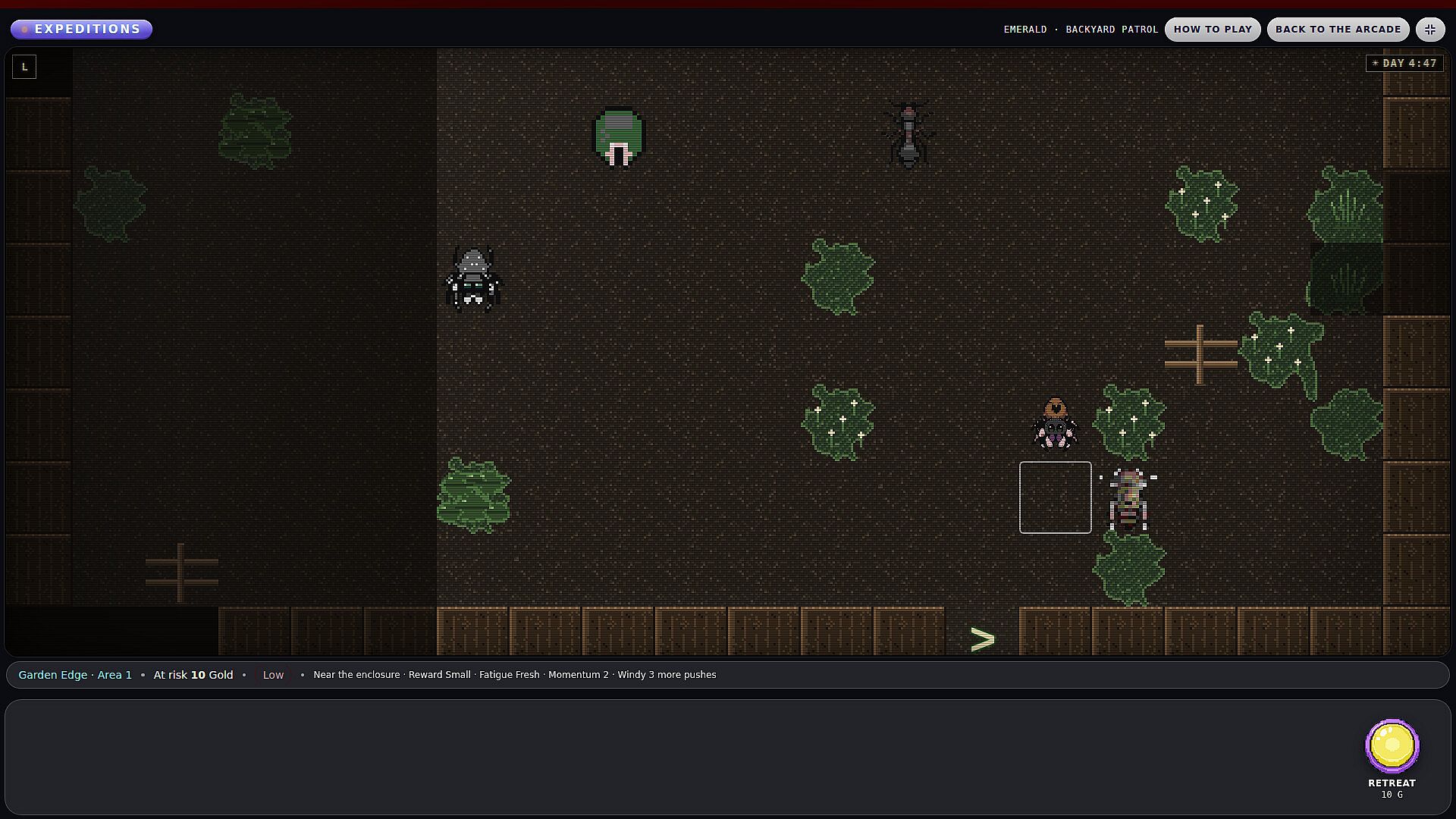
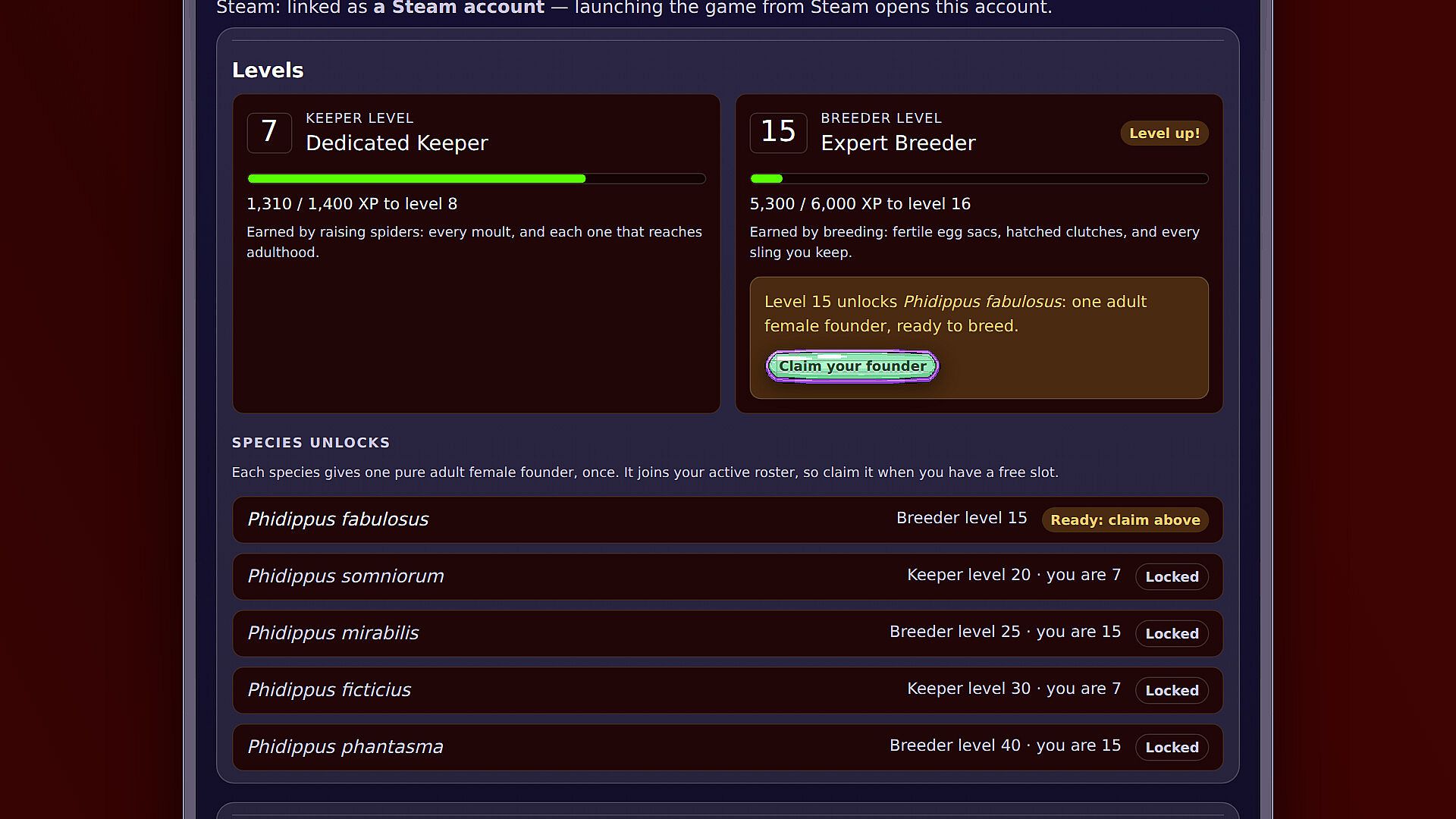
Expeditions send spiders into the yard to hunt, with timing decisions that determine safety. The desktop feature lets one spider live on the Windows desktop, climbing its dragline, wandering near the clock and moulting in a cocoon drawn from its exact genome. Keeper level advances through raising spiders to successive moults, while Breeder level grows through laying, hatching and retaining clutches. Both systems unlock founder females of additional species.
Game Modes
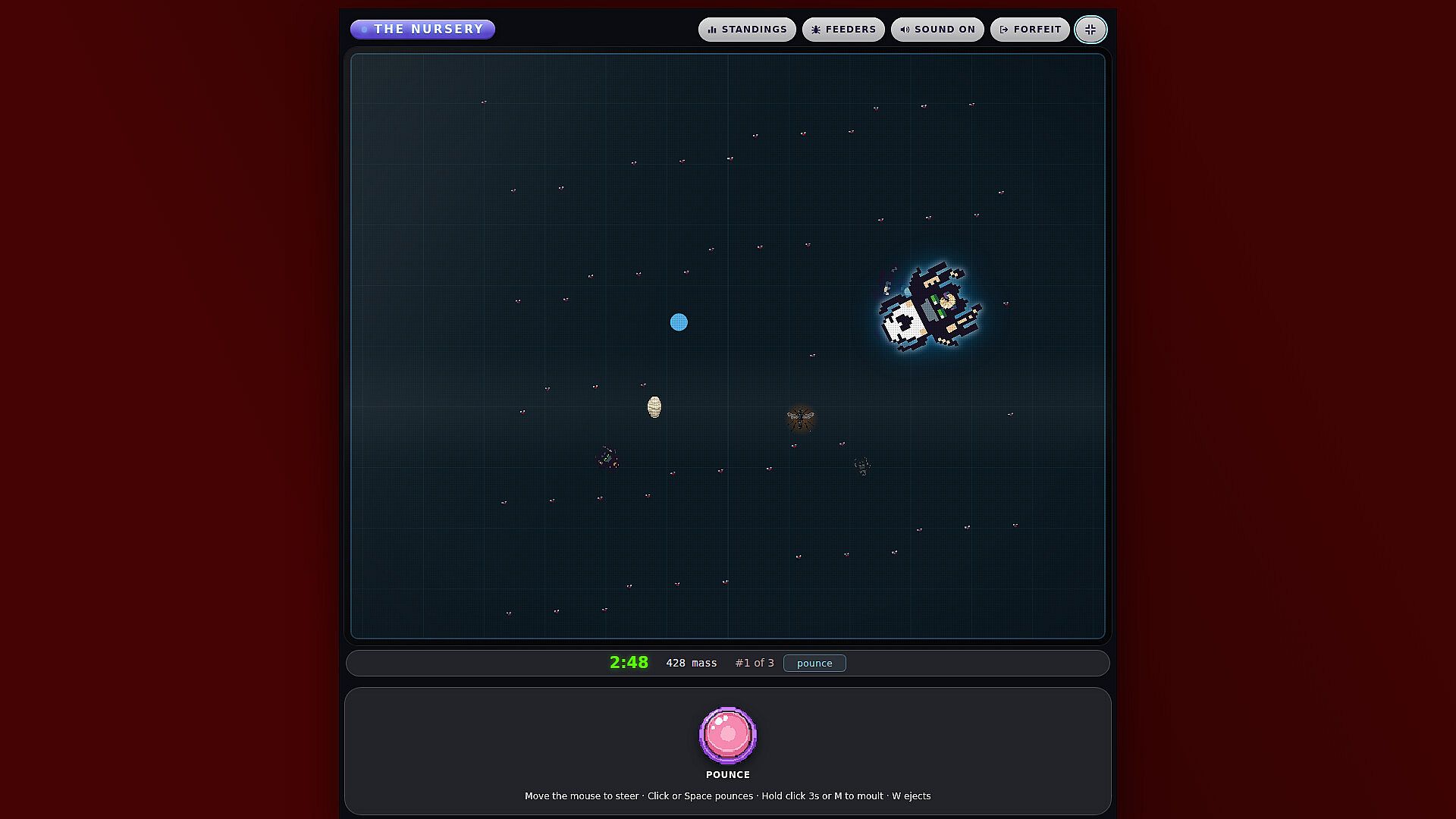
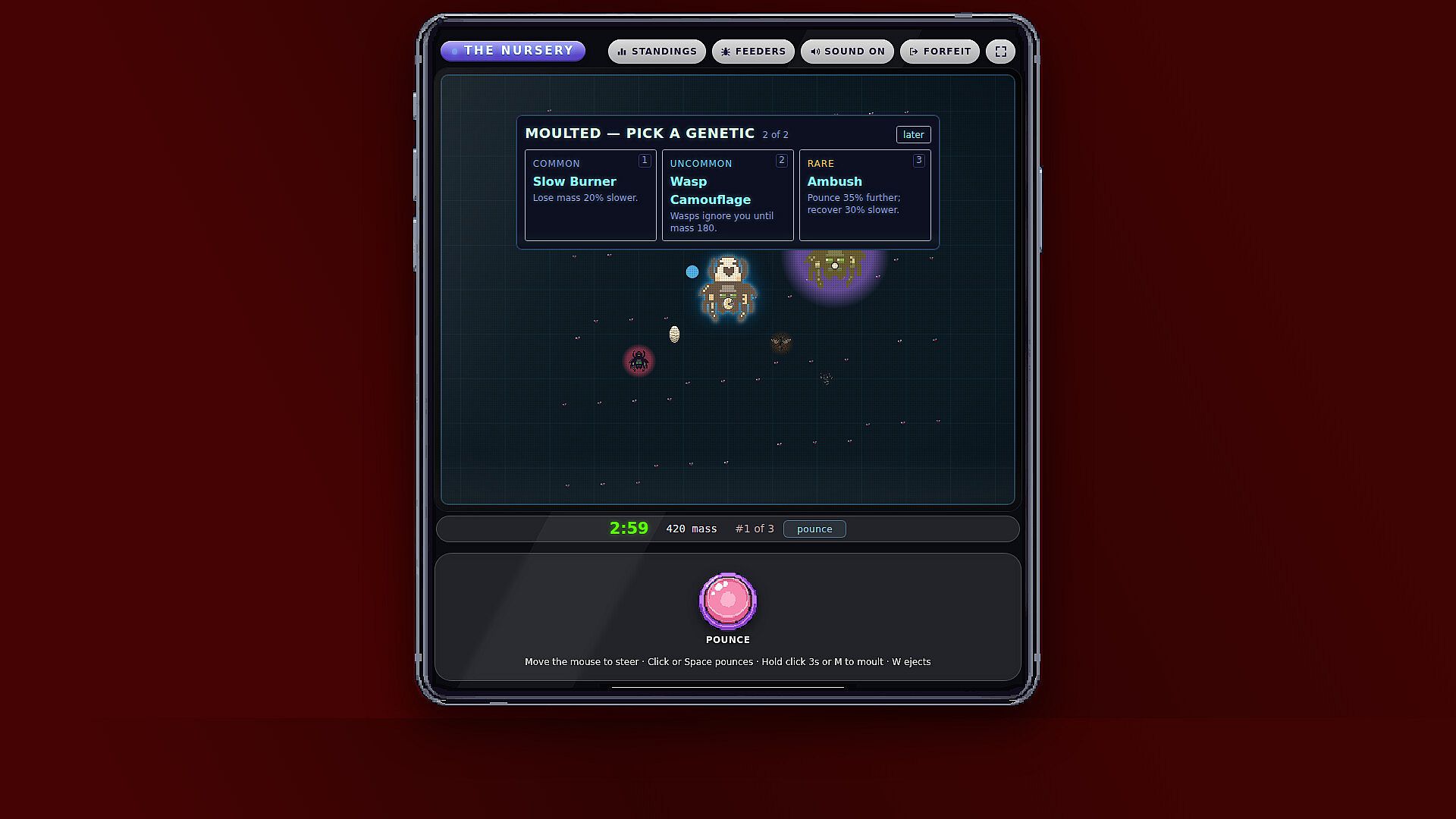
The Nursery operates as a live environment where spiders eat, grow, moult and pounce on real sized prey including fruit flies, house flies, crickets, mealworms and roaches scaled to match spider size. Every moult grants a stat point and one of sixteen genetics choices that alter both appearance and playstyle, making builds readable to others in shared spaces.
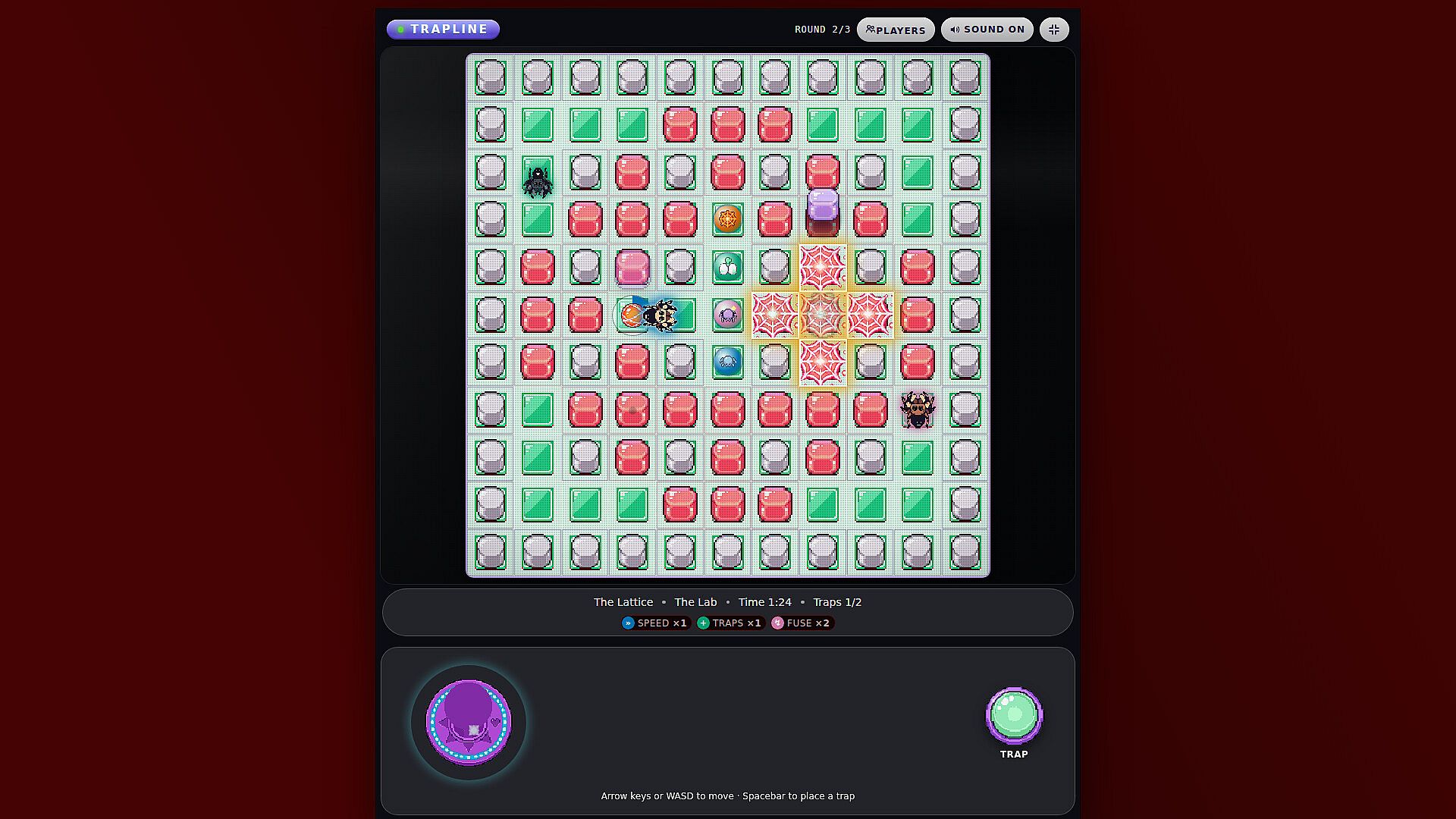
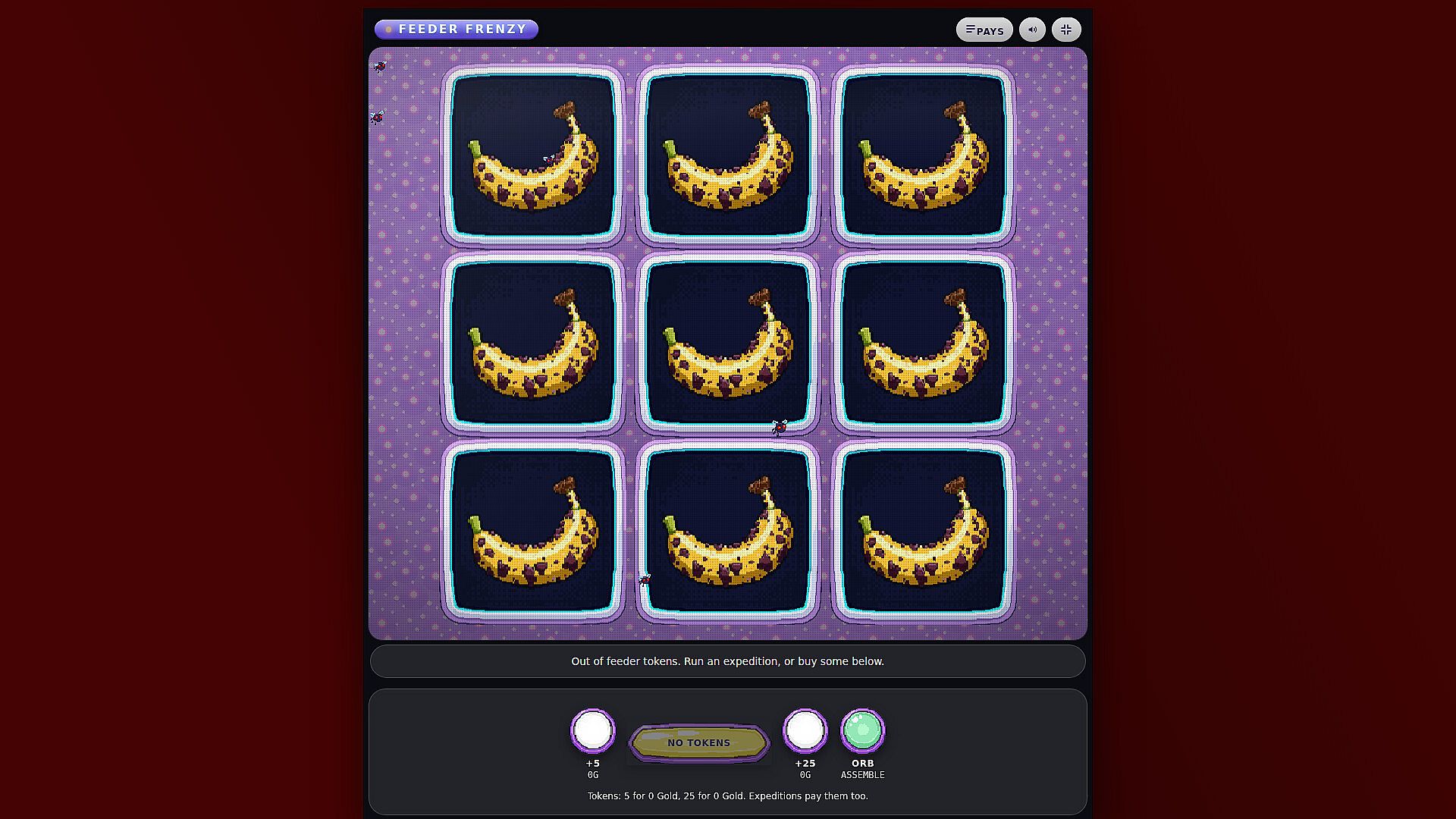
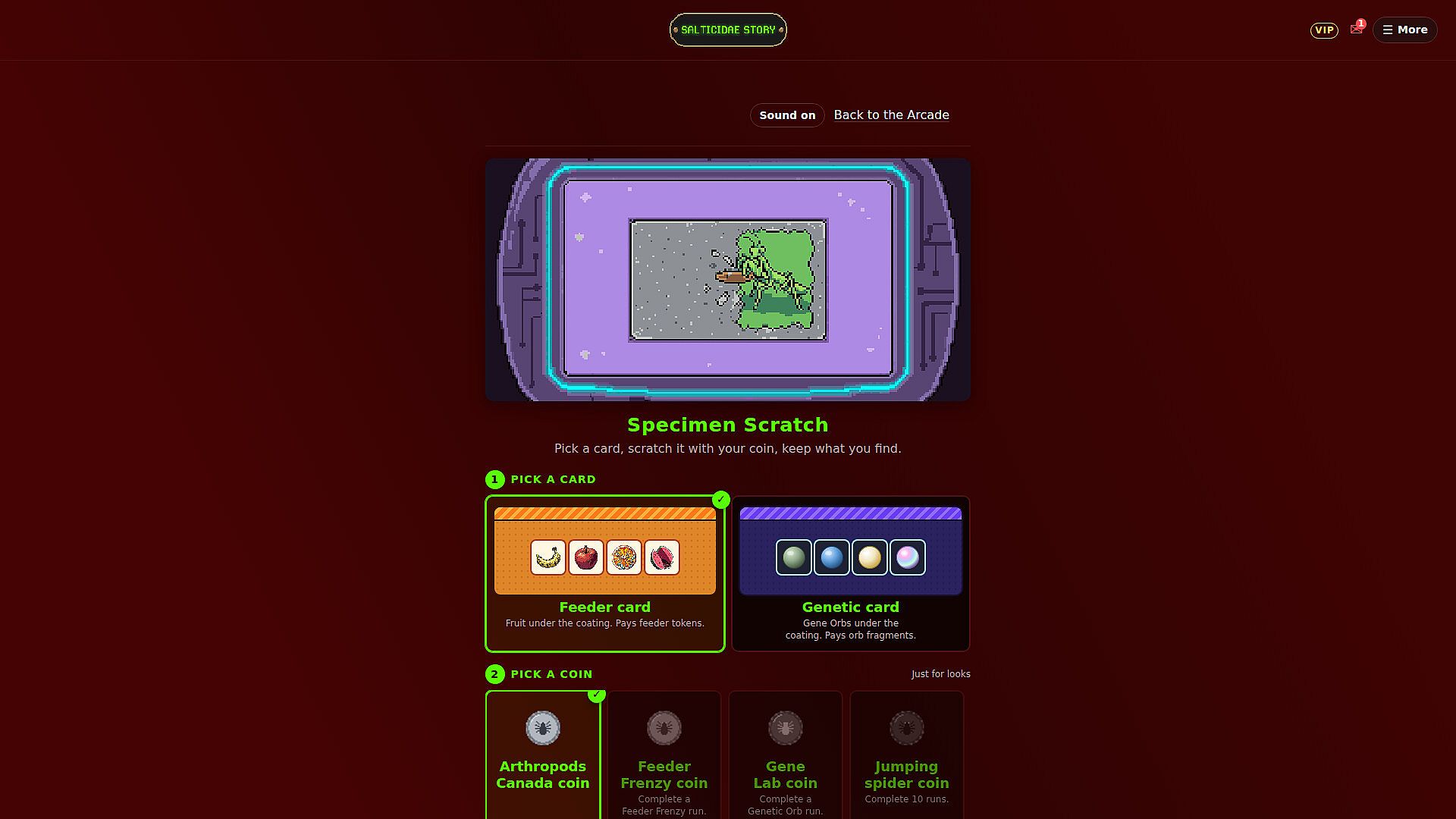
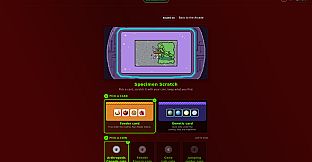
CritterList supports trading rare lines between keepers, offering males at stud or browsing by species for missing hybrids. Trapline provides a live four keeper board for coordinated activity. The arcade section contains five cabinets: Feeder Drop, The Manipulator, Feeder Frenzy, Specimen Scratch and the Genetics Draft. Each awards resources useful to keepers rather than abstract currency.
Four visual themes, Wood and Stone, Arcade, Pod and Minimal, change the entire interface appearance at no cost. Spiders render in HD, Retro or Classic pixel art styles. Server authority ensures all genetic rules execute on the backend, removing any reliance on client trust.
Progression and Features
Seventy nine achievements track genuine milestones such as the first moult, first clutch and establishment of a stable line. An account created on the platform links across sessions so the same spiders and progress follow the player. Five additional species remain locked behind level milestones, each contributing unique lineage elements to future crosses.
The system rewards patient observation and selective breeding over quick results. Rare morphs stay rare because their alleles are uncommon and require deliberate line development across multiple generations. Nothing in the experience functions as a cosmetic overlay; every visible trait traces back to actual inherited alleles.
Is It Worth Playing?
Salticidae Story suits players who enjoy methodical simulation and genetics systems more than fast action. The free to play model includes all core features without purchases, and four interface themes plus multiple art styles come standard. Live nursery and Trapline elements add social layers for those who want them, while the desktop spider and arcade cabinets provide lighter options. Anyone drawn to realistic creature care, selective breeding or quiet observation will find consistent depth in the trait inheritance and cross species mechanics. Those seeking immediate combat or narrative focus may prefer other genres. The emphasis on verifiable genetic outcomes and milestone achievements creates a steady sense of accomplishment for dedicated keepers.