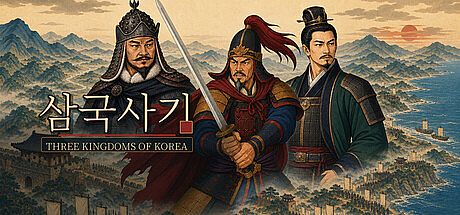


Three Kingdoms Classic: Chu Shi Biao is a strategy simulation game for PC that places players in command of one of the three Korean kingdoms during the unification wars of 660. Participants lead Goguryeo, Baekje, or Silla through a series of monthly decisions that shape territorial control and military outcomes against both rival kingdoms and external forces such as Tang and Wa.
Gameplay
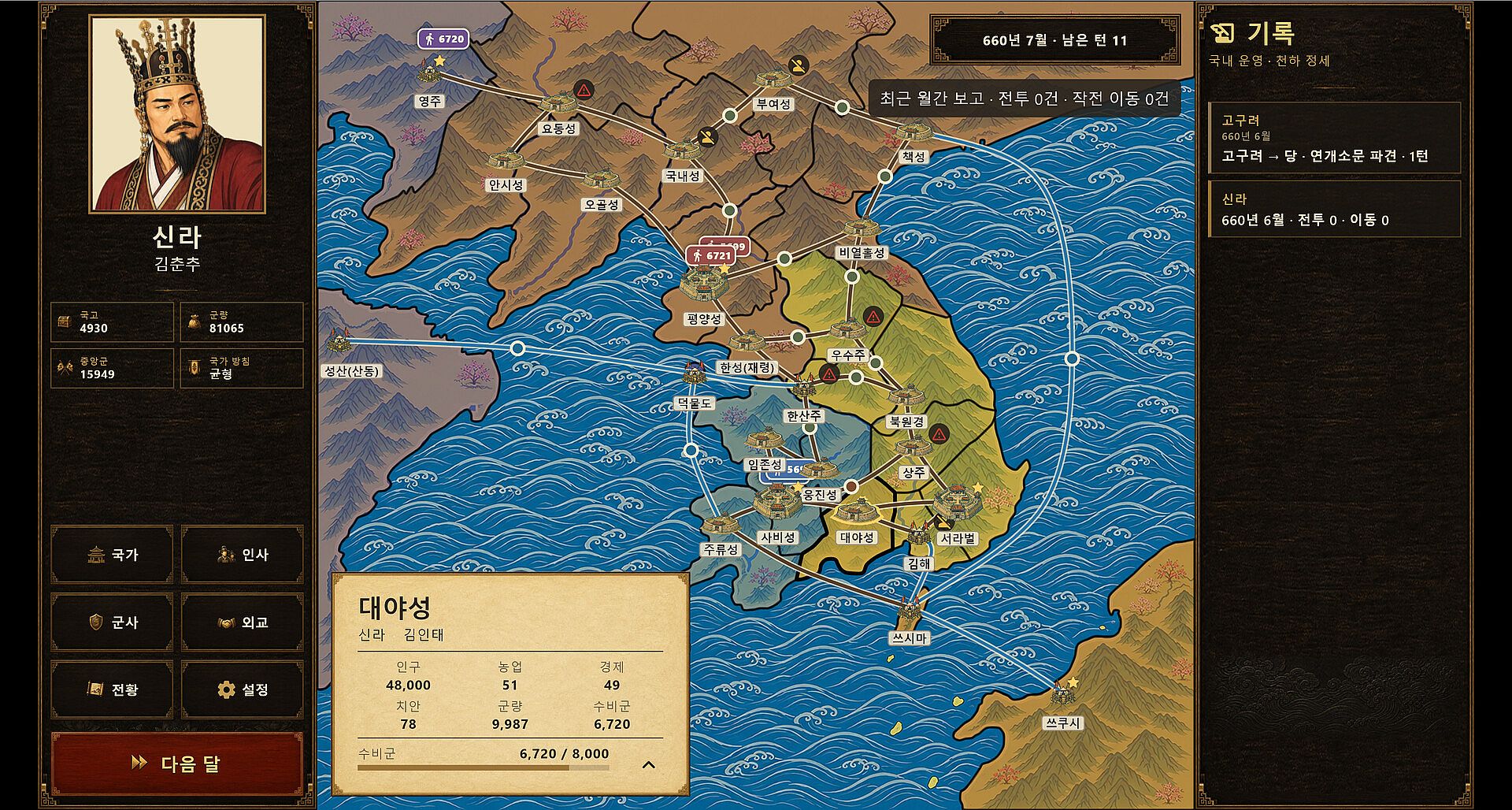
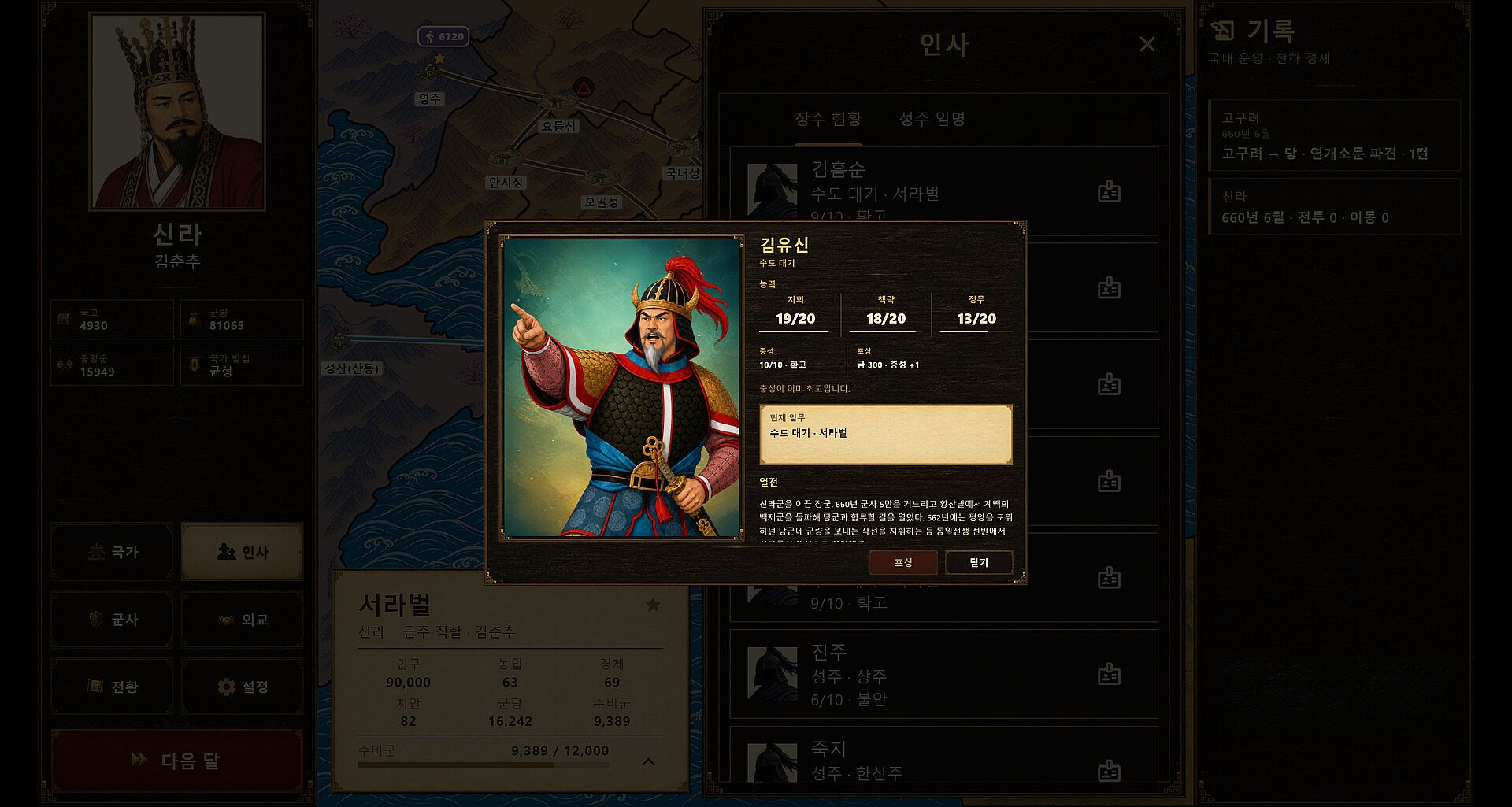
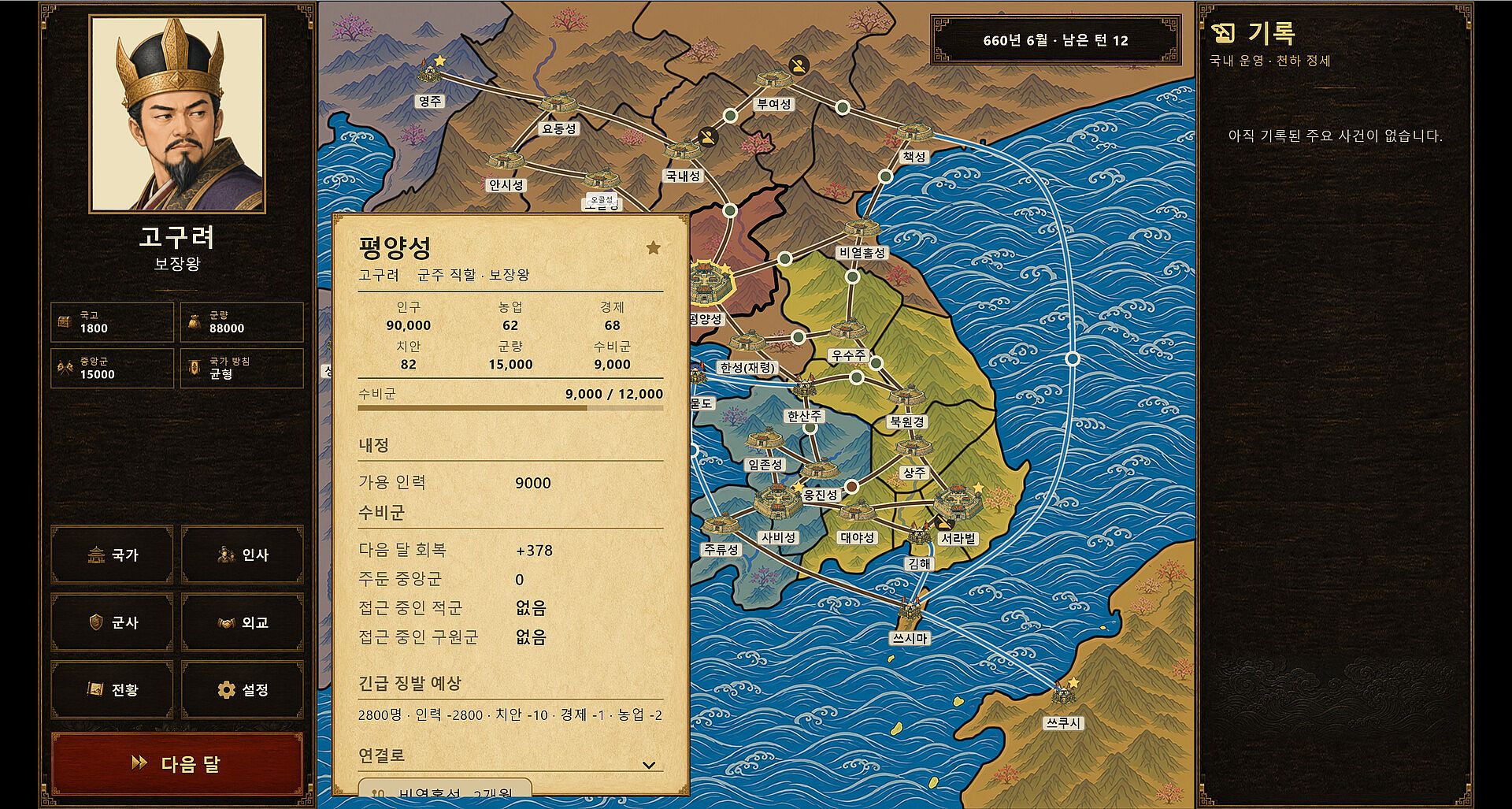
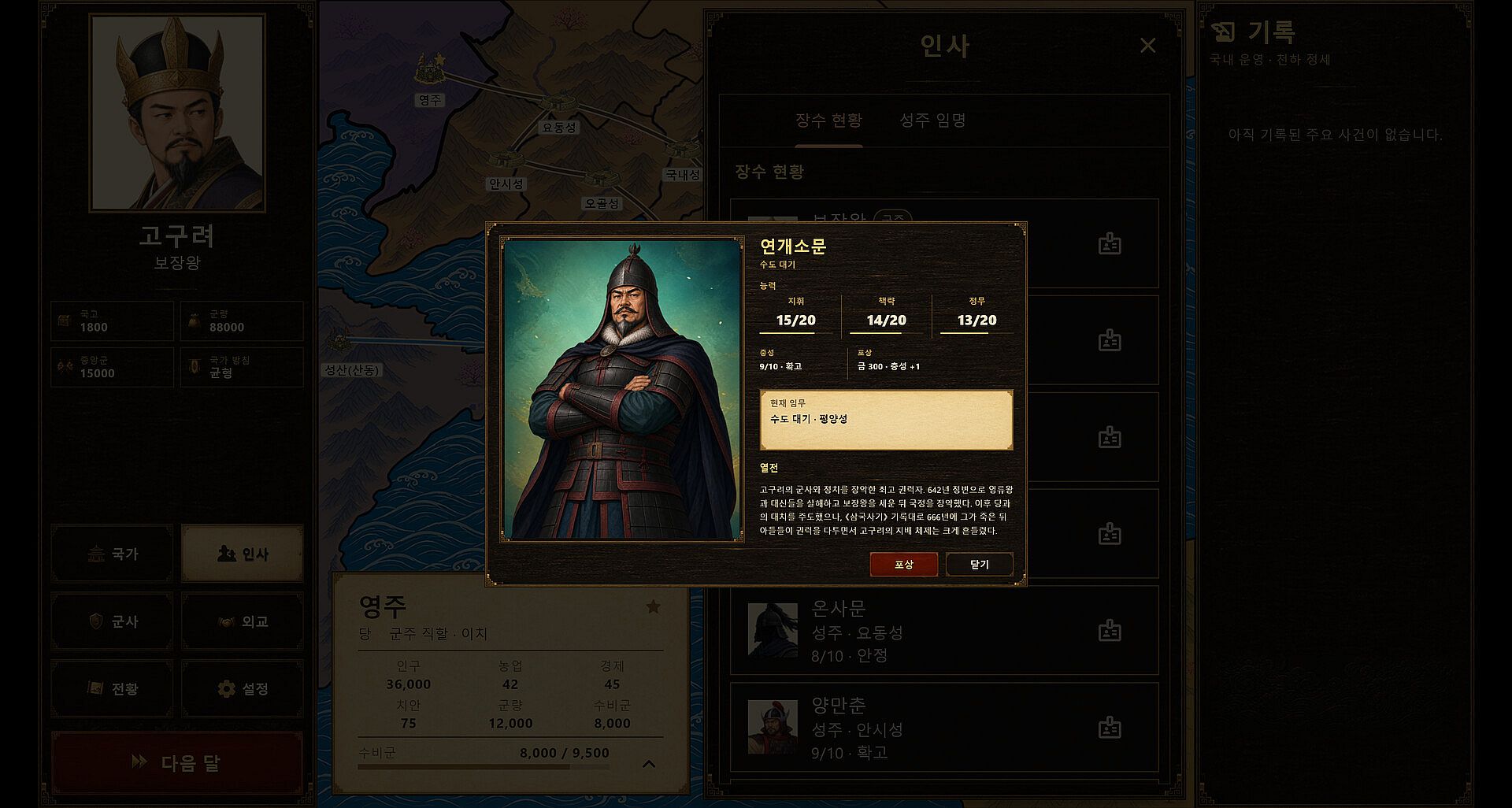
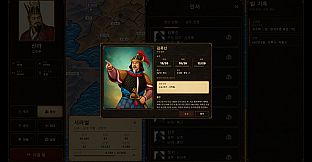
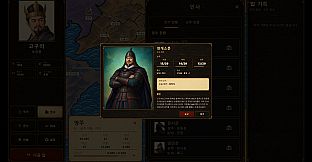
The core loop centers on monthly planning where players assign officers and troops from the royal court, manage governors and garrisons at strategic strongholds, and balance domestic administration with military commitments. Limited resources force choices about where to concentrate forces, when to raise emergency levies, or how to preserve strength for future turns. Once orders are issued, all forces advance according to consistent deterministic rules, with armies moving and battles resolving automatically based on the same initial conditions.
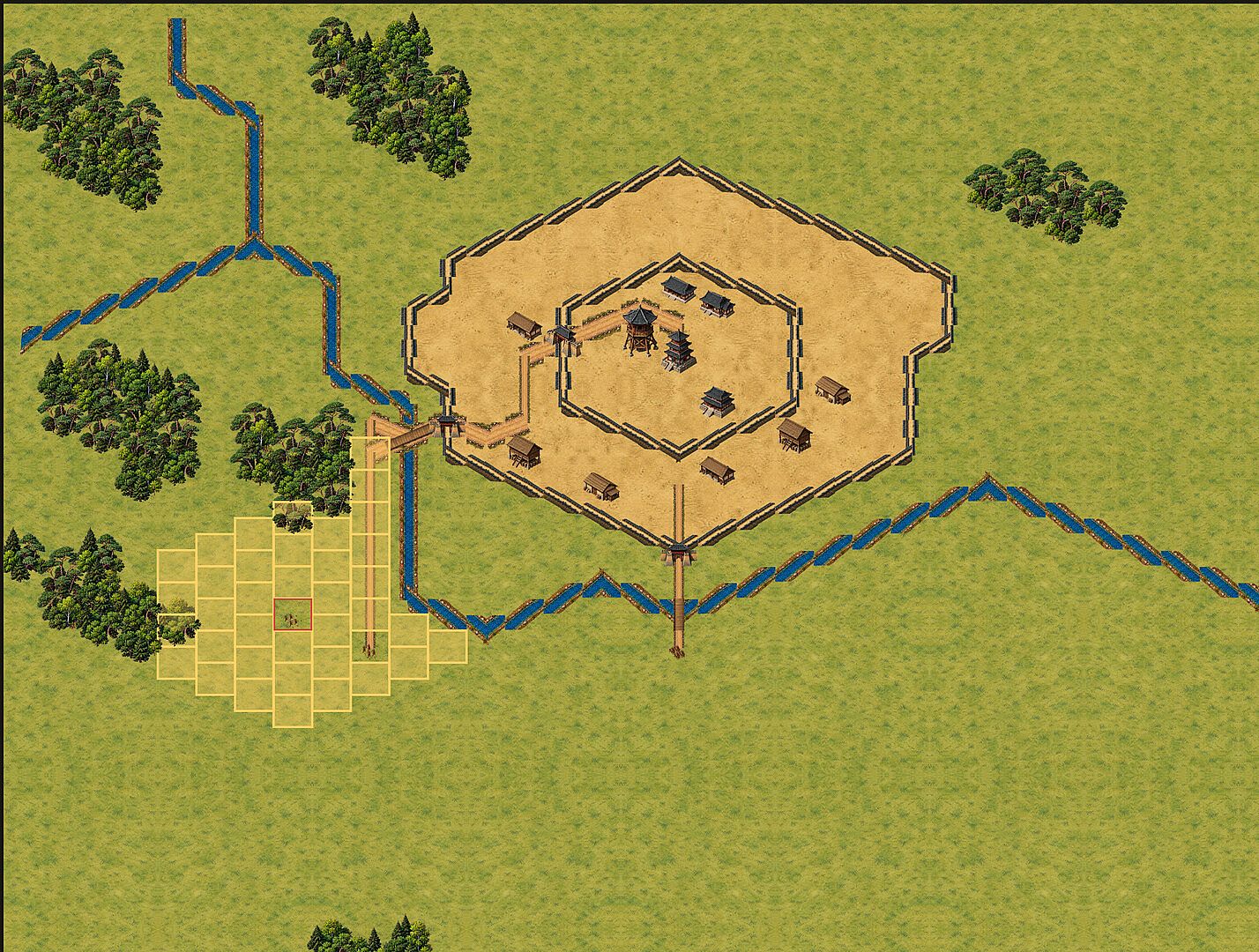
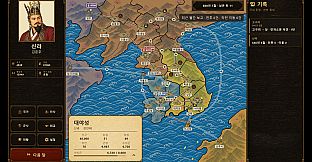
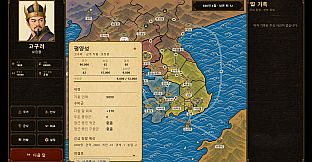
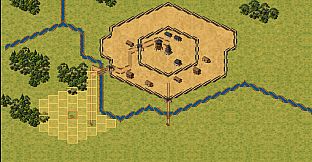
After each month, a strategic map and report detail territorial shifts, casualties, major operations, and kingdom conditions. This information informs the next set of orders. In larger engagements, players assume direct command of units on battlefields defined by walls, gates, and fortified interiors. Unit movement focuses on opening routes, breaching defenses, or holding positions, and battlefield results feed directly back into the campaign state for the following month.
Kingdom management, AI behavior, and battle resolution operate under unified rules rather than separate systems. The same starting situation and orders always produce identical results, which supports analysis of defeats and testing of alternative approaches. Battlefield layouts, officer abilities, and troop numbers incorporate gameplay adjustments and are not presented as precise historical replicas.
Game Modes
The primary experience involves selecting one of the three kingdoms and guiding it across twelve turns toward a favorable position in the unification conflict. Different kingdom choices or varied orders within the same historical pressures generate distinct front lines and outcomes. External powers intervene based on their own priorities, adding layers to the strategic situation each month.
Players organize central armies while overseeing fortress governors and garrisons. Emphasis falls on allocating scarce officers and resources across domestic needs and military actions, since no single player can defend every position personally. The deterministic monthly progression ensures that campaign results remain reproducible for review and refinement.
Strategic Depth and Campaign Structure
Over the twelve-turn campaign, success depends on preserving kingdom strength while securing advantageous positions ahead of later stages in the unification wars. Decisions about troop concentration, resource allocation, and battlefield tactics accumulate into broader territorial and military advantages. The system rewards careful planning and adaptation after reviewing monthly reports rather than reactive micro-management.
External interventions by Tang and Wa forces respond to the evolving war situation, requiring players to account for additional threats beyond the three kingdoms. This setup creates varied challenges depending on the chosen kingdom and the sequence of orders issued each month.
Is It Worth Playing?
This title suits players who enjoy turn-based strategy simulations with a focus on logistics, officer deployment, and consistent rule application across campaign and battle layers. The deterministic outcomes support repeated attempts at the same scenario with adjusted strategies, which appeals to those who value analysis and iteration over randomized elements.
The game is available on PC and targets fans of historical strategy titles centered on kingdom management during periods of conflict. Its emphasis on monthly progression and integrated battlefield command provides a focused experience without extraneous systems. Individuals seeking a deliberate pace with clear cause-and-effect mechanics will find the structure rewarding, while those preferring faster action or extensive social or narrative side content may prefer other options.