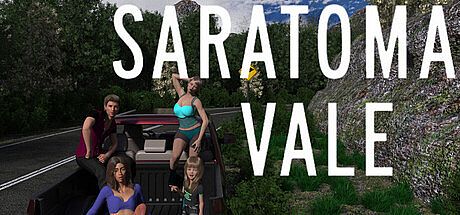






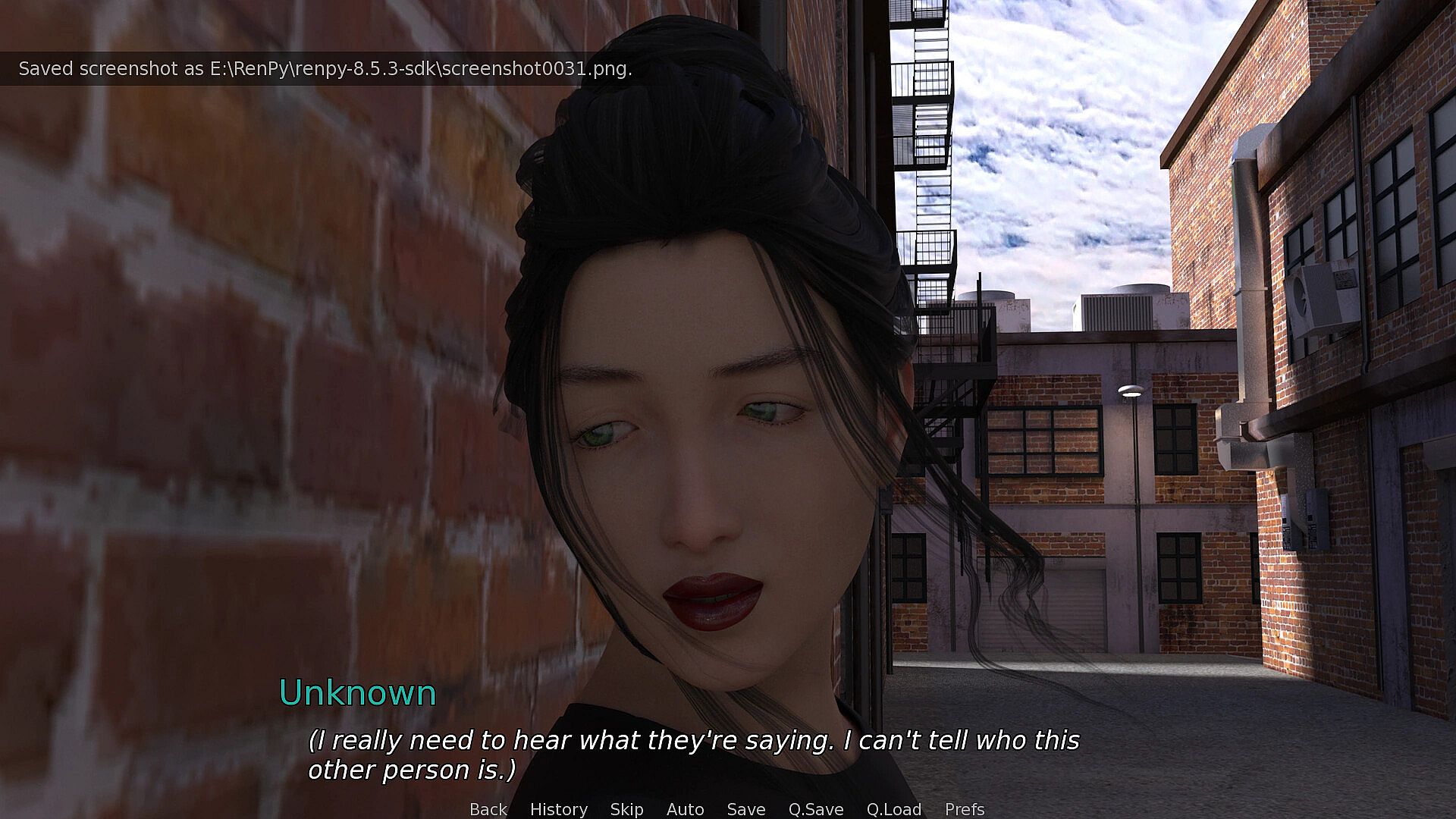


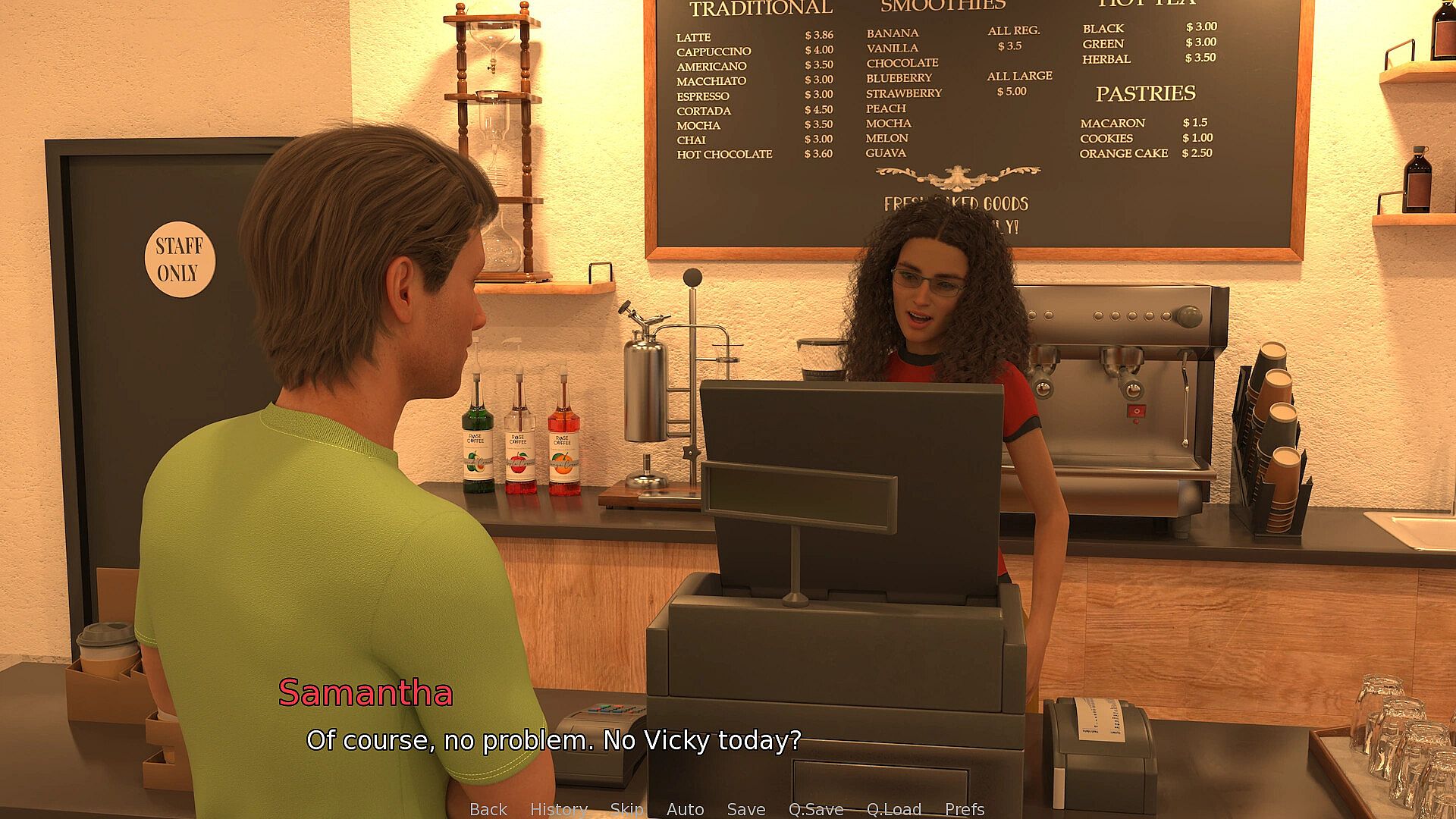

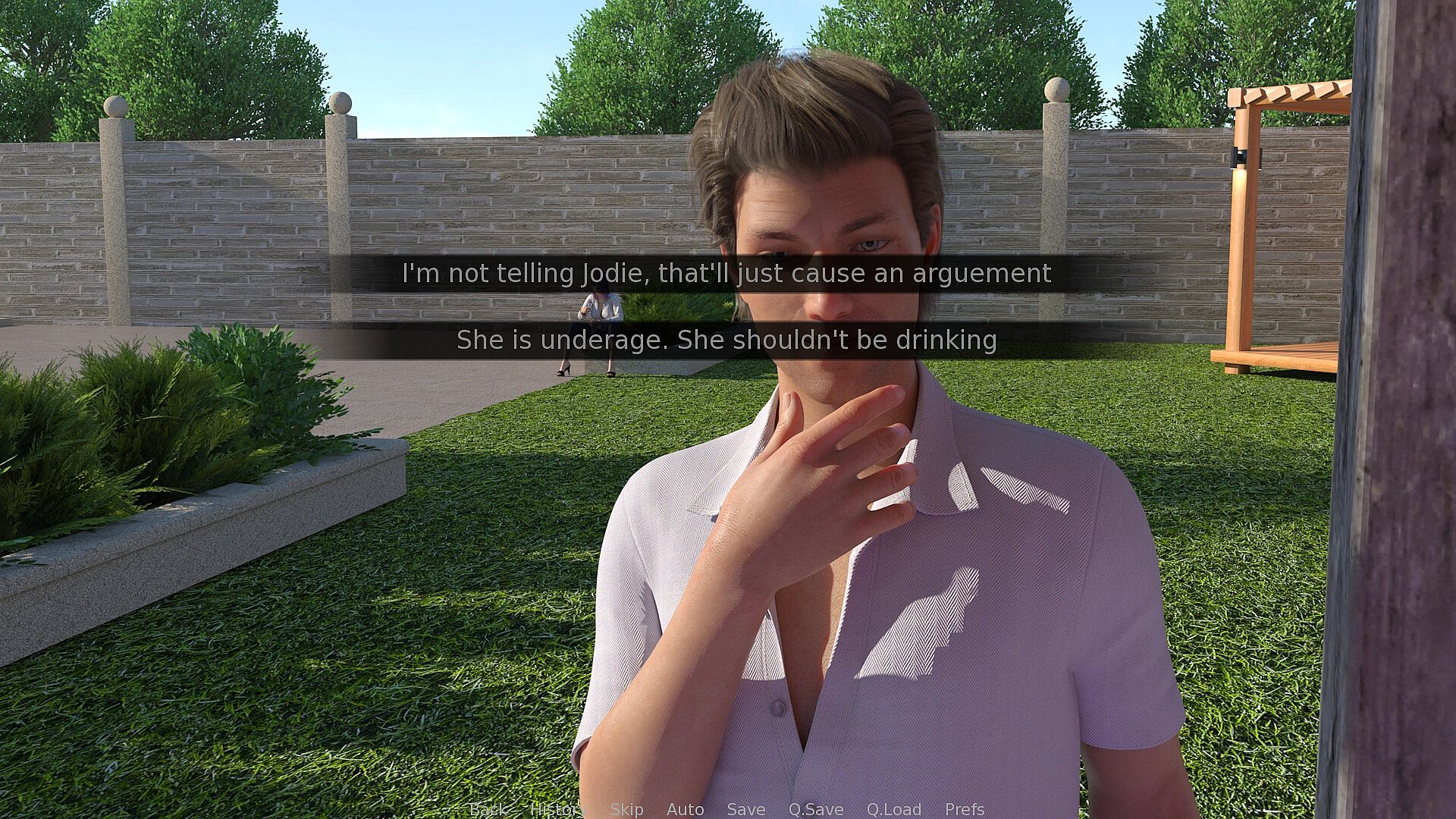









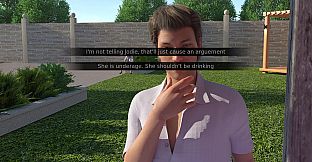
Saratoma Vale is a role-playing simulation game set on PC that places players in the life of a protagonist who has left behind a troubled past in Chicago for a fresh start in a quiet Midwestern town. The story begins with the character having built a stable existence complete with a business, a partner, and a young child, yet the narrative quickly reveals layers of tension from old acquaintances and unresolved issues that follow across state lines.
Gameplay
The core loop revolves around navigating daily decisions in a small-town environment where personal history intersects with present responsibilities. Players manage relationships by choosing how to interact with family members, friends, and new acquaintances, with each action carrying forward effects on trust, loyalty, and available options later. The simulation elements emphasize routine tasks such as running a business and maintaining a household, but these activities tie directly into larger questions about protection and self-preservation when threats from earlier years resurface. Choices determine whether conflicts are resolved through legal channels or more direct means, and the limited social circle of the town makes discretion difficult, forcing players to weigh secrecy against openness in conversations and actions.
Consequences unfold gradually rather than through immediate feedback, encouraging repeated playthroughs to explore different paths. The protagonist's background as someone who escaped a downward spiral adds weight to decisions about whether to repair old bonds or keep distance from them. Everyday moments like family interactions or community involvement become opportunities to either strengthen support networks or expose vulnerabilities that past figures might exploit.
Game Modes
The experience centers on a single-player narrative structure driven by branching outcomes based on relationship management and threat response. There are no separate competitive or cooperative formats, as the focus remains on individual decision-making within the town's interconnected social web. Players can pursue multiple romantic or platonic connections simultaneously or focus on one primary bond, with the simulation tracking how these choices influence the overall stability of the protagonist's new life and the safety of loved ones.
Progression follows the story's timeline, where early choices about business dealings or personal disclosures shape later events involving external pressures. The absence of traditional level-based systems keeps attention on dialogue trees and consequence tracking rather than resource grinding or combat loops.
Story and Setting
The small-town backdrop serves as both sanctuary and pressure cooker, far removed from urban chaos yet unable to fully shield the protagonist from lingering connections. Secrets prove hard to contain because residents know one another well, turning casual conversations into potential risks or sources of support. The narrative explores themes of redemption and vigilance without providing easy resolutions, as players must decide how much of their Chicago history to reveal or conceal when old faces appear.
Family life adds another layer, with the young child and partner serving as stakes that heighten the impact of every major decision. The setting avoids large-scale events in favor of intimate conflicts that test the protagonist's growth from a former troublemaker into someone trying to build lasting stability.
Is It Worth Playing?
This title suits players who enjoy simulation games centered on narrative consequences and relationship dynamics rather than action or exploration. The emphasis on choice outcomes and the ripple effects across personal connections provides depth for those interested in character-driven stories set in realistic, low-key environments. Without frequent updates or additional content confirmed beyond the base experience, the game stands as a self-contained exploration of life choices in a confined social space.
Those drawn to titles that reward careful consideration of dialogue and long-term planning will find the structure engaging, while players seeking faster-paced mechanics or expansive world-building may find the focus narrower. The core appeal lies in observing how past decisions shape present safety and happiness within the town's tight-knit community.