


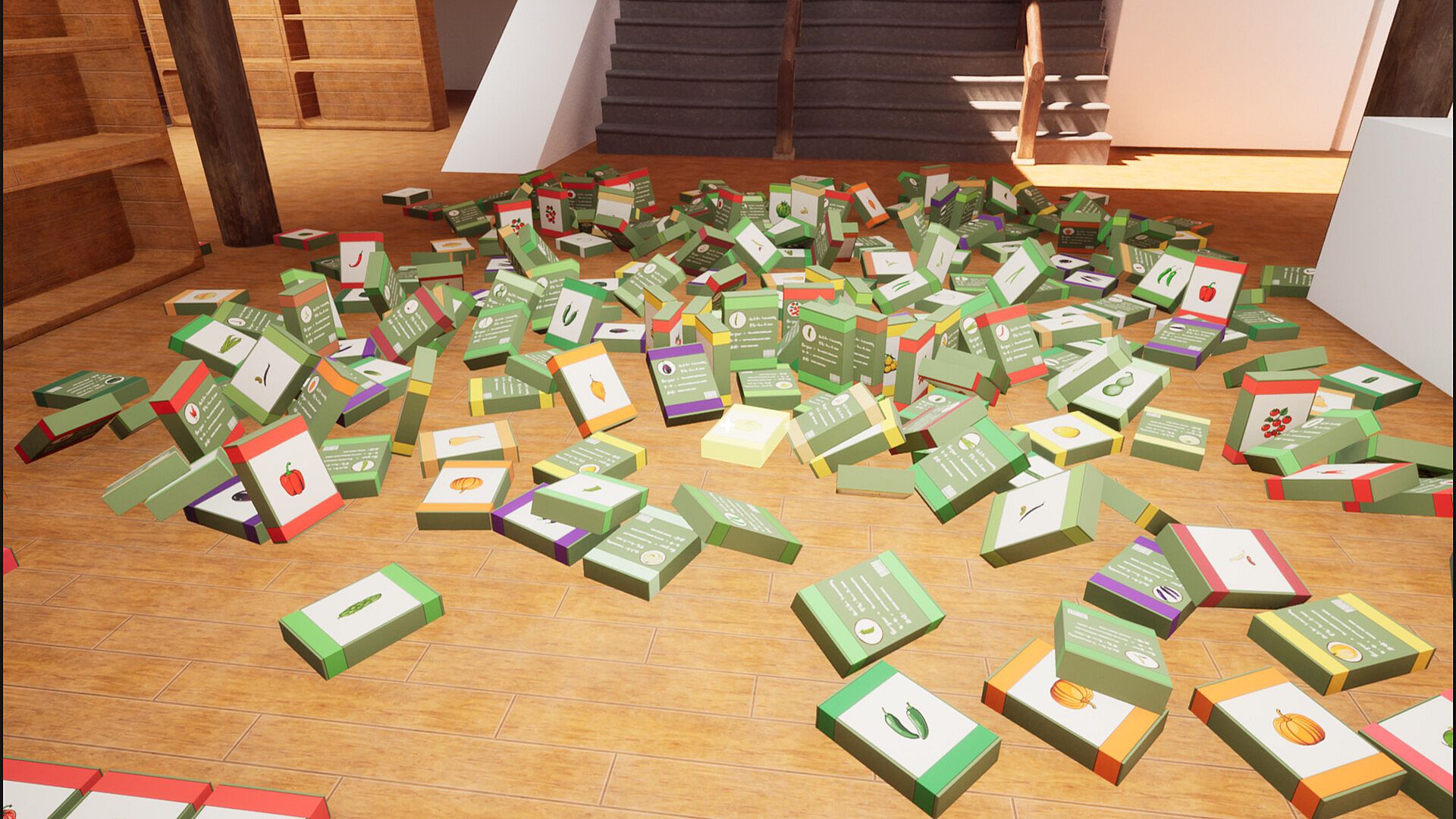
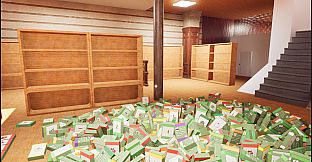
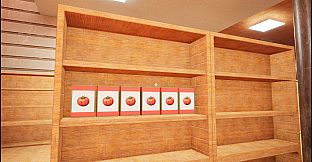

Seed Shop: Tidy Up! is a casual simulation game built around the satisfying process of restoring order to a cluttered greenhouse shop. Players step into a first-person view and tackle thousands of scattered plant products across more than 300 varieties, turning a disorganized space into a neatly stocked store through careful sorting and placement.
Gameplay
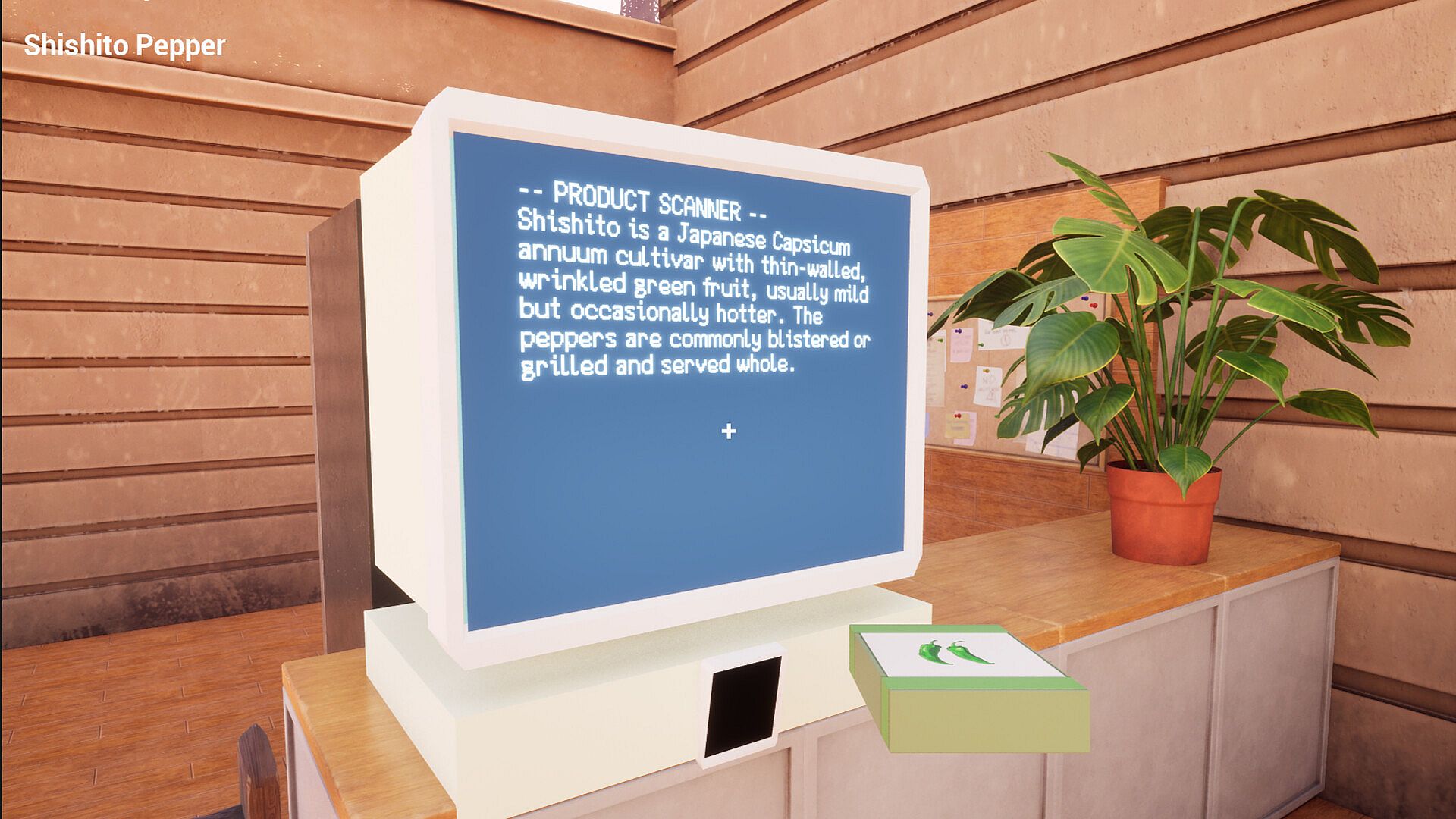
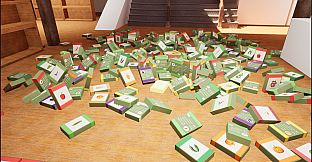
The core loop centers on picking up items from the floor, tables, and crates, examining their labels and illustrations, then carrying stacks to the correct shelves. Each product carries unique details such as name, color, department, and shelf slot, with clear signs and distinctive packaging helping identification without prior plant knowledge. Vegetables, herbs, flowers, bulbs, vines, succulents, houseplants, orchard trees, and tropical crops each occupy dedicated areas, and matching items can be gathered together for efficient transport.
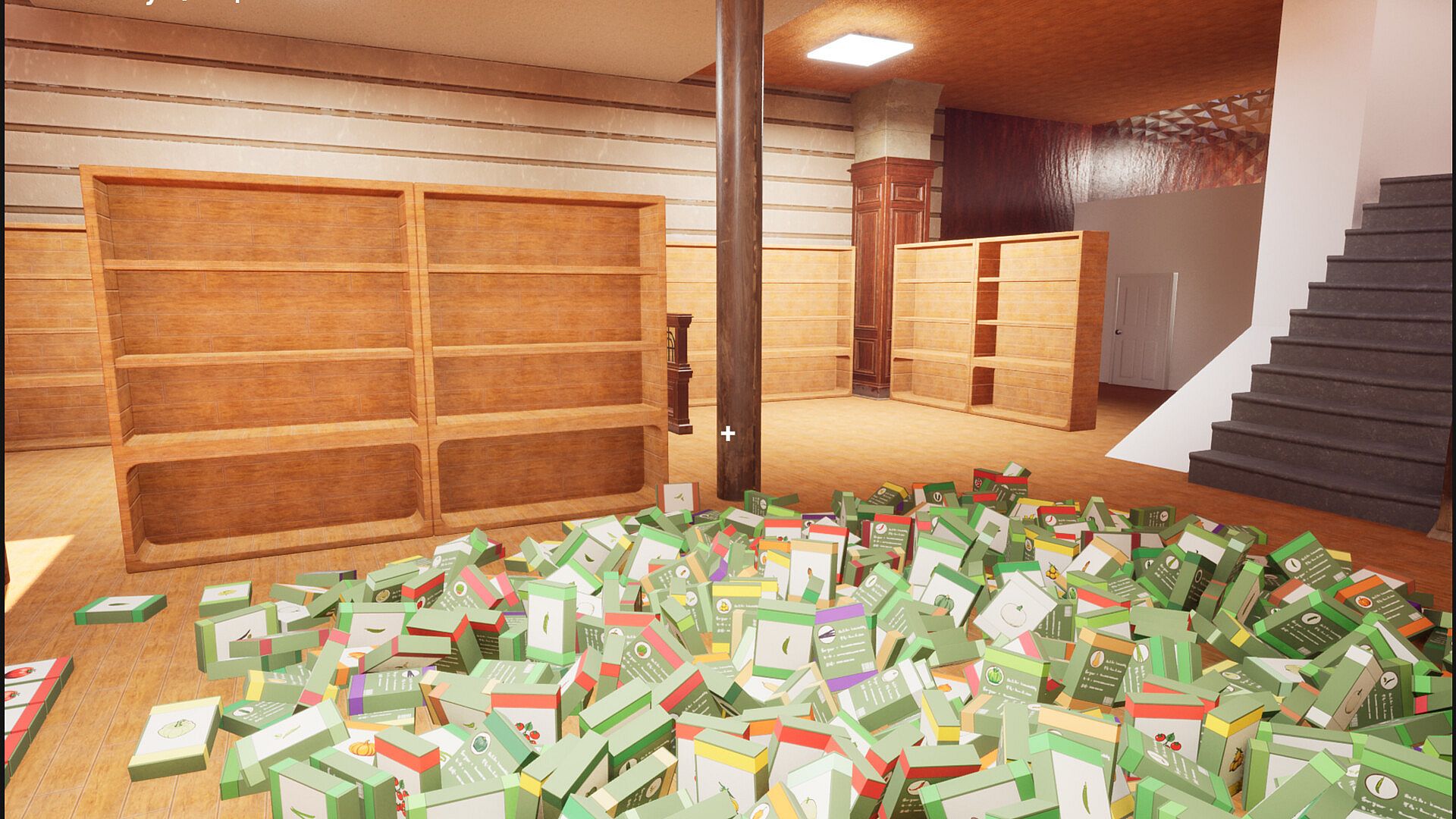
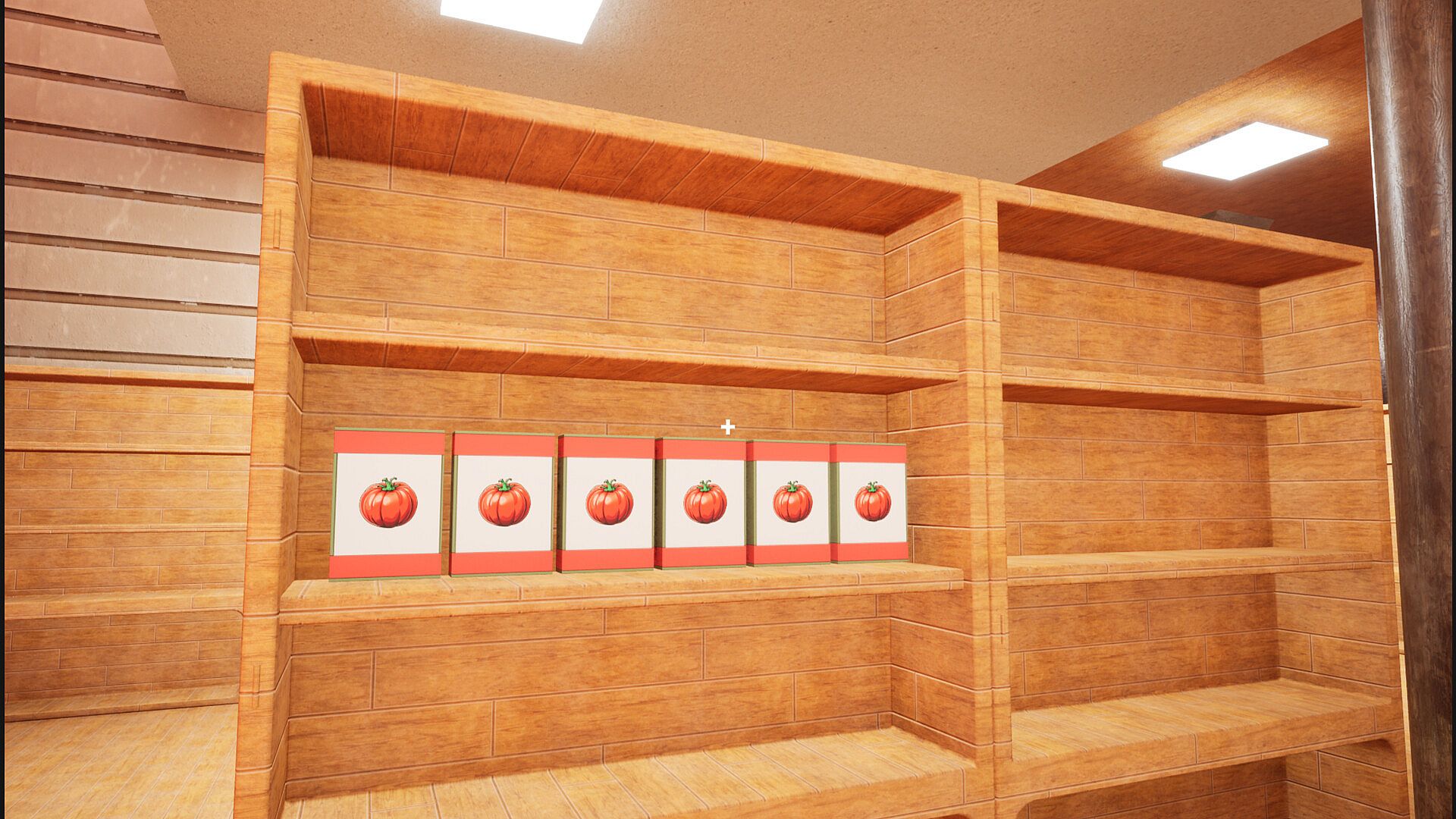
Carrying capacity allows several products at once, letting players mix loads and plan routes between departments rather than making repeated single trips. As items find their places, empty racks fill with illustrated packets, pots, and boxes. Floors clear gradually, and bare shelves develop into dense, colorful displays. The changes remain permanent, reflecting every placement made during a session.
Progress builds through thousands of individual items, starting with common produce like tomatoes, peppers, carrots, and herbs before expanding into tulips, climbing roses, ferns, fruit trees, tea, coffee, cacao, and additional varieties. The first-person perspective keeps focus on the immediate task of reading packaging and navigating the shop layout.
Game Modes
Seed Shop: Tidy Up! presents a single-player experience centered on one continuous organizing task. There are no separate timed challenges, competitive elements, or alternate scenarios described. The entire session revolves around the same shop restoration process, with the satisfaction derived from completing the full tidy-up at a self-chosen pace.
Players move freely through the space, switching between carried items as needed and watching departments transform section by section. The absence of additional modes keeps attention on the steady accumulation of correctly placed products and the visible return to order.
Visual and Sensory Progression
Every correctly positioned item contributes to a growing sense of completion. Shelves that begin empty gain illustrated packets and containers, while open floor areas become walkable again. The transformation happens incrementally, with each department shifting from sparse to fully stocked through consistent effort. Distinct shapes and packaging make familiar products quicker to spot, while labels provide guidance for less common varieties.
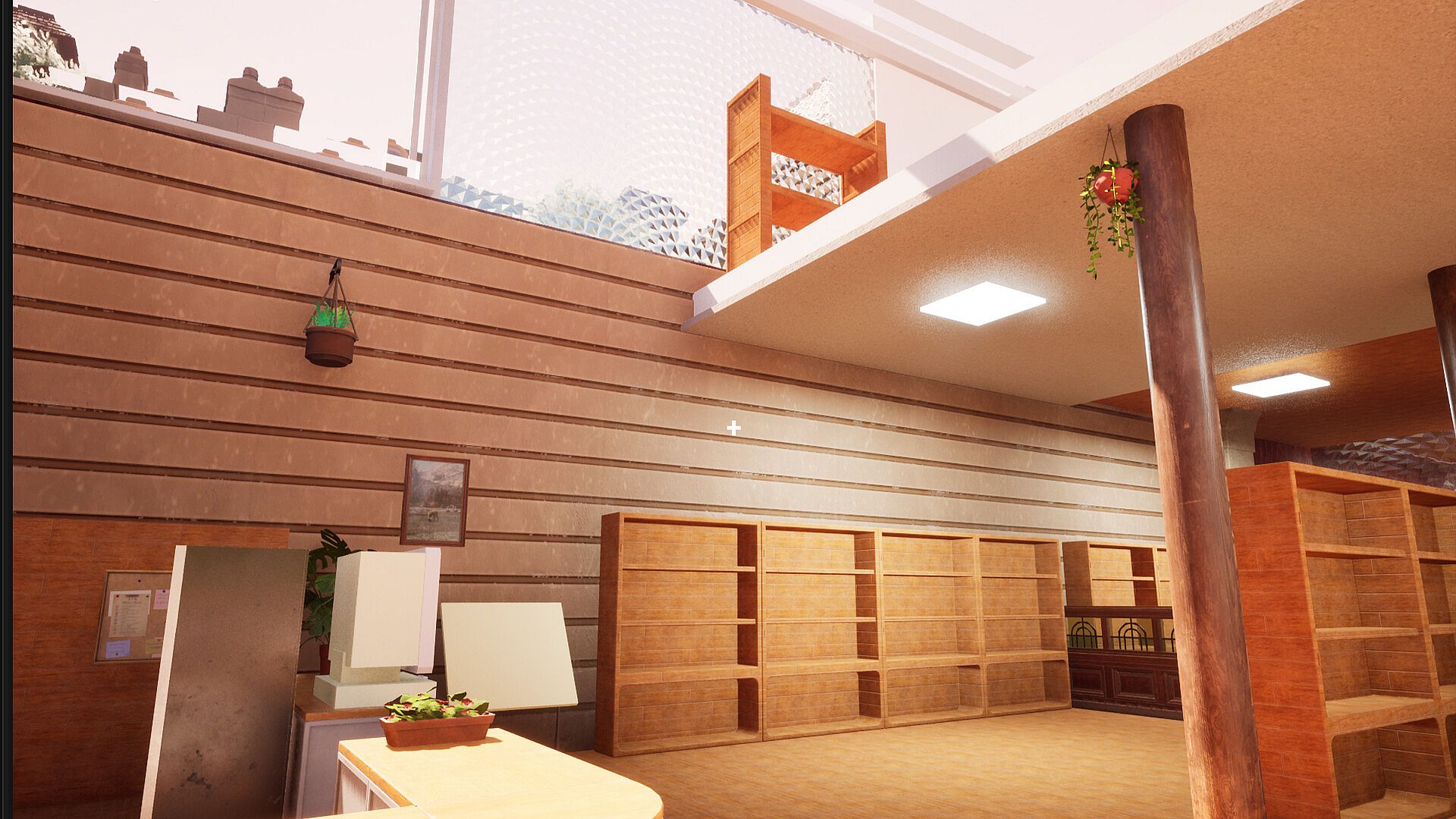
The greenhouse setting emphasizes natural groupings such as vegetables in one area and tropical plants in another. This structure encourages methodical routes that cover multiple sections in a single pass when carrying mixed stacks.
Who the Game Appeals To
The experience suits players who enjoy methodical, low-pressure tasks in simulation and casual genres. Those drawn to organizing mechanics will appreciate the scale of thousands of items and the persistent visual feedback from each placement. The first-person format and label-based identification system support steady progress without requiring external knowledge of plants.
Sessions can last as long as desired, with no timers or failure states interrupting the flow. The focus remains on turning scattered inventory into organized displays across the full range of departments.
Is It Worth Playing?
Seed Shop: Tidy Up! delivers a focused, relaxing single-player organizing simulation that rewards patience and attention to detail. The gradual shop transformation provides clear, ongoing feedback through filled shelves and cleared spaces. For anyone interested in casual simulation games built around tidy-up mechanics, the title offers a self-contained experience centered on plant products and department-based sorting. The lack of additional modes or updates keeps the emphasis squarely on completing the core task at a comfortable pace. Players who value visible results from methodical work will find the process engaging from the first packet placed to the final shelf filled.