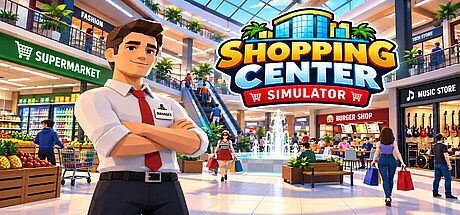




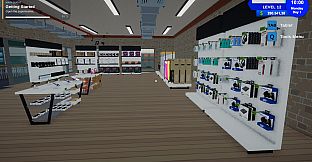

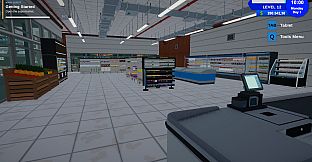
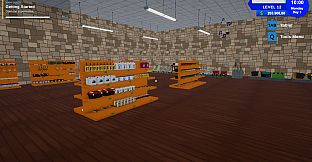
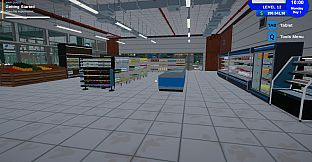
Shopping Center Simulator is a management simulation game for PC that puts players in charge of developing an empty mall into a thriving retail destination. The core experience revolves around gradual expansion, operational oversight, and balancing multiple interconnected systems to generate steady profits while maintaining customer satisfaction.
Gameplay
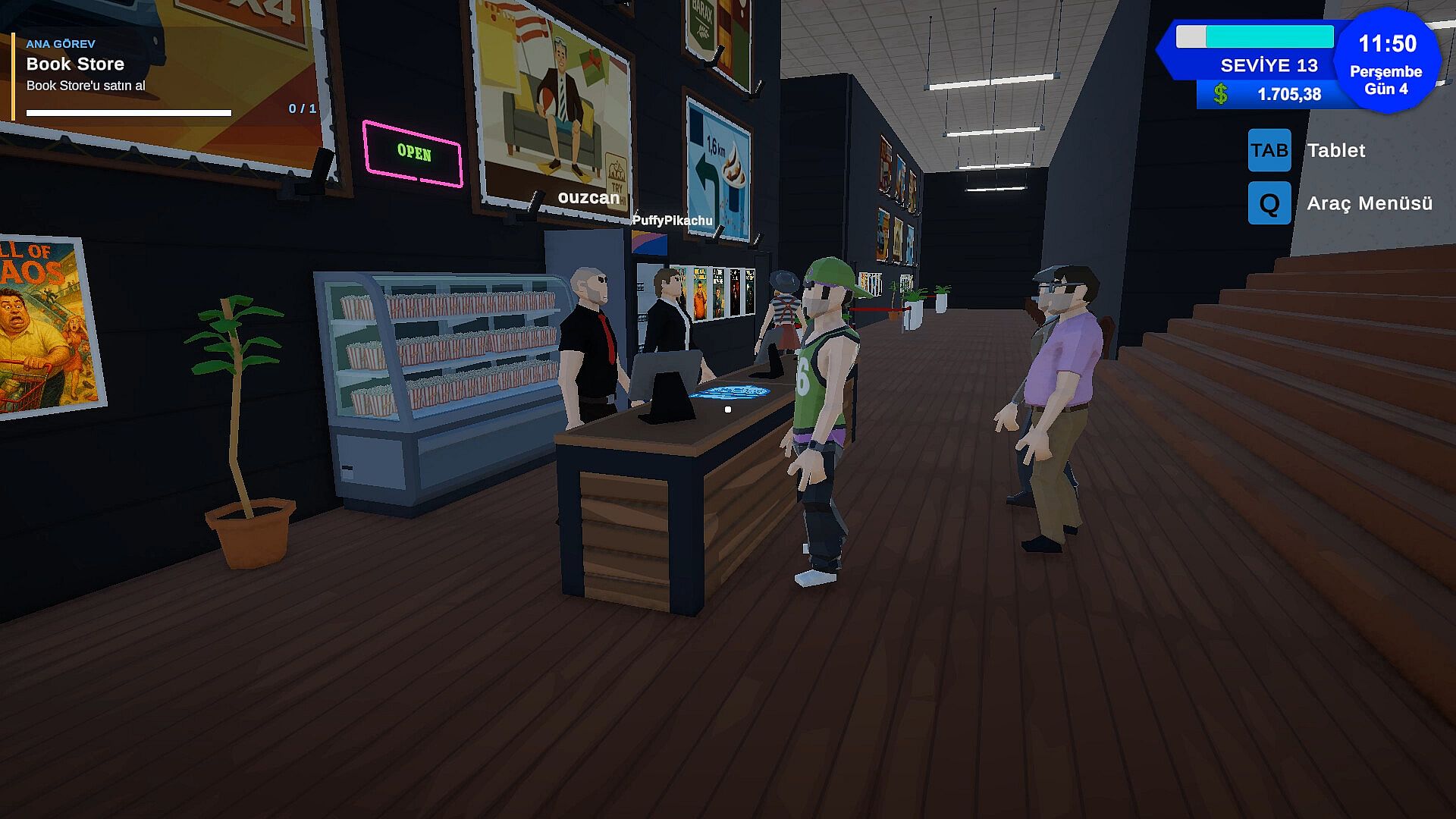
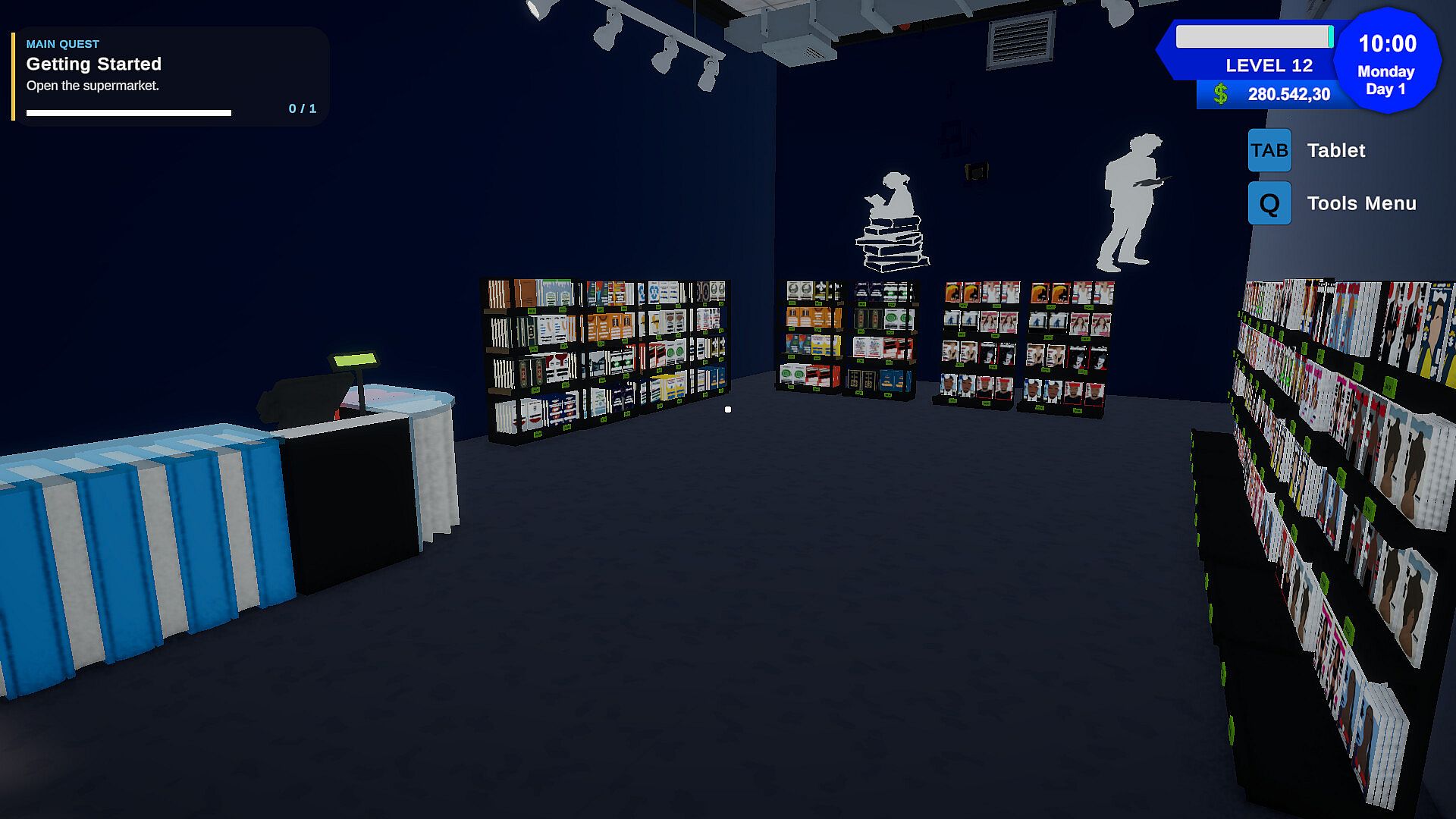
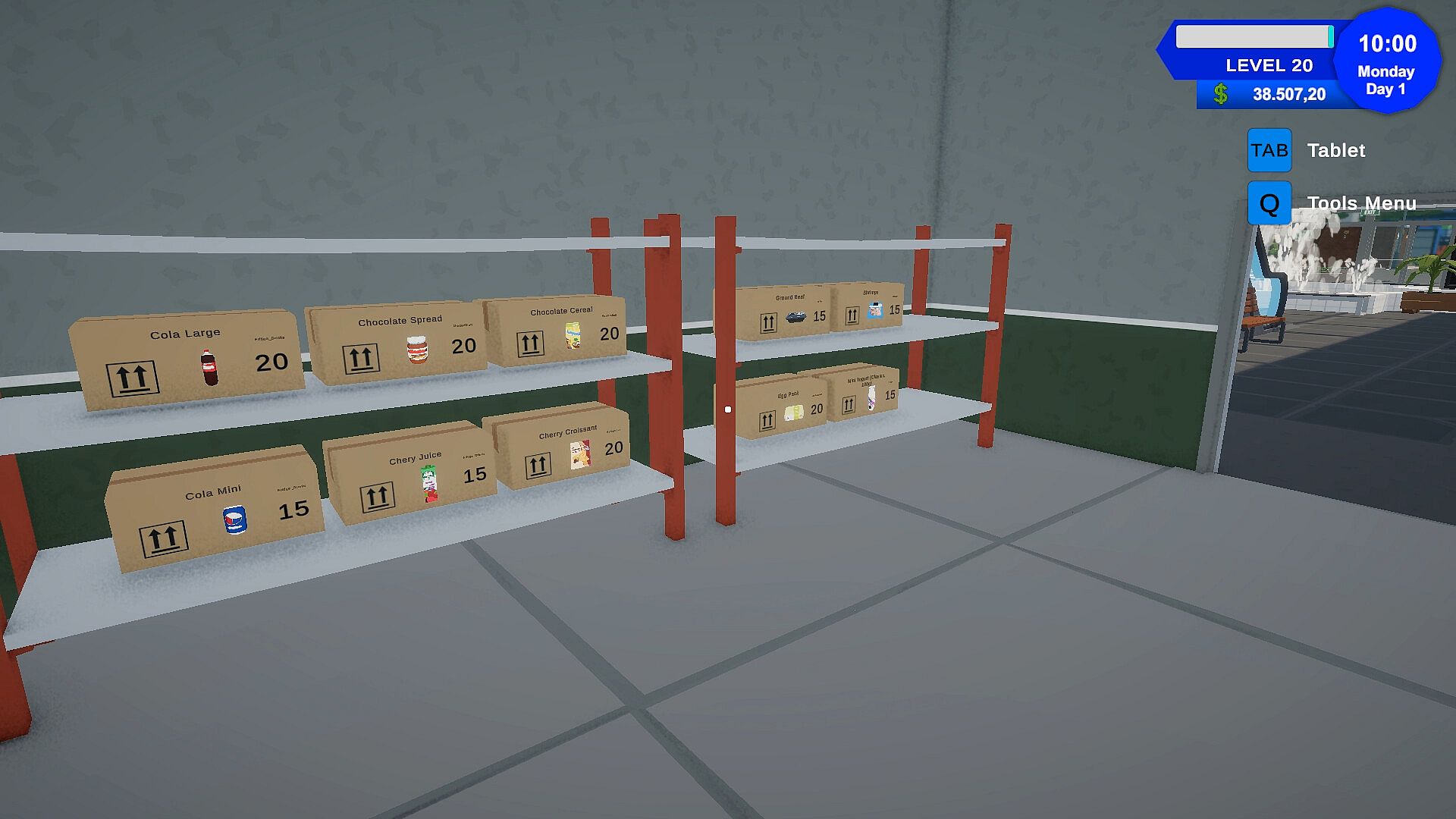
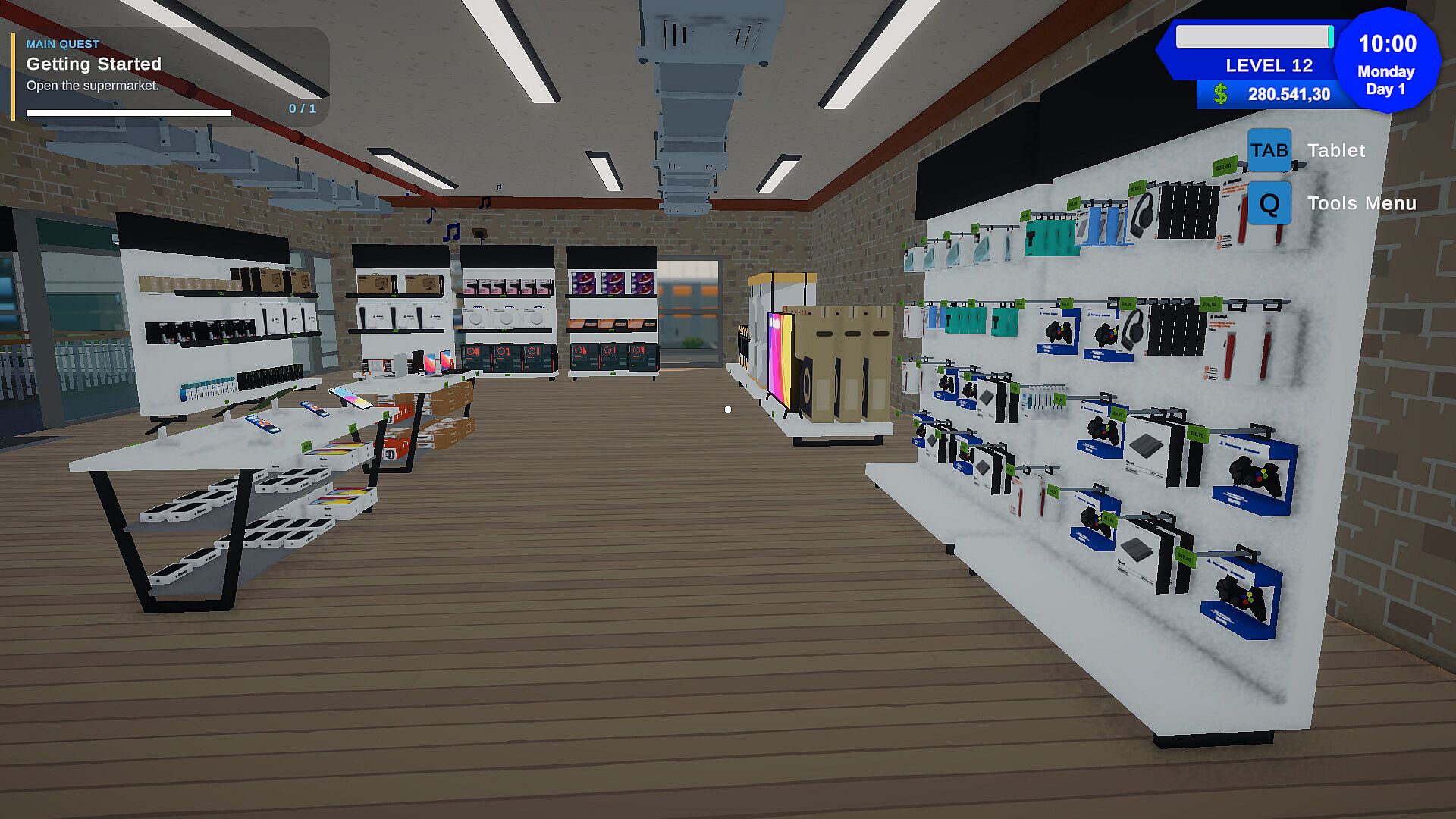
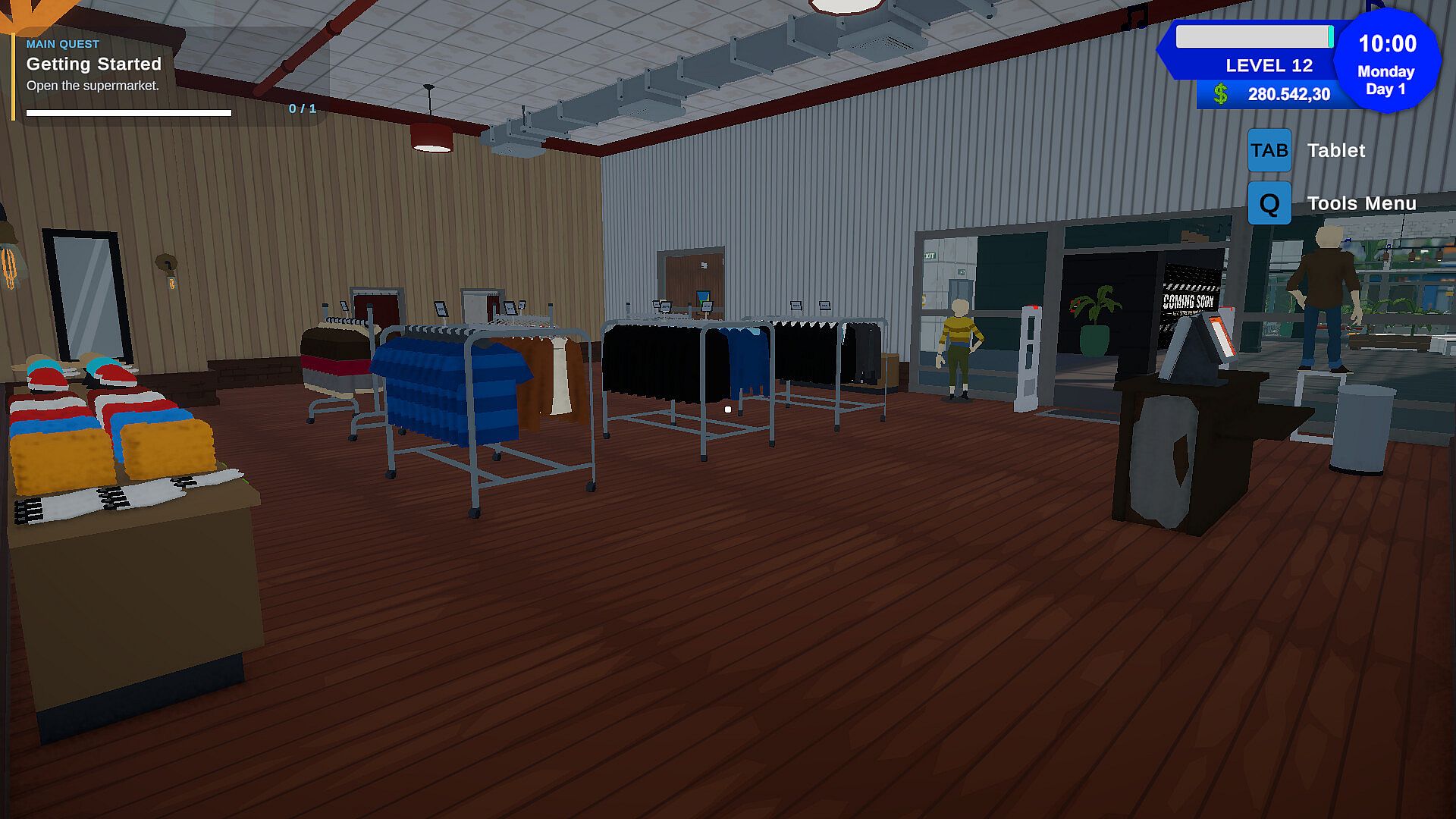
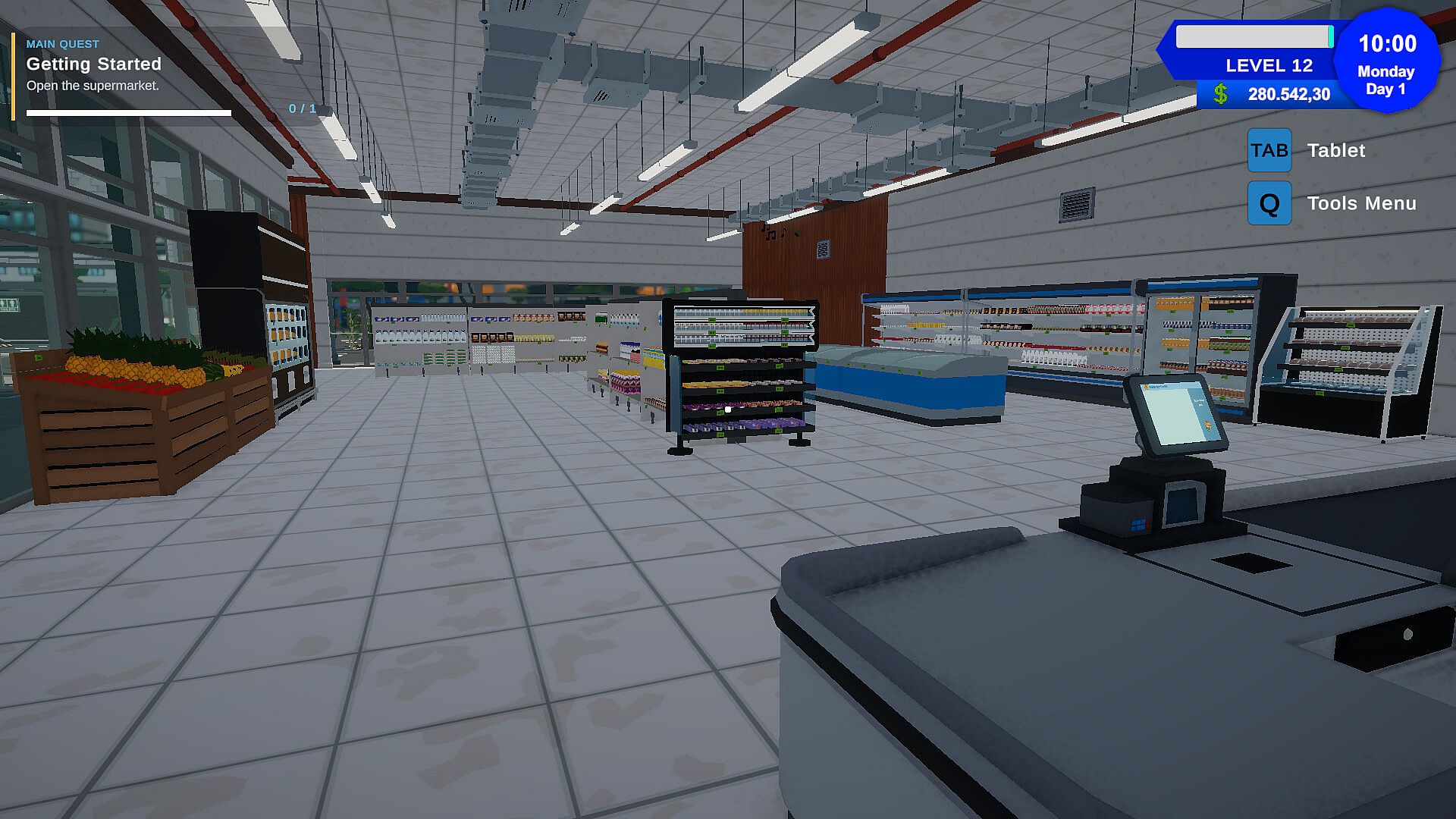
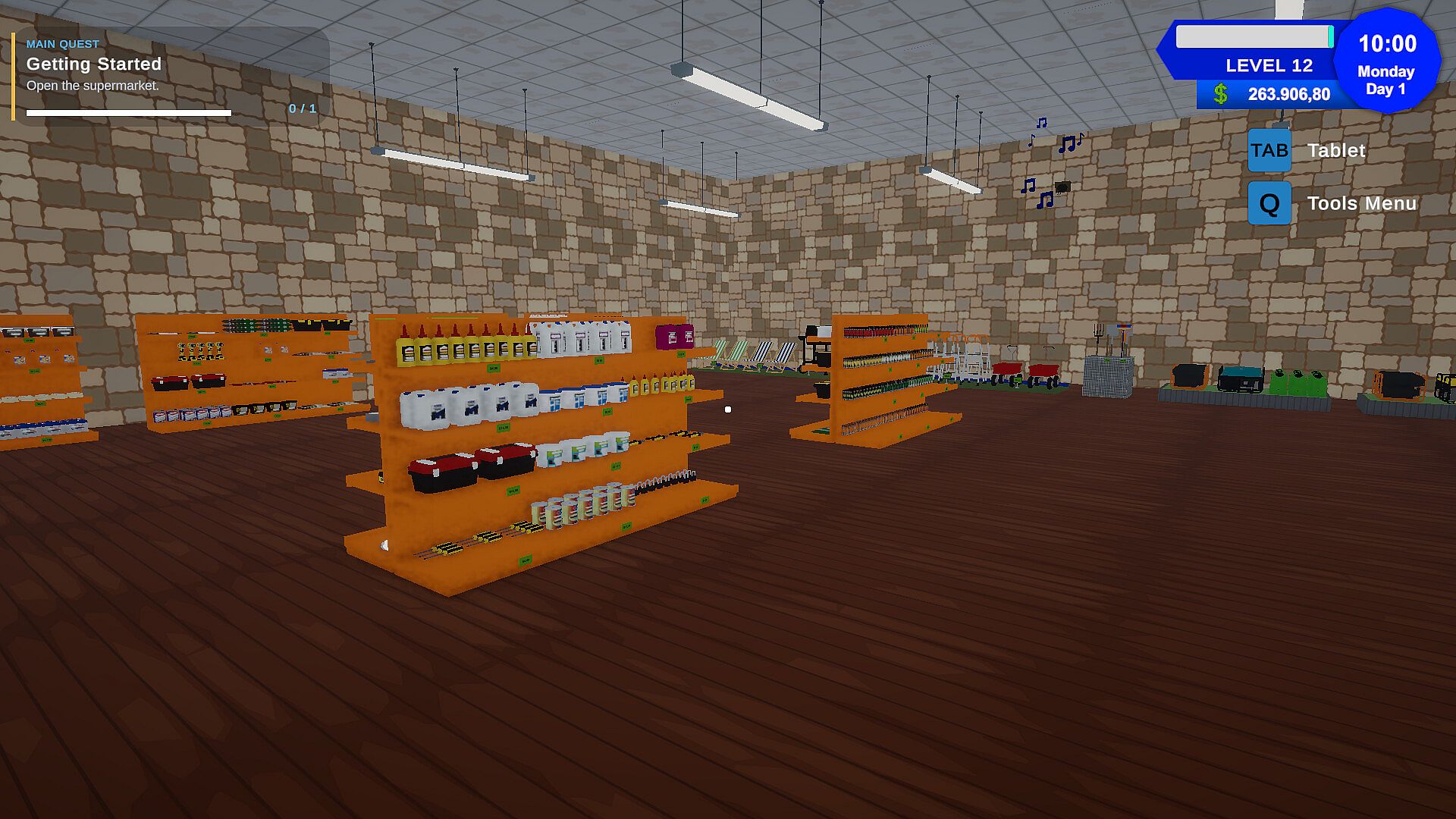
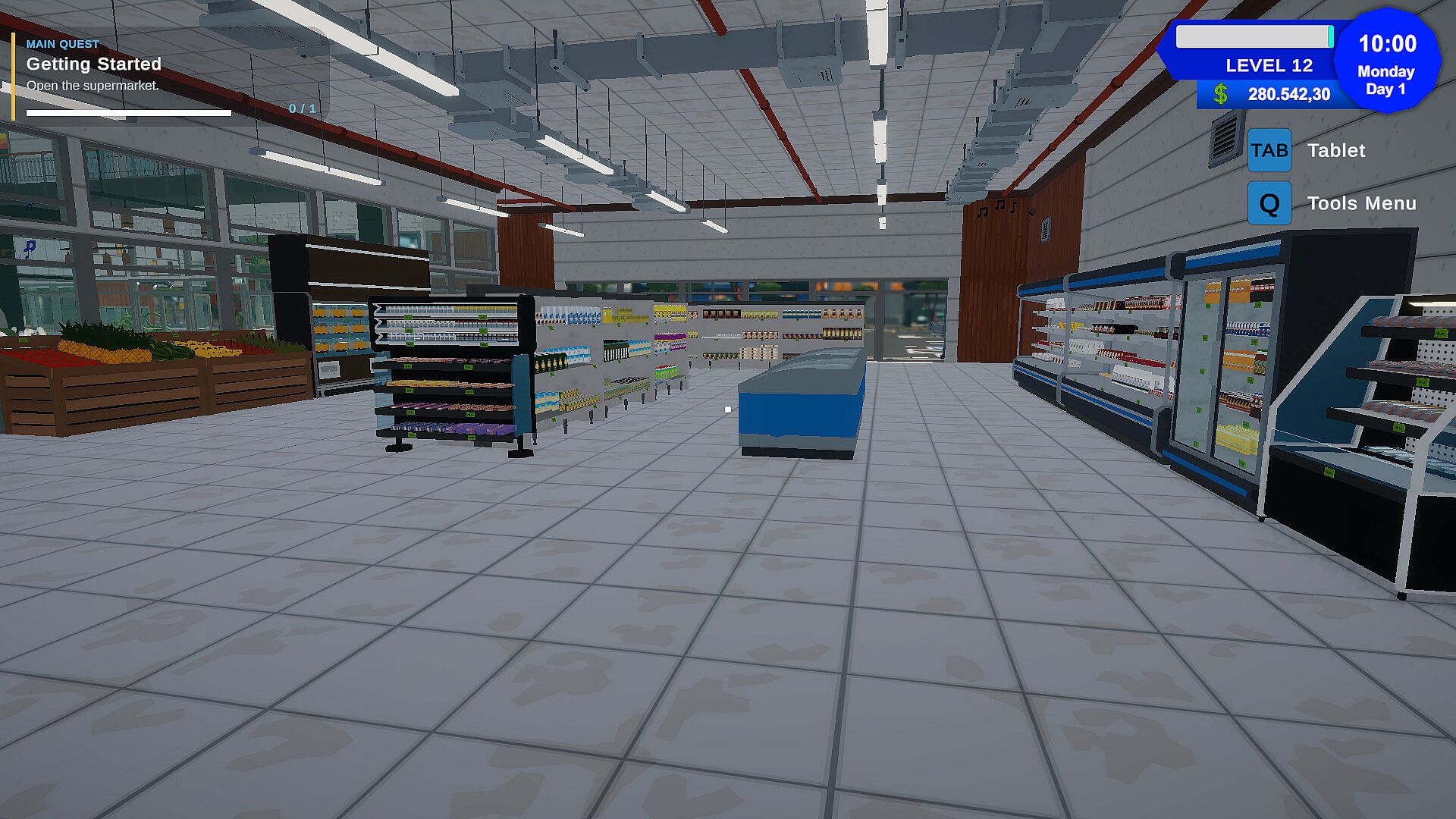
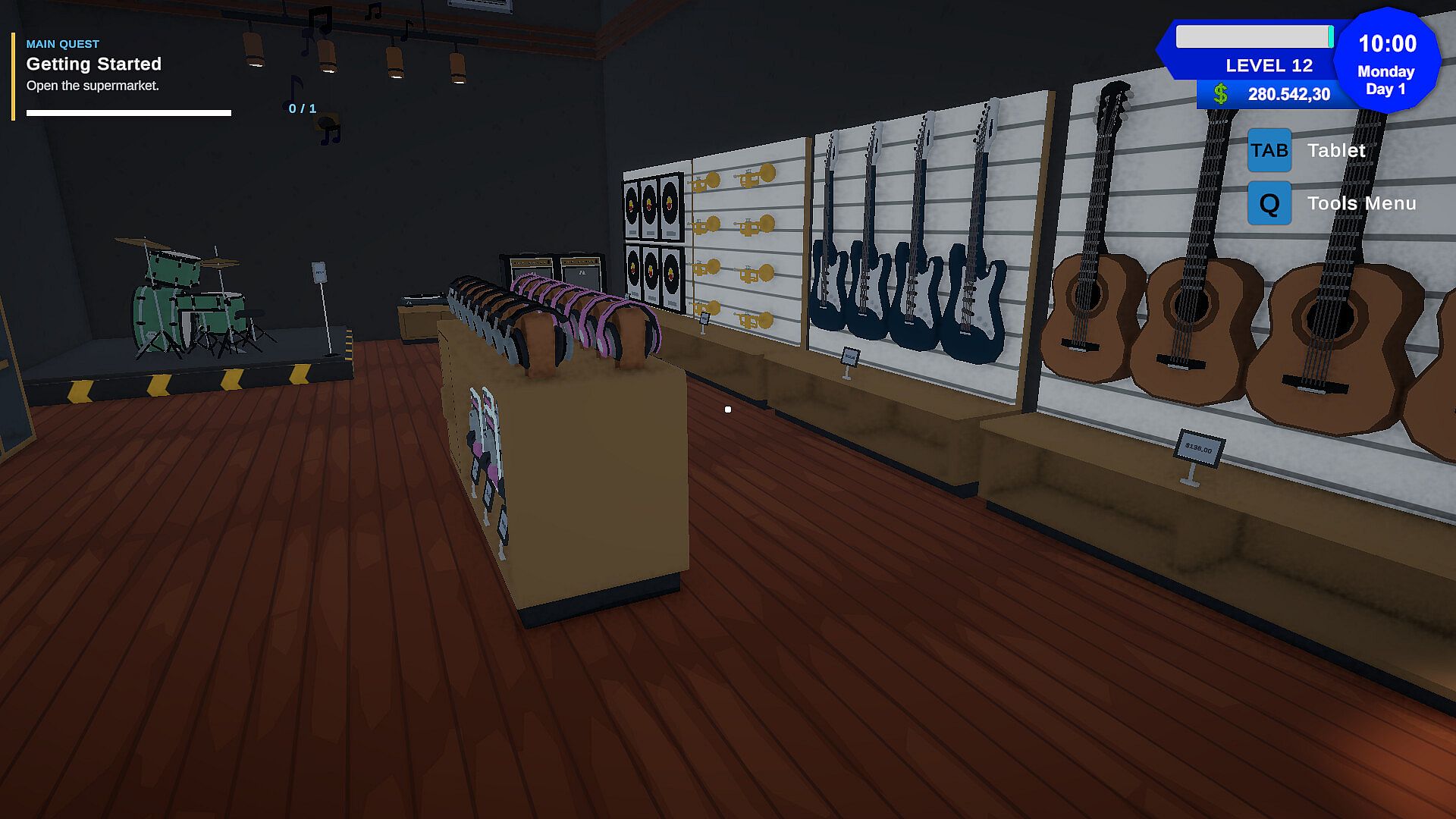
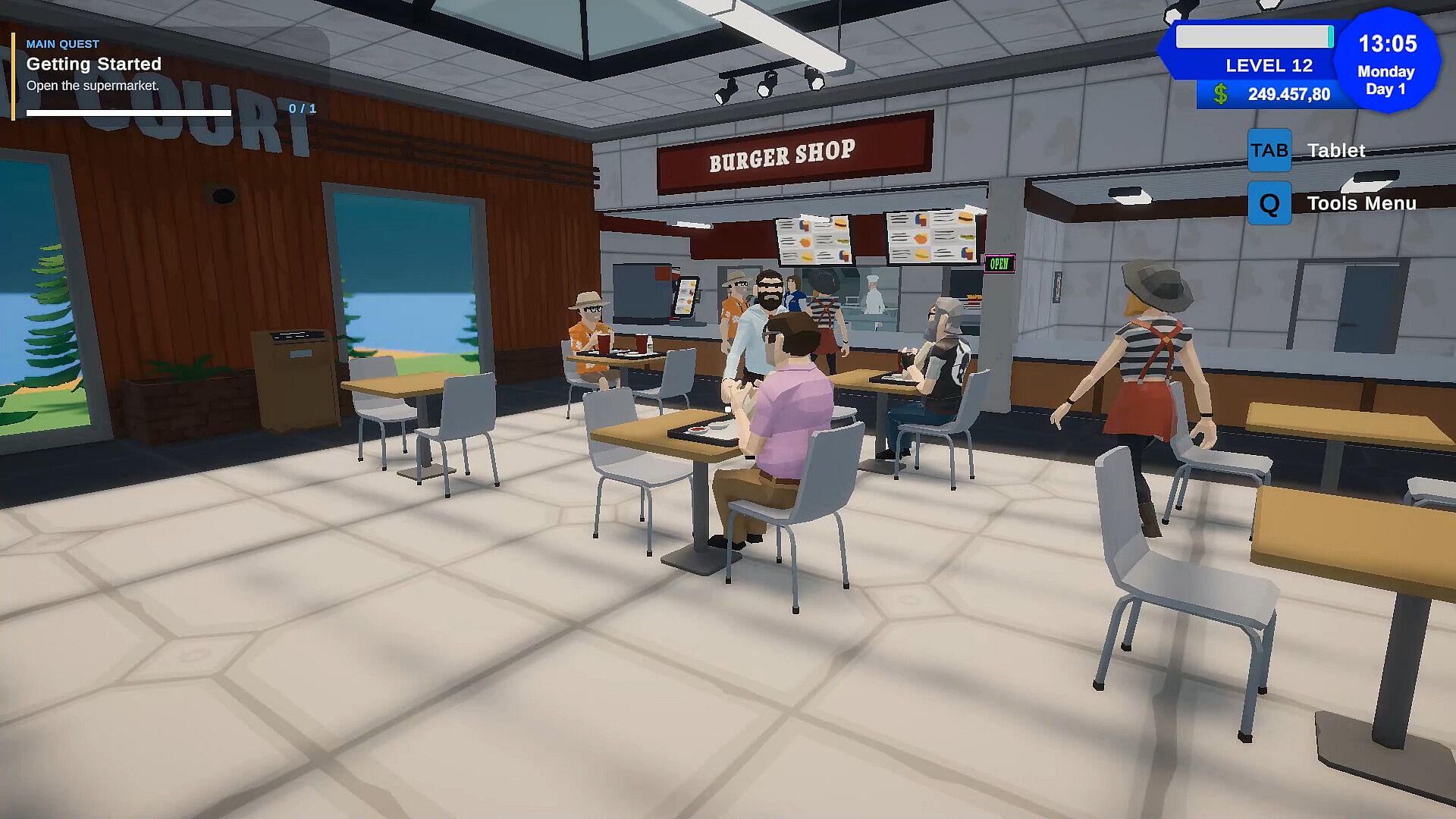
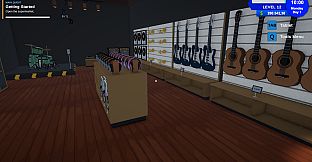
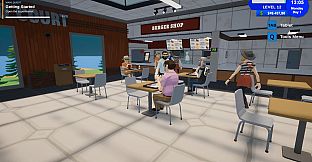
The gameplay centers on transforming a vacant shopping center through incremental store openings and ongoing management tasks. Players begin with a basic supermarket and unlock additional retail options such as clothing stores, bookstores, electronics shops, sports stores, music stores, fast food restaurants, hardware stores, and a cinema as revenue grows. Each new store adds layers of responsibility, including ordering inventory, transporting boxes to storage areas, restocking shelves, and adjusting selling prices to match demand without alienating shoppers.
Employee management becomes essential once operations scale beyond solo handling. Hiring staff for roles like cashiers, shelf stockers, chefs, cleaners, and security personnel allows delegation of daily tasks, though assignments must align with store needs to avoid bottlenecks. Security features add another dimension, requiring attention to theft prevention through systems, alarm responses, and loss mitigation strategies that protect overall earnings.
Customer happiness depends on factors including store cleanliness, queue lengths at checkouts, product availability, pricing fairness, and general upkeep. Maintaining high satisfaction levels drives repeat visits and supports long-term growth. Financial oversight ties everything together, covering wage payments, expense tracking, new investments, and debt control to prevent setbacks that could stall expansion.
Game Modes
Shopping Center Simulator supports solo play for those who prefer independent management of every aspect of the mall. It also includes online co-op, enabling up to several friends to collaborate by dividing responsibilities across different stores, handling customer service together, and coordinating expansions as a team.
No additional named modes such as competitive or challenge variants appear in available details, keeping the focus on the core building and oversight loop in both singleplayer and multiplayer contexts.
Key Mechanics and Progression
Progression follows a clear loop of earning income from sales, reinvesting in new stores and upgrades, and refining operations to handle increased scale. Inventory control requires careful ordering to avoid empty shelves that reduce revenue, while price setting demands ongoing adjustments based on customer response. Security and staff systems grow in importance alongside the mall size, creating a sense of evolving complexity without overwhelming early stages.
The emphasis remains on practical decisions around resource allocation and problem-solving, such as responding to theft incidents or optimizing employee workflows. This structure rewards players who monitor multiple metrics simultaneously and make measured choices about spending and hiring.
Is It Worth Playing?
Shopping Center Simulator appeals to fans of detailed management simulations who enjoy the satisfaction of watching a small operation grow into a bustling hub through hands-on involvement. Its mix of store variety, employee delegation, security considerations, and co-op options provides a solid foundation for extended sessions focused on optimization and expansion.
Those drawn to similar titles in the genre will find familiar systems executed with attention to interconnected challenges like pricing, staffing, and customer flow. The game suits players comfortable with steady, methodical gameplay rather than fast-paced action, offering depth in its economic and operational layers for anyone interested in building and sustaining a retail empire.