


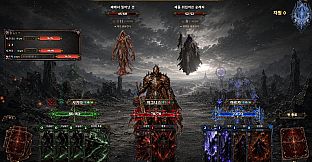
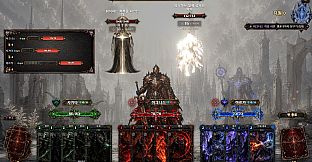
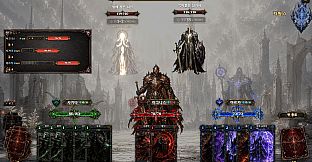
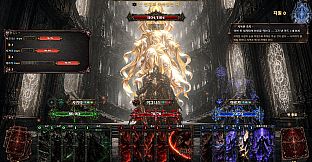
Soulbuilder is a co-op roguelike deckbuilder strategy game set on a continent where an ancient blessing has turned into an unending curse. The Endless Spire sits at the center, spreading growth that prevents death but forces constant expansion. Players begin on the outer rings and move inward through eight distinct zones, each with its own battlefield rule that alters combat in meaningful ways. The game supports up to three players who share a single resource pool and face the same threats together, whether running the full party solo or inviting friends through online co-op.
Gameplay
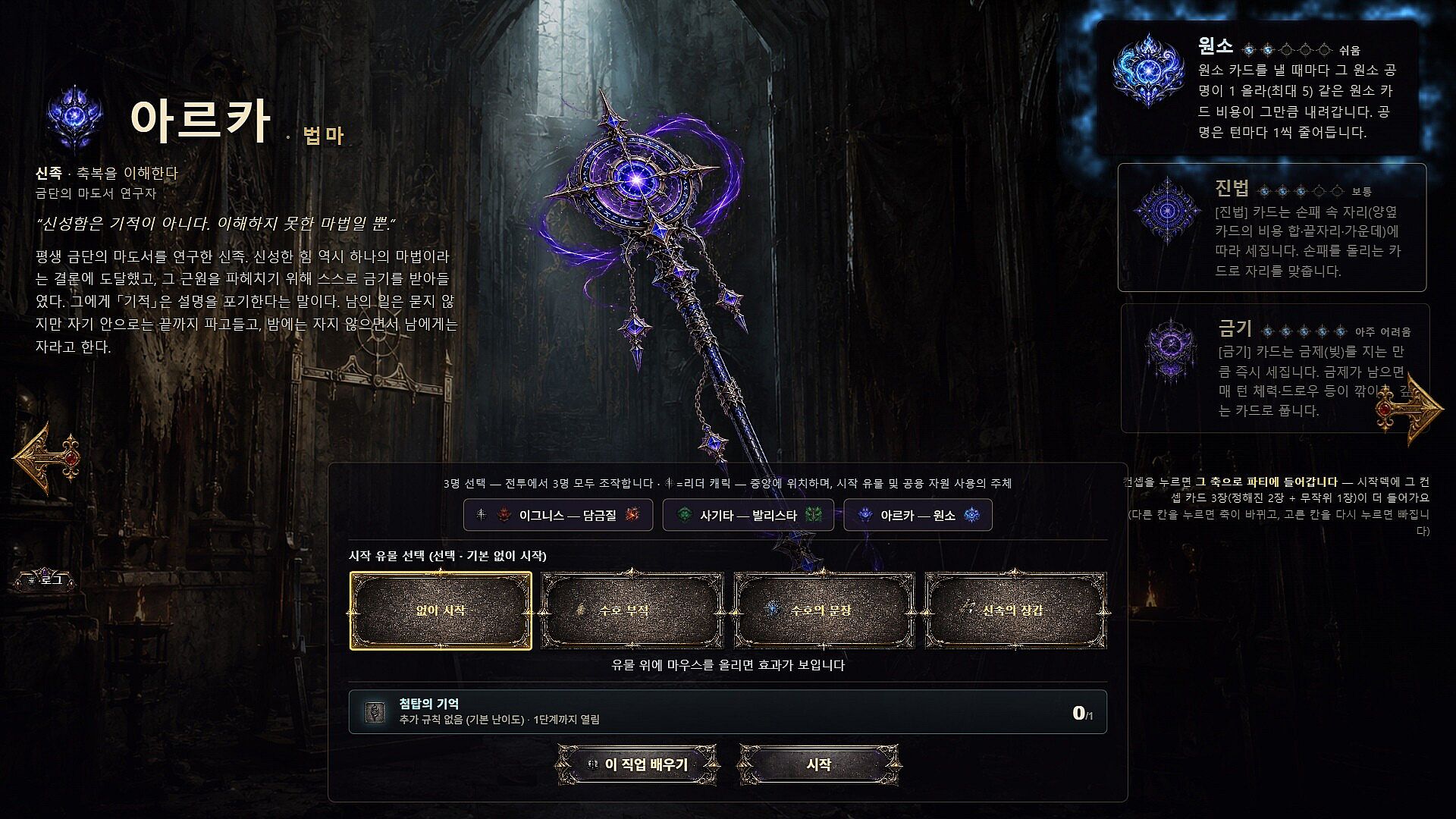
Combat revolves around deckbuilding with nine heroes, each built around three unique pillars that define separate mechanical axes. Ignis focuses on melee blade work through Tempering, Forging, and Afterimage. Sagitta emphasizes ranged bow attacks with Volley, Ballista, and Discard. Arca handles magic via Element, Formation, and Forbidden. Pugna delivers melee flurries through Chain, Mutation, and Scar. Tessera uses ranged firearms with Magazine, Wager, and Assembly. Umbra applies melee venom using Venom, Undying, and Salvage. Silva provides ranged support via Season, Sowing, and Withering. Lapis centers on melee defense with Sigil Plate, Stress, and Hate. Nexum specializes in ranged pacts through Pact, Effigy, and Form. These pillars keep effects distinct, so early runs quickly reveal the intended playstyle.
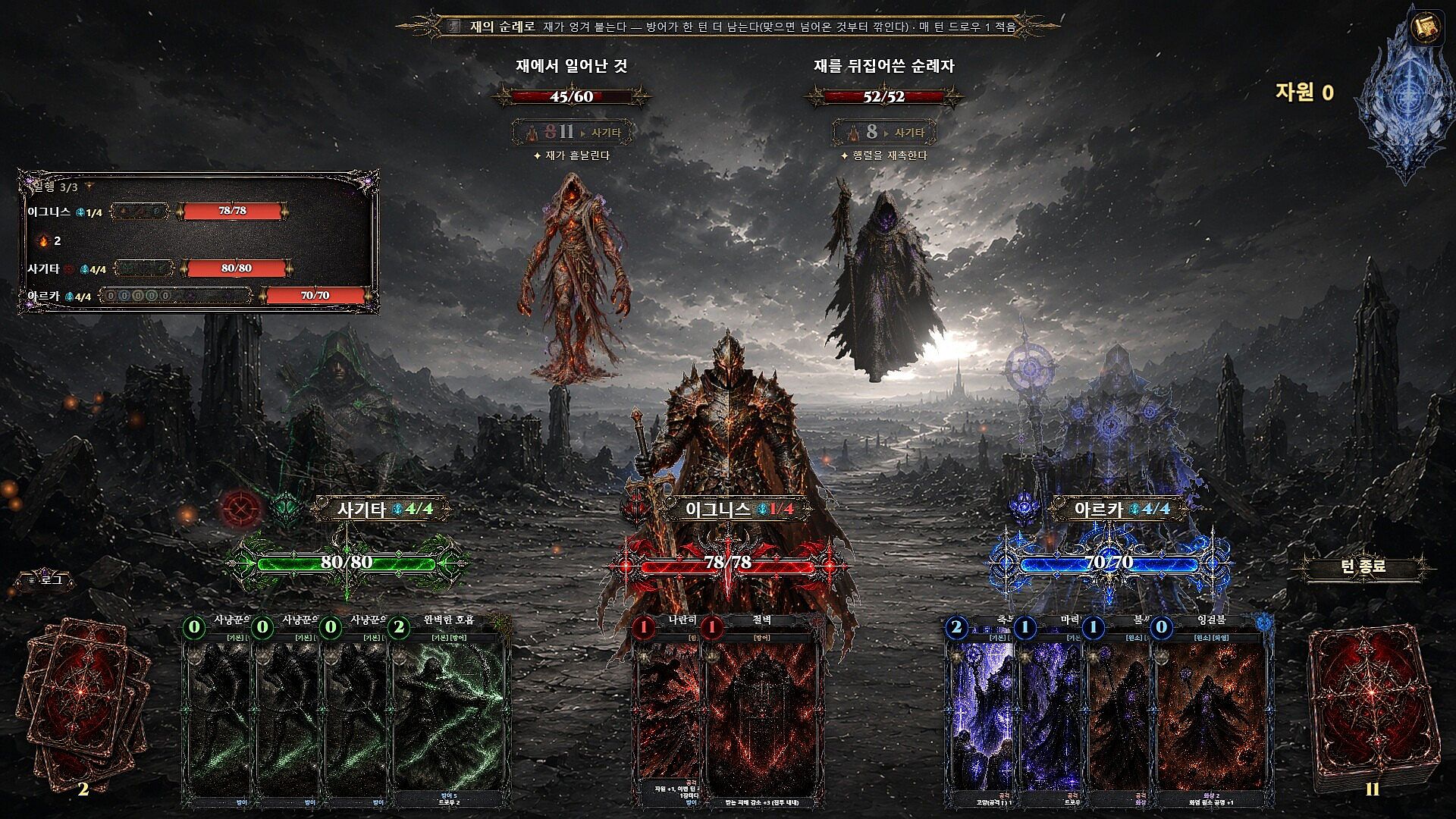
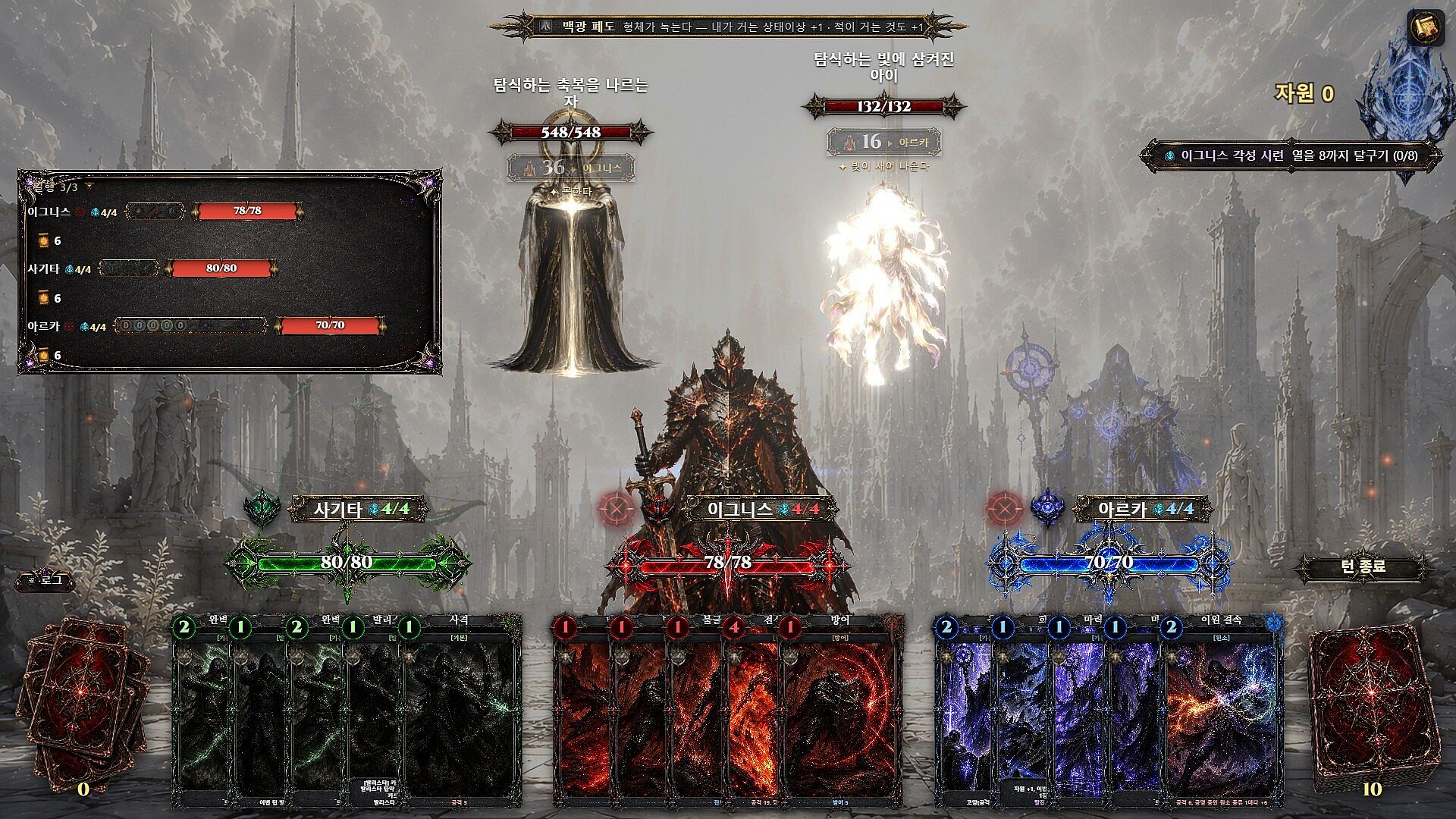
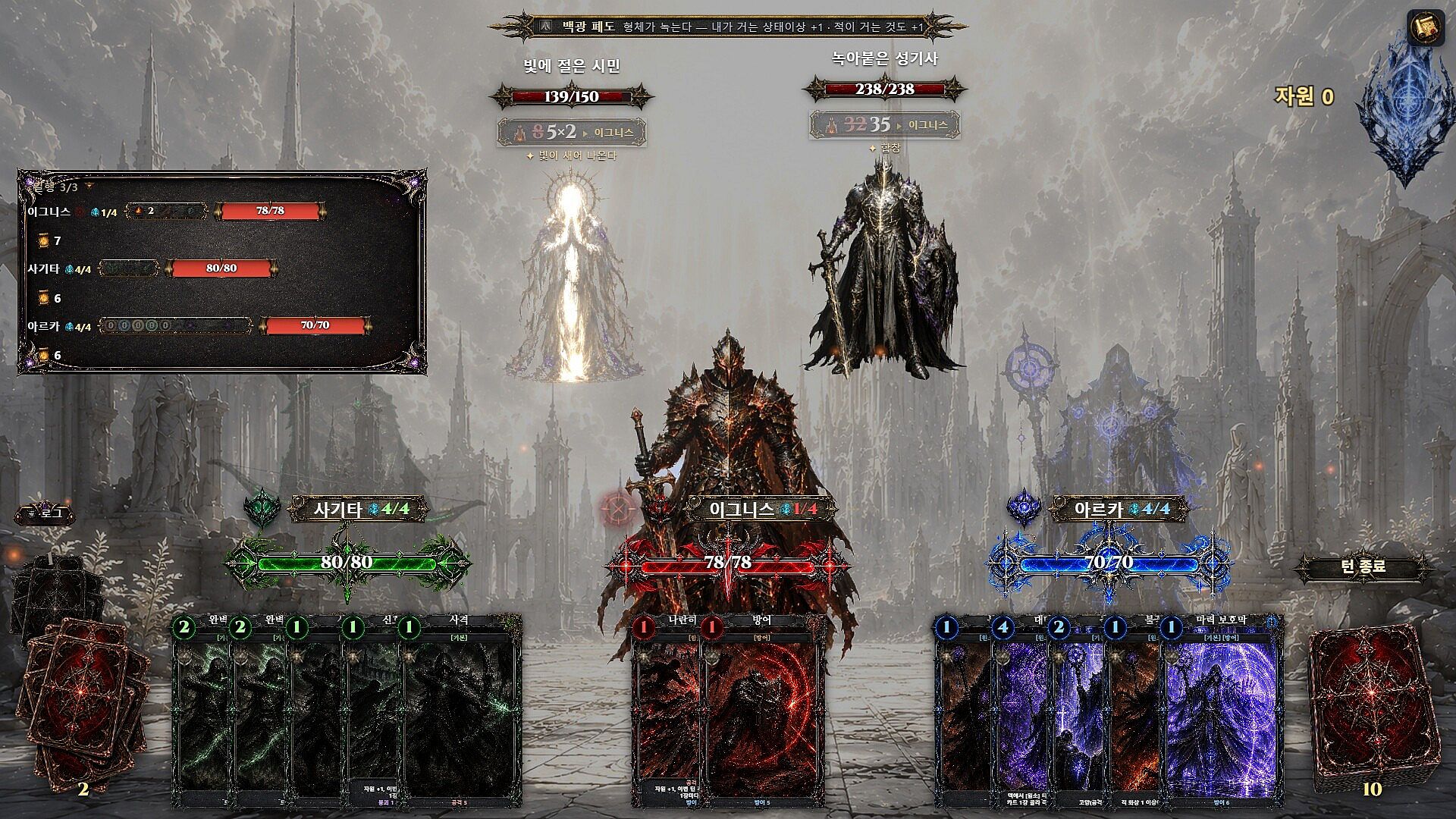
Shared resources form the core loop. Three players contribute to one pool that converts into energy for cards. Block can transfer between allies, though healing others proves less efficient than self-healing. Certain Pact cards from Nexum charge costs to teammates, who may refuse and accumulate Resentment that later reduces solo payment. Boss encounters scale with party size, altering card interactions such as shoving effects that loop back when alone. Relics occupy single slots for weapon, armor, and trinket. Events tempt deeper engagement with the blessing, strengthening future enemies while toughening the party through soaking. Hidden rewards appear only after specific boss defeats. Hand-drawn card art pairs with 3D paper-cutout characters on the field, and the visual style shifts as white light washes color from deeper zones.
Game Modes
The primary experience is cooperative runs for one to three players. A single player controls the full party of three, or two friends join to share decisions in real time. The rules remain identical regardless of participant count. Four acts structure each run, with branch choices at each stage that test deck survival rather than offering easier paths. Awakening trials appear when a hero meets specific conditions, spawning a shadow copy of that hero's deck. Defeating the shadow once awakens the hero, and a second clear transcends it. Postponing the trial mixes the shadow into a later elite encounter. Everything carries permanent costs, from pacts that demand repayment across the run to soaking that permanently alters enemy and party strength.
Zones and Battlefield Rules
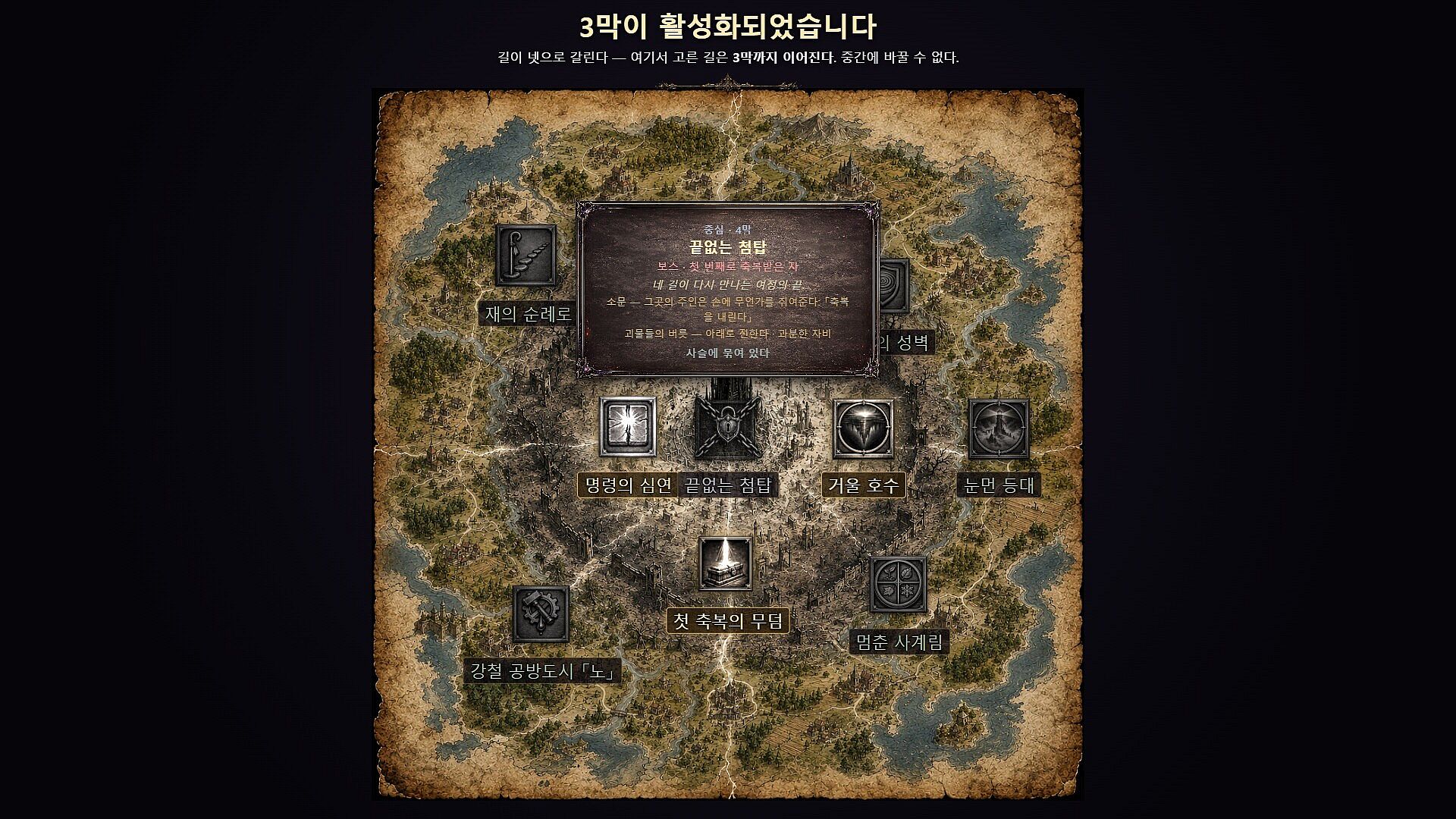
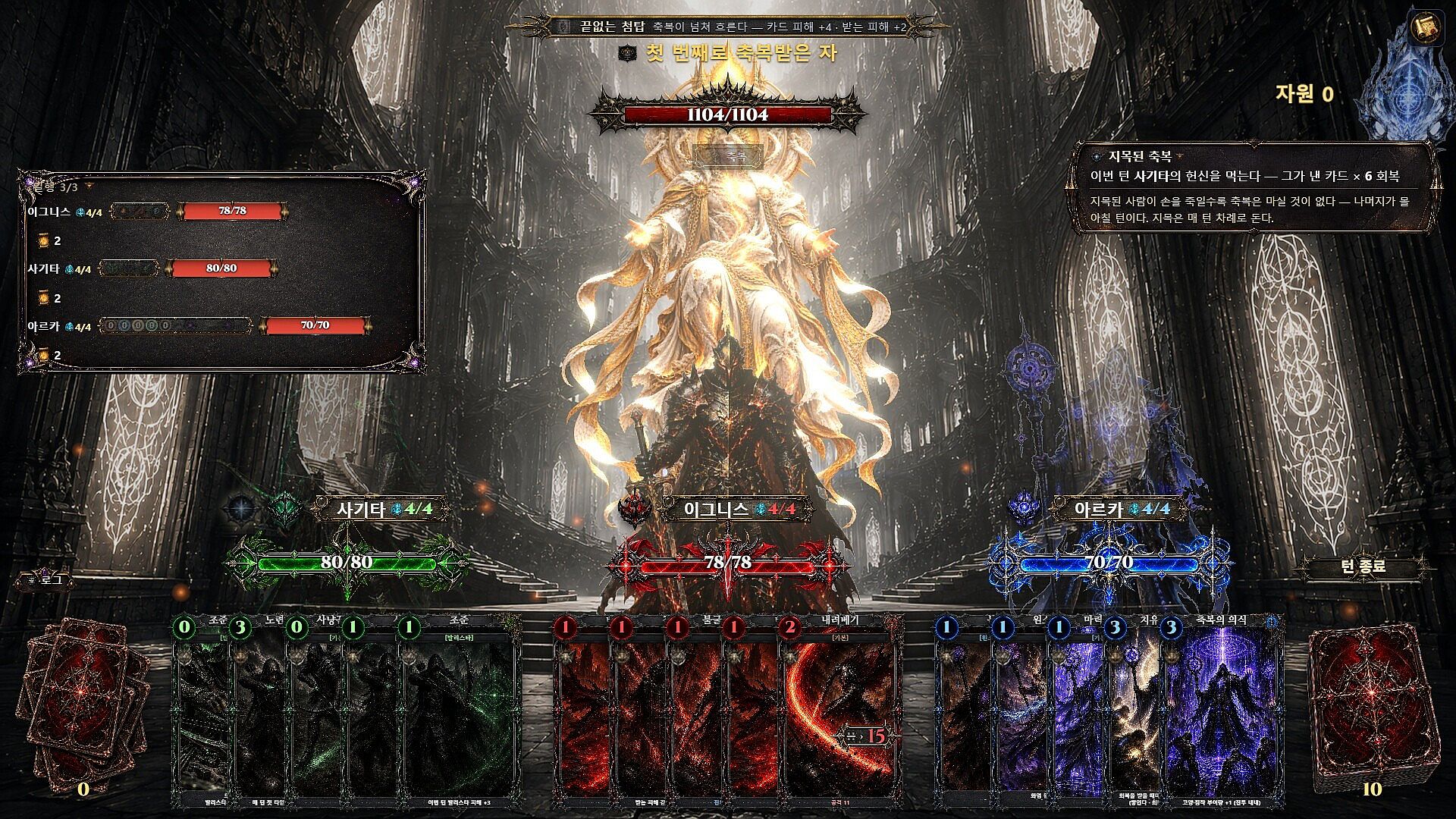
Eight zones impose distinct rules that create trade-offs rather than simple advantages. Ash Pilgrimage carries block between turns but reduces draw by one card. Forge City Ro increases draw by one but imposes a hand limit of two fewer cards. Rippled Wall grants three block each turn yet reduces all healing by three. The Stilled Four-Season Wood locks one season's bonus for the entire fight. Whitelight Ruin boosts status effects applied by and to the party. Tomb of the First Blessing prevents death once at one hit point but halves healing. Abyss of Command plays a leftover order as the first card each turn at reduced cost while shrinking the opening hand. The Endless Spire itself increases card damage by four while raising damage taken by two. These rules shape route decisions around what a given deck can endure.
Is It Worth Playing?
Soulbuilder suits players who enjoy cooperative strategy games where shared resources and party synergy drive decisions. The co-op focus encourages coordination on energy conversion, block distribution, and pact refusals, while solo runs still deliver the same systems through full-party control. The distinct pillar designs and zone rules reward experimentation across multiple runs, and the awakening system adds optional long-term goals that can influence later zones. Those seeking a roguelike deckbuilder with meaningful multiplayer interaction and permanent consequence mechanics will find the described systems align with that preference. The game remains available on PC with support for friend-invite co-op sessions.