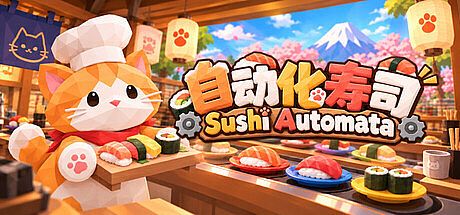




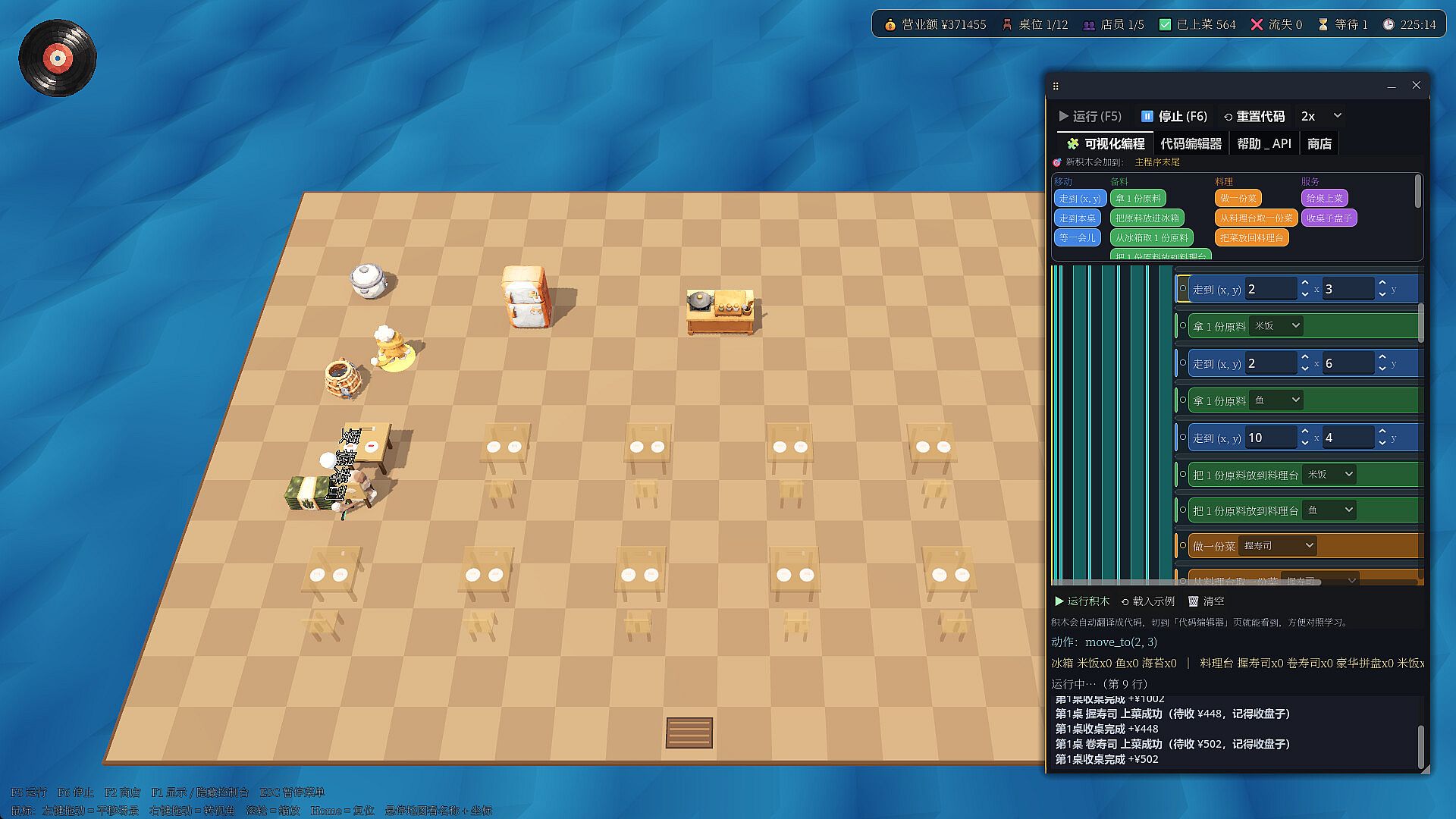
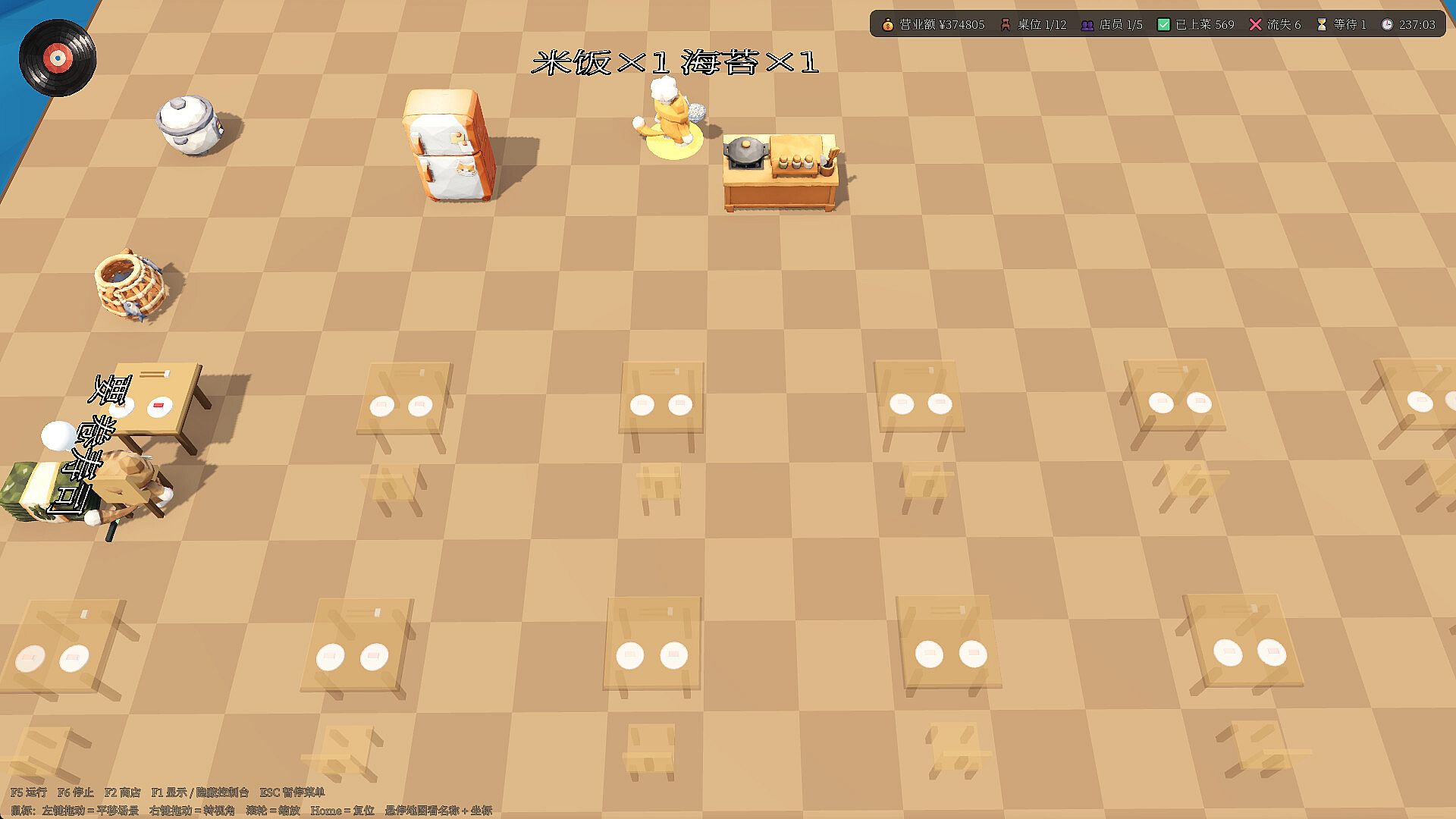
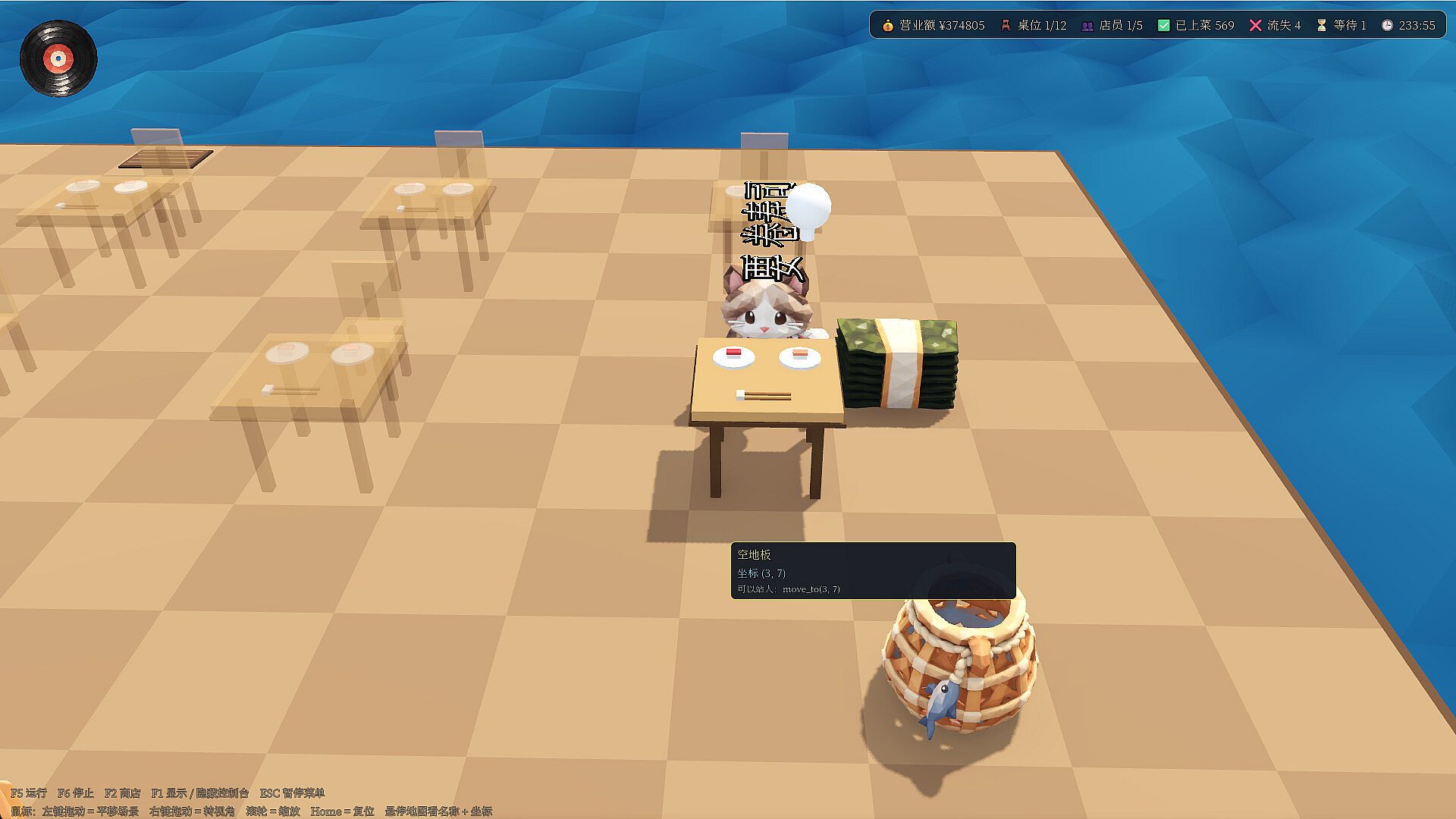
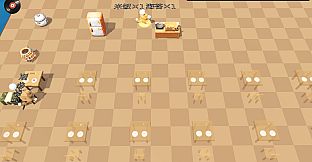
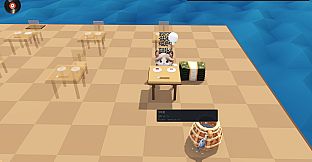
Sushi Automata is a single-player strategy and simulation game with indie, RPG, and casual elements. Players manage a floating sushi restaurant on the sea by writing or arranging code to direct staff in sushi preparation and service.
Gameplay
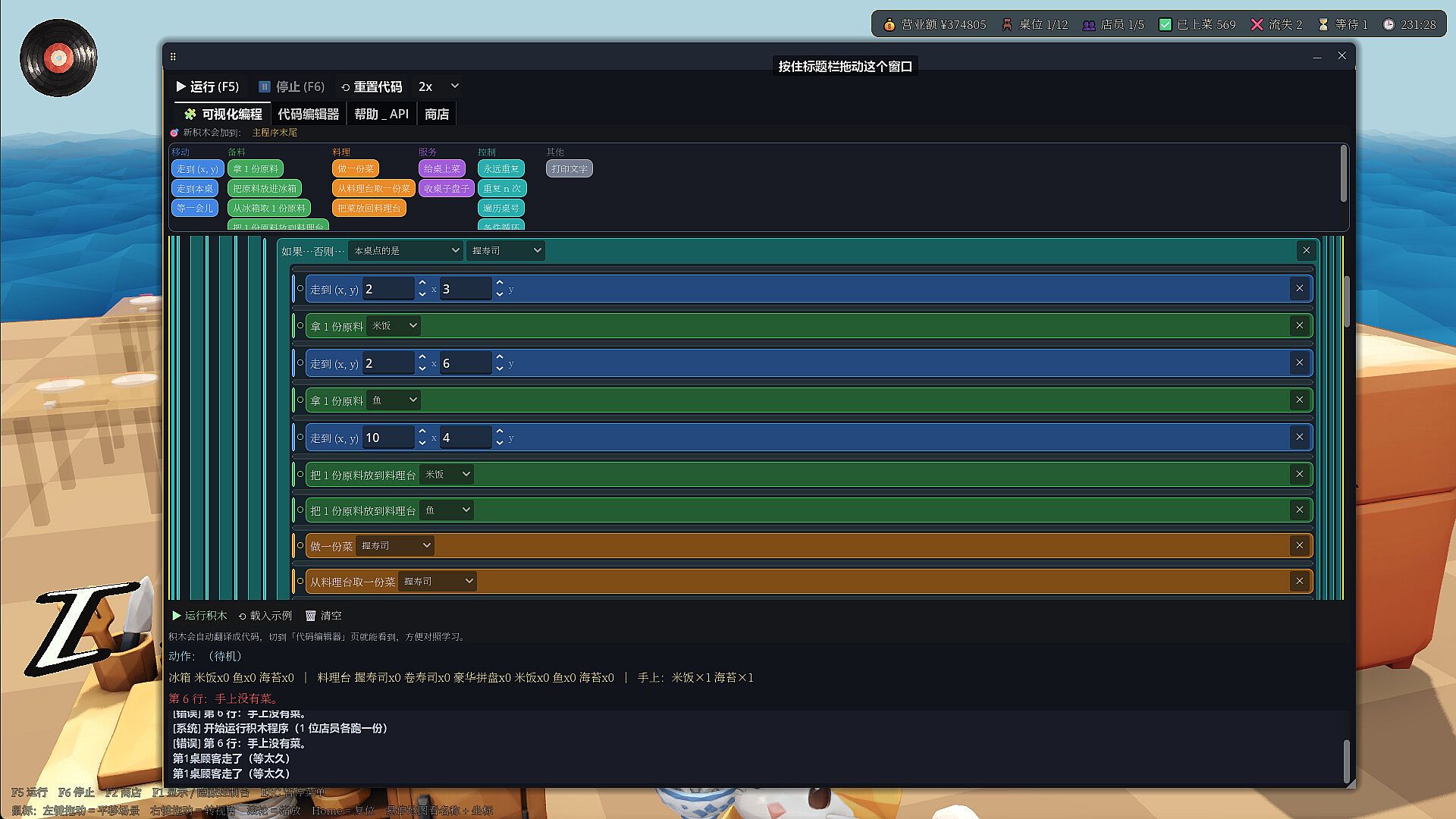
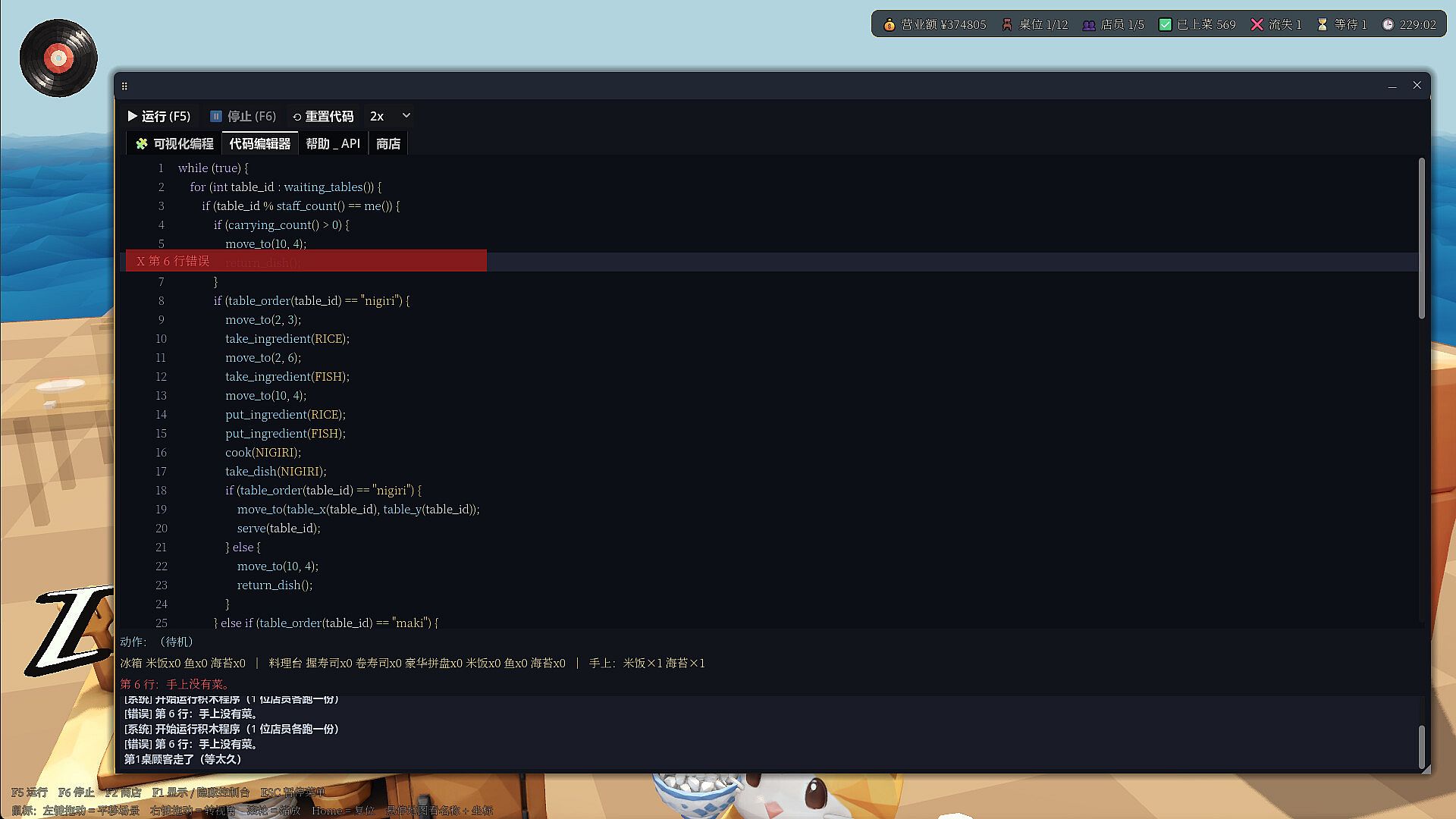
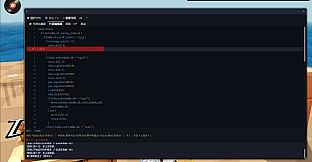
The core loop centers on automation through programming. Players take control of restaurant operations where staff follow instructions to produce sushi efficiently. A visual editor allows beginners to drag and drop blocks that represent actions, while an integrated code view displays the equivalent instructions in a concise C++-like syntax. This dual presentation supports gradual skill building without requiring prior coding knowledge.
Optimization forms the main challenge. Adjustments to code sequences improve production speed and output quality, which generates coins for business growth. Expansion involves hiring additional employees and drawing in more customers through better efficiency. The floating sea setting provides a relaxed backdrop, with background music accompanying the coding sessions.
Mechanics emphasize iterative refinement. Players test code changes, observe results in real time, and refine logic to handle increasing demands as the restaurant scales. The system rewards precise control over staff tasks while teaching fundamental programming concepts through practical application.
Game Modes
Progression occurs through a continuous single-player campaign focused on restaurant development. Players advance by completing automation objectives that unlock new staff roles, equipment options, and customer types. There are no separate competitive or multiplayer modes confirmed at this stage.
The experience blends simulation elements with light RPG progression. Business metrics such as coin earnings and customer volume drive advancement, while strategy decisions center on code efficiency and resource allocation. Casual pacing allows flexible session lengths suited to experimentation.
Learning Through Automation
The game targets complete beginners interested in programming. Visual blocks lower the entry barrier, and the side-by-side code display reinforces syntax understanding. As players optimize routines for sushi production, they encounter concepts like sequencing, loops, and conditional logic in a low-pressure environment.
Restaurant management adds context to these lessons. Efficient code directly translates to higher throughput, more revenue, and opportunities to recruit staff or upgrade facilities. This feedback loop keeps the focus on practical problem solving rather than abstract exercises.
Is It Worth Playing?
Sushi Automata suits players who enjoy simulation and strategy games centered on systems building and incremental improvement. Its emphasis on accessible coding tools makes it particularly relevant for those exploring programming for the first time or seeking a relaxed way to practice logic skills.
Since the title remains in a pre-release state with no player reviews or post-launch updates available, suitability depends on interest in the core automation and restaurant expansion loop. Those drawn to single-player experiences that combine creative coding with business management will find the described mechanics align closely with that preference.