


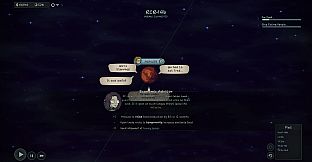
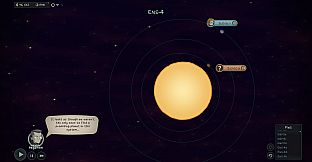
Tales From Outer Space is a strategy game set in a vast interstellar economy where players build and manage a corporate empire from modest origins. The core experience revolves around turning a single trading vessel into a dominant force that controls manufacturing, planetary populations, and galactic influence through calculated expansion and manipulation.
Gameplay
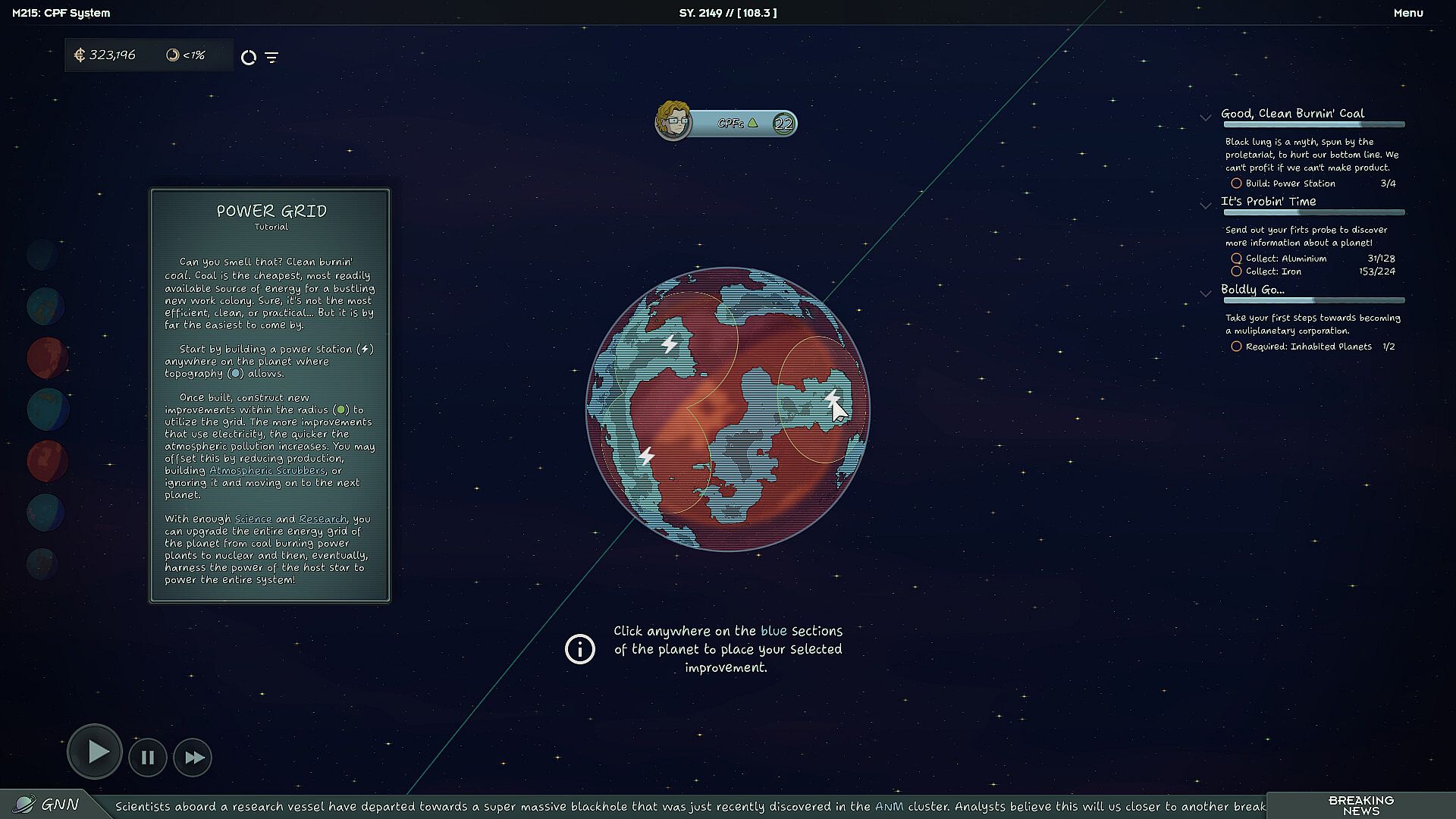
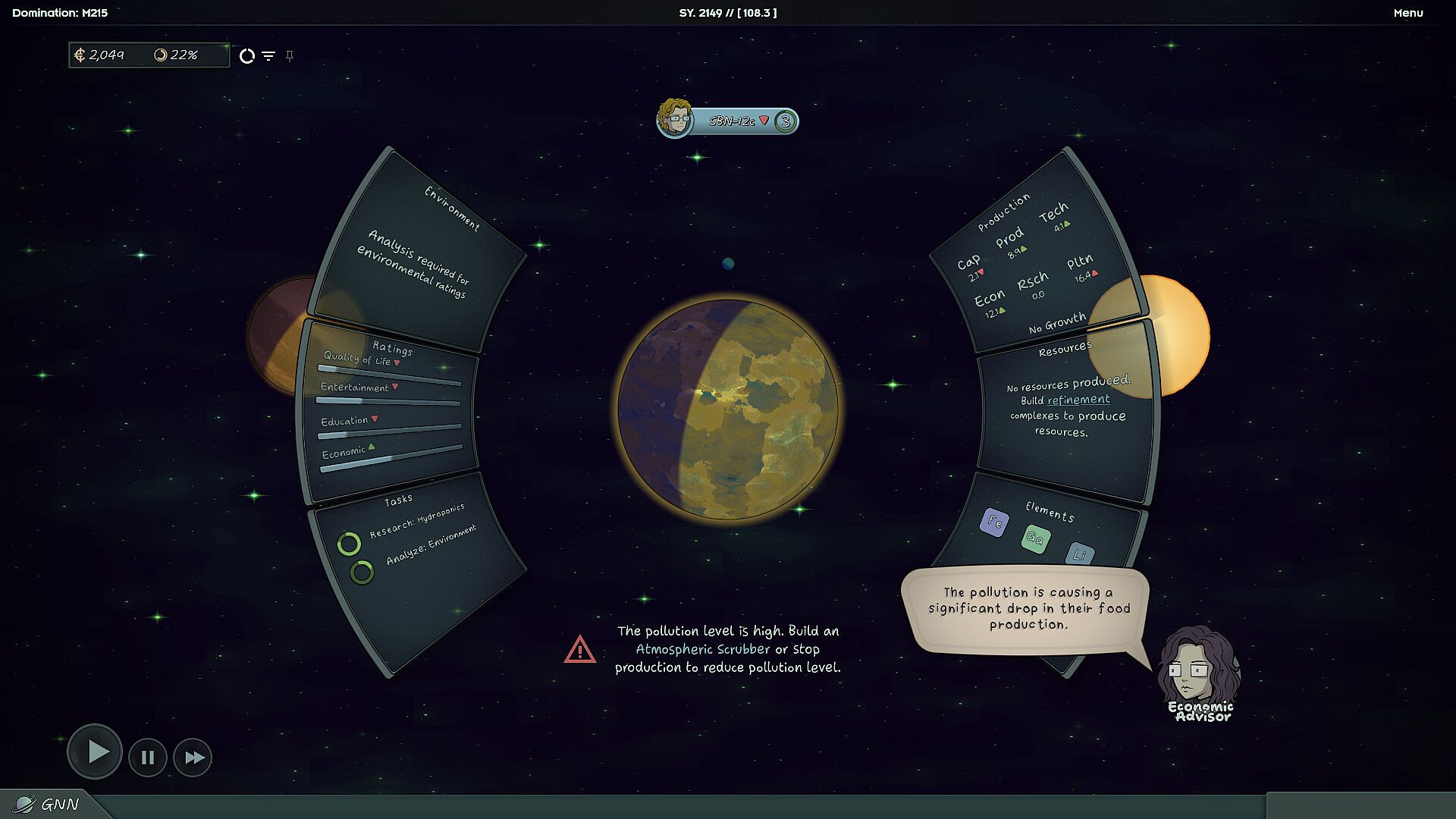
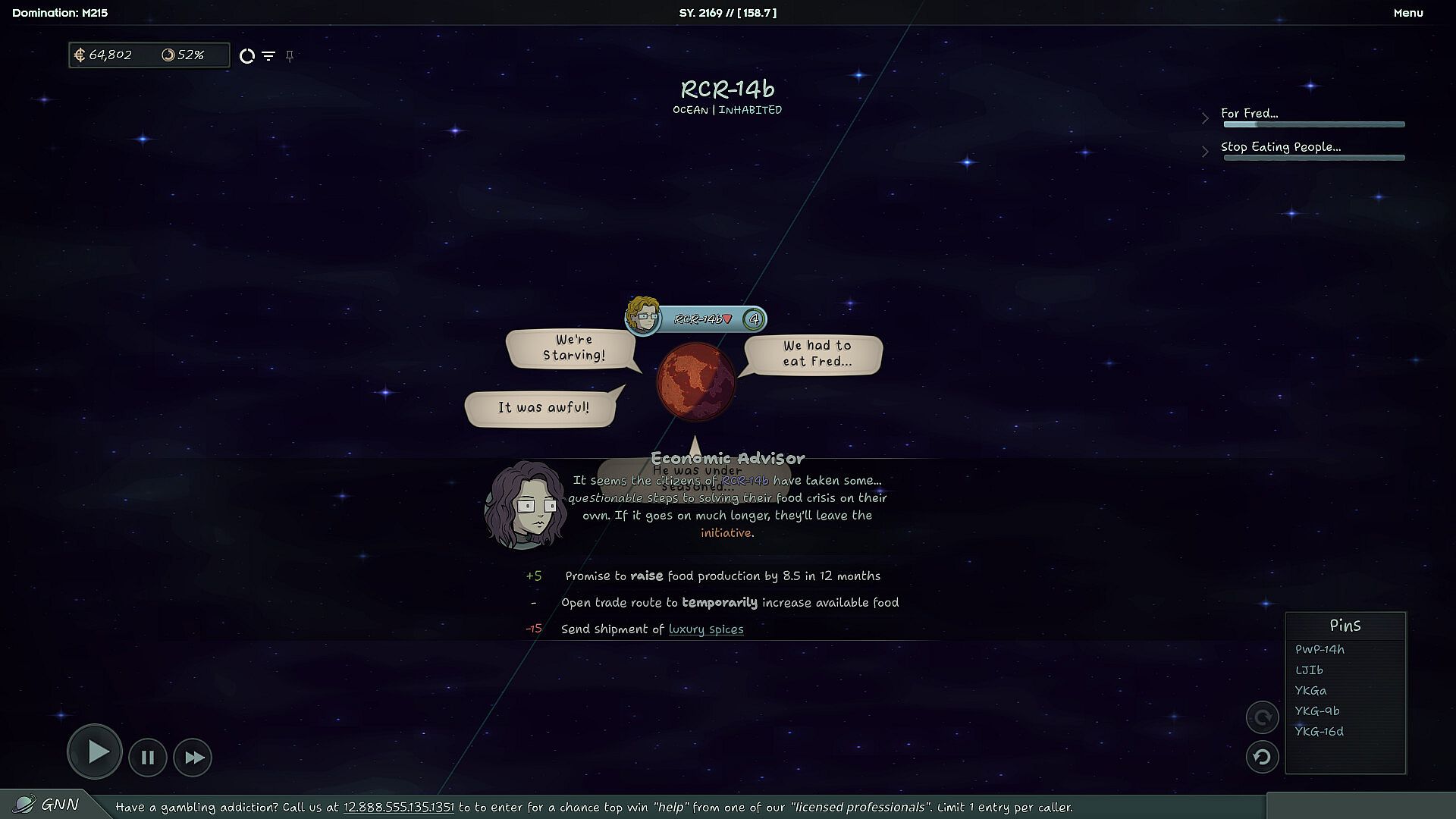
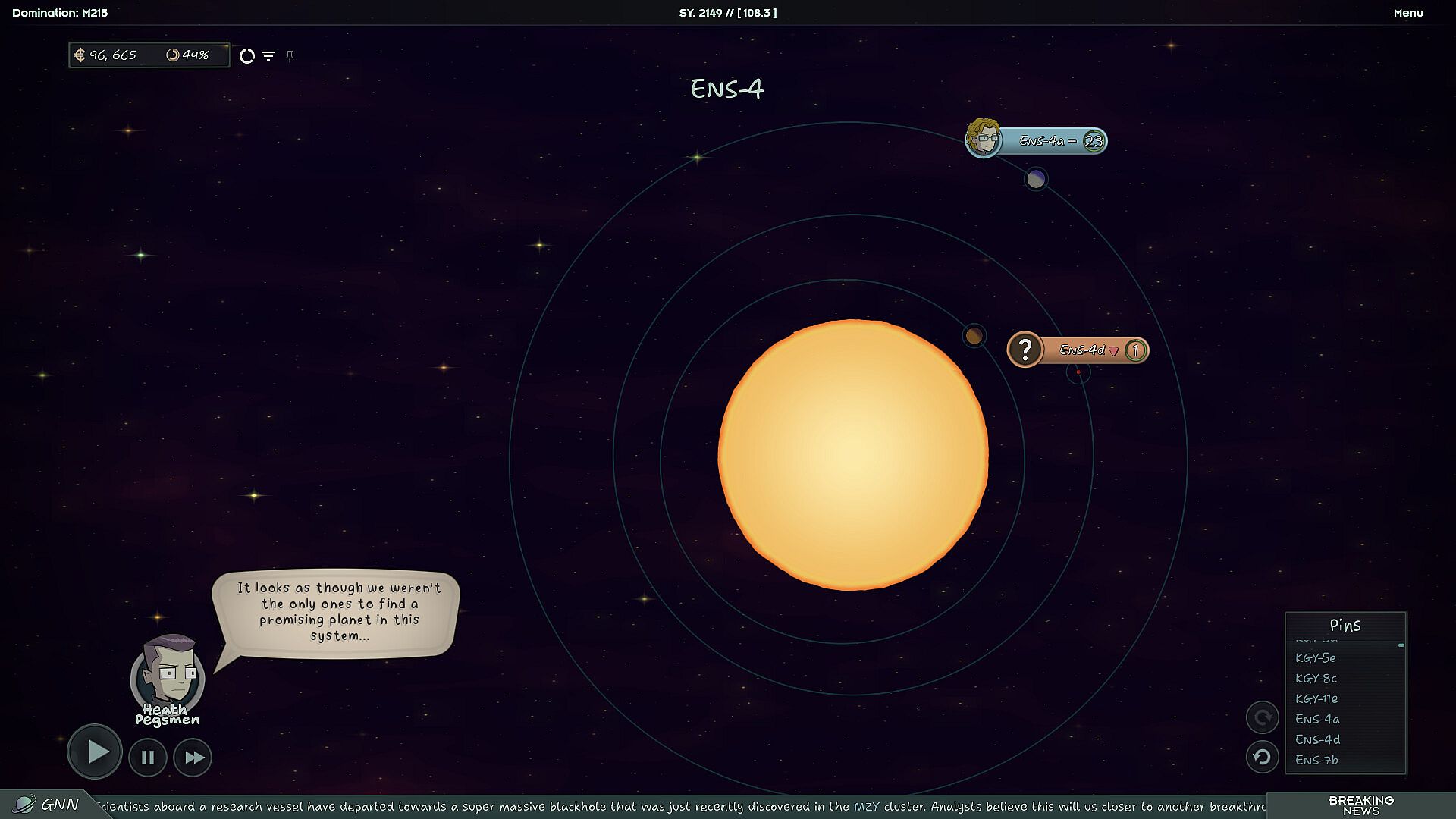
Players begin with one ship and a focus on fulfilling contracts to generate revenue. Early decisions center on efficient routing and resource allocation to accumulate capital. Growth accelerates once the opportunity arises to acquire a planet and its inhabitants, shifting the operation into manufacturing both goods and the social conditions that sustain demand. Resource management extends beyond simple logistics into demographic oversight, where populations must remain productive yet dependent on the corporation's offerings. Predatory financing keeps consumers engaged while limiting their options for independence. When labor unrest threatens output, supply disruptions serve as a direct means to restore order without overt confrontation. Corporate expansion also incorporates covert operations. Specialists handle bribery of officials, theft of technological blueprints, and coordinated campaigns that discredit competitors. These actions clear paths for greater control over markets and assets. The long-term objective involves positioning the corporation as the unseen power that dictates terms across multiple systems, funding conflicts on opposing sides to maintain leverage and ensure widespread reliance on its infrastructure.
Game Modes
The game supports a single-player campaign structure that follows the progression from small-scale trading to planetary ownership and eventual galactic dominance. Progression occurs through sequential stages of fleet expansion, industrial development, and influence operations. No separate competitive or cooperative modes are defined, keeping the focus on uninterrupted strategic planning and decision-making within the corporate framework.
Core Mechanics and Progression
Contract fulfillment forms the foundation, with players selecting jobs that align with current ship capacity and market needs. Capital accumulation leads to fleet growth, allowing simultaneous operations across multiple routes. Planet acquisition introduces new layers of production and population management, where consumer satisfaction levels directly affect revenue streams. Loan structures and product placement create ongoing financial dependencies. Espionage tools become available as rivals emerge, enabling targeted interventions that secure technological advantages or eliminate opposition. The interplay between visible business activities and hidden maneuvers creates a layered loop of short-term gains and long-term positioning. Every choice in resource allocation or operational secrecy influences the corporation's reach and stability.
Who the Game Appeals To
This title suits players who enjoy deliberate, systems-driven strategy with an emphasis on economic control and indirect power plays. Those interested in management simulations that incorporate moral ambiguity and long-term empire building will find the mechanics rewarding. The absence of direct combat shifts attention toward planning, negotiation, and subversion as primary tools for success. Sessions reward careful observation of population dynamics and competitor movements rather than rapid reflexes.
Is It Worth Playing?
The game delivers a focused single-player strategy experience centered on corporate expansion and population management. Its mechanics emphasize steady progression through trading, manufacturing, and influence tactics without reliance on external updates or seasonal content. Players seeking a self-contained title that explores themes of exploitation and control through verified systems of fleet building, demographic oversight, and covert operations will find consistent depth. Availability on PC makes it accessible for those who prefer unhurried, thoughtful gameplay sessions. The experience stands on its internal logic and feature set rather than community-driven elements or ongoing development cycles.