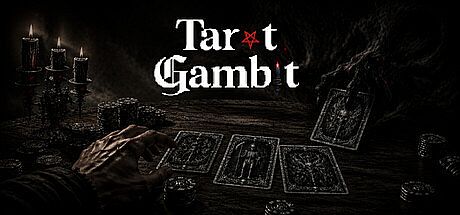


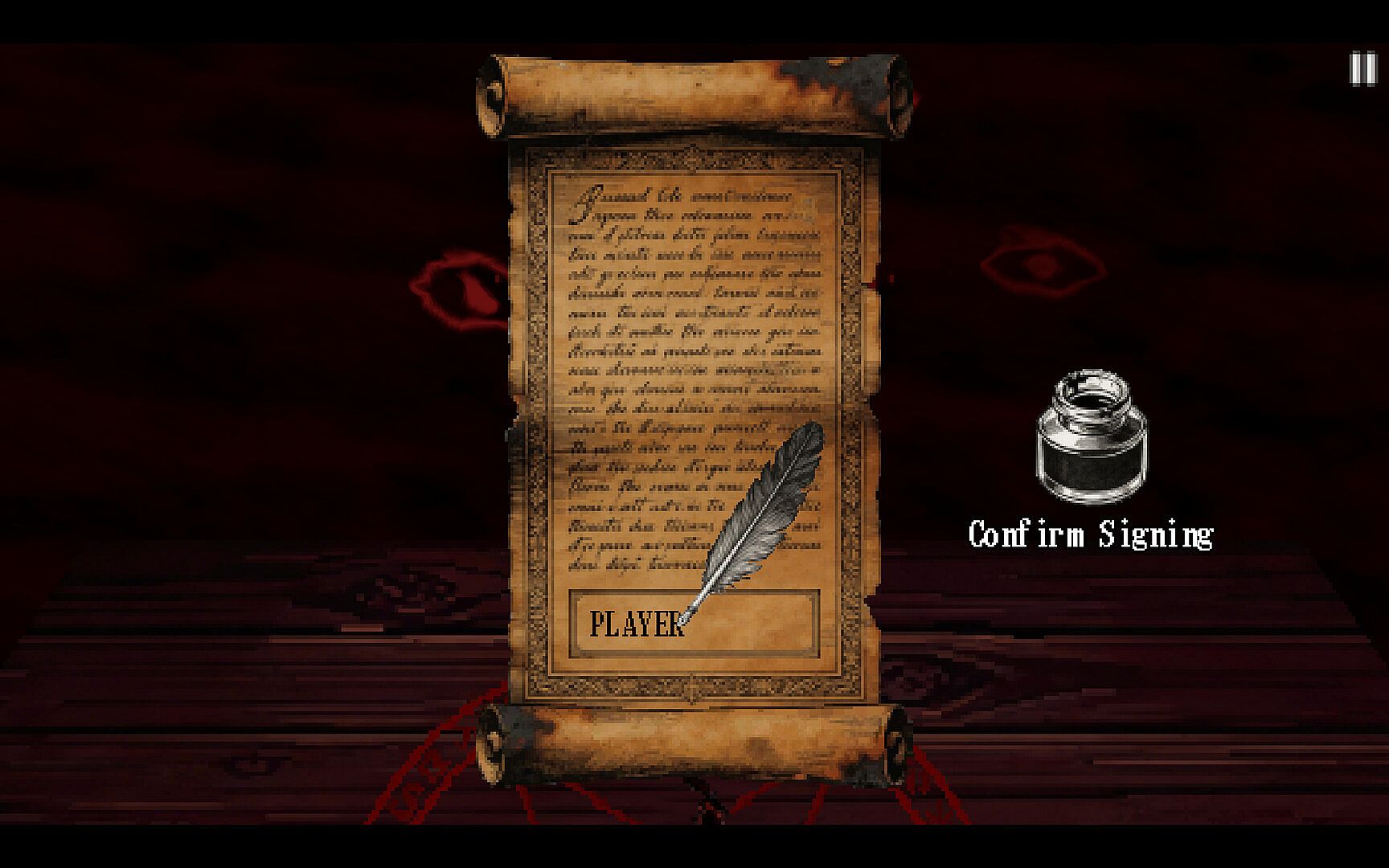
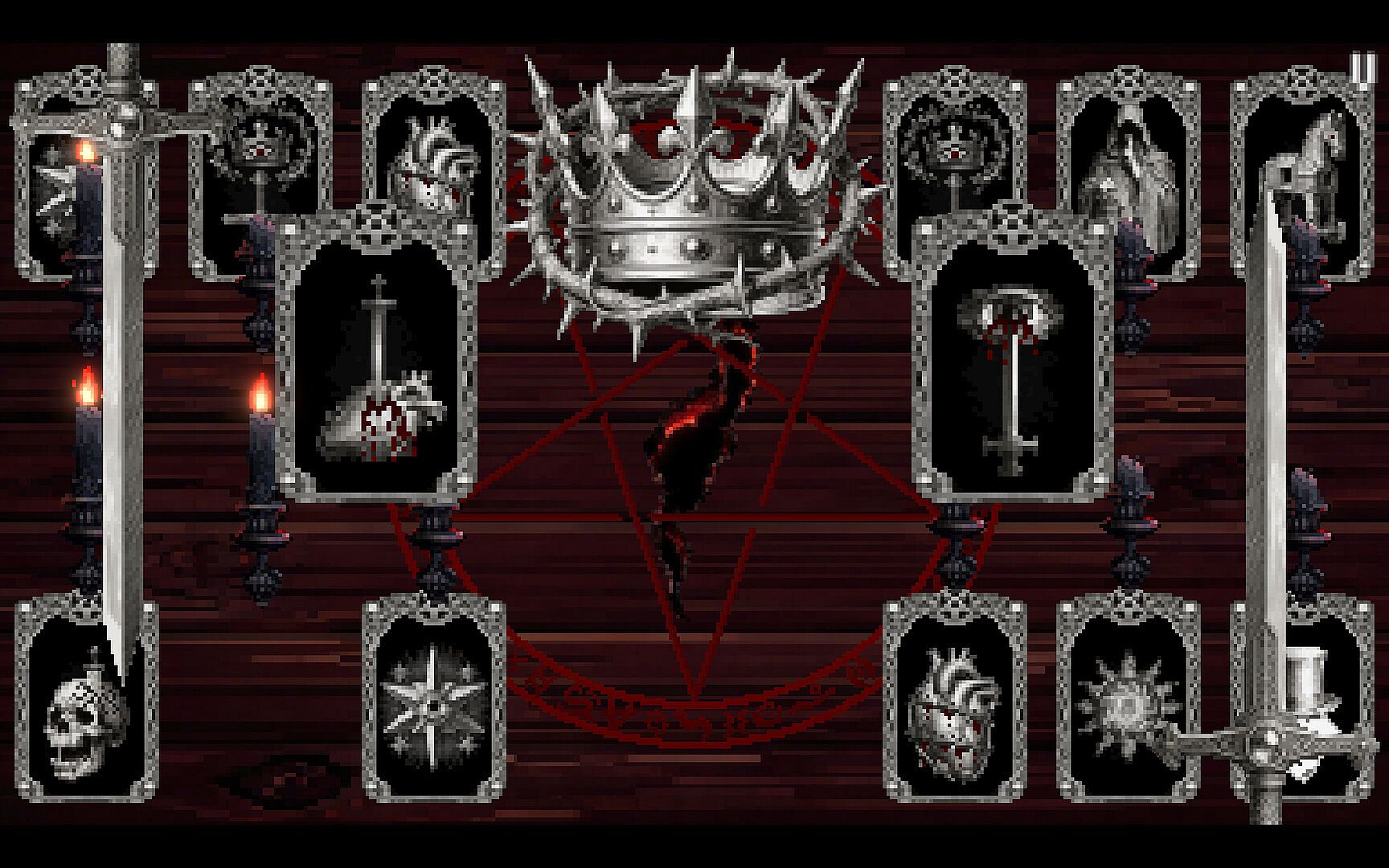
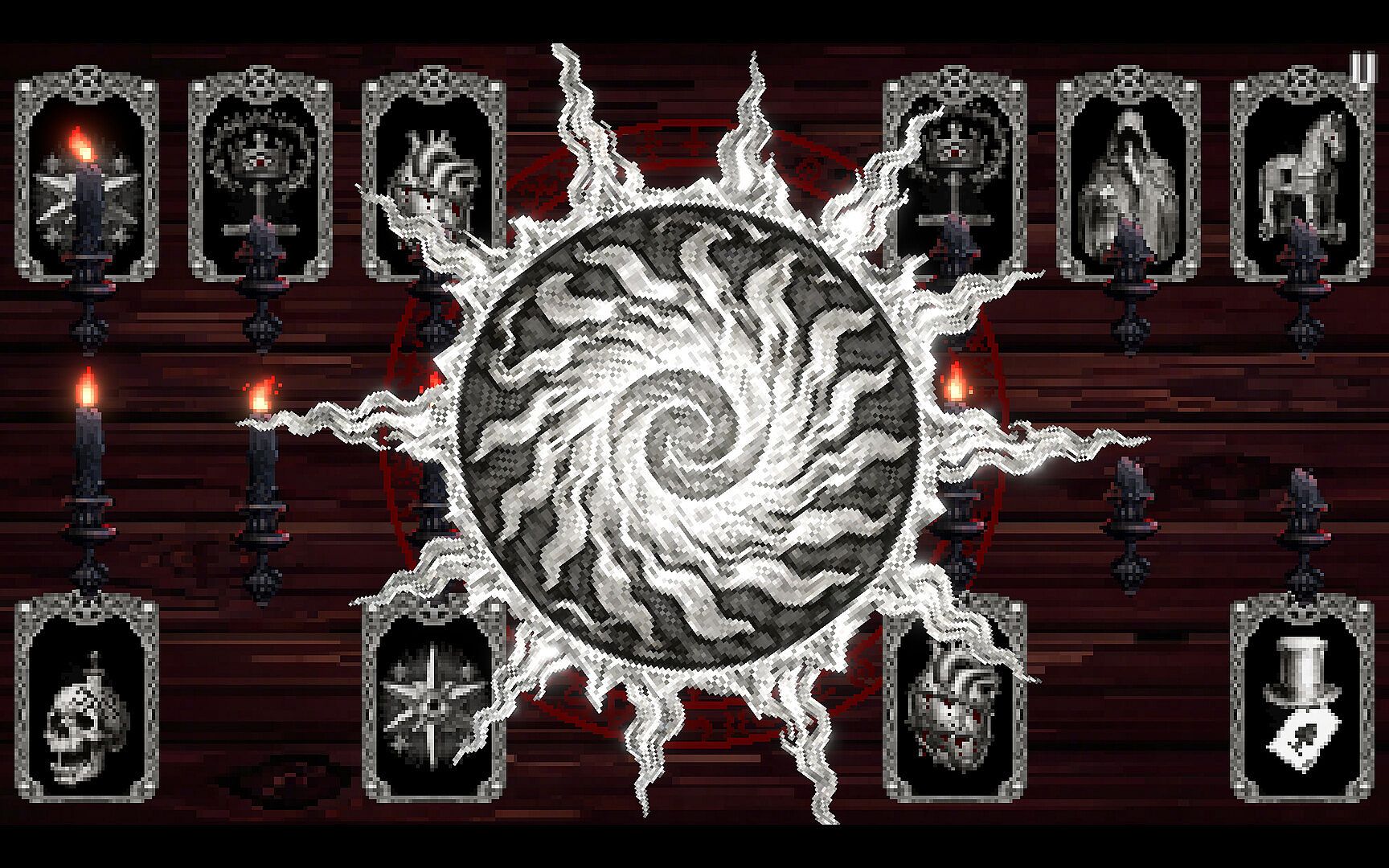
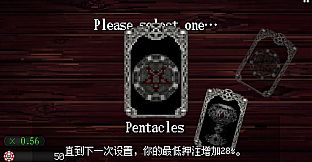


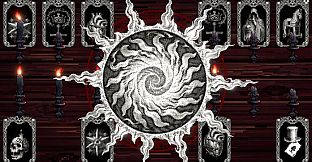
Tarot Gambit is a single-player strategy card game that pits the player against the Devil in a series of tarot duels on PC. The experience blends memory challenges with tactical decisions over a deck of 22 unique cards, all presented in a pixel-art style with flickering candlelight and a black-and-white palette.
Gameplay
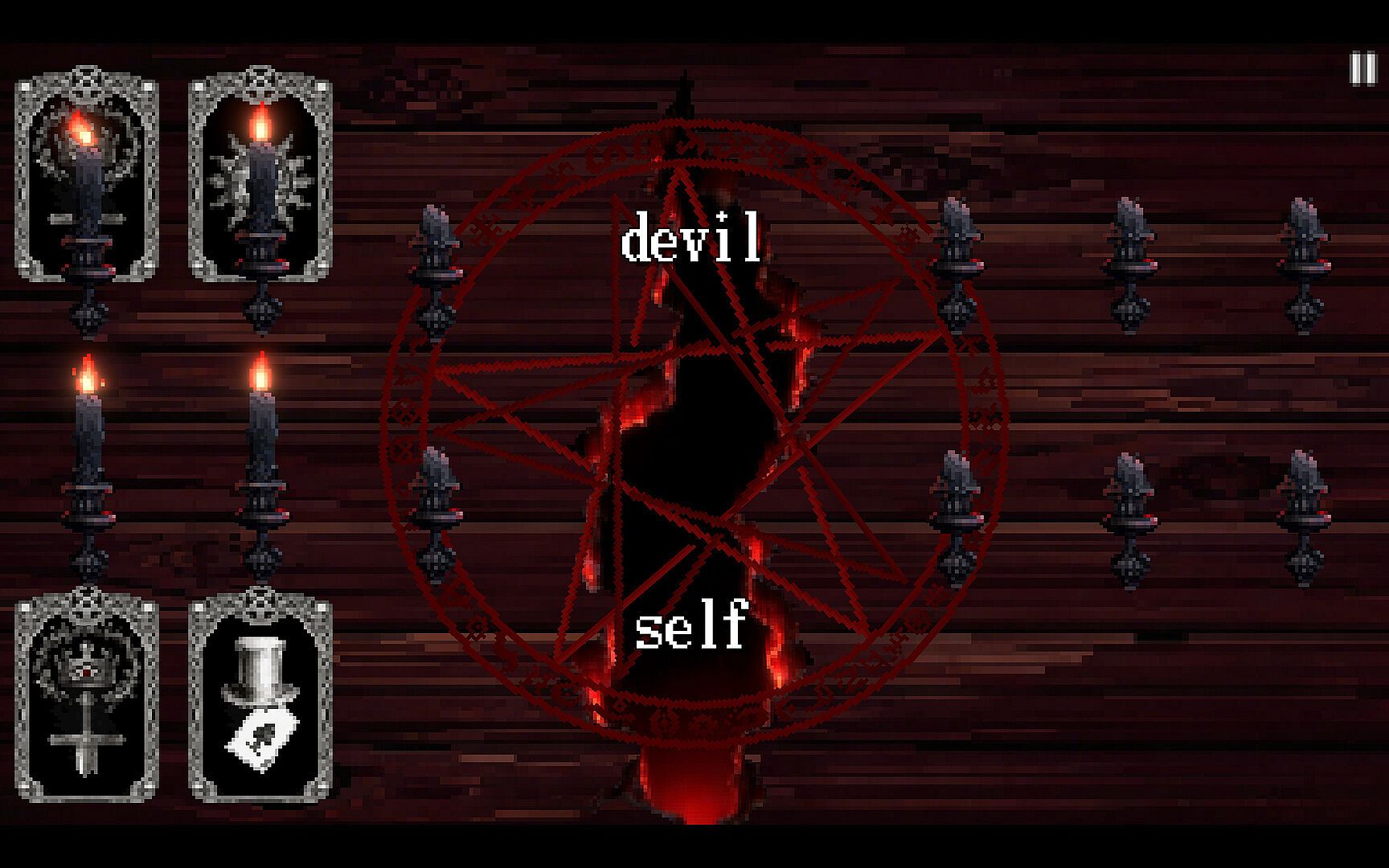
Each round begins with a brief view of the deck before it shuffles, giving players a short window to note positions of key cards. Damage and death cards can end the match quickly, so recalling their locations becomes central to survival. Relics add layers of control, allowing scouting for hidden information, destruction of threats, or reversals that shift momentum. The 15 relic types create varied combinations that reward experimentation across different deck setups. Asymmetric rules define the tension: the player starts with one life while the Devil returns repeatedly, forcing careful resource management and timing on when to deploy tools or accept risks. No two card configurations play identically, as each arcana serves a distinct purpose without overlap.
Game Modes
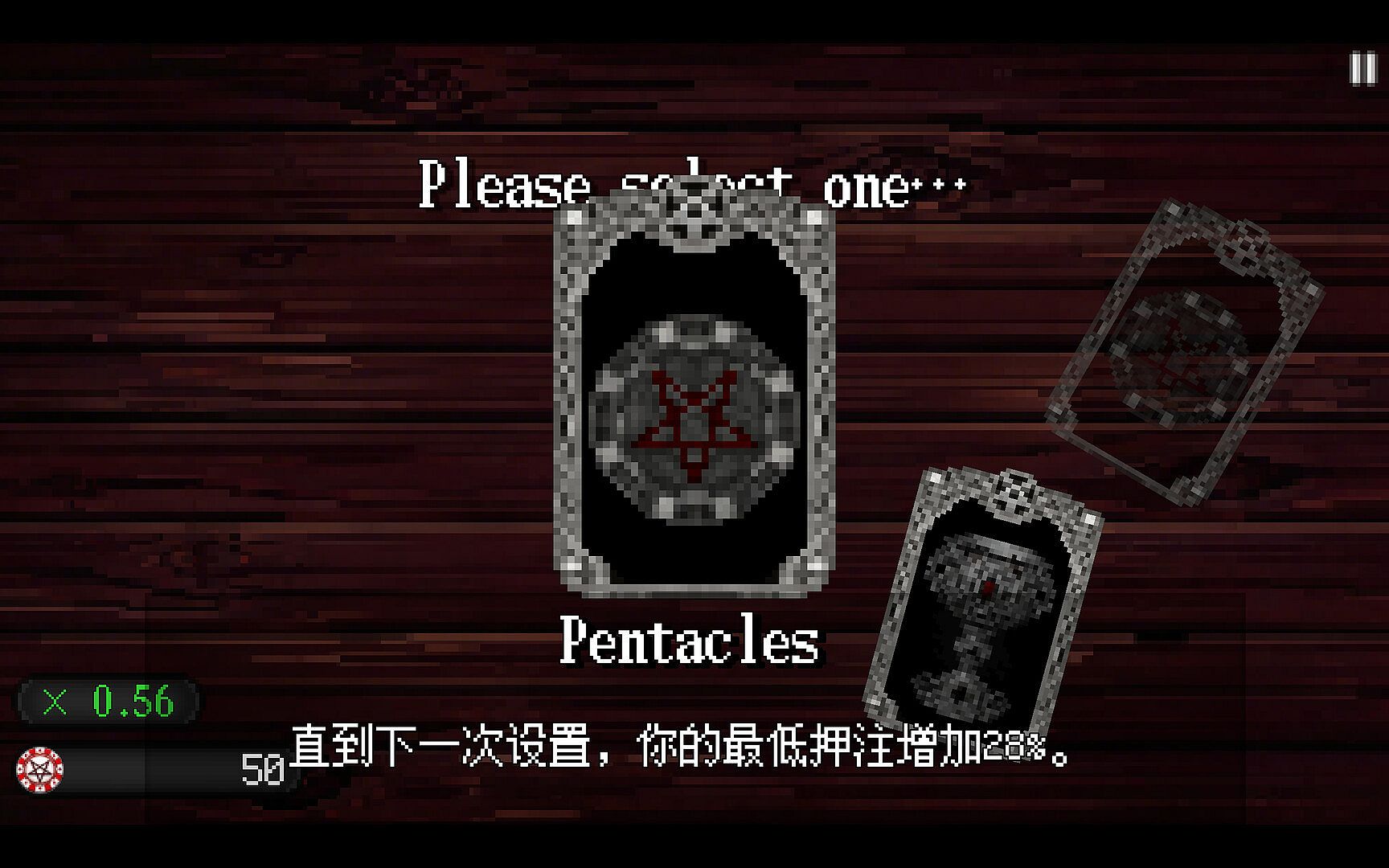
The core experience unfolds through repeated rounds against the Devil, where every card draw shapes the immediate outcome and long-term survival. Endless mode introduces a separate layer of risk by requiring chip wagers at the start of each round. Depleting the chip total eliminates the player, while the option to cash out at any point creates ongoing choices between aggressive continuation and cautious withdrawal. These modes emphasize high-stakes decisions without safety nets, as luck remains unpredictable even with strong memory and relic use.
Core Mechanics and Strategy
Memory serves as the primary weapon in every encounter, supplemented by relics that reveal intel or disrupt the opponent. Players must decide card assignments, relic timing, and betting thresholds based on partial information and the fog of uncertainty. The 22 cards function as irreplaceable assets, each opening distinct tactical paths depending on the current configuration. Relic synergies often determine success, spanning scouting, direct interference, and control effects that reward adaptive thinking over rote patterns. The pixel aesthetic reinforces the intimate, high-pressure atmosphere without distracting from the decision-making loop.
Who the Game Targets
This title suits players drawn to indie strategy experiences that mix casual accessibility with deeper mental demands. Those who enjoy memory elements, asymmetric challenges, and risk-reward systems will find consistent engagement in the card interactions and relic planning. The single-player focus keeps the pace steady, allowing repeated attempts to refine approaches without external variables.
Is It Worth Playing?
Tarot Gambit delivers a focused duel format built around memory, relic combinations, and chip management in endless mode. The asymmetric structure and 22 distinct cards provide repeated tactical variety, while the relic system adds meaningful depth to each decision. Players who prefer deliberate, information-driven strategy over fast reflexes or large-scale systems will likely connect with the core loop. With its upcoming release and emphasis on high-risk rounds, the game stands as a niche option for those seeking compact, repeatable sessions centered on fate and calculated gambles.