


Taverns of Aldermont is a first-person tavern management simulation game set in a medieval city. Players take direct control of daily operations at their own establishment, handling everything from pouring drinks to resolving disputes among patrons.
Gameplay
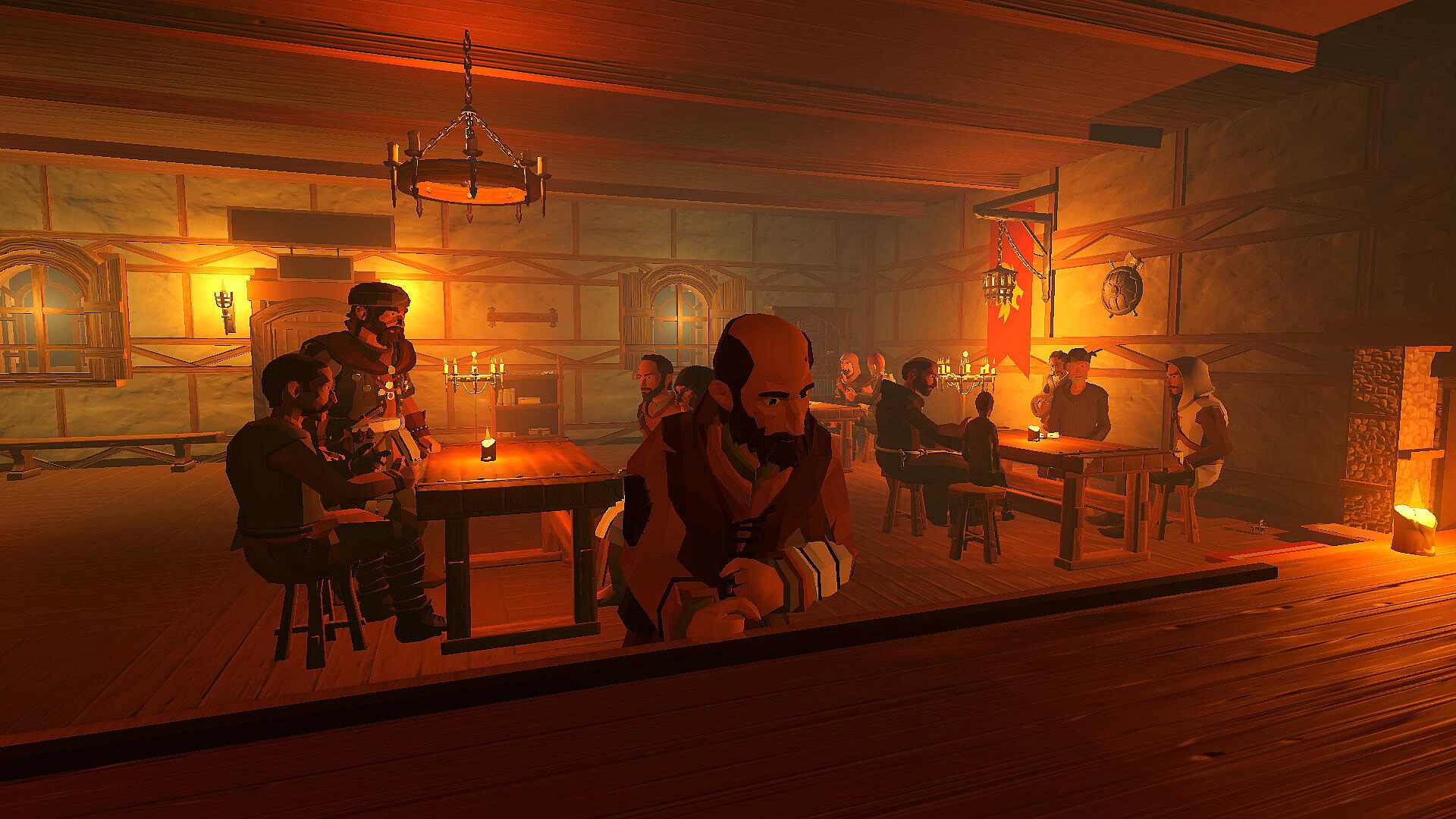
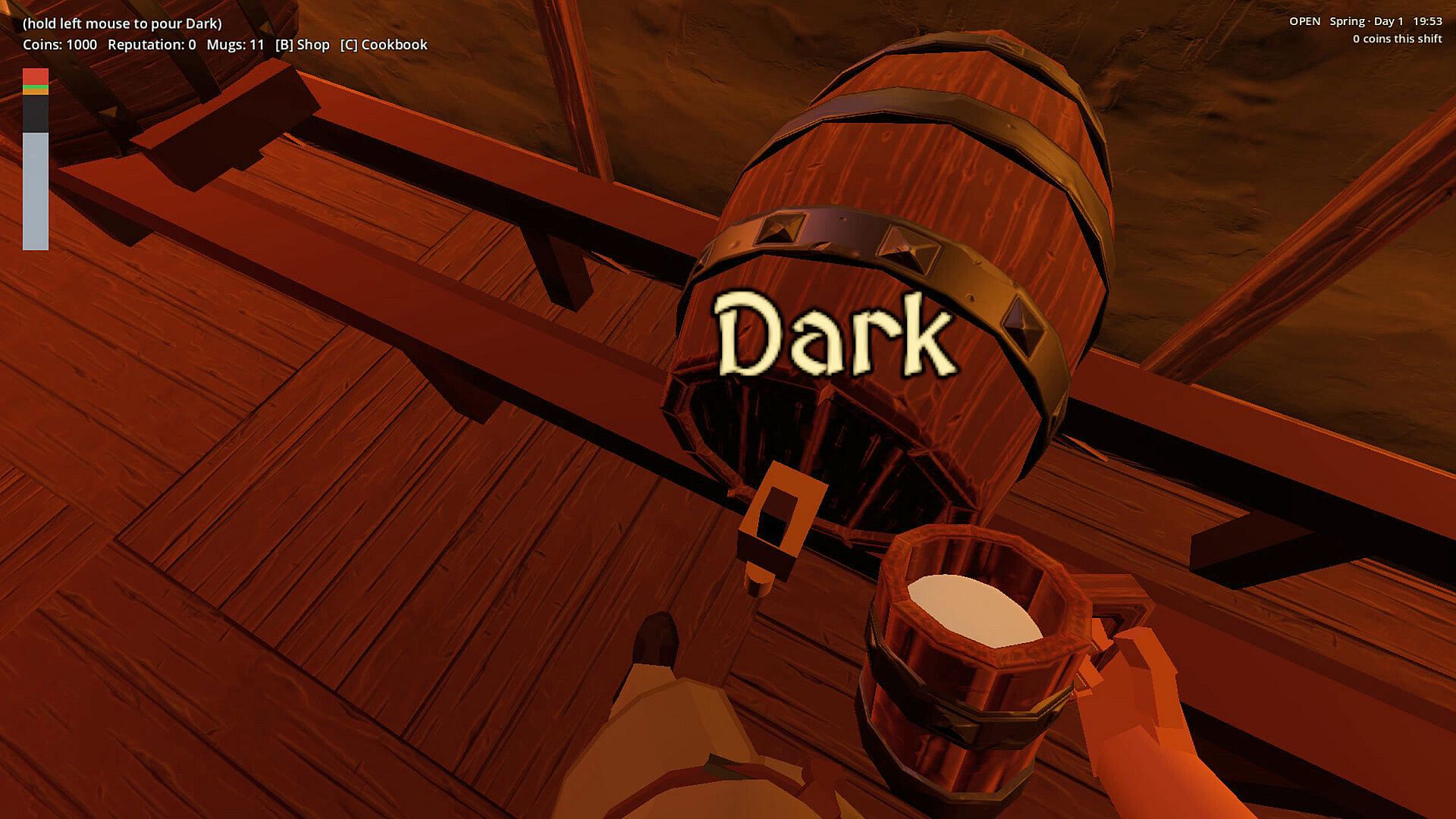
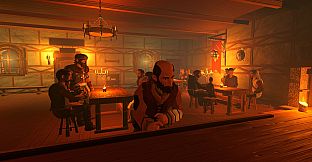
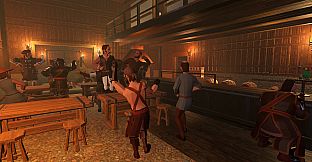
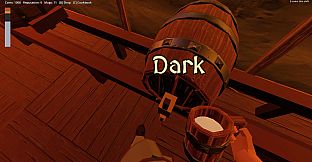
The core loop centers on running the tavern shift by shift. Players tap ale from the tap, prepare meals using a personal cookbook that includes options like pottage simmered in a cauldron, bread baked in the oven, and meat cooked over an open fire. Service happens entirely by hand in first person, with food and drinks carried directly to tables while listening to guest conversations. Earnings from each evening fund stock purchases, upgrades, and decorative items to customize the space. The tavern opens in the evening and stays open until the final guest leaves.
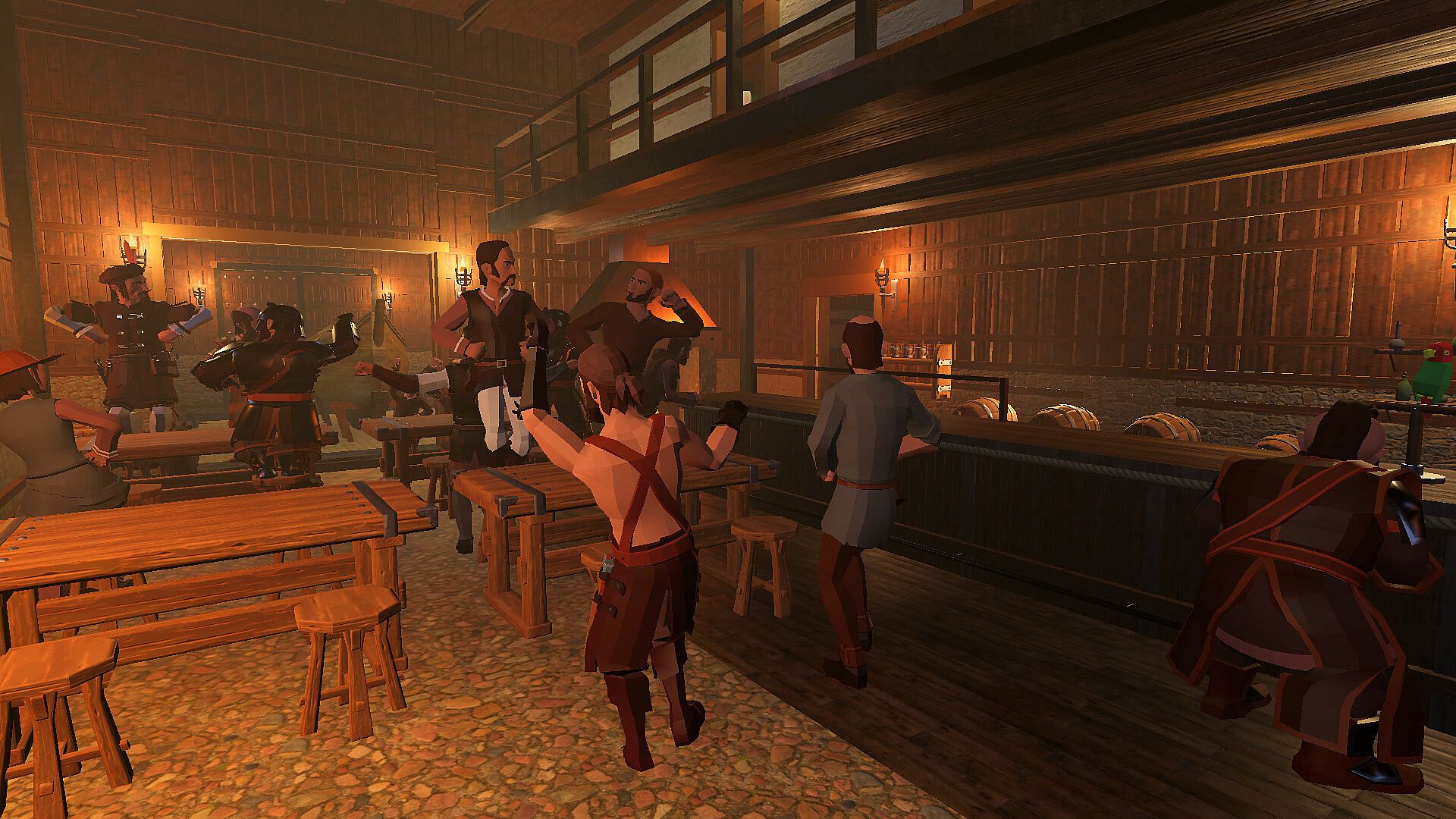
Regular customers return night after night, bringing ongoing stories that develop across multiple visits. Hundreds of unique dialogue exchanges occur between guests, ranging from crude remarks to humorous exchanges that vary with each playthrough. When the atmosphere turns lively, activities such as arm wrestling, dice games, toasts, and dancing can break out. The player maintains order by intervening in quarrels sparked by delays, incorrect orders, or lingering grudges, either through conversation or by physically removing troublemakers.
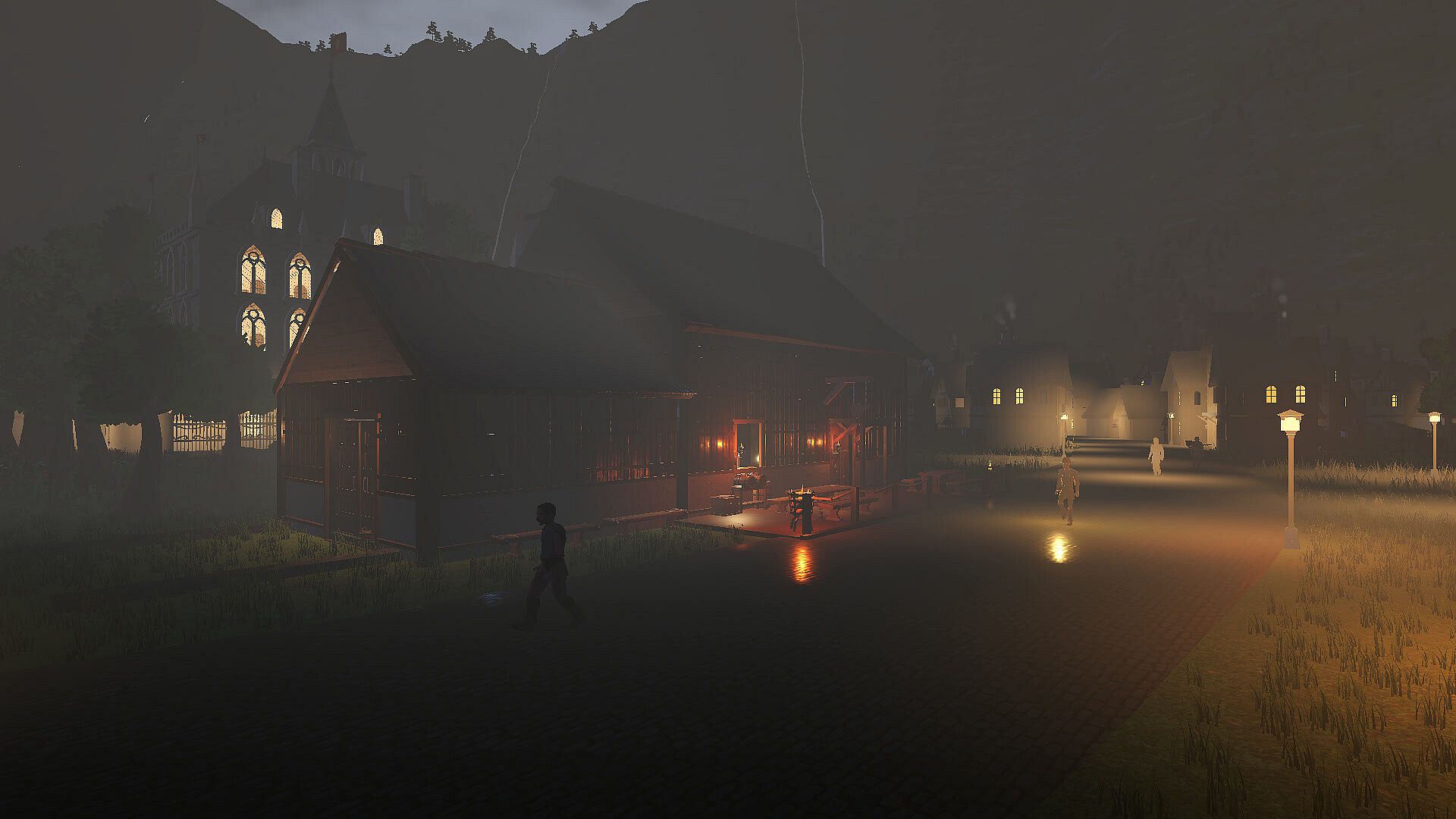
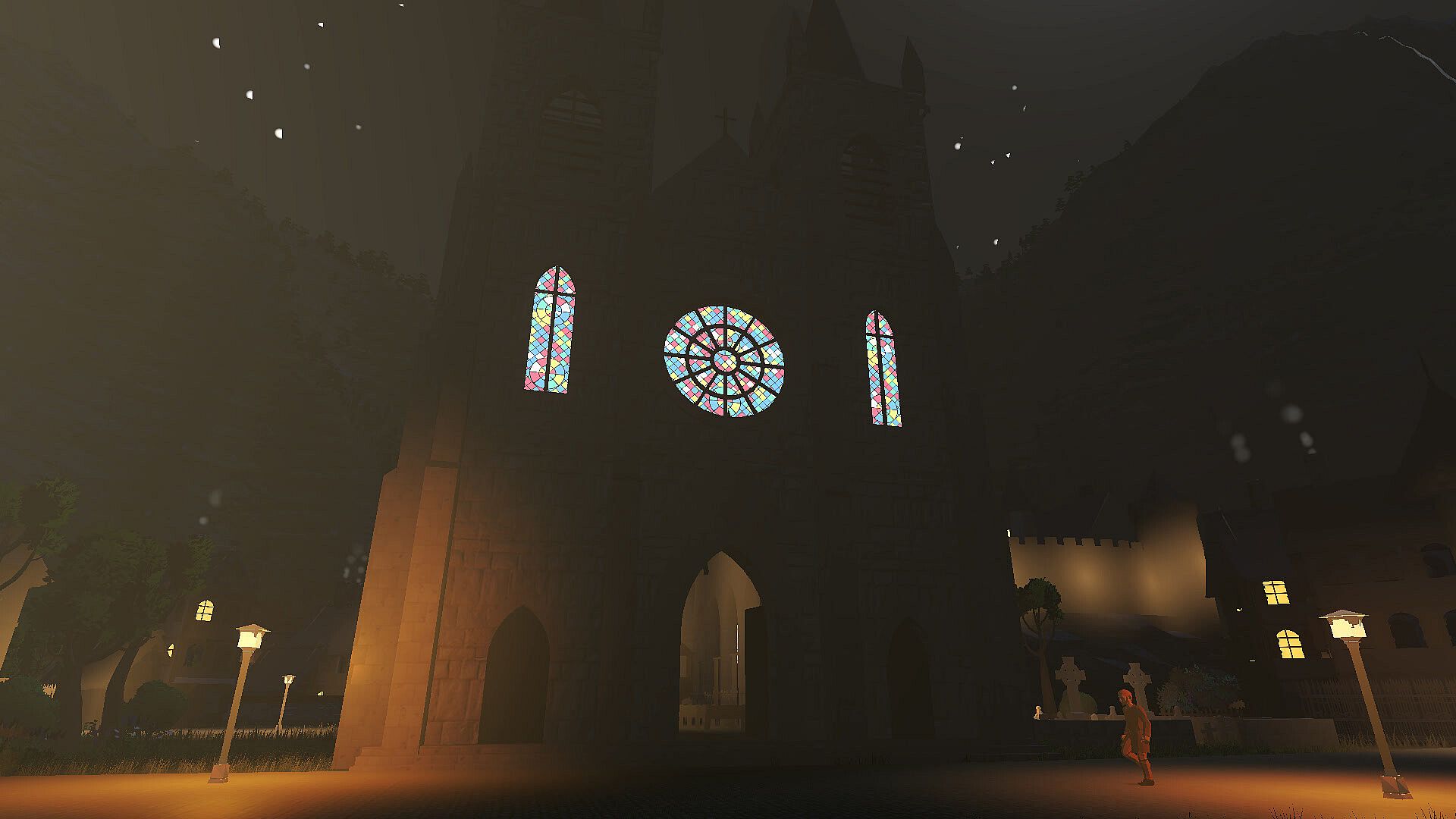
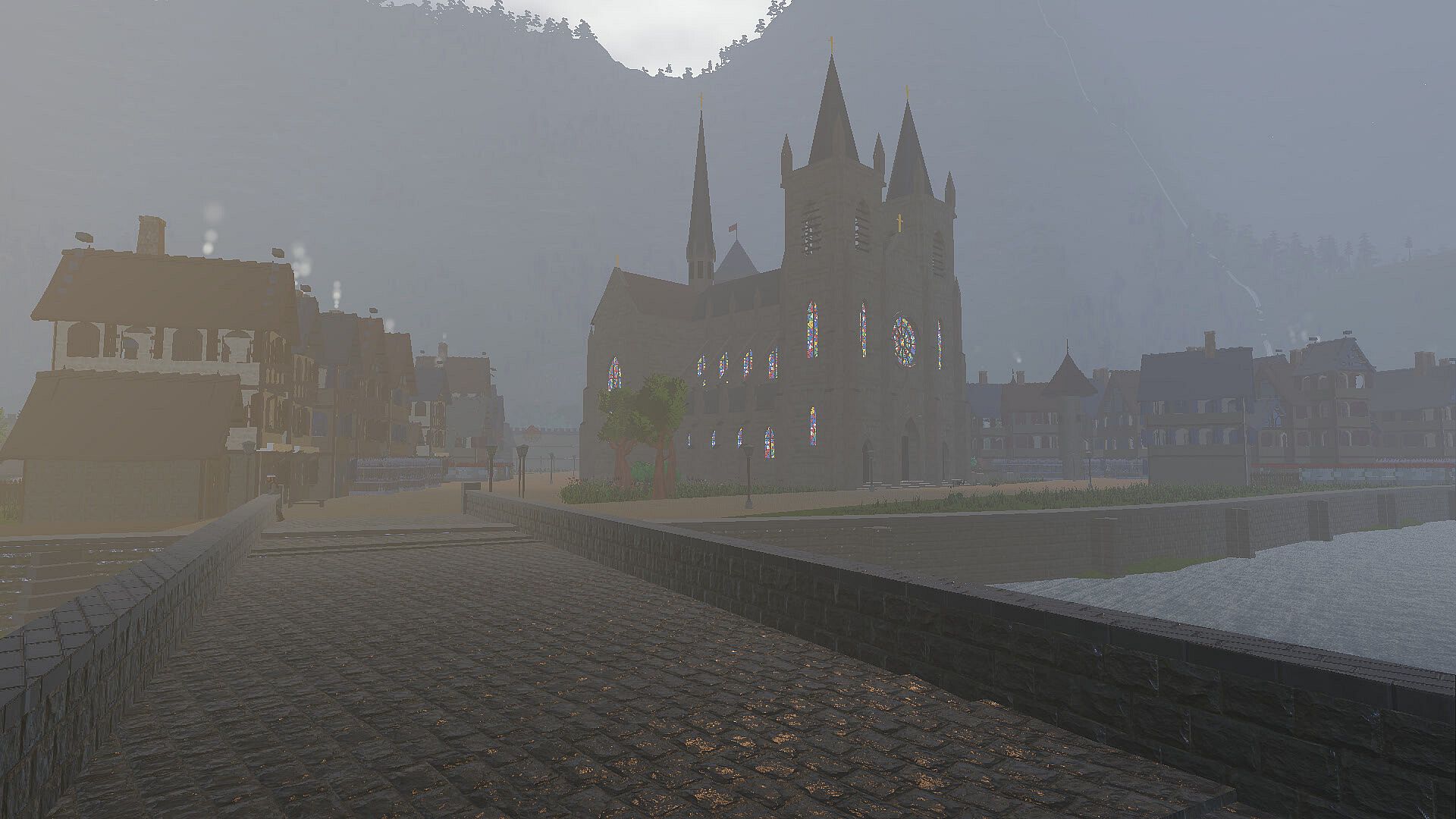
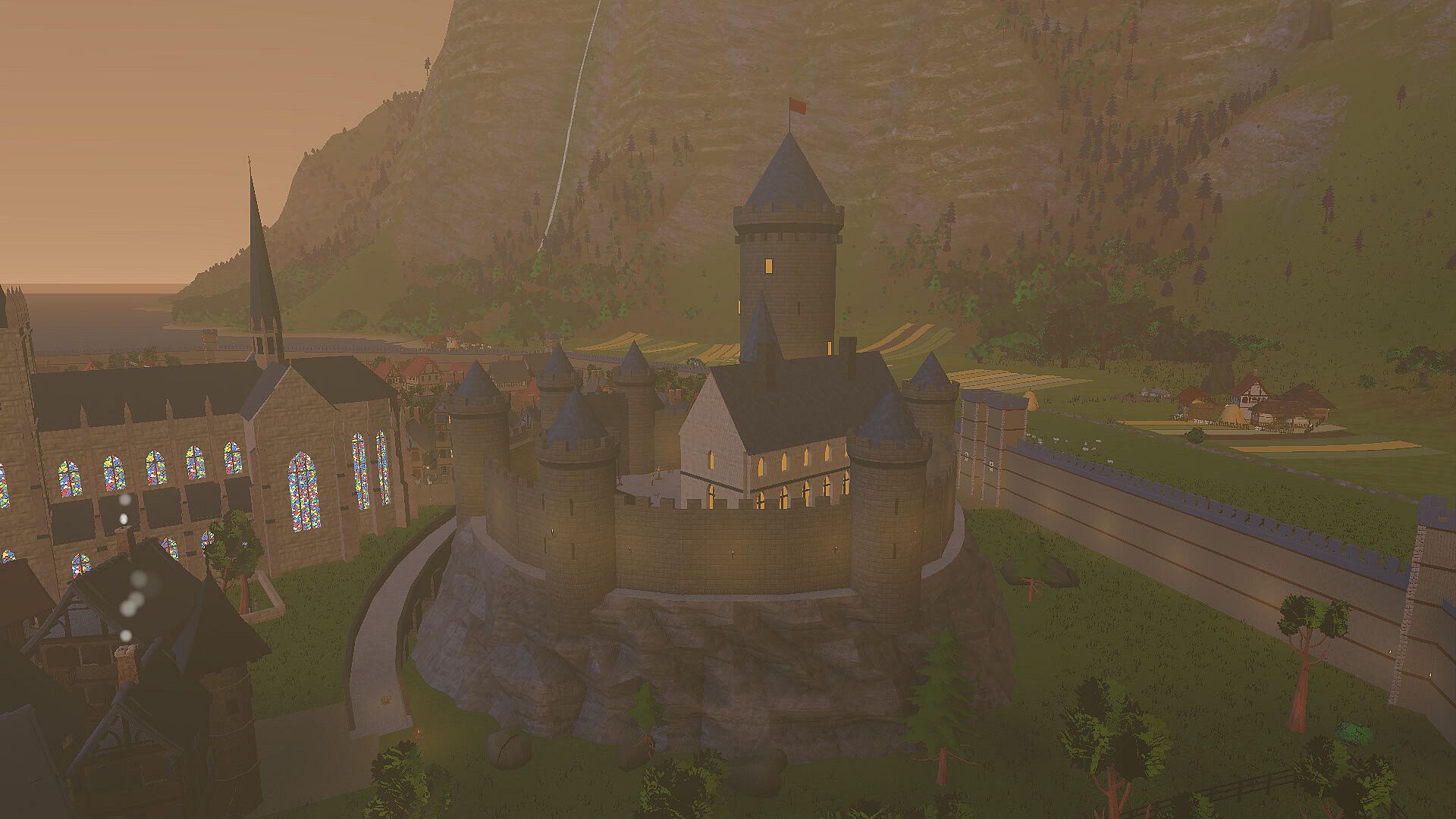
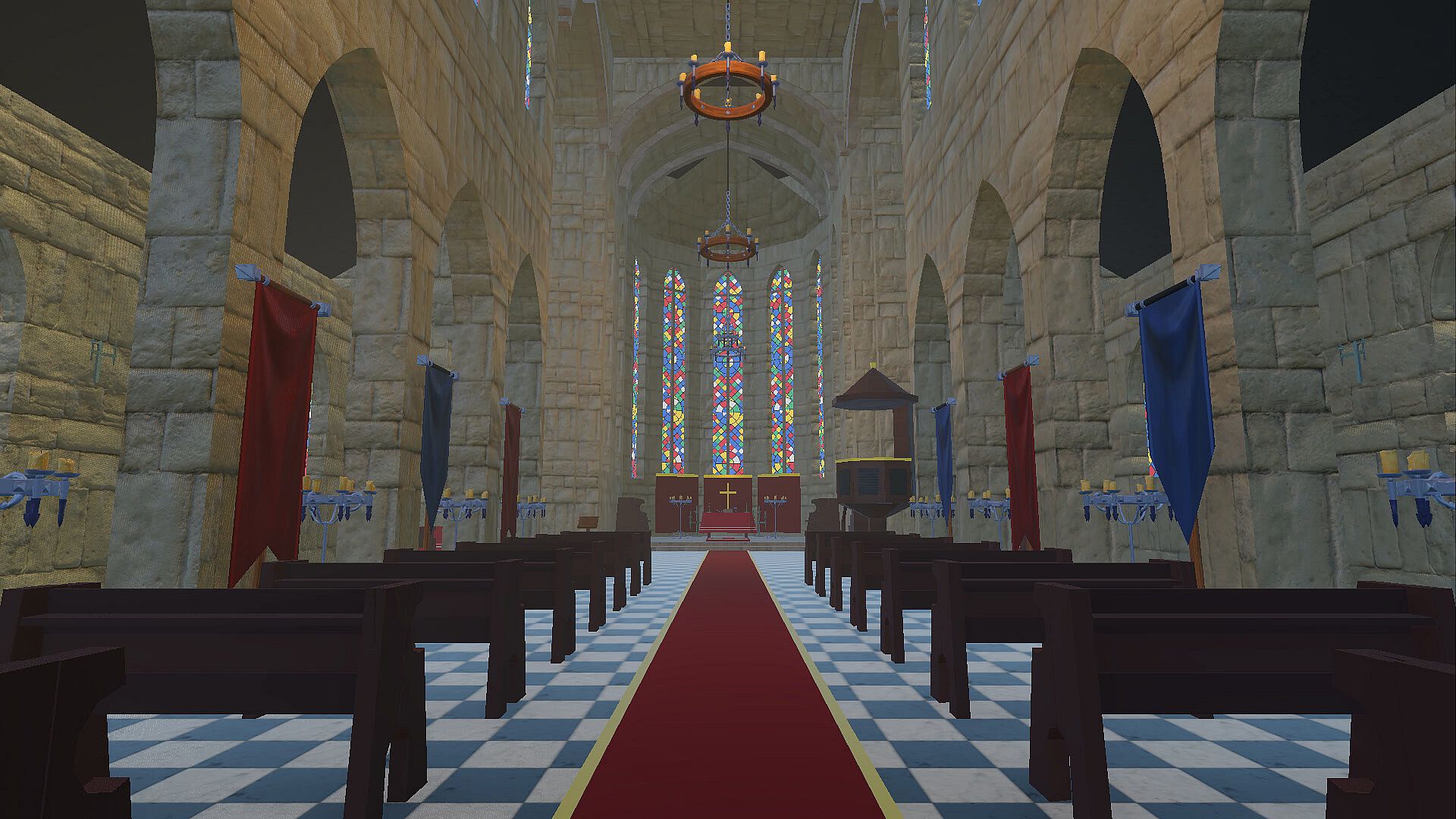
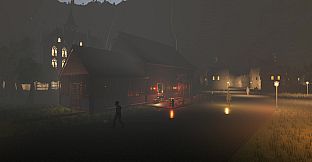
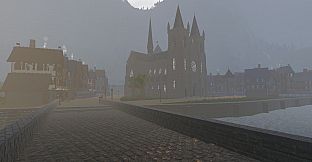
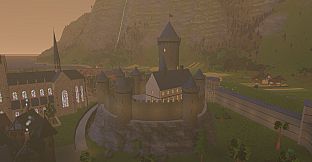
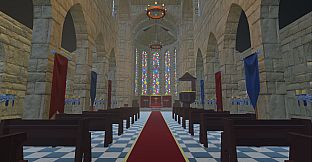
Combat occurs in real-time tavern brawls when words fail. Players use light and heavy punches, kicks, and timed blocks with a raised guard to parry attacks. Positioning matters, as players must watch enemy swings and choose moments to strike. Armor purchased from the market reduces incoming damage. Outside the tavern doors lies the full city of Aldermont, complete with a market square, cathedral, castle on a cliff, craftsmen districts, and poorer quarters near the walls. Players can trade at stalls for ingredients like cheese and pork, tools from a dwarf smith, cloth, candles, and other goods, with opportunities to haggle. A wardrobe allows outfit changes from simple doublets to full plate armor. The world features day-night cycles and changing weather that affects the environment.
Game Modes
The game operates as a continuous single-player simulation without separate named modes. Progression follows a linear path through ownership of multiple taverns, beginning with inheritance of The Old Hearth on a quiet street. Success allows advancement to The Rusty Anchor at the harbor, followed by choices among The Thieves' Den, The Cloister Cellar, The Strangers' Inn, The Jesters' Stage, and The Noble Hart. Each location brings distinct guest types and trade opportunities. The ultimate goal involves reaching The Golden Count on the market square. A lute player can be hired to perform, improving over time, with song selection from an expanding songbook. Declining the offer invites rival establishments to compete.
City Exploration and Progression
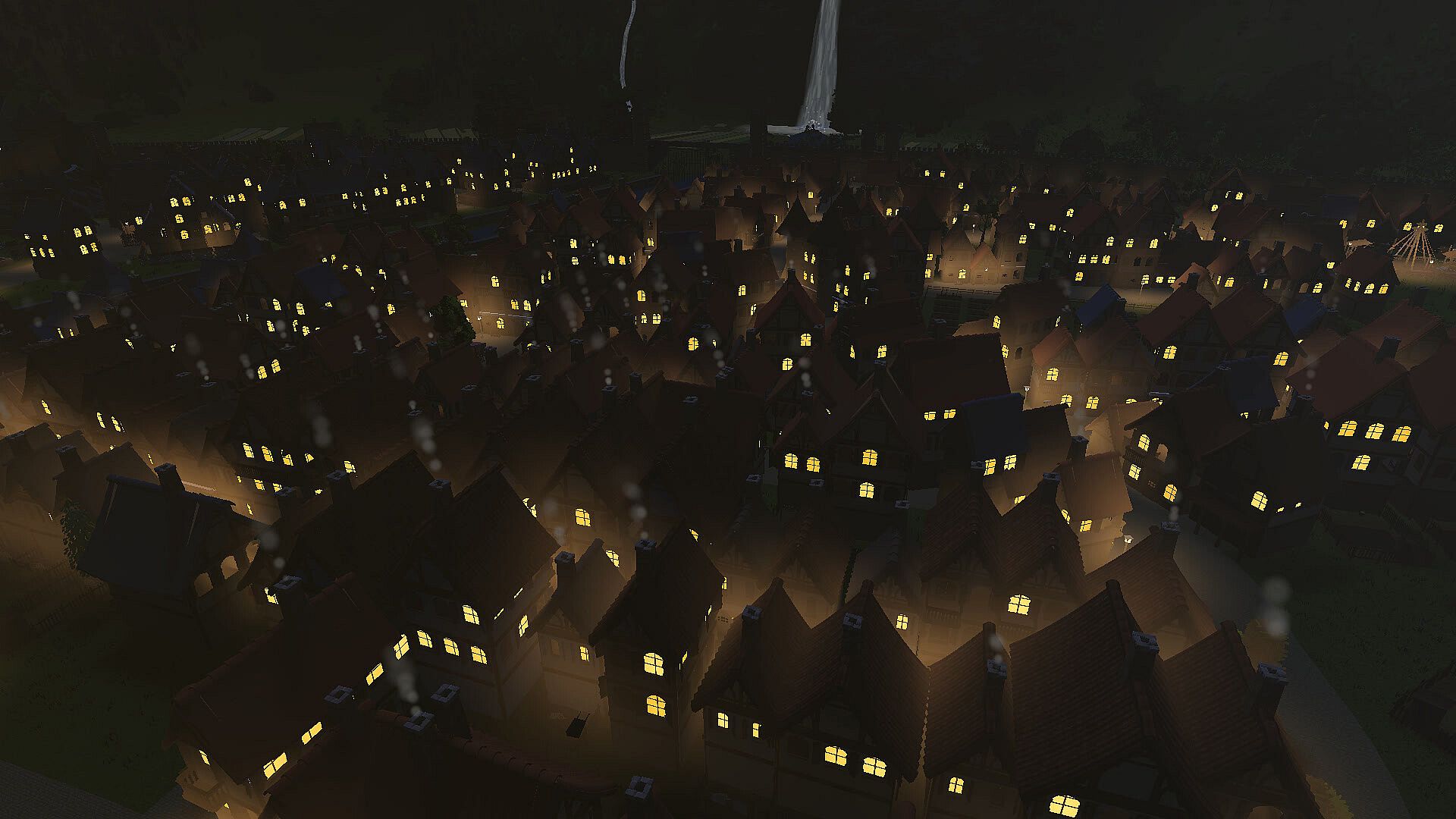
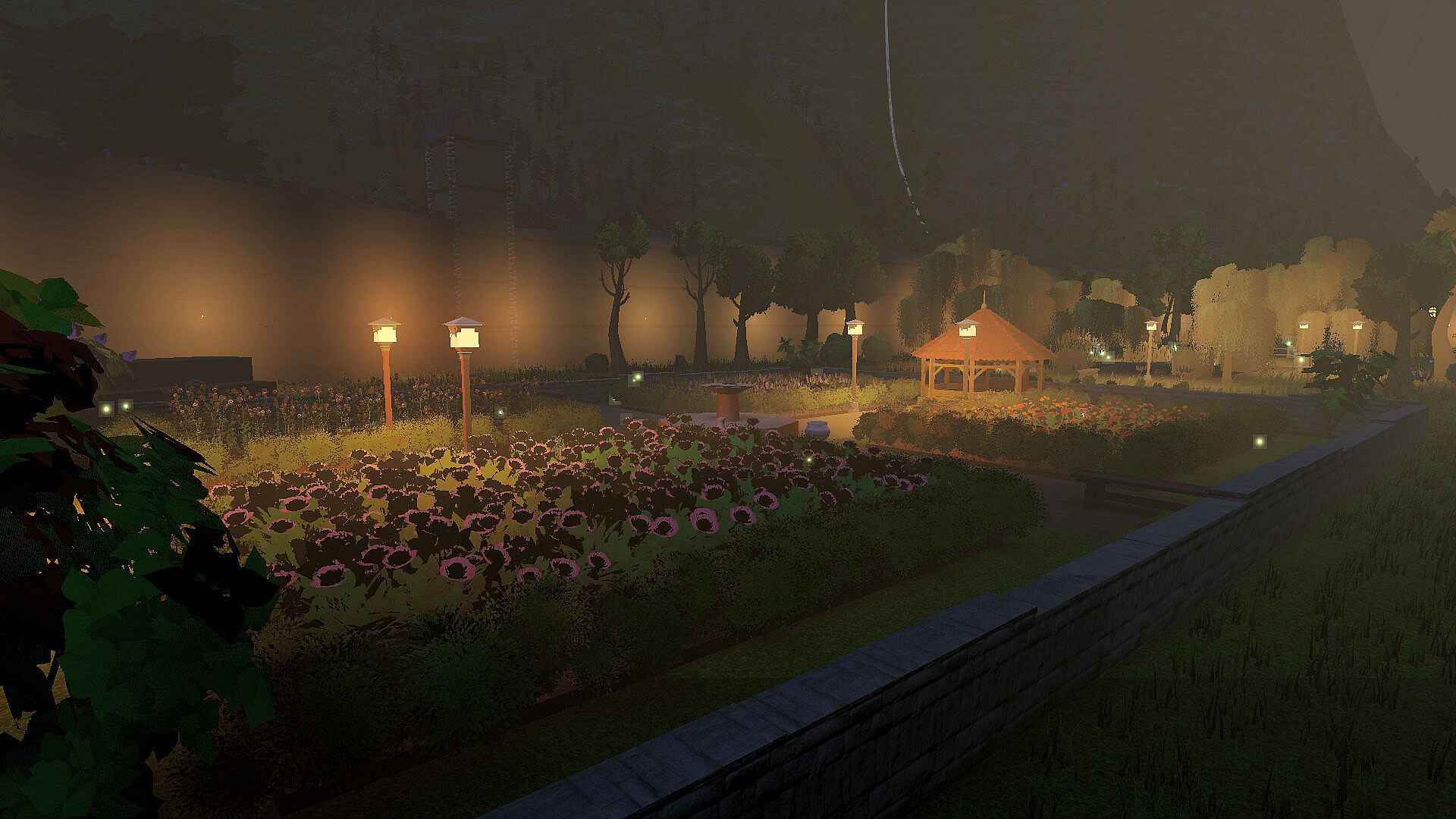
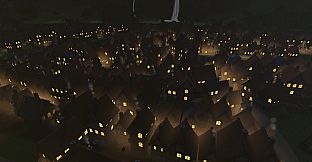
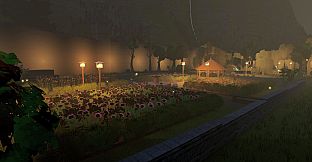
Beyond tavern walls, players walk freely into Aldermont for trading, shopping, and resource gathering. Lamps light at dusk, windows glow, and chimney smoke rises with the weather. This open access supports the main tavern loop by supplying ingredients and equipment while offering visual variety through the city's districts. Progression ties directly to earnings and reputation built during shifts, unlocking better stock, upgrades, and eventually new tavern properties with their own unique customer bases.
Is It Worth Playing?
Taverns of Aldermont suits players who enjoy hands-on simulation and management in a casual indie package. The first-person service, cooking, and occasional brawls create a focused loop centered on running one establishment at a time, with city exploration adding variety. Regulars and their unfolding stories provide consistent engagement without requiring multiplayer or competitive elements. Those seeking a relaxed yet detailed tavern experience on PC will find the mechanics align closely with the described systems of serving, upgrading, and maintaining peace. The game remains available as a complete single-player title with no additional modes or seasonal content confirmed beyond the core progression through its eight tavern locations.