





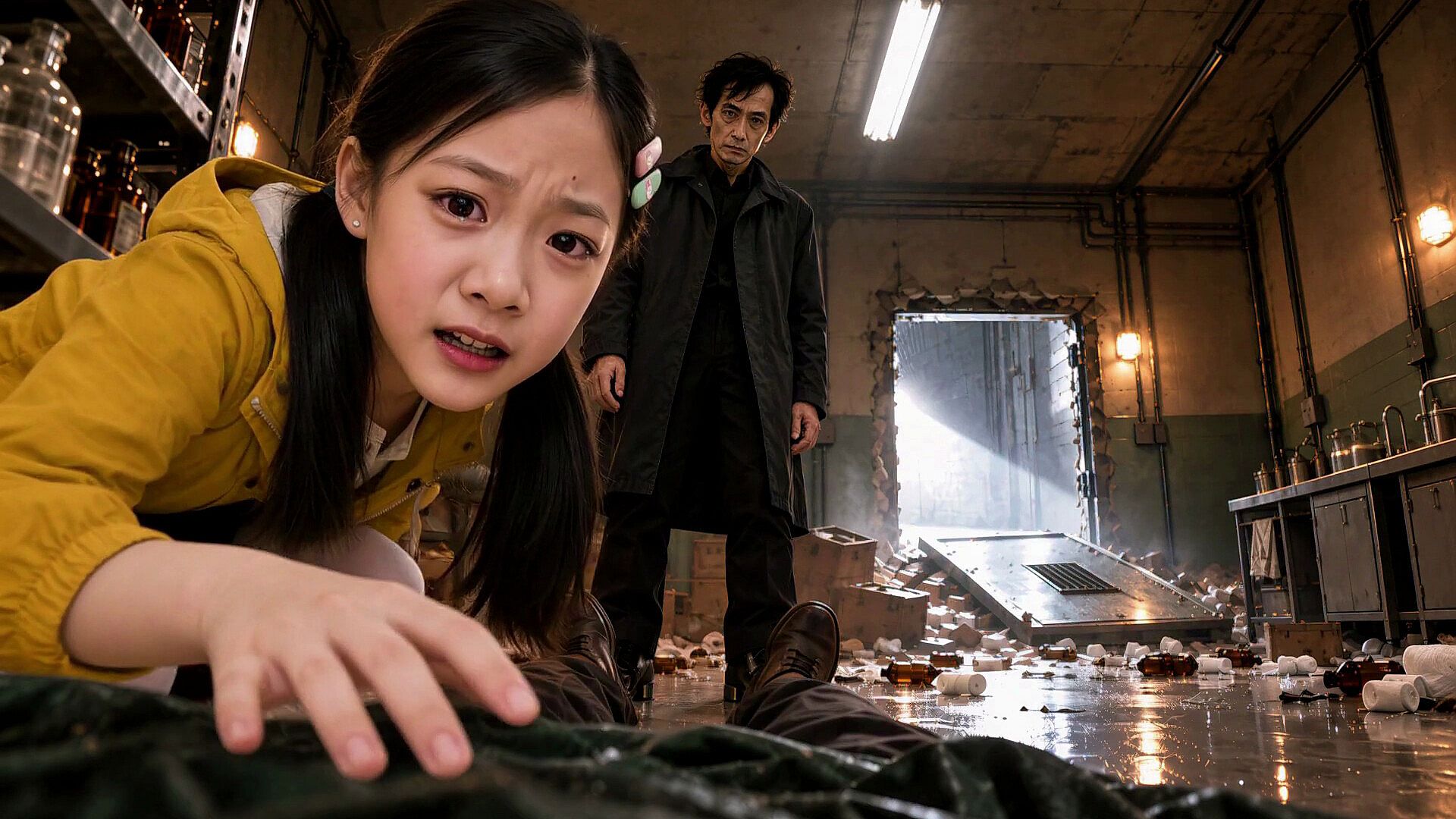
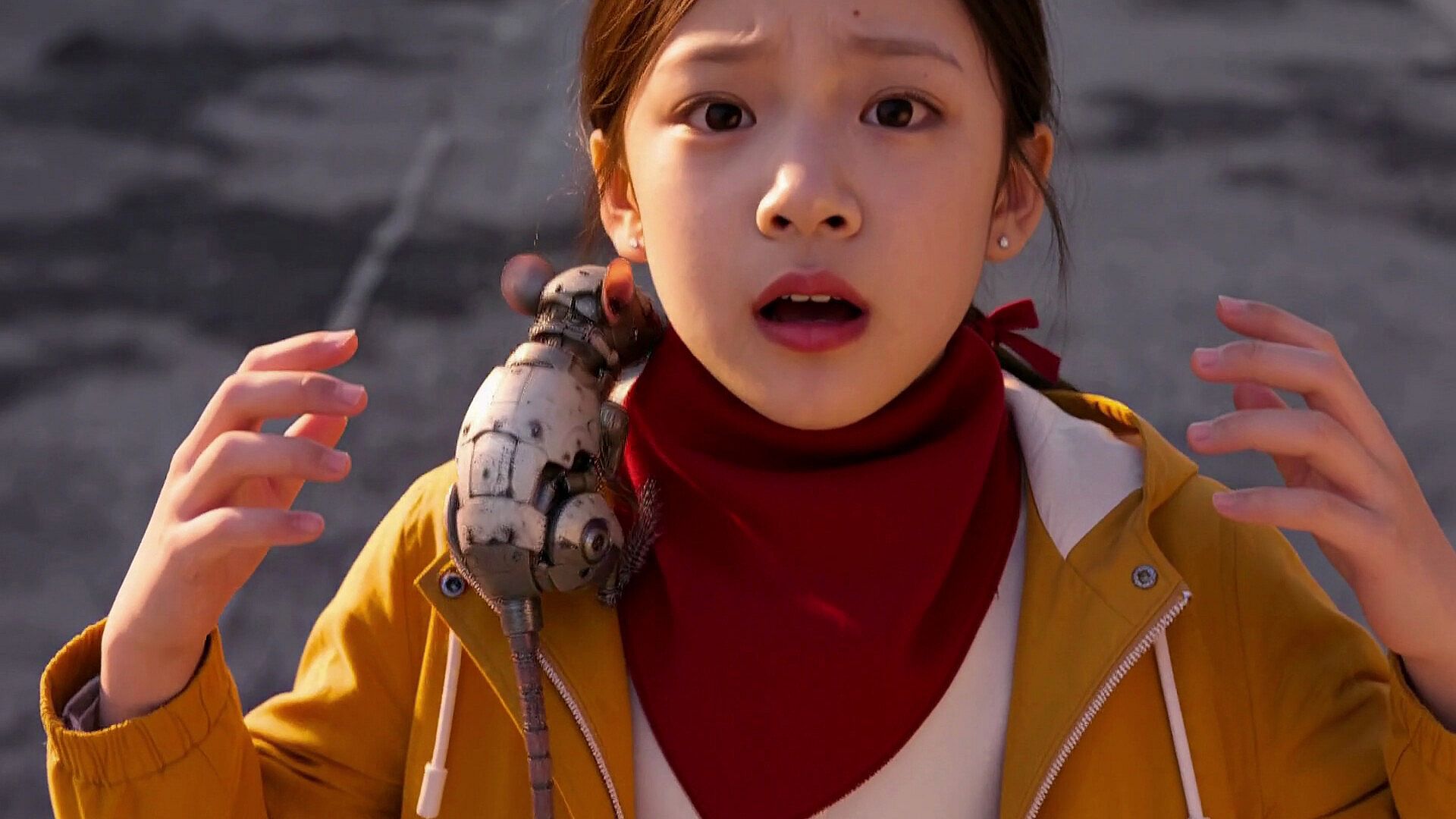


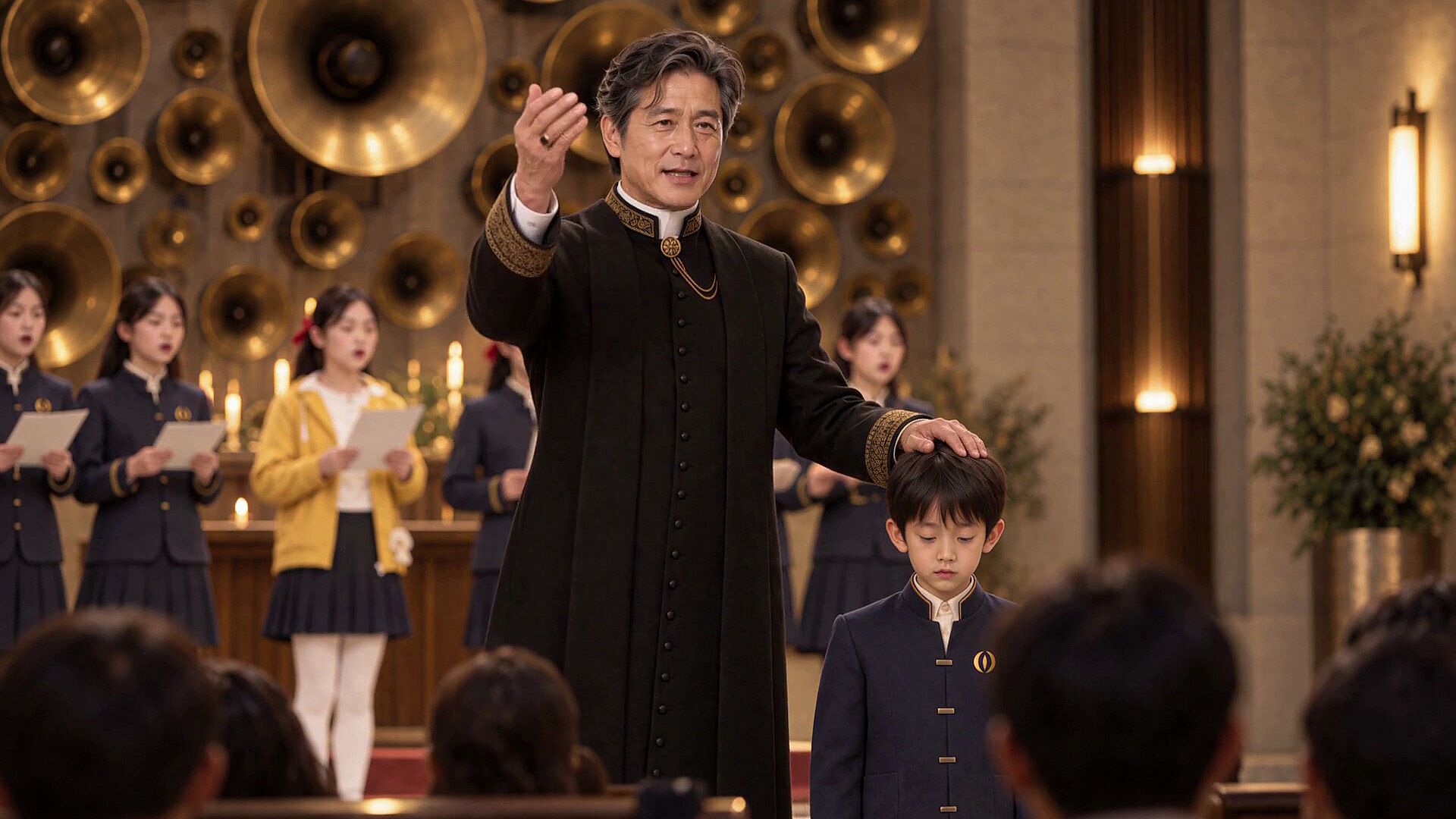











忒修斯之女 is an indie adventure game set on PC that explores themes of identity, family, and survival through a deeply personal story. Players take on the role of a disgraced doctor and father who must keep his daughter Xiaohe alive by replacing failing body parts with implants, all while uncovering the reasons behind her body's rejection of those modifications. The roughly twenty-hour experience blends emotional storytelling with practical decision-making in a world where maintenance costs and dangerous side jobs shape daily life.
Gameplay
The core loop centers on balancing medical care for Xiaohe with investigative work and personal interactions. Players manage expensive inhibitors and daily upkeep to prevent her condition from worsening, while accepting risky assignments from conflicting parties to secure vital medicine and clues. Exploration takes the pair through varied locations such as the White Tower complex, Saint Grace Chapel, an abandoned rail yard, a crowded night market, and a back-alley clinic, often crossing faction territories by day or night.
Body replacement forms a key mechanical layer, where organs, limbs, and nerves can be swapped out to sustain life. This process ties directly into the narrative, raising questions about continuity of self as Xiaohe sometimes loses track of her surroundings or displays unfamiliar expressions. Between crises, ordinary moments highlight her personality as quick-witted and mischievous, with small gestures like tugging at a sleeve or attempting to lighten burdens that strengthen the father-daughter bond.
Dialogue choices influence the relationship in subtle ways. Responses can match her playful tone, challenge inconsistencies directly, or shift to a serious discussion, each leading to different reactions and performances from Xiaohe. Over time, consistent patterns in answers build or erode trust, affecting how events unfold.
Game Modes
忒修斯之女 offers a singleplayer narrative experience focused on story progression and character development. There are no competitive or cooperative modes, as the design emphasizes solitary reflection on choices and their consequences within one continuous campaign.
Branching paths emerge from even minor decisions, such as which contact to approach first or how to handle an episode of illness. A story flowchart allows players to revisit any crossroads and explore alternate routes without restarting the entire experience. This structure supports multiple playthroughs to uncover different outcomes involving the rival factions and hidden truths about Xiaohe's condition.
Story and Characters
The narrative follows the father's determination to preserve his daughter amid unexplained implant rejections and external pressures. Factions with competing interests approach the pair, each offering resources at a potential cost of loyalty or betrayal. Xiaohe herself serves as both companion and central mystery, her mischievous nature providing levity while episodes hint at deeper changes.
Supporting figures from rival groups bring their own agendas, requiring careful judgment on whom to trust during jobs that yield medicine and information. The roughly twenty-hour length allows time for these relationships to develop alongside the central mystery of the body's rejection and the father's unlicensed past.
Is It Worth Playing?
忒修斯之女 suits players who enjoy choice-driven adventures with strong emotional cores and branching narratives. The focus on personal maintenance, risky side jobs, and evolving family dynamics creates a grounded yet tense atmosphere that rewards attention to dialogue tone and small decisions. Those drawn to stories examining identity through the Theseus paradox will find the body replacement mechanics and Xiaohe's shifting behaviors particularly compelling.
With its emphasis on replaying key moments via the flowchart and uncovering faction secrets, the game encourages thoughtful engagement rather than speed. Availability on PC makes it accessible for those seeking a self-contained indie adventure centered on care, consequence, and connection.












