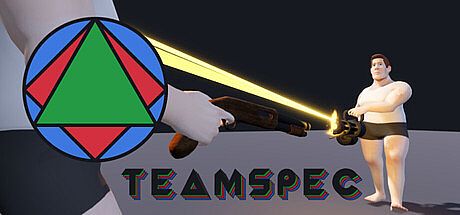



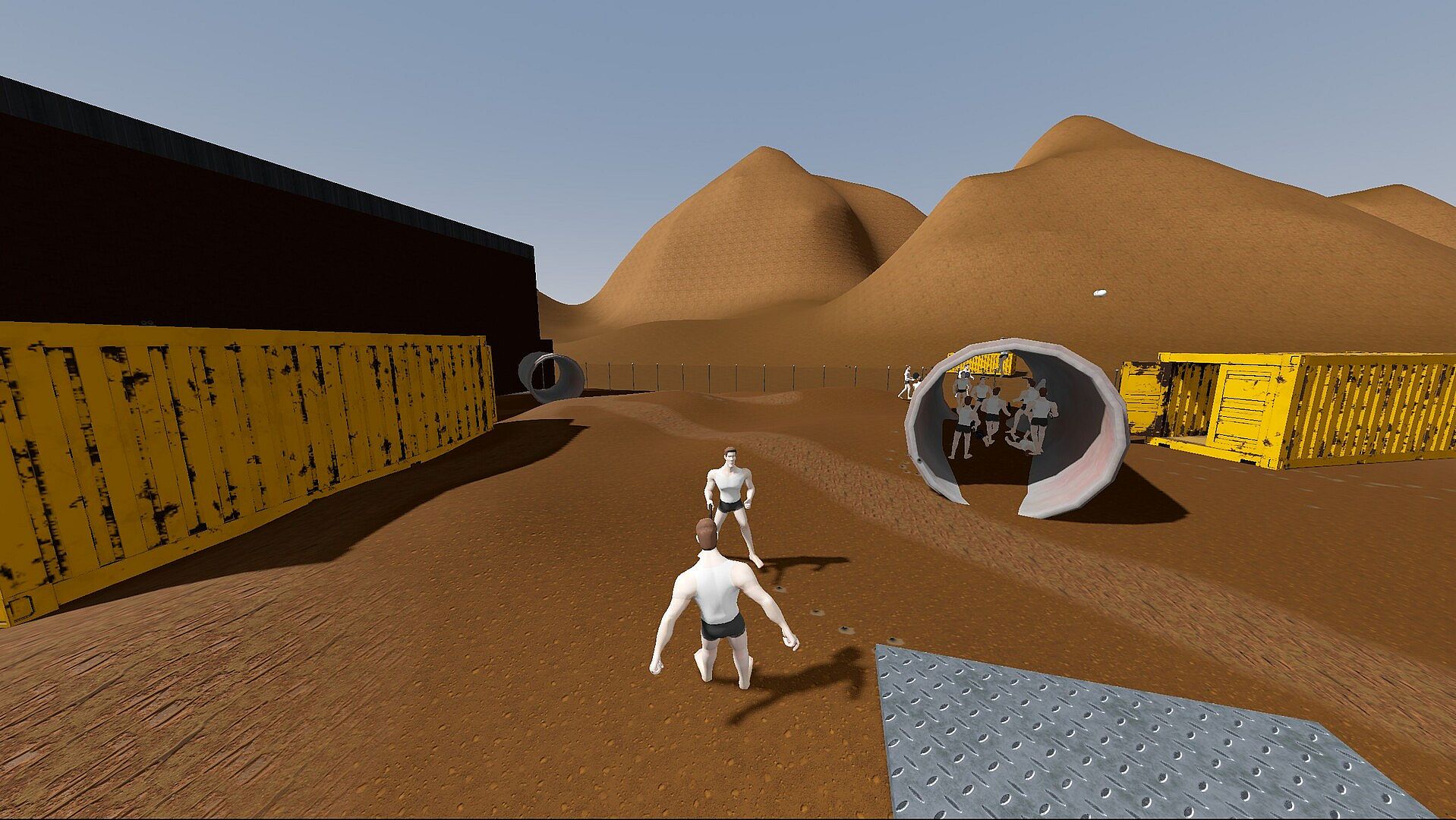
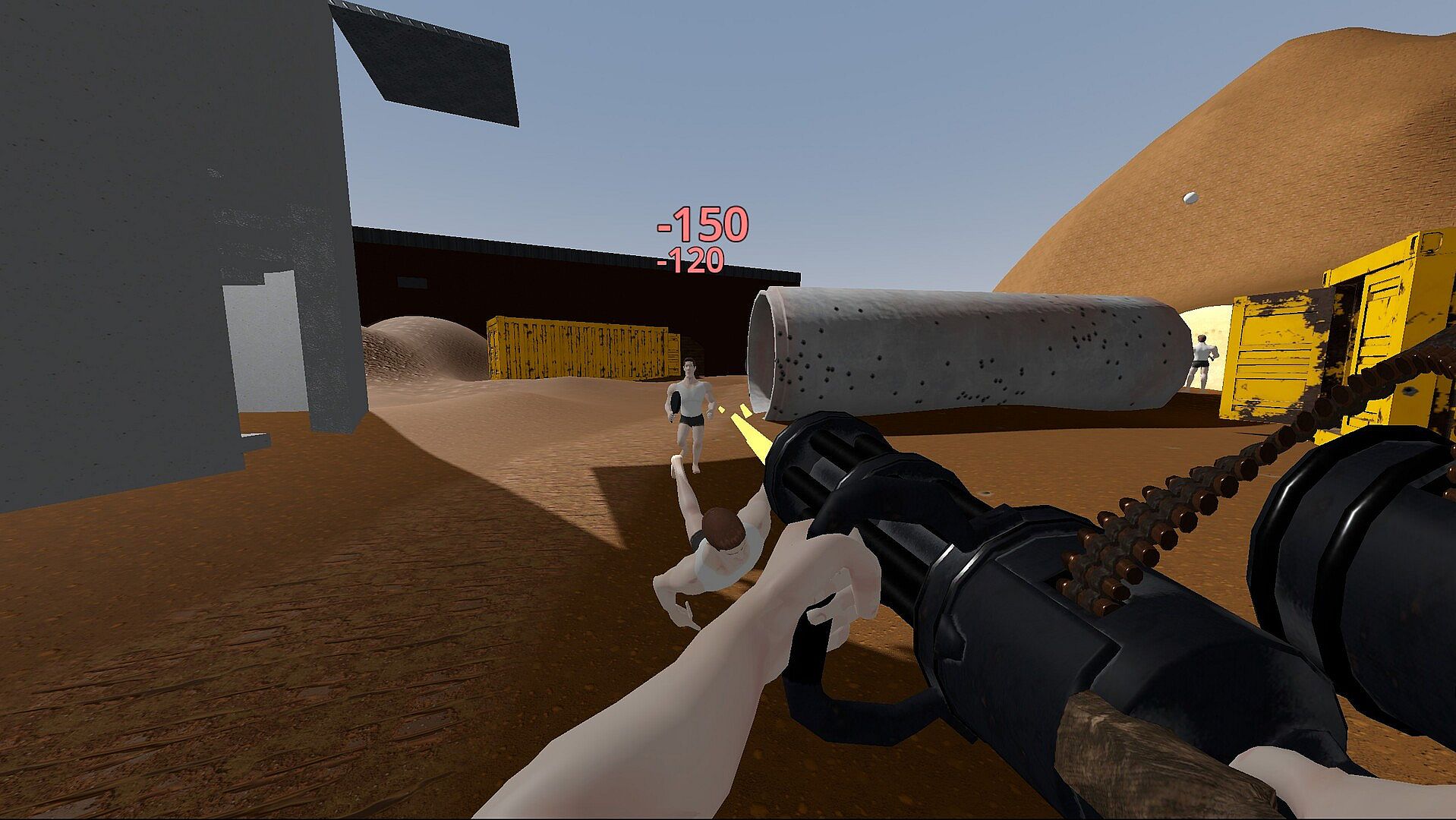
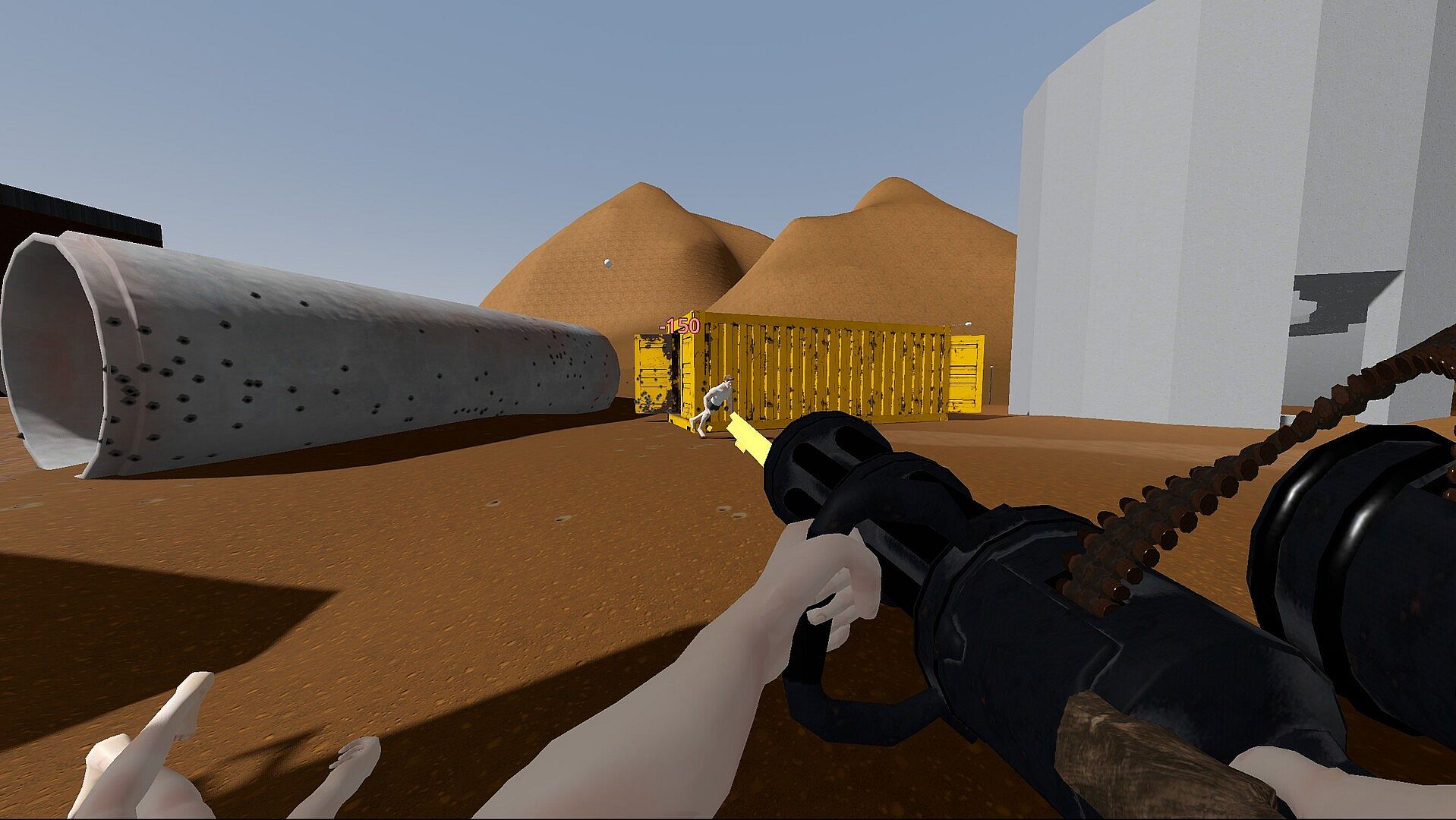
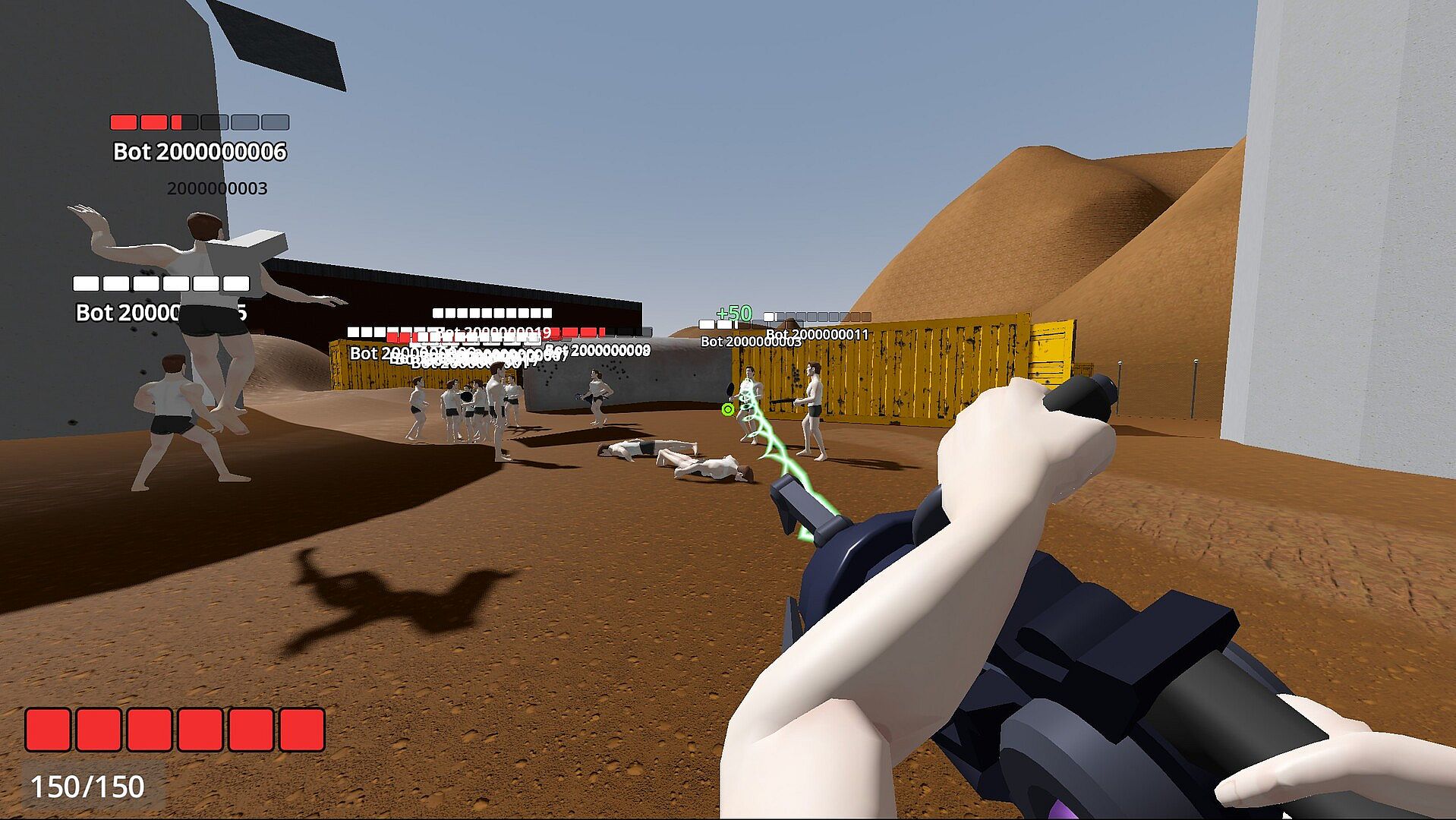
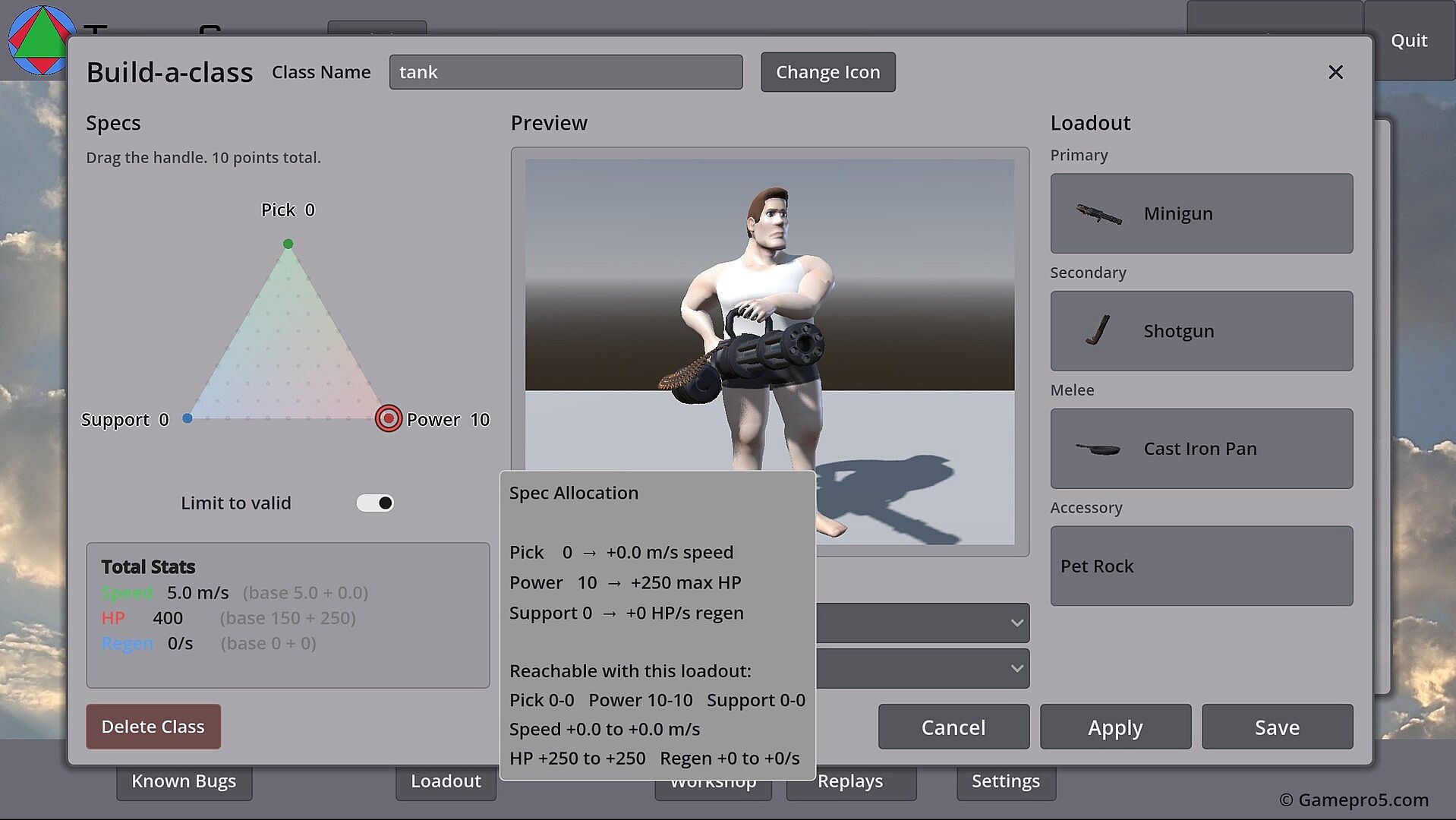
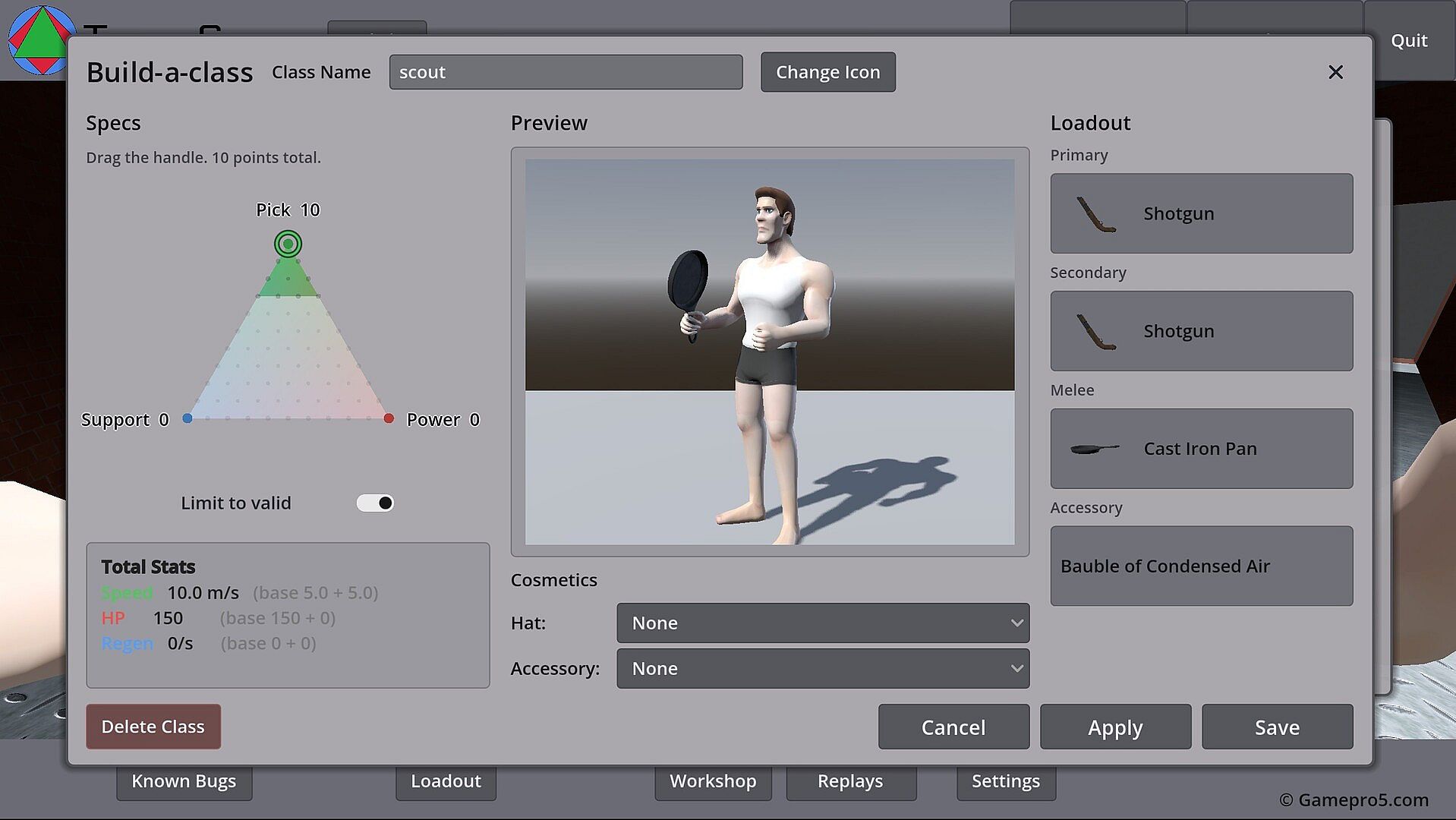
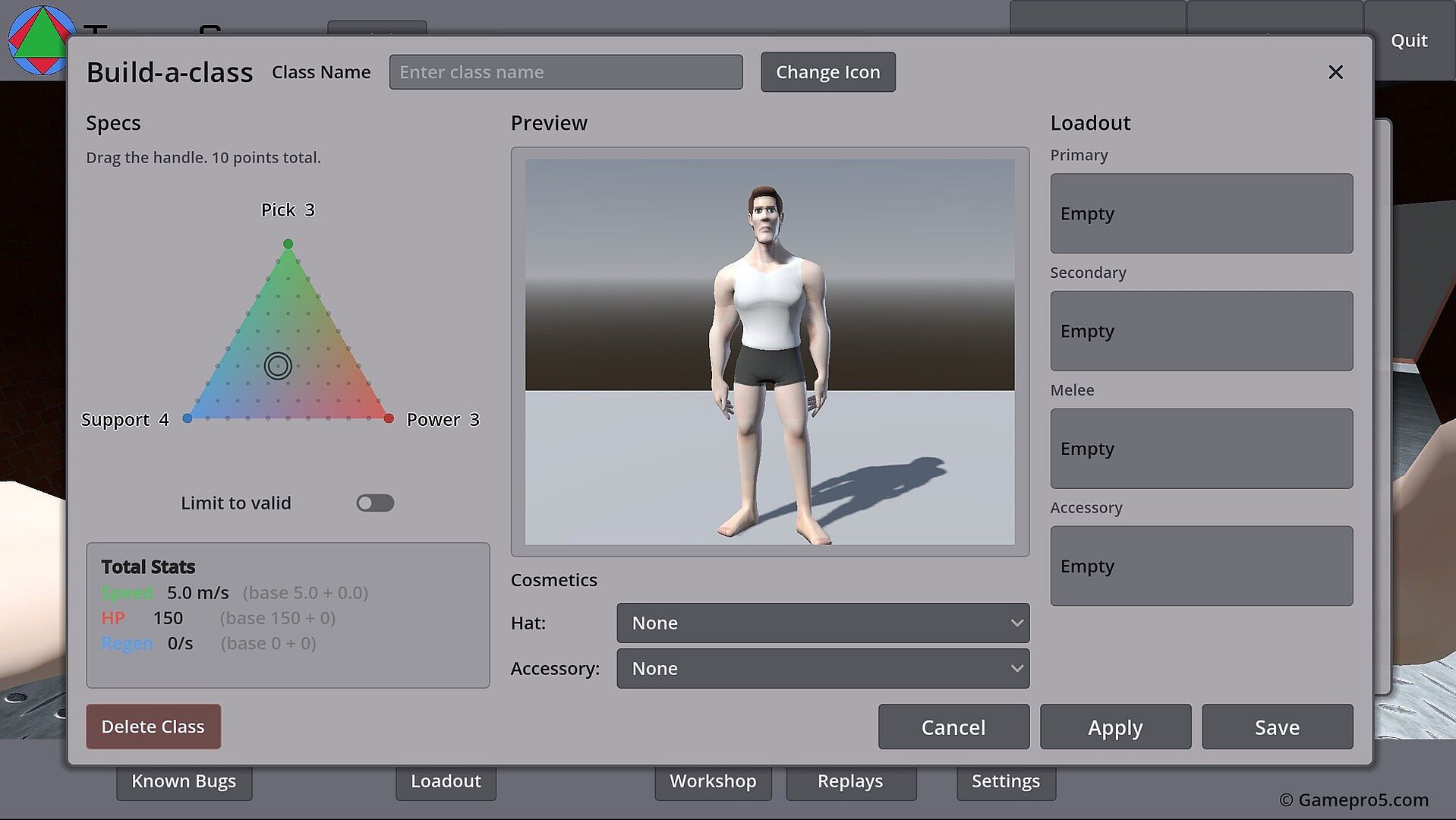
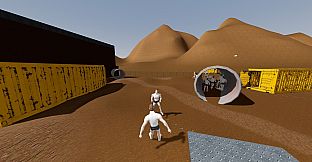
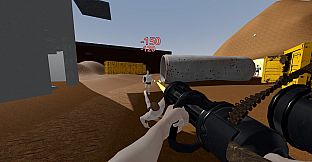
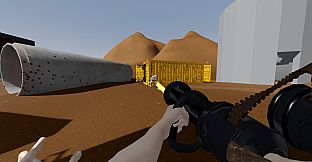
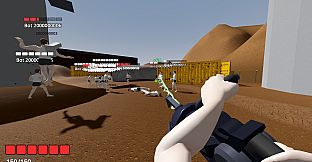
TeamSpec est un shooter multijoueur gratuit sur PC dont le système de classes repose entièrement sur les choix des joueurs. Ceux-ci répartissent des points entre trois catégories pour définir leur rôle en match, puis associent ces choix à des armes soumises à des seuils de points. Le résultat récompense l'expérimentation tout en maintenant un rythme centré sur des affrontements d'équipe rapides.
Gameplay
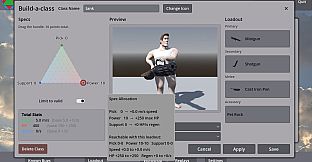
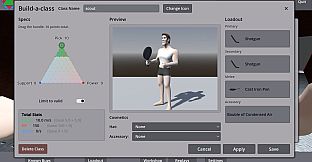
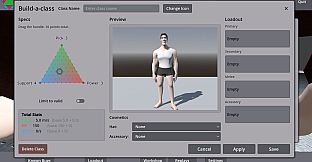
Le cœur du jeu consiste à répartir des points entre Power, Pick et Support. Power agit sur les capacités offensives et les dégâts infligés. Pick gère la mobilité et les outils de sélection. Support regroupe les fonctions utilitaires et d'assistance. Chaque arme est liée à ces répartitions et nécessite un investissement minimum dans une ou plusieurs catégories avant de pouvoir être utilisée. Cette contrainte impose des arbitrages lors de la création d'un loadout.
Les joueurs composent librement leur armement pour correspondre à leur style plutôt que de choisir parmi des classes prédéfinies. Un loadout peut ainsi privilégier des armes lourdes grâce à un fort investissement en Power tout en conservant des outils Support légers pour soutenir l'équipe. Le même capital de points détermine les combinaisons d'équipement viables et génère une variété naturelle de rencontres sans classes figées.
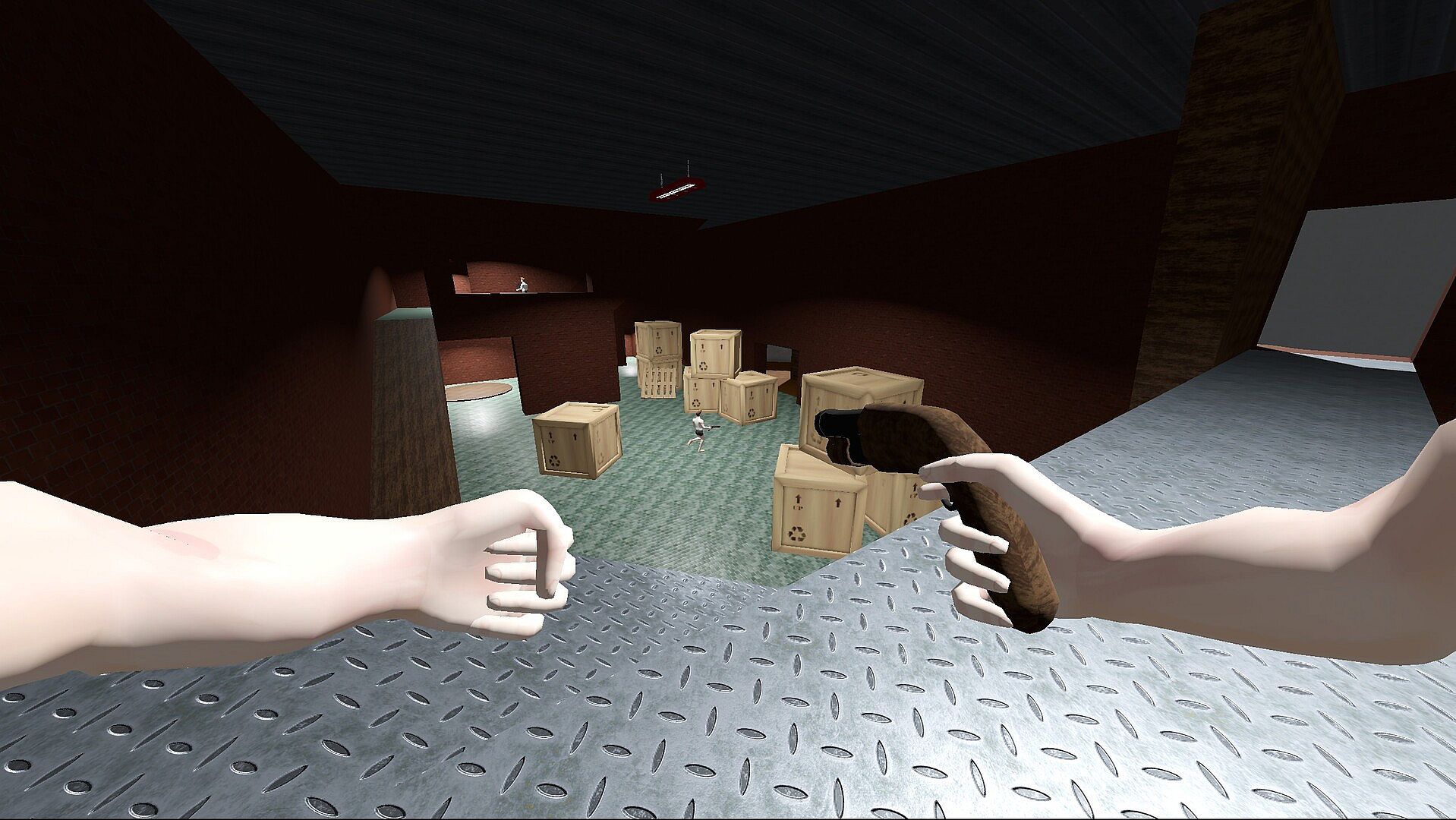
La personnalisation visuelle du personnage s'ajoute aux choix mécaniques. Les options graphiques permettent de modifier l'apparence du modèle selon ses goûts, tandis que les statistiques restent liées au système de points. Le ressenti repose sur des déplacements fluides et un tir réactif, soutenus par une physique personnalisée qui met l'accent sur l'élan et le positionnement en combat d'équipe.
Jusqu'à 24 joueurs peuvent participer à une session, avec un réseau conçu dès le départ pour gérer cette échelle. Un éditeur de niveaux est intégré, permettant à la communauté de créer et partager des cartes via des outils intégrés et le support du Workshop. Cette fonctionnalité prolonge l'expérience au-delà du contenu officiel vers des environnements générés par les joueurs.
Game Modes
TeamSpec entre en early access avec un mode principal conçu autour du système de création de classes. Ce mode accueille le nombre maximal de joueurs et repose sur des objectifs d'équipe qui valorisent la coordination des loadouts. Les points investis en Support prennent plus de valeur lorsque les coéquipiers utilisent l'utilitaire, tandis que les builds orientés Power s'imposent dans les affrontements directs.
Le mode incite à enchaîner les parties afin d'affiner les répartitions de points et les associations d'armes. Comme la plupart des armes sont verrouillées derrière des seuils de catégorie, les équipes développent naturellement des rôles complémentaires sans restrictions de classe explicites. La variété des cartes est limitée au lancement, mais l'éditeur intégré permet à la communauté d'enrichir le contenu et de tester différentes forces de loadout.
Le développeur prévoit d'ajouter d'autres modes et cartes une fois les pipelines artistiques et de contenu étendus. Le mode initial sert de base pour tester l'équilibre du système de points et du roster d'armes, qui compte environ 15 options disponibles au lancement.
Is It Worth Playing?
TeamSpec s'adresse aux joueurs qui aiment construire leur propre rôle dans un shooter multijoueur plutôt que de choisir parmi des classes prédéfinies. Le système de répartition de points offre une personnalisation réelle qui influence directement les armes disponibles et le style de jeu, sans éléments pay-to-win. Tous les objets fonctionnels restent accessibles par le jeu.
Le titre reste en développement actif en early access et adopte un modèle free-to-play financé par des achats cosmétiques. Les fonctionnalités actuelles incluent le système de points, un mode de jeu, 15 armes et les outils communautaires de création de cartes. Les joueurs désireux de façonner un projet émergent par leurs retours et leur contenu personnalisé y trouveront le plus d'intérêt.
Ceux qui recherchent une expérience aboutie avec plusieurs modes polis et un large choix de cartes peuvent préférer attendre les prochaines mises à jour. Le projet est né d'une initiative personnelle d'un développeur unique, avec l'ambition d'atteindre cinq modes et un nombre d'armes nettement plus élevé avant la sortie finale. Son attrait réside dans la flexibilité de création des loadouts et le potentiel de croissance porté par la communauté via l'éditeur de niveaux.
L'accueil dépendra de l'équilibre réel des catégories de points une fois que davantage de joueurs auront testé les systèmes. L'absence de classes fixes le distingue des shooters classiques à classes et récompense l'expérimentation dans le cadre des trois catégories. Pour les amateurs d'expérimentations multijoueurs indépendantes qui privilégient l'agence du joueur plutôt que des valeurs de production élevées, l'early access offre un moyen direct d'éprouver ces idées.