

Test Fire: Armor Penetration Sim is a simulation game focused on realistic armor penetration and ballistics modeling. Players construct targets and projectiles using real-world material properties and finite element analysis to observe how different designs perform under impact.
Gameplay
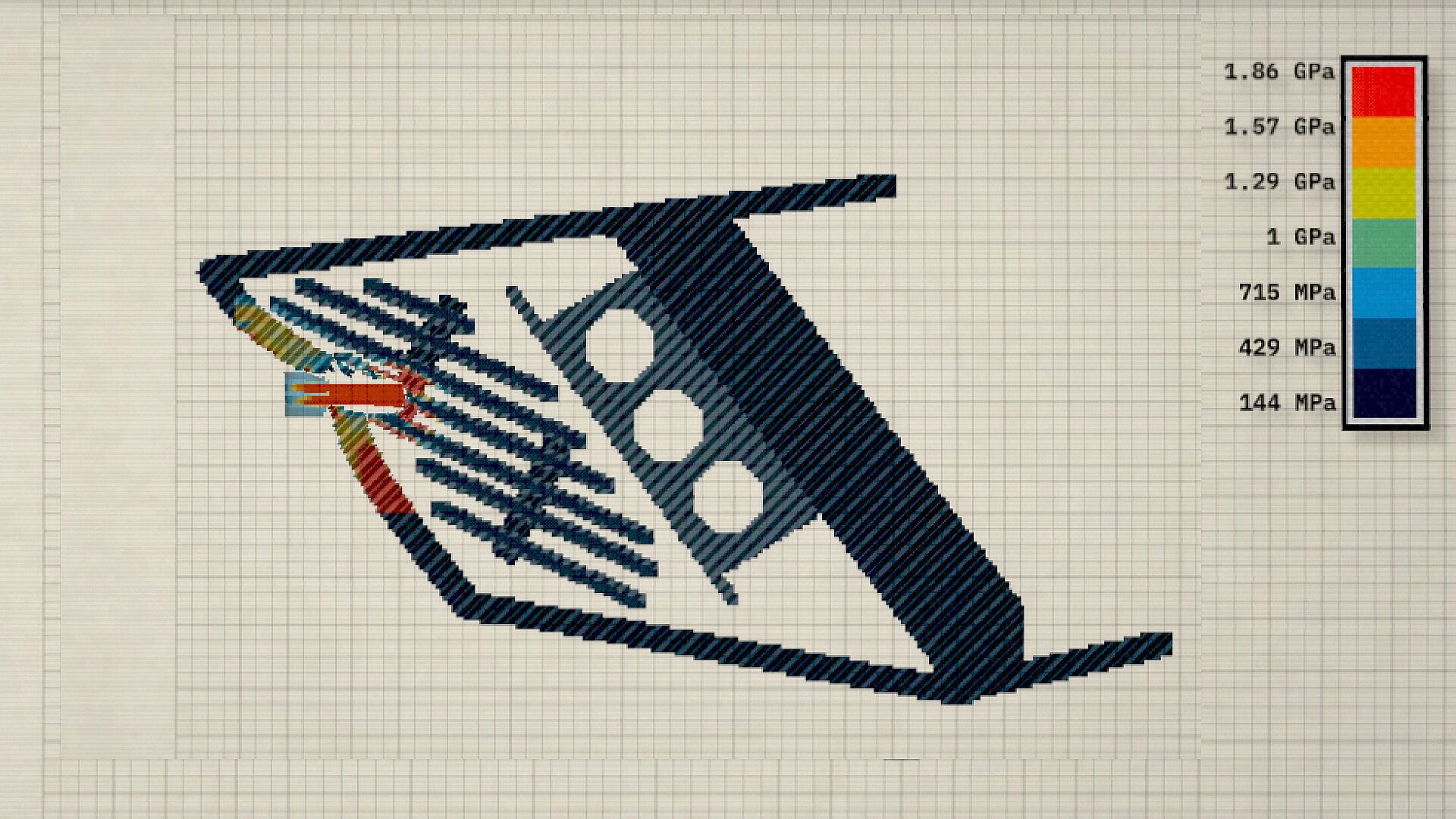
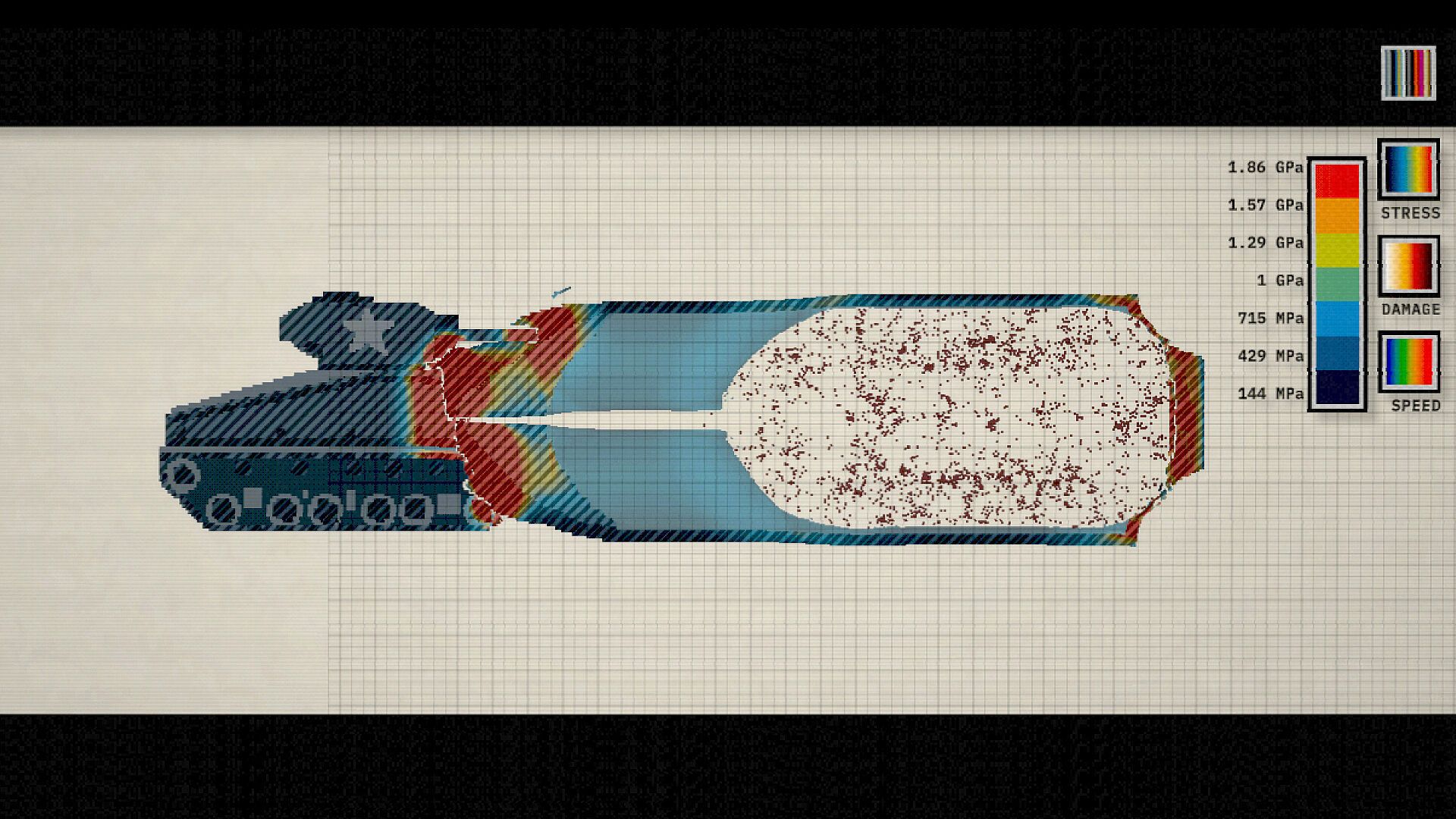
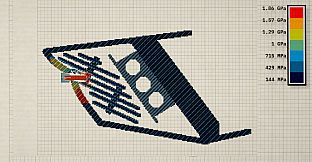
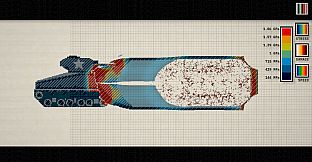
The core loop centers on building armor arrays and projectiles at real-world scale in two dimensions. Every impact runs through finite element analysis, allowing armor to deform, crack, shatter, or spall depending on the chosen materials, thickness, slope, and spacing. Projectiles can ricochet, fragment, or stop partway through based on the same physics calculations. Materials draw from actual data on strength, hardness, toughness, and density, with options for ceramics that shatter and steels that bend. A custom material editor lets players define their own properties for further experimentation.
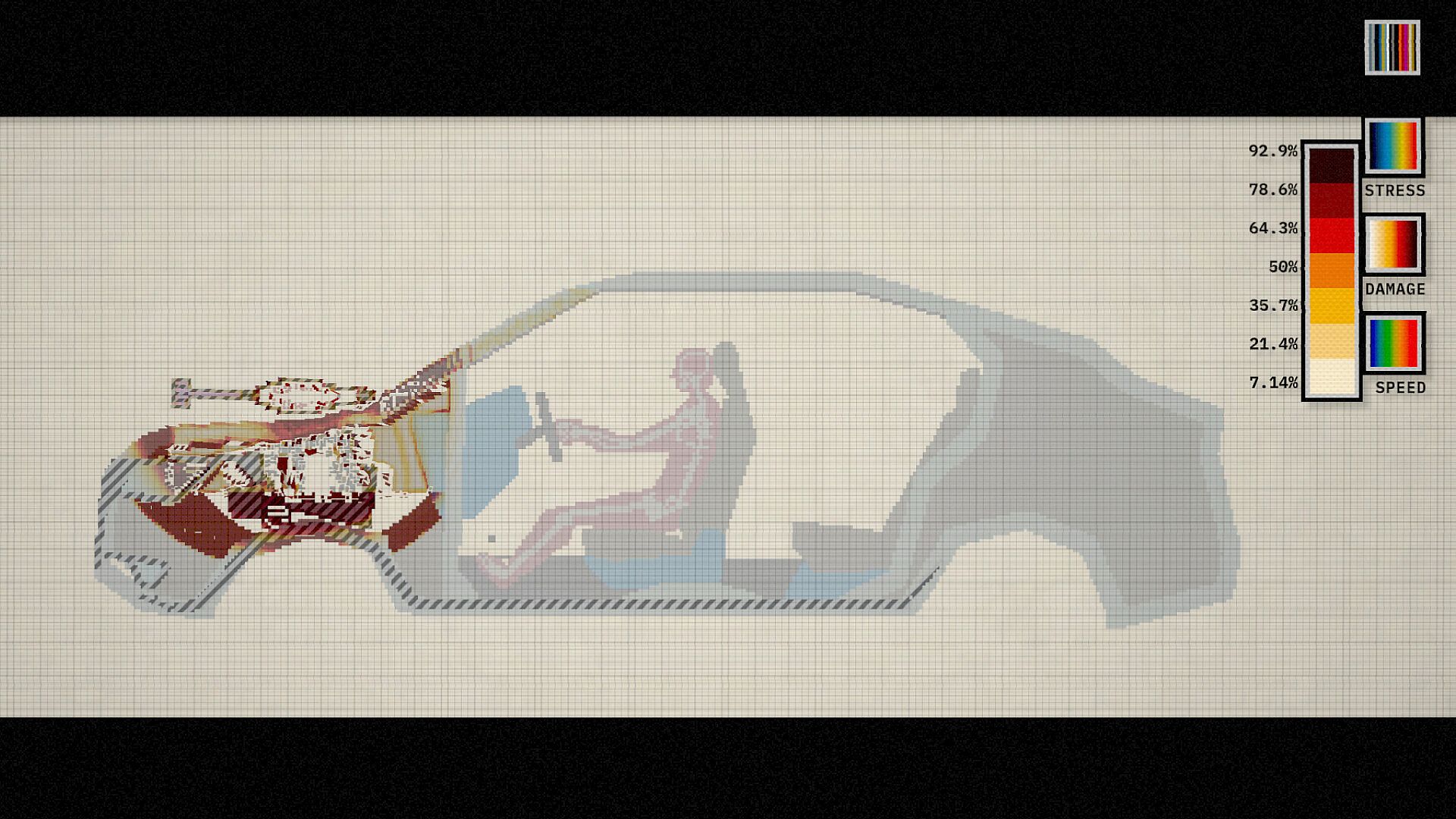
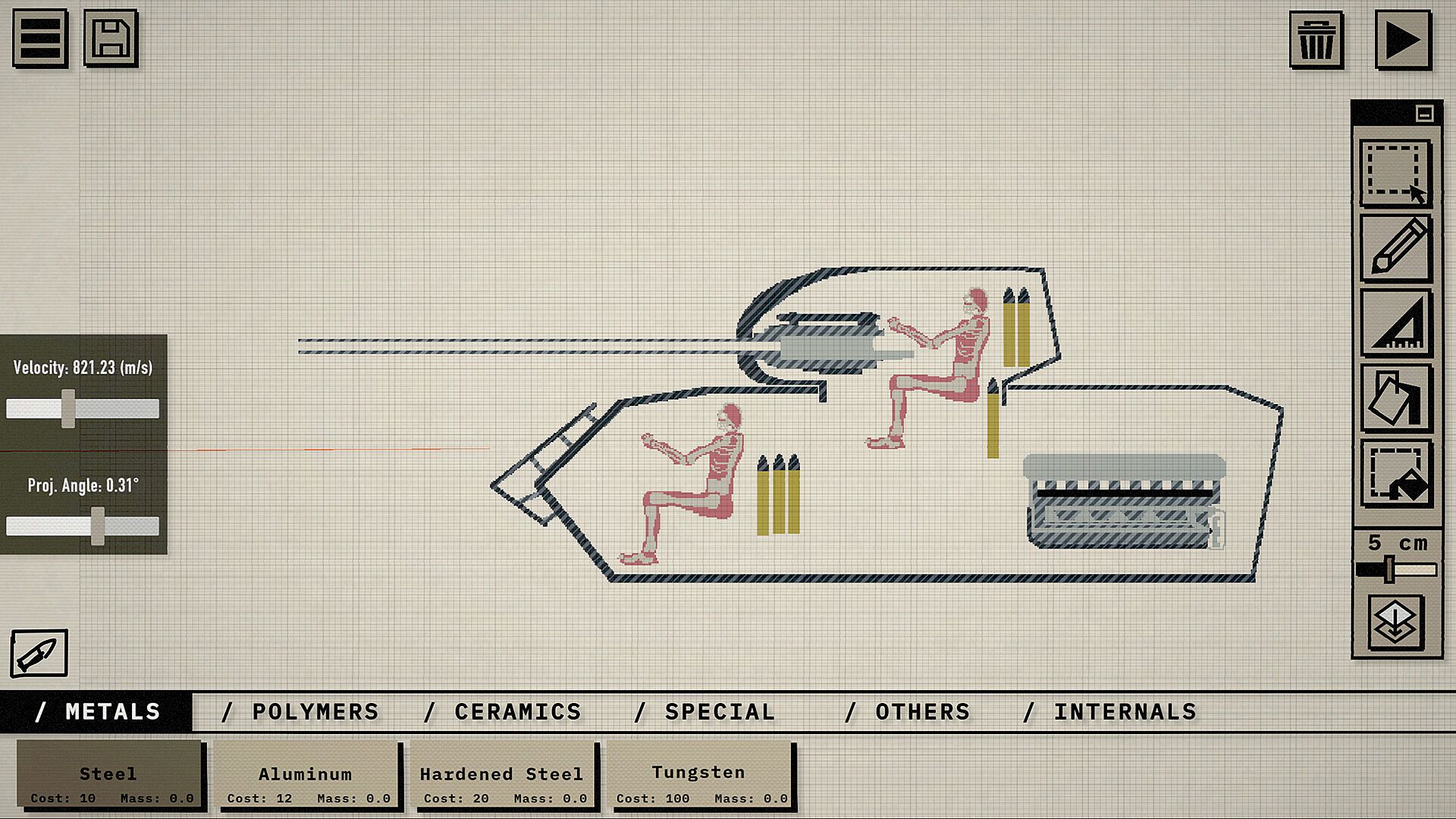
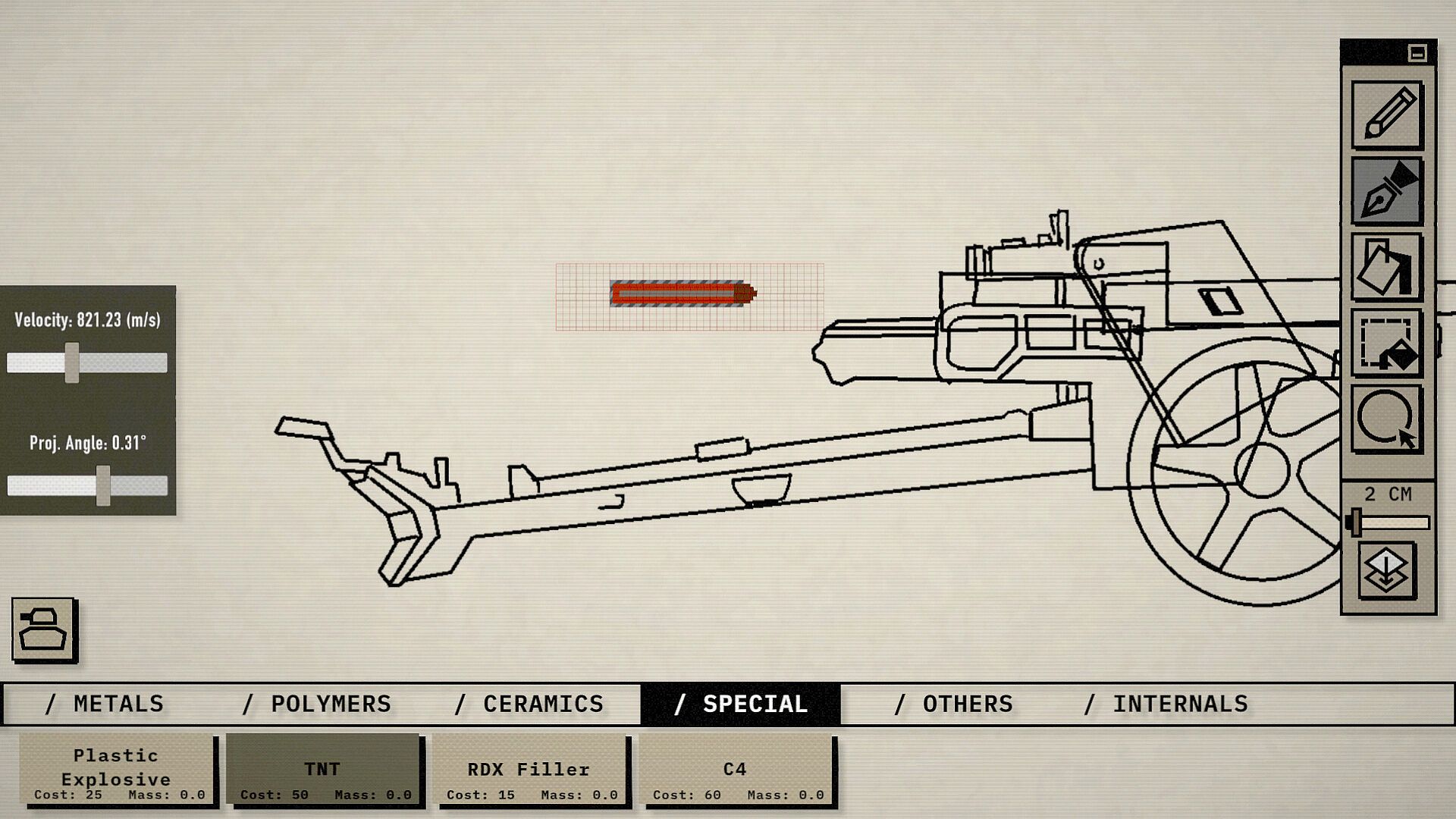
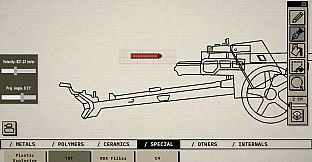
Overlays display velocity, stress, damage, and material states across the entire event. Replays run at adjustable speeds so users can examine failure points in detail. The editor supports drawing, erasing, filling shapes, layering, copying, pasting, and mirroring to refine designs quickly.
Game Modes
Two distinct approaches structure play. Campaign levels impose mass and cost limits while presenting specific engineering challenges drawn from World War I through modern eras, often referencing real vehicles and ammunition types. The Armor Campaign requires stopping incoming rounds without exceeding those limits. The Projectile Campaign tasks players with designing rounds capable of defeating given armor setups. Each level tracks performance on cost and weight, with leaderboards highlighting the most efficient solutions.
The open sandbox editor removes all limits, allowing unrestricted creation and testing of any configuration. Designs can be saved, shared, and imported for direct comparison against other players' work.
Key Mechanics
Projectile construction covers full-calibre AP, APCR, APFSDS, HEAT, HE, and entirely custom shapes. Length, shape, and material choices directly influence penetration depth and breakup behavior. Targets support layered plates, angled surfaces, gaps for spaced armor, and explosive reactive armor elements. In campaign play, added layers consume budget and mass allowances, forcing trade-offs between protection and practicality.
Explosive reactive armor and custom material options expand defensive possibilities, while the finite element approach ensures outcomes reflect actual material responses rather than simplified hit points.
Is It Worth Playing?
This simulation appeals to players interested in engineering principles, ballistics, and iterative design testing. The combination of constrained campaign challenges and unlimited sandbox freedom supports repeated experimentation with measurable results on cost, weight, and performance. Leaderboards add a competitive element for those seeking optimal solutions. Availability on PC makes it accessible for detailed study sessions without hardware barriers beyond standard requirements. Those who enjoy precise modeling of physical interactions and historical or hypothetical armor scenarios will find consistent depth in the available tools and feedback systems.