


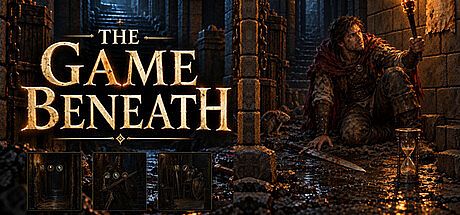


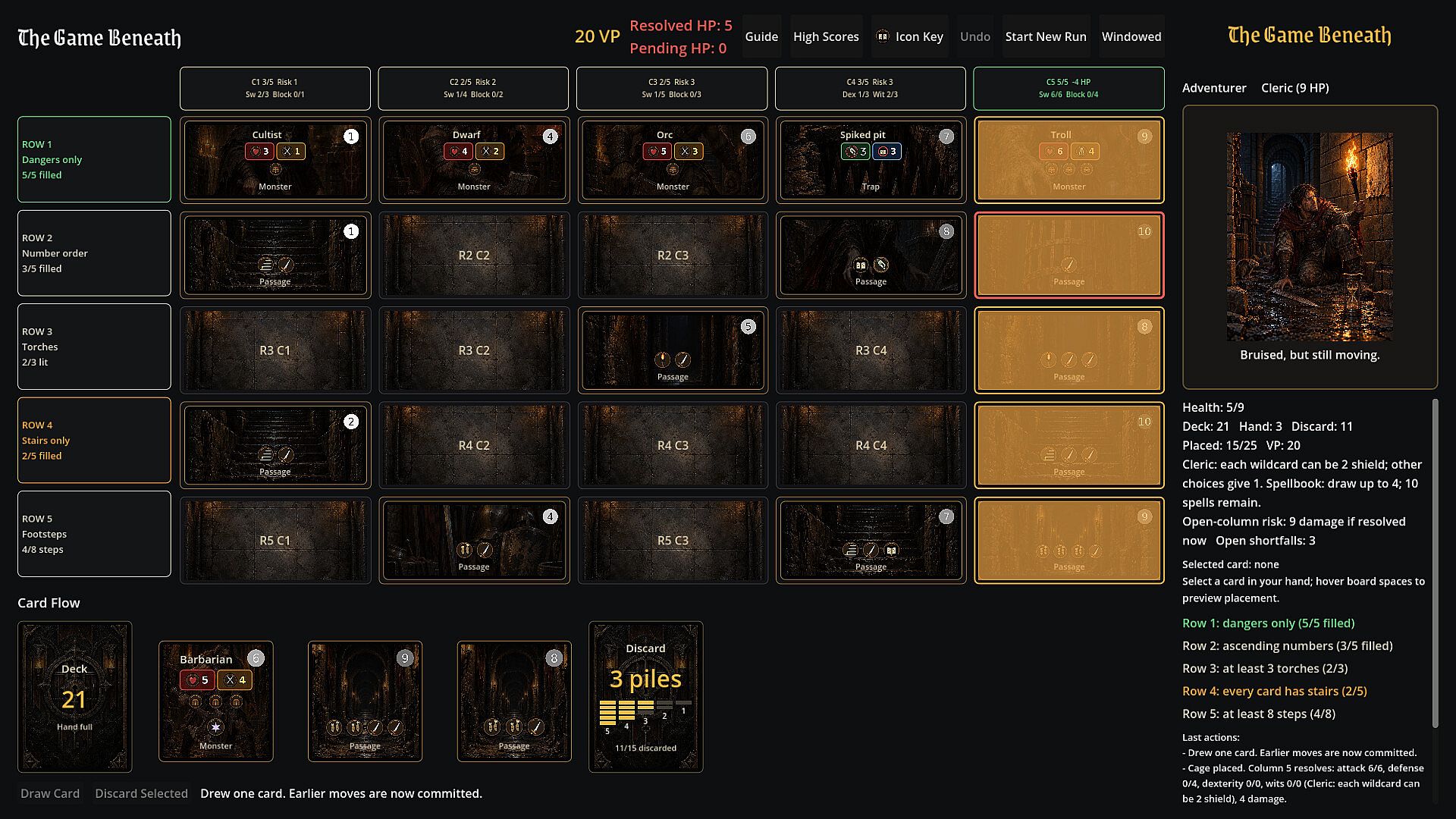
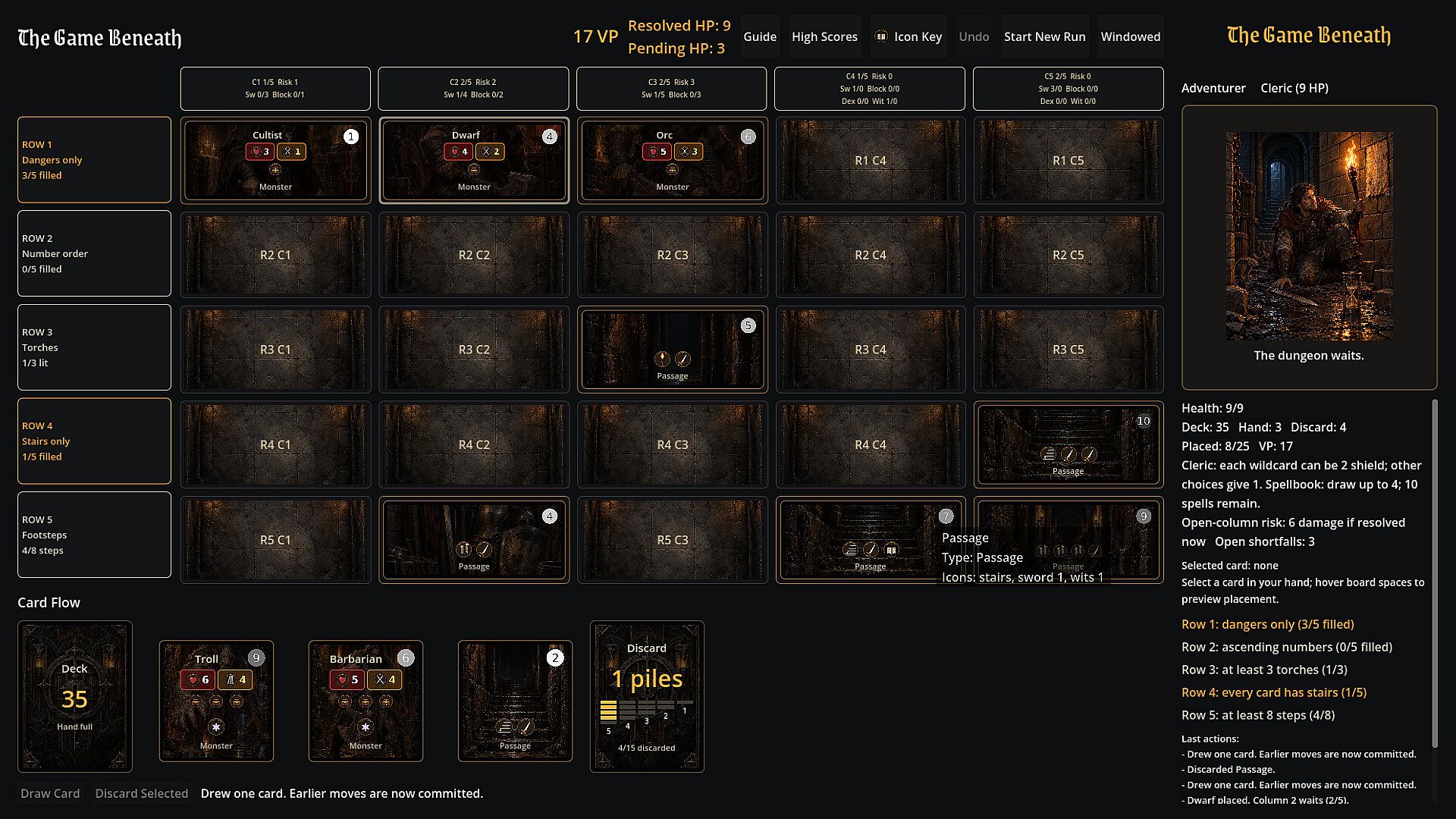
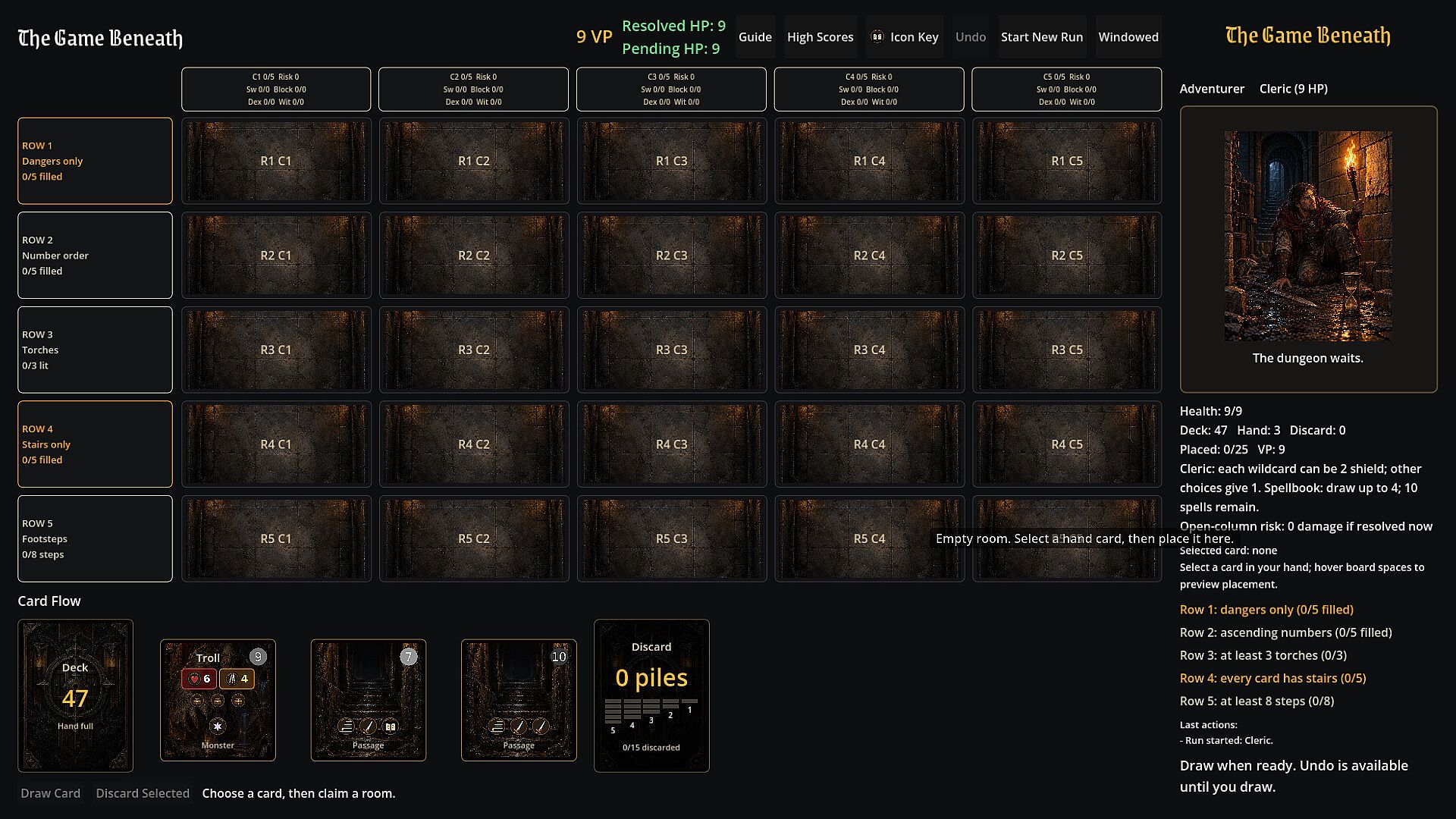
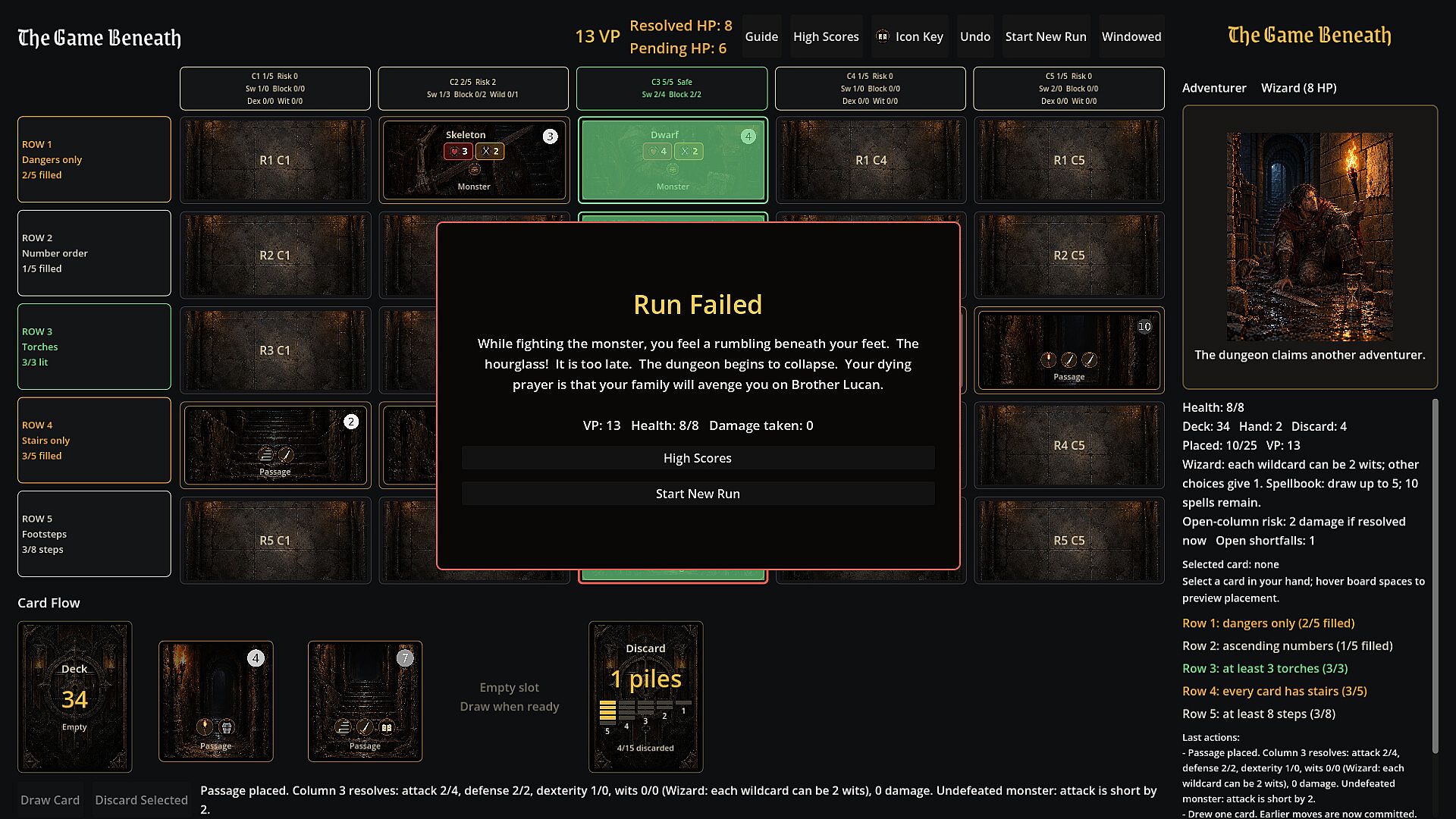
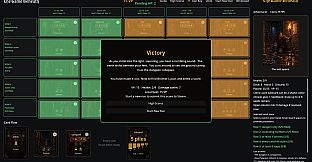
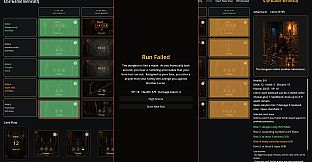
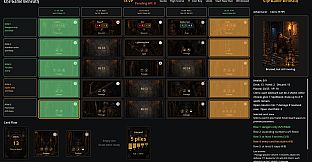
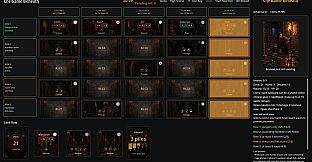
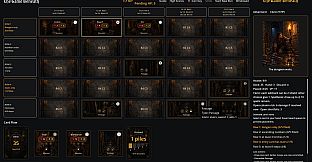
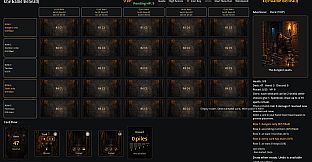
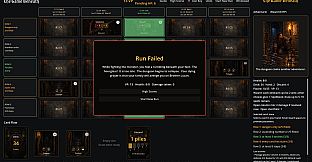
The Game Beneath is a strategy and casual solitaire card puzzle game available on PC. Players awaken in the depths of an unnamed castle and must navigate a five-by-five grid of rooms to reach the surface, using limited resources and careful planning to survive confrontations along the way.
Gameplay
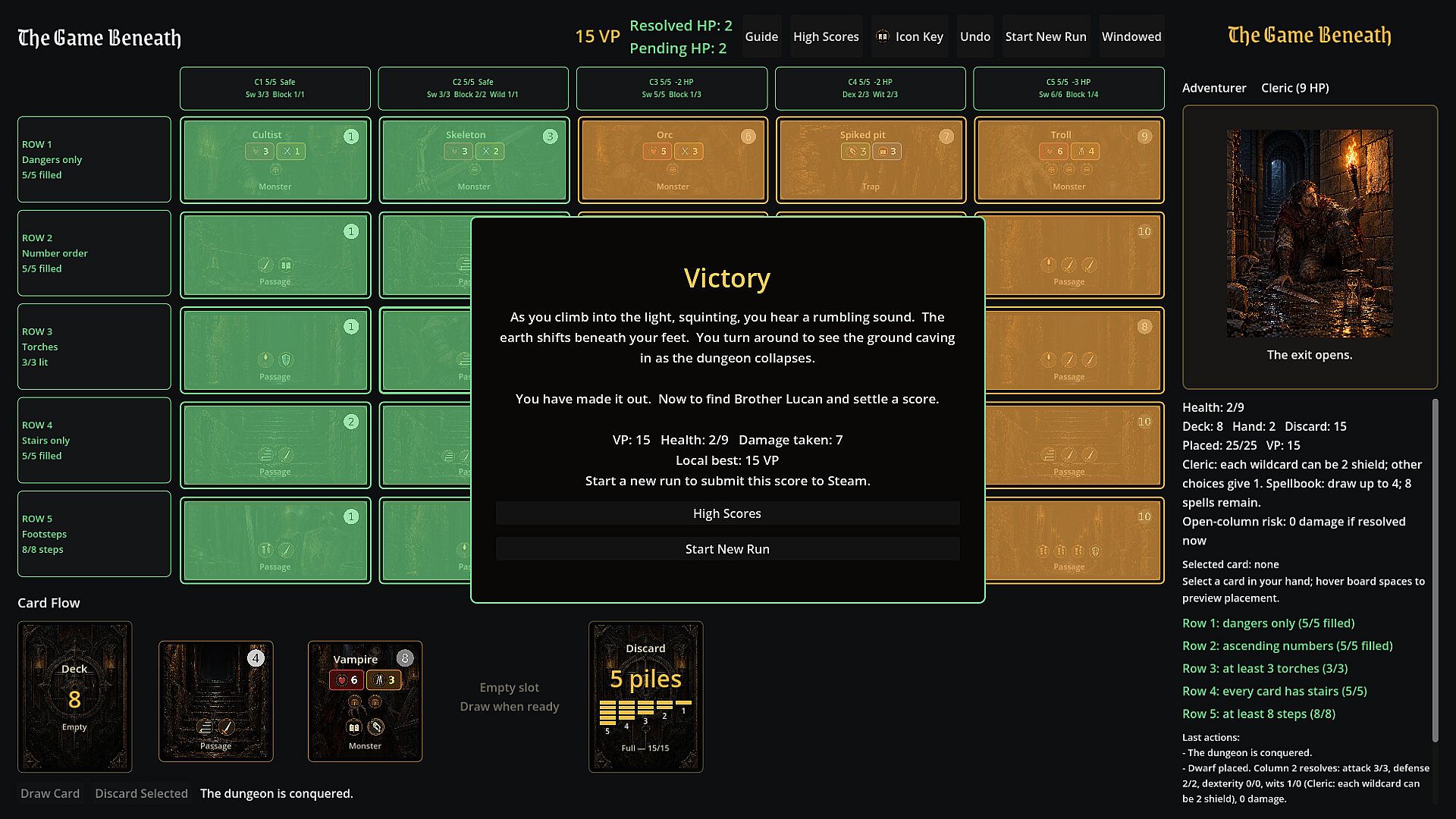
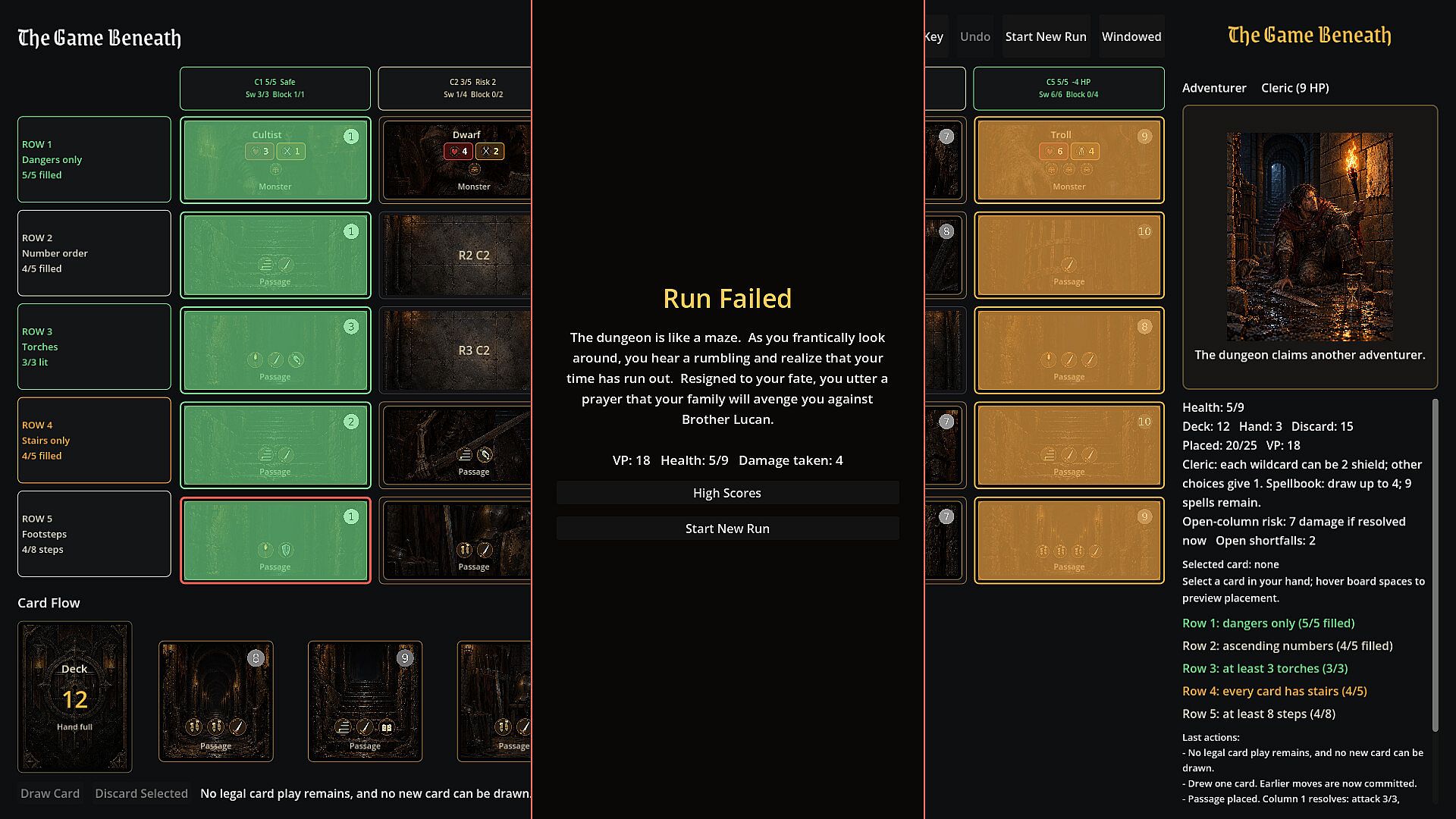
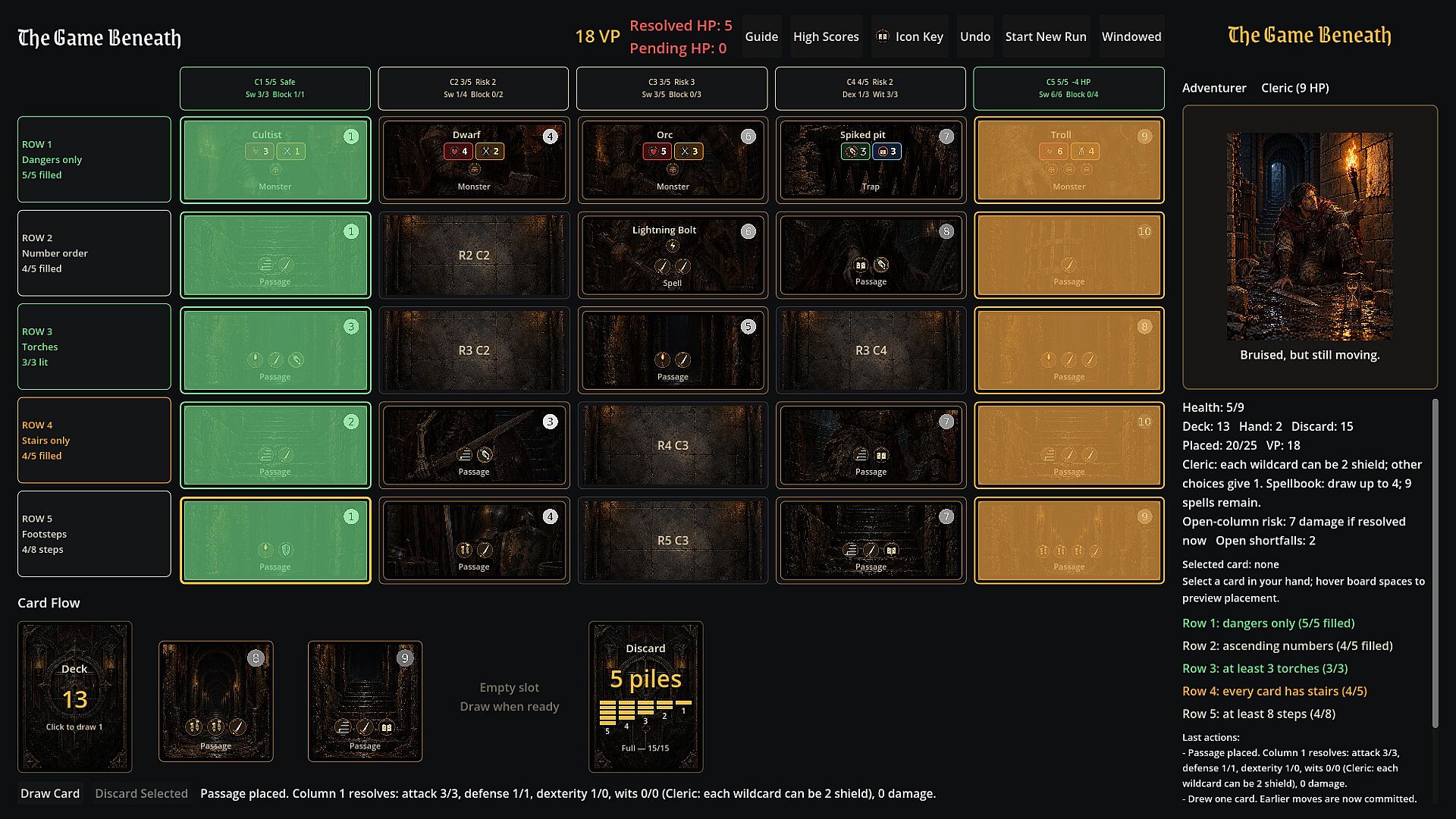
The core loop centers on arranging cards drawn from a deck into a five-by-five layout. Cards must be placed in ascending numerical order across five rows while meeting each row's specific requirements. This setup represents the dungeon layout, where every decision affects the path to escape. The hourglass in the story adds narrative tension, though the game itself has no real-time pressure, allowing players to proceed at their own speed.
Columns function as individual confrontations. Monsters and traps occupy positions beneath the cards, demanding sufficient swords to defeat enemies and shields or armor to endure attacks. Dexterity and wits come into play against traps, with skulls indicating high-risk situations that offer little margin for error. Building strength and defenses through card placement is essential to clear these obstacles without excessive losses.
Four character classes provide distinct starting conditions and abilities. The Fighter emphasizes combat resilience, while the Cleric and Wizard can cast spells that substitute random symbols on cards for new effects. The Thief focuses on agility and opportunistic plays. Spells offer potential rescues for stalled plans but carry the risk of drawing ineffective results, requiring thoughtful timing in their use.
Game Modes
The experience revolves around a single-player solitaire puzzle format focused on escaping the dungeon. Each attempt involves drawing cards as needed and arranging them to satisfy all row and column conditions. Undo functionality supports refinement of earlier placements until the next card is drawn, encouraging iterative problem-solving without penalty.
Replay centers on improving performance across multiple runs. Success is measured by remaining health and collected treasure from the first row of monsters. Starting a discard pile deducts from the final score, so minimizing discards while maximizing resources creates a layered challenge. Local high scores and leaderboards allow comparison of escape quality, turning each session into an opportunity for refinement.
The structure supports varied approaches through class selection and spell integration. Different classes alter health pools and introduce unique wildcard mechanics, leading to distinct strategies for handling the same dungeon layout. This variety sustains interest across repeated attempts without introducing separate named modes.
Core Mechanics and Progression
Card placement demands both numerical sequencing and symbolic matching to fulfill row conditions. Each successful arrangement advances the escape while preparing defenses for column-based threats. Monsters require specific sword counts to overcome, after which shields and armor mitigate incoming damage. Traps test matching attributes, and skulls enforce strict success criteria on certain hazards.
Spells add a layer of adaptability for Clerics and Wizards. Drawing a spell replaces existing symbols on a card, potentially aligning it better with current needs. The random nature of spells introduces variability, rewarding players who anticipate when a substitution might resolve a blockage or when it could disrupt a stable plan.
Treasure and health management tie directly into scoring. Retained health and first-row loot boost the final tally, while each discard pile reduces it. This system rewards efficient play and careful resource allocation, making narrow escapes viable wins and flawless runs the benchmark for mastery.
Is It Worth Playing?
The Game Beneath suits players who enjoy methodical solitaire puzzles with strategic depth. Its focus on grid arrangement, resource balancing, and class-specific choices creates a self-contained challenge that rewards planning and adaptation. The absence of timers supports relaxed sessions, while leaderboards provide motivation for repeated play.
Those drawn to casual strategy games with dungeon themes and card-based decision making will find the mechanics engaging. The four classes and spell system offer enough variation to explore different approaches without overwhelming complexity. Escape attempts emphasize thoughtful placement over speed, aligning with players who prefer puzzle-solving at their own pace.
Overall, the game delivers a focused solitaire experience centered on dungeon navigation and survival through careful card management. Its replay value stems from score improvement and class experimentation, making it a solid choice for fans of planning-heavy casual titles on PC.












