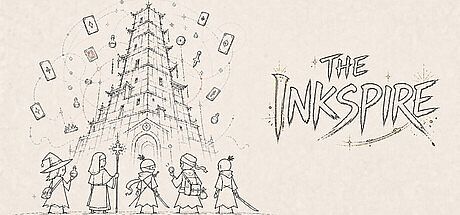



The Inkspire is a free-to-play deck-building roguelike developed for PC. Players select one of five distinct characters and ascend a procedurally varied tower through card-based combat, resource management, and strategic choices that alter each run.
Gameplay
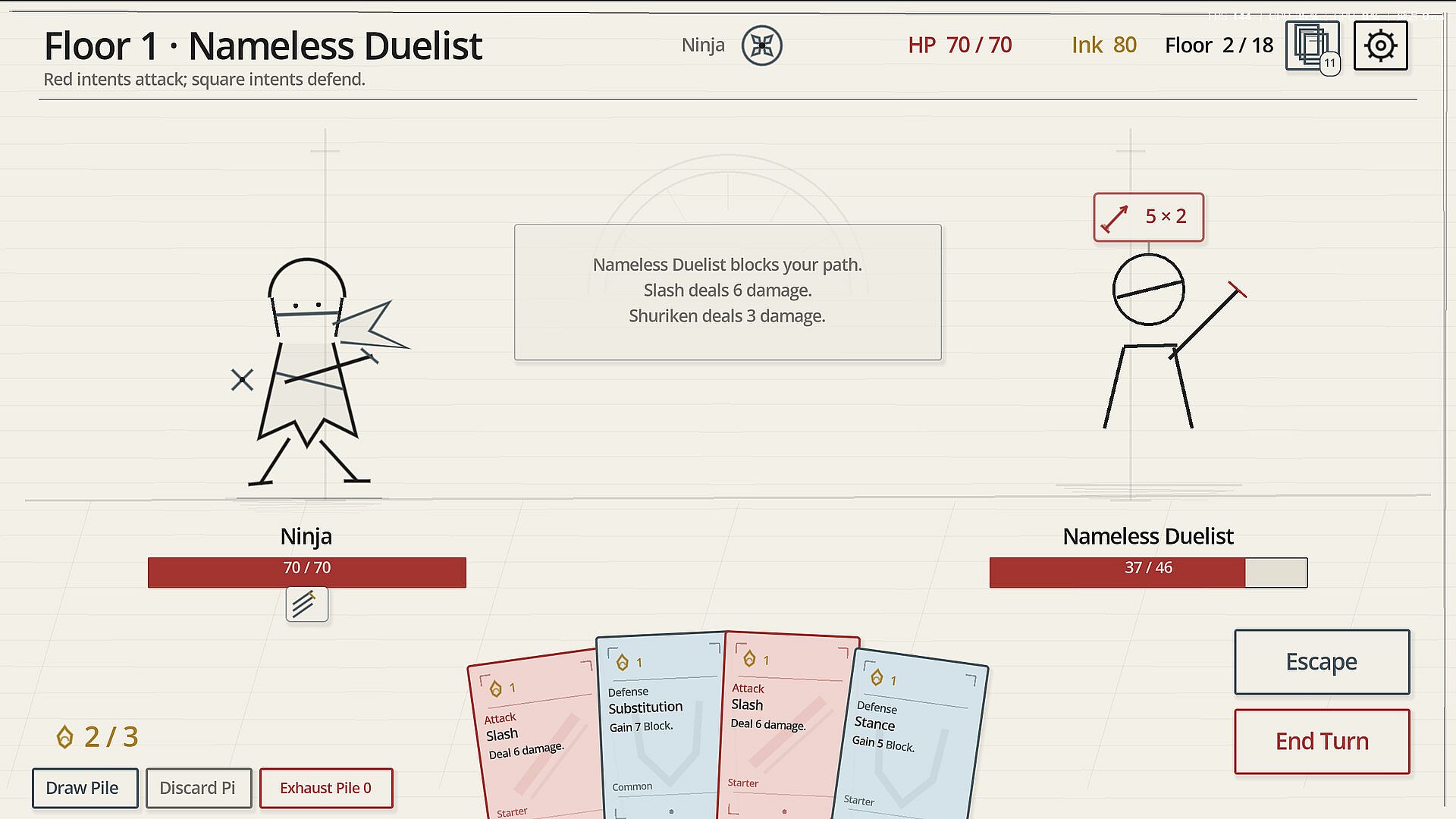
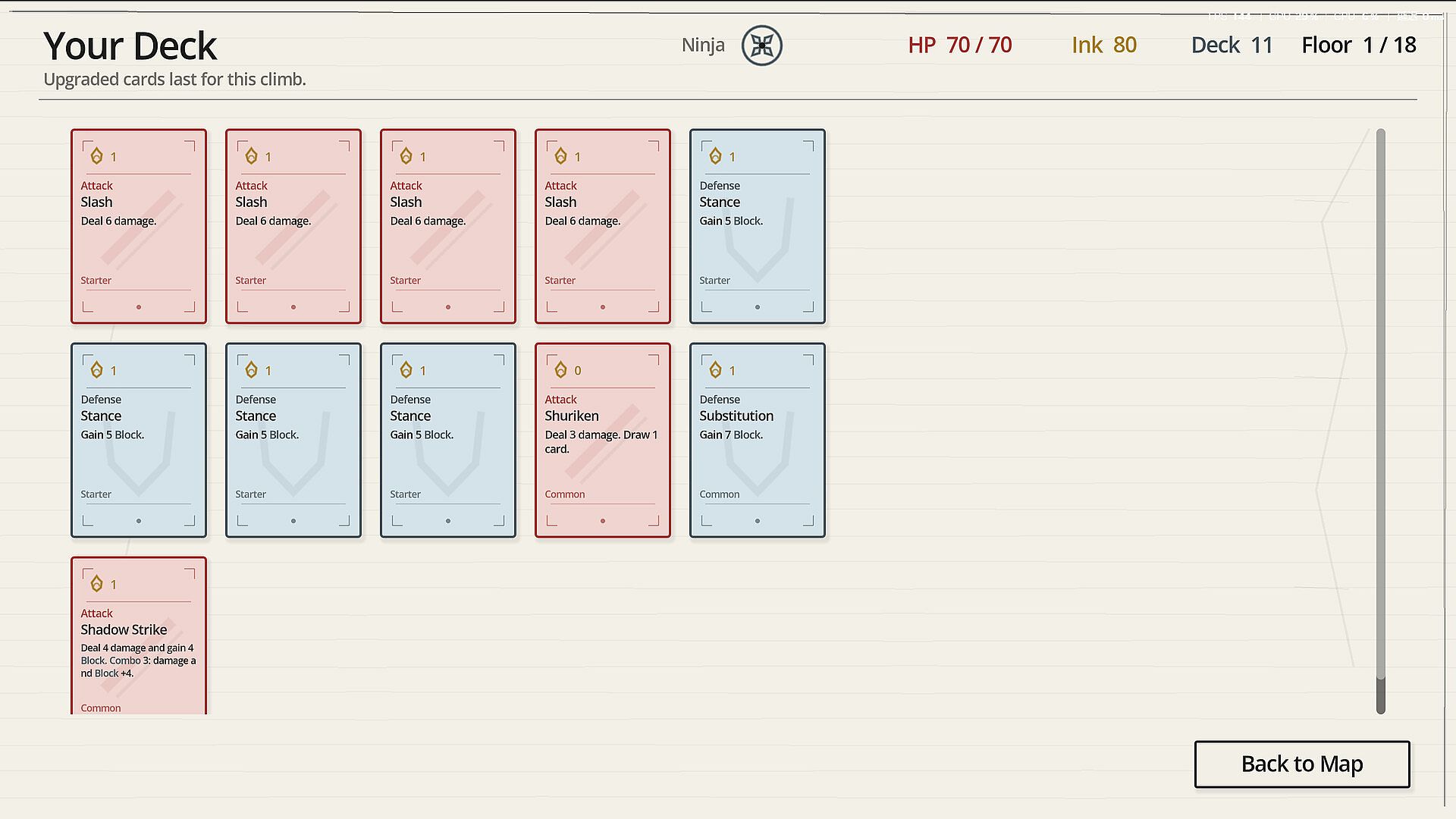
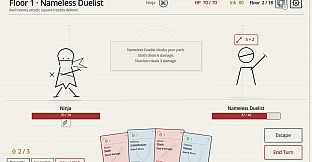
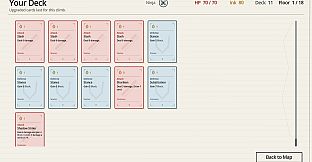
The core loop centers on building and refining a deck of 60 cards unique to the chosen character. Cards are acquired during battles and events, then combined into synergistic archetypes that leverage status effects or character-specific mechanics. Upgrades strengthen key cards while removals streamline the deck for better consistency. Relics found along the way introduce permanent rule changes that can amplify certain strategies or create unexpected interactions. Combat emphasizes timing and decision-making, as every card played influences the outcome of encounters against varied enemies.
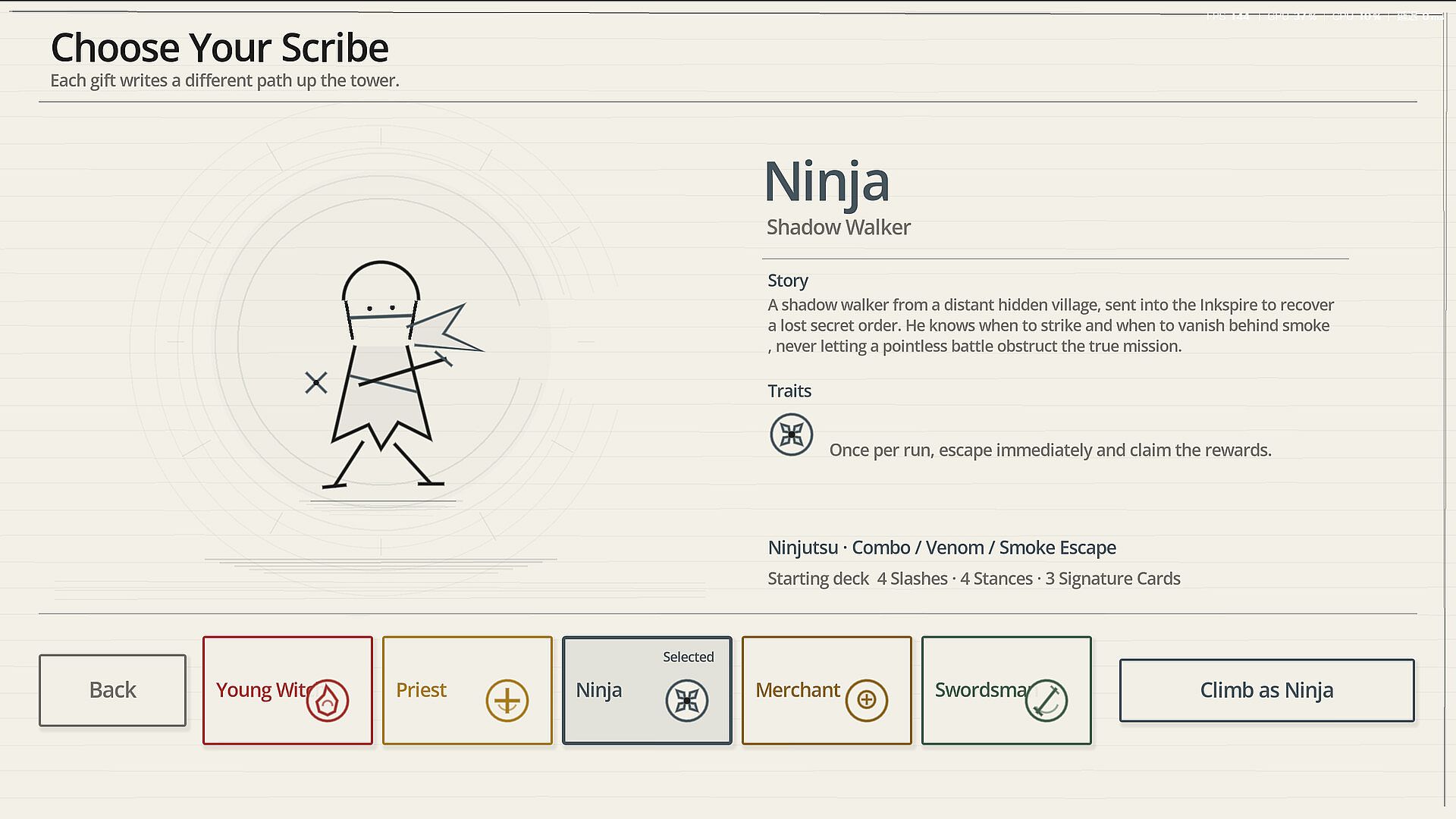
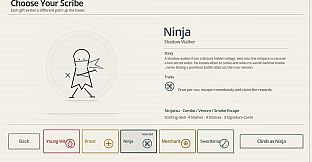
Each character brings independent systems that shape how decks function. The Young Witch relies on potion brewing and spells to apply Burn, Paralysis, Freeze, and Poison. The Priest focuses on prayer and healing to convert endurance into sustained advantages. The Ninja builds combos with traps and smoke techniques for sudden bursts of damage. The Merchant converts profit and debt into combat resources. The Swordsman accumulates Sword Intent while using counters to balance offense and defense. These differences encourage experimentation across multiple ascents.
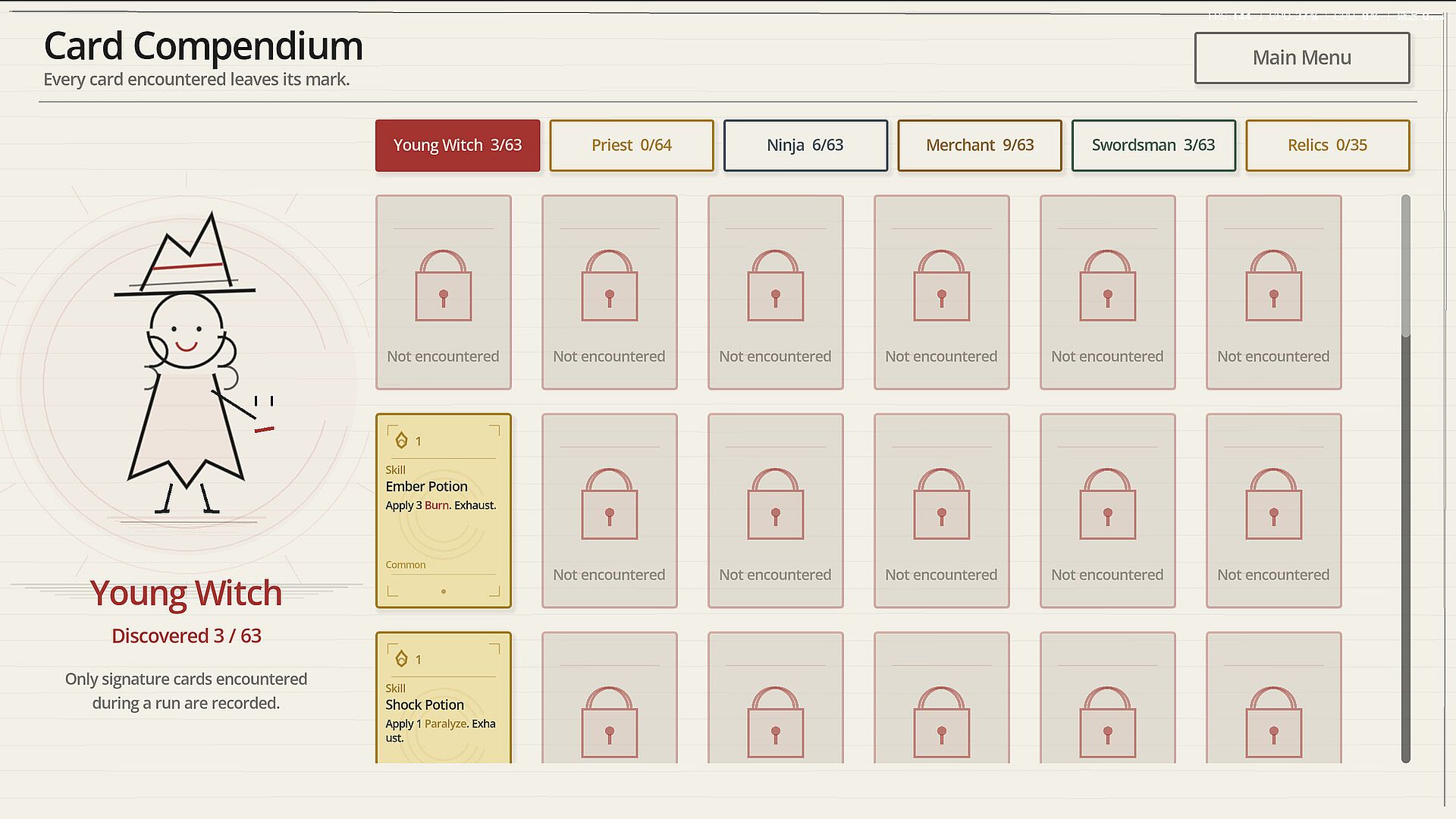
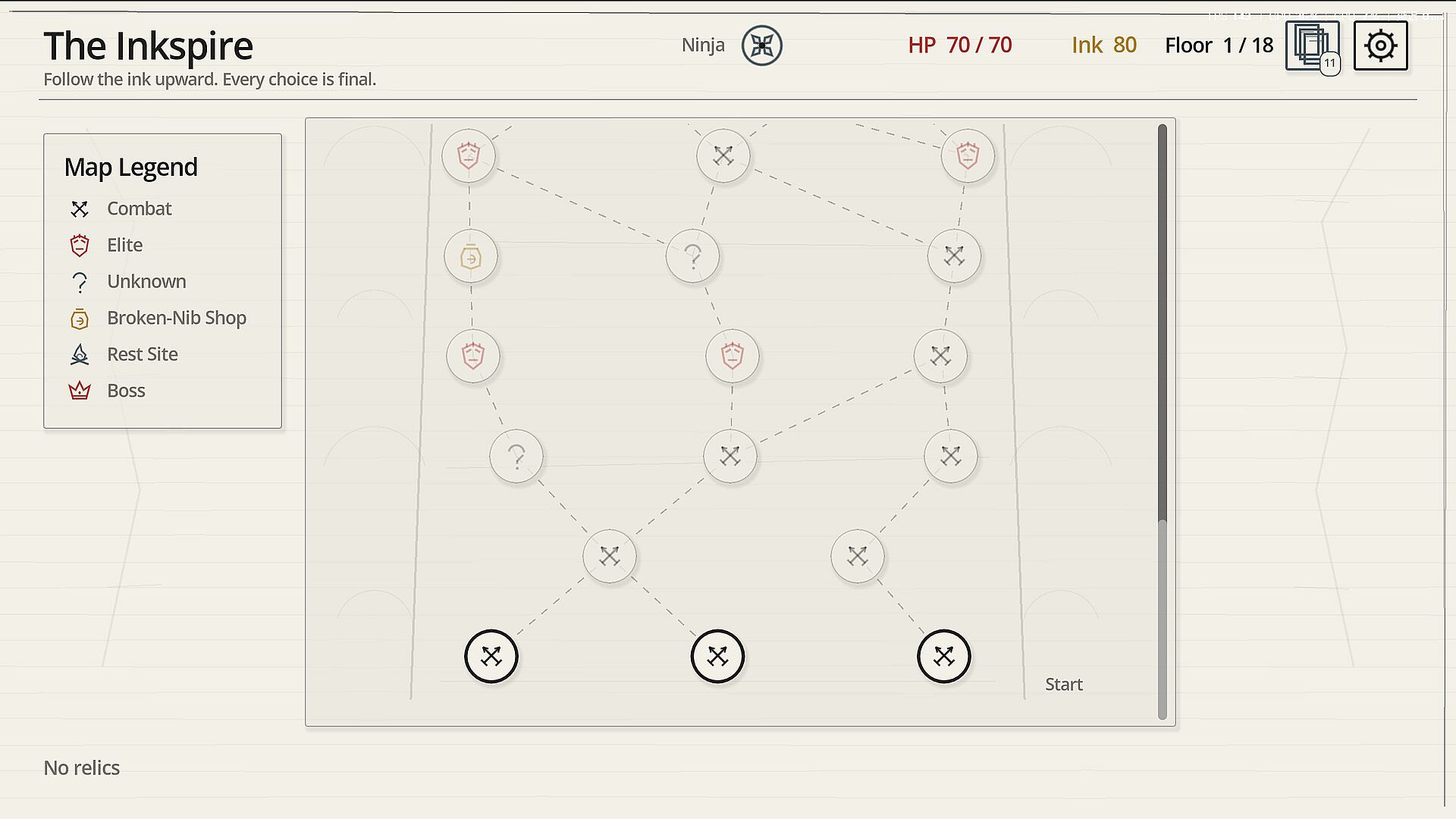
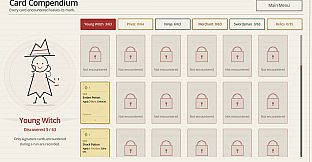
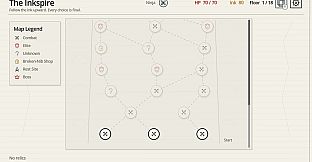
Progression occurs through randomized tower routes that include battles, rest sites for recovery, shops for acquisitions, and events that present meaningful choices. Greater risks at elite encounters or unknown paths can yield stronger rewards, but failure ends the current run. A compendium tracks encountered cards and relics across attempts, providing a record of discoveries without resetting progress between runs. Controller support for keyboard, Xbox, and PlayStation devices ensures accessible input options.
Game Modes
The game operates as a single-player roguelike experience centered on repeated tower ascents. Each run generates fresh routes, enemy placements, shop inventories, and event outcomes, ensuring no two climbs follow identical paths. Players navigate these layers by balancing safety at rest sites against opportunities for greater gains through riskier choices. Deck construction and relic collection occur within this framework, with the goal of reaching higher floors through refined strategies and character-specific synergies.
Variation comes from character selection and the open-ended nature of archetype combinations. The same character can support entirely different playstyles depending on which cards and relics are prioritized during a given ascent. There are no separate multiplayer or competitive modes, keeping the focus on individual runs and the permanent collection of unlocked content in the compendium.
Visual Style and Accessibility
The presentation uses a hand-drawn paper-and-ink aesthetic that reinforces the theme of a world shaped by writing and illustration. This style appears consistently across characters, cards, and environments. The game supports Simplified Chinese, Traditional Chinese, English, and Japanese, broadening accessibility for different language preferences. System requirements remain modest, with minimum specifications suitable for a wide range of Windows PCs.
Is It Worth Playing?
The Inkspire targets players who enjoy deck-building roguelikes with strong emphasis on character identity and run-to-run variation. Its five characters offer distinct mechanical identities that reward repeated playthroughs, while the randomized tower structure and relic system provide ongoing discovery. Because the game remains in a pre-release state with no user reviews available, its reception will depend on how well the card synergies and risk-reward decisions land once it launches. Those drawn to single-player experiences that combine strategic deck refinement with procedural exploration will find the described systems align closely with that preference. The free-to-play model and controller support further lower barriers for interested players.