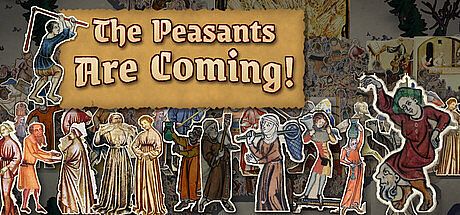


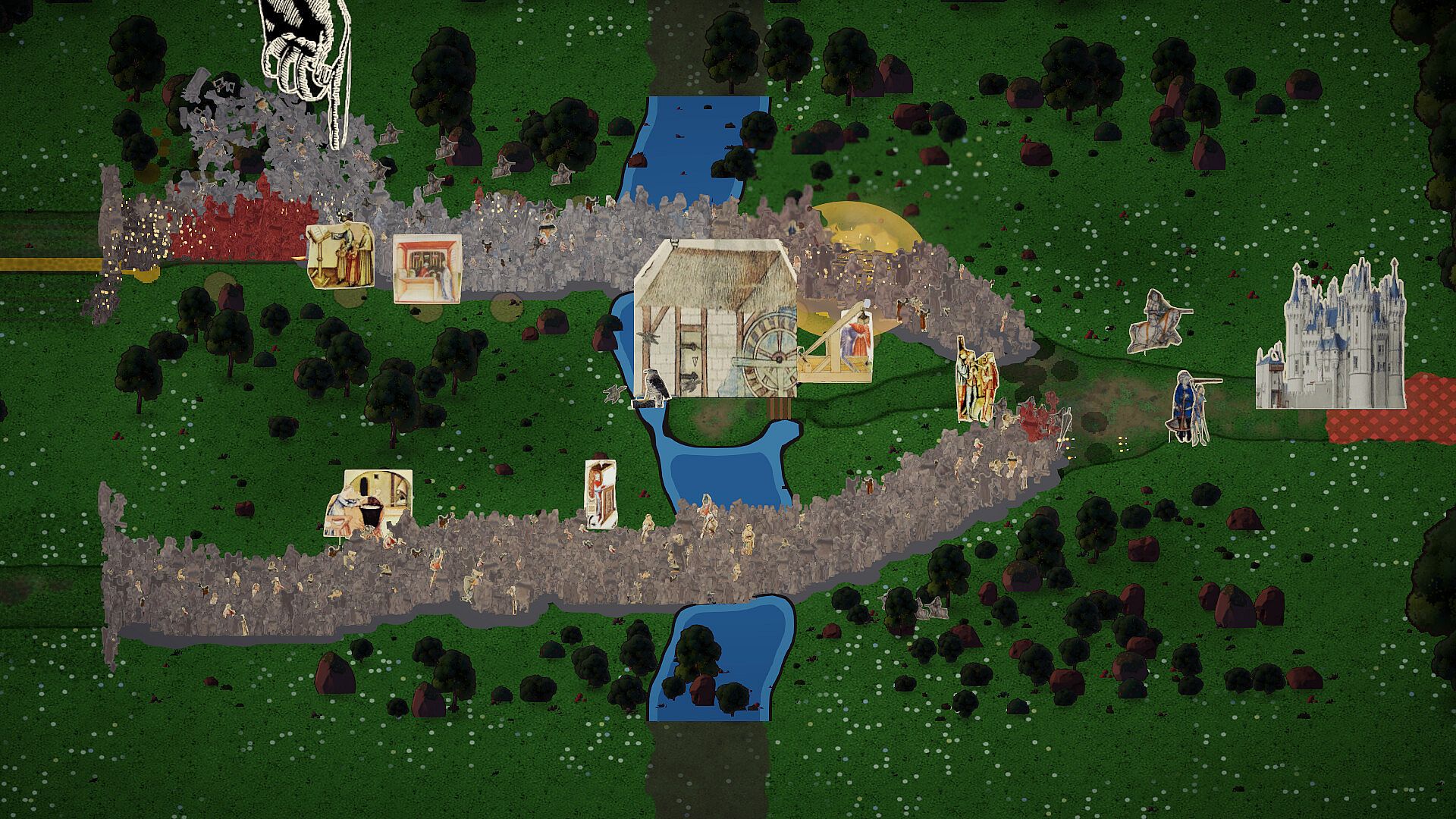



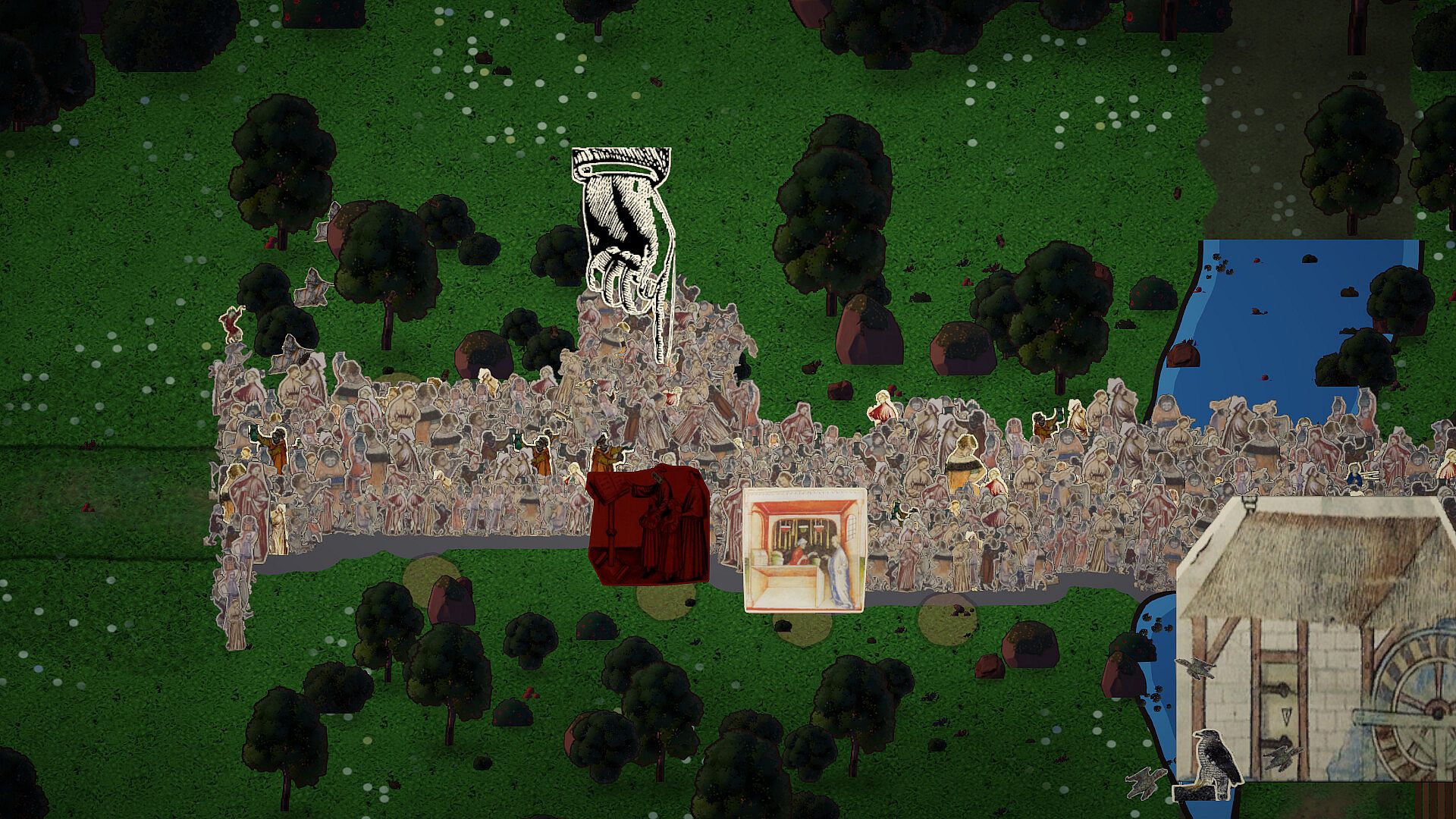

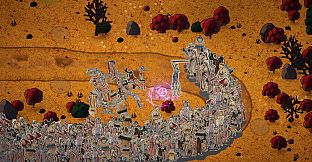

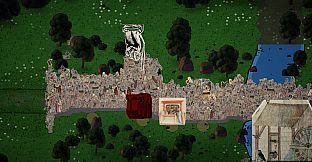
The Peasants Are Coming! is a casual indie simulation game for PC where players assume the role of nobility fending off massive waves of peasants advancing on their lands. The core experience centers on managing defenses along a road while choosing between direct confrontation and subtler methods to disperse the crowds before they reach key structures like the treasury, chapel, or gate.
Gameplay
Players interact with the advancing mobs by grabbing and tossing individual peasants or groups back up the road. Upgrades increase the number that can be handled at once. Peasants dropped into a recruiting pen become recruits that operate defensive pieces. Towers placed along the path include ballistae that fire bolts, trebuchets that launch milk casks, boiling oil dispensers, and knights' sallies that send fighters into the crowd. Entering any tower manually increases its firing rate and impact. Non-combat options such as bread and circus setups draw peasants away with music, broadsheet presses cause some to stop and read before leaving, gallows prompt the crowd to disperse, and additional structures like the pulpit, tax booth, milk house, and rumor monger provide further dispersal tools.
Lord's powers add another layer with cavalry charges, bribes that rain purses, and royal decrees that halt the advance for listening. Between waves, players select one of the Lord's Favors to strengthen pieces, enlarge the purse, or reinforce the gate. Each mob features ringleaders with targeted goals, such as the preacher heading for the weakest point or the baker advancing toward the grain. Eliminating a ringleader scatters its band. Defending priorities matter because losing the treasury removes half the takings, losing the chapel weakens the gate by a quarter, and losing the gate ends the battle.
Game Modes
The game operates as a single-player wave defense simulation. Successive waves of peasants test ongoing management of the road, towers, and dispersal options. Between waves the choice of Lord's Favors shapes the next phase, creating a loop of preparation, execution, and adaptation. The focus remains on protecting the gate while balancing resource gains against structural risks.
Defense Choices and Progression
Progression builds through repeated wave encounters where upgrades and favors accumulate advantages. Players decide when to engage directly with towers and manual control versus relying on passive structures and powers. Breaking ringleaders disrupts specific threats, while the recruiting pen turns captured peasants into assets. The system rewards mixing aggressive tossing, tower placement, and non-violent distractions to handle the volume of incoming mobs.
Is It Worth Playing?
This single-player experience suits players who enjoy casual simulation combined with light tower defense mechanics in a humorous medieval setting. The verified mechanics emphasize creative defense layering and wave management without requiring complex strategy. With its planned release approaching and no user reviews available yet, those drawn to indie simulation titles focused on crowd control and incremental upgrades will find the described systems align with that preference. The comedic tone and variety of options make it a straightforward choice for short sessions or longer defensive runs.