




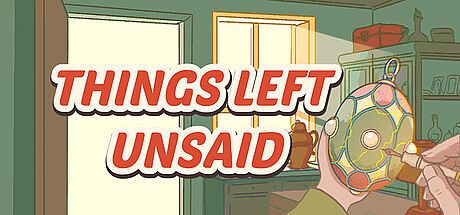


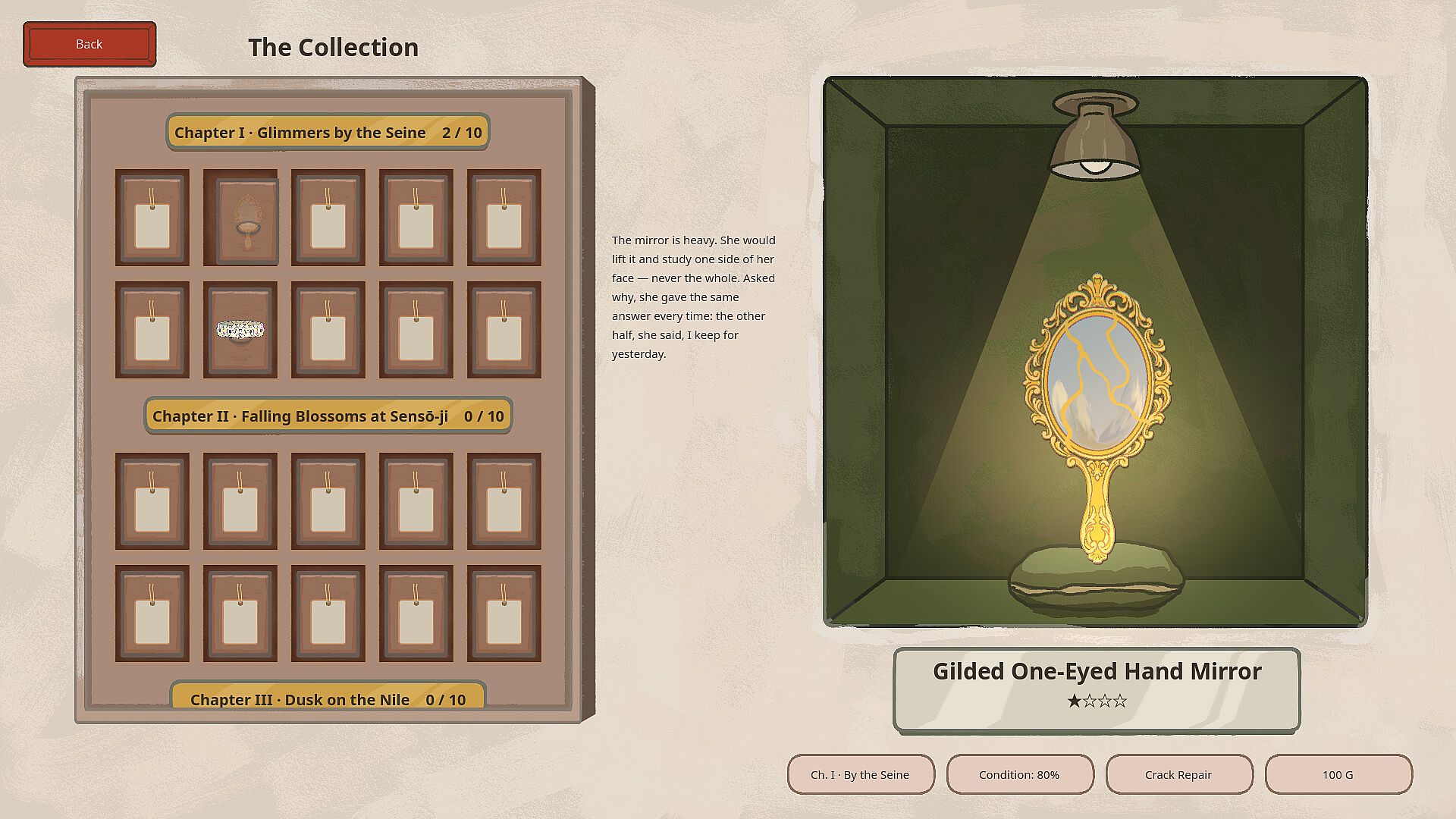

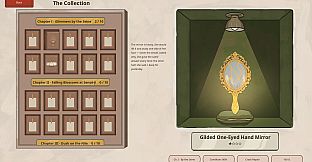
Things Left Unsaid is an indie casual simulation game set on PC that places players in the role of a quiet restorer working in a dusty antique shop. The experience centers on bringing forgotten objects back to a presentable state and then finding the right buyer through measured conversation. Forty antiques appear across four chapters that touch on different aspects of craft and culture, each one carrying its own short, quiet story once the work is complete.
Gameplay
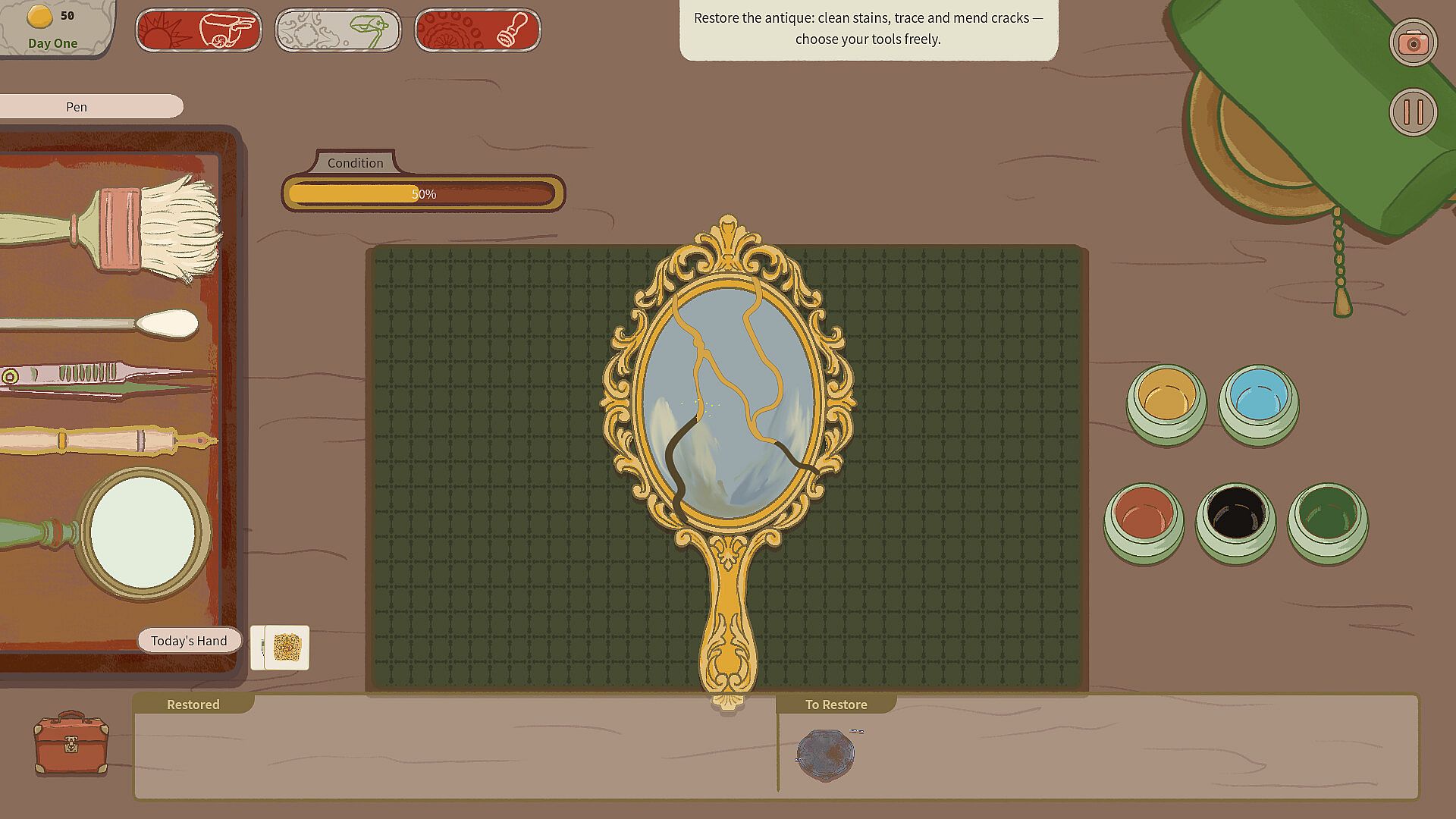
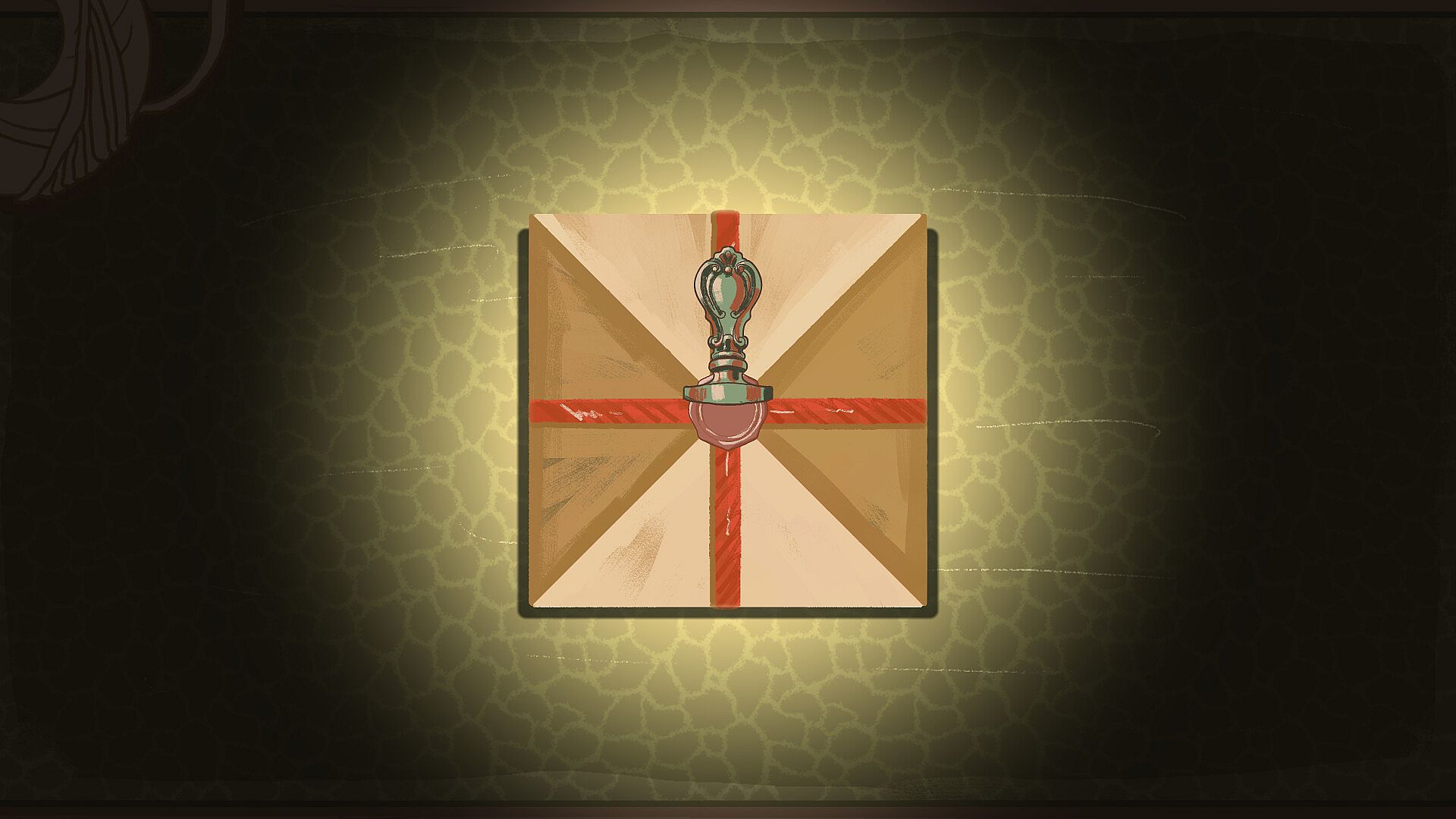
Restoration forms the heart of daily activity. Five hand-crafted tools handle every step of the process. A brush sweeps away surface grime, a cotton swab applies solution to loosen rust, tweezers align broken fragments, a gold lacquer pen seals cracks, and a magnifying glass reveals finer details hidden beneath layers of age. Each tool produces its own distinct sound and tactile response, turning the workbench into a focused, deliberate ritual that rewards patience and attention to the small details.
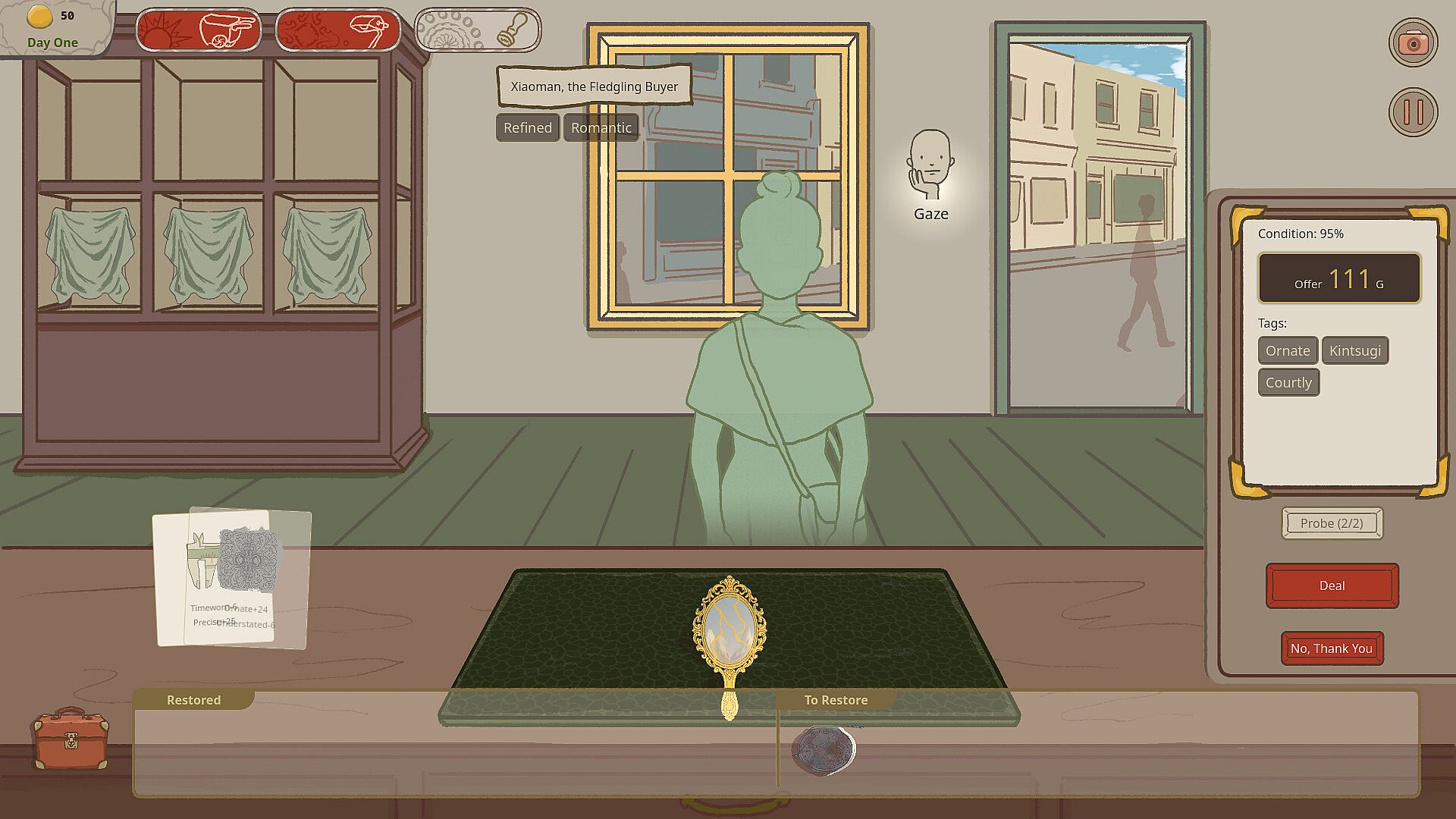
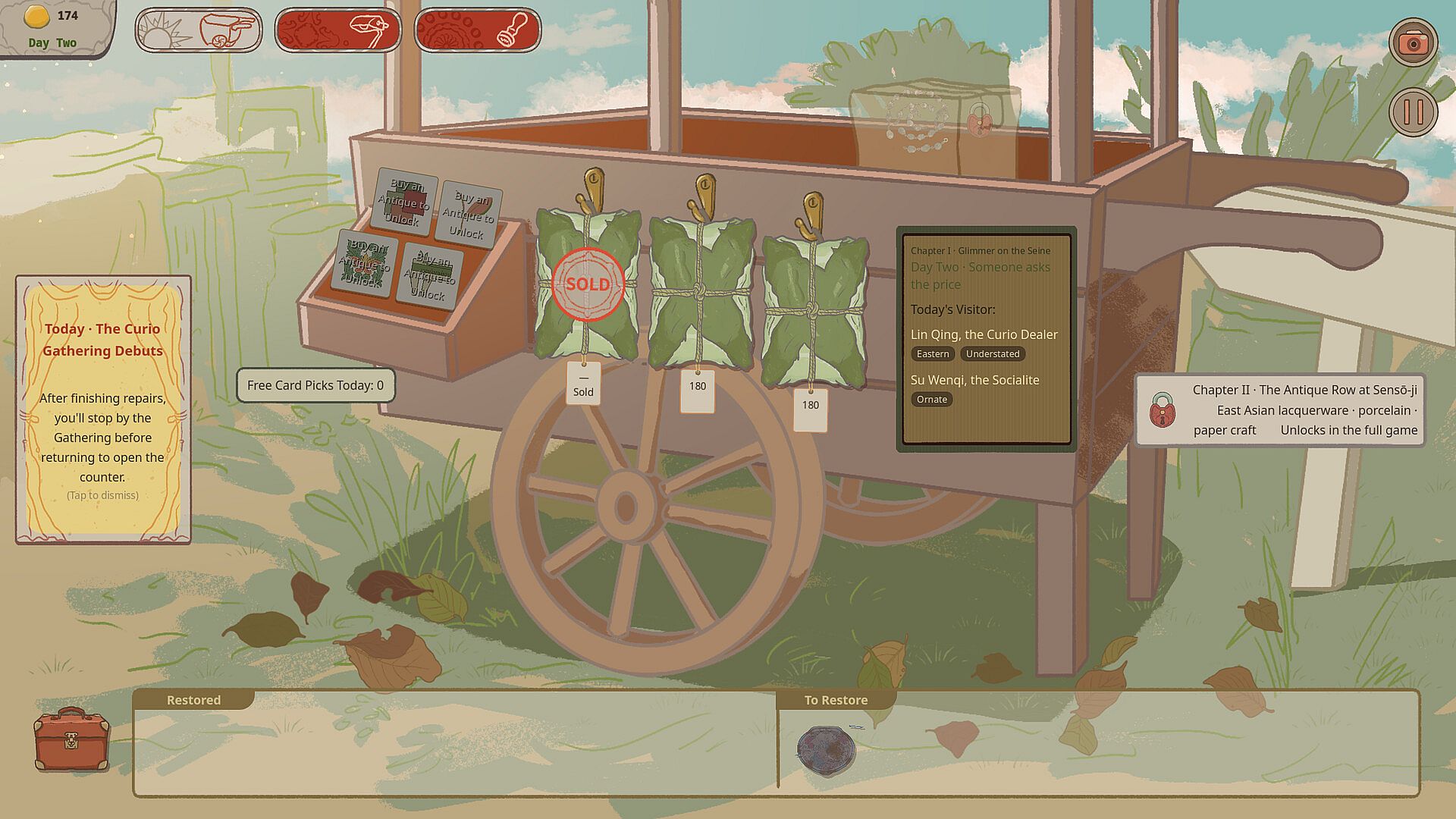
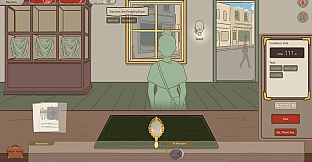
Once an item is restored it moves to the counter for negotiation. Collectors arrive with varied temperaments. Some press hard on price, others pay readily when an object stirs a memory. Nine distinct emotional cues appear during these exchanges, and players select from a set of cards to steer the conversation toward an outcome that feels fair. The goal is not maximum profit but a price that matches the piece and the moment.
Sound design supports every action. Close-mic recordings capture the rasp of bristles, the click of metal implements, and the slow pull of wax as it melts and sets. Headphones bring these layered effects forward, making the shop feel inhabited even when no one else is present. The game supports full localization in English and Simplified Chinese.
Game Modes
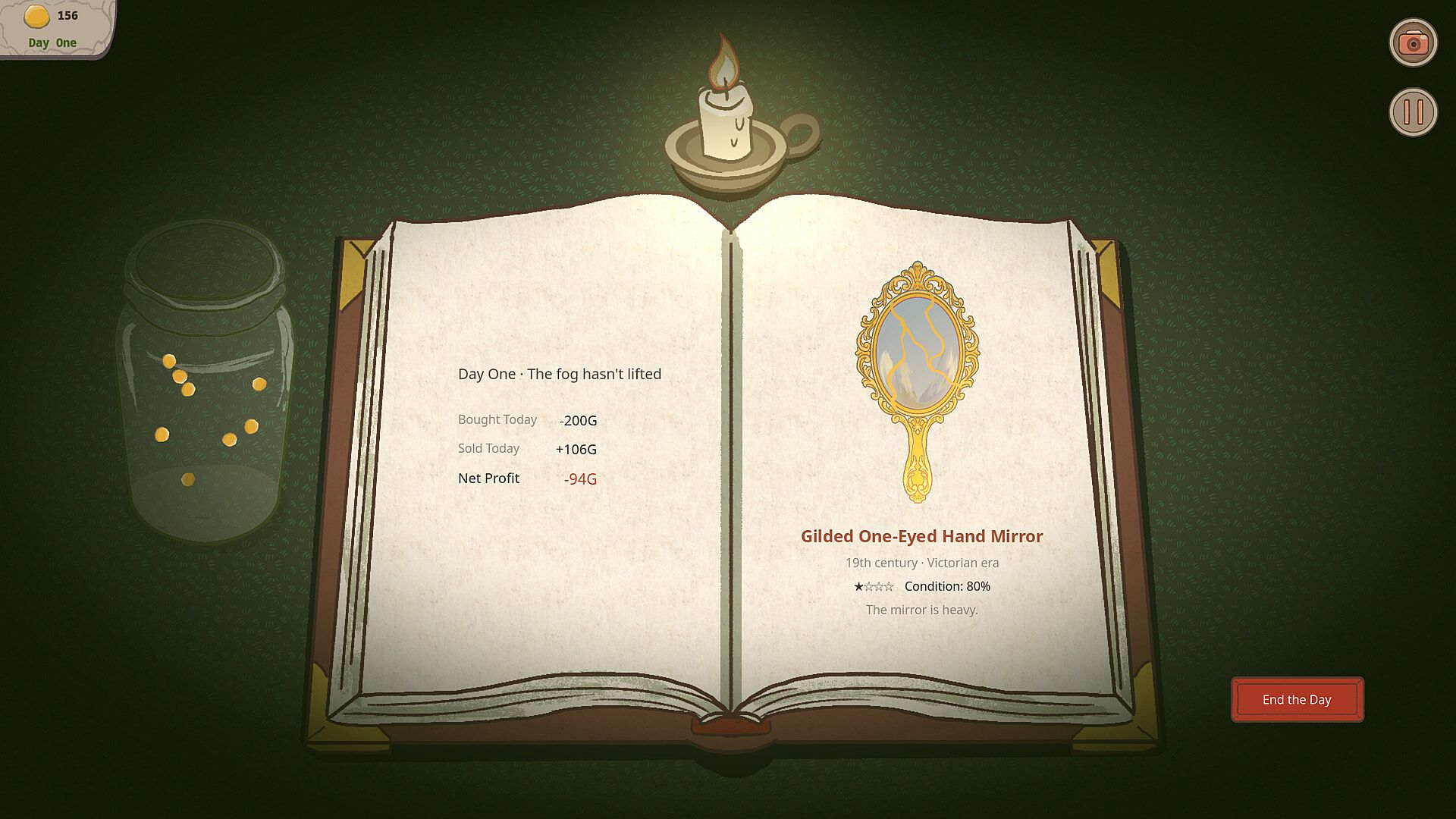
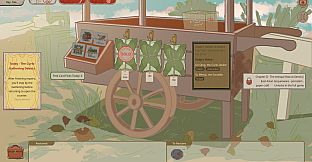
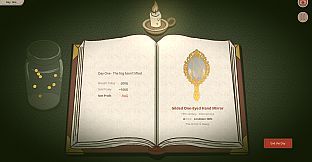
Things Left Unsaid offers a single-player experience built around a repeating daily loop. Players source new pieces from the flea market, perform restoration work at the workbench, and close each day by recording earnings in an evening ledger. Progress unfolds across four chapters that introduce new antiques and refine the negotiation challenges. There are no separate competitive or cooperative modes; the focus remains on the quiet rhythm of repair and sale within this contained shop setting.
Core Mechanics and Progression
Each of the forty antiques requires a unique sequence of tool applications. Some pieces demand careful fragment alignment before lacquer can be applied, while others reveal hidden inscriptions only after prolonged magnification. The negotiation phase adds a light card layer that rewards reading the collector's mood rather than forcing a single aggressive path. Stories attached to completed items emerge naturally once the work ends, giving each restored object a brief personal history without interrupting the flow of shop life.
Chapters advance the range of items and the complexity of buyer interactions. Early work focuses on basic cleaning and simple repairs, while later stages introduce more delicate materials and collectors with layered emotional signals. The ledger ritual at the end of each day provides a simple record of progress and encourages reflection on choices made during negotiations.
Is It Worth Playing?
Things Left Unsaid suits players who enjoy methodical, low-pressure simulation tasks and the satisfaction of transforming worn objects through careful, repeated actions. The emphasis on sound and the steady pace of restoration create a meditative loop that rewards focus over speed. Those drawn to casual indie titles centered on craft, quiet storytelling, and measured social exchanges will find a consistent experience across the four chapters. The game remains a contained single-player title with no additional modes or ongoing seasonal content confirmed at this time, making it a straightforward choice for anyone seeking a deliberate, hands-on restoration simulation on PC.











