

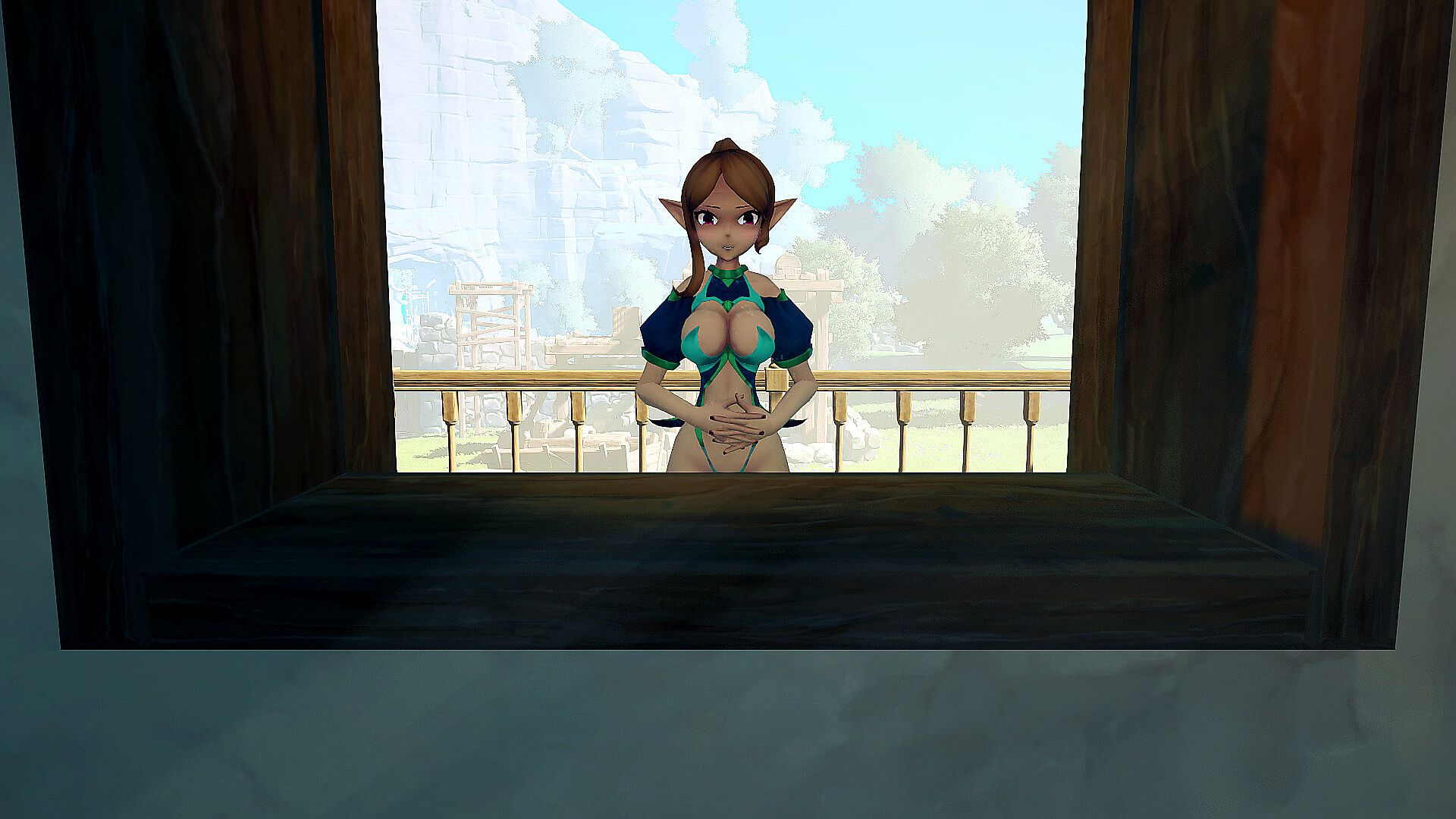


Tiny Forge is an indie simulation game that puts players in the role of a first-person fantasy blacksmith on PC. The core experience centers on crafting weapons by hand in a stylized workshop, then seeing those creations tested in combat against invading monsters. This single-player title blends detailed crafting mechanics with strategic consequences, as the quality of each forged item directly influences outcomes in daily battles.
Gameplay
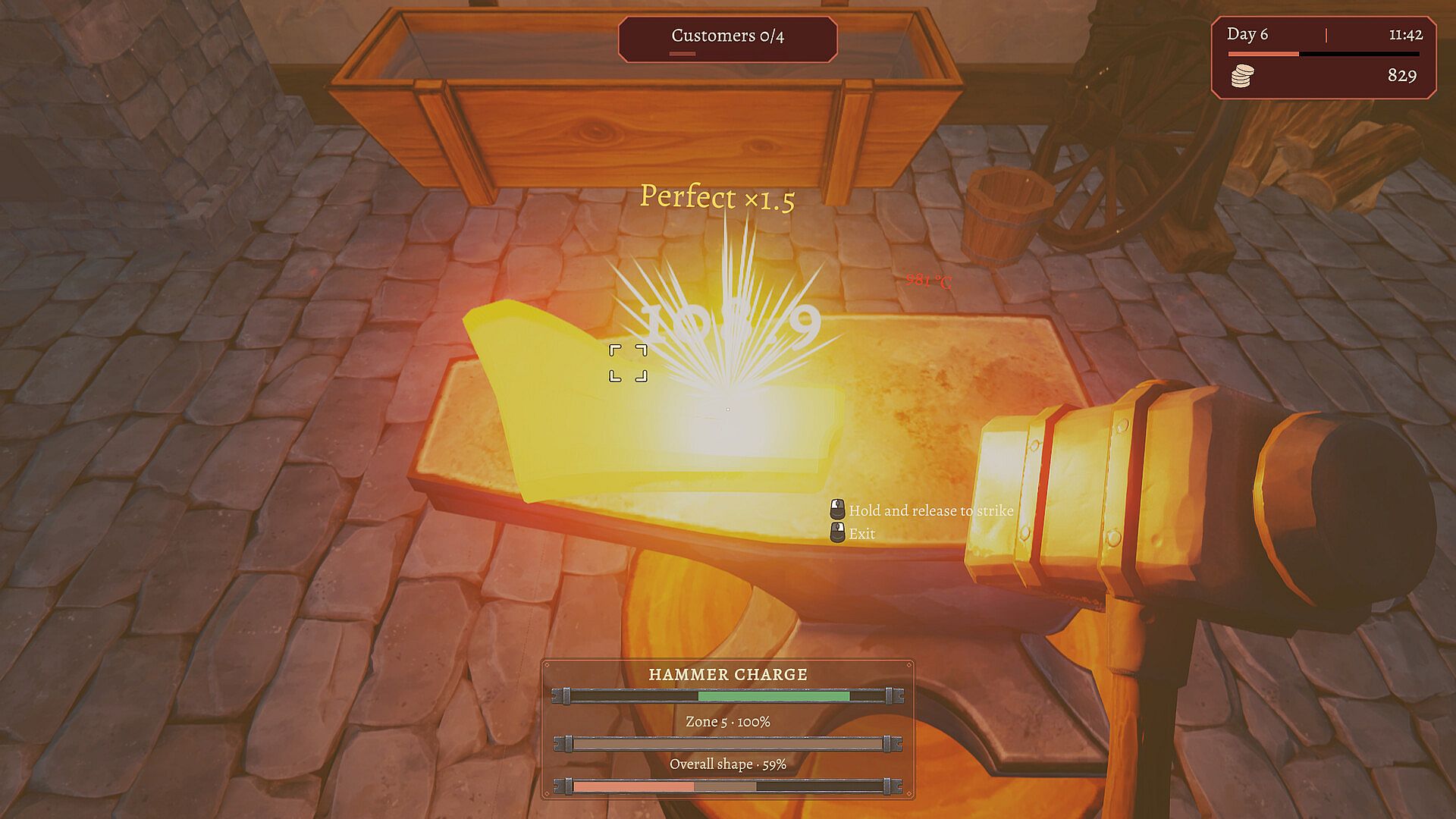
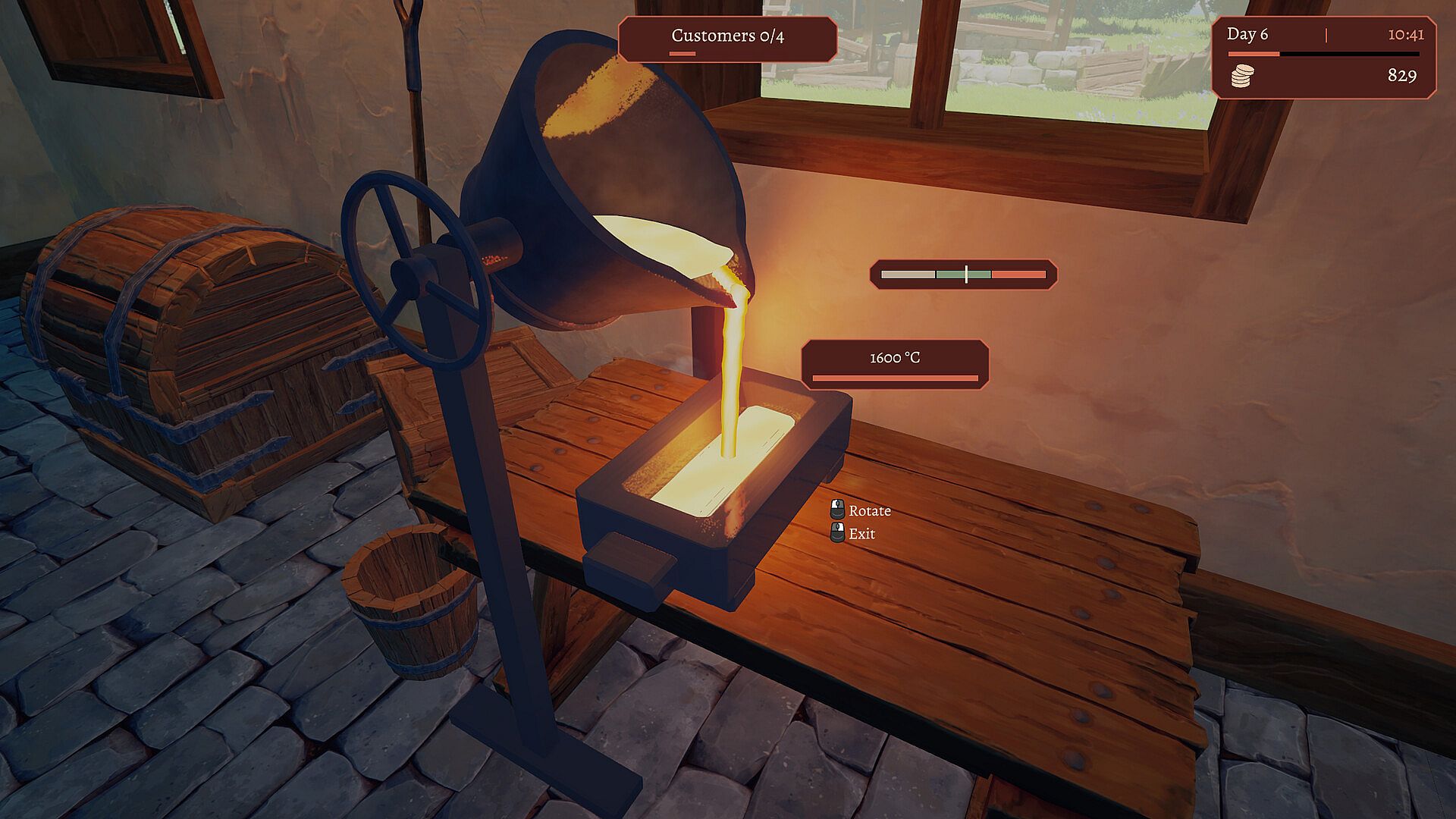
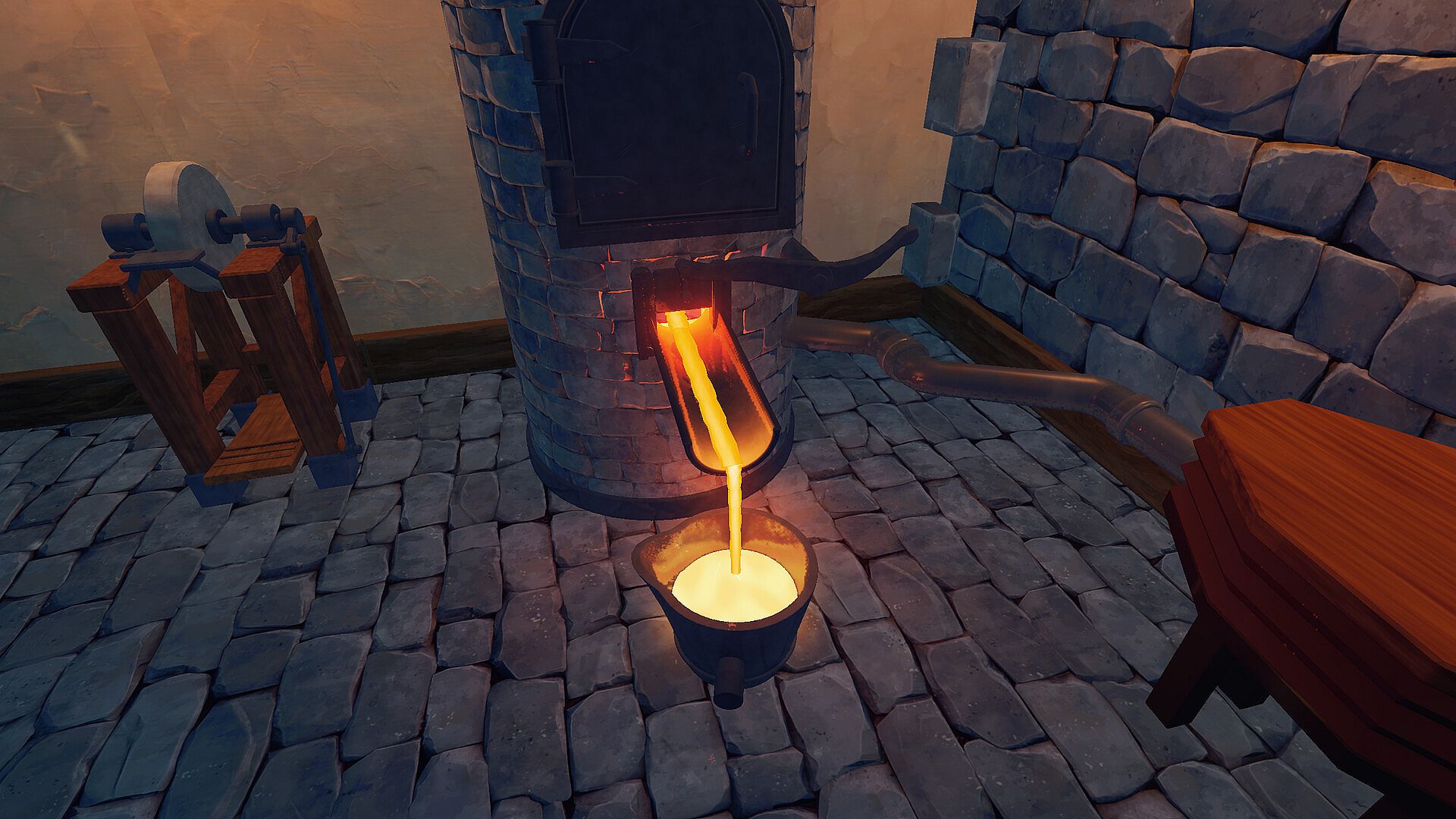
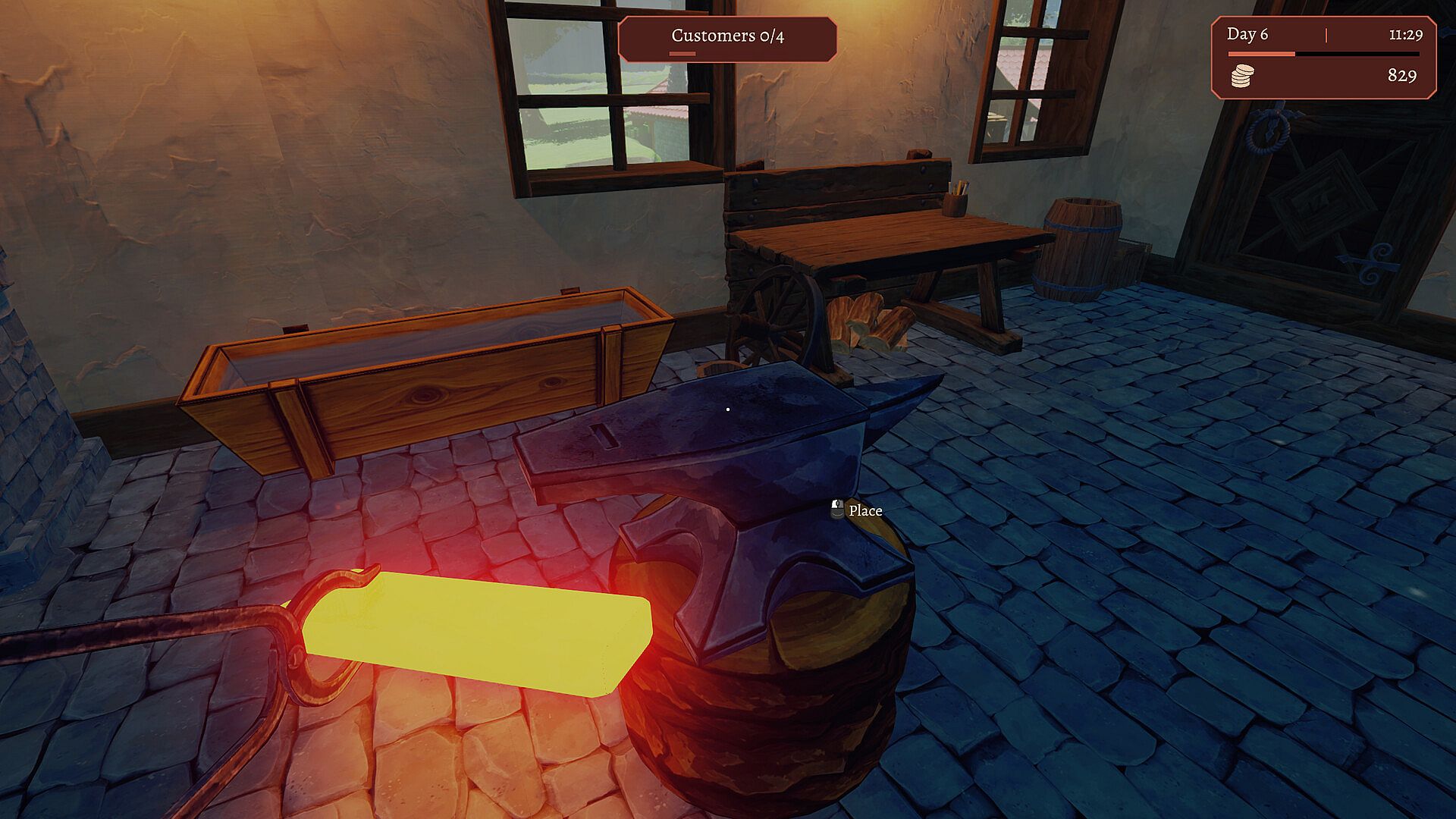
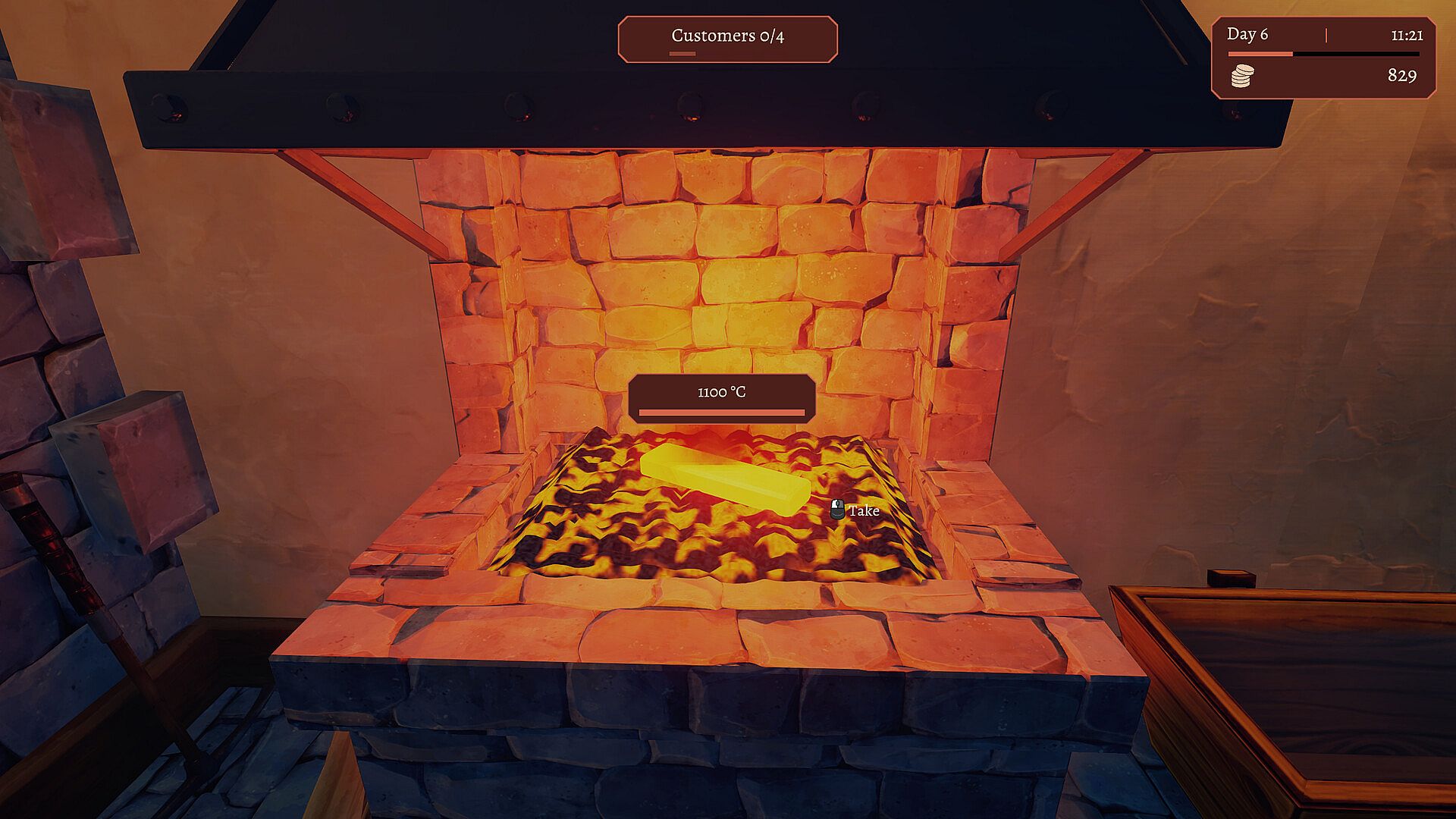
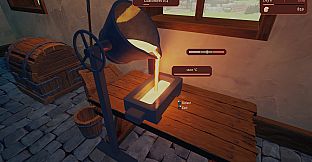
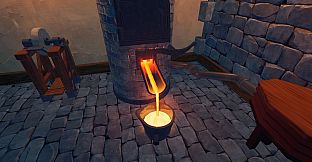
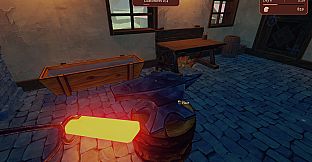
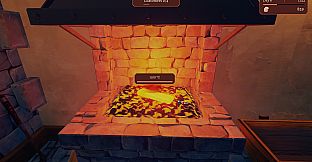
The gameplay loop begins with gathering and processing raw materials. Players smelt ore, pour molten metal into molds, and shape glowing ingots on the anvil through direct tool use. Each step requires precise actions, from initial hammer strikes to quenching the steel, sharpening edges, and assembling final components like hilts or guards. Swords and axes form the main focus, with every stage handled manually in first-person view for a tactile feel.
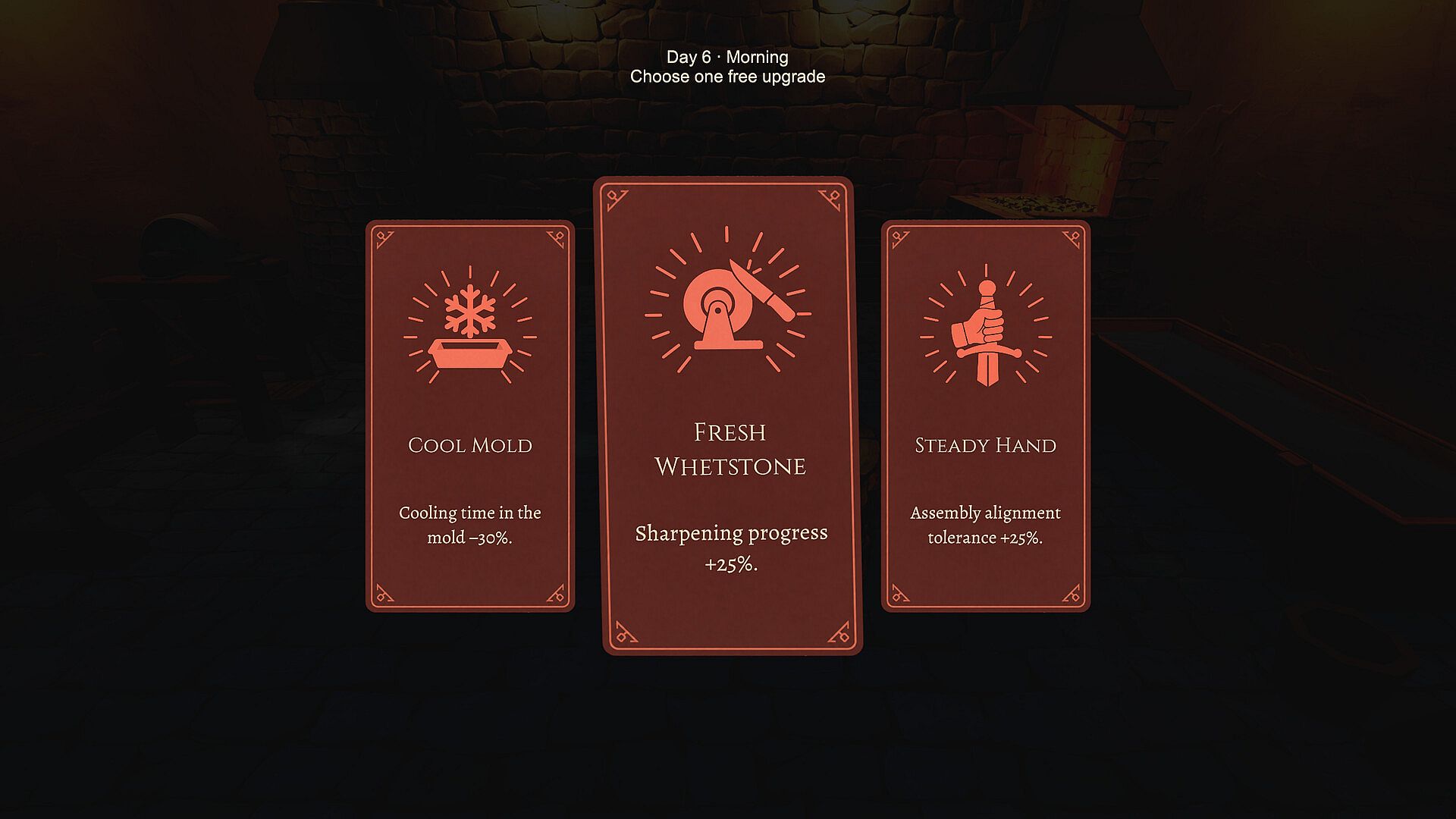
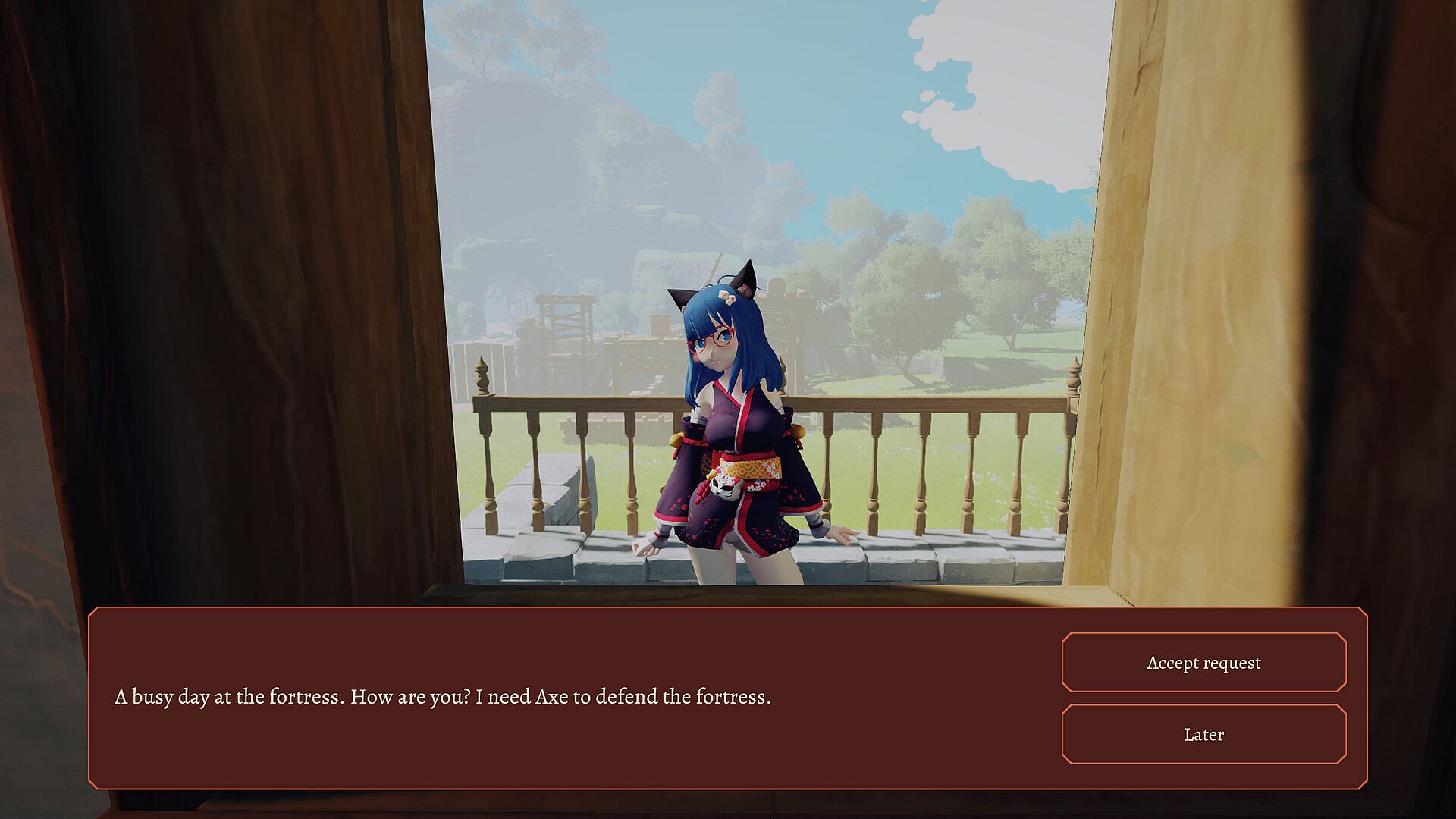
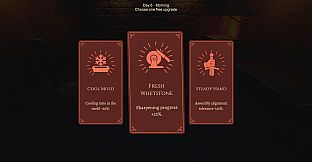
Orders from fantasy warrior customers provide specific requests that reward coins upon completion. These earnings fund improvements through a skill tree that enhances crafting efficiency and unlocks new techniques. As days progress, demands increase, pushing players to refine their methods while managing resources carefully. The process emphasizes hands-on control rather than automation, making each weapon feel unique based on execution.
Game Modes
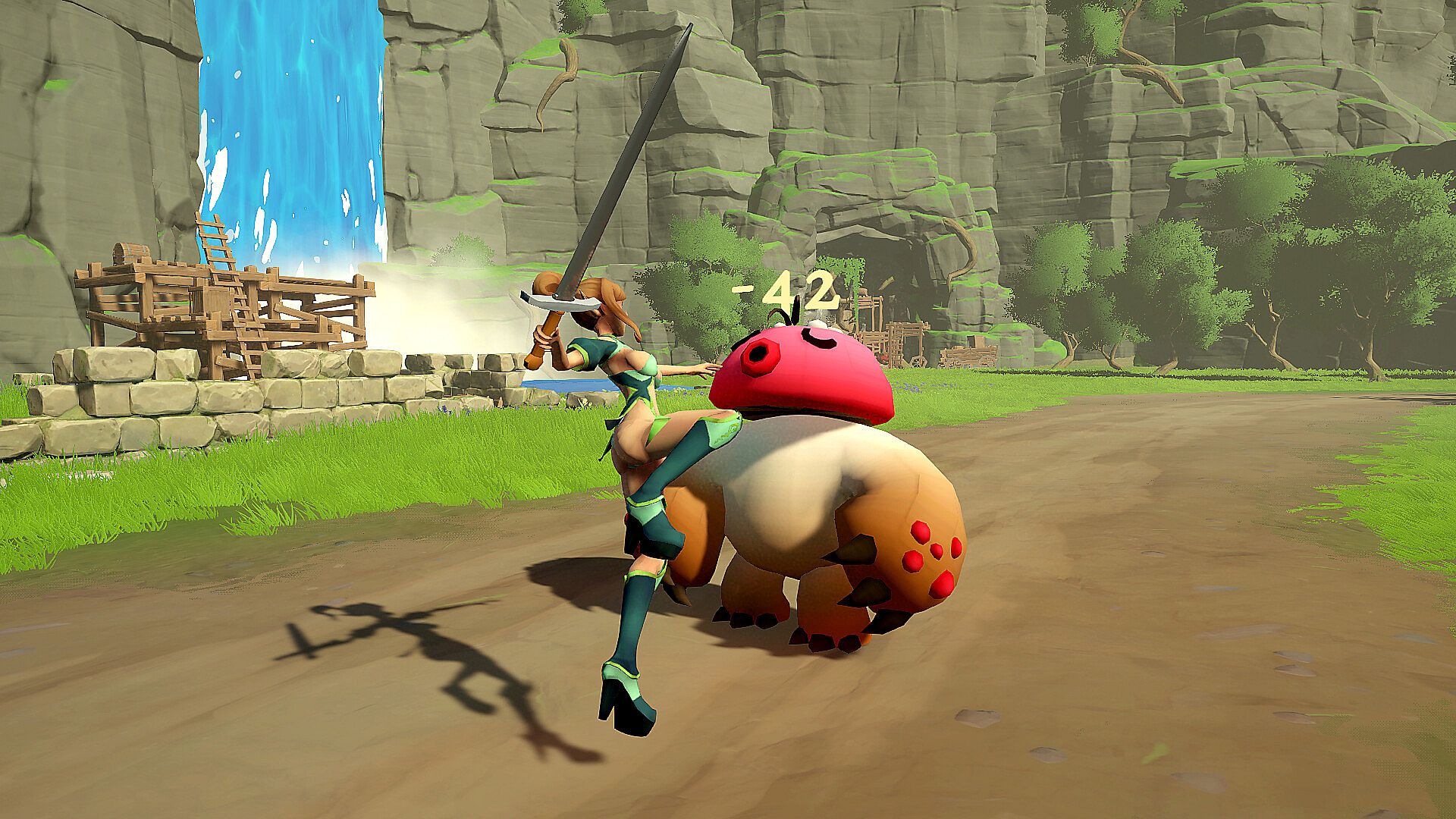
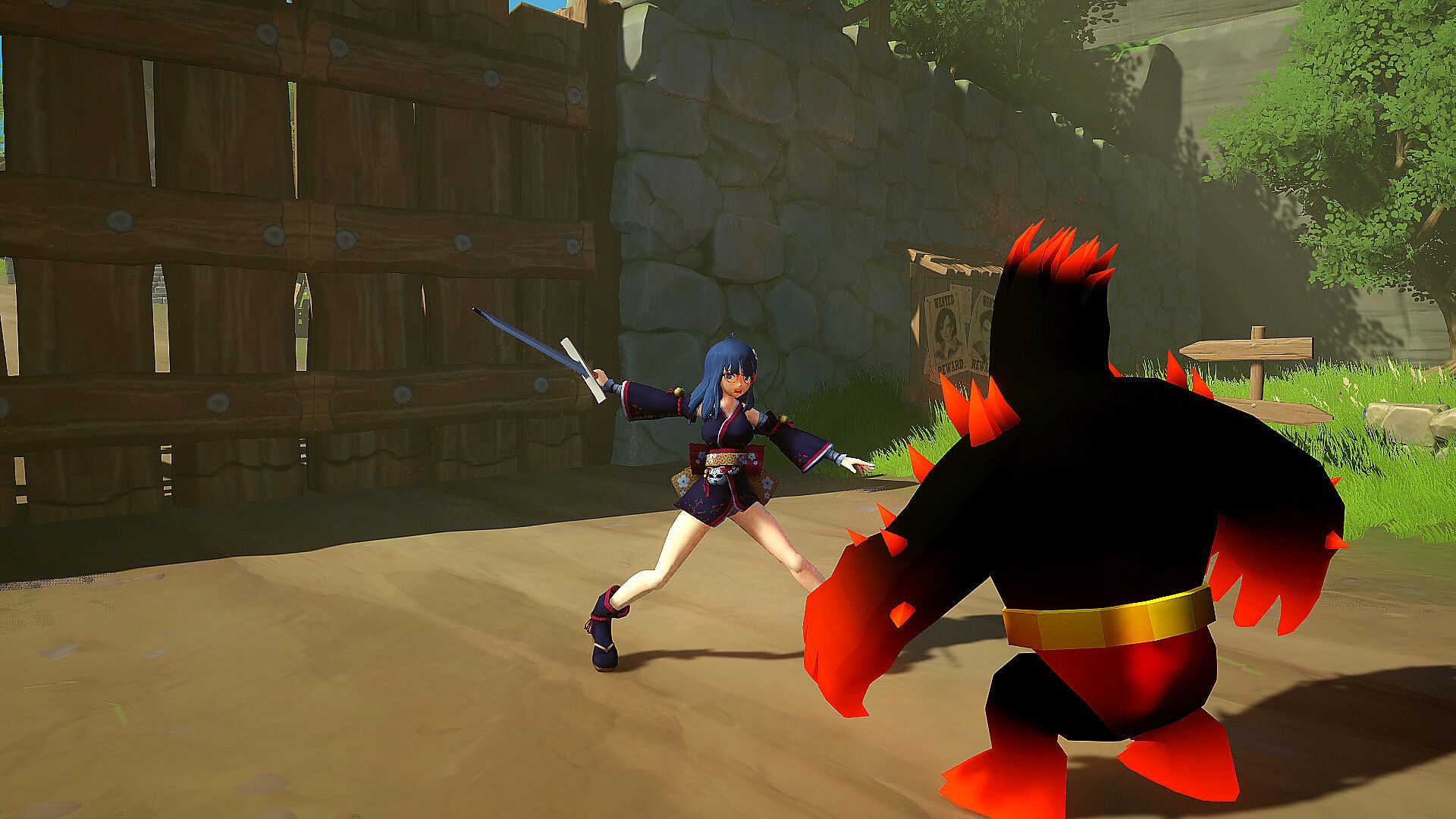
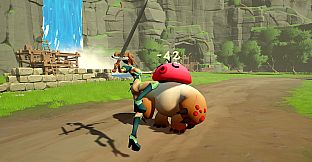
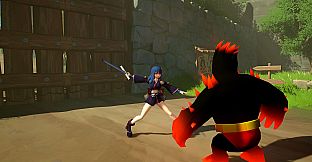
Tiny Forge operates as a single-player experience without separate multiplayer options or named variants. The primary structure revolves around sequential days in the workshop, where crafting sessions lead into evening monster raids. These raids unfold as turn-based battles involving equipped warriors, with weapon durability and quality determining success or failure.
Progression ties directly to this cycle. Successful deliveries and battle outcomes generate coins for skill unlocks, while repeated defeats accumulate toward an end condition. Three losses at the gate conclude the run, encouraging careful preparation each day. No additional modes such as endless survival or competitive elements appear in the confirmed details.
Core Mechanics and Progression
Weapon creation follows a clear sequence from raw ore to finished product, with each tool interaction contributing to the final result. Customers arrive with requests that test versatility across different blade types and finishes. The skill tree supports gradual mastery, allowing players to tackle more complex orders as expertise grows.
Battle integration adds weight to crafting decisions. Warriors use the delivered weapons in turn-based encounters against monsters, where poor construction can lead to losses. This feedback loop reinforces the importance of thorough work, from smelting temperatures to final polishing. The stylized fantasy setting keeps focus on the workshop and immediate threats beyond the gate.
Is It Worth Playing?
Tiny Forge suits players who enjoy detailed crafting simulations combined with light strategic oversight. The hands-on blacksmithing provides satisfying progression through manual processes and skill development, while the daily battle outcomes create meaningful stakes without overwhelming complexity. As a single-player indie title set for release on PC, it appeals to those seeking a focused experience around weapon forging and its consequences.
With no user reviews available prior to launch, expectations rest on the described systems of ore-to-weapon crafting, order fulfillment, and turn-based raids. Those drawn to simulation games with tangible results from their efforts will likely find the loop engaging, particularly if they appreciate first-person tool handling and incremental skill growth. The gate defense mechanic adds tension that rewards consistent performance across multiple days.