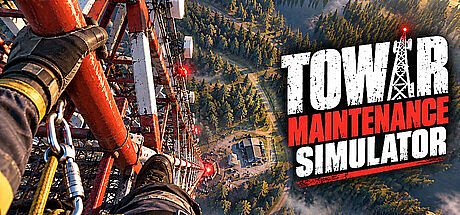


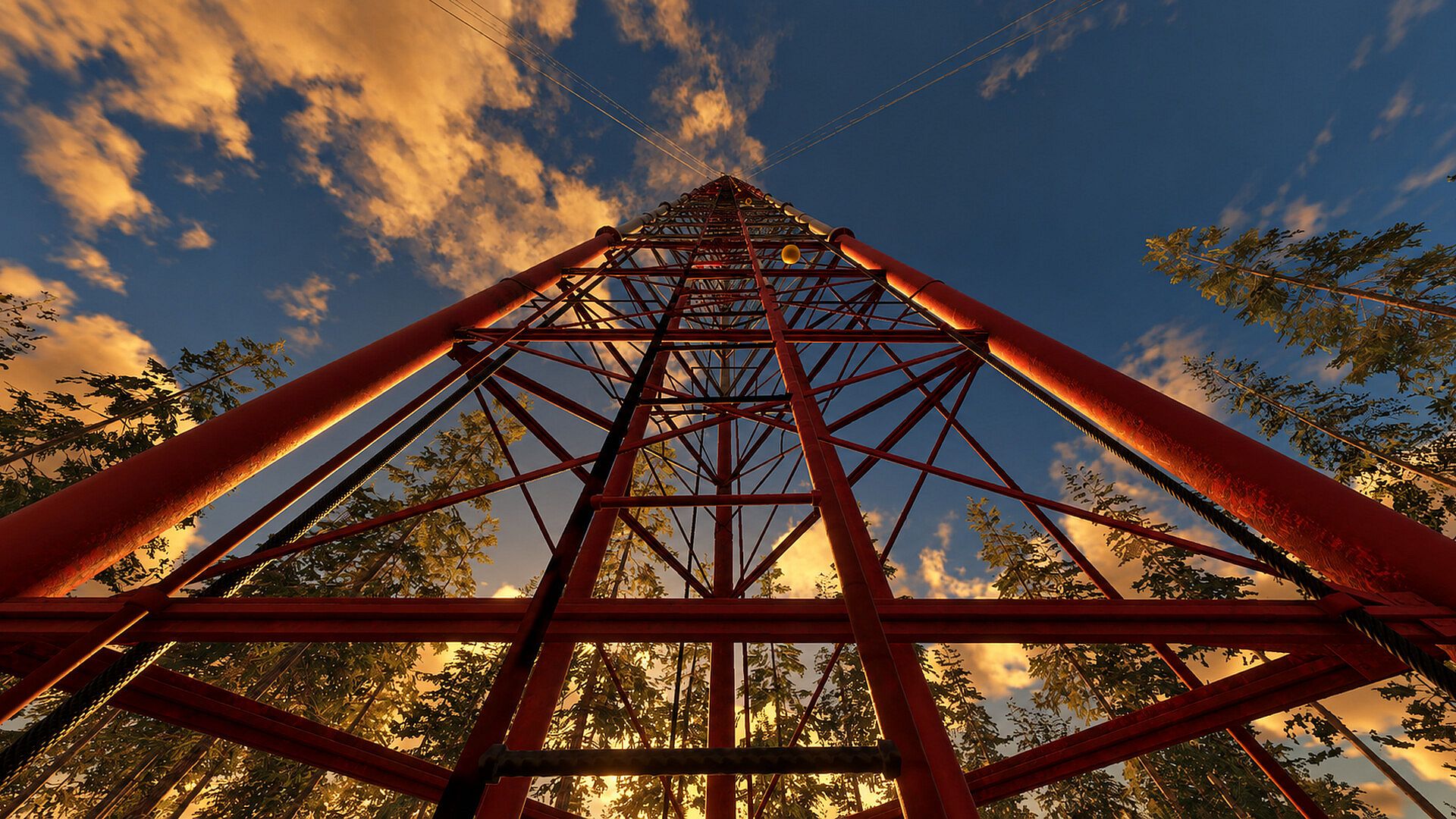
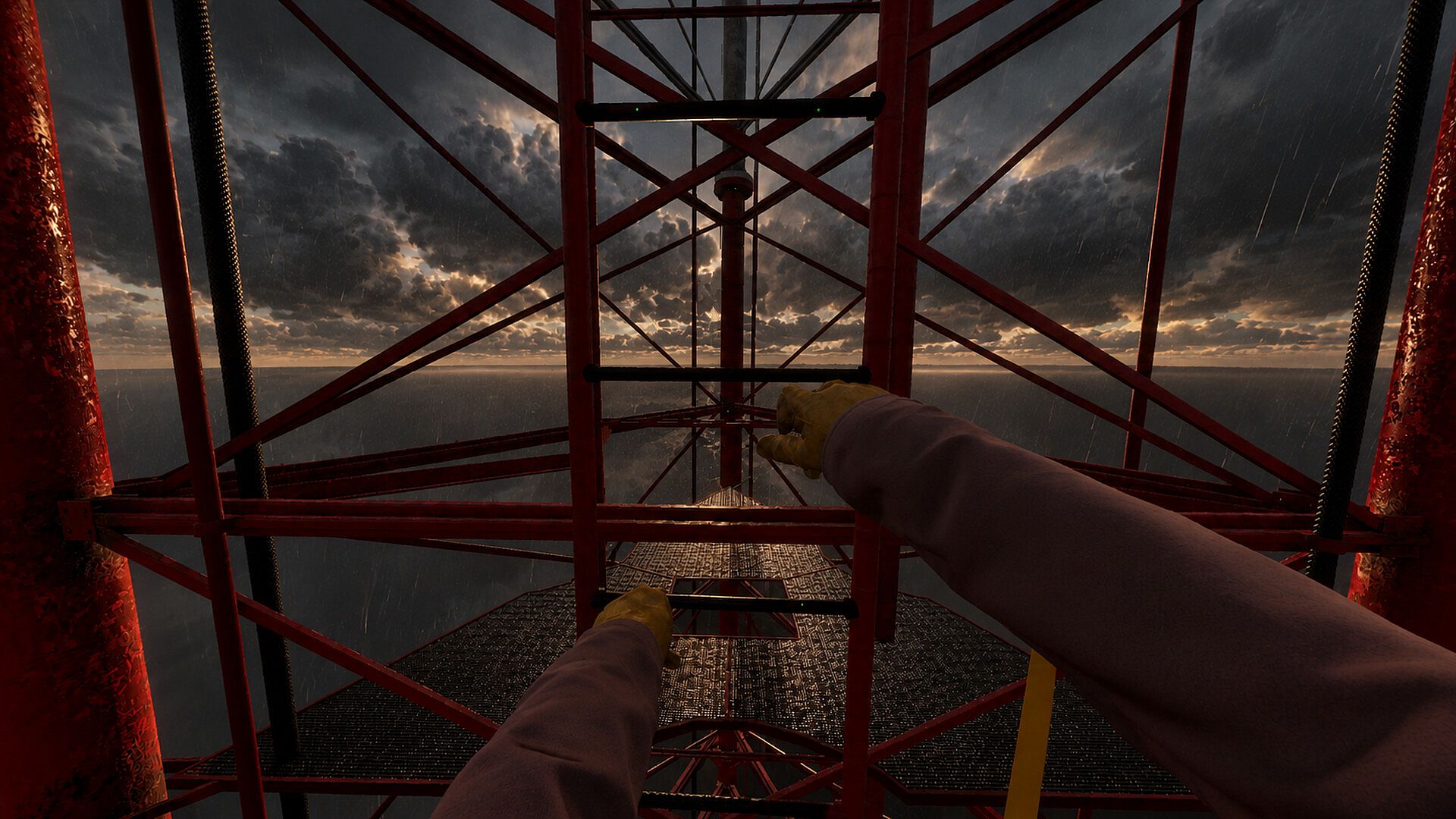
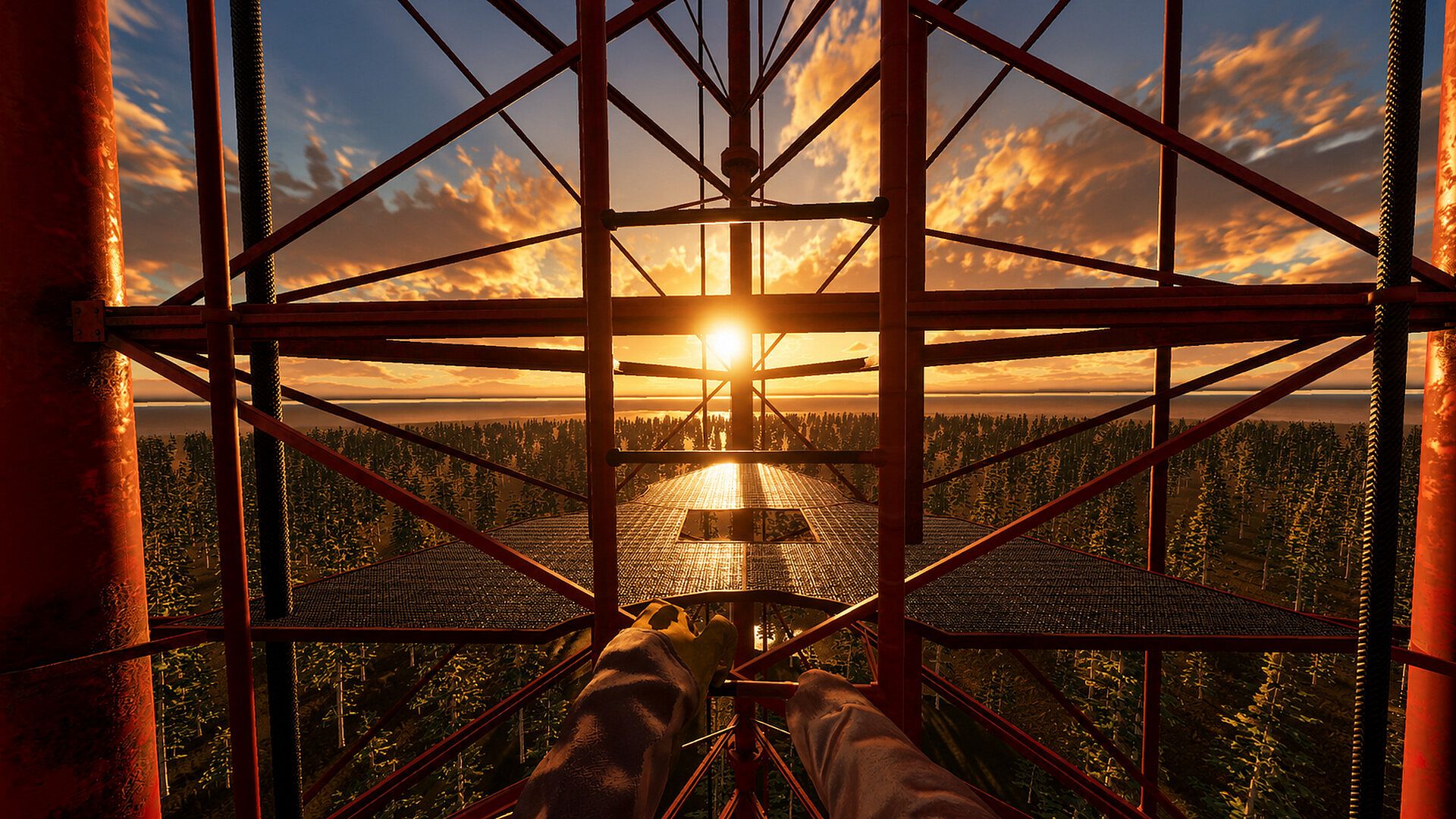
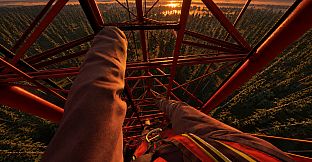
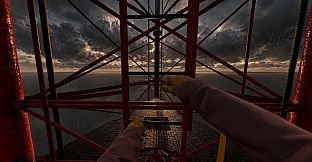
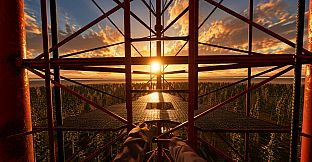
Tower Maintenance Simulator is a first-person simulation game that places players in the role of a communications tower technician. Developed as an indie casual simulation title for PC, it emphasizes realistic procedures for climbing tall structures and performing maintenance work hundreds of meters in the air. The core experience revolves around preparing for each assignment, ascending carefully, diagnosing issues, and completing repairs without the safety net of quick menus or unlimited resources.
Gameplay
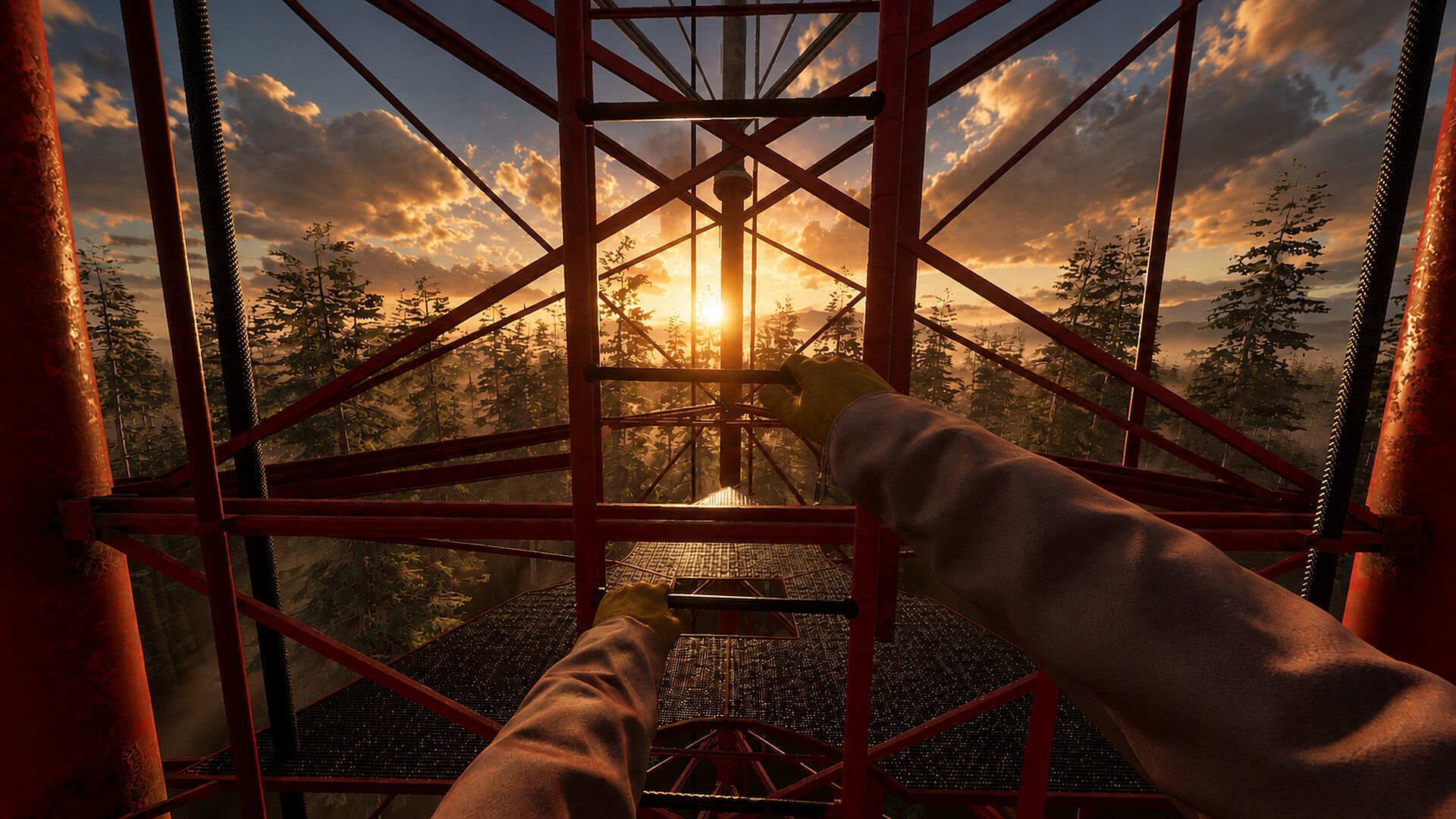
Every assignment begins at ground level with a work order. Players inspect the tower structure and select the specific tools needed for the job from the service vehicle. Once the climb starts, the choice of equipment becomes permanent because returning to the van is not practical. Movement relies on physical controls for gripping holds, securing the harness with carabiners, and advancing one section at a time while managing the weight and placement of tools attached to the harness.
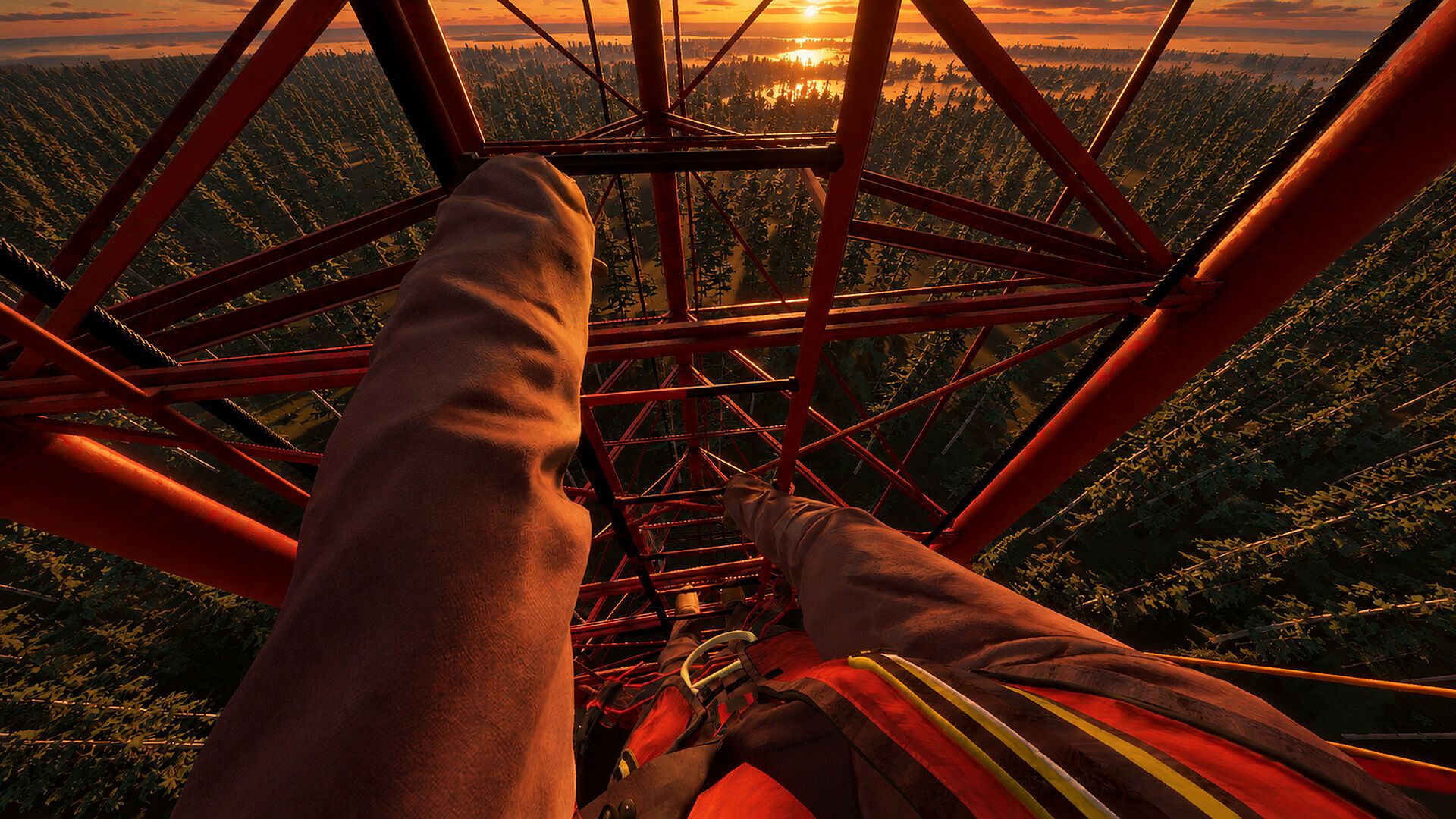
At the work site high above the ground, the focus shifts to hands-on diagnostics and repairs. Tasks include testing circuits with a multimeter, opening enclosures, replacing faulty components, tightening connections, and fixing obstruction lights. Tools function as physical objects that must be held, positioned, or tethered to prevent drops that could send them hundreds of meters to the ground below. Safety equipment such as the harness and carabiners must remain properly attached throughout the job.
Environmental conditions add another layer of challenge. Wind, rain, fog, and approaching storms can alter the tower's stability and visibility, forcing adjustments to grip, balance, and pacing. The structure itself creaks and shifts under these forces, while the ground view fades into clouds at extreme heights. All actions occur in an immersive first-person view with realistic movement, sound design, and camera behavior that conveys the scale and tension of working at altitude.
Game Modes
Tower Maintenance Simulator centers on a series of individual maintenance jobs rather than separate named modes. Each job follows the same structured loop of preparation, ascent, on-site work, and descent, with variations driven by the specific faults encountered and the prevailing weather. There are no multiplayer options or competitive elements described, keeping the focus on solitary, methodical simulation gameplay suited to players who enjoy deliberate pacing and attention to detail.
Key Mechanics and Features
The simulation highlights physical tool management without inventory abstractions. Ratchets, screwdrivers, pliers, multimeters, and torque wrenches must be carried or tethered, and losing one mid-job carries real consequences. Safety protocols require constant attention to harness attachment points and carabiner security while moving between work areas on the tower.
Weather systems introduce dynamic risk. Routine calls can escalate quickly when storms approach, affecting grip stability and visibility. The tower's height amplifies every decision, as even small errors in tool handling or positioning become magnified by the distance to the ground. These elements combine to create a consistent emphasis on preparation, caution, and precision across all assignments.
Is It Worth Playing?
Tower Maintenance Simulator appeals to players interested in realistic, hands-on simulation experiences that reward careful planning and steady execution. The emphasis on physical climbing mechanics, tool tethering, and on-site diagnostics sets it apart from more abstracted maintenance games. Those who enjoy methodical single-player sessions focused on technical tasks and environmental awareness will find the core loop engaging.
The game suits individuals comfortable with deliberate pacing and the tension of working at simulated extreme heights. Its indie casual simulation approach avoids fast action in favor of procedural accuracy and consequence-driven choices. Players seeking a focused, atmospheric experience on PC without reliance on multiplayer or frequent updates will find the described systems align well with that preference. Overall, it offers a distinctive niche within the simulation genre for those drawn to the unique combination of climbing and technical repair work.