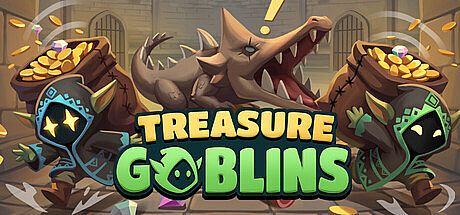


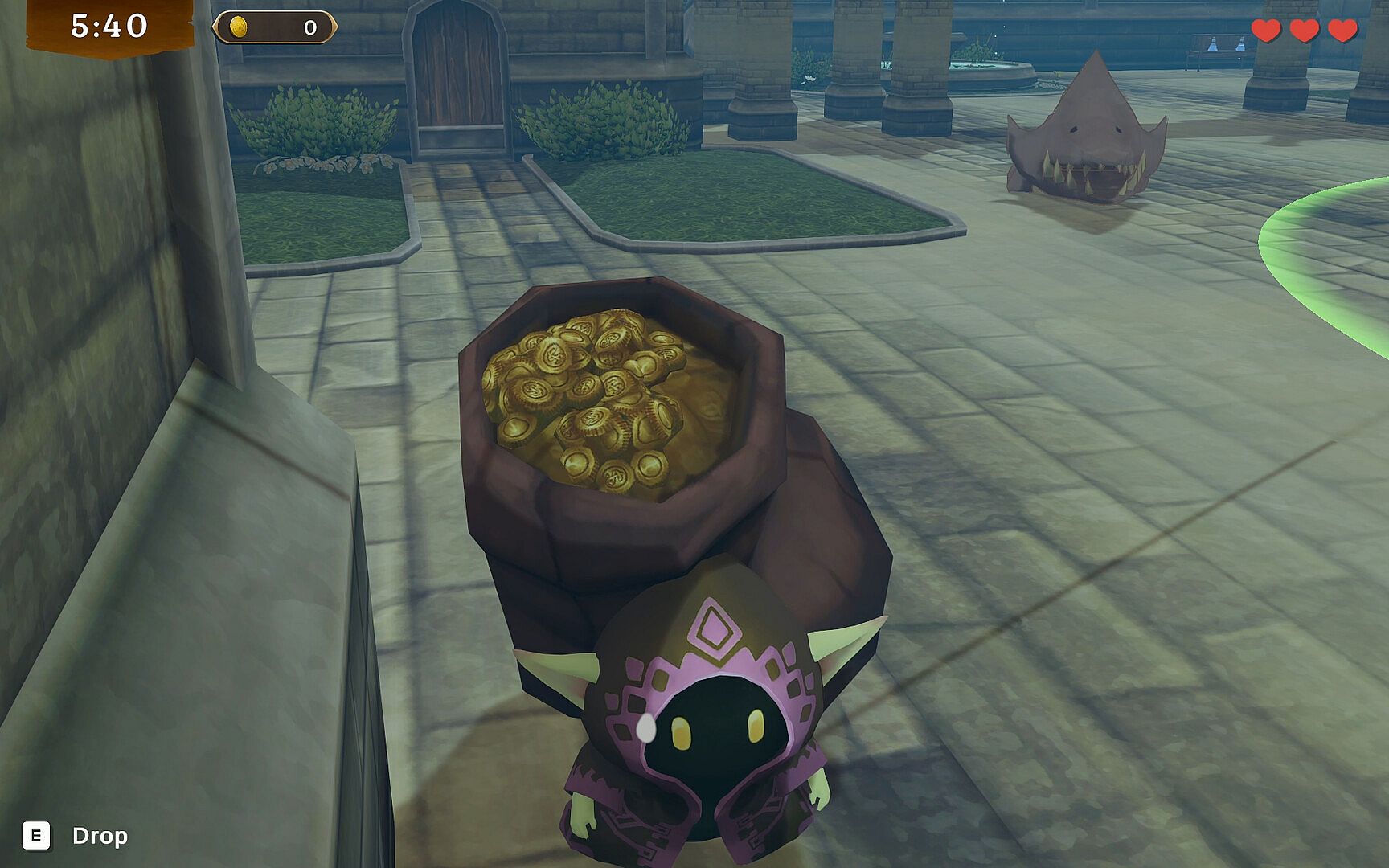
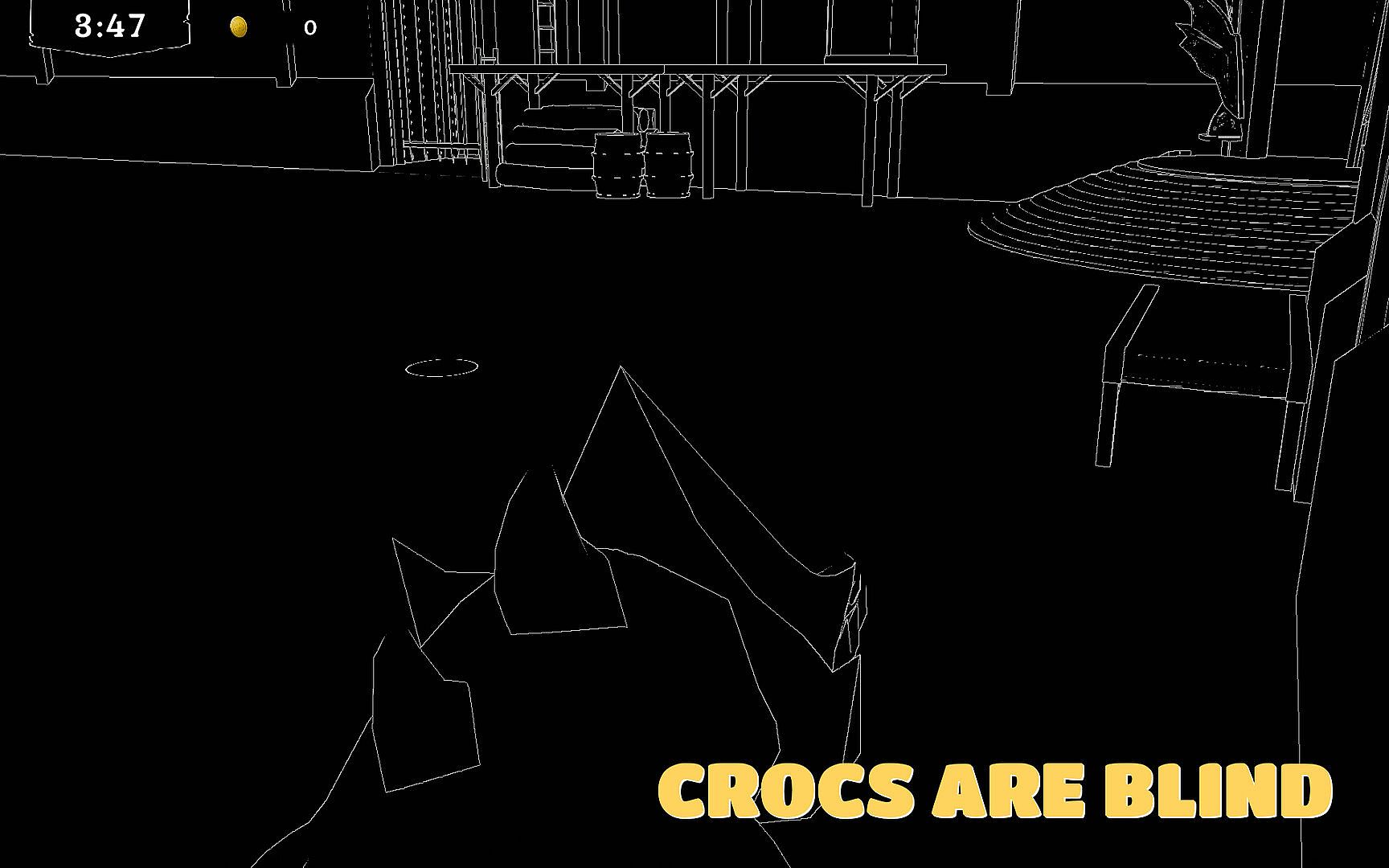
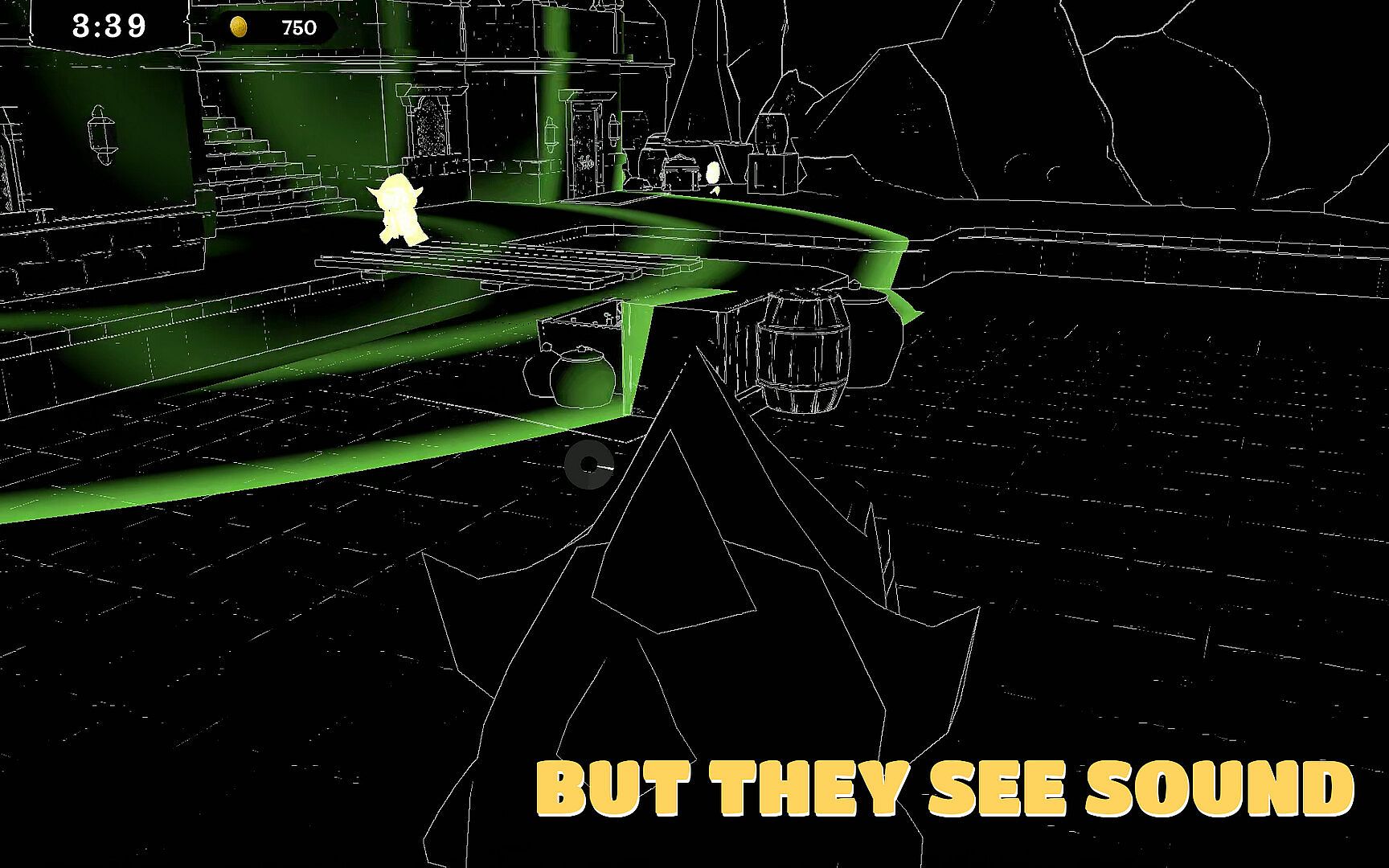
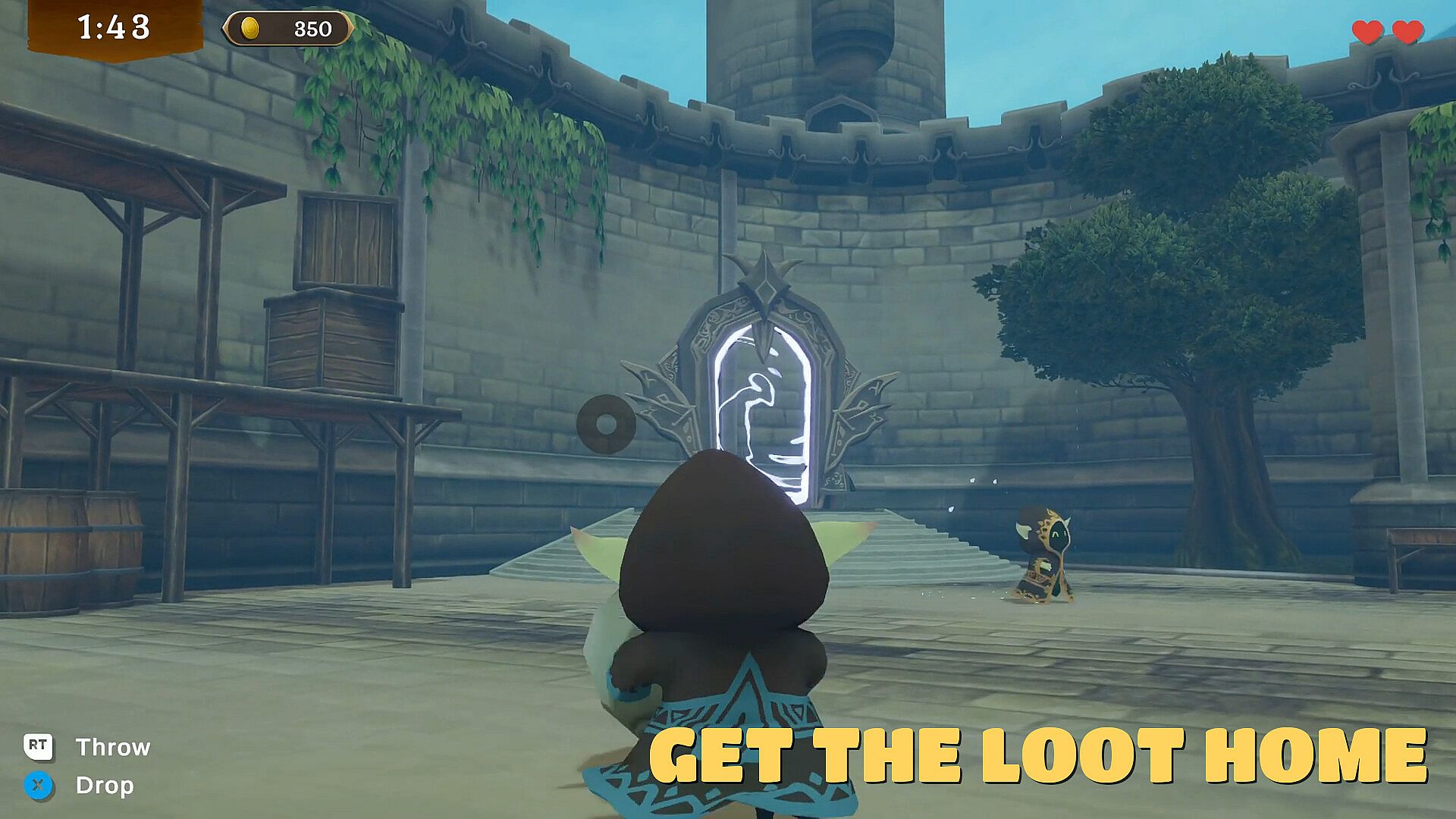
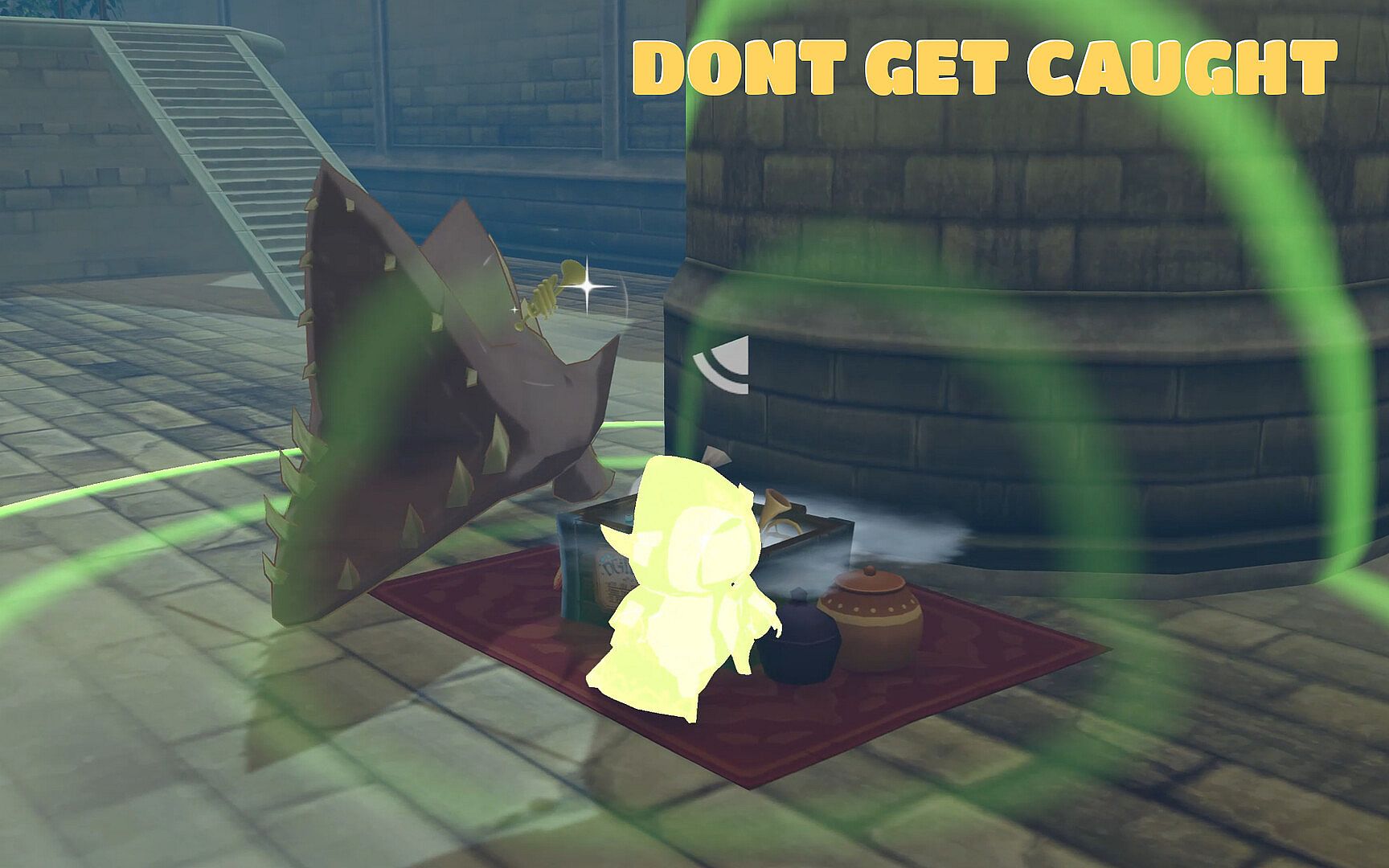
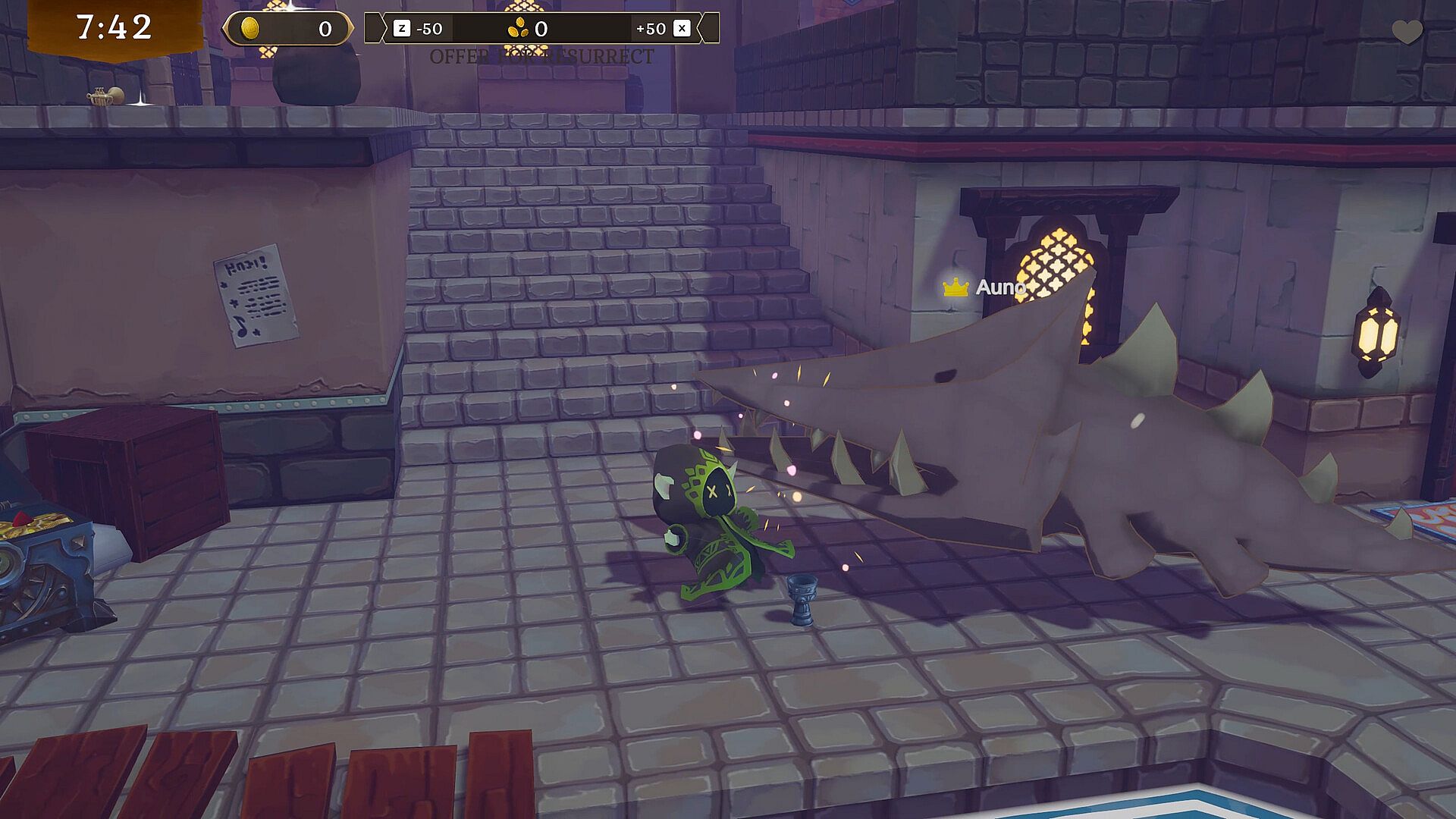
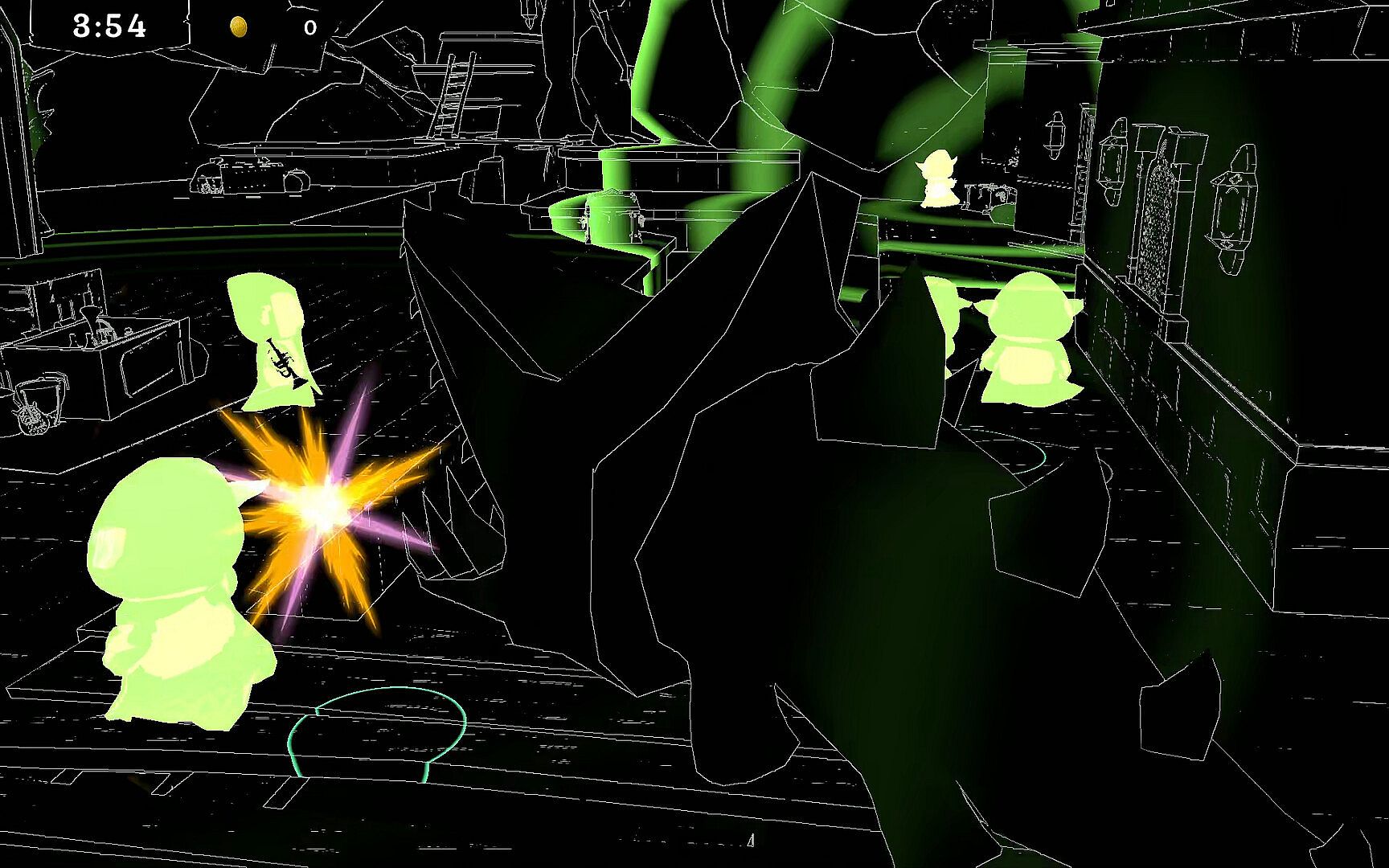
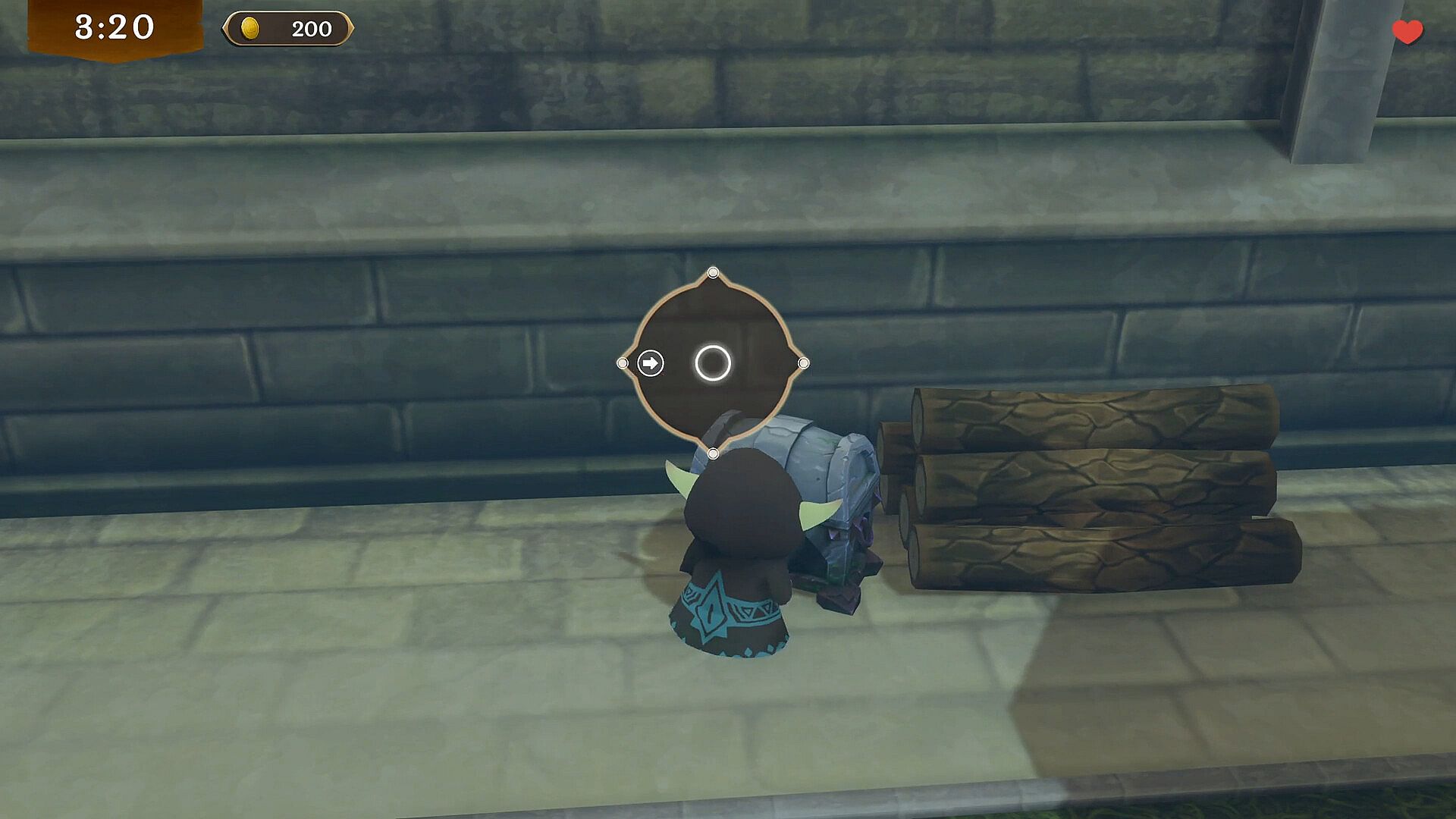
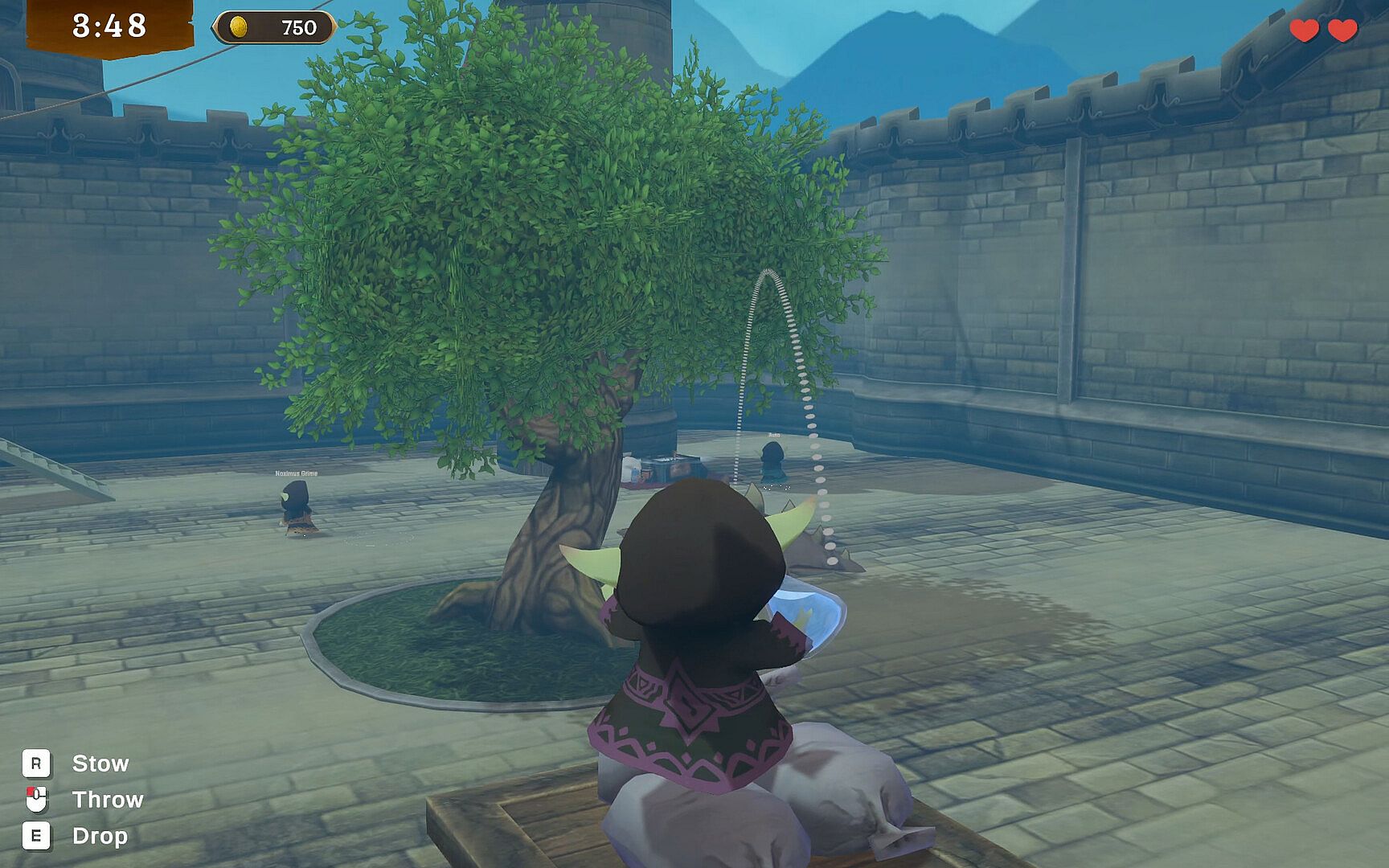
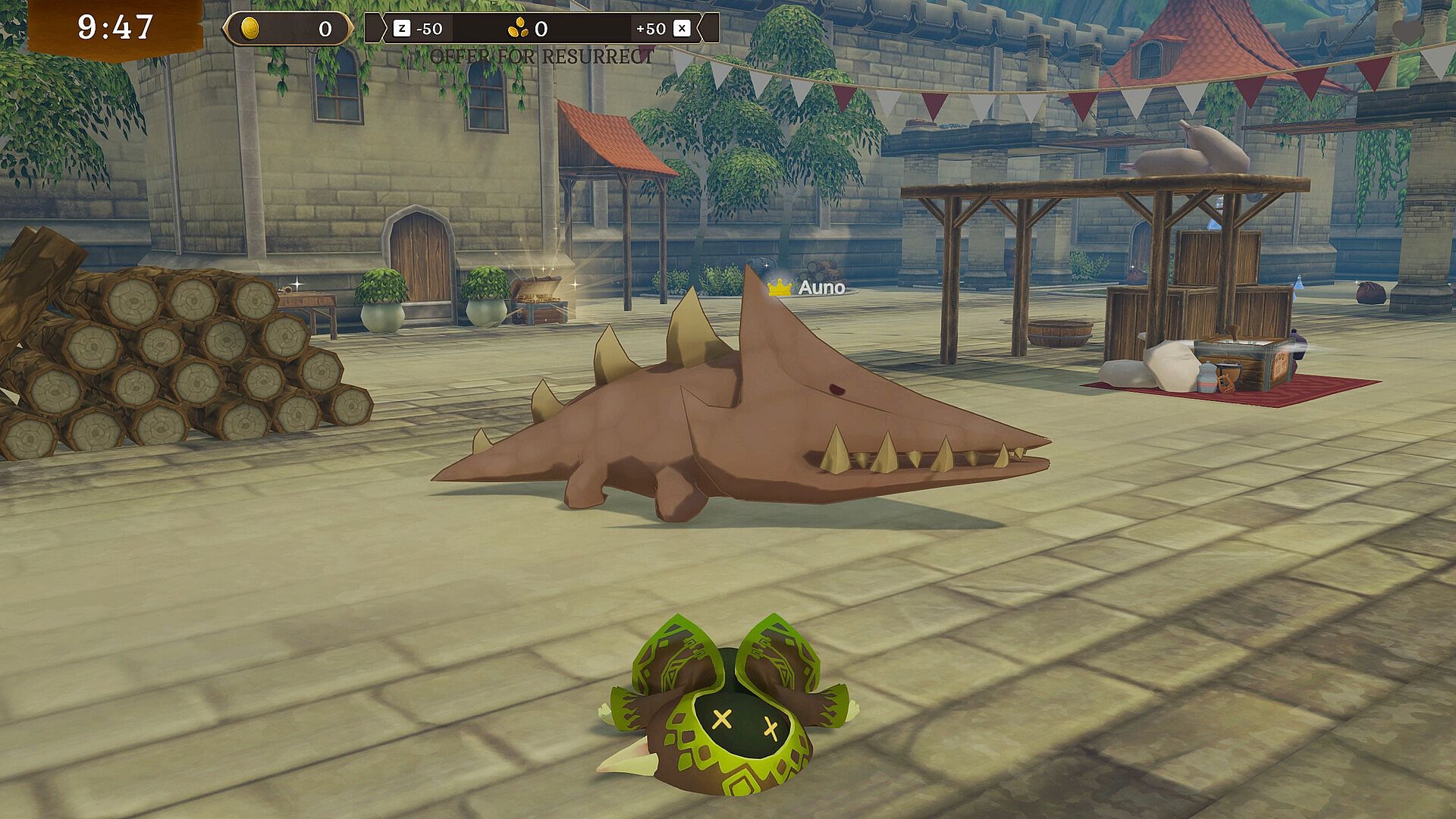

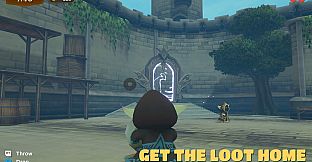
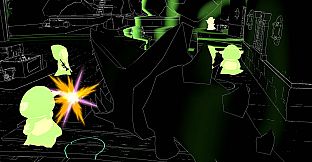
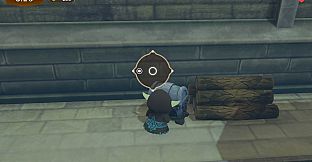
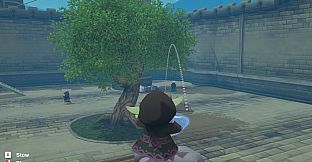
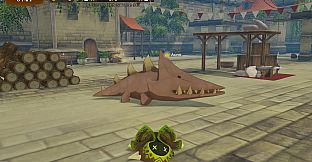
Treasure Goblins est un jeu de heist multijoueur en vue furtive pour PC, aux genres indie et casual. Les joueurs incarnent des gobelins obsédés par le trésor et doivent transporter leur butin jusqu'à un portail tout en échappant aux Croks, des créatures mortelles qui chassent au son plutôt qu'à la vue. L'expérience repose sur un équilibre entre vitesse, gestion du bruit et compétition directe entre deux et huit participants au cours d'une même session.
Gameplay
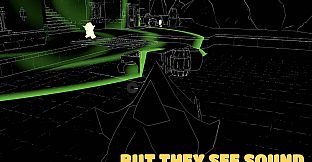
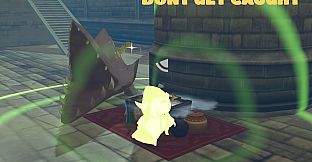
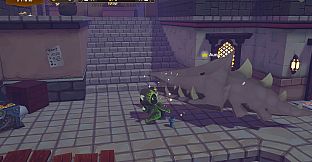
Chaque gobelin se déplace rapidement, mais ses actions - course ou transport d'objets - génèrent du bruit. Les Croks détectent les positions par écholocalisation et vibrations, rendant la discrétion indispensable. Quelques morsures suffisent à mettre fin à une tentative. Le butin alourdit le déplacement et augmente la vulnérabilité, obligeant à choisir entre des prises précieuses mais risquées et des gains plus modestes mais plus sûrs. Les gobelins sont en concurrence directe : tout ce qu'un joueur récupère réduit la part disponible pour les autres. Le sabotage entre en jeu lorsqu'un gobelin attire les Croks vers ses rivaux, transformant la menace en atout personnel.
Le positionnement est déterminant à chaque instant. Il faut synchroniser ses déplacements pour éviter les vibrations qui alertent les Croks tout en progressant vers le portail. L'environnement incite à choisir ses trajets avec soin et à perturber les autres dès que l'occasion se présente. L'avidité joue un rôle constant : les pièces les plus volumineuses promettent de plus gros gains, mais ralentissent le déplacement et exposent davantage. Cette tension entre progression individuelle et perturbation des adversaires structure chaque partie.
Game Modes
Le mode principal accueille de deux à huit joueurs en free-for-all, chaque gobelin agissant pour son propre compte. La victoire revient au joueur ayant rapporté le butin le plus précieux avant la fin de la session ; aucune structure d'équipe ni élément coopératif n'est prévu. Les règles mettent l'accent sur la compétition directe par la création de bruit et le positionnement plutôt que sur des objectifs communs. Les sessions consistent en une série de tentatives où les joueurs affinent leur gestion du bruit et leurs tactiques de sabotage selon les mêmes règles de base.
Aucune variante nommée supplémentaire n'est mentionnée. Le fonctionnement reste identique quel que soit le nombre de participants dans la fourchette autorisée ; plus il y a de gobelins, plus le chaos et les occasions de sabotage augmentent. L'accent reste mis sur le score individuel et la survie face aux Croks tout en gênant les autres.
Core Mechanics and Features
Presque chaque action génère du bruit, transformant le simple déplacement en un pari calculé. Les Croks réagissent à ces signaux avec une précision mortelle dès qu'ils sont proches. Le choix du trésor ajoute une contrainte supplémentaire : les objets les plus encombrants réduisent la mobilité et augmentent l'exposition, sans moyen confirmé d'atténuer cet effet. Le portail constitue le seul point de sortie ; il faut l'atteindre sans perdre son butin.
La maladresse inhérente aux gobelins rend le silence parfait difficile, même pour les joueurs expérimentés. Cette conception rend chaque manche imprévisible et récompense l'adaptation rapide plutôt que les stratégies figées. L'absence de détection visuelle chez les Croks reporte toute l'attention sur les indices sonores, valorisant le timing précis et la conscience de l'espace partagé.
Is It Worth Playing?
Treasure Goblins convient aux groupes à la recherche de sessions courtes et rejouables centrées sur la furtivité et l'interaction directe entre joueurs. Ses mécaniques séduiront ceux qui apprécient de gérer le risque par le positionnement et la perturbation opportuniste plutôt que par la vitesse pure ou le combat. Avec un support allant jusqu'à huit participants, il s'adapte bien aux réunions casual où l'on recherche le rire partagé face aux échappées belles et aux sabotages ratés.
Le jeu est disponible sur PC via les principales plateformes numériques. Aucun essai gratuit ni mise à jour saisonnière n'a encore été annoncé ; l'expérience repose donc sur les règles de base décrites. Les joueurs qui préfèrent un multijoueur compétitif sans systèmes de progression complexes ni affrontements à grande échelle trouveront ce loop de heist concentré captivant. Ceux qui recherchent du contenu solo ou une personnalisation poussée devront se tourner ailleurs, le design privilégiant le jeu en groupe et la compétition immédiate.