





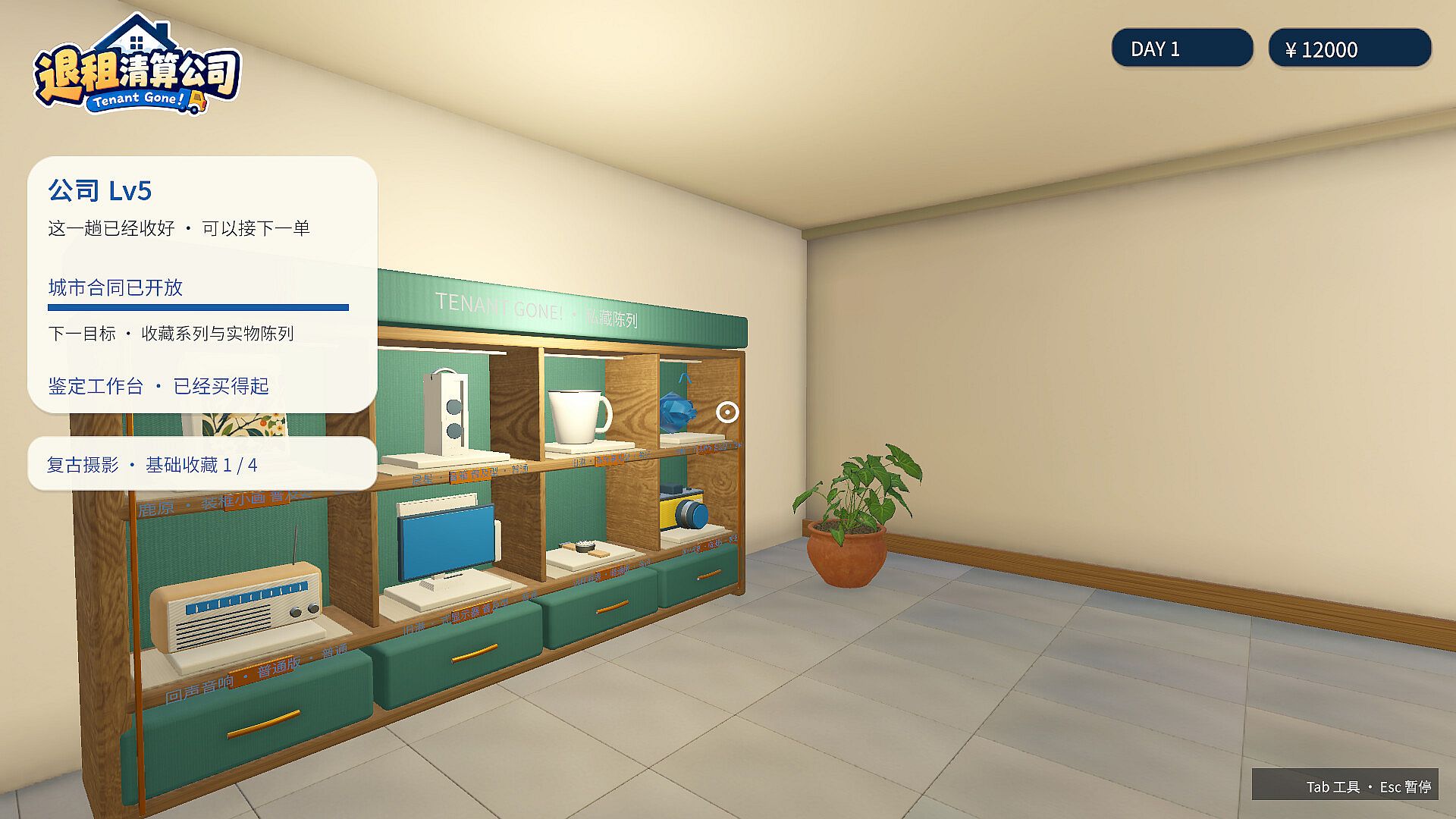
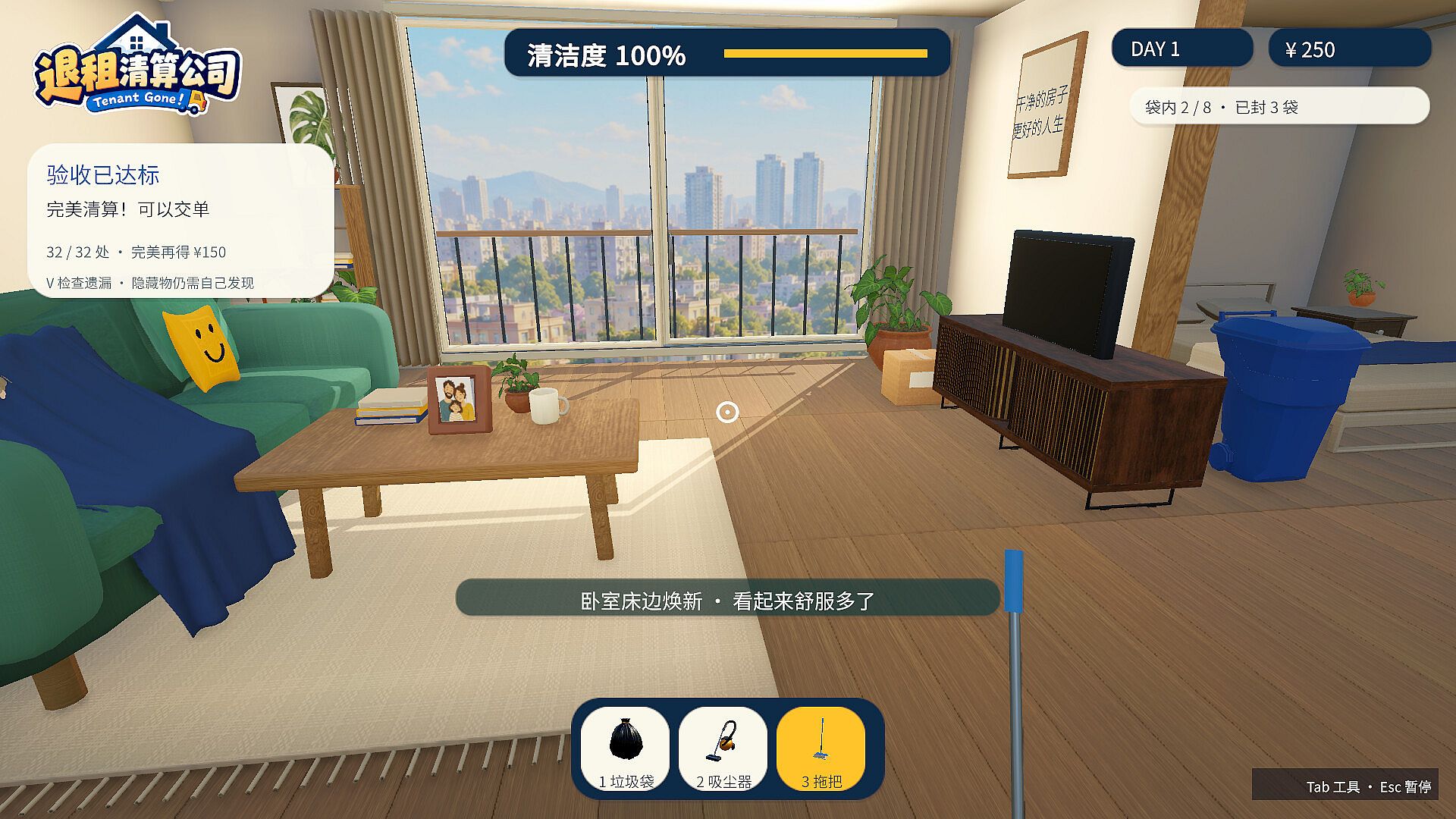
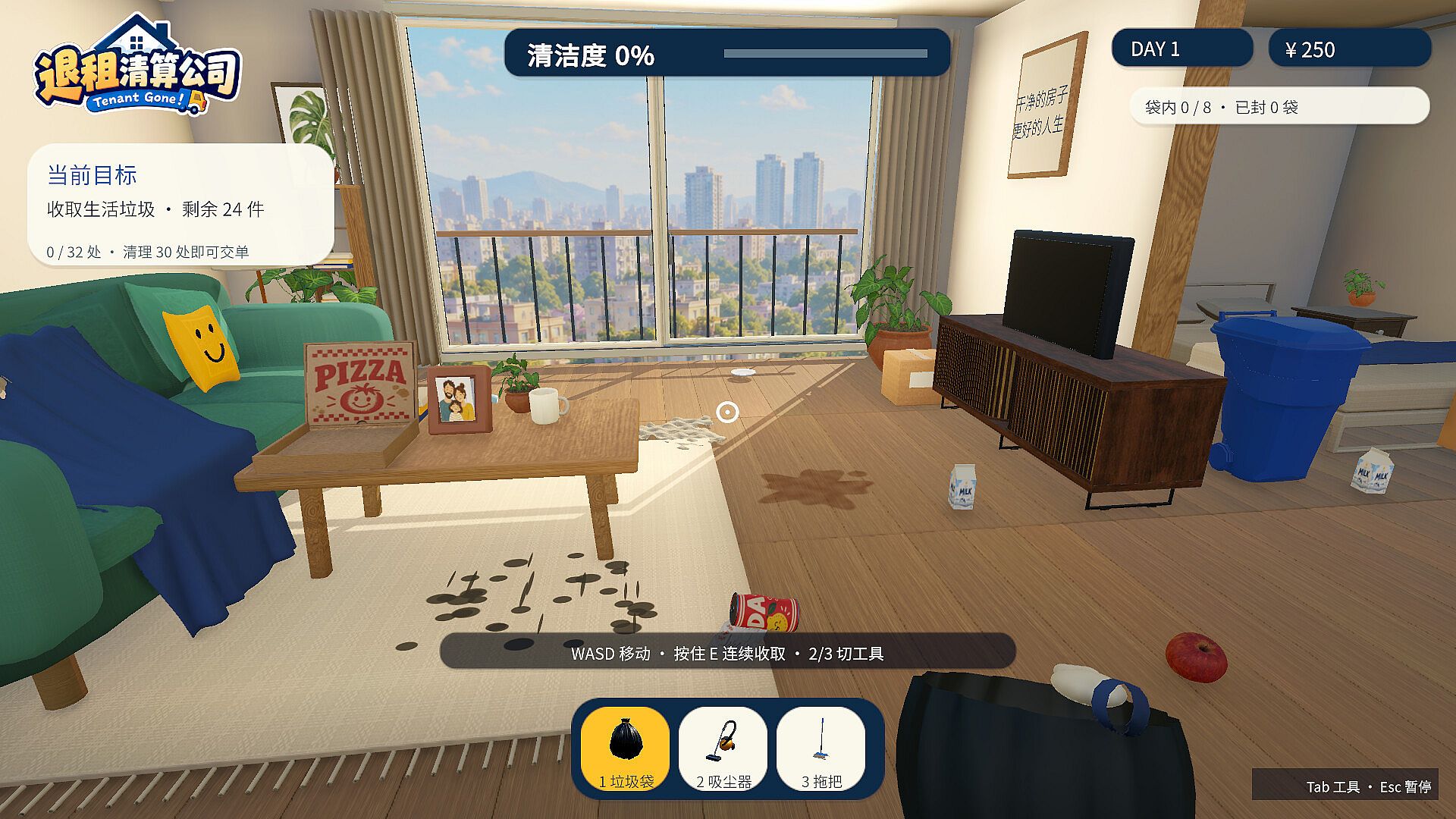

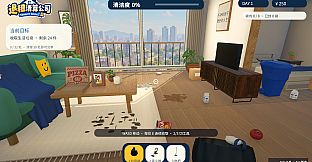
Tenant Gone! is an indie casual simulation game for PC in which players run a struggling move-out clearance company. The core experience centers on entering abandoned apartments, clearing out debris, and uncovering items left behind by former tenants. What begins as routine cleanup quickly turns into a process of discovery, appraisal, and decision-making about what to sell or keep.
Gameplay
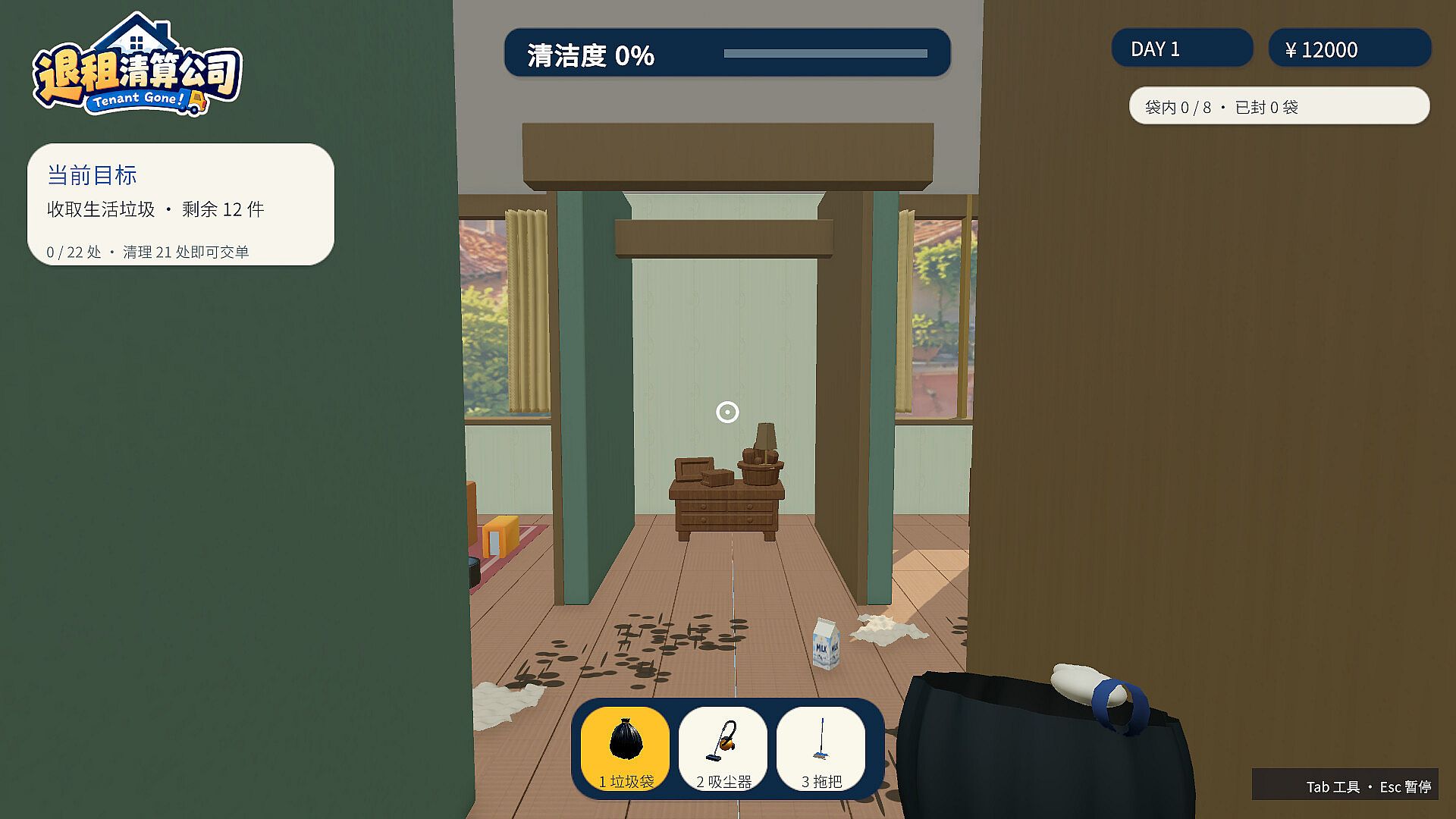
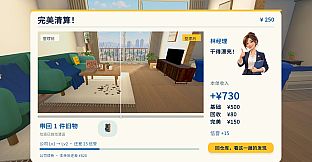
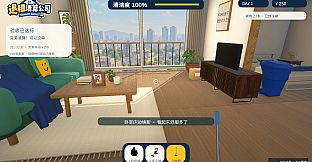
The gameplay loop combines straightforward cleaning tasks with item evaluation and business management. Players pick up trash, vacuum surfaces, and mop floors to restore spaces to a clean state. These actions feel quick and satisfying, allowing focus on the transformation of each room rather than repetitive drudgery. Once an area is cleared, attention shifts to objects that appear ordinary at first glance but may hold unexpected value.
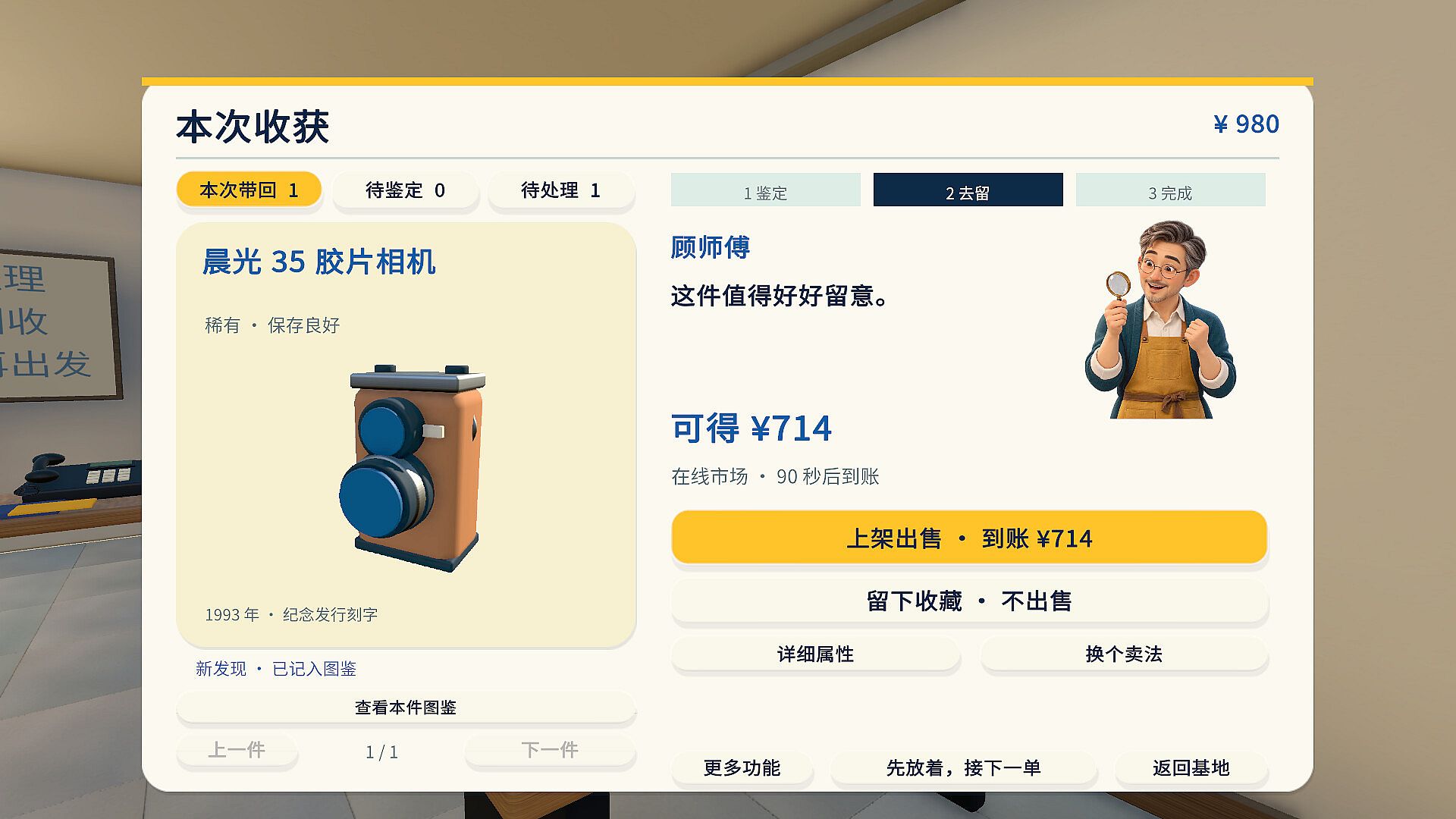
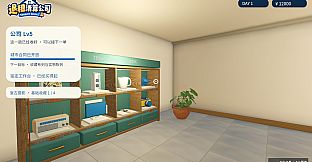
Items such as film cameras, wristwatches, sealed boxes, records, retro electronics, and collectibles are brought back to the warehouse for appraisal. Each discovery carries randomized attributes including condition, edition, authenticity, age, and hidden traits. Two seemingly identical objects can differ significantly in worth once examined. Players then choose how to handle each find: quick sales for immediate cash, listings on secondary markets, offers to specialist buyers, or auctions for rarer pieces. Favorites can be retained and displayed in the growing warehouse collection.
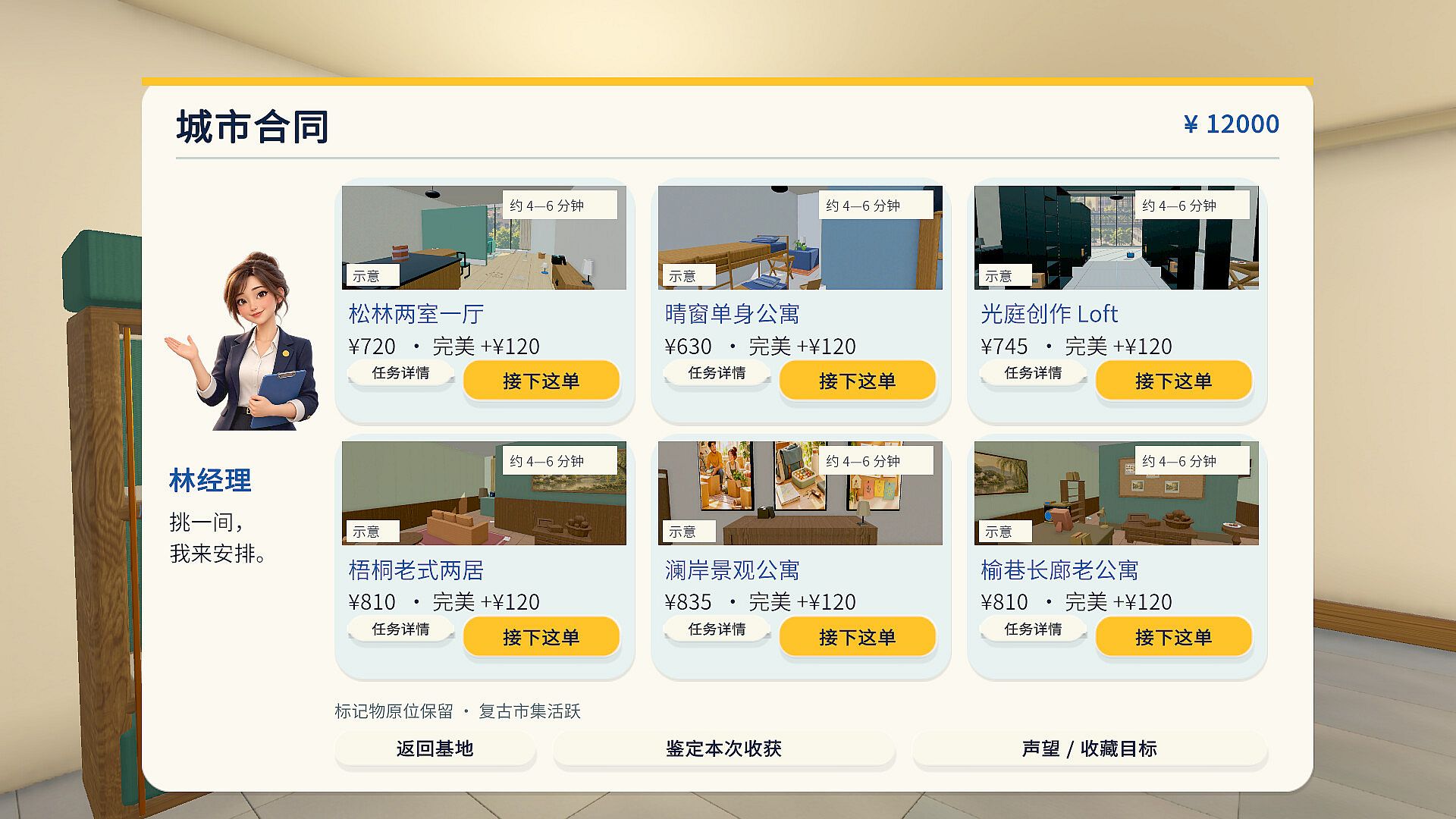
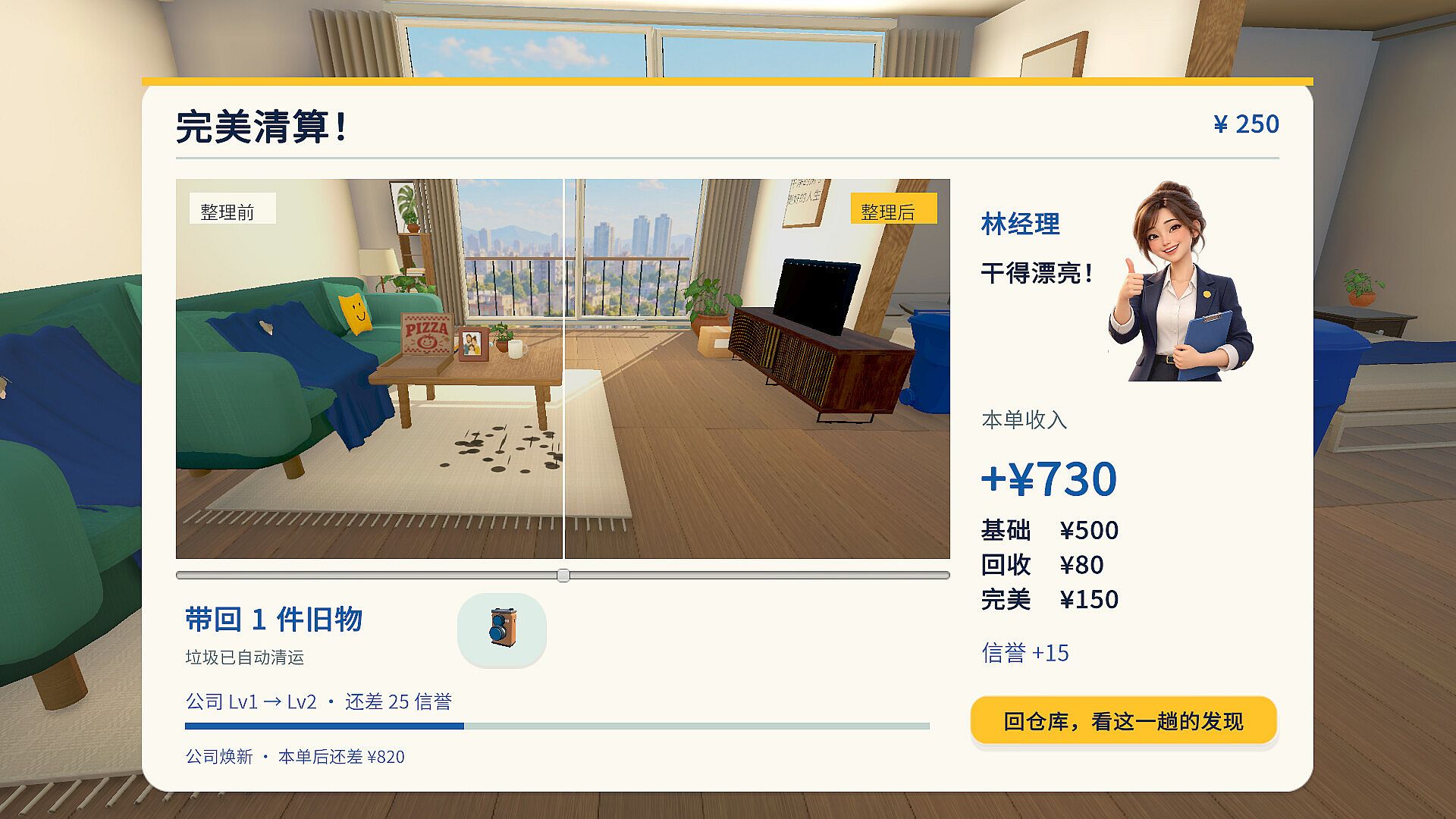
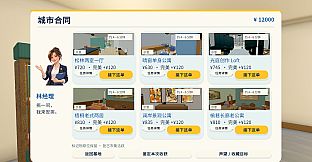
Contracts draw from varied tenant backgrounds and property conditions. Examples include cleaning after students with takeout containers, photographers with forgotten gear, musicians with instruments and audio equipment, streamers with unopened packages, hoarders with layered junk, or wealthy collectors whose possessions may prove less valuable than they appear. Environmental details and occasional unusual elements like hidden compartments or lockboxes add variety to each job. Company progression involves completing contracts to earn money and reputation, which unlocks warehouse improvements, expanded displays, new property types, and access to higher-tier contracts through a city network.
Game Modes
The game operates as a single-player experience built around procedurally assembled contracts rather than fixed levels or separate modes. Each job combines different homes, tenant lifestyles, mess themes, events, and potential valuables. Progression occurs through reputation gains that open more complex or unusual assignments over time. There is no traditional campaign endpoint; instead, the system continues generating opportunities as long as the player maintains interest in what the next property might contain. Business upgrades and collection building serve as ongoing goals alongside the cleaning and appraisal work.
Core Mechanics and Progression
First-person perspective handles all cleaning, organizing, and exploration. Hundreds of item variations exist with randomized properties that affect final value. Selling options provide flexibility based on item quality, while the warehouse evolves into a personal museum of discoveries. Reputation growth expands available contracts and unlocks specialist elements such as new buyer types or item pools. The stylized 3D visuals maintain a bright, cozy aesthetic that emphasizes the satisfaction of turning cluttered spaces into clean ones.
Is It Worth Playing?
Tenant Gone! suits players who enjoy cozy simulation games focused on cleaning, organization, and light resource management. The combination of satisfying physical tasks with the uncertainty of item discovery creates a steady sense of progress and occasional surprise. Those drawn to games about restoring order or building collections will find the loop engaging, especially once the warehouse begins to reflect personal finds. The procedural nature of contracts supports repeated play without a strict end point. Because the title remains in a pre-release state with no player reviews or post-launch updates available, potential buyers should consider whether the described mechanics align with their preferences for relaxed, exploratory simulation experiences.












