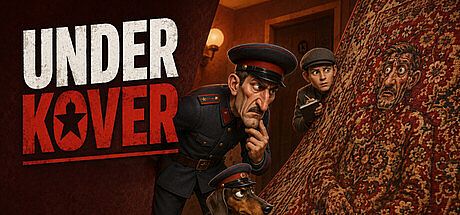


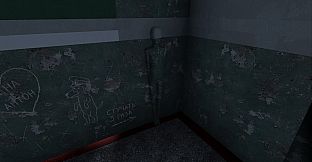
UNDERKOVER is an indie casual multiplayer game for PC that blends hide-and-seek mechanics with creative camouflage and social betrayal in a compact Soviet apartment block setting. Players join sessions of two to eight participants for short online rounds focused on evasion, improvisation, and turning on one another.
Gameplay
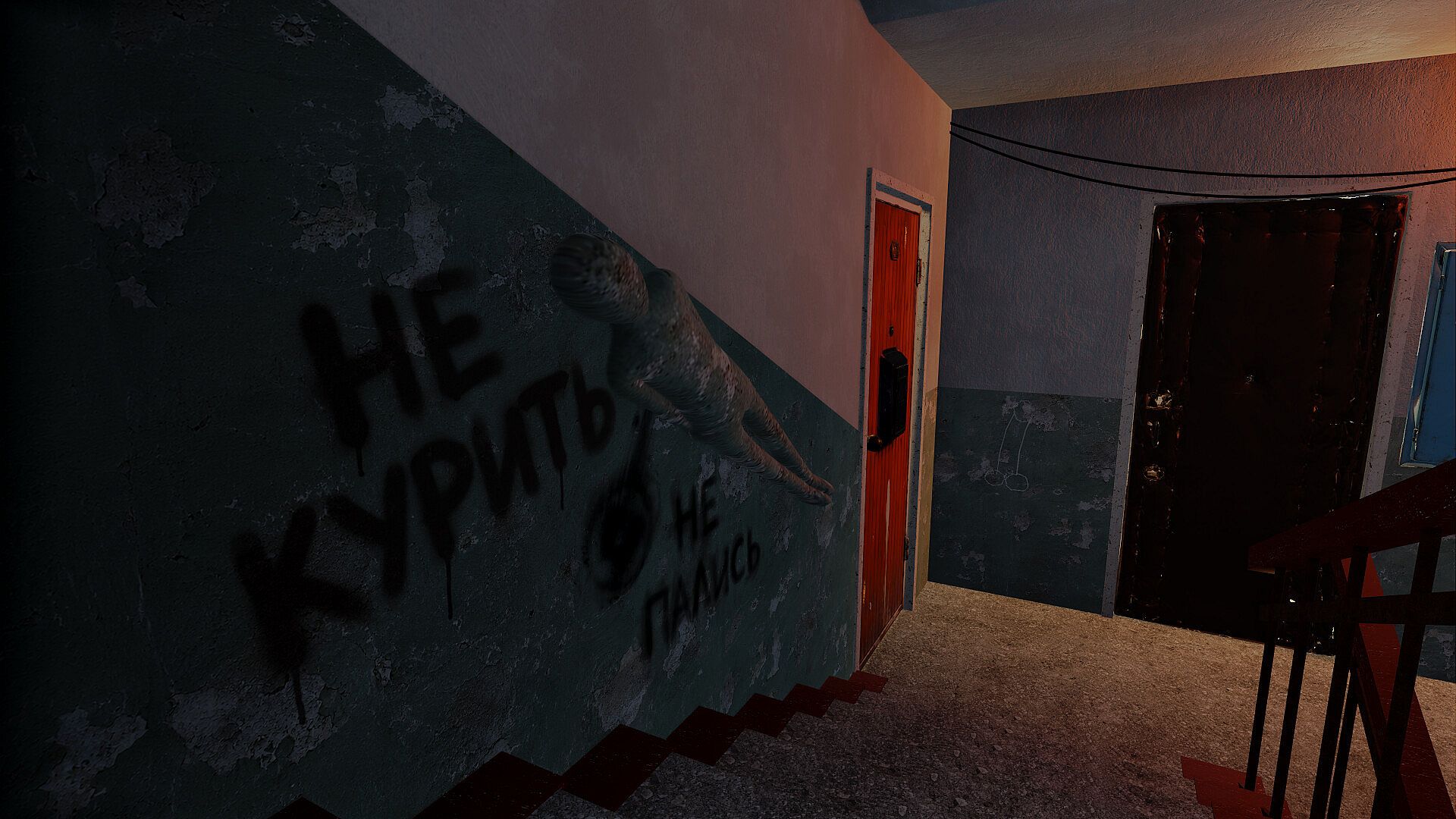
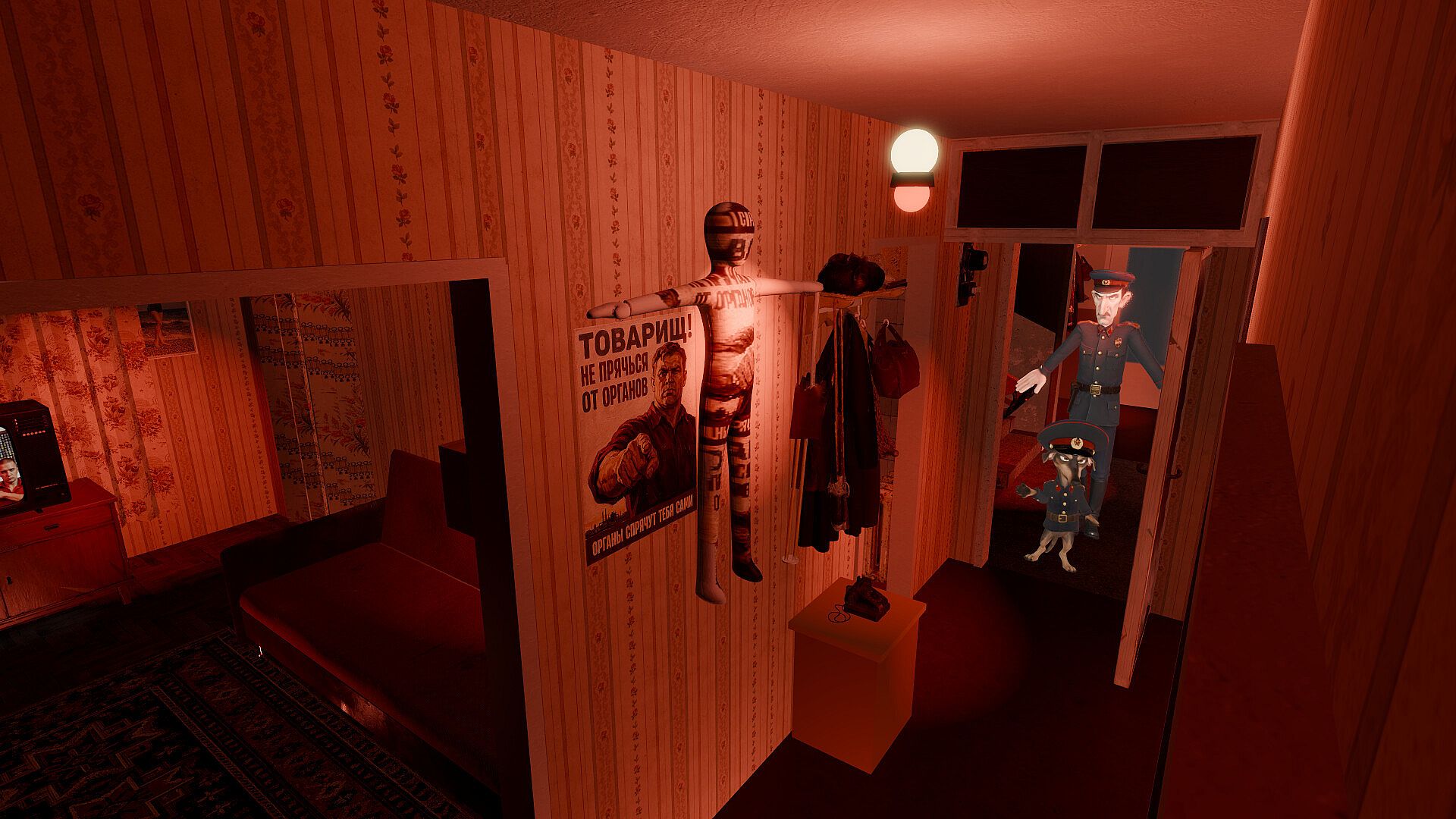
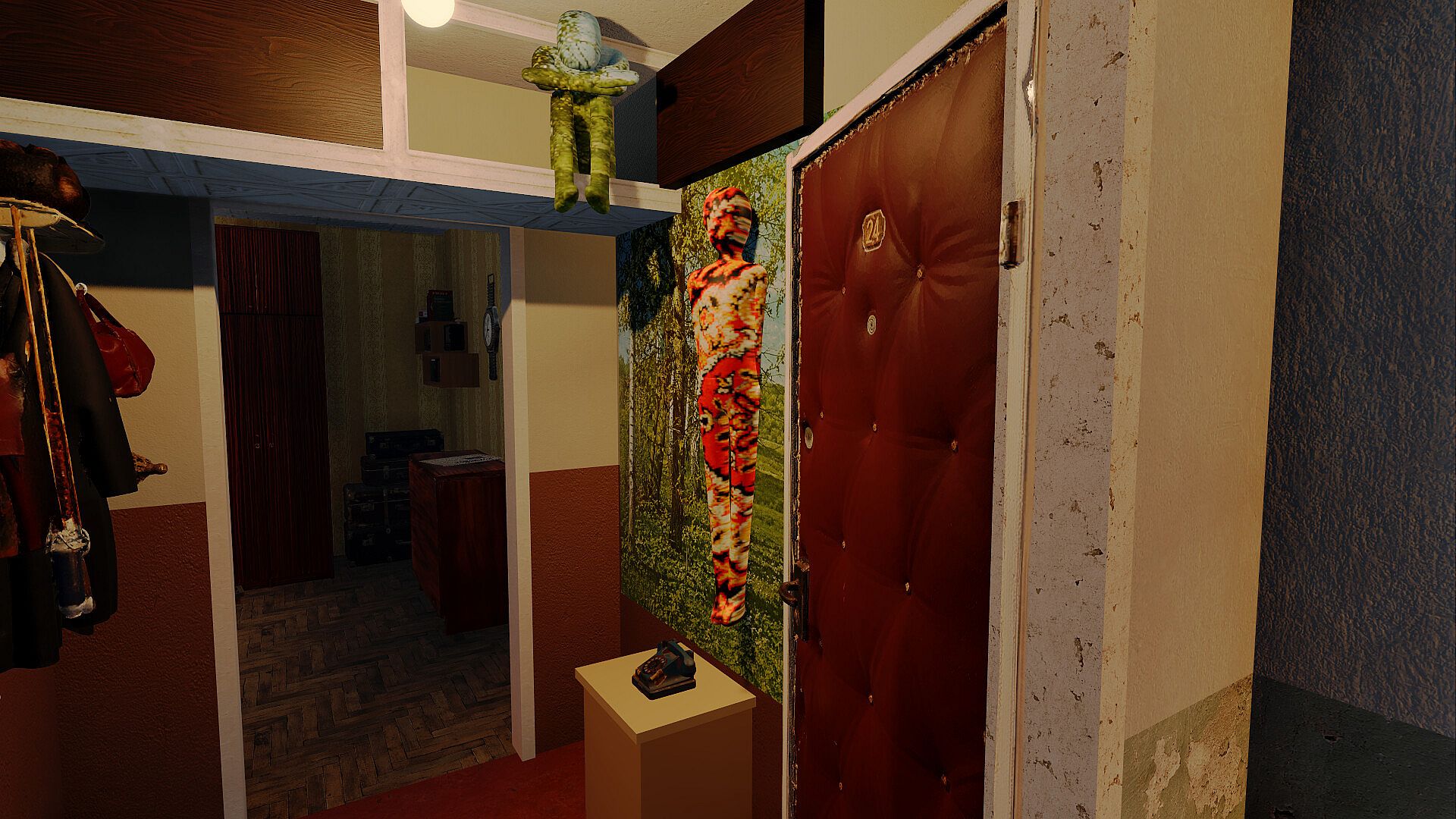
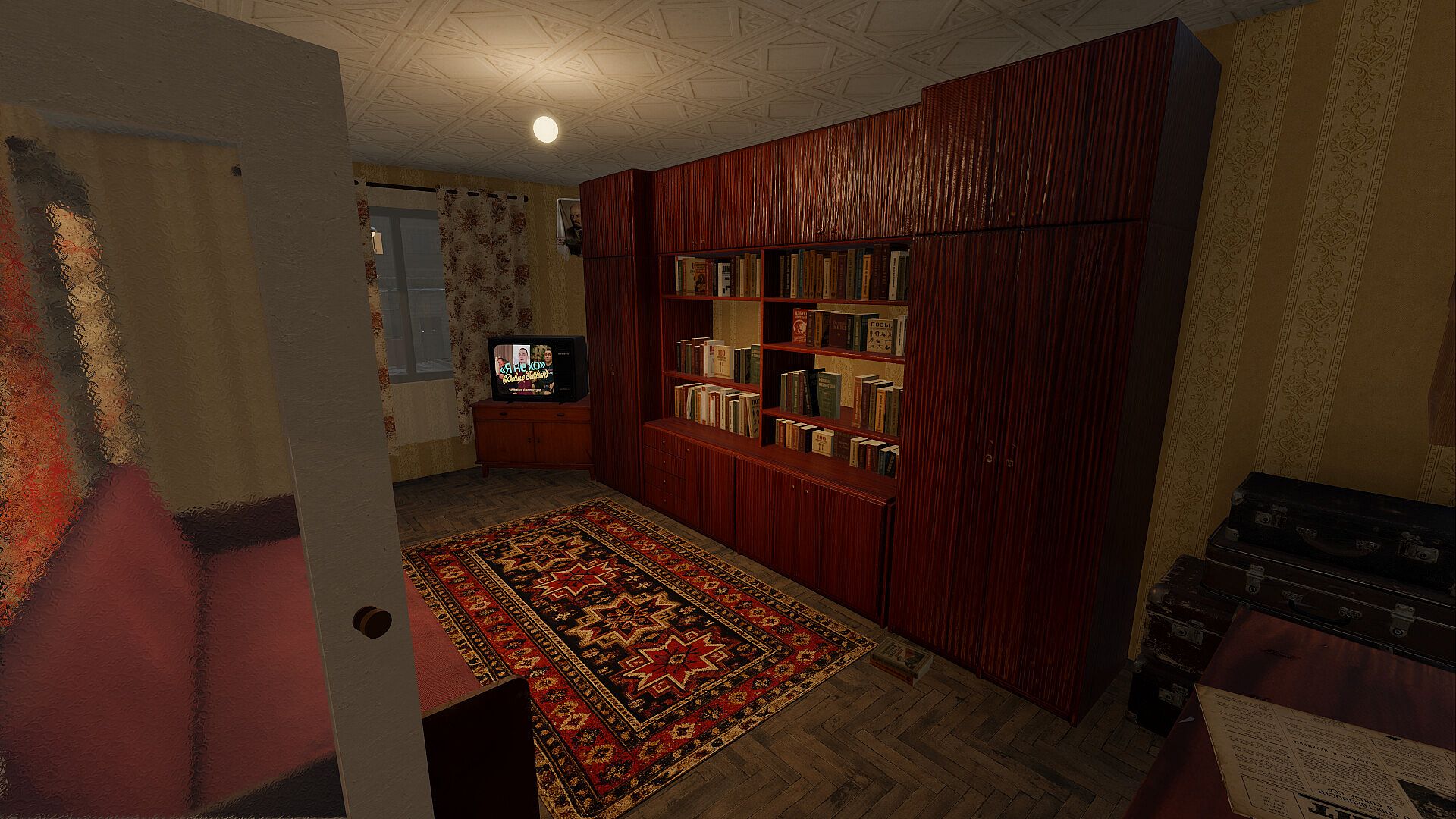
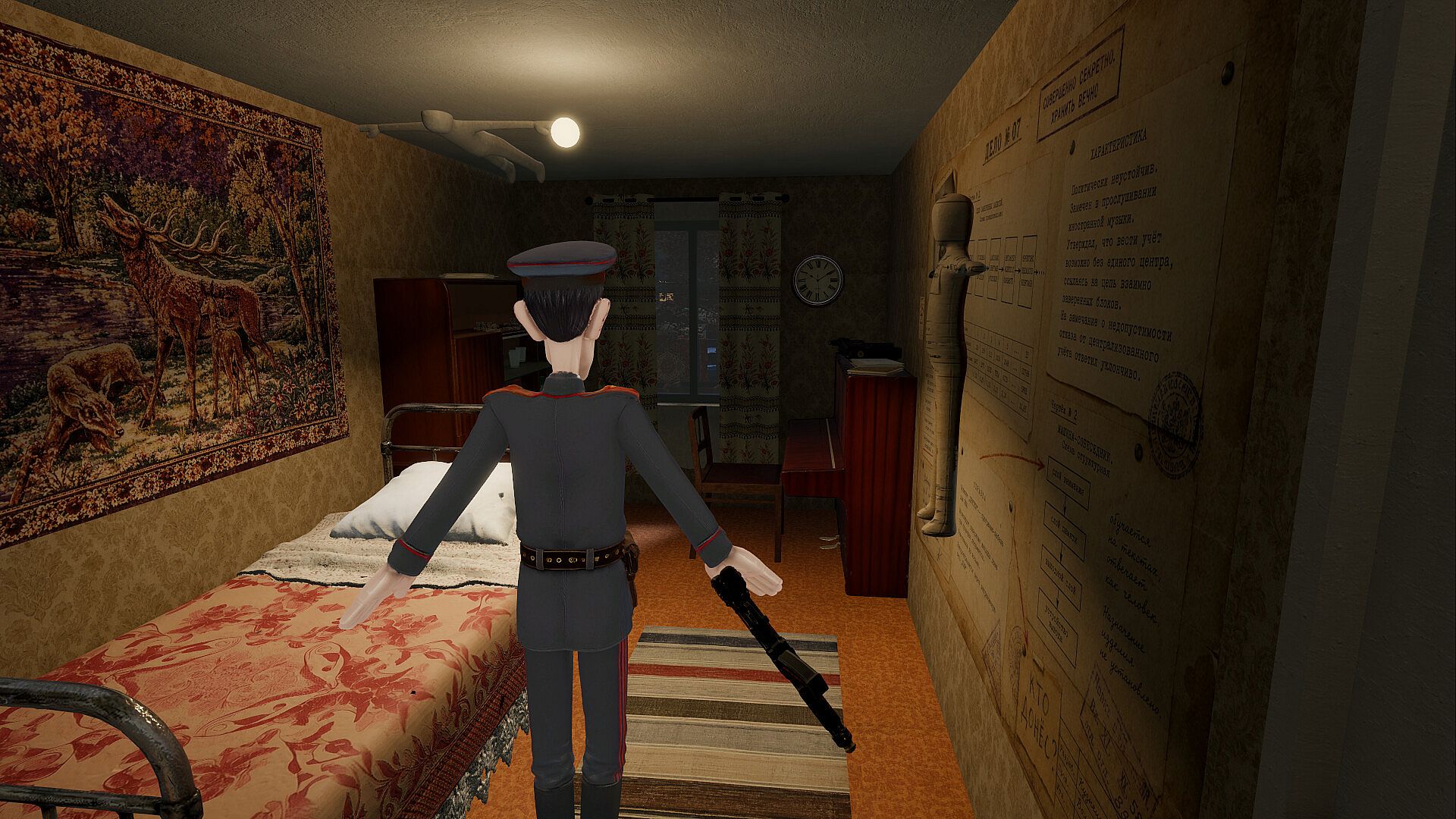
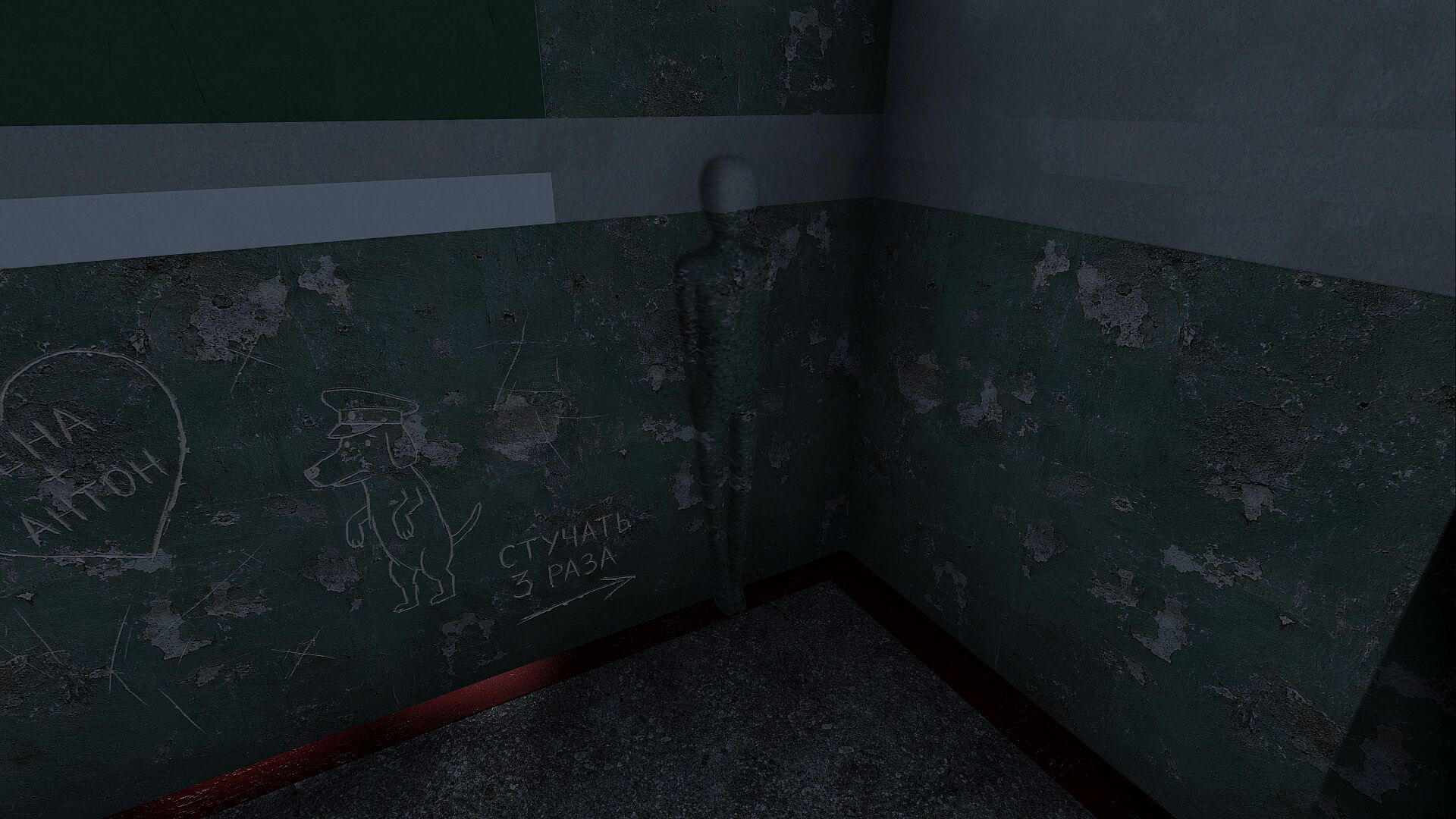
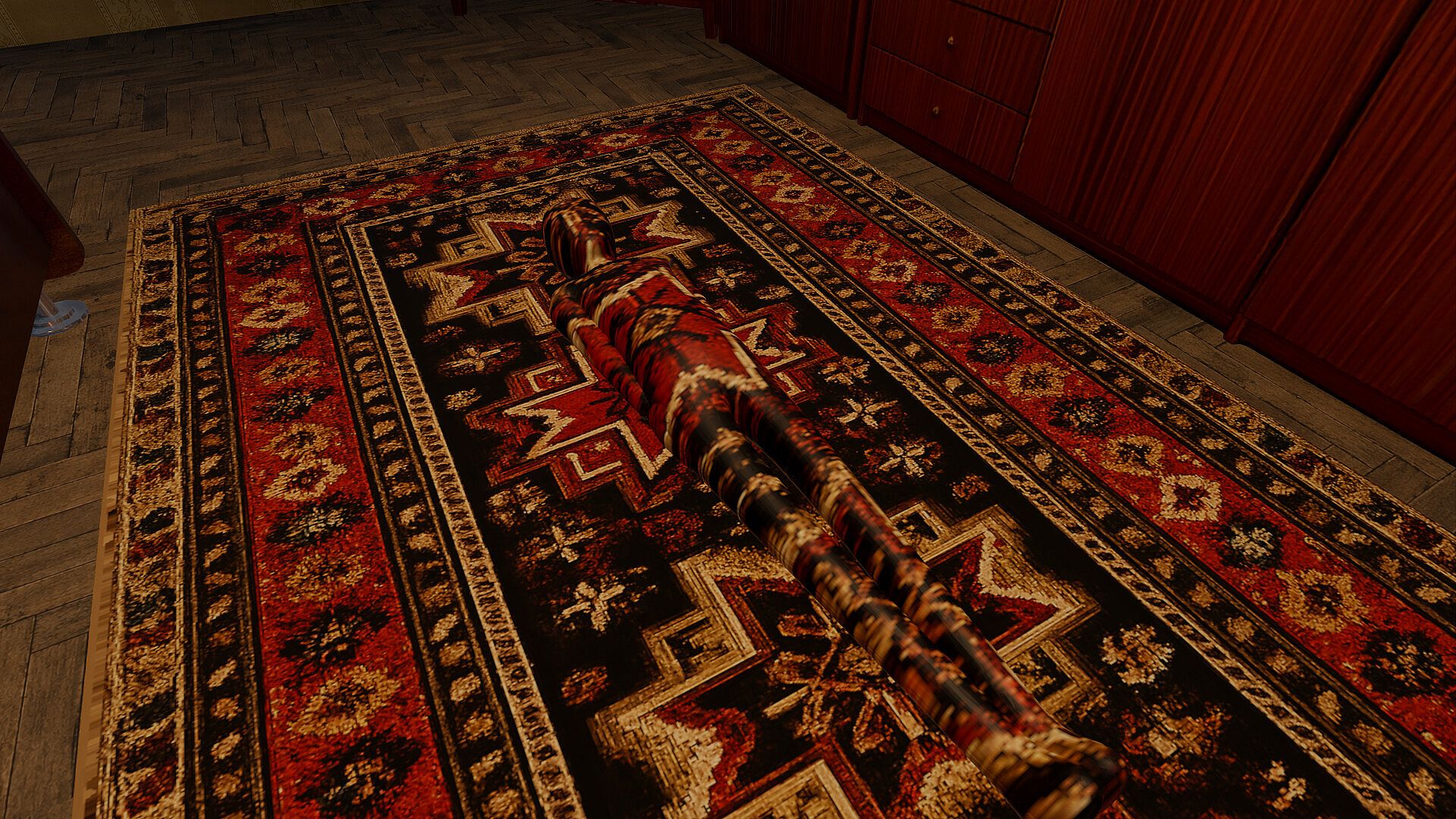
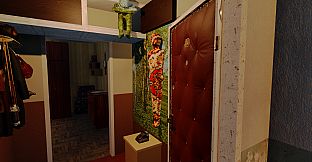
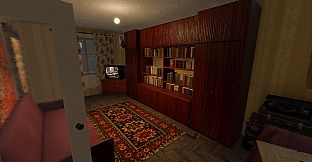
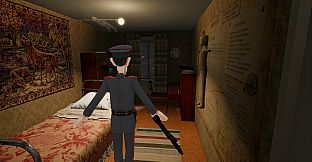
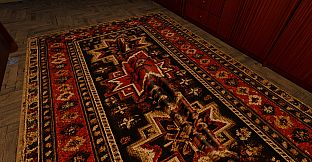
The core loop centers on tenants hiding from an NKVD officer who patrols with a dog. Tenants use an eyedropper tool to sample colors from wallpaper, carpets, and surfaces, then paint their character models by hand to match the surroundings. A successful camouflage allows players to freeze in place and blend seamlessly, while any movement or imperfect application risks exposure. The dog adds tension through audio cues, with heartbeat sounds growing louder as it approaches, though it cannot open doors and relies on paws for movement.
Environmental hazards force decisions during rounds. Fuses blow twice per session, triggering an address announcement that requires one player to exit their spot, navigate the building, and reset a meter in another flat. Failure to act results in a blackout period of darkness and emergency lights, during which the NKVD removes painted furniture and reveals hidden players. Additional layers come from the anthem mechanic, which compels everyone to stand at attention for a fixed duration wherever they stand at the moment it plays.
Social elements heighten the chaos. Players can use landline phones to call friends and lure them into the open or activate a snitch role through the menu to photograph others and direct the NKVD. Tenants receive limited information about the snitch's location, and consequences appear on a shared Wall of Shame. Every session captures photos and mugshots that populate a courtyard newspaper board, complete with commentary from in-game grannies evaluating the disguises.
Game Modes
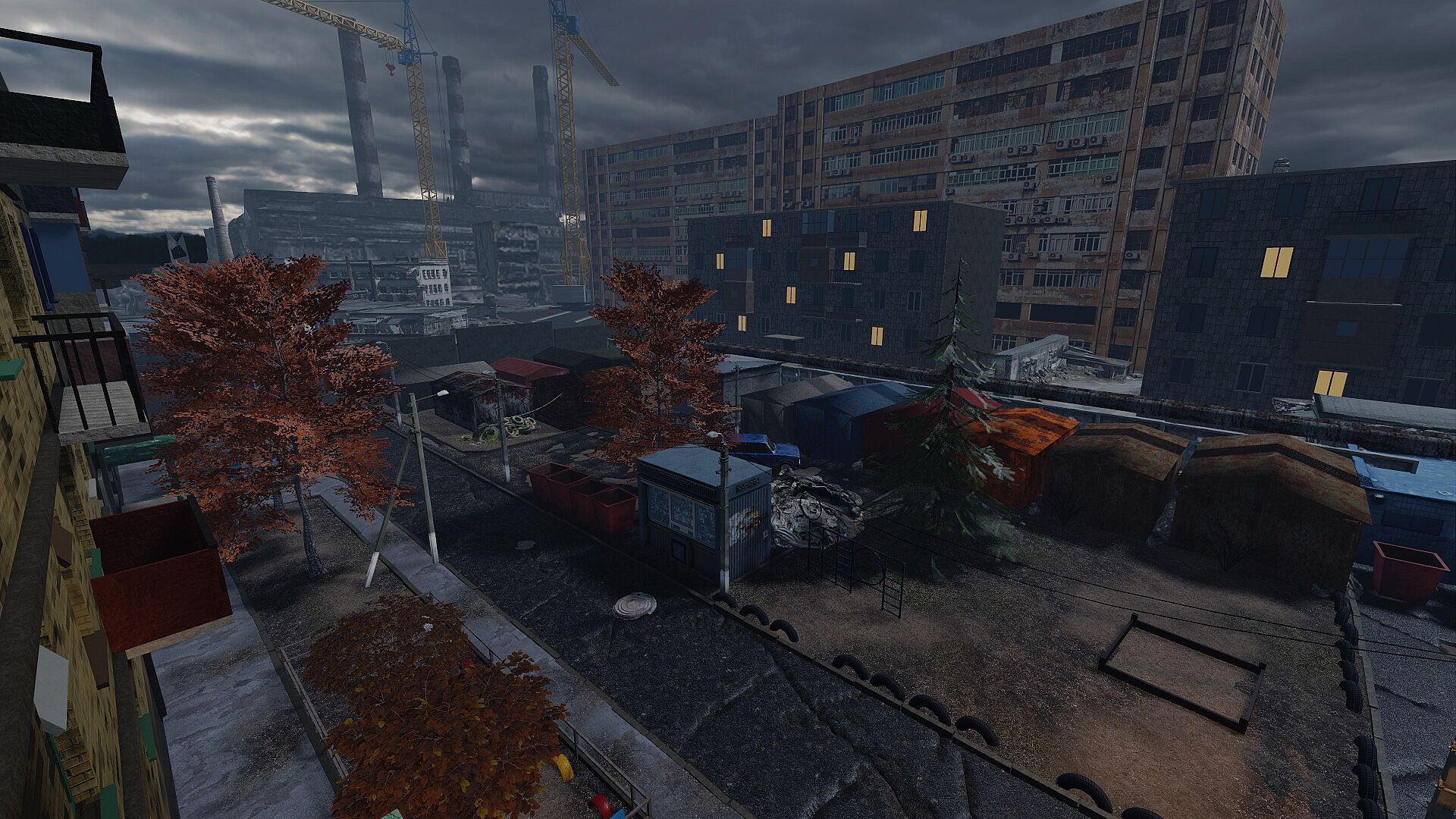
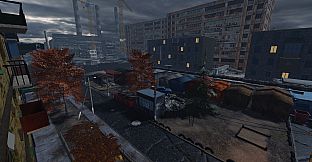
UNDERKOVER operates around a single primary format of ten-minute online rounds without classes, unlocks, or progression systems. Matches support two to eight players in one interconnected environment consisting of three floors, a basement, and a courtyard. The setup emphasizes repeated short sessions where the same core rules apply each time, relying on player creativity with paint tools and interpersonal tactics rather than varied objectives or separate playlists.
The experience stays consistent across sessions, with the NKVD role rotating among participants and the tenant group adapting strategies around painting, movement restrictions, and betrayal opportunities. No additional named modes appear in available details, keeping focus on the apartment block's layout and the mix of stealth, timing, and group dynamics.
Setting and Atmosphere
The game places action inside a single Soviet-era apartment block rendered with dry, bureaucratic absurdity. Details like patterned carpets, wallpaper, and communal spaces create opportunities for precise camouflage while avoiding any direct historical simulation. The courtyard newspaper and granny commentary reinforce the collective, observational tone without shifting into serious territory.
Sound design supports the tension through heartbeat audio tied to the dog and the sudden shifts during blackouts or anthems. The overall presentation stays light and meme-oriented, highlighting bad decisions and visible failures over polished realism.
Is It Worth Playing?
UNDERKOVER targets groups seeking quick, repeatable multiplayer sessions built on creativity and social interaction rather than competitive ranking or long campaigns. Its mechanics reward experimentation with the paint system and coordination among friends, while the snitch and phone options introduce betrayal that fits casual party play. With a planned 2026 release and no classes or unlocks, the game keeps entry simple for players who enjoy short rounds and emergent stories from each match.
Current information shows no user reviews or post-launch updates available yet. Those drawn to indie titles with focused environmental interaction and group-driven chaos may find the described systems appealing once it launches, particularly if they prefer games that emphasize improvisation over structured progression.