




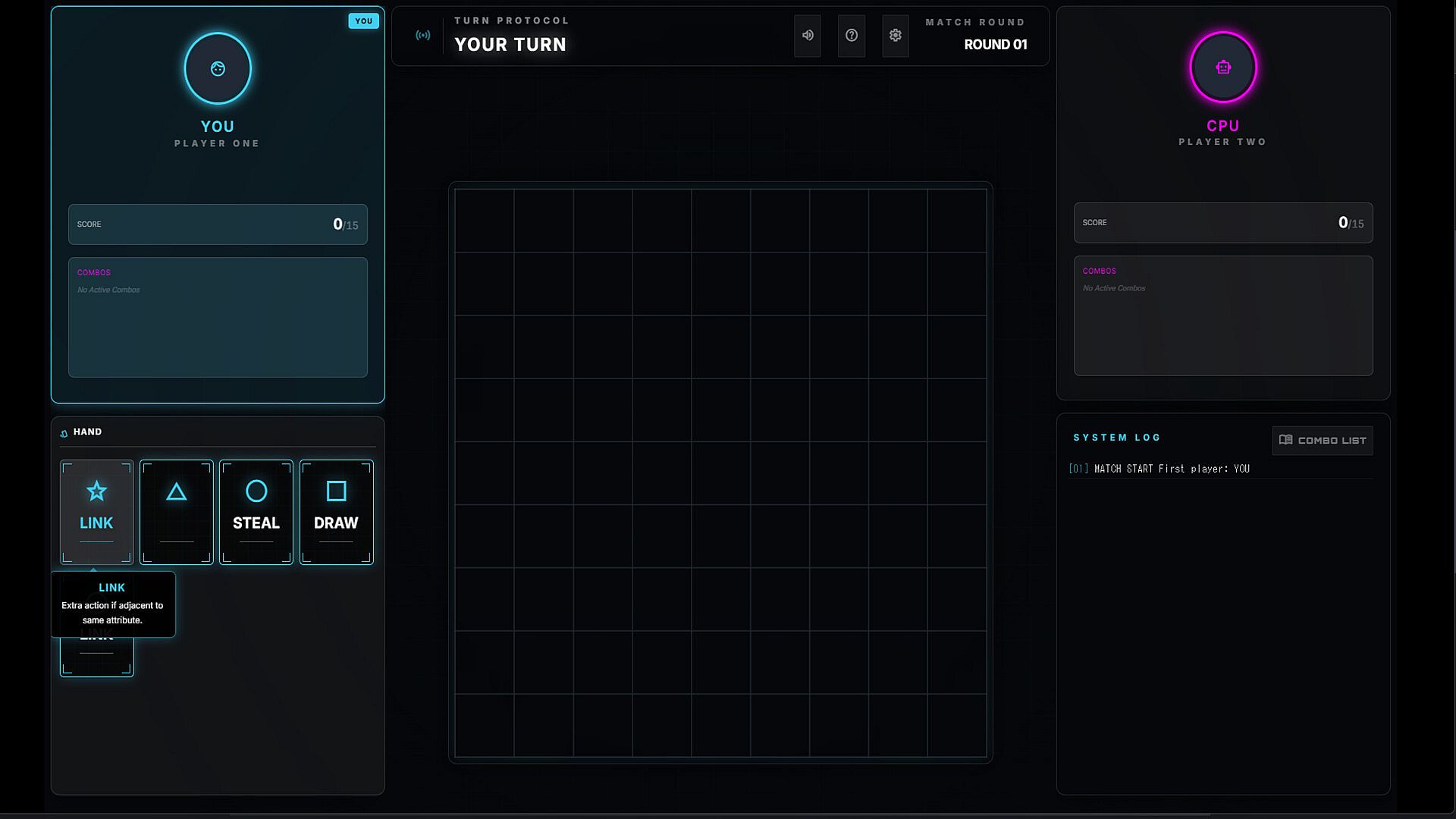
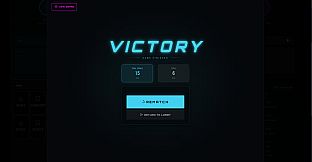
V:ALIGN is a turn-based strategy game that blends card placement with board control on PC. Players position cards to form scoring combinations while using special effects and barriers to restrict opponents and shape the outcome of each match.
Gameplay
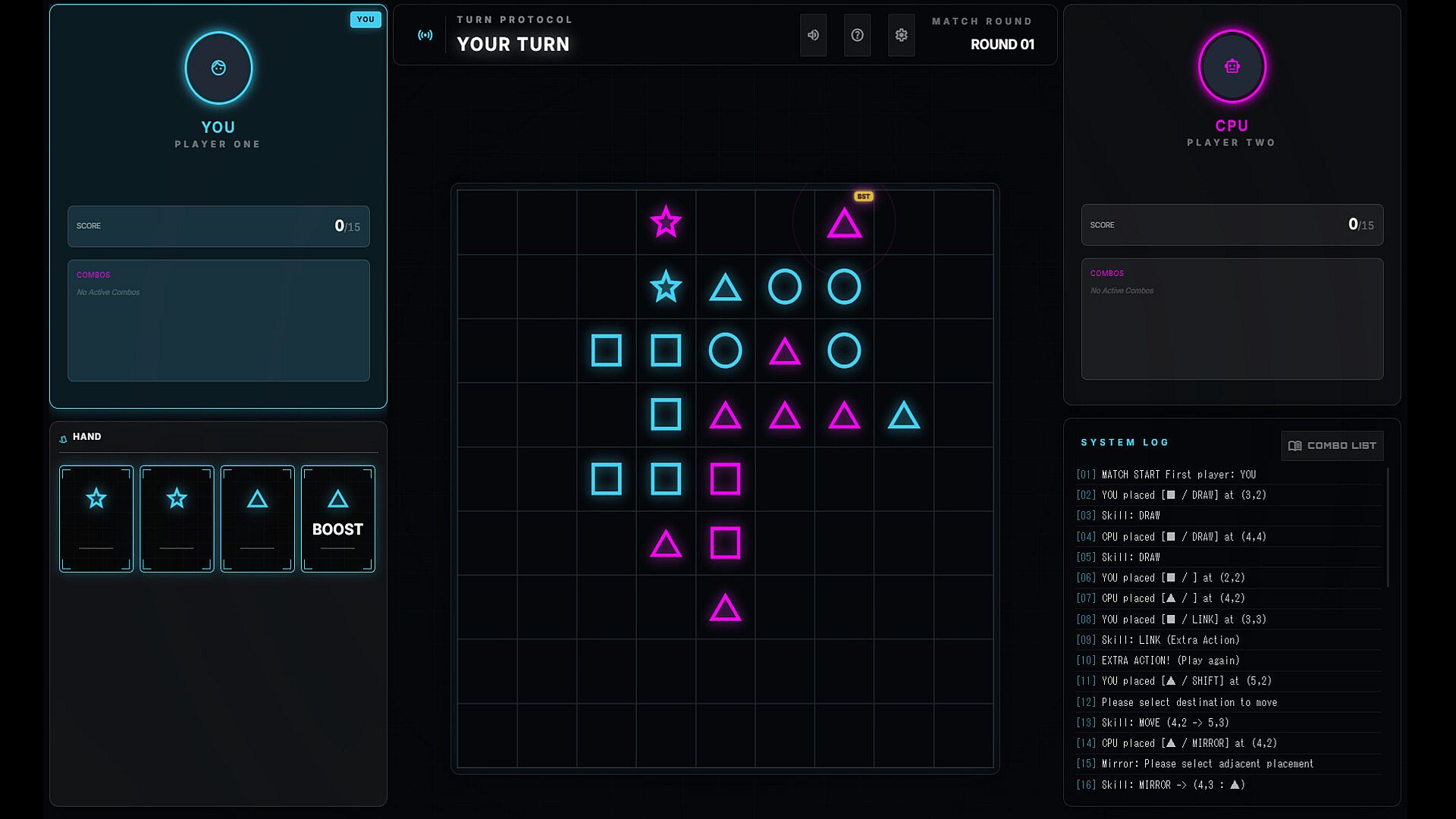
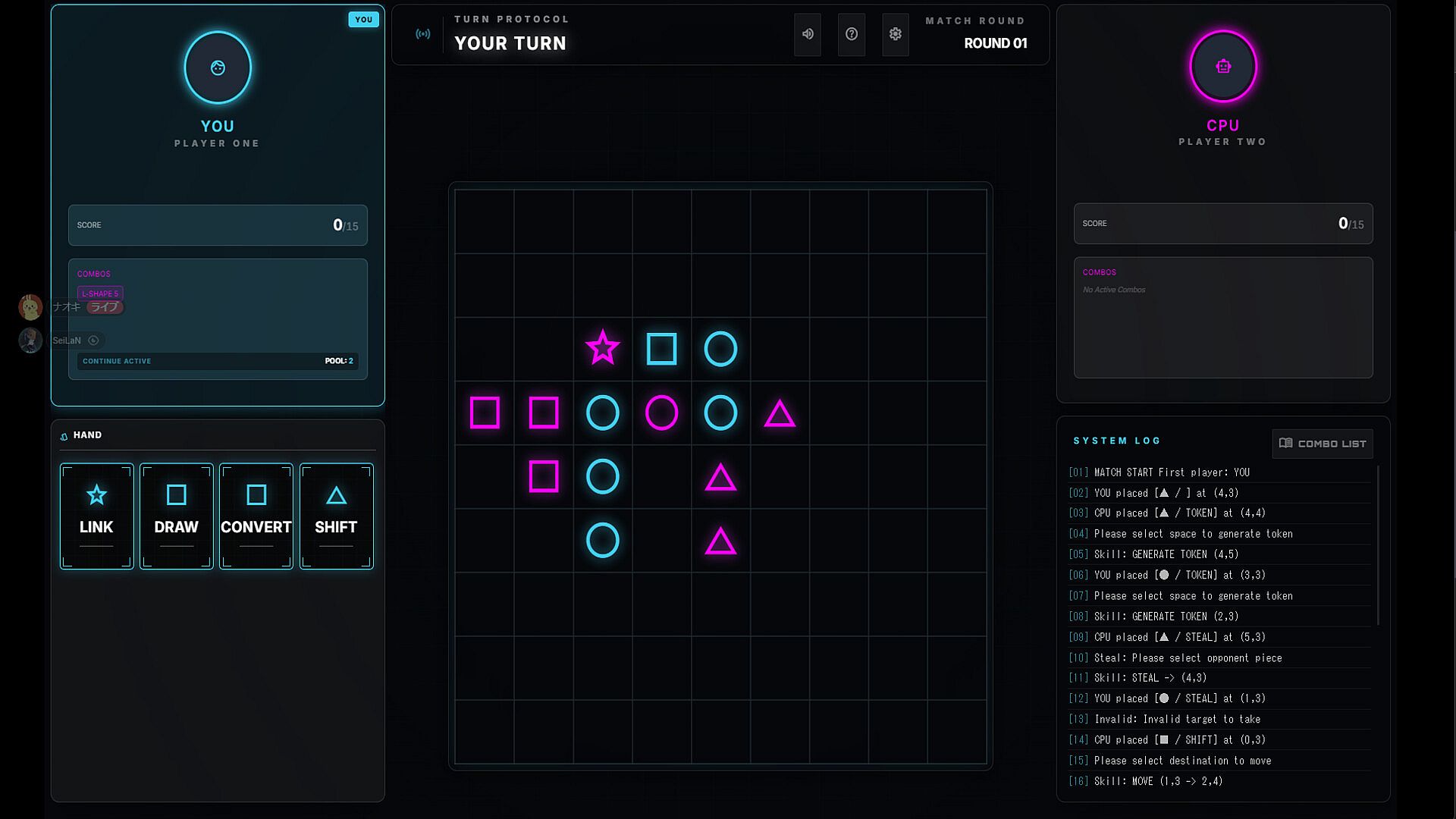
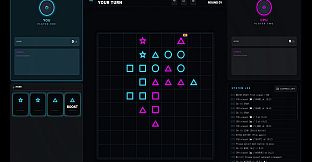
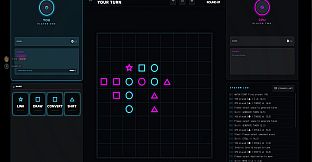
The core loop centers on placing cards onto open spaces to build combinations that award points. Special effects allow players to disrupt the opponent directly. WALL spaces created by one player cannot be used by the other, turning the board into a contested area where every placement alters available options and forces adjustments in strategy.
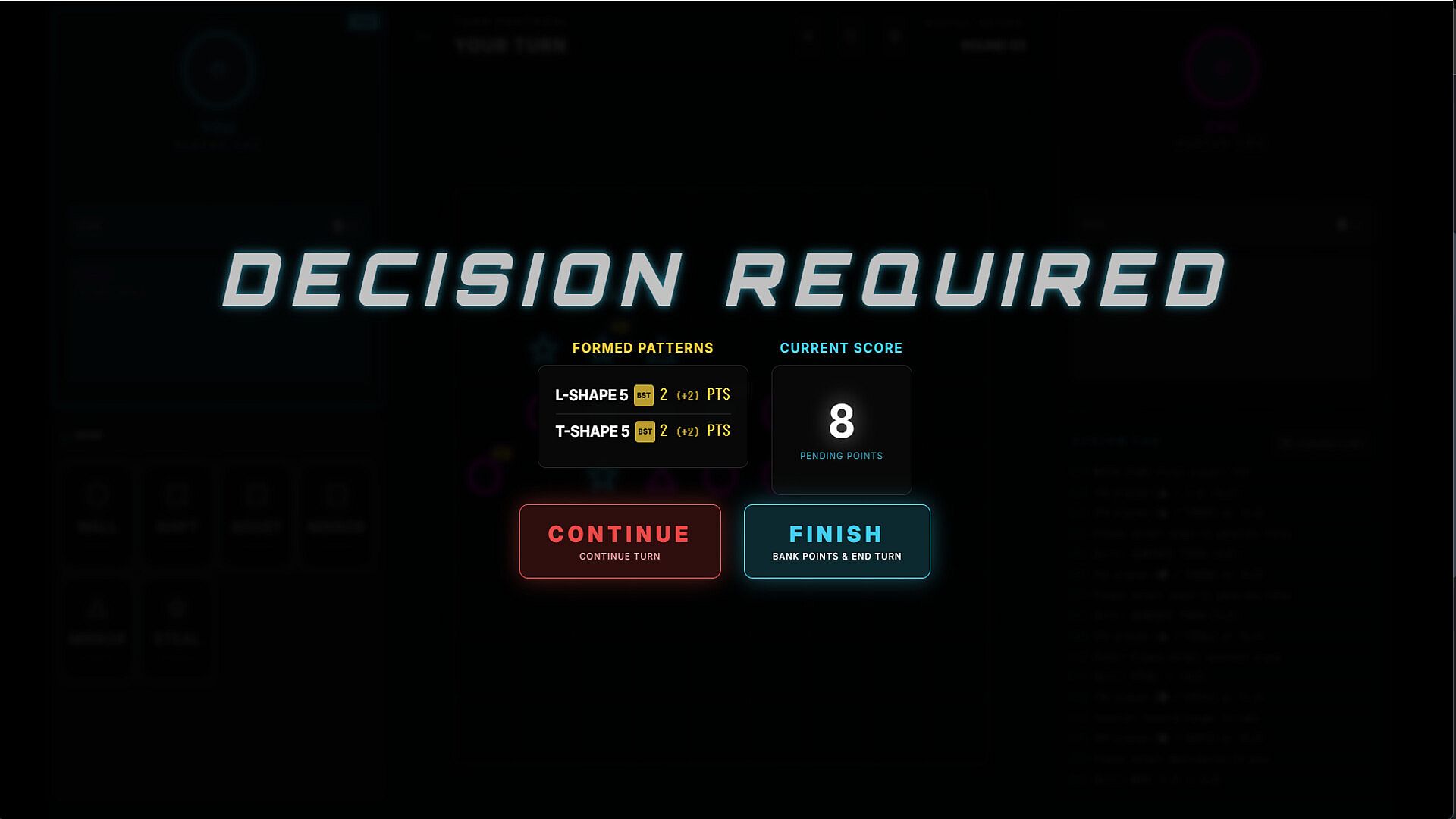
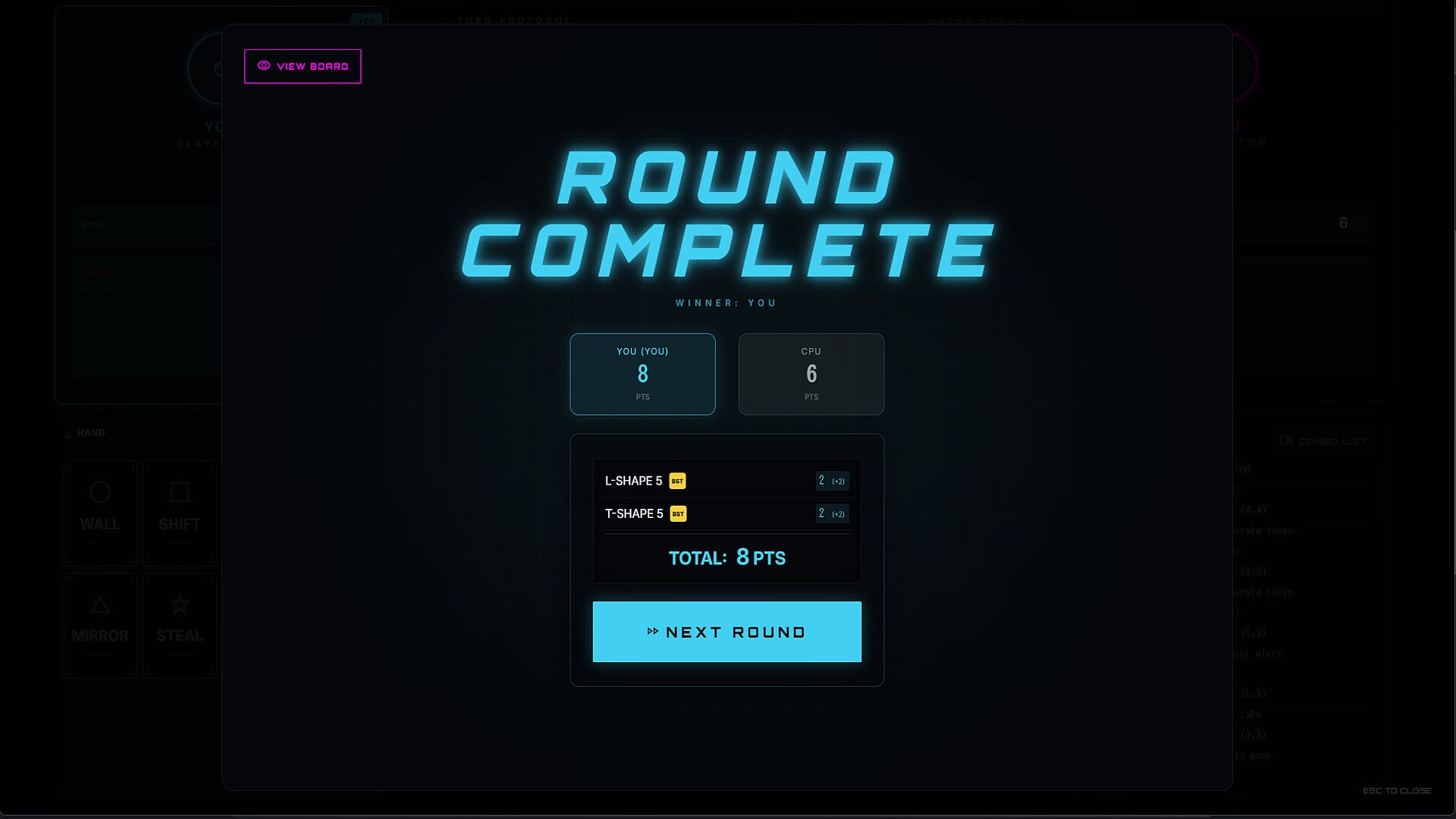
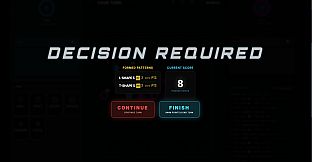
Timing plays a central role through the KOI-KOI decision. Completing a scoring combination presents a choice between claiming the points immediately or declaring KOI-KOI to continue the round for higher potential rewards. Continuing carries the risk that the opponent may seize the advantage instead, making the call dependent on the current board state and remaining opportunities.
Board control requires reading the layout, anticipating opponent moves, and positioning cards to create alignments that lead to victory. Matches emphasize placement, risk assessment, and limiting the other player's options in compact sessions.
Game Modes
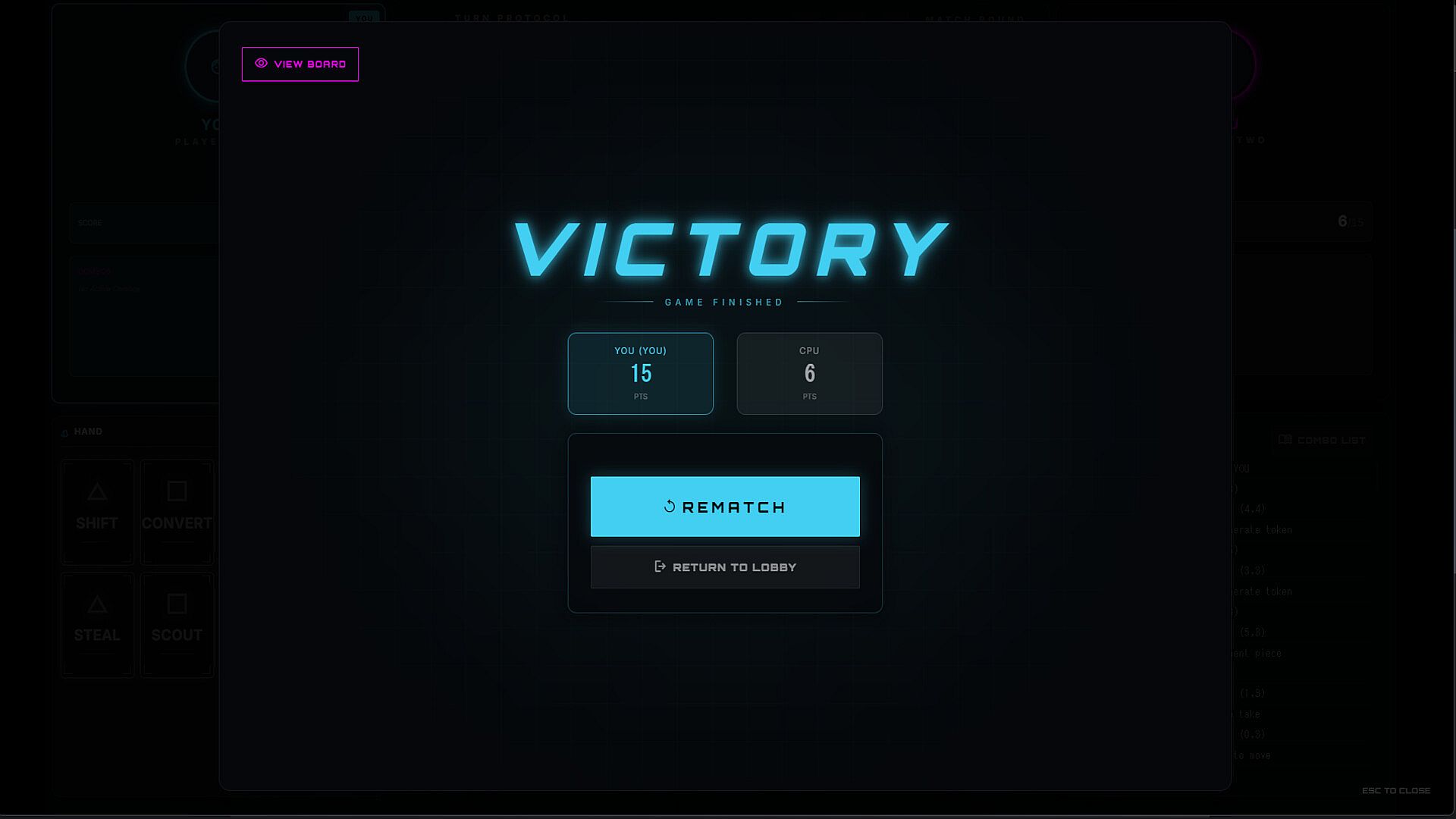
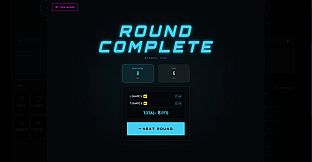
Single-player matches pit the user against three levels of AI difficulty. Online 1-on-1 matches allow direct competition with other players. Friends can be invited for private games. Target scores can be set to 5, 10, or 15 points. A rematch system supports quick follow-up games, and Steam achievements track progress across sessions.
Current State and Development
V:ALIGN remains in early access. Players may encounter bugs or unexpected behavior during matches. The developers continue to refine the experience and plan to add ranked matches in the future. Feedback helps shape improvements to the core systems of placement, timing, and risk.
Is It Worth Playing?
The game suits players who enjoy deliberate turn-based strategy with elements of card combination building and board denial. Its mix of solo AI opponents and online matches provides options for both practice and direct competition. The KOI-KOI risk mechanic adds tension to scoring decisions, while the WALL system creates meaningful interaction between players on the shared board. Those interested in compact strategy sessions that reward reading the state of play and managing uncertainty will find the available modes and mechanics aligned with that preference. As development continues, the addition of ranked play could expand the competitive side further.












