


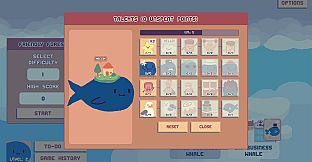

Whalelord is a strategy simulation game built around inventory management and roguelite runs. Players control a space whale named Whiley who must generate income by turning his own back into a functional town. The core loop centers on placing buildings, collecting rent in real time, and managing an economy that grows more demanding with each passing second.
Gameplay
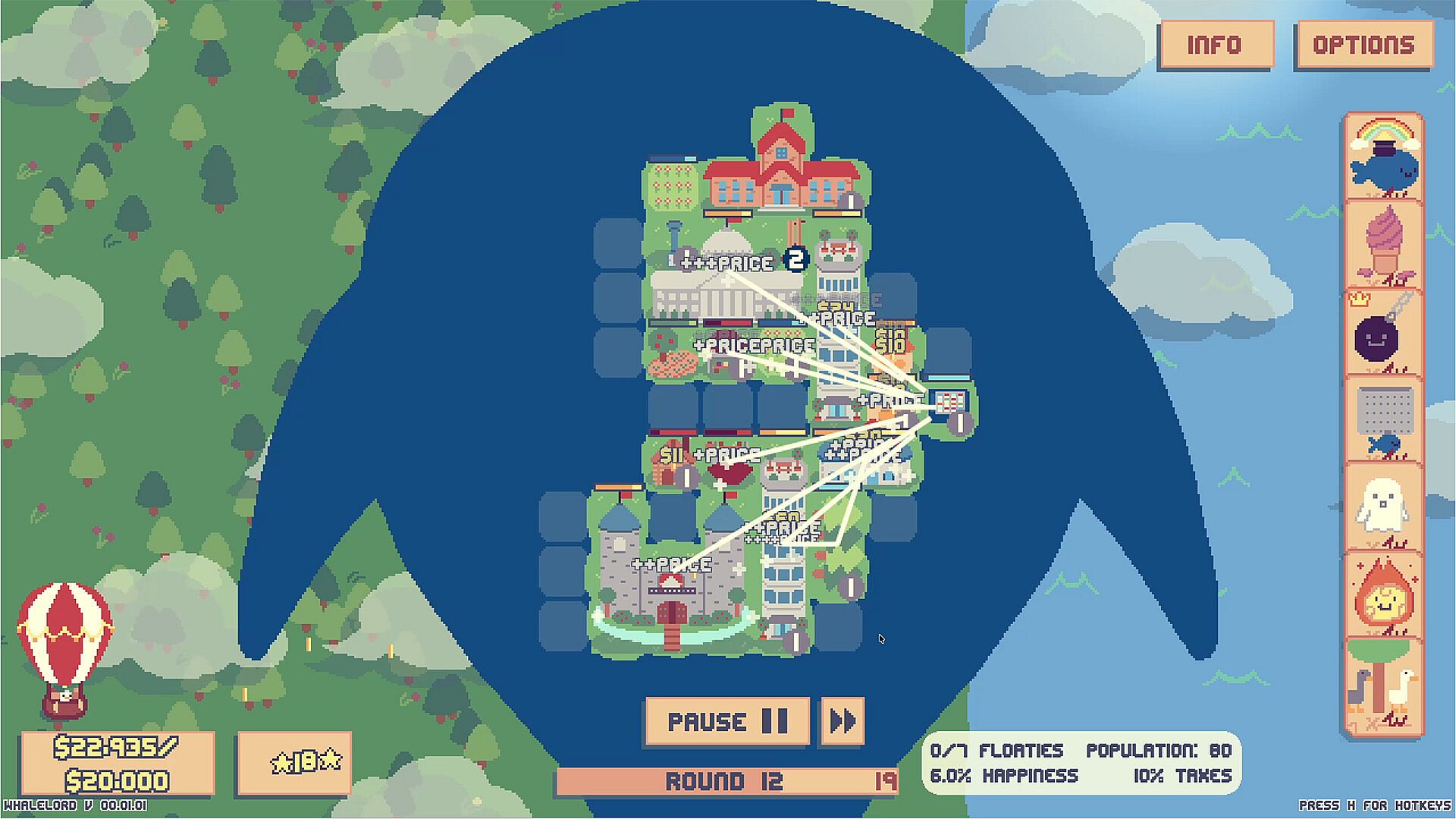
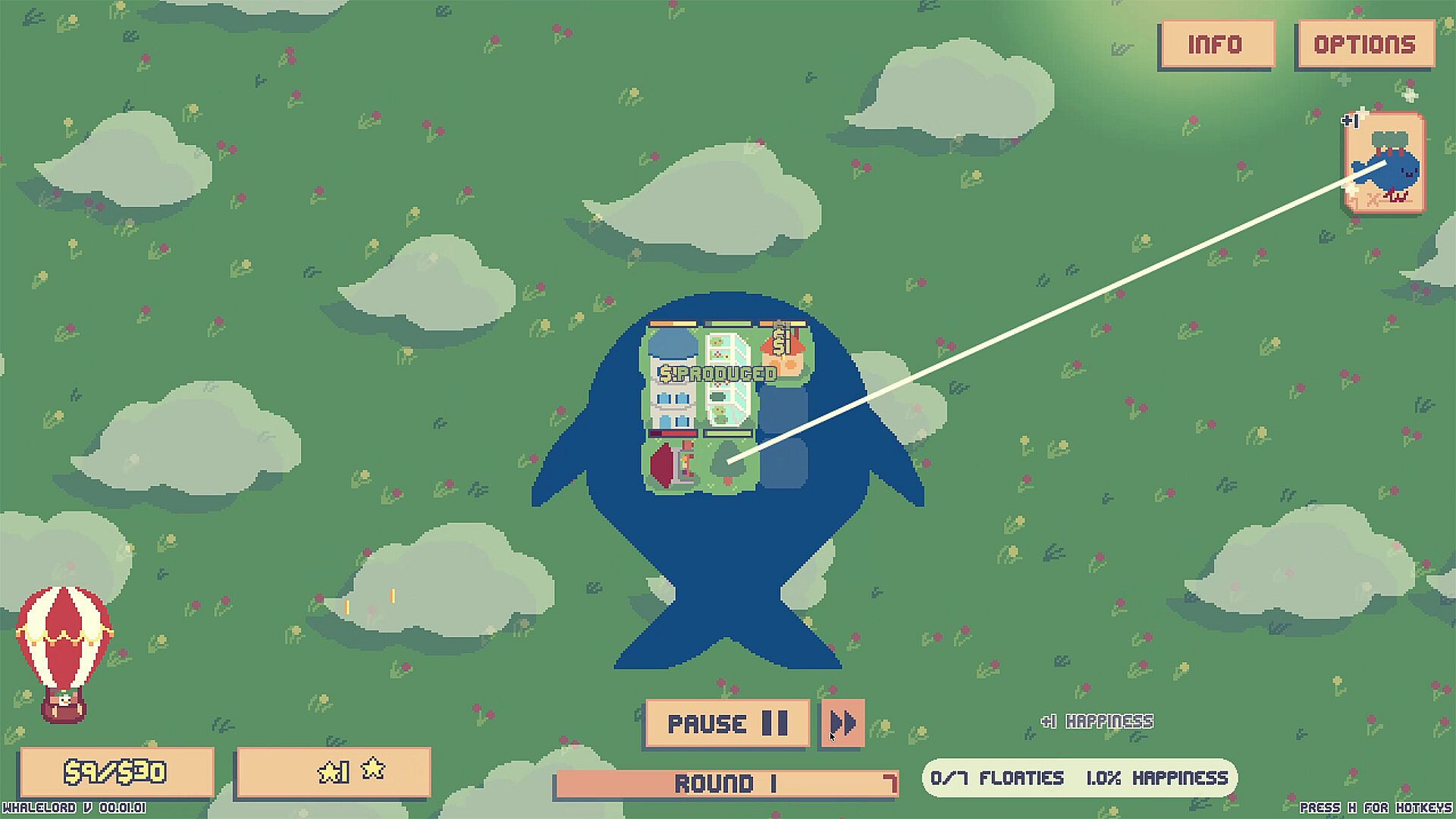
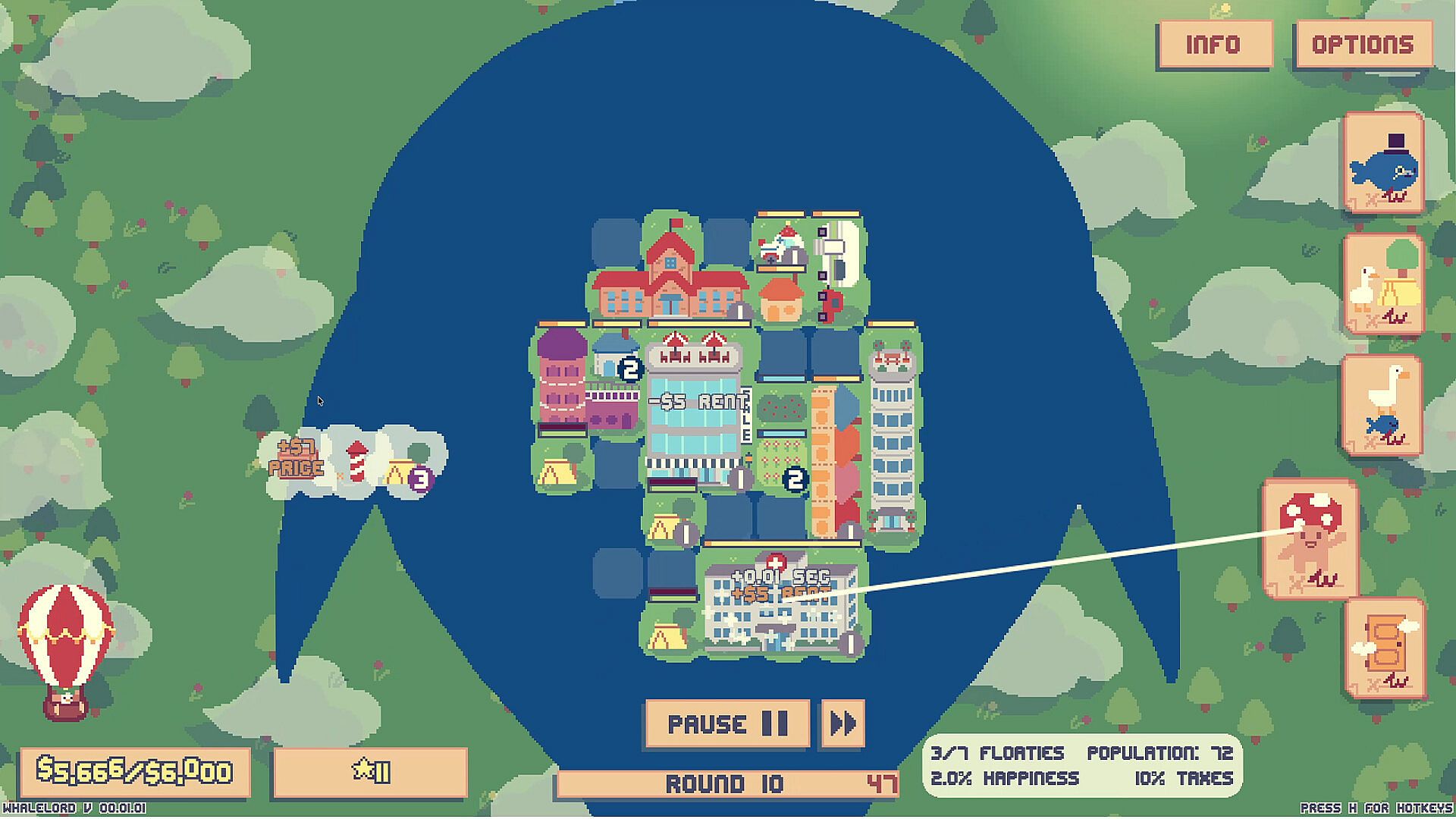
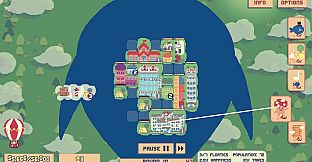
The central activity involves arranging structures directly on the whale's back. Houses, shops, decorations, and production buildings occupy limited space, and their placement determines how efficiently rent flows in every second. Production buildings feed into the economy while shops and houses generate steady income, forcing careful decisions about layout and priorities.
Assets bought at low prices can rise in value as the setup expands. Players decide whether to keep profitable structures running or sell them off at peak moments to cover rising upkeep costs. This buy-low, grow, sell-high cycle creates tension between long-term growth and immediate needs.
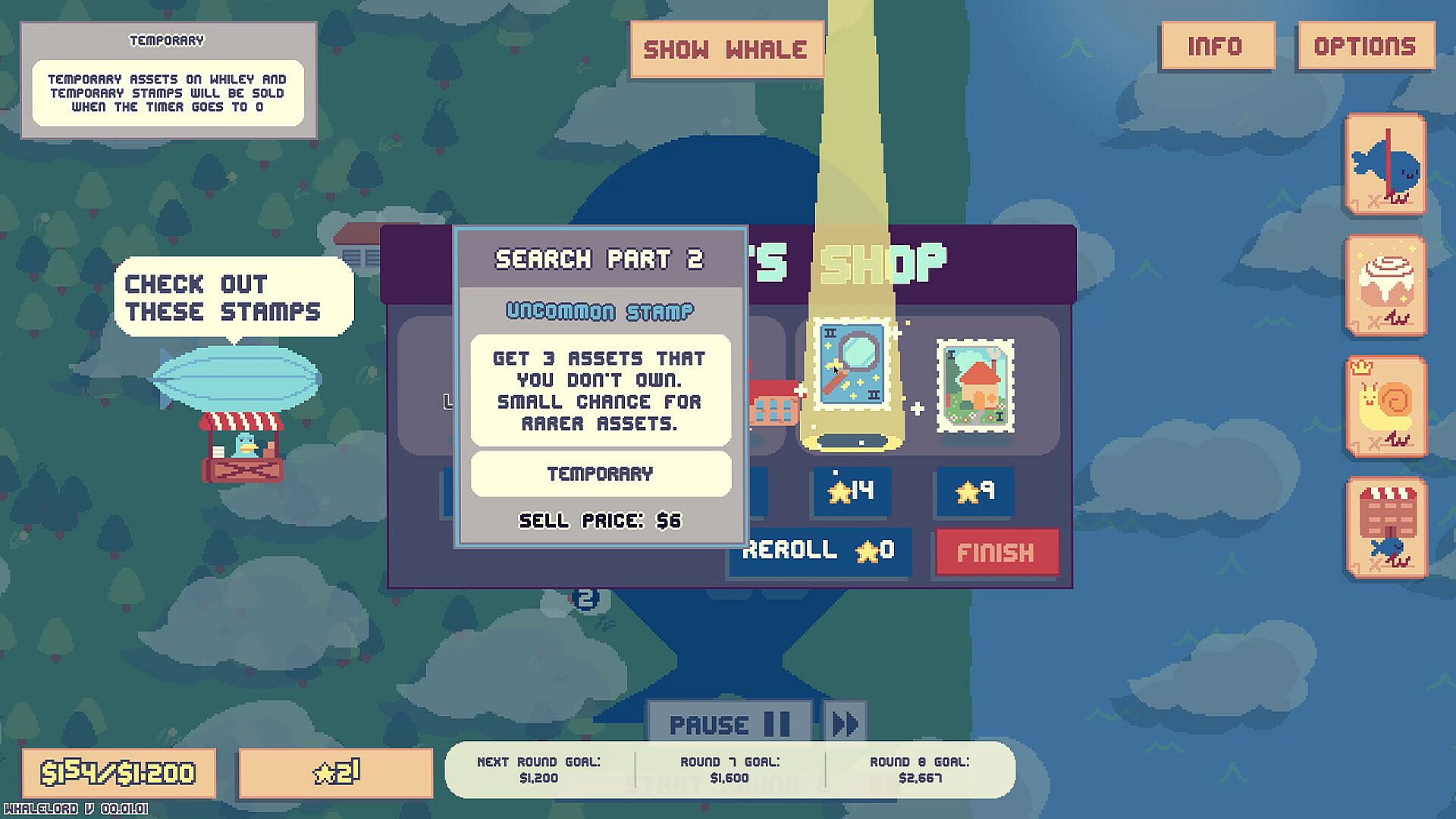
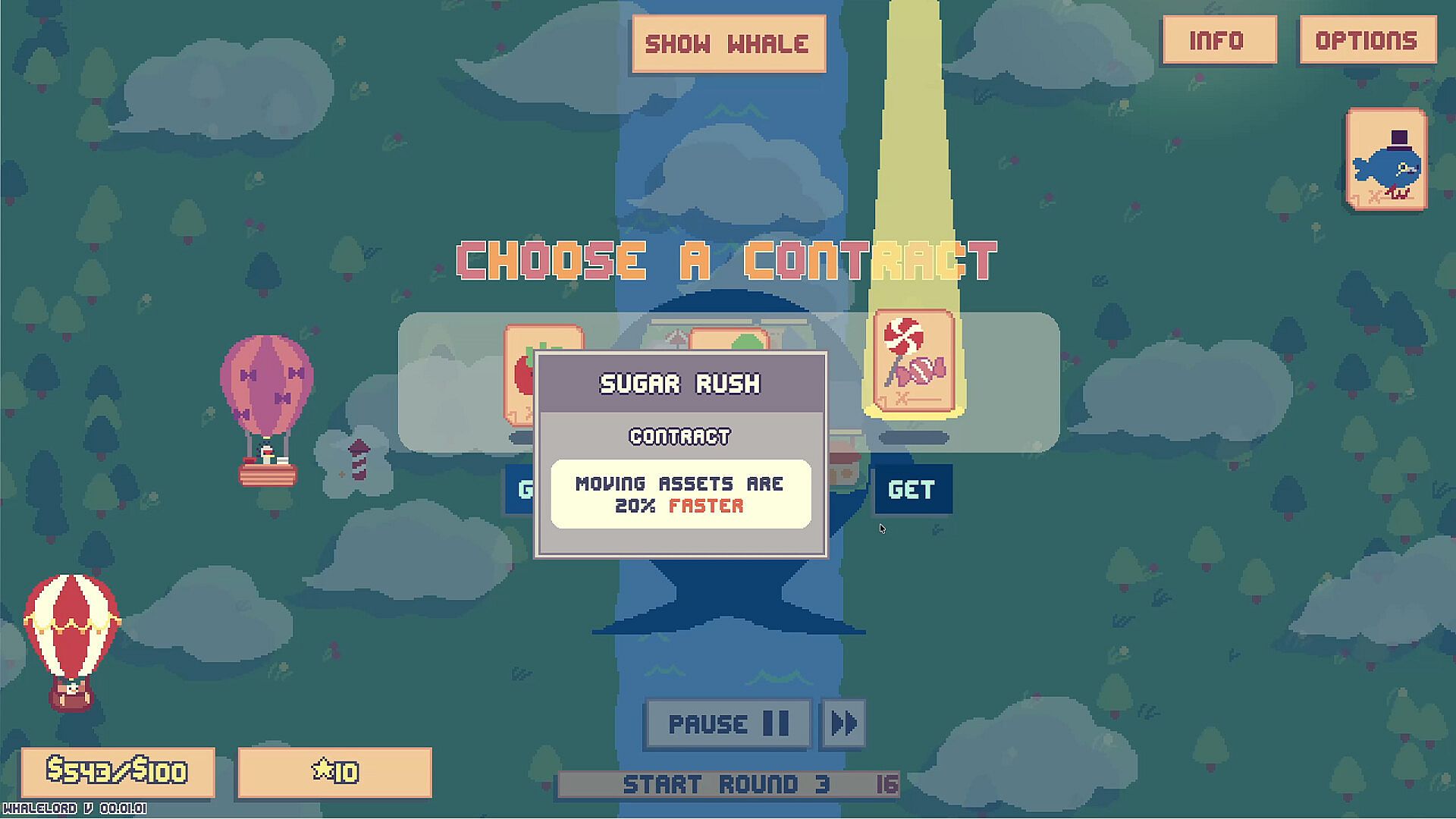
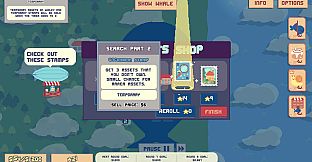
Contracts appear whenever a bird arrives, offering new buildings, stamps, or binding agreements that alter how the economy functions. Combining these effects produces synergies that help sustain the setup through each round. The goal remains reaching space, which requires accumulating enough resources to support the whale's massive appetite while navigating successive locations that introduce fresh constraints.
Game Modes
Whalelord structures its experience as a series of roguelite runs. Each run begins in Fluffy Meadow and progresses through additional locations toward outer space. Every location presents its own set of challenges that affect building placement, resource flow, and contract options.
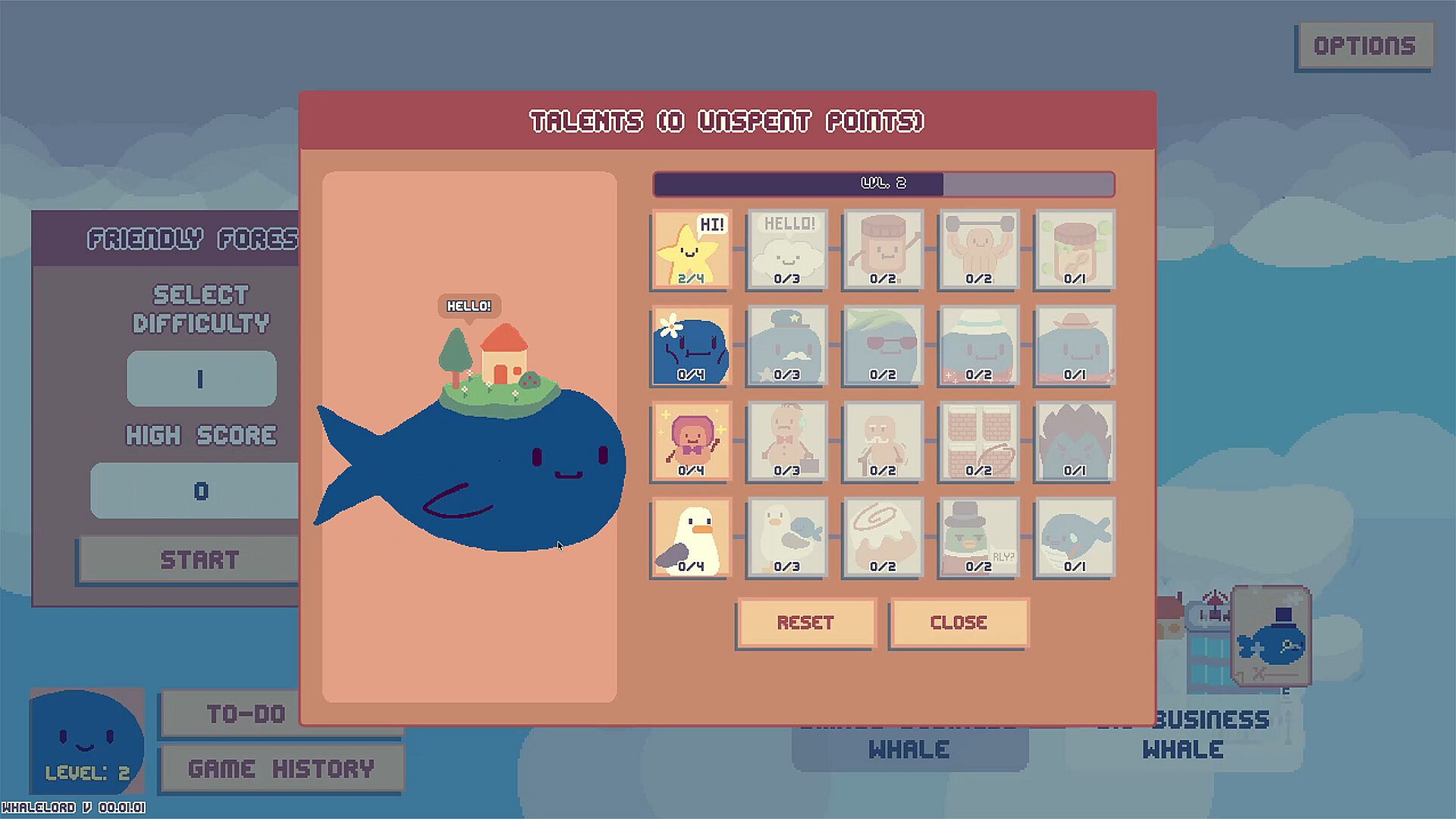
Within each run, players manage ongoing rent collection while adapting to the effects of chosen contracts and asset sales. The roguelite structure means runs end when upkeep can no longer be met, encouraging experimentation with different building combinations and contract synergies on subsequent attempts.
Core Mechanics and Progression
Rent collection happens automatically every second once buildings are positioned, turning the whale's back into a living economic engine. Space on the back is finite, so every placement carries weight. Decorations and production buildings support the overall system while houses and shops provide direct income.
Seller Seagull serves as the outlet for selling assets at advantageous times. Timing these sales correctly helps offset the ever-increasing upkeep that comes with larger setups and further travel. The journey itself unfolds across distinct locations, each adding layers to the management challenge without altering the fundamental loop of placement, collection, and strategic selling.
Is It Worth Playing?
Whalelord suits players who enjoy deliberate resource management and short, repeatable sessions with meaningful decisions. The real-time rent collection combined with roguelite restarts creates a steady rhythm of planning and adjustment. Those drawn to inventory-focused strategy games or light capitalism simulators will find the building and selling loop engaging.
The humorous premise of a space whale acting as landlord adds flavor without complicating the systems. Because each run involves fresh contract choices and location-specific hurdles, the experience rewards experimentation across multiple attempts. If the described mechanics align with your preferences for thoughtful placement and economic timing, the game offers a focused single-player strategy simulation worth trying on PC.