

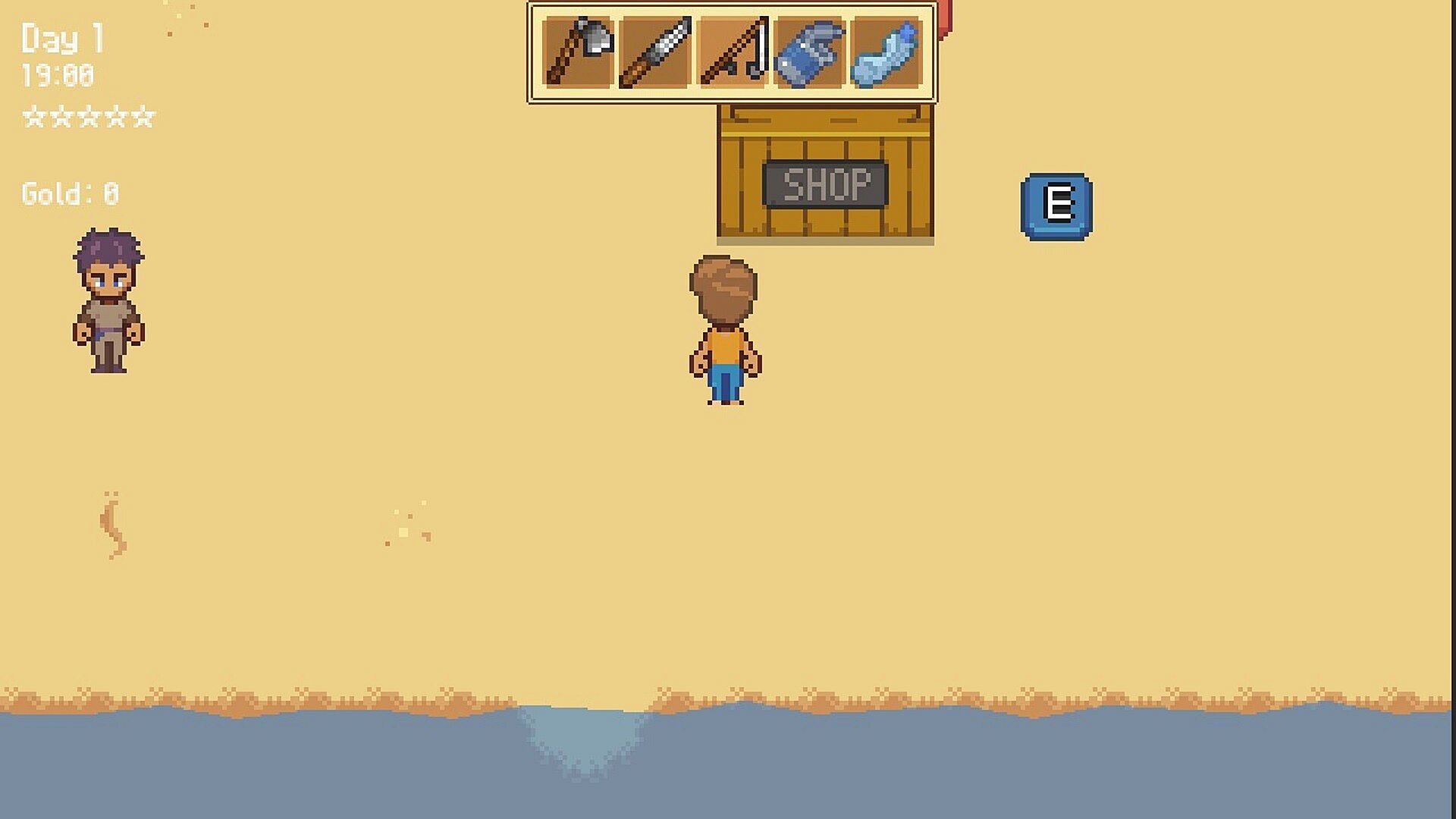
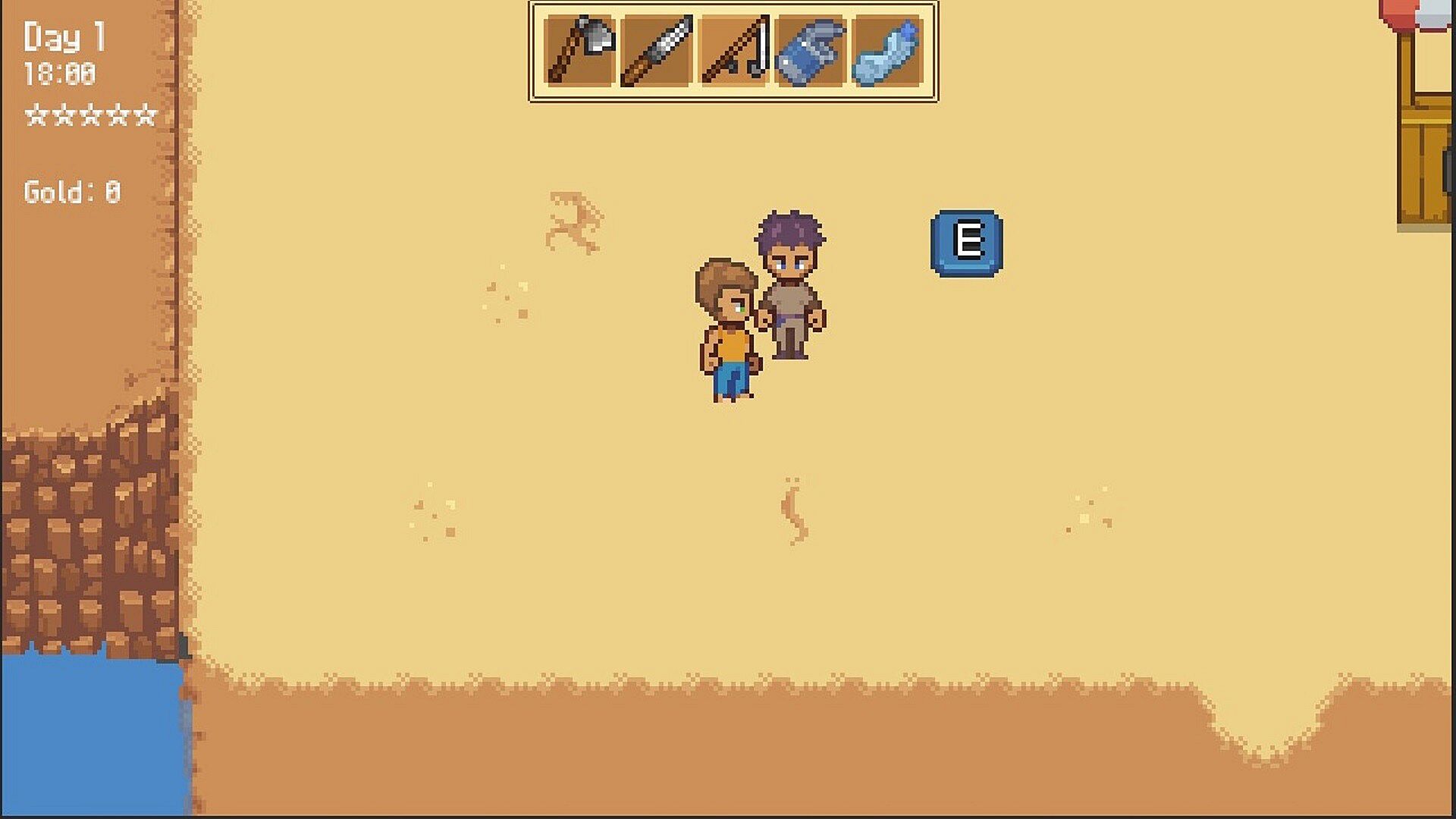
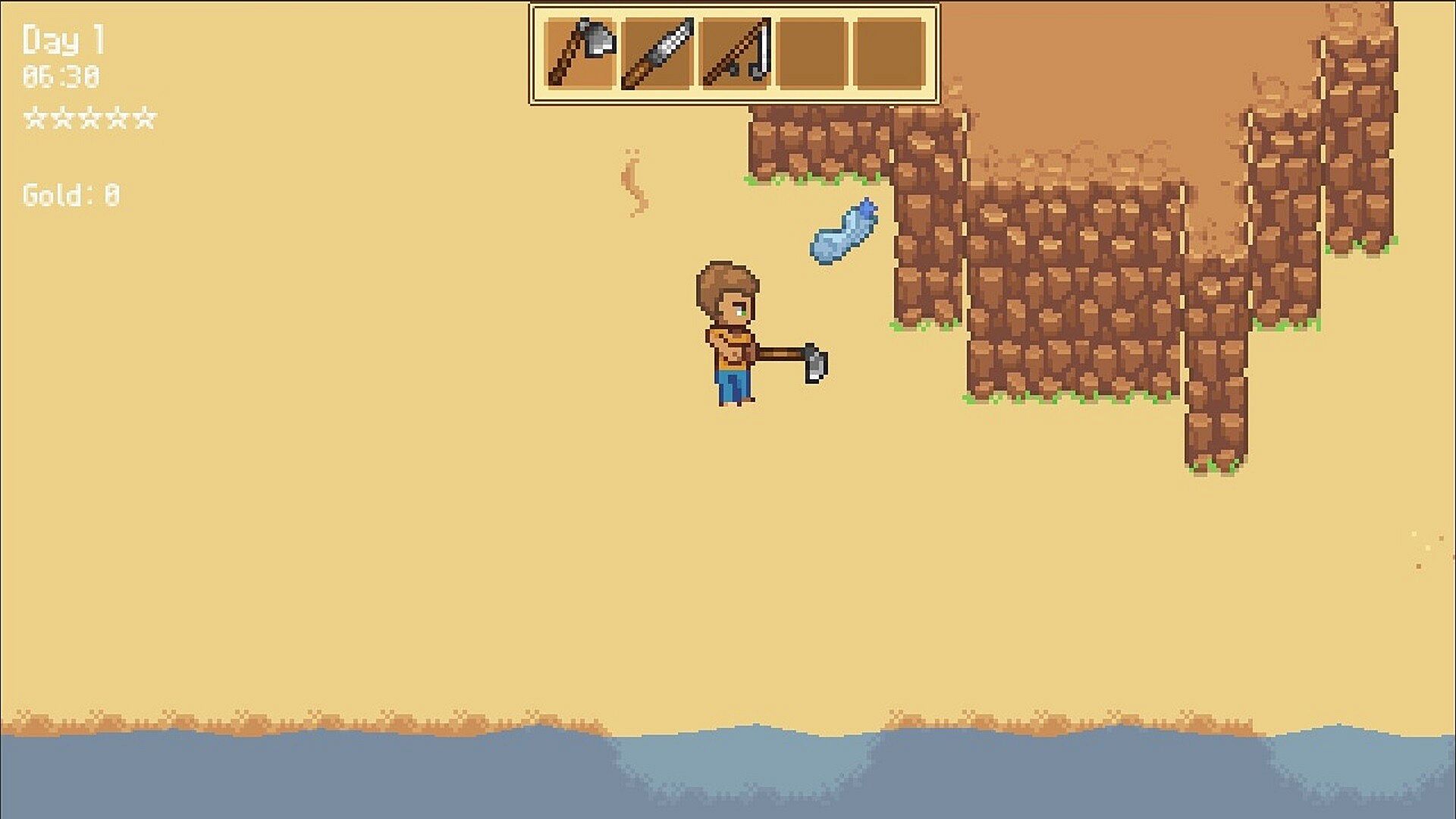




依林镇生活 is an indie simulation game set on PC that centers on restoring a once-beautiful coastal town damaged by corporate pollution. Players take on the role of a new landowner who arrives to find barren plots and contaminated surroundings, then works to revive the ecosystem through careful farming and environmental projects while building connections with local residents.
Gameplay
The core loop revolves around ecological farming and restoration efforts. Players study different crops to understand their needs, arrange plantings to maximize growth, and manage issues like diseases and pests that can affect yields. This requires ongoing observation and adjustments to layouts rather than simple planting cycles.
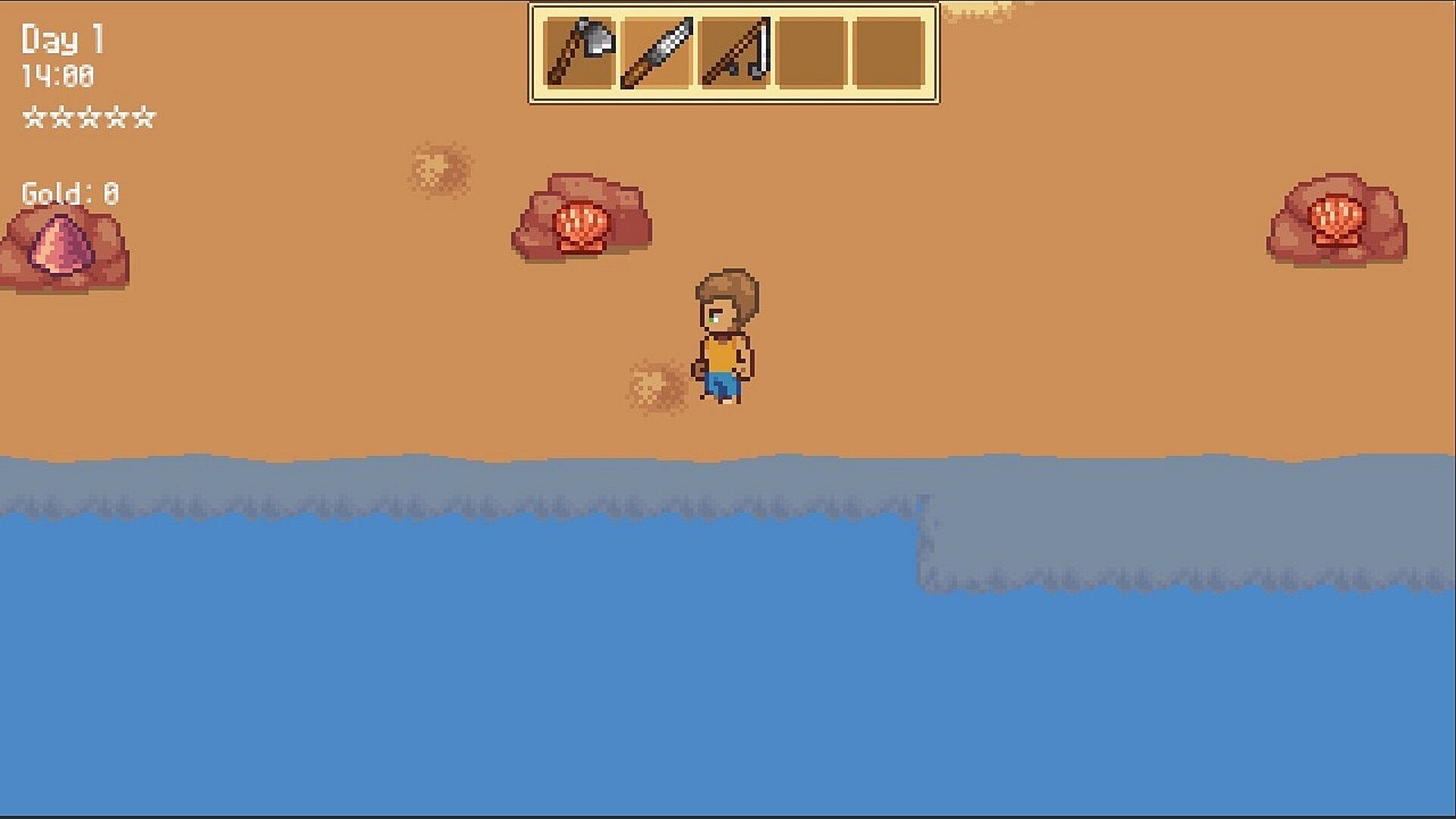
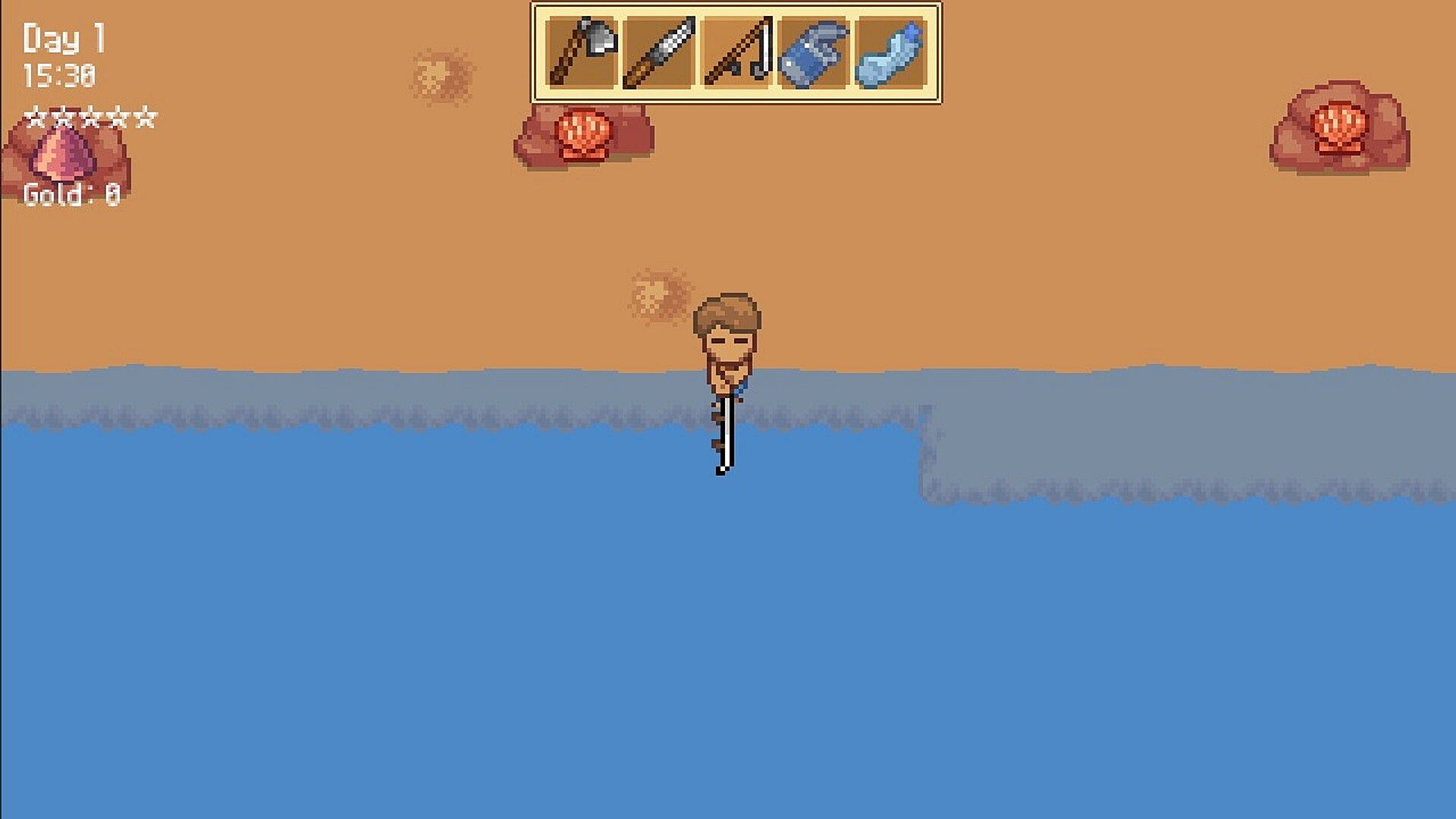
Restoration extends beyond fields into forests, coastlines, and mines. Activities include planting trees, collecting mushrooms, constructing oyster reefs for shellfish farming, and setting up purification equipment to clean polluted areas. These actions gradually transform the environment, turning ruined landscapes back into thriving natural spaces.
Interactions with townspeople add another layer. Bounty quests provide structured tasks that reward resources while advancing personal stories with non-player characters. Gathering evidence of past pollution ties into these relationships and contributes to a larger narrative about confronting the responsible corporation.
Game Modes
The experience unfolds as a single-player simulation without separate competitive or multiplayer modes. All activities integrate into one continuous session where farming, restoration projects, and quest completion happen alongside each other in the same world.
Progress comes from balancing these elements over time. Players decide how much focus to place on crop management versus environmental rebuilding or social engagements, creating varied playstyles within the same framework. The absence of rigid mission structures allows for flexible pacing suited to relaxed, long-term engagement.
Restoration and Exploration
Exploration reveals polluted zones that players address through targeted interventions. Forests offer opportunities for tree planting and foraging, while coastal areas support reef construction and marine farming. Mines require installation of cleaning devices to reverse damage from industrial activity.
These projects connect directly to farming success. Healthier surroundings improve crop conditions and open new resource options, encouraging players to expand their efforts across the map rather than staying in one area.
NPC Relationships and Quests
Bounty quests serve as entry points to deeper character stories. Completing them unlocks dialogue branches and reveals personal histories tied to the town's decline. Evidence collection during these tasks builds toward a confrontation with the polluting corporation, giving quests narrative weight beyond simple rewards.
Relationships develop through repeated interactions and gift-giving during quests. Unique storylines emerge based on choices and progress, adding replay value for those who want to explore different social paths.
Is It Worth Playing?
This title suits players who enjoy methodical simulation games focused on environmental themes and steady progression. The single-player format emphasizes personal decision-making in farming layouts, restoration projects, and quest priorities without external competition or time pressure.
With the game still listed as coming soon and no reviews available yet, interest depends on preference for indie simulations that combine resource management with light narrative elements. Those drawn to ecological restoration mechanics and town-rebuilding loops will find the described systems align closely with that style.