


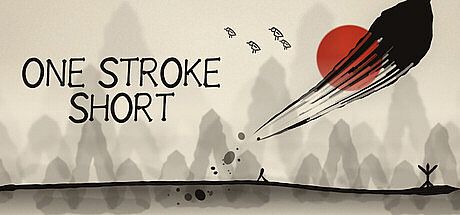



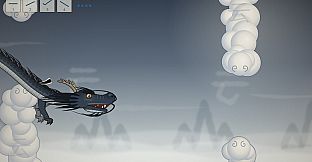
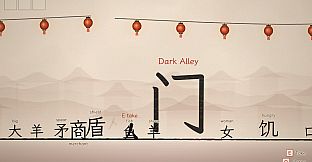
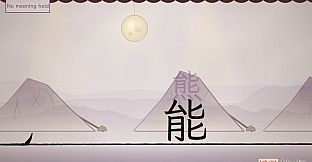
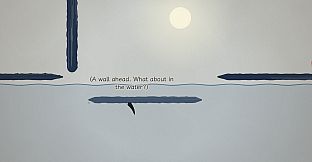
一撇 One Stroke Short is an indie casual adventure game built around the mechanics of Chinese characters and their formation. Players control a single brushstroke that has fallen from an unfinished character in a world made entirely of ink and words. The experience centers on manipulating text to solve puzzles, with every action tied directly to how characters are constructed and used.
Gameplay
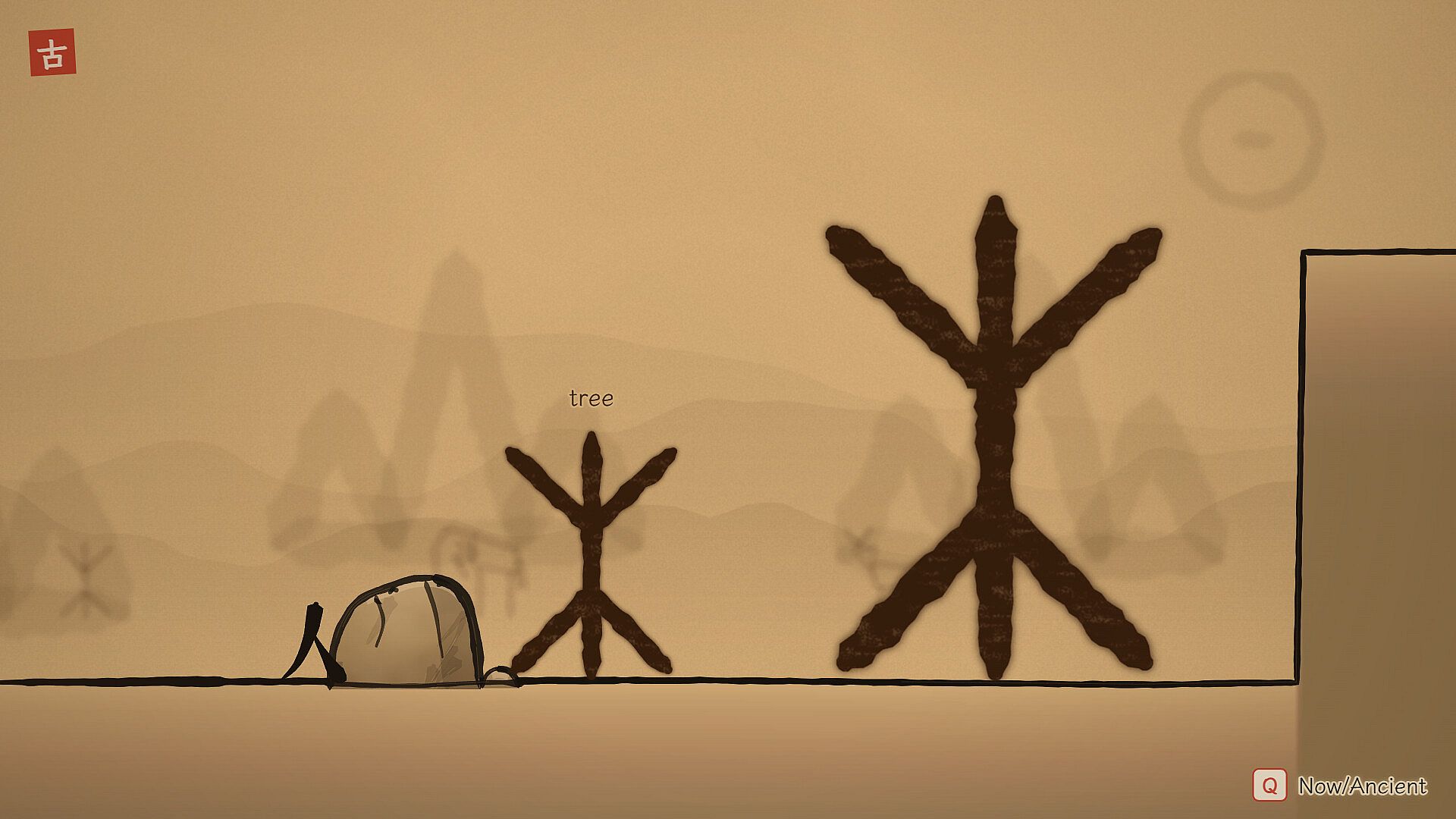
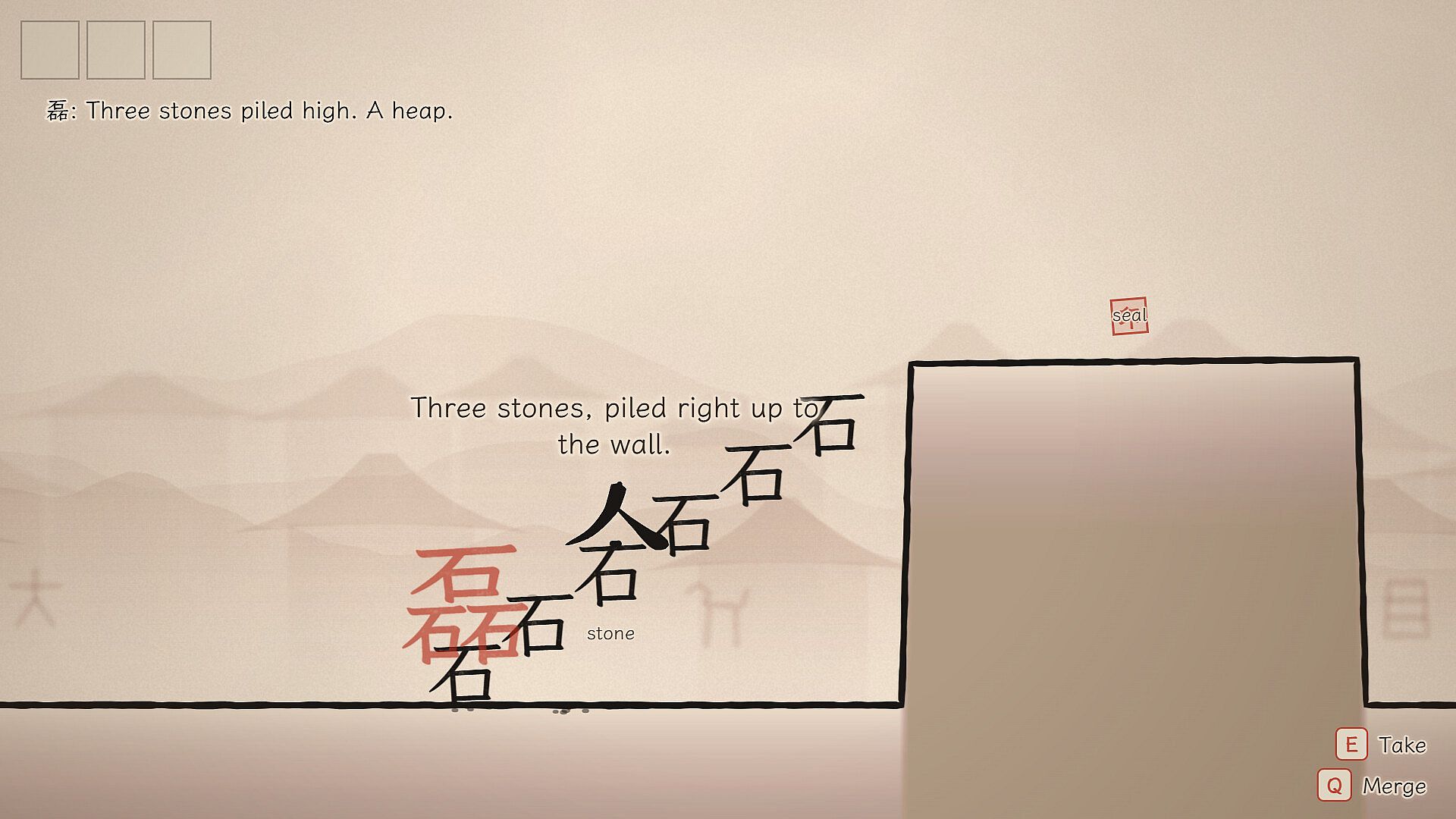
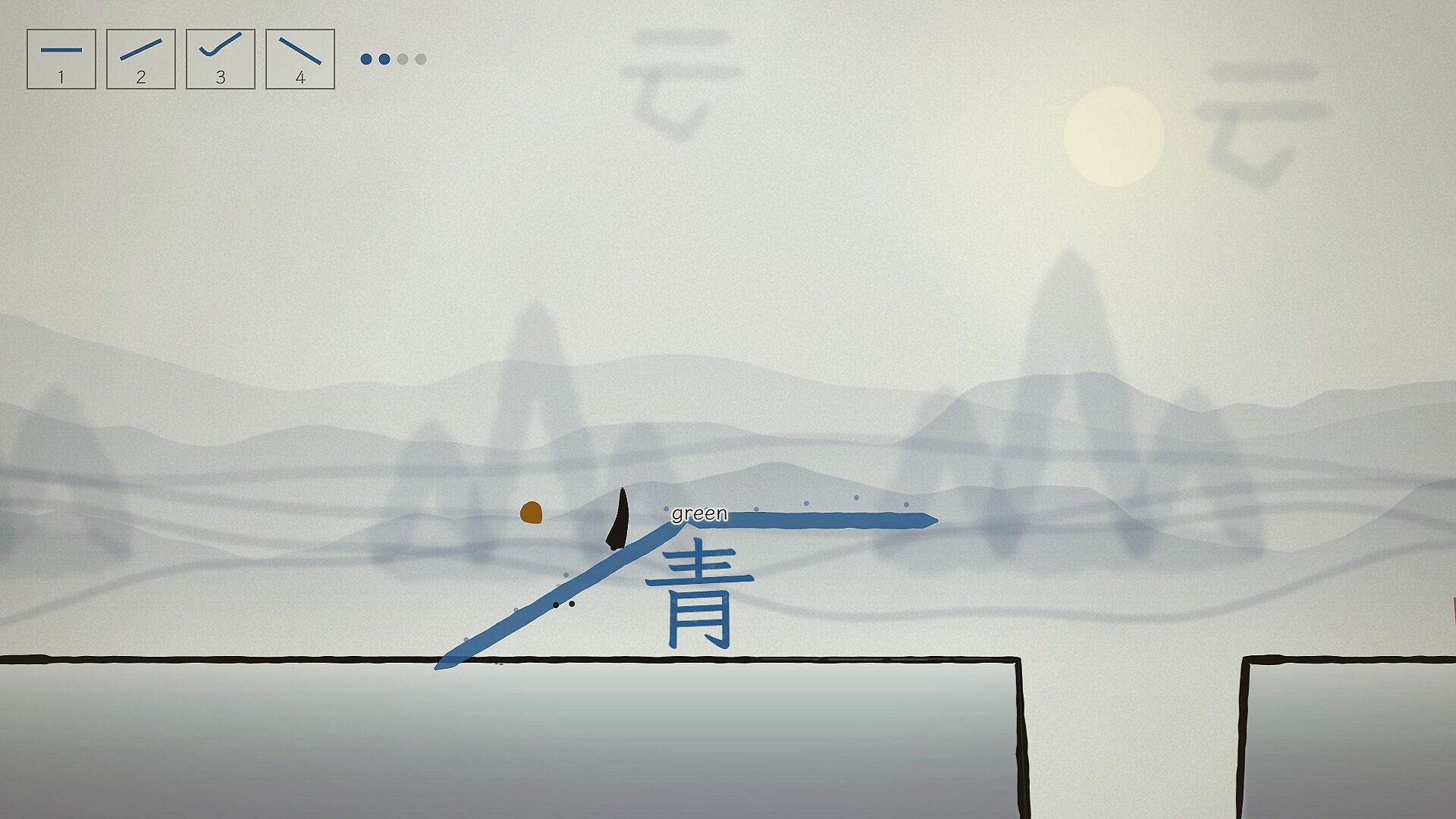
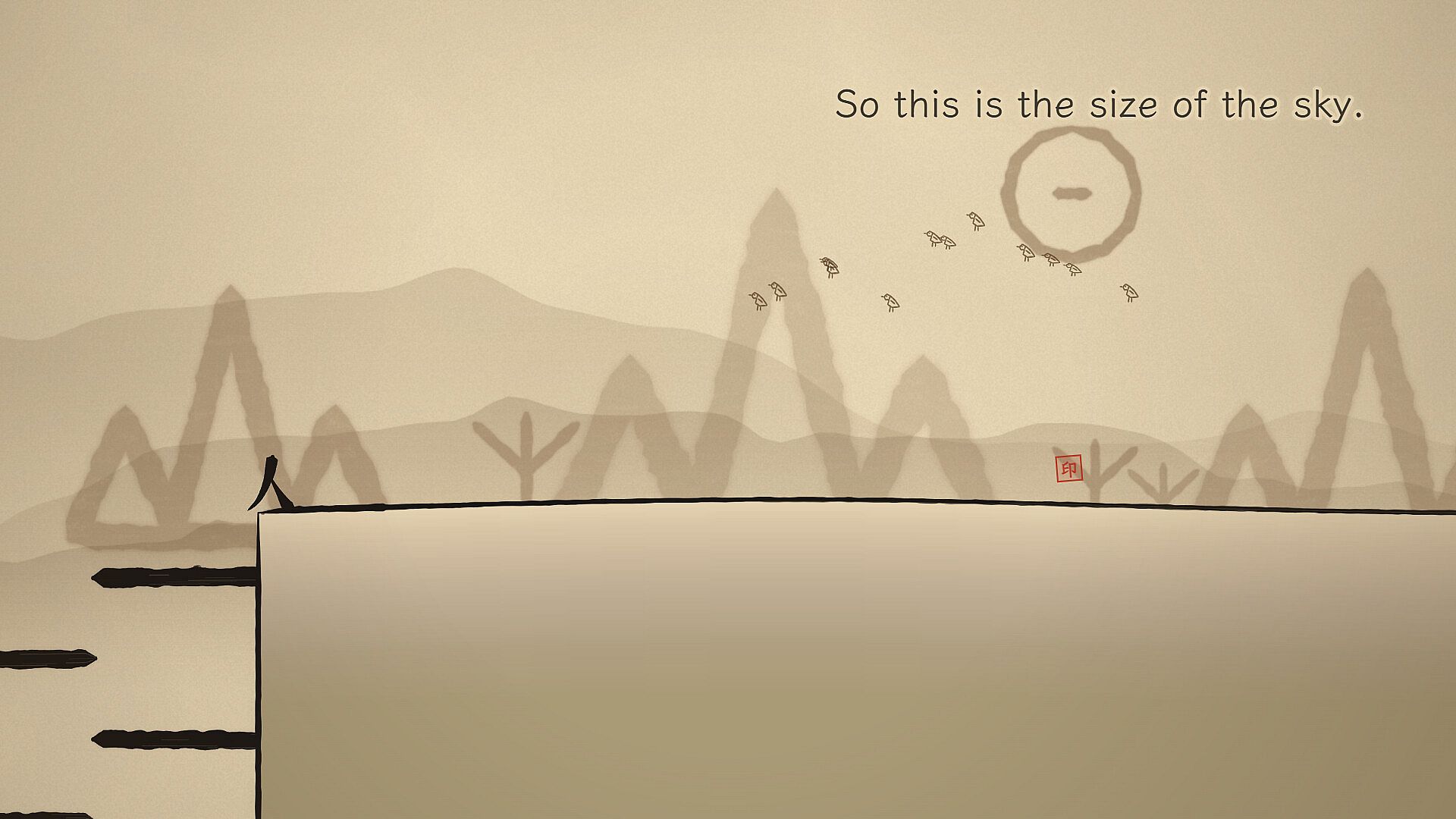
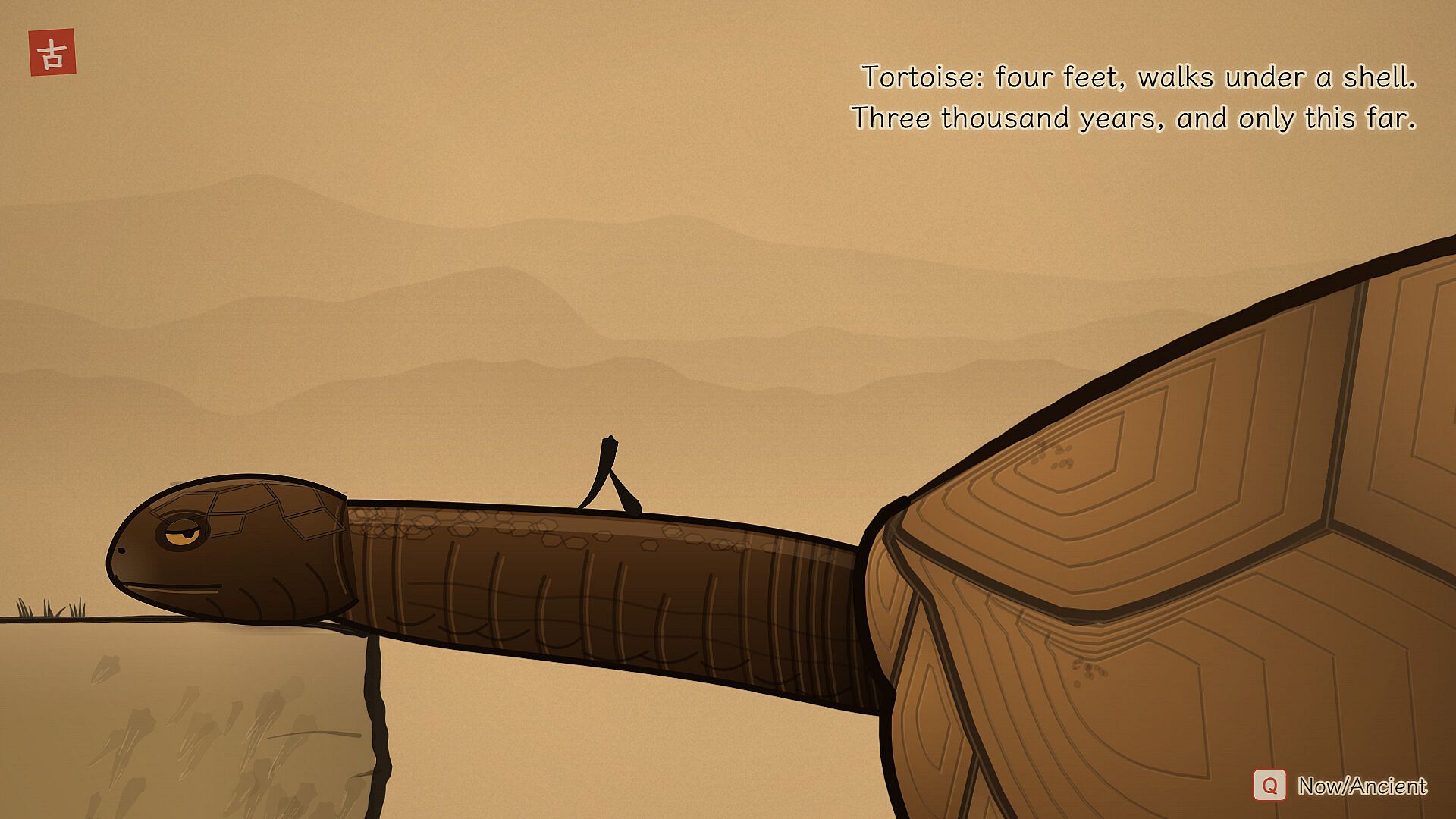
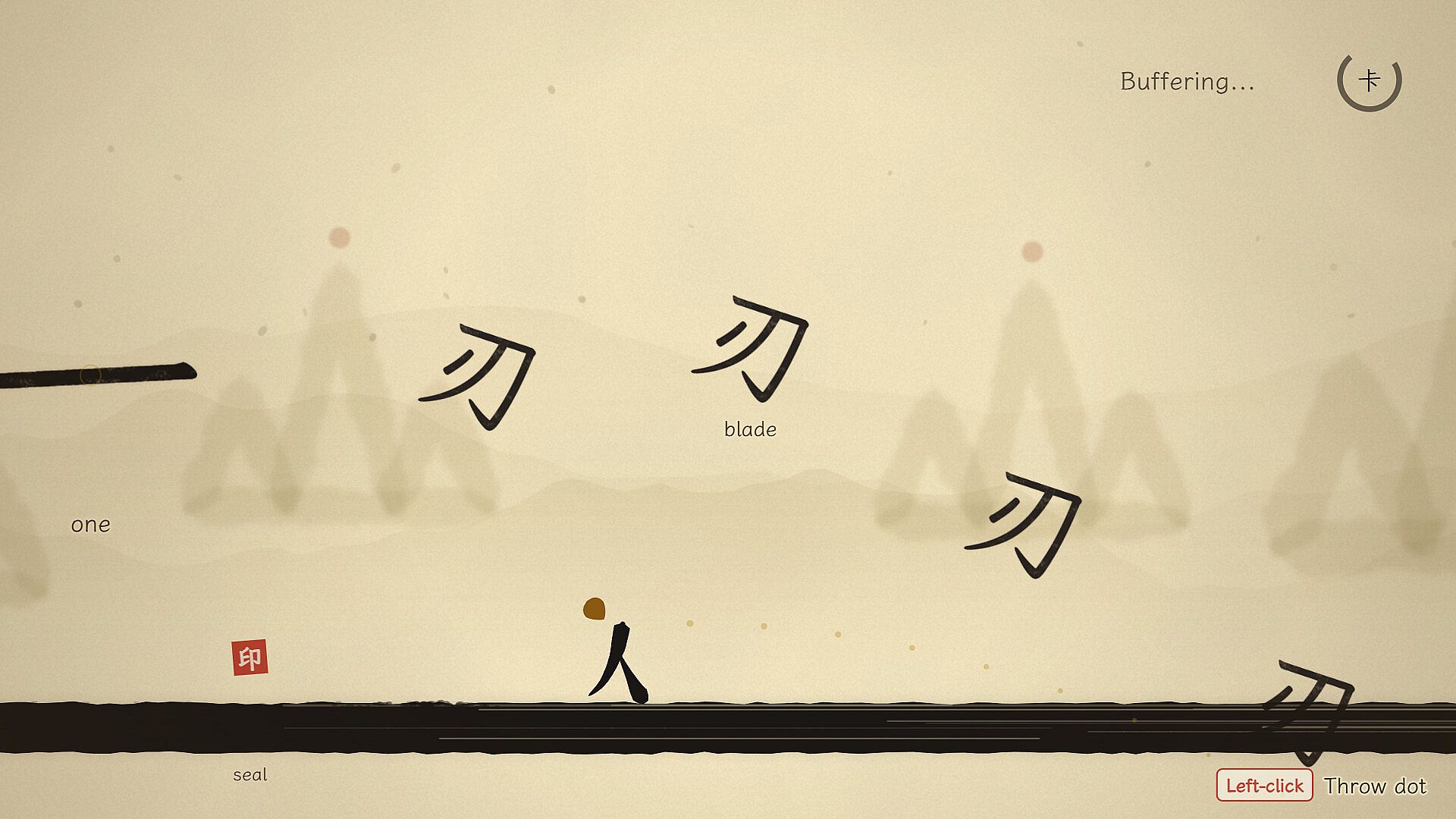
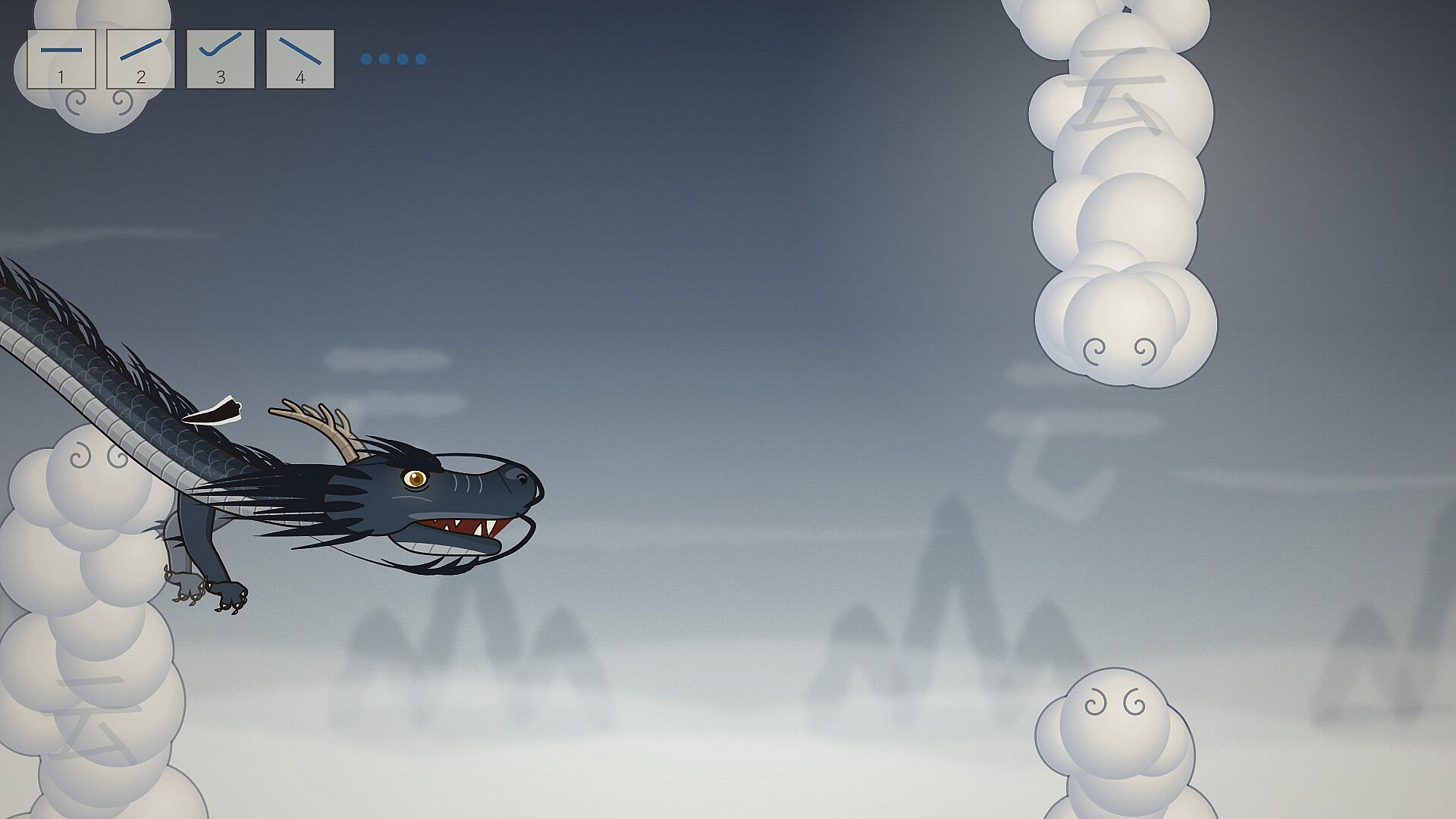
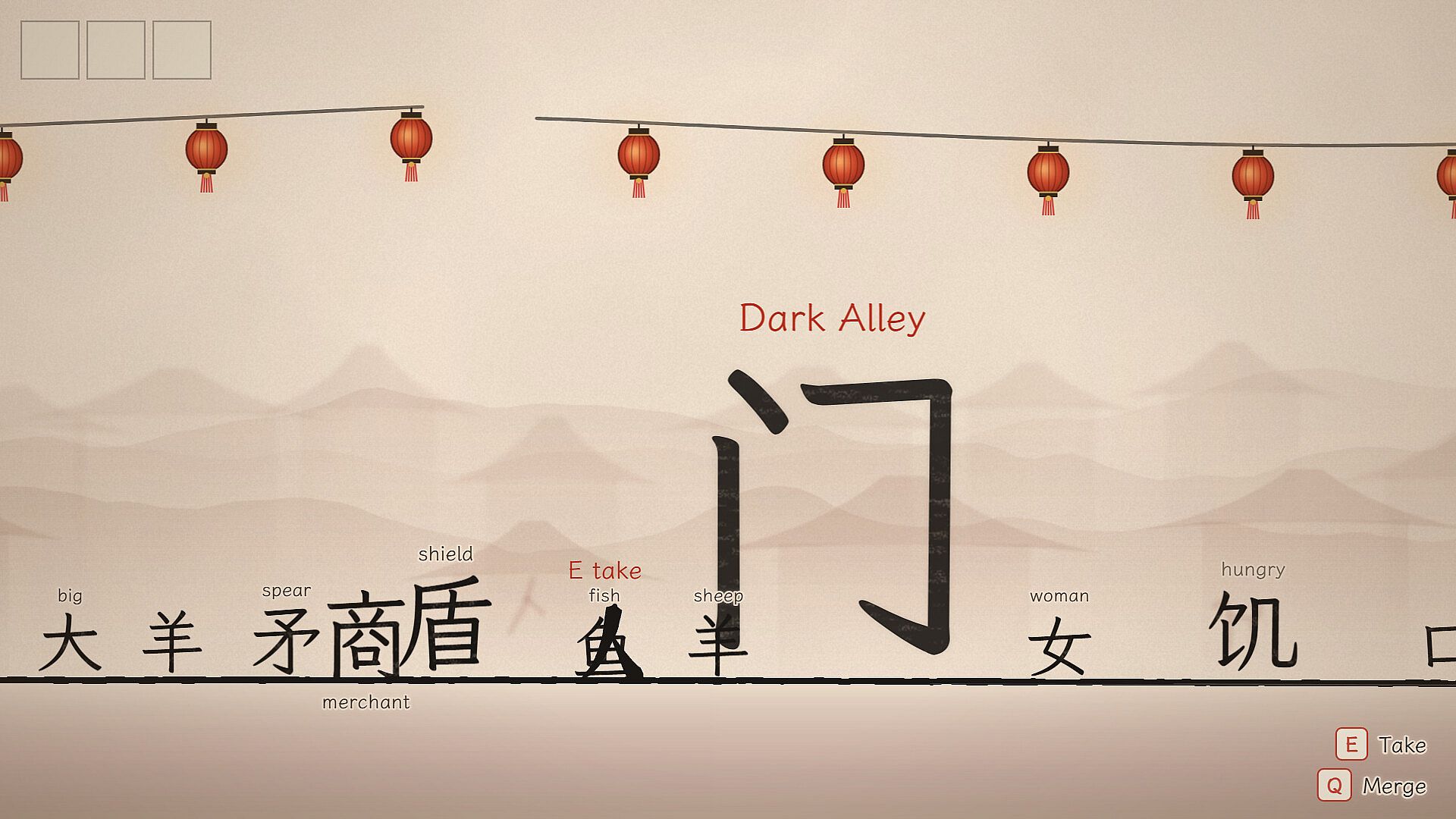
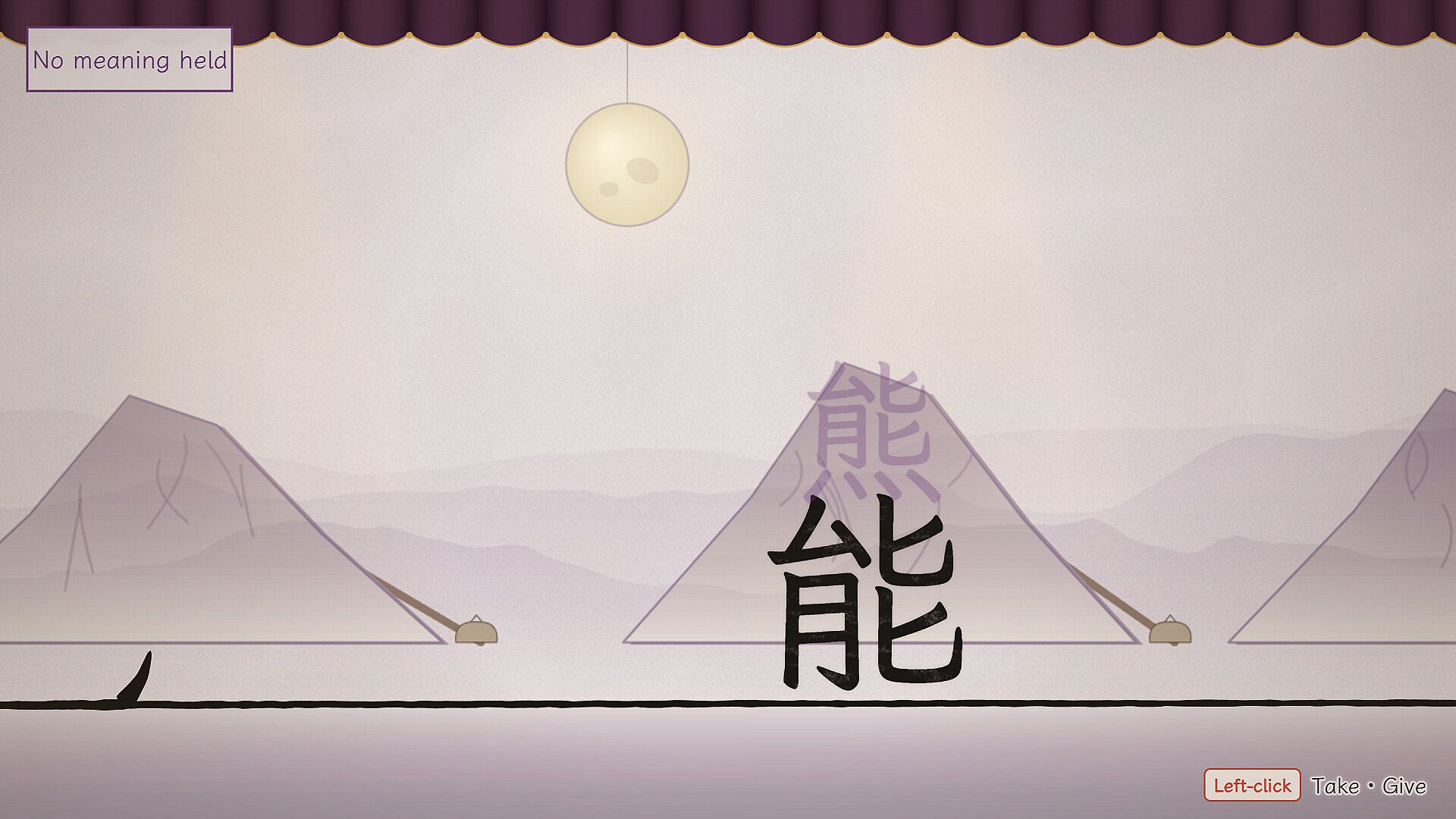
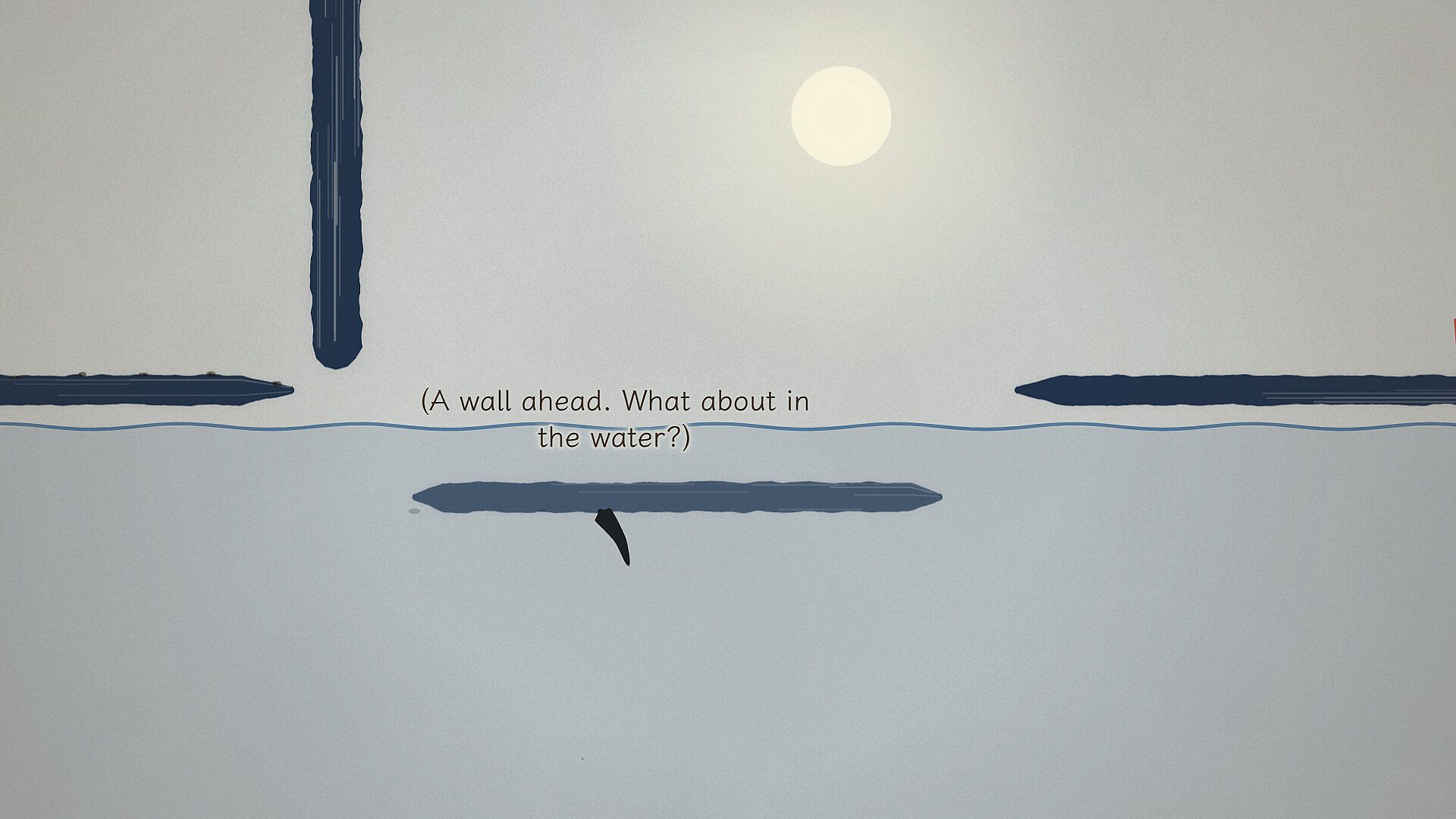
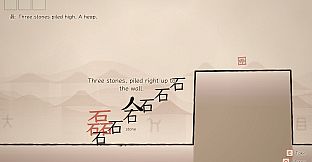
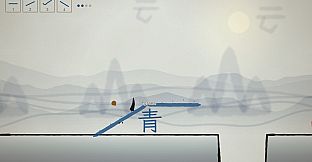
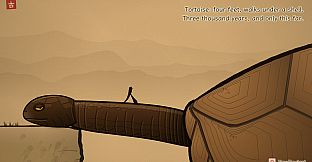
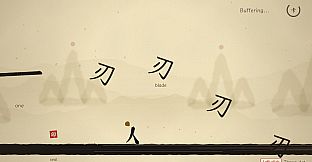
The core loop involves standing on, smashing, splitting, or joining words on the page to alter the environment. Ink remains solid, so players treat sentences and individual characters as platforms or obstacles. Changing a word changes the physical reality around it. The game draws from the six traditional principles of Chinese character formation, with each volume structured around one principle and featuring distinct mechanics. Pictographs allow shifting between modern and ancient forms of the same character. Indicatives involve placing dots to alter meaning and affect gravity or game behavior. Compounds require merging collected words according to real etymological rules, with over seventy documented combinations available. Phonetics uses the four tones of Mandarin as controls for building paths or destroying objects. Transfers places the player inside dictionary definitions that function as physical laws. Loans lets players extract meanings from words and apply them elsewhere to transform into different forms. Hand-drawn oracle bone script appears throughout, and landscapes incorporate characters such as 山 for mountains and 木 for trees. Playable fables include marking the boat to find the sword and waiting by the stump for a rabbit. Every learned word enters a personal dictionary that serves as ink for further progress. The final stroke is drawn by hand and appears uniquely on the title screen for each player.
Game Modes
The game structures its content as six volumes, each based on one of the six principles of character formation. These function as distinct gameplay styles rather than traditional modes. Pictograph sections emphasize time shifts between character forms. Indicative sections focus on precise dot placement and its consequences. Compound sections center on word collection and merging. Phonetic sections rely on tone input via number keys. Transfer sections explore dictionary pages as environments. Loan sections involve meaning extraction and reassignment. Outside these volumes, players move onto a physical desk setting with inkstone and sticky notes. Hints are available by pressing H, and any section can be skipped. No Chinese language knowledge is required, as meanings appear alongside each character.
World and Progression
Progression follows a linear path through the volumes while encouraging experimentation with word interactions. Landscapes remain composed entirely of writing elements, and oracle bone script characters move with distinct animations. The dictionary system tracks learned words and provides ongoing utility. Desk sequences at the end of volumes introduce an old man writing notes that accumulate across play sessions. Fables integrate as interactive puzzles within the volumes. The single-player structure keeps focus on individual puzzle solving without multiplayer elements.
Is It Worth Playing?
This single-player indie adventure suits players who enjoy language-based puzzles and etymological mechanics. The six volumes deliver varied approaches to the same core idea of altering text to reshape the world. Accessibility features include hints, skips, and English explanations for every character. The game releases in November 2026 with no prior reviews available. Those drawn to thoughtful, mechanics-driven experiences centered on Chinese writing systems will find a focused title that rewards careful observation of how characters function. The hand-drawn elements and unique final stroke add personal touches without altering the central puzzle loop.











