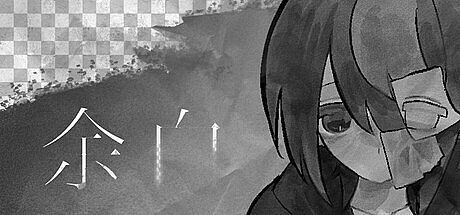



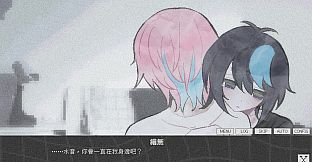
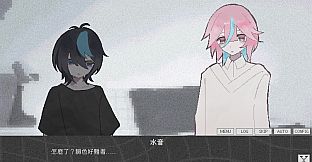
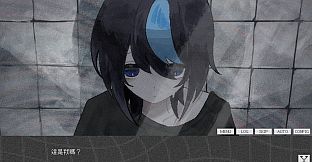
余白 est un visual novel RPG indépendant gratuit qui suit deux garçons dans leur quotidien ordinaire mais troublant, explorant les thèmes de la mémoire, de la dépendance et de l'amour. Alors que des fragments d'un passé enfoui refont surface, leur relation se renforce et soulève des questions sur l'identité, la perte et ce qui reste quand les souvenirs s'effacent. L'expérience narrative, centrée sur l'introspection et les choix émotionnels, se déroule en solo sur PC.
Gameplay
Le cœur du jeu repose sur la lecture de scènes qui dépeignent la vie partagée des protagonistes. Des décisions apparaissent à des moments clés et orientent l'évolution de leur relation : rester ensemble, éviter les vérités difficiles, affronter le passé ou lâcher prise. Le système met l'accent sur les détails subtils, car de petites actions peuvent marquer durablement l'histoire, même lorsque les événements plus importants s'estompent.
La progression se construit à travers le dialogue et les réflexions intérieures, sans combat ni gestion de ressources. L'aspect RPG se traduit par une structure à embranchements et un développement des personnages via les choix accumulés, mais l'accent reste mis sur les dimensions émotionnelles et psychologiques. Le contenu aborde des traumatismes psychologiques, des éléments liés à la prise de médicaments et des thèmes de la mort ; il convient donc aux joueurs prêts à affronter des sujets matures.
Game Modes
余白 se joue exclusivement en solo et ne propose ni mode multijoueur ni mode compétitif. L'histoire avance par segments successifs entrecoupés de choix qui mènent à plusieurs fins. Chaque partie invite à revenir sur certaines sections pour découvrir des issues alternatives en fonction des décisions précédentes.
Les embranchements constituent l'élément principal de la structure, permettant au récit de varier selon la manière dont le joueur équilibre lien et séparation entre les personnages. Aucun autre mode, tel que le free play ou des variantes de défi, n'est présent.
Story and Themes
Le récit interroge ce qui définit une personne lorsque la mémoire s'effrite. L'un des protagonistes oublie peu à peu les événements récents, les conversations passées et même son propre passé, tandis que l'autre détient des informations qu'il choisit parfois de taire pour préserver leur stabilité présente. Cette dynamique crée une tension centrale autour de l'amour, à la fois soutien et possible entrave.
Des questions sur l'identité émergent naturellement : l'oubli de la douleur efface-t-il des parts essentielles de soi, et la dépendance peut-elle soutenir quelqu'un dont le sentiment d'identité s'estompe ? L'histoire refuse les résolutions simplistes et présente plutôt le poids des événements irréversibles ainsi que la recherche de réponses personnelles dans l'incertitude.
Characters
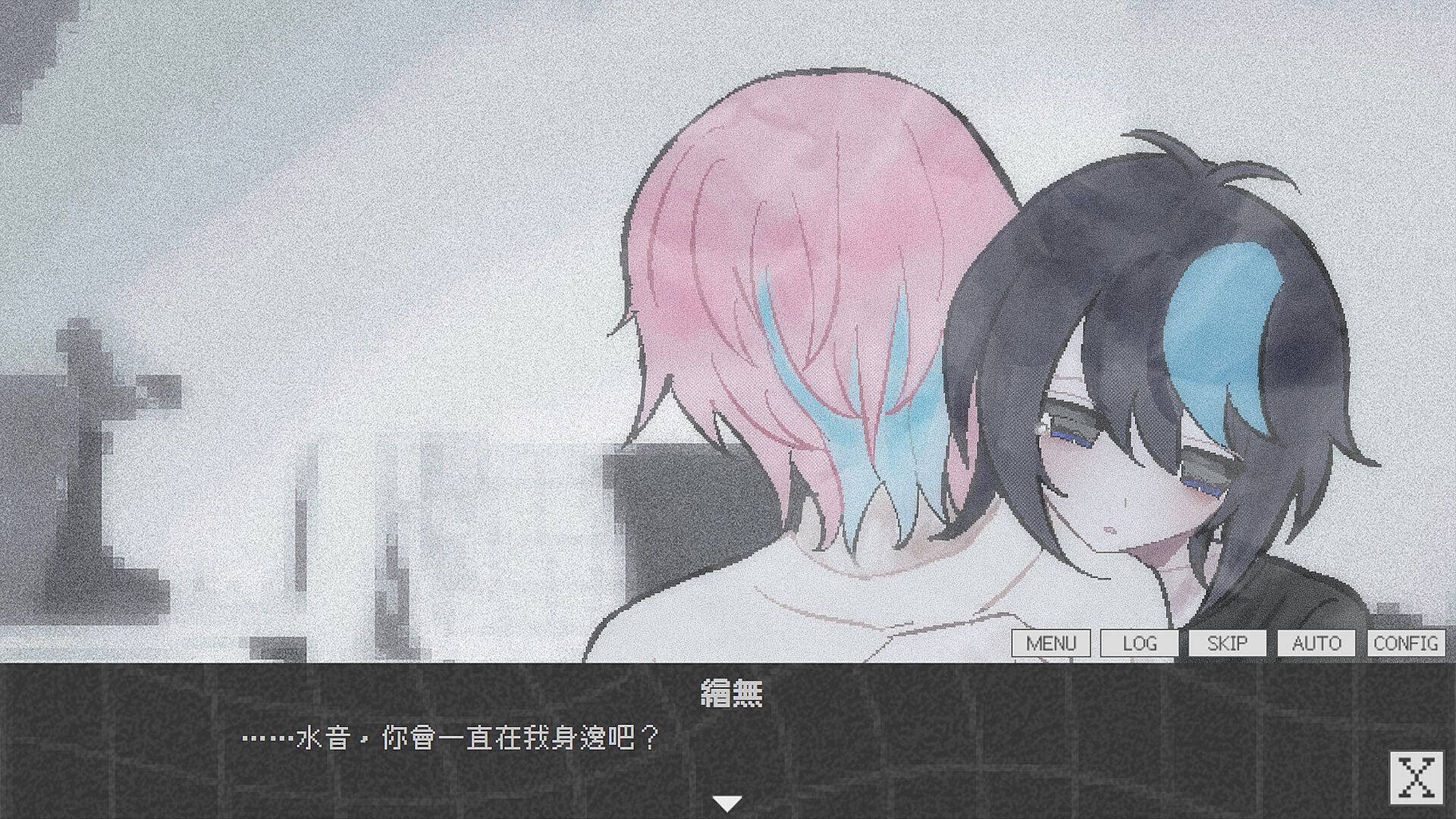
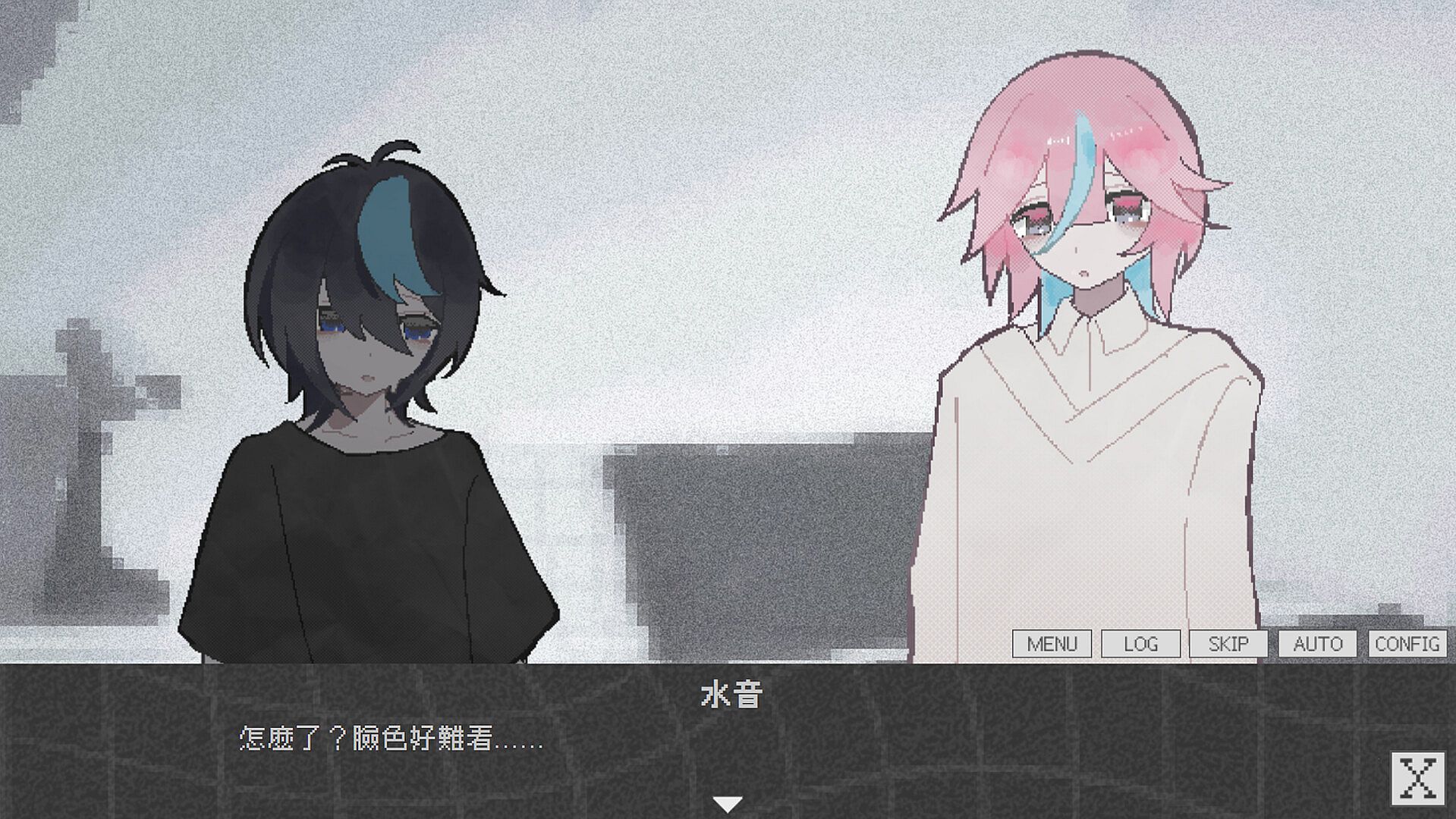
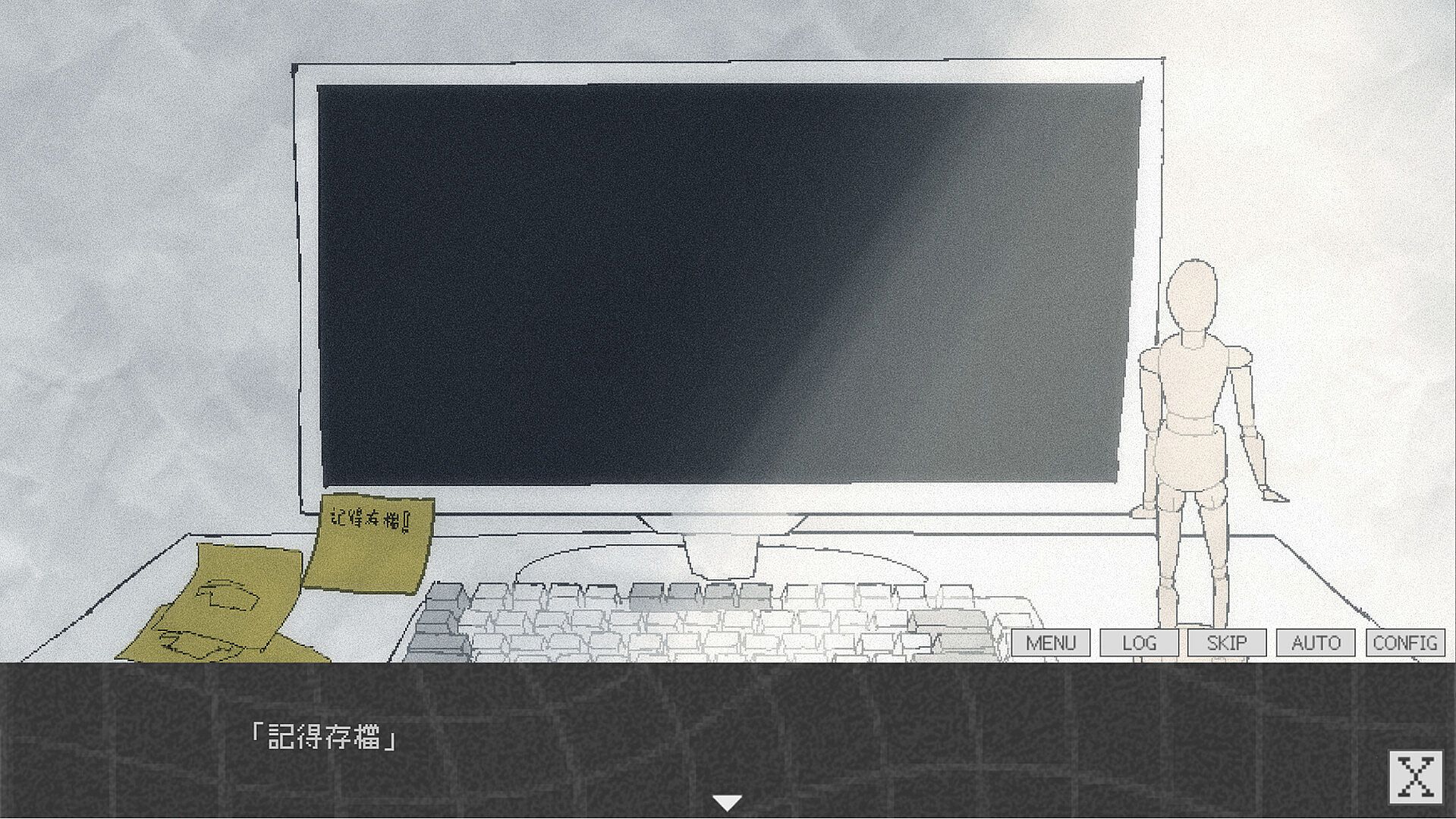
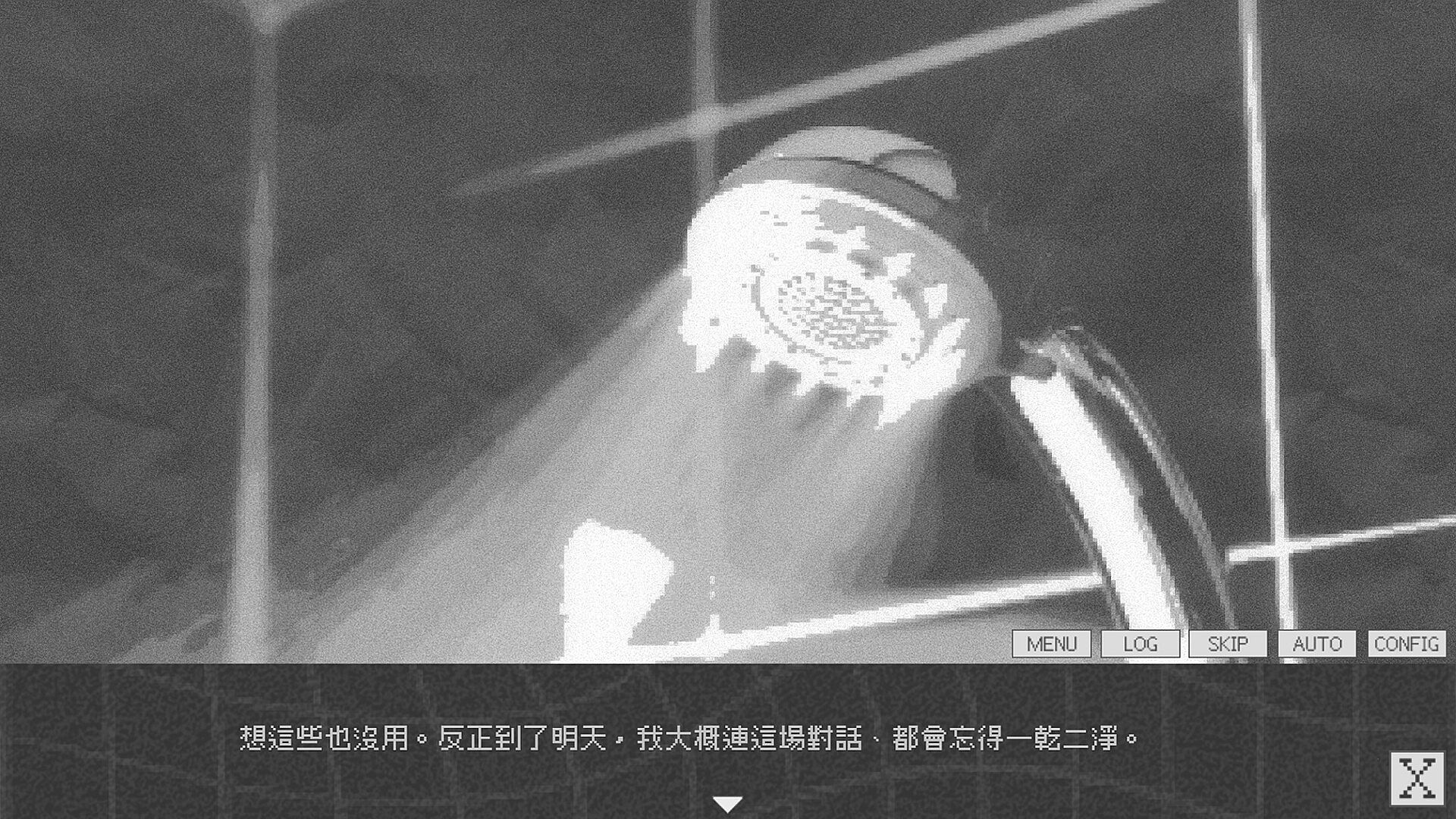
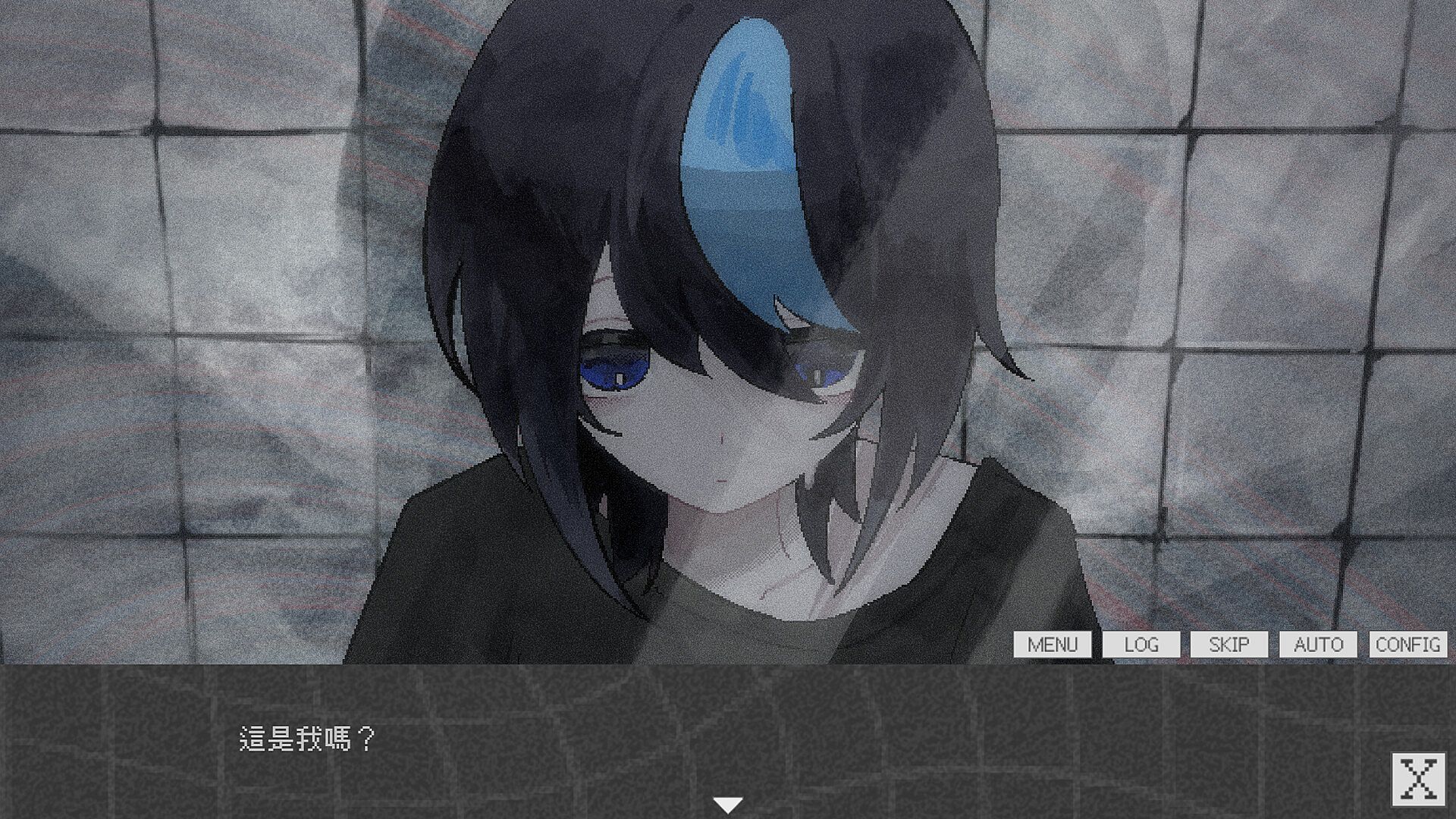
Le protagoniste, E mu, se présente comme un garçon discret et réservé qui fuit les interactions sociales et la lumière du soleil. Il minimise souvent ses trous de mémoire en affirmant que demain effacera tout, tout en conservant certains détails mineurs avec une précision inattendue. Son compagnon, Mizune, lui apporte un soutien constant et possède une connaissance plus approfondie de son passé, qu'il révèle ou retient selon ce qui permet de préserver leur présent commun.
Ces deux personnages structurent l'expérience ; leurs interactions révèlent à la fois des gestes de tendresse et des motifs cachés. Les designs et l'écriture soulignent les contrastes de personnalité qui influencent la portée des choix selon les routes empruntées.
Is It Worth Playing?
余白 s'adresse aux lecteurs en quête d'une expérience narrative centrée sur les thèmes BL et la profondeur psychologique plutôt que sur l'action ou l'exploration. Sa structure à choix récompense l'attention portée à la dynamique relationnelle et incite à plusieurs parties pour découvrir des conclusions variées. Son modèle gratuit sur PC supprime toute barrière financière et donne un accès direct à l'histoire complète ainsi qu'aux avertissements concernant le traumatisme et la perte.
Les amateurs de visual novels introspectifs traitant de sujets matures apprécieront le rythme volontaire et la cohérence thématique. Ceux qui préfèrent éviter les contenus émotionnellement lourds ou les réflexions ouvertes sur la mémoire trouveront peut-être davantage leur compte dans des titres au ton plus léger. Le jeu constitue une œuvre autonome qui privilégie l'interprétation personnelle plutôt que la validation extérieure.